A quality kitchen knife can last a lifetime, but the average cook typically buys full knife sets between $100 and $500.
Chefs and other professionals may consider individual knives up to $2000, highlighting the varying costs of knife sets and the factors influencing their lifespan.
Knowing when to replace your knife set is crucial for optimal kitchen performance.
Key Takeaways
- Average cost of a knife set is between $100 and $500.
- Professional knives can cost up to $2000.
- Knife set lifespan varies based on quality and usage.
- Replacing your knife set is essential for kitchen performance.
- Upgrading kitchen knives can enhance cooking experience.
Understanding the Lifespan of Kitchen Knives
The durability of kitchen knives depends on several key factors, including material and maintenance. Kitchen knives are essential tools for any cook, and their longevity can significantly impact cooking efficiency and safety.
Factors Influencing Knife Longevity
The lifespan of a kitchen knife is influenced by its material, usage, and maintenance. High-carbon stainless steel knives, for instance, are known for their durability and resistance to corrosion. On the other hand, knives made from lower quality materials may not last as long. Proper usage, such as avoiding cutting on hard surfaces or using the knife to cut through frozen foods, also plays a crucial role in prolonging knife set life.
Different Knives, Different Durations
Different types of knives have varying lifespans based on their intended use. For example, a chef’s knife, which is used frequently for chopping and slicing, may need to be replaced more often than a paring knife, which is used less frequently for more delicate tasks. Understanding the recommended knife set lifespan for each type of knife can help in planning for replacements.
Maintenance and Care Impacts
Regular maintenance is crucial for extending the life of kitchen knives. This includes washing and drying knives after every use, storing them properly in a knife block or on a magnetic strip, and sharpening them regularly. Applying a small amount of mineral oil to the blade can also help prevent rust. By following a knife set maintenance schedule, cooks can significantly extend the lifespan of their knives.
In conclusion, the lifespan of kitchen knives is influenced by a combination of factors including material, usage, and maintenance. By understanding these factors and taking steps to properly care for knives, cooks can ensure their knife set remains in good condition for as long as possible.
Signs Your Knife Set Needs Replacement
A dull or damaged knife set is not just a nuisance; it’s a sign that it’s time for a replacement. Over time, even the best knife sets will show signs of wear and tear. Recognizing these signs is crucial for maintaining a safe and efficient kitchen.
Dullness That Can’t Be Fixed
One of the most common signs that your knife needs replacement is a dull edge that can’t be sharpened. While sharpening can extend the life of your knives, there comes a point when the blade is too worn down. At this stage, no amount of sharpening can restore the knife’s original edge.
“A good knife is like a good friend; it should be sharp, reliable, and comfortable to hold.”
Rust and Corrosion Issues
Rust and corrosion are not just unsightly; they can also compromise the integrity of your knife. If you notice rust spots that can’t be removed or if your knives are corroding, it’s a clear sign that they need to be replaced. Regular maintenance can prevent this, but once corrosion sets in, it’s often too late.
| Signs of Rust/Corrosion | Description | Action Required |
|---|---|---|
| Rust Spots | Small, reddish-brown spots on the blade | Try to remove with a rust remover; consider replacement if persistent |
| Corrosion | Deterioration of the metal, often with a pitted surface | Replace the knife as it’s compromised |
Handle Damage and Cracks
A damaged handle can make your knife uncomfortable or even dangerous to use. Cracks, loose parts, or significant wear on the handle are all indicators that it’s time to consider a new knife. The handle is a critical part of the knife’s functionality and safety.
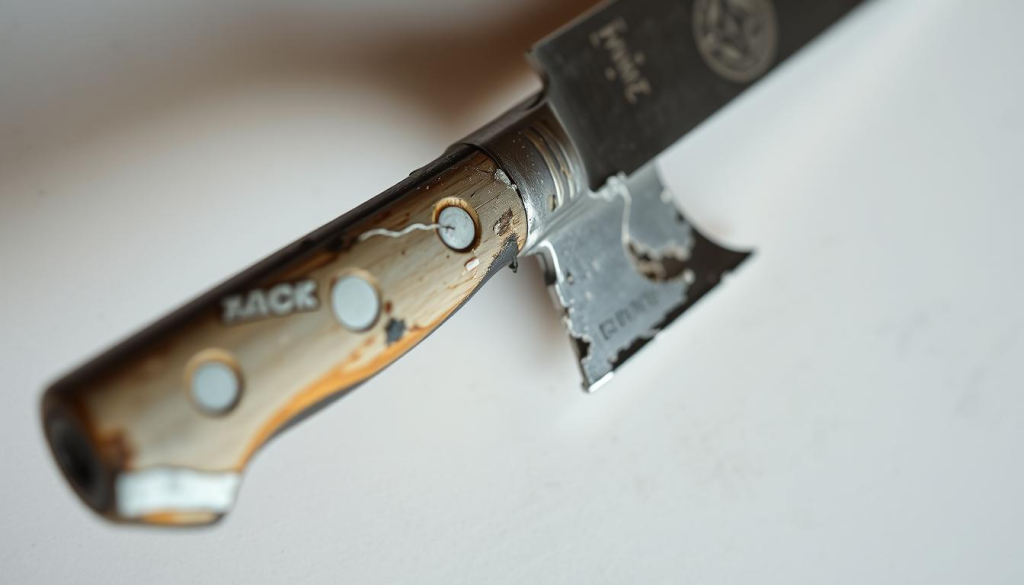
By paying attention to these signs, you can ensure that your kitchen remains safe and your cooking experience is always optimal. Replacing your knife set when necessary is a simple yet effective way to maintain your kitchen’s efficiency and your enjoyment of cooking.
The Importance of Quality in Knife Sets
The quality of your knife set can significantly impact your cooking experience and efficiency in the kitchen. A high-quality knife set is not just about having sharp blades; it’s about durability, comfort, and the overall cooking experience.
When considering a new knife set, one of the critical factors is the brand’s reputation for producing durable knives. Brands that use high-carbon stainless steel are often preferred for their ability to hold a sharp edge and resist corrosion.
Brands Known for Durability
Some brands have made a name for themselves by producing exceptionally durable knife sets. These brands understand the importance of using high-quality materials and craftsmanship to ensure their knives last. For instance, brands like Wüsthof and Shun are well-regarded for their high-carbon stainless steel knives, which offer a great balance between sharpness and durability.
Material Considerations
The material used in making your knife set is crucial. High-quality kitchen knives are made from materials like stainless steel, carbon steel, and ceramic. Stainless steel is prized for its resistance to corrosion, while carbon steel is known for its sharpness and edge retention. Ceramic knives, on the other hand, are valued for their lightness and ability to stay sharp.
When evaluating the material of your knife set, consider your cooking habits and preferences. For example, if you often cook acidic foods, a stainless steel knife might be a better choice due to its resistance to corrosion.
Value vs. Price: What to Look For
When upgrading kitchen knives, it’s essential to understand the difference between value and price. A higher price doesn’t always mean better value. Look for a knife set that offers a good balance between quality and cost. Consider the knife set maintenance schedule and how it affects the overall value. A well-maintained knife set can last for years, making it a valuable investment.
In conclusion, investing in a quality knife set involves considering several factors, including the brand’s reputation, the material of the knives, and the overall value for the price. By focusing on these aspects, you can ensure that your knife set remains a valuable tool in your kitchen for years to come.
How to Maintain Your Knife Set
Proper care can significantly extend the life of your kitchen knives. Maintaining your knife set involves a combination of regular cleaning, appropriate sharpening, and careful storage.
Proper Cleaning Techniques
Cleaning your knives immediately after use is crucial. Hand washing with mild soap and drying thoroughly prevents the buildup of bacteria and maintains the integrity of the blade. Avoid using abrasive materials or putting knives in the dishwasher, as high heat and harsh detergents can damage the metal and handles.
A simple yet effective method for cleaning knives is to use a soft cloth or sponge. For tougher residue, a gentle scrubber can be used, but be sure to rinse the knife thoroughly afterward.
| Cleaning Method | Effectiveness | Potential Damage |
|---|---|---|
| Hand washing with mild soap | High | Low |
| Using a dishwasher | Medium | High |
| Scrubbing with a soft sponge | High | Low |
Sharpening Methods to Extend Life
Regular sharpening is essential to maintain the effectiveness of your knives. Dull knives are not only less efficient but can also be dangerous, as they require more force to cut, increasing the risk of accidents.
There are several sharpening methods, including using a whetstone, sharpening steel, or electric sharpener. The choice of method depends on personal preference and the type of knife. For most home cooks, a sharpening steel is sufficient for regular maintenance, while a whetstone can be used for more thorough sharpening.
Storage Solutions for Longevity
How you store your knives can significantly impact their longevity. Knife blocks and magnetic strips are popular storage solutions that keep knives organized and prevent them from coming into contact with other utensils or surfaces that could cause damage.
It’s also important to store knives in a dry place to prevent rust. For knives with carbon steel blades, applying a small amount of oil before storing can help prevent corrosion.
By following these maintenance tips, you can prolong the life of your knife set and ensure they remain in good condition for a long time.
When to Sharpen vs. Replace
Understanding when to sharpen versus replace your kitchen knives can significantly impact their performance. The decision to sharpen or replace depends on several factors, including usage, maintenance, and the overall condition of the knives.
Understanding Sharpening Frequencies
The frequency of sharpening depends on how often you use your knives. For most home cooks, sharpening once or twice a year is sufficient. However, professional chefs may need to sharpen their knives more frequently, sometimes after every few uses.
Sharpening frequency guidelines:
- Home cooks: 1-2 times a year
- Professional chefs: After every few uses or weekly
Identifying When Sharpening Stops Working
There’s a point when sharpening no longer restores a knife’s original sharpness. Signs that it’s time to replace your knife include:
- Persistent dulling despite regular sharpening
- Visible damage to the blade or handle
- Rust or corrosion that cannot be removed
Recognizing these signs early can help you decide when to upgrade your knife set, ensuring you always have the best tools for your cooking needs.
By understanding the balance between sharpening and replacing, you can maintain your knives effectively and know when it’s time to invest in a new set.
Recommendations for Replacement Cycles
The lifespan of a knife set varies significantly between professional chefs and home cooks, influenced by usage and maintenance habits. While a professional chef might need to replace their knives more frequently due to heavy use, a home cook might enjoy a longer lifespan from their knife set.
Professional Vs. Home Cooks
For professional chefs, knife replacement is often a matter of necessity due to the high volume of use. Knives are tools of the trade, and their performance directly impacts the quality of the dishes prepared. As such, professionals tend to replace their knives every 1-2 years, depending on the quality and type of knife.
In contrast, home cooks use their knives less intensively. For them, a high-quality knife set can last 5-10 years or more, provided they are properly maintained. The key for home cooks is to monitor the condition of their knives and replace them when they show signs of wear that affect performance.
https://www.youtube.com/watch?v=7ZUYxFrVAfw
Industry Standards on Replacement Timing
Industry standards suggest that the lifespan of a knife is heavily dependent on its material quality and how well it is maintained. High-carbon stainless steel knives, for example, are known for their durability and resistance to corrosion, potentially extending the replacement cycle.
- High-quality knives can last decades with proper care.
- The average home cook may need to replace their knife set every 5-7 years.
- Professional chefs may need to replace their knives every 1-2 years.
As Wüsthof, a renowned knife manufacturer, notes, “The longevity of your knife depends on how well you care for it.” Proper maintenance, including regular sharpening and appropriate storage, can significantly extend the life of your knives.
“A good knife is a long-term investment. With proper care, it can be a faithful companion in the kitchen for many years.”
Budgeting for a New Knife Set
Budgeting for a new knife set requires understanding the cost expectations for quality knives. The cost of a new knife set can range from under $100 to over $2000, depending on factors such as material, brand, and craftsmanship.
Investing in quality knives, although more expensive upfront, can be cost-effective in the long run. As Chef John Doe once said, “A good knife is an investment that will last you a lifetime if properly cared for.” This emphasizes the importance of considering not just the initial cost, but the long-term value.
Cost Expectation for Quality Knives
When expecting to spend on quality knives, several factors come into play. High-carbon stainless steel knives, for instance, are more durable and resistant to corrosion, thus potentially costing more than their lower-grade counterparts.
- Basic knife sets can start as low as $50-$100.
- Mid-range sets with better materials and craftsmanship can cost between $100-$500.
- High-end sets from reputable brands can range from $500 to over $2000.
Key considerations include the type of steel used, the edge retention, and the overall build quality.
Ways to Save While Investing in Quality
To save money while still investing in quality knives, consider the following strategies:
- Look for sales and discounts from reputable retailers.
- Consider purchasing knife sets rather than individual knives.
- Invest in knives made from high-quality materials that will last longer.
As noted by a culinary expert, “Investing in a good knife set is like investing in a good pair of shoes; it’s about finding the right fit and quality that will last.” This quote highlights the importance of not just looking for the cheapest option, but finding value in your investment.
“The right knife can make all the difference in your cooking experience. It’s worth spending a bit more to get the quality you need.”
By understanding the factors that influence the cost of a knife set and employing strategies to save, you can make an informed decision that meets your budget and culinary needs.
Popular Knife Brands Worth Considering
For those looking to invest in a new set of kitchen knives, understanding the offerings of popular brands is essential. The right brand can make a significant difference in the quality and durability of your knives.
Profiles of Notable Knife Brands
Several brands have established themselves as leaders in the knife industry. Brands like Wüsthof, Shun, and Zwilling J.A. Henckels are well-regarded for their high-quality products. Each of these brands brings its unique strengths to the table.
- Wüsthof: Known for their precision and durability, Wüsthof knives are a favorite among professional chefs.
- Shun: Shun knives are celebrated for their exceptional sharpness and craftsmanship, often featuring intricate designs.
- Zwilling J.A. Henckels: This brand offers a wide range of knives that are both functional and aesthetically pleasing, with a focus on high-carbon steel for enhanced durability.
These brands have built their reputations on quality, performance, and innovative designs. When considering a new knife set, looking into these brands can be a good starting point.
Comparing Popular Options in 2023
In 2023, the market continues to be dominated by a few key players. Here’s a comparison of some popular knife sets from top brands:
| Brand | Model | Material | Edge Type | Price Range |
|---|---|---|---|---|
| Wüsthof | Classic Ikon 7-Piece Set | High-Carbon Stainless Steel | Straight Edge | $100-$150 |
| Shun | DM0706 Classic 8-Piece Set | High-Carbon Stainless Steel | Straight Edge | $200-$300 |
| Zwilling J.A. Henckels | Twin Pro 7-Piece Set | High-Carbon Stainless Steel | Straight Edge | $150-$250 |
When upgrading your kitchen knives, it’s essential to consider not just the brand, but also the specific model and its features. The table above provides a snapshot of what some popular sets offer.
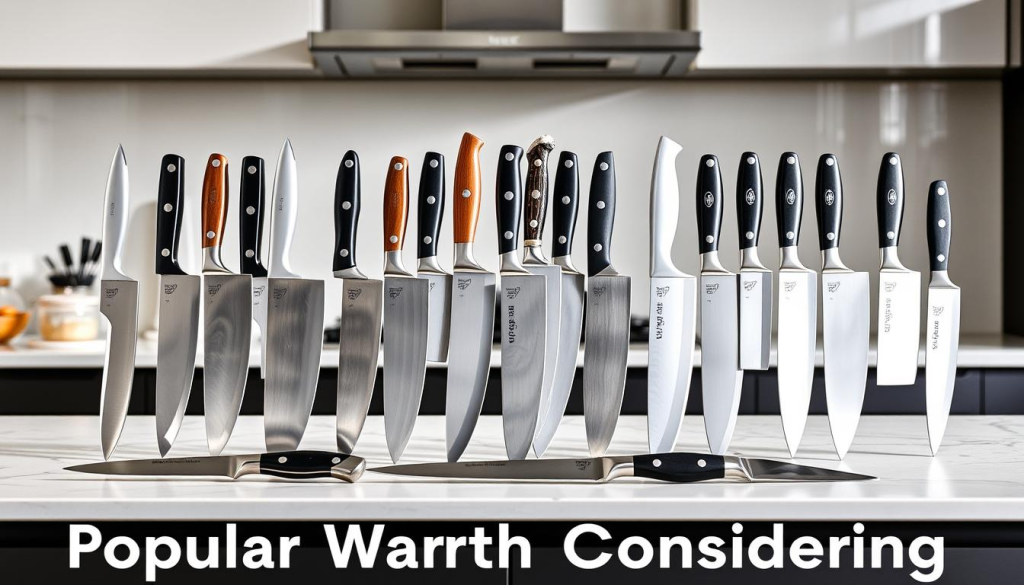
By considering the profiles and comparisons of these popular knife brands, you can make a more informed decision that suits your cooking needs and budget.
Conclusion: Making the Best Decision for Your Kitchen
Maintaining a well-functioning kitchen involves regularly assessing the condition of your knife set. Understanding when to replace your knives is crucial for optimal performance and safety.
Key Considerations
Signs like dullness, rust, and handle damage are clear indicators that it’s time to consider replacing your knife set. The frequency of replacement depends on usage and maintenance. Home cooks and professional chefs have different needs, and understanding these differences is key to making the right decision.
Assess Your Current Set
Take a moment to evaluate your current knife set. Ask yourself: Are your knives still sharp? Are there signs of rust or corrosion? Is the handle damaged? Answering these questions will help you determine if it’s time to replace your knife set. Knowing how often to replace your knife set and recognizing the signs to replace it can significantly impact your cooking experience.
By staying informed and proactive, you can ensure your kitchen remains equipped with the right tools for the job, enhancing both the joy and efficiency of cooking.