
Masamune, widely regarded as Japan’s greatest swordsmith, crafted swords and daggers known as tachi and tantō in the Soshu tradition. His works are highly prized for their beauty and quality.
The significance of Masamune swords lies not only in their historical value but also in their craftsmanship. These swords are a testament to the skill and artistry of Masamune, who worked around the 13th to 14th centuries.
The question of how many Masamune swords exist today is a topic of great interest among historians and collectors. Understanding the number of these swords can provide insights into their rarity and value.
Key Takeaways
- Masamune is considered Japan’s greatest swordsmith.
- His swords, known as tachi and tantō, are highly valued.
- The craftsmanship of Masamune swords is exceptional.
- The number of existing Masamune swords is a topic of interest.
- Understanding the count can reveal their rarity and value.
The Legend of Masamune
In the annals of Japanese swordsmithing, Masamune stands out as a legendary figure whose work continues to captivate historians and collectors alike. Masamune is believed to have worked in Sagami Province during the late Kamakura period (1288–1328), a time when Japanese sword craftsmanship was evolving significantly.
Who Was Masamune?
Masamune was trained by swordsmiths from Bizen and Yamashiro provinces, indicating the diverse influences on his craft. His training and experience ultimately led to the development of a unique style that would become synonymous with excellence in Japanese swordsmithing.
The Soshu tradition, in which Masamune worked, is characterized by its unique forging techniques and the distinctive hamon (tempered edge) that became a hallmark of Masamune’s swords. The Soshu tradition was known for its emphasis on strength, durability, and beauty, qualities that Masamune’s swords embodied.
The Historical Significance of Masamune
Masamune’s work had a profound impact on Japanese history, with his swords being highly valued not only for their craftsmanship but also for their historical significance. Many of his creations are considered National Treasures in Japan, underscoring their importance.
- The influence of Masamune’s swords on Japanese culture and history.
- The role of the Soshu tradition in shaping Masamune’s craftsmanship.
- The continued admiration for Masamune’s work among historians and collectors today.
Masamune’s legacy extends beyond his swords to represent the pinnacle of Japanese swordsmithing artistry. His work continues to inspire modern swordsmiths and captivate those interested in Japanese history and culture.
The Craftsmanship of Masamune Swords
Masamune swords are renowned for their exceptional craftsmanship, a hallmark of Japanese sword-making excellence. The artistry and skill that go into creating these swords are a testament to the legacy of Masamune, a swordsmith whose work continues to be celebrated centuries later.
What Makes Masamune Swords Unique?
Masamune swords are distinguished by their superior beauty and quality. One of the key features that set Masamune’s work apart is the use of “nie,” or martensitic crystals embedded in a pearlite matrix. This technique gives Masamune swords their characteristic strength and aesthetic appeal. The intricate hamon, or tempered edge, is another distinctive feature that showcases the swordsmith’s mastery.
The meticulous attention to detail and the traditional techniques used in crafting Masamune swords contribute to their uniqueness. Each sword is a reflection of the swordsmith’s skill and artistry, making every Masamune sword a masterpiece.
Traditional Techniques Used in Creation
The creation of Masamune swords involves several traditional Japanese sword-making techniques. The process begins with the selection of high-quality steel, which is then folded multiple times to remove impurities. This labor-intensive process, known as tamahagane, results in a strong and resilient material.
- The steel is heated and forged to shape the sword.
- The hamon is carefully crafted through a process of tempering and polishing.
- The final stages involve intricate detailing and polishing to bring out the sword’s unique features.
These traditional techniques, combined with the swordsmith’s expertise, result in swords that are not only functional but also works of art. The legacy of Masamune’s craftsmanship continues to inspire and influence sword making today.
Types of Masamune Swords
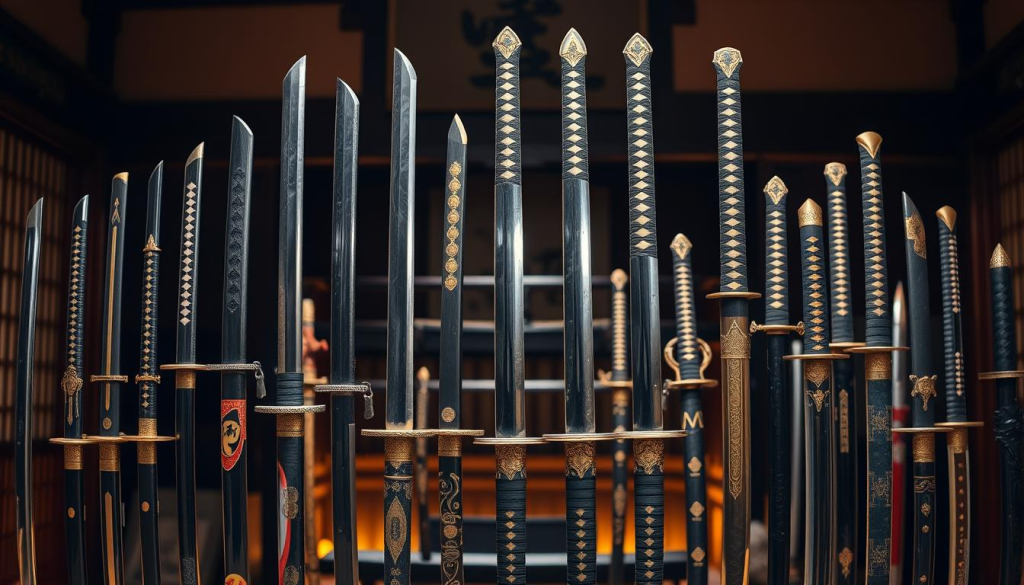
The legacy of Masamune is reflected in the diverse range of swords he created, including both katana and tachi. Masamune’s work was primarily associated with the Sōshū school, known for its innovative techniques and high-quality steel.
Katana vs. Tachi: Key Differences
Masamune crafted both katana and tachi, two of the most iconic types of Japanese swords. The primary difference between katana and tachi lies in their design and usage. Katana are characterized by their curved, single-edged blade and were typically worn with the edge facing up. In contrast, tachi were usually longer and more curved than katana, with a more pronounced curvature, and were worn with the edge facing down.
“The distinction between katana and tachi is not just in their physical attributes but also in their historical context and usage,” notes historian Kōshin Nakanishi. “Understanding these differences is crucial to appreciating Masamune’s work.”
Notable Types of Masamune
Among Masamune’s creations, some swords stand out for their historical significance and craftsmanship. One notable example is the Honjo Masamune, a katana renowned for its exceptional quality and considered one of the finest swords ever made. Another example is the tachi designated as a National Treasure in Japan, showcasing Masamune’s mastery over the tachi form.
“Masamune’s swords are not just weapons; they are works of art that embody the spirit of their creator,” said a renowned sword collector.
These notable swords not only demonstrate Masamune’s technical skill but also his artistic vision, making them highly prized by collectors and historians alike.
How Many Masamune Swords Are Known?
Despite extensive research, the precise number of Masamune swords that have survived through the centuries remains uncertain. Historians and collectors have long been fascinated by the works of Masamune, and efforts to catalog his swords continue to this day.
Inventory of Existing Masamune Swords
The Kyōhō Meibutsuchō, a catalog compiled during the Kyōhō era (1716-1736), lists 59 swords attributed to Masamune. Notably, 18 of these swords were already considered lost at the time the catalog was compiled, highlighting the challenges in maintaining an accurate count.
According to historical records, many Masamune swords have been lost over the centuries due to various factors, including wars, natural disasters, and the passage of time. Despite these losses, numerous swords attributed to Masamune continue to be preserved in museums and private collections.
| Catalog | Total Swords Listed | Swords Lost | Swords Preserved |
|---|---|---|---|
| Kyōhō Meibutsuchō | 59 | 18 | 41 |
Criteria for Verification
Verifying the authenticity of a Masamune sword involves a rigorous examination process. Experts consider several factors, including the sword’s hamon (tempered edge), habaki (collar), and signature. The condition and craftsmanship of the sword are also critical in determining its authenticity.
“The art of sword-making is not just about creating a weapon; it’s about crafting a piece of history that embodies the spirit of its maker.” –
The process of verifying a Masamune sword is complex and requires a deep understanding of historical Japanese sword-making techniques. As such, authentication is typically carried out by experienced professionals with a background in Japanese antiquities.
In conclusion, while the exact number of Masamune swords in existence is difficult to determine, historical catalogs and expert verification processes play a crucial role in preserving these cultural artifacts.
Famous Masamune Swords
The legacy of Masamune is embodied in several renowned swords that have captivated collectors and historians alike. These swords are not only testaments to Masamune’s craftsmanship but also carry significant historical weight.
The Honjo Masamune
The Honjo Masamune is one of the most celebrated Masamune swords, known for its exceptional quality and historical significance. It was a symbol of the Tokugawa shogunate during much of the Edo period and was passed down through generations of shōguns.
This sword is considered one of the finest Japanese swords ever made, embodying the craftsmanship and artistry that Masamune is famous for. Its history and the stories surrounding it have made it a piece of cultural heritage.
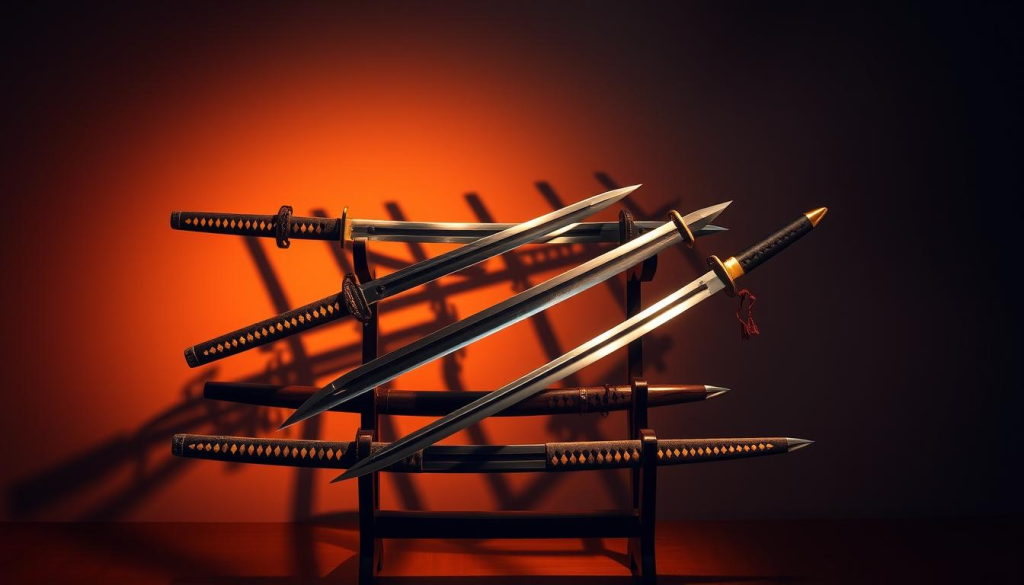
The Kyojuro Rengoku’s Sword
Another notable example is the sword associated with Kyojuro Rengoku, a character from the popular anime and manga series “Demon Slayer.” While the actual sword used in the series is a replica, it highlights the influence and popularity of Masamune swords in modern culture.
Here’s a comparison of these famous swords:
| Sword Name | Historical Significance | Craftsmanship |
|---|---|---|
| Honjo Masamune | Symbol of Tokugawa shogunate | Exceptional, considered one of the finest |
| Kyojuro Rengoku’s Sword | Popularized through media | Influential in modern sword designs |
These swords demonstrate the enduring legacy of Masamune, showcasing both historical significance and the continued influence on contemporary culture.
Masamune Sword Reproductions
Modern craftsmen are keeping the legacy of Masamune alive through their meticulous reproductions of these iconic swords. The art of replicating Masamune swords is a challenging yet rewarding process that requires a deep understanding of traditional Japanese sword-making techniques.
Modern Replicas: Quality and Authenticity
The quality and authenticity of Masamune sword reproductions are paramount for collectors and enthusiasts. Modern replicas are crafted using traditional methods, ensuring that the essence of the original swords is preserved. However, the challenge lies in achieving the same level of craftsmanship and material quality as the originals.
To address this, many modern craftsmen undergo rigorous training in traditional Japanese sword-making. For instance, Tsunahiro Yamamura, known as Masamune XXIV, continues the Soshu tradition of blade making, carrying on the legacy of Masamune. Such dedication to the craft ensures that the reproductions are not only aesthetically pleasing but also authentic in terms of technique and materials.
Popular Brands Making Reproductions
Several brands have gained recognition for their high-quality Masamune sword reproductions. These brands often collaborate with skilled craftsmen who have a deep understanding of the traditional techniques involved.
- Brands like Yamamura are renowned for their commitment to preserving the legacy of Masamune through their reproductions.
- Other notable brands focus on using high-quality materials and precise craftsmanship to create replicas that are as close to the originals as possible.
When selecting a Masamune sword reproduction, it’s essential to consider the reputation of the brand and the craftsmanship involved. This ensures that the reproduction is not only a tribute to Masamune’s legacy but also a valuable addition to any collection.
Collecting Masamune Swords
Collecting Masamune swords is a nuanced art that requires not only a passion for Japanese history but also a keen eye for authenticity and quality. For collectors, understanding the intricacies of these swords is crucial for making informed purchasing decisions.
What to Look for When Buying
When buying a Masamune sword, several factors must be considered to ensure the purchase is both valuable and authentic. Authenticity is paramount; collectors should look for documentation or provenance that verifies the sword’s origin and history. The condition of the sword is also critical, as any damage or restoration can significantly impact its value.
Additionally, the signature or inscription on the tang (nakago) is a key indicator of authenticity. Masamune swords are known for their distinctive signatures, and any deviation from known patterns should be scrutinized. Collectors should also examine the hamon, the tempered edge, and the overall craftsmanship, as these elements reflect the sword’s quality and historical significance.
Market Value of Masamune Swords
The market value of Masamune swords can be substantial due to their rarity and historical importance. Prices can vary widely based on factors such as the sword’s condition, provenance, and historical significance. For instance, a Masamune sword with documented history and in excellent condition can fetch millions at auction.
Collectors should be aware of the market trends and be prepared to work with reputable dealers or auction houses. It’s also essential to understand that the value of a Masamune sword is not solely monetary; these swords are pieces of history that carry cultural and spiritual significance.
- Research reputable dealers and auction houses.
- Verify the authenticity and provenance of the sword.
- Assess the condition and any restoration work.
- Understand the market value and trends.
By carefully considering these factors, collectors can navigate the complex market for Masamune swords and make informed decisions that enhance their collections.
Preservation and Care of Masamune Swords
To ensure the longevity of Masamune swords, collectors must adhere to rigorous maintenance and storage standards. These historical artifacts are not only valuable for their monetary worth but also for the insight they provide into Japan’s rich cultural heritage.
Best Practices for Maintenance
Maintaining a Masamune sword involves more than just keeping it clean; it requires a comprehensive approach that includes handling, cleaning, and polishing. Handling should always be done with clean, dry hands or while wearing gloves to prevent oils from skin from coming into contact with the blade.
Cleaning should be minimal, as excessive cleaning can wear away the blade’s hamon (the tempered edge). When cleaning is necessary, use a soft, dry cloth to gently wipe away any debris. Polishing should be done by a professional with experience in handling historical swords, as improper techniques can damage the sword.
Storage Recommendations
Proper storage is crucial for preserving Masamune swords. Swords should be stored in a dry environment, away from direct sunlight, which can cause the wood of the scabbard or mounting to crack or fade.
The storage container or scabbard should be made of materials that do not contain acids or other harmful chemicals. Using acid-free paper or cloth for wrapping can help prevent corrosion. It’s also advisable to store the sword in a saya (scabbard) that is slightly larger than the blade to prevent the blade from becoming stuck.
By following these best practices and storage recommendations, collectors can ensure that their Masamune swords remain in excellent condition for generations to come. The preservation of these swords is a responsibility that honors the craftsmanship and history they represent.
Masamune Swords in Pop Culture
In the realm of pop culture, Masamune swords stand out as icons of Japanese heritage, influencing modern media and sword designs. Their legendary status has captivated audiences worldwide, making them a staple in various forms of entertainment.
Appearances in Movies and Anime
Masamune swords have made significant appearances in numerous movies and anime series, often symbolizing honor, skill, and historical significance. For instance, the Honjo Masamune, a National Treasure of Japan, has been featured in various documentaries and films, highlighting its historical importance.
In anime, Masamune swords are frequently depicted as wielded by skilled warriors, embodying the spirit of the samurai. Series such as “Bleach” and “Soul Eater” feature characters using Masamune swords, further cementing their status in popular culture.
Influence on Modern Sword Designs
The influence of Masamune swords extends beyond their historical significance, as they continue to inspire modern sword designs. Craftsmen around the world draw inspiration from Masamune’s techniques and aesthetic, creating replicas and modern interpretations that pay homage to the originals.
| Aspect | Traditional Masamune Swords | Modern Interpretations |
|---|---|---|
| Materials | High-carbon steel, tamahagane | Varied materials, including modern steel alloys |
| Craftsmanship | Traditional techniques, hand-forged | Combination of traditional and modern techniques |
| Aesthetic | Simple, elegant designs | Diverse designs, incorporating traditional elements |
The legacy of Masamune swords in pop culture is a testament to their enduring appeal and the significant role they play in representing Japanese heritage. As cultural icons, they continue to inspire new generations of craftsmen, artists, and enthusiasts alike.
The Cultural Importance of Masamune
Masamune’s swords are not just mere weapons; they embody the essence of Japanese culture and history. For centuries, his creations have been revered not only for their exceptional craftsmanship but also for their representation of the samurai tradition.
Significance in Japanese History
Masamune’s contributions to Japanese history are multifaceted. His swords are considered national treasures, symbolizing the pinnacle of Japanese sword craftsmanship. The historical significance of Masamune is evident in the way his swords have been preserved and celebrated throughout the centuries.
The impact of Masamune on Japanese history can be seen in several key areas:
- Influence on subsequent sword makers
- Representation in art and literature
- Cultural symbolism in Japanese society
Masamune’s swords have influenced generations of sword makers, shaping the course of Japanese sword craftsmanship. His techniques and designs have been studied and emulated, ensuring his legacy continues through the work of modern artisans.
Representation of Samurai Tradition
Masamune’s swords are more than just historical artifacts; they are a representation of the samurai tradition. The samurai code, known as Bushido, emphasized honor, loyalty, and discipline, values that are reflected in the craftsmanship and beauty of Masamune’s swords.
The table below highlights the key aspects of Masamune’s representation of the samurai tradition:
| Aspect | Description | Significance |
|---|---|---|
| Craftsmanship | Exceptional skill and attention to detail | Reflects the samurai value of discipline |
| Design | Unique and intricate designs | Symbolizes the honor and loyalty of the samurai |
| Materials | High-quality steel and traditional materials | Represents the samurai’s commitment to excellence |
Masamune’s swords continue to captivate audiences worldwide, serving as a tangible connection to Japan’s rich cultural heritage and the storied history of the samurai.
Visiting Masamune-Sword-related Sites
Several renowned museums in Japan house Masamune swords, providing an opportunity for visitors to appreciate the intricate details and historical significance of these legendary blades.
For those interested in exploring the world of Masamune swords, Japan offers a variety of cultural and historical sites to visit. These locations not only showcase the swords but also provide context about the craftsmanship and historical period in which they were created.
Famous Museums to Explore
Some of the most notable museums for Masamune sword enthusiasts include:
- The Tokyo National Museum, which houses a vast collection of Japanese art and artifacts, including several Masamune swords.
- The Japanese Sword Museum in Tokyo, dedicated entirely to the history and art of Japanese swords.
- The Kyoto National Museum, which features a collection of Japanese swords and related artifacts.
| Museum Name | Location | Notable Masamune Swords |
|---|---|---|
| Tokyo National Museum | Tokyo | Multiple Masamune swords |
| Japanese Sword Museum | Tokyo | Several notable Masamune swords |
| Kyoto National Museum | Kyoto | A collection of Masamune swords |
Cultural Experiences in Japan
Visitors to Japan can also participate in cultural experiences that revolve around Masamune swords and Japanese sword culture. These include:
- Sword-making workshops where visitors can learn about traditional Japanese sword craftsmanship.
- Cultural festivals that celebrate Japanese heritage, often featuring displays of Masamune swords.
- Guided tours of historical sites related to Masamune and the samurai tradition.
By visiting these sites and participating in cultural experiences, enthusiasts can gain a deeper understanding and appreciation of Masamune swords and their significance in Japanese history.
Conclusion: The Enduring Legacy of Masamune
The legacy of Masamune continues to captivate collectors and historians alike, with his swords remaining highly prized for their historical significance and craftsmanship.
Captivating Collectors Worldwide
Masamune swords have a timeless appeal, drawing in collectors from around the world. The intricate designs, combined with the historical importance of these swords, make them highly sought after. The enduring legacy of Masamune is evident in the continued popularity of his creations.
Preserving History for Future Generations
As we look to the future of Masamune sword preservation, it is clear that these artifacts play a crucial role in understanding Japanese history and culture. Efforts to preserve and restore these swords ensure that they remain a vital part of our cultural heritage. By protecting these historical artifacts, we can continue to appreciate the craftsmanship and artistry that defines Masamune’s work, securing the future of Masamune sword preservation.