For any chef, having the right tools in the kitchen is crucial. Among these tools, knives are perhaps the most essential. A good set of knives can make a significant difference in food preparation, enhancing both efficiency and safety.
The average home cook can start with around four essential knives: a chef’s knife for chopping, a serrated or bread knife for slicing, and a paring and/or utility knife for more precise tasks. Having these knives provides a solid foundation for tackling various kitchen tasks.
Understanding the importance of these essential chef knives is key to improving culinary skills. A well-equipped kitchen is not just about having many knives, but having the right ones.
Key Takeaways
- A chef should start with around four essential knives.
- The essential knives include a chef’s knife, a serrated or bread knife, and a paring and/or utility knife.
- Having the right knives enhances kitchen efficiency and safety.
- A good set of knives is crucial for improving culinary skills.
- The quality of knives is as important as the quantity.
Introduction to Chef’s Knives
Knives are to cooking like addition and subtraction are to math – they are the basic building blocks upon which most of cooking is built. The right knife can make a significant difference in the preparation and presentation of dishes.
A good knife is characterized by its balance, sharpness, and durability. These characteristics are crucial for effective cooking, as they enable chefs to perform tasks with ease and precision.
Importance of a Good Knife
A good knife is essential for several reasons:
- It provides precision, allowing for accurate cuts and minimizing waste.
- It enhances safety, as a sharp knife is less likely to slip and cause accidents.
- It improves efficiency, enabling chefs to prepare ingredients quickly.
Knives vs. Other Cooking Tools
While other cooking tools, such as pots and pans, are crucial for cooking, knives stand out due to their versatility and the fundamental role they play in food preparation. Unlike other tools, knives are used in nearly every step of cooking, from preparation to presentation.
The variety of knives available allows chefs to select the right tool for specific tasks, making them indispensable in any kitchen. Whether it’s chopping, slicing, or mincing, the right knife makes all the difference.
Different Types of Chef Knives
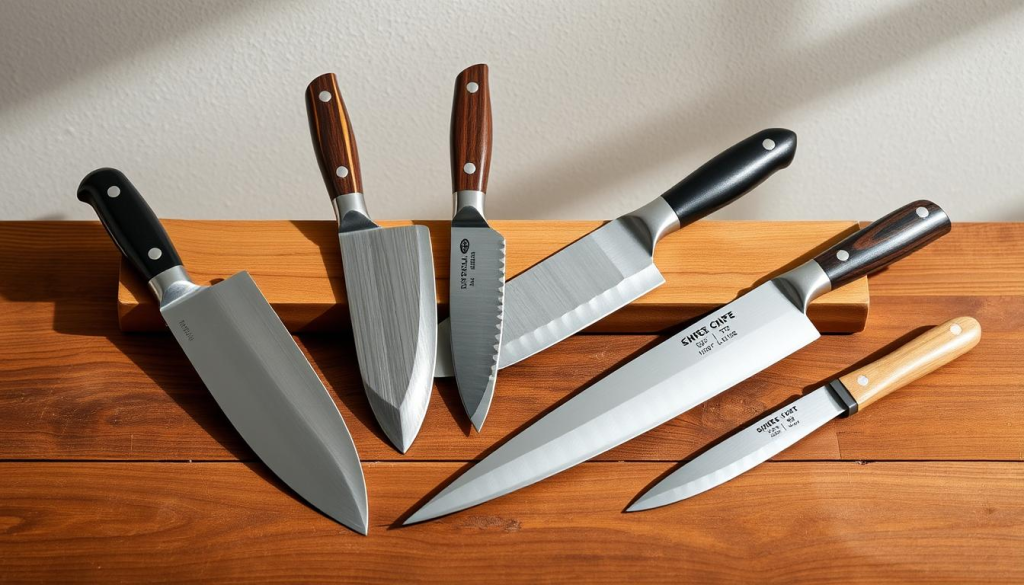
The world of chef knives is diverse, offering a range of options for different cooking needs. A chef’s knife is the first knife you should buy when building your kitchen setup. With a typical blade length of 6” to 8” and a long, curved edge, a chef knife tackles most kitchen tasks.
Chef’s Knife
A Chef’s Knife is versatile and essential for chopping, slicing, and mincing ingredients. Its curved edge allows for a smooth, rocking motion, making it ideal for various kitchen tasks.
Paring Knife
A Paring Knife is used for precision tasks such as peeling and coring fruit and vegetables. Its small size and sharp point make it perfect for detailed work.
Serrated Knife
A Serrated Knife is designed for cutting through tough or fibrous materials like bread or meat. The serrated edge helps to prevent the knife from slipping and makes cutting easier.
Utility Knife
A Utility Knife serves as a multi-purpose tool, useful for tasks that require more precision than a Chef’s Knife but more strength than a Paring Knife.
When selecting a chef knife set, consider the types of cooking you do most often and the tasks you perform regularly. Recommendations for the best knives can vary based on whether you’re a home cook or a professional chef.
- For general cooking, a Chef’s Knife and Paring Knife are must-haves.
- For more specialized tasks, consider adding a Serrated Knife and Utility Knife to your collection.
By understanding the different types of chef knives and their uses, you can build a well-rounded knife collection that meets your cooking needs.
Essential Knives for Home Chefs
A well-stocked kitchen begins with the right knives for the home chef. Having the right set of knives can make a significant difference in cooking efficiency and enjoyment. For home chefs, it’s not about having a vast collection but rather the right essentials.
Must-Have Knives in Every Kitchen
Every home chef should have a few essential knives to cover most cooking tasks. These include:
- A chef’s knife for chopping and slicing
- A paring knife for peeling and coring fruit and vegetables
- A serrated knife for cutting through tough or crusty foods
- A slicing or carving knife for serving meats
These knives are considered the minimum for any home chef looking to prepare a variety of dishes.
Budget-Friendly Options
Investing in high-quality knives doesn’t have to break the bank. There are several budget-friendly options available that offer great quality and performance. Here are a few recommendations:
| Knife Type | Brand | Price Range |
|---|---|---|
| Chef’s Knife | Wüsthof | $50-$100 |
| Paring Knife | Victorinox | $10-$30 |
| Serrated Knife | Shun | $70-$150 |
These brands offer a good balance between quality and affordability, making them ideal for home chefs on a budget.
Professional Knives for Culinary Experts
The world of professional cooking demands a range of specialized knives designed for specific tasks. Culinary experts understand that having the right tool for the job is crucial for achieving precision, efficiency, and consistency in their work.
Specialized Knives for Specific Tasks
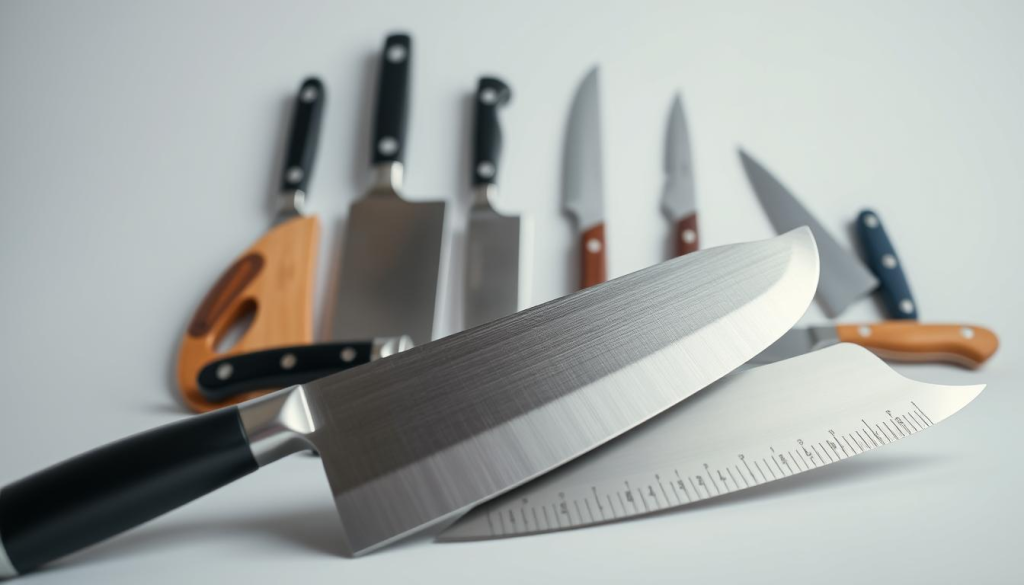
Professional chefs often require knives that are tailored to particular tasks, such as boning, filleting, or slicing. For instance, a boning knife is designed for removing bones from meat, poultry, and fish, while a fillet knife is used for filleting fish with precision.
- Boning Knife: Essential for meat, poultry, and fish preparation.
- Fillet Knife: Ideal for filleting fish with minimal waste.
- Slicing Knife: Used for slicing cooked meats thinly and evenly.
These specialized knives are designed to make specific tasks easier and more efficient, allowing chefs to focus on the art of cooking.
Brands Trusted by Professionals
When it comes to selecting high-quality knives, professionals often turn to trusted brands known for their craftsmanship and durability. Some of the most respected brands in the culinary world include Wüsthof, Shun, and Global.
- Wüsthof: Renowned for their high-carbon stainless steel knives.
- Shun: Celebrated for their precision-sharpened edges and ergonomic design.
- Global: Known for their unique, one-piece construction and exceptional sharpness.
These brands have earned the trust of culinary experts worldwide by delivering knives that meet the highest standards of quality and performance.
Factors Influencing the Number of Knives
Several factors play a crucial role in deciding how many knives a chef should have. The ideal number isn’t a one-size-fits-all answer; it varies based on individual needs and circumstances.
Cooking Style and Frequency
The type of cuisine you cook and how often you cook are significant factors. For instance, a chef who specializes in intricate pastries may require a different set of knives compared to one who focuses on hearty meat dishes. Frequency of use also matters; a professional chef who cooks daily will need more knives than a home cook who cooks occasionally.
| Cooking Style | Typical Knives Used |
|---|---|
| Pastry Making | Paring knife, Utility knife |
| Meat Preparation | Chef’s knife, Cleaver |
Available Kitchen Space
The amount of storage space available in your kitchen is another crucial factor. A cluttered kitchen with limited storage may require a more selective approach to knife ownership. Compact and multi-functional knives can be a practical solution for kitchens with limited space.
Budget Considerations
Budget is a significant constraint for many chefs, whether professional or amateur. Investing in high-quality knives can be costly, but it’s also a long-term investment. Durable knives may be more expensive upfront but can save money over time by reducing the need for frequent replacements.
- Set a budget for knife purchases
- Consider the cost per use over time
- Invest in quality over quantity
By considering these factors—cooking style and frequency, available kitchen space, and budget considerations—you can determine the ideal number of knives for your needs. Whether you’re a professional chef or a home cook, having the right knives can enhance your cooking experience and efficiency.
How to Maintain Your Knives
The longevity and performance of your knives depend significantly on how well you maintain them. A well-cared-for knife collection for chefs is essential for both professional and home cooks. Proper maintenance not only extends the life of your knives but also ensures they perform optimally, making cooking easier and more enjoyable.
Proper Cleaning Techniques
Cleaning your knives properly is the first step in their maintenance. It’s recommended to hand wash your knives with mild soap and dry them immediately to prevent rust. Avoid putting your knives in the dishwasher, as the high heat and harsh detergents can damage the blades and handles.
For stubborn stains or residue, a soft sponge or cloth can be used. It’s crucial to avoid using abrasive materials that can scratch or damage the knife’s surface. Regular cleaning after each use will keep your chef knife set in good condition.
Sharpening Tips
Sharpening is a critical aspect of knife maintenance. A dull knife is not only less effective but also more dangerous, as it requires more force to cut, increasing the risk of accidents. To keep your knives sharp, use a sharpening stone or whetstone. Start with a coarse grit to repair the edge, then move to a finer grit to polish it.
The frequency of sharpening depends on how often you use your knives. For a heavily used knife collection, sharpening once a week is not uncommon. For less frequently used knives, sharpening once a month may suffice. Regular sharpening will make a significant difference in the performance of your knives.
By following these simple maintenance tips, you can ensure that your knives remain in excellent condition, providing you with years of reliable service. Whether you’re a professional chef or a home cook, a well-maintained chef knife set is a valuable asset in the kitchen.
When to Upgrade or Replace Knives
As a chef, understanding the right time to upgrade your knives is vital for efficiency and safety. Knives are a chef’s best friend, and their condition directly impacts the quality of the dishes prepared. Over time, even the best knives for professional chefs will show signs of wear and tear, necessitating replacement or upgrade.
Maintaining your knives properly can extend their lifespan, but eventually, they will need to be replaced. The key is to identify when that time is.
Signs Your Knife Needs Replacement
Several signs indicate that your knife is due for replacement. These include:
- Dullness: A dull knife is not only inefficient but also dangerous, as it requires more force to cut, increasing the risk of accidents.
- Visible damage: Chips, cracks, or rust on the blade are clear indicators that it’s time to replace your knife.
- Discomfort: If your knife no longer feels balanced or comfortable in your hand, it may be time to consider an upgrade.
According to renowned chef,
“A good knife is the backbone of any kitchen. When it starts to show signs of wear, it’s not just about replacing a tool, it’s about maintaining the quality of your craft.”
Investing in Quality Knives
When deciding to upgrade or replace your knives, investing in quality is paramount. A high-quality chef’s knife can make a significant difference in your cooking experience. Here are some factors to consider when buying new knives:
| Feature | What to Look For |
|---|---|
| Material | High-carbon stainless steel for durability and resistance to corrosion. |
| Edge Retention | A sharp edge that retains its sharpness over time. |
| Ergonomics | A handle that fits comfortably in your hand, reducing fatigue. |
For a comprehensive chef knife buying guide, consider factors such as the type of cuisine you cook most often, your budget, and personal preferences regarding balance and feel.
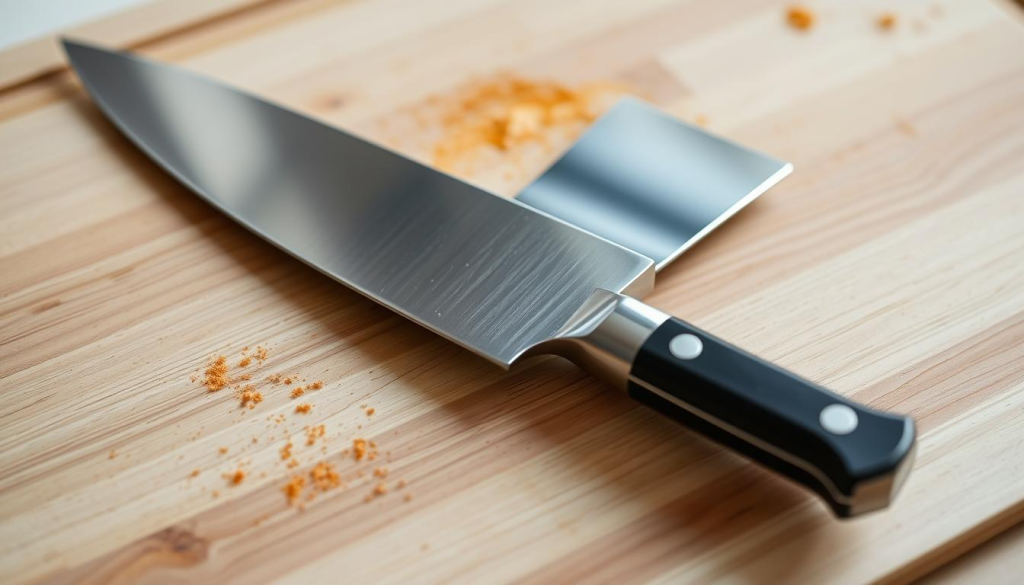
Upgrading to the best knives for professional chefs not only enhances your cooking but also contributes to a safer and more efficient kitchen environment.
Organizing Your Knife Collection
Effective knife organization is key to a clutter-free and safe kitchen environment. A well-organized knife collection not only enhances the aesthetic of your kitchen but also plays a crucial role in maintaining the quality and longevity of your knives.
Knife Storage Solutions
Proper storage is essential for maintaining your knives and preventing accidents. There are several storage solutions available, each with its own benefits.
- Magnetic Strips: These are ideal for saving counter space and keeping your knives within easy reach.
- Knife Blocks: Traditional and effective, knife blocks can be placed on countertops or inside drawers.
- In-Drawer Organizers: These are perfect for keeping your knives organized and protected when not in use.
When choosing a storage solution, consider the number of knives you have, the available space in your kitchen, and your personal preference.
| Storage Solution | Benefits | Considerations |
|---|---|---|
| Magnetic Strips | Saves counter space, easy access | May not be suitable for all knife types, requires installation |
| Knife Blocks | Traditional, keeps knives organized | Occupies counter space, can be bulky |
| In-Drawer Organizers | Keeps knives protected and out of the way | Limited by drawer space, may require customization |
What to Avoid When Storing Knives
When storing your knives, there are several practices to avoid to ensure their longevity and your safety.
- Avoid Loose Storage: Storing knives loose in a drawer can lead to damage and accidents.
- Keep Them Clean and Dry: Before storing, ensure your knives are clean and dry to prevent rust.
- Avoid Overcrowding: Overcrowding your storage solution can lead to damage and make it difficult to retrieve the knife you need.
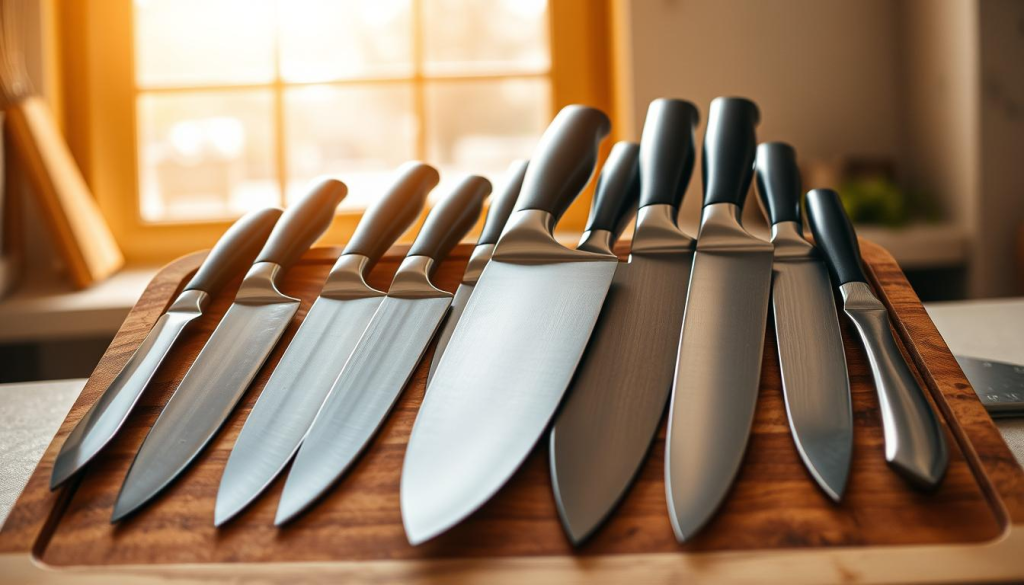
By implementing a suitable storage solution and avoiding common pitfalls, you can maintain your knife collection effectively, ensuring both their longevity and your safety in the kitchen.
Knife Safety Tips for Chefs
Knife safety is an essential skill that every chef, regardless of their experience level, must master. Handling knives with care and following best practices can significantly reduce the risk of accidents in the kitchen.
Best Practices for Handling Knives
To ensure safety while handling knives, it’s crucial to follow some best practices. First, always choose the right knife for the task. Different tasks require different types of chef knives, and using the appropriate one can make a significant difference in safety and efficiency.
When handling knives, keep your fingers curled under and out of the way of the blade. This technique, known as the “claw grip,” helps prevent accidental cuts. Additionally, always cut away from your body to avoid injury in case the knife slips.
Preventing Accidents in the Kitchen
Preventing accidents in the kitchen involves a combination of safe practices and maintaining a well-organized knife collection for chefs. Regularly sharpening your knives is not only important for their effectiveness but also for safety, as a dull knife is more likely to cause accidents.
Another critical aspect is proper storage. Knives should be stored in a designated area, such as a knife block or a magnetic strip, to prevent them from being misplaced or causing injury. When not in use, ensure that knives are properly cleaned and dried to prevent accidents caused by slipping.
By following these knife safety tips and best practices, chefs can significantly reduce the risk of accidents in the kitchen, creating a safer and more efficient cooking environment.
Conclusion: Finding Your Perfect Knife Set
Finding the perfect knife set is a personal journey that depends on your cooking style, preferences, and needs. The number of knives a chef should have varies, but having the right essential chef knives is crucial for efficient cooking.
Tailoring Your Collection
To customize your knife collection, consider the types of dishes you frequently prepare. If you’re a home chef, you may need a basic set that includes a chef’s knife, paring knife, and serrated knife. For more specialized cooking, you may require additional knives, such as a utility knife or a fillet knife.
Embracing the Culinary Path
As you continue on your culinary journey, your knife collection will evolve to meet your changing needs. Investing in quality knives and maintaining them properly will ensure they remain a valuable part of your kitchen arsenal. Whether you’re a novice or an experienced chef, having the right knives will enhance your cooking experience and help you achieve your culinary goals.