Henckel knives are renowned for their exceptional quality and durability. With proper care, they can serve you faithfully for 10-20 years or even longer.
The longevity of Henckel knives depends on various factors, including maintenance, usage, and storage. Understanding these factors is crucial to making the most out of your investment.
Key Takeaways
- Henckel knives are known for their durability and quality.
- Proper care can extend the lifespan of your Henckel knives.
- Factors such as maintenance, usage, and storage affect their longevity.
- Understanding these factors is crucial to maximizing your investment.
- Henckel knives can last for 10-20 years or more with proper care.
Introduction to Henckel Knives
With a history spanning nearly 300 years, Henckel has established itself as a premier brand in the world of cutlery. As part of the renowned ZWILLING J.A. Henckels group, one of the most famous knife-making companies globally, Henckel knives embody a tradition of quality and excellence.
Overview of Henckel Brand
Henckel’s long history is marked by a commitment to producing high-quality knives that stand the test of time. The brand’s expertise in crafting cutlery is unparalleled, with a focus on detail and a passion for innovation. This dedication to excellence has made Henckel a trusted name among chefs and home cooks alike.
Importance of Quality Cutlery
Investing in quality cutlery, such as Henckel knives, is crucial for both professional chefs and cooking enthusiasts. High-quality knives not only enhance the cooking experience but also contribute to safety in the kitchen. A good knife should be an extension of the cook’s hand, providing precision and control. Henckel knives are designed to offer this level of performance, making them a valuable addition to any kitchen.
Quality cutlery like Henckel knives is made with materials and craftsmanship that significantly impact their durability and longevity. The use of high-grade steel, precise sharpening, and ergonomic design all contribute to a superior cooking experience. Moreover, a well-maintained Henckel knife can last for decades, making it a worthwhile investment for those who cook regularly.
https://www.youtube.com/watch?v=2npvaFAar1Q
Understanding the value of quality cutlery is essential for appreciating the craftsmanship that goes into making Henckel knives. By choosing Henckel, consumers are not only acquiring a tool but also investing in a piece of culinary history that is designed to last.
Factors Affecting Knife Longevity
Understanding the factors that affect the lifespan of Henckel knives is crucial for maximizing their durability. The longevity of these high-quality knives is not solely determined by their initial craftsmanship but is significantly influenced by how they are used and maintained.
Material Quality plays a pivotal role in determining how long a Henckel knife will last. Henckel knives are renowned for their high-grade steel and precise manufacturing process, which contributes to their durability and resistance to wear. The quality of the material directly impacts the knife’s ability to retain its sharpness and withstand the rigors of frequent use.
Material Quality
The high-carbon steel used in Henckel knives is designed to provide a perfect balance between hardness and flexibility, ensuring that the knives remain sharp and are less prone to chipping or breaking. This superior material quality is a key factor in the longevity of Henckel knives, making them a worthwhile investment for both professional chefs and home cooks.
Usage Frequency
How often you use your Henckel knives significantly affects their lifespan. Knives that are used daily in a busy kitchen will naturally have a shorter lifespan than those used occasionally in a home setting. The frequency of use impacts the wear and tear on the blade, with more frequent use leading to faster degradation.
To mitigate the effects of frequent use, it’s essential to adopt proper handling techniques and to regularly maintain your knives. This includes proper cleaning, storage, and sharpening, all of which contribute to extending the life of your Henckel knives.
Maintenance Practices
Proper maintenance is critical to extending the life of your Henckel knives. Regular cleaning and drying are essential to prevent rust and corrosion, especially for knives made from high-carbon steel. Additionally, proper sharpening techniques help maintain the knife’s edge, reducing the need for more extensive sharpening or repair.
Storage is another crucial aspect of knife maintenance. Using a knife block or a magnetic strip can help protect the blades from damage and prevent accidents. By adopting these maintenance practices, you can significantly prolong the lifespan of your Henckel knives.
Average Lifespan of Henckel Knives
With proper care, Henckel knives can last for decades, outliving many other brands on the market. The longevity of these knives is a testament to the quality of materials and craftsmanship that Henckel is known for.
https://www.youtube.com/watch?v=oA435c-llxs
General Lifespan Estimates
Henckel knives typically last between 10 to 20 years with proper maintenance. However, many users report that their Henckel knives remain in good condition even after several decades of use. The key to achieving such longevity lies in regular maintenance and proper care.
Some of the factors that contribute to the extended lifespan of Henckel knives include:
- High-quality materials: Henckel knives are made from high-carbon stainless steel, which resists corrosion and retains sharpness.
- Proper sharpening techniques: Regular sharpening maintains the knife’s edge and prevents it from becoming dull.
- Careful storage: Storing knives in a dry place, away from other utensils, can prevent damage.
Comparison with Other Brands
When compared to other brands, Henckel knives stand out for their durability. Many other high-end knife brands may offer similar quality, but Henckel’s attention to detail and robust construction give them an edge in terms of lifespan.
For example, a comparison with Wüsthof and Shun knives shows that while all three brands offer high-quality products, Henckel knives are often praised for their balance of hardness and flexibility, contributing to their long lifespan.
| Brand | Average Lifespan | Material |
|---|---|---|
| Henckel | 10-20 years | High-carbon stainless steel |
| Wüsthof | 8-15 years | High-carbon steel |
| Shun | 10-18 years | High-carbon steel with VG-MAX edge |
By choosing Henckel knives and following proper care and maintenance routines, users can enjoy a long-lasting and high-performing cutting tool.
Types of Henckel Knives
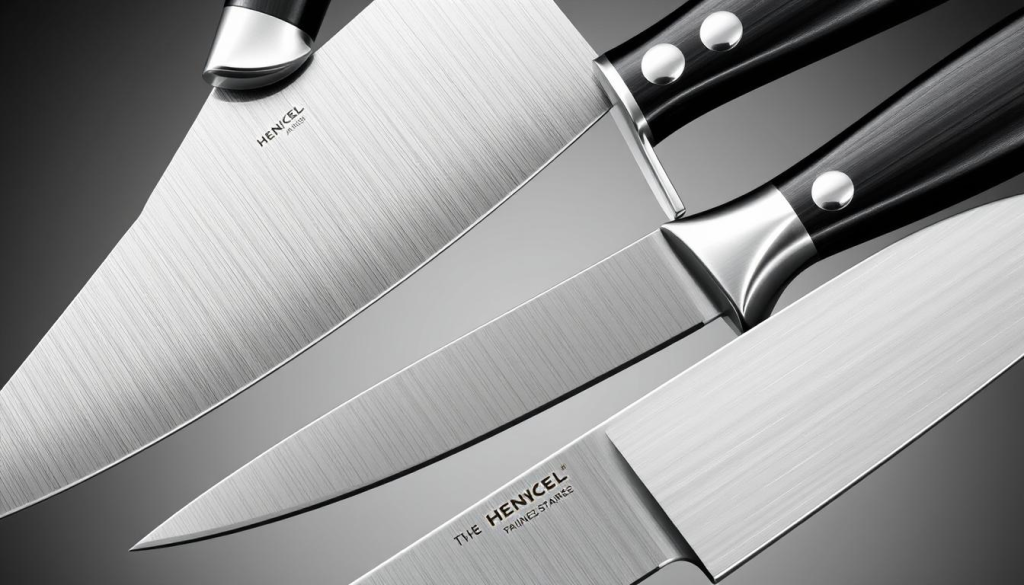
Henckel’s extensive collection includes chef’s knives, paring knives, and specialty knives, each with unique characteristics. Understanding the different types of Henckel knives available can help you choose the right tool for your culinary needs.
Chef’s Knives
Chef’s knives are a staple in any kitchen, and Henckel’s offerings are no exception. Made from high-quality materials, such as high-carbon stainless steel, these knives are designed for durability and performance. The sharpness and balance of Henckel chef’s knives make them ideal for chopping, slicing, and mincing ingredients.
Paring Knives
Paring knives are used for more delicate tasks, such as peeling fruits and vegetables or trimming meat. Henckel’s paring knives are crafted with precision, featuring ergonomic handles that provide comfort and control. Their compact size and sharp blades make them perfect for detailed work.
Specialty Knives
Henckel also offers a range of specialty knives designed for specific tasks, such as boning, filleting, or carving. These knives are made with the same attention to detail as their chef’s and paring knives, ensuring that they meet the high standards expected from the brand.
| Knife Type | Material | Primary Use |
|---|---|---|
| Chef’s Knife | High-carbon stainless steel | Chopping, slicing, mincing |
| Paring Knife | High-carbon stainless steel | Peeling, trimming |
| Specialty Knife | Varies by type (e.g., stainless steel, forged steel) | Specific tasks like boning, filleting, carving |
The variety in Henckel’s knife collection means that there’s a knife for every task, ensuring that your kitchen is well-equipped to handle any culinary challenge. By understanding the different types of Henckel knives and their uses, you can make informed decisions about your cutlery needs.
Care and Maintenance Tips
With proper maintenance, Henckel knives can continue to perform optimally for a long time. The key to extending their lifespan lies in understanding the right care techniques.
Proper Cleaning Techniques
Cleaning your Henckel knives by hand is recommended to prevent damage that a dishwasher might cause. Use mild soap and warm water, and dry the knives thoroughly to prevent rust.
Tip: Avoid using abrasive cleaners or scouring pads, as they can damage the knife’s finish.
Sharpening Methods
Regular sharpening is crucial for maintaining the effectiveness of your Henckel knives. Using a honing rod regularly can help keep the blade aligned and sharp.
- Use a whetstone for more thorough sharpening when needed.
- Consider professional sharpening services for complex or heavily used knives.
Storage Recommendations
Proper storage is vital for protecting your Henckel knives. Store them in a dry place, away from other utensils that could cause damage.
Options include: a knife block, a magnetic strip, or a protective case.
By following these care and maintenance tips, you can significantly extend the lifespan of your Henckel knives, ensuring they remain a valuable part of your kitchen arsenal for years to come.
Signs Your Henckel Knife Needs Replacement
Understanding when to replace your Henckel knife is crucial for maintaining kitchen efficiency. Even with proper henckel knife maintenance, these high-quality knives will eventually show signs of wear.
As you continue to use your Henckel knife, it’s essential to monitor its condition closely. A decrease in performance can be a significant indicator that it’s nearing the end of its henckel knife lifespan.
Dull Blade Indicators
A dull blade is one of the most common signs that your Henckel knife needs replacement. If you notice that you’re applying more pressure than usual to cut through ingredients, or if the knife is tearing rather than slicing cleanly, it may be time to consider replacing it.
- Increased difficulty in cutting through typical ingredients
- Visible nicks or chips on the blade edge
- A noticeable decrease in the knife’s overall performance
As noted by culinary experts, “A sharp knife is a safe knife.” Continuing to use a dull knife can lead to accidents and decreased efficiency in the kitchen.
“A good knife is the backbone of any kitchen. When it starts to lose its edge, it’s time to think about replacement.”
Physical Damage Signs
Physical damage is another clear indicator that your Henckel knife may need to be replaced. This can include visible cracks, significant rust, or a loose handle.
| Type of Damage | Description | Implication |
|---|---|---|
| Cracks | Visible cracks along the blade or handle | Structural integrity compromised |
| Rust | Significant rust spots on the blade | Potential health risk and decreased performance |
| Loose Handle | Handle becomes loose over time | Affects control and safety during use |
Regular henckel knife maintenance can help extend the life of your knife, but once significant damage occurs, it’s often more cost-effective to replace it.
Warranty and Lifespan
The warranty provided by Henckels is a testament to their confidence in the longevity of their knives. When investing in high-quality cutlery, understanding the warranty offered is crucial for appreciating the overall value.
Henckel Warranty Details
Henckels offers a comprehensive warranty on their knives, covering defects in material and workmanship. This warranty is a reflection of their commitment to producing high-quality products that stand the test of time. The specifics of the warranty can vary depending on the product line and region, so it’s essential for customers to review the warranty details at the time of purchase.
Key aspects of Henckels’ warranty include:
- Lifetime coverage against manufacturing defects
- Protection against material flaws
- Clear guidelines on what is covered and what is not
Impact on Longevity
The warranty not only protects the customer’s investment but also impacts the perceived longevity of Henckels knives. By standing behind their products with a robust warranty, Henckels demonstrates confidence in the durability and performance of their knives. This confidence can enhance the overall ownership experience, as customers feel secure in their purchase.
Proper care and maintenance, as outlined in previous sections, play a significant role in ensuring that Henckels knives live up to their promised lifespan. By combining quality craftsmanship with a comprehensive warranty, Henckels reinforces its reputation for producing long-lasting, high-performance knives.
In conclusion, the warranty offered by Henckels is a critical component of the overall value proposition of their knives. It not only provides customers with peace of mind but also underscores the company’s commitment to quality and durability.
The Role of Knife Skills
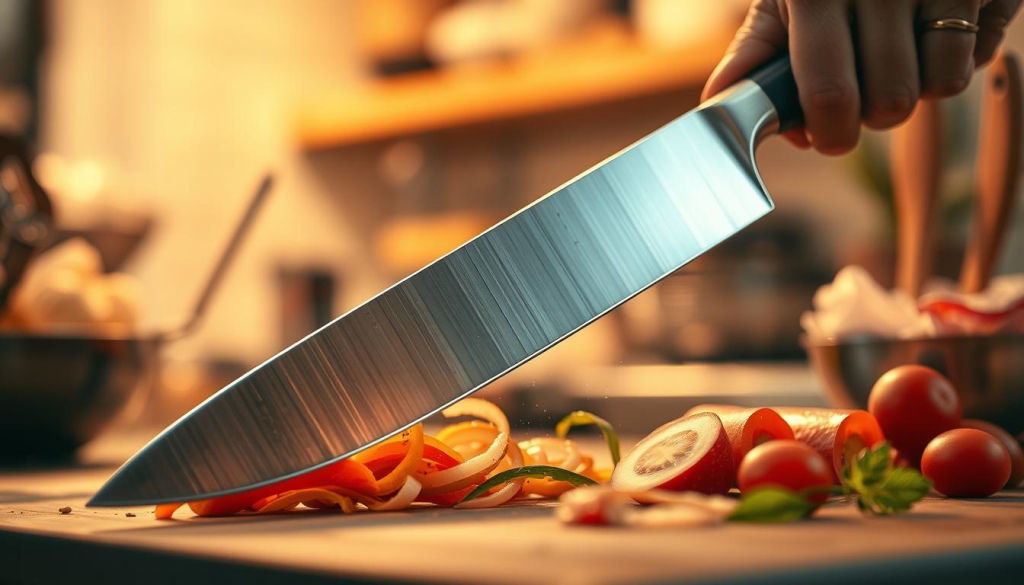
Effective knife techniques not only enhance cooking but also prolong the life of your Henckel knives. The way you handle and use your knives can significantly impact their durability and performance.
How Usage Affects Knife Life
The materials used in Henckel knives are of high quality, but improper use can still lead to wear and tear. For instance, using a Henckel knife on hard surfaces or applying too much pressure can cause unnecessary strain on the blade.
Proper knife skills can extend the life of your Henckel knives by reducing the risk of damage. Techniques such as using the correct cutting motion and maintaining a sharp edge are crucial.
“A sharp knife is a safe knife,” as the saying goes, and it’s also a more durable one. Dull knives require more force, increasing the risk of accidents and damage to the blade.
Techniques to Extend Longevity
To keep your Henckel knives in top condition, it’s essential to adopt proper cutting techniques. Here are some tips:
- Use a gentle cutting motion, avoiding applying too much pressure.
- Keep your knives sharp; a dull blade is more prone to damage.
- Avoid cutting on hard surfaces like glass or stone.
- Store your knives properly in a dry place, away from other utensils.
By following these techniques and being mindful of how you use your Henckel knives, you can significantly extend their lifespan and maintain their high-quality performance.
Customer Experiences
Customer experiences with Henckel knives reveal a consistent theme: exceptional quality that stands the test of time. Many customers have shared their stories, highlighting the longevity and performance of these knives.
Personal Testimonials
Numerous customers have reported using their Henckel knives for decades without significant issues. For instance, one customer noted,
“I’ve had my Henckel chef’s knife for over 20 years, and it still performs like new. The edge retention is remarkable, and it’s a joy to use.”
Such testimonials underscore the brand’s commitment to producing high-quality cutlery.
Another satisfied customer shared,
“My Henckel paring knife has been with me through culinary school and countless cooking projects. It’s a testament to the durability and versatility of Henckel knives.”
Stories like these are not uncommon, as many users praise the longevity and performance of Henckel knives.
Common Concerns
While the majority of feedback is positive, some customers have raised concerns regarding the maintenance and sharpening of Henckel knives. To address this, we’ve compiled a comparison of common issues and their solutions:
| Issue | Solution |
|---|---|
| Dullness over time | Regular sharpening using a whetstone or sharpening steel |
| Discoloration | Proper cleaning and drying after use, avoiding acidic substances |
| Edge damage | Using a cutting board, avoiding cutting on hard surfaces |
By understanding and addressing these common concerns, customers can further enhance their experience with Henckel knives, ensuring they last even longer.
In conclusion, customer experiences with Henckel knives are overwhelmingly positive, with many users enjoying decades of service from their knives. By following proper care and maintenance tips, users can maximize the lifespan of their Henckel knives, making them a valuable investment for any kitchen.
Buying Considerations for Henckel Knives
With a wide range of Henckel knives available, choosing the perfect one involves assessing your cooking habits and preferences. Whether you’re a professional chef or an avid home cook, understanding your needs is crucial to making a great purchase.
Choices for New Buyers
For those new to Henckel knives, the first step is to identify the type of knife that suits your cooking style. Henckel offers a variety of knives, including chef’s knives, paring knives, and specialty knives, each designed for specific tasks. Consider the types of dishes you frequently prepare and the knife that would be most useful.
Another important consideration is the quality level you’re looking for. Henckel knives are known for their high-quality materials and craftsmanship, but there are different lines within the brand that cater to various needs and budgets. Researching the different series, such as the Henckel Classic or Henckel Twin, can help you make an informed decision.
Upgrading Your Cutlery
If you’re already familiar with Henckel knives and are looking to upgrade your cutlery, there are several factors to consider. First, assess the condition and performance of your current knives. If you find that your knives are not holding their edge as well as they used to, or if you’re experiencing discomfort while using them, it might be time to upgrade.
When upgrading, consider whether you need a specific type of knife that you don’t currently own, or if you’re looking for improved features such as better balance or ergonomic design. Henckel’s newer models often incorporate advanced technology and design improvements that can enhance your cooking experience.
In conclusion, buying Henckel knives involves careful consideration of your cooking needs, the type of knife required, and the quality level desired. By understanding these factors, you can make an informed decision that will enhance your cooking experience and potentially extend the henckel knife longevity and henckel knife lifespan.
Sustainable Practices
The durability of Henckel knives makes them a sustainable option for those looking to reduce their environmental footprint. By investing in high-quality, long-lasting knives, consumers can significantly decrease the frequency of replacements, thereby reducing waste.
Eco-Friendly Knife Options
Henckel knives are not only durable but also crafted with materials that are designed to last, making them an eco-friendly choice. The brand’s commitment to quality means that their knives require less frequent replacement, reducing the demand for new materials and minimizing waste.
Key benefits of choosing Henckel knives for sustainability:
- Reduced waste through less frequent replacements
- Durable materials that stand the test of time
- Lower environmental impact due to decreased demand for new knives
Long-Term Investment Benefits
Investing in Henckel knives is a long-term decision that pays off in multiple ways. Not only do these knives last longer, but they also maintain their performance over time, ensuring consistent results in the kitchen. Proper henckel knife maintenance and henckel knife care further extend their lifespan, making them a valuable investment for any serious cook.
The long-term benefits include:
- Consistent performance without degradation
- Cost savings over time due to fewer replacements
- Enhanced cooking experience with high-quality tools
Conclusion: Is It Worth It?
Henckel knives have established a reputation for their exceptional performance and durability, making them a valuable addition to any kitchen. With proper care, these knives can provide a lifetime of service, thanks to their high-quality materials and craftsmanship.
Lifelong Performance
The longevity of Henckel knives is directly related to their superior henckel knife materials and construction. By understanding the factors that affect their lifespan, cooks can take steps to maximize their henckel knife performance.
Regular maintenance, proper storage, and mindful usage all contribute to extending the life of these exceptional cooking tools.
Investing in Quality
While the initial investment in Henckel knives may seem significant, their durability and performance make them a worthwhile investment for serious cooks. By choosing high-quality cutlery, individuals can enjoy a lifetime of reliable service, making them a valuable asset in the kitchen.