Recent Posts

Sakai Takayuki Bunka: A Versatile Japanese Chef’s Knife


The Sakai Takayuki Bunka is a highly regarded Japanese kitchen knife known for its exceptional versatility and precision. This high carbon steel knife is designed to handle a variety of kitchen tasks with ease, making it an essential tool for both professional chefs and home cooks.

With its high carbon steel construction, the Bunka knife is built to last and maintain its sharp edge. Whether you’re slicing, dicing, or chopping, this knife is designed to perform with precision and accuracy.

Key Takeaways

  • Versatile knife suitable for various kitchen tasks
  • High carbon steel construction for durability
  • Precision and accuracy in performance
  • Essential tool for professional chefs and home cooks
  • Maintains sharp edge with proper care

What is the Sakai Takayuki Bunka?

The Sakai Takayuki Bunka knife is a masterpiece of traditional Japanese cutlery, embodying the perfect blend of form and function. As a handcrafted kitchen knife, it is designed to meet the high standards of professional chefs and home cooks alike.

The Sakai Takayuki brand has a rich history that dates back to the city of Sakai, known for its centuries-old tradition of producing high-quality knives. The brand continues this legacy by crafting knives that are not only functional but also works of art.

History of the Sakai Takayuki Brand

The history of Sakai Takayuki is deeply rooted in the traditions of Japanese sword-making and knife-crafting. The brand’s commitment to quality and innovation has made it a respected name among chefs worldwide.

  • Crafted with precision and care, reflecting the brand’s heritage.
  • Incorporates traditional Japanese techniques with modern materials.
  • Known for producing knives that are both durable and aesthetically pleasing.

Unique Features of the Bunka Knife

The Bunka knife stands out due to its unique features, making it a versatile tool in the kitchen. Some of its key characteristics include:

  1. A curved blade shape that allows for smooth, rocking motions.
  2. A sharp edge that maintains its sharpness over time.
  3. A design that is both functional and comfortable to hold.

As a professional chef knife, the Sakai Takayuki Bunka is designed to handle a variety of kitchen tasks with ease, from slicing and chopping to mincing and dicing.

The Anatomy of the Bunka Knife

Understanding the anatomy of the Bunka knife is crucial for appreciating its versatility in the kitchen. The Sakai Takayuki Bunka is a handmade Japanese blade that stands out due to its meticulous design and craftsmanship.

Blade Design and Shape

The Bunka knife features a distinctive curved blade shape, which facilitates smooth, rocking motions when chopping ingredients. This design makes it an ideal tool for various cutting techniques, from slicing to mincing. As a sharp edge knife, it ensures precision and ease of use in the kitchen.

The curved shape also allows for a more natural cutting motion, reducing fatigue during extended cooking sessions. This characteristic, combined with its premium knife collection status, underscores its value to both professional chefs and home cooks.

Handle Materials and Comfort

The handle of the Sakai Takayuki Bunka knife is designed with comfort in mind. Crafted from high-quality materials, it provides a secure grip, even during prolonged use. The ergonomic design ensures that the knife feels like an extension of the user’s hand, enhancing control and precision.

“A well-designed handle is crucial for the overall performance of a knife, as it directly impacts the user’s ability to maneuver the blade with precision and comfort.”

Weight and Balance

The weight and balance of the Bunka knife are carefully calibrated to provide optimal handling. The handmade Japanese blade is crafted to achieve a perfect balance between the blade and the handle, making it easy to maneuver and control. This balance is key to the knife’s overall performance and user satisfaction.

In conclusion, the anatomy of the Sakai Takayuki Bunka knife, including its blade design, handle materials, and weight balance, makes it a standout addition to any premium knife collection. Its unique features and craftsmanship justify its reputation as a versatile and valuable kitchen tool.

Benefits of Using the Bunka Knife

The Bunka knife’s ability to precision-cut various ingredients makes it an essential kitchen tool. Its versatility in handling different culinary tasks is unmatched, making it a favorite among professional chefs and home cooks alike.

One of the primary advantages of the Sakai Takayuki Bunka knife is its precision cutting capability. Whether you’re slicing meat, chopping vegetables, or mincing herbs, the Bunka knife’s sharp edge ensures clean cuts every time.

Precision Cutting for Various Ingredients

The Bunka knife excels at handling a variety of ingredients with precision. For instance, its sharp tip allows for precise cuts in dense vegetables like carrots and potatoes, while its flat edge is perfect for slicing meat and fish.

“A good knife is like a good friend; it makes cooking a joy.” –

Julia Child

As shown in the table below, the Bunka knife’s performance across different ingredients is noteworthy.

Ingredient Cutting Task Bunka Knife Performance
Meat Slicing Excellent
Vegetables Chopping Excellent
Herbs Mincing Very Good

Multipurpose Uses in the Kitchen

Beyond precision cutting, the Bunka knife is designed for multipurpose use. From preparing intricate dishes to handling everyday cooking tasks, this knife is an indispensable asset in the kitchen.

The high carbon steel construction of the Sakai Takayuki Bunka knife ensures that it remains sharp and durable over time, making it a valuable investment for any cook.

In summary, the Bunka knife’s combination of precision, versatility, and durability makes it a top choice for both professional chefs and home cooks.

Comparing Bunka Knives with Other Styles

Understanding the differences between the Bunka, Gyuto, and Santoku knives is crucial for selecting the right tool for your kitchen. Each of these traditional Japanese knives has its unique features and is suited for specific tasks.

Bunka vs. Gyuto: Key Differences

The Bunka and Gyuto knives are both versatile, but they differ in their design and application. The Gyuto is a Japanese chef’s knife, similar to the Western-style chef’s knife, designed for chopping, slicing, and mincing. It typically has a longer blade than the Bunka, making it more suitable for larger ingredients.

In contrast, the Bunka knife, with its unique shape and typically shorter blade, excels at precise cutting tasks, making it ideal for detailed work with vegetables and smaller ingredients.

Characteristics Bunka Knife Gyuto Knife
Blade Length Typically shorter (around 120-150mm) Longer (often 210mm or more)
Primary Use Precise cutting, vegetable preparation Chopping, slicing, mincing larger ingredients
Edge Type Sharp edge, straight or slightly curved Sharp edge, often with a more pronounced curve

Bunka vs. Santoku: Which to Choose?

The Santoku knife is another popular Japanese knife known for its straight edge and flat profile, making it excellent for chopping and slicing. When comparing the Bunka and Santoku, the choice largely depends on personal preference and specific kitchen tasks.

The Bunka knife’s unique tip and slightly curved edge allow for more versatile cutting motions, including push-cutting and rocking motions, which can be advantageous for certain ingredients.
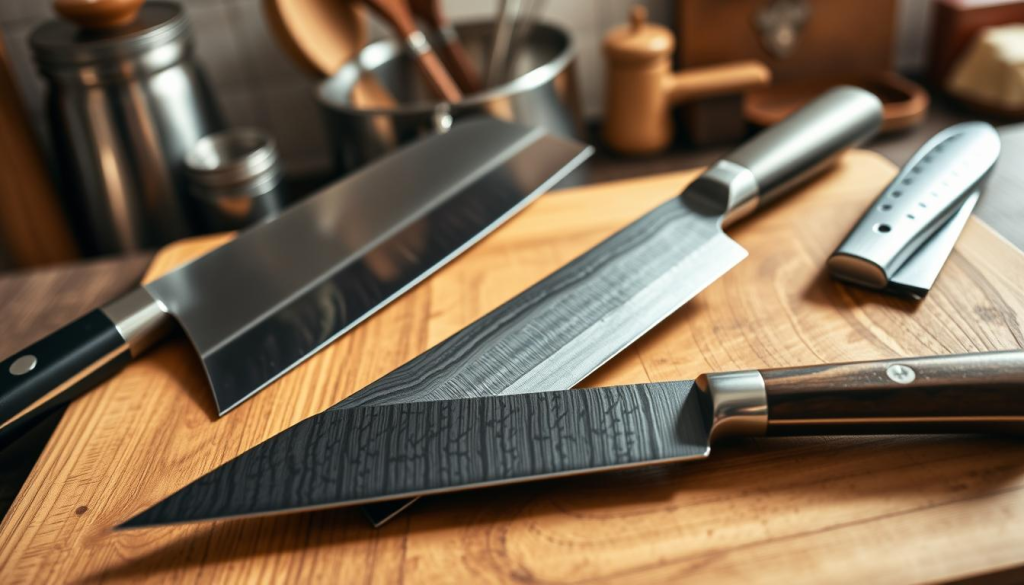
A detailed comparison of three distinct kitchen knives arranged on a wooden cutting board in the foreground. A sleek Sakai Takayuki Bunka knife with a sharp, curved blade, showcasing its beautiful damascus pattern, sits prominently in the center. Flanking it, include a traditional western chef's knife with a straight edge on the left, and a santoku knife with a slightly rounded blade on the right, both reflecting their unique designs and textures. Soft, natural lighting highlights the polished surfaces, casting gentle shadows. In the background, blurred kitchen utensils and a rustic kitchen setting create an inviting atmosphere. The image should evoke a sense of craftsmanship and culinary skill, perfect for illustrating a high-quality knife comparison.

In summary, while both the Bunka and Santoku knives are excellent choices, the Bunka’s versatility and precision make it a valuable addition to any kitchen, especially for those who appreciate the nuances of traditional Japanese cutlery.

Maintenance Tips for Your Bunka Knife

To keep your Sakai Takayuki Bunka knife in top condition, regular maintenance is crucial. As a handmade Japanese blade, it requires careful attention to maintain its performance and longevity.

Proper maintenance involves more than just cleaning; it’s about ensuring that your knife remains a valuable part of your premium knife collection. Regular upkeep will prevent rust and maintain the sharpness of the blade.

Proper Cleaning Techniques

Cleaning your Bunka knife is a straightforward process that requires some care. Here are some steps to follow:

  • Wash the knife by hand using mild soap and warm water.
  • Avoid using abrasive materials that can scratch the blade.
  • Dry the knife immediately after washing to prevent rust.
  • Store the knife in a dry place, away from other utensils that could cause damage.

Sharpening Techniques to Consider

Sharpening is an essential part of maintaining your Japanese kitchen knife. A whetstone is the preferred tool for sharpening a Bunka knife, as it allows for precise control over the sharpening process.

“A sharp knife is a safe knife. Regular sharpening maintains the edge and prevents accidents.”

To sharpen your Bunka knife effectively:

  1. Choose a whetstone with a fine grit (around 6000-8000) for honing the edge.
  2. Hold the knife at the correct angle (typically around 15-20 degrees for Japanese knives).
  3. Sharpen the knife in smooth, even strokes, moving from the heel to the tip.
  4. Check the edge regularly to determine when it is sufficiently sharp.

By following these maintenance tips, you can ensure that your Sakai Takayuki Bunka knife remains in excellent condition, ready for any task in the kitchen.

Choosing the Right Bunka Knife

When it comes to choosing a Sakai Takayuki Bunka knife, understanding the nuances of blade length and steel type is crucial. The perfect Bunka knife can significantly enhance your culinary experience, offering precision and ease in various kitchen tasks.

Blade Length Options Explained

The blade length of a Bunka knife can significantly affect its versatility and usability. Common lengths range from 120mm to 180mm, with 165mm being a popular choice among professional chefs for its balance between maneuverability and cutting capability.

Blade Length (mm) Best For Skill Level
120mm Precision tasks, small ingredients Beginner/Intermediate
165mm General kitchen tasks, versatility Intermediate/Advanced
180mm Large ingredients, heavy-duty tasks Advanced/Professional

Understanding Steel Types and Their Benefits

The type of steel used in a Bunka knife determines its sharpness, durability, and resistance to corrosion. High carbon steel is particularly prized for its ability to hold a sharp edge and its resistance to wear.

“A good knife is like a good friend; it should be reliable, sharp, and make your tasks easier.” – A culinary expert’s perspective on choosing the right knife.

  • High Carbon Steel: Offers excellent sharpness and edge retention. Requires maintenance to prevent rust.
  • Stainless Steel: Resistant to corrosion, easier to maintain, but may not hold its edge as well as high carbon steel.

By considering these factors and understanding the benefits of different materials and sizes, you can select a Bunka knife that perfectly suits your cooking style and preferences.

Where to Buy Sakai Takayuki Bunka Knives

Acquiring a genuine Sakai Takayuki Bunka knife requires identifying trustworthy retailers. Whether you’re a professional chef or an avid home cook, purchasing from authorized sellers ensures that you receive a high-quality, authentic product. The Sakai Takayuki Bunka knife, known for its exceptional craftsmanship and performance, is a valuable addition to any kitchen.

Recommended Retailers

Several reputable retailers offer Sakai Takayuki Bunka knives. These include specialty kitchen stores and online marketplaces that specialize in traditional Japanese cutlery. When shopping, look for retailers that provide detailed product descriptions and have positive customer reviews.

Retailer Product Offerings Shipping
Kitchen Supply Co. Sakai Takayuki Bunka knives in various blade lengths Free shipping on orders over $50
Japanese Cutlery Store Handcrafted kitchen knives, including the Bunka style International shipping available
Chef’s Essentials Part of a premium knife collection; includes customer reviews Same-day shipping on in-stock items

Online Shopping Tips for Bunka Knives

When purchasing online, it’s crucial to read product descriptions carefully and check customer reviews. Look for sellers that offer clear images of the knife from multiple angles and provide detailed information about the materials and craftsmanship.

By choosing reputable retailers and being mindful of the details when shopping online, you can ensure that your Sakai Takayuki Bunka knife is a genuine, high-quality product that will serve you well in the kitchen.

Cooking Tips with a Bunka Knife

Mastering the Sakai Takayuki Bunka knife can elevate your cooking experience by providing precision and versatility in the kitchen. This Japanese kitchen knife is designed to handle various kitchen tasks, from slicing and chopping to mincing and dicing, making it an indispensable tool for both professional chefs and home cooks.

The effectiveness of a Bunka knife lies in its sharp edge and balanced design, allowing for smooth, precise cuts. To get the most out of this professional chef knife, it’s essential to understand the proper techniques for slicing and chopping.

Techniques for Slicing and Chopping

To utilize the Bunka knife effectively, one must master various cutting techniques. Here are some key methods to practice:

  • Slicing: Hold the knife at a slight angle and use a gentle, smooth motion to slice through ingredients. This technique is ideal for cutting thin slices of meat or vegetables.
  • Chopping: For chopping, use a more forceful, rocking motion. This is particularly useful for herbs, nuts, or tougher vegetables.
  • Mincing: To mince ingredients finely, use a rapid, gentle rocking motion, keeping the tip of the knife in contact with the cutting board.

Recipes Perfect for Bunka Knives

The versatility of the Sakai Takayuki Bunka knife makes it perfect for preparing a wide range of dishes. Here are some recipes that showcase its capabilities:

  1. Sushi Rolls: The precision of the Bunka knife is ideal for cutting uniform slices of sushi rolls, ensuring a professional finish.
  2. Stir-Fries: Quickly chop a variety of vegetables and proteins with the Bunka knife to prepare ingredients for a stir-fry.
  3. Salads: Use the knife to slice and dice ingredients for salads, such as thinly sliced cucumbers or precisely chopped herbs.

By incorporating the Sakai Takayuki Bunka knife into your cooking routine and practicing the techniques outlined above, you’ll be able to prepare a variety of dishes with greater ease and precision, making the most of this exceptional Japanese kitchen knife.

Final Thoughts on the Sakai Takayuki Bunka

The Sakai Takayuki Bunka knife is a valuable addition to any kitchen, offering precision, versatility, and a connection to Japanese culinary traditions. Featuring a handmade japanese blade, this premium knife collection is a testament to the art of traditional japanese cutlery.

Elevating Your Cooking Experience

Every home cook should consider incorporating the Bunka knife into their kitchen arsenal. Its unique features and precision make it an invaluable asset for various cooking tasks, from slicing to chopping. By choosing the Sakai Takayuki Bunka, you’re not only acquiring a high-quality knife but also embracing a piece of traditional Japanese craftsmanship.

A Lasting Investment in Your Kitchen

Investing in a Sakai Takayuki Bunka knife means investing in your cooking experience. With proper care, this handmade japanese blade will remain a trusted companion in your kitchen for years to come, becoming a cherished part of your premium knife collection.

FAQ

What is the Sakai Takayuki Bunka knife made of?

The Sakai Takayuki Bunka knife is made of high carbon steel, a material known for its durability and ability to maintain a sharp edge.

What makes the Bunka knife versatile?

The Bunka knife’s curved blade shape and sharp edge make it suitable for a variety of kitchen tasks, including slicing, chopping, mincing, and dicing.

How do I maintain the sharpness of my Bunka knife?

To maintain the sharpness of your Bunka knife, regularly sharpen it using a whetstone and clean it by hand, drying it immediately to prevent rust.

What is the difference between the Bunka and Gyuto knives?

The Bunka knife is distinguished by its unique curved blade shape, while the Gyuto knife has a more straight-edged design, making it better suited for slicing and chopping meat.

Can I use the Bunka knife for everyday cooking?

Yes, the Bunka knife is designed for both professional chefs and home cooks, making it an ideal tool for everyday cooking tasks.

How do I choose the right blade length for my Bunka knife?

The blade length of your Bunka knife depends on your personal preference and cooking style, with common lengths ranging from 165mm to 210mm.

Is the Sakai Takayuki Bunka knife a handmade Japanese blade?

Yes, the Sakai Takayuki Bunka knife is a handcrafted kitchen knife, crafted with precision and attention to detail, making it a valuable addition to any premium knife collection.

Where can I buy an authentic Sakai Takayuki Bunka knife?

To purchase an authentic Sakai Takayuki Bunka knife, consider reputable retailers that offer high-quality, traditional Japanese cutlery, and be sure to check product descriptions and customer reviews.
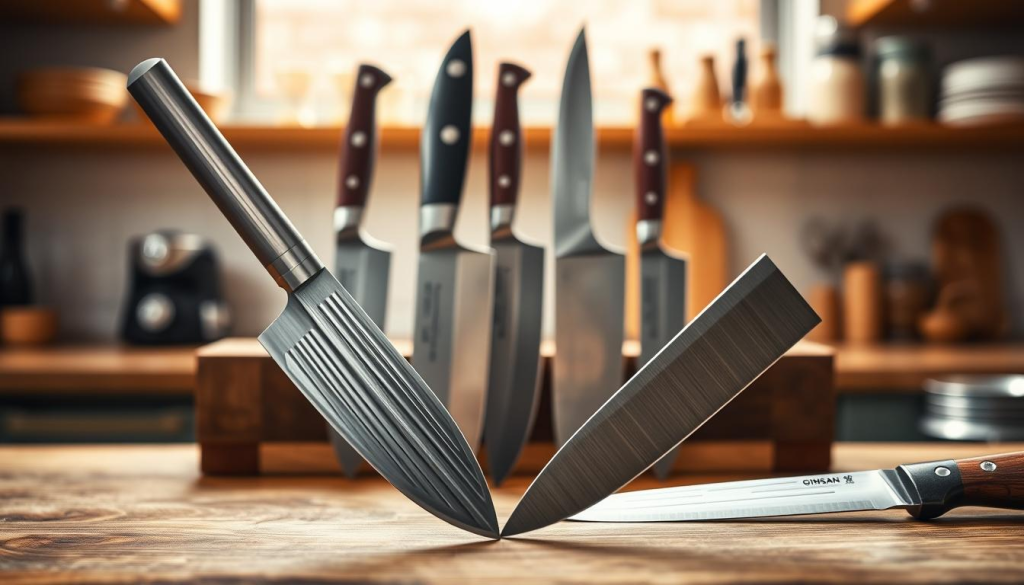
Sakai Takayuki Sujihiki: A Versatile Japanese Knife for Home Chefs


The Sakai Takayuki Sujihiki is a premium Japanese kitchen knife designed for precision slicing, making it an essential tool for home chefs. According to Chubo Knives, Sujihiki knives are ideal for tasks such as filleting meat, cutting raw fish, or carving roast meats with ease.

This high-quality slicer is crafted to provide home chefs with the versatility and precision needed for various culinary tasks. Its design and functionality make it a valuable addition to any kitchen.

Key Takeaways

  • The Sakai Takayuki Sujihiki is designed for precision slicing.
  • It is ideal for filleting meat, cutting raw fish, and carving roast meats.
  • This knife is a valuable tool for home chefs, offering versatility and precision.
  • The Sujihiki’s design and functionality make it a great addition to any kitchen.
  • It is considered a high-quality slicer, suitable for various culinary tasks.

Introduction to Sakai Takayuki Sujihiki

With its rich history and exceptional quality, the Sakai Takayuki Sujihiki is a must-have for any serious home chef. This knife is not just a tool; it’s a companion in the kitchen that elevates the cooking experience.

What is a Sujihiki Knife?

A Sujihiki knife is a type of Japanese knife designed specifically for slicing. Its long, slender blade makes it ideal for precision cutting, allowing chefs to create uniform slices of meat, fish, and other ingredients.

The Sujihiki knife is characterized by its straight or slightly curved edge, which enables smooth, even cuts. It’s a professional chef knife that has gained popularity among home chefs for its versatility and performance.

Origin and Craftsmanship of Sakai Takayuki

Sakai Takayuki is a renowned brand that originates from Sakai, Japan, a city known for its centuries-old tradition of producing high-quality knives. The craftsmanship behind Sakai Takayuki knives is rooted in traditional craftsmanship, with each knife being carefully handcrafted by skilled artisans.

The brand combines traditional techniques with modern technology to produce knives that are both functional and beautiful. The attention to detail and commitment to quality are evident in every aspect of the knife, from the forging of the blade to the finishing of the handle.

Key Features and Benefits

The Sakai Takayuki Sujihiki knife is made from high-quality materials, including high-carbon stainless steel blade, which offers excellent durability and resistance to corrosion. The knife’s design and construction provide several benefits, including precision slicing, ease of use, and long-lasting performance.

Feature Benefit
High-carbon stainless steel blade Durable and resistant to corrosion
Long, slender blade Ideal for precision slicing
Traditional craftsmanship Ensures high quality and attention to detail

Choosing the Right Sakai Takayuki Sujihiki

For those looking to invest in a premium Japanese knife, the Sakai Takayuki Sujihiki offers several choices tailored to individual preferences. The key to making the right selection lies in understanding the different configurations available.

Blade Length Options

The blade length of a Sujihiki knife is a critical factor in its versatility and usability. Sakai Takayuki offers Sujihiki knives in various blade lengths, typically ranging from 240mm to 300mm. A longer blade is ideal for slicing larger cuts of meat, while a shorter blade provides more control for precise cuts.

When choosing a blade length, consider the types of meat you most frequently prepare. For example, if you often cook roasts, a longer Sujihiki might be more suitable.

Steel Types: Stainless vs. Carbon

The type of steel used in a Sujihiki knife significantly affects its performance and maintenance. Sakai Takayuki uses high-quality steel, offering both stainless and carbon steel options. Stainless steel is resistant to corrosion and easier to maintain, while carbon steel is prized for its sharpness and edge retention.

  • Stainless steel: Ideal for those who want a low-maintenance knife.
  • Carbon steel: Suitable for chefs who prioritize sharpness and are willing to perform regular maintenance.

Handle Materials and Designs

The handle of a Sujihiki knife is crucial for comfort and control. Sakai Takayuki offers ergonomic handles designed to reduce fatigue during extended use. The materials used for the handle can vary, with options including traditional Japanese wood and modern synthetic materials.

An ergonomic handle is designed to fit comfortably in the hand, allowing for precise control and reducing the risk of strain. When selecting a handle, consider the balance between the blade and the handle, as well as the overall feel in your hand.

Maintenance Tips for Your Sujihiki

Maintaining your Sujihiki knife is essential for ensuring its longevity and performance. A well-maintained Sujihiki not only provides a better cooking experience but also retains its sharp edge, making it a reliable tool in the kitchen.

Sharpening Techniques

Sharpening is a critical aspect of maintaining your Sujihiki. To keep your knife sharp, you can use a whetstone or a sharpening rod. Here are some steps to follow:

  • Choose the right grit: Start with a coarse grit (about 1000) to repair any damage, then move to a finer grit (6000 or higher) for polishing.
  • Maintain the correct angle: Hold the knife at the recommended angle (usually around 15-20 degrees) to ensure even sharpening.
  • Sharpen in stages: Progress from coarse to fine grit to achieve a razor-sharp edge.

Cleaning and Storing

Proper cleaning and storing are vital to maintaining the quality of your Sujihiki. Here are some tips:

  1. Clean your Sujihiki immediately after use with mild soap and dry it thoroughly to prevent rust.
  2. Store your knife in a dry place, such as a knife block or a magnetic strip, to protect the blade.
  3. Avoid storing your Sujihiki in a humid environment or wrapping it in a damp cloth.

Avoiding Common Mistakes

To prolong the life of your Sujihiki, it’s essential to avoid common mistakes that can damage the knife. Some of these mistakes include:

  • Using a dishwasher: High temperatures and harsh detergents can damage the blade and handle.
  • Cutting on hard surfaces: Avoid cutting on surfaces like glass, marble, or stone, as they can dull the blade.
  • Not drying the knife properly: Failing to dry your Sujihiki can lead to rust, especially if it’s made from carbon steel.

By following these maintenance tips, you can ensure that your Sakai Takayuki Sujihiki remains in excellent condition, providing you with years of reliable service in the kitchen.

Comparing Sakai Takayuki Sujihiki with Other Japanese Knives

Japanese knives are renowned for their precision and quality, but each type, such as Sujihiki, Gyuto, and Yanagiba, serves a specific purpose. Understanding the differences between these knives is essential for home chefs looking to enhance their culinary skills.

Sujihiki vs. Gyuto

The Sakai Takayuki Sujihiki is designed for precision cutting, making it ideal for slicing meat and fish. In contrast, a Gyuto knife is more versatile and can be used for a variety of tasks, including chopping, slicing, and mincing. While both knives are used in Japanese cuisine, the Gyuto is often considered a more general-purpose knife.

Key differences include:

  • The Sujihiki has a longer, narrower blade, perfect for slicing.
  • The Gyuto has a more curved blade, allowing for a rocking motion during chopping.

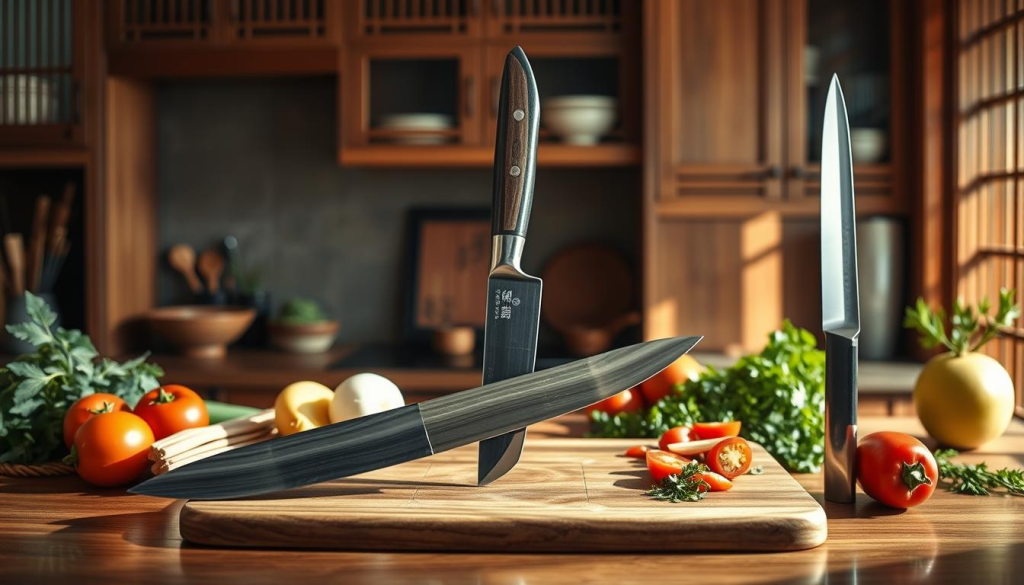
A well-lit Japanese kitchen countertop showcasing a comparison of three elegant Japanese knives, prominently featuring the Sakai Takayuki Sujihiki at the center. The Sujihiki, with its long, slender blade and polished finish, is flanked by a traditional Gyuto and a Nakiri knife, showcasing their distinct shapes and sizes. The foreground captures the knives on a beautifully crafted wooden cutting board, surrounded by fresh vegetables and herbs that highlight their culinary purpose. The background features a traditional Japanese kitchen setting with wooden cabinets and bamboo accents, creating a warm, inviting atmosphere. The lighting is soft and natural, casting gentle shadows to accentuate the knives’ craftsmanship. The image should convey a sense of artistry and culinary excellence, emphasizing the versatility and elegance of the Sakai Takayuki Sujihiki in comparison to other Japanese knives.

Sujihiki vs. Yanagiba

The Yanagiba is a specialized sashimi knife used primarily for slicing raw fish. While both Sujihiki and Yanagiba are used for slicing, the Yanagiba is typically longer and more curved, making it better suited for its specific task.

The main differences are:

  1. The Yanagiba is designed for slicing raw fish at a precise angle.
  2. The Sujihiki, while capable of slicing fish, is more versatile and can handle a variety of meats.

When to Use Each Knife

Choosing the right knife depends on the task at hand. For slicing meat or fish, the Sujihiki is an excellent choice. For more general kitchen tasks, a Gyuto might be more appropriate. If you’re preparing sashimi, a Yanagiba is the best option.

Understanding when to use each Japanese kitchen knife can elevate your cooking and make meal preparation more efficient. Whether you’re a home chef or a professional, having the right knife for the job is crucial.

How to Use a Sakai Takayuki Sujihiki

To get the most out of your Sakai Takayuki Sujihiki, it’s crucial to learn the proper techniques for slicing and filleting. This knife is designed for precision cutting, making it an essential tool for home chefs who value high-quality results.

Best Techniques for Slicing

The Sakai Takayuki Sujihiki excels at slicing meat, fish, and poultry with ease. To achieve the best results, maintain a smooth, even motion, applying gentle pressure. The ergonomic handle is designed to fit comfortably in your hand, reducing fatigue during extended use.

When slicing, consider the type of cut you want to achieve. For thin slices, hold the knife at a shallow angle and use a smooth, gliding motion. For thicker cuts, a more vertical angle is appropriate.

Preparing Different Types of Meat

The versatility of the Sakai Takayuki Sujihiki makes it ideal for preparing various types of meat. Whether you’re slicing roast beef, carving poultry, or cutting through tenderloin, this knife delivers precision cutting performance.

Meat Type Slicing Technique Recommended Thickness
Roast Beef Smooth, even motion 1/4 inch
Poultry Gentle sawing motion 1/2 inch
Tenderloin Sharp, precise cuts 1/8 inch

Tips for Fish Filleting

Fish filleting is another area where the Sakai Takayuki Sujihiki shines. To fillet fish effectively, start by making a precise cut behind the gills and continue along the spine. Use a gentle, flexible motion to release the fillet from the bones.

For delicate fish, it’s essential to keep the knife sharp to avoid tearing the flesh. Regular sharpening will maintain the knife’s high-quality slicer performance.

The Versatility of the Sujihiki in the Kitchen

The Sakai Takayuki Sujihiki is more than just a knife for slicing meat and fish; it’s a versatile tool that can enhance various kitchen tasks. Its precision cutting ability makes it an indispensable asset for any chef, whether professional or home-based.

Uses Beyond Meat and Fish

Beyond its traditional use, the Sujihiki knife can be utilized for a variety of tasks. It is particularly useful for preparing delicate ingredients that require precise cuts, such as cheese, bread, and pastries.

  • Slicing through soft cheeses without crumbling them
  • Creating uniform bread slices for sandwiches or toast
  • Cutting pastries and desserts with precision

Sujihiki for Vegetables and Fruits

The Sujihiki is also highly effective for cutting vegetables and fruits. Its sharp blade allows for clean cuts that preserve the texture and appearance of the produce.

  1. Julienne cuts for carrots and cucumbers
  2. Thin slices of fruits like apples and pears for salads or garnishes
  3. Precision cutting of herbs for culinary presentations

Creative Presentation Techniques

Using the Sujihiki for presentation can elevate the visual appeal of dishes. Creative slicing techniques can be applied to create artistic patterns or to enhance the texture of ingredients.

  • Creating decorative patterns on fruits and vegetables
  • Slicing ingredients to uniform thickness for consistent cooking
  • Using the knife to create garnishes that add color and elegance to dishes

In conclusion, the Sakai Takayuki Sujihiki is a multifaceted knife that can significantly enhance kitchen tasks beyond just slicing meat and fish. Its versatility, precision, and the creative possibilities it offers make it a valuable addition to any kitchen.

Why Choose Sakai Takayuki?

In the world of high-quality slicers, Sakai Takayuki’s reputation precedes it, built on a foundation of traditional craftsmanship and a commitment to excellence.

Heritage and Reputation in Japanese Cutlery

Sakai Takayuki has a rich history in Japanese cutlery, with a legacy that spans generations. The brand’s dedication to preserving traditional techniques while innovating for modern needs has earned it a revered status among chefs.

As Chefs Edge notes, “Sakai Takayuki’s heritage is deeply rooted in the art of Japanese knife-making, where every knife tells a story of precision and craftsmanship.”

Artisan Techniques and Quality

The quality of Sakai Takayuki knives is a direct result of the artisan techniques employed in their creation. From the forging of the stainless steel blade to the meticulous finishing, every step is a testament to the brand’s pursuit of perfection.

Feature Description Benefit
High-Carbon Stainless Steel Resistant to corrosion and wear Long-lasting performance
Hand-Sharpened Edge Precision sharpening for a razor-sharp edge Effortless slicing
Ergonomic Handle Designed for comfort and balance Reduced fatigue during extended use

Customer Reviews and Feedback

But don’t just take our word for it. Customers rave about the performance and durability of Sakai Takayuki sujihiki knives. One satisfied customer noted, “This knife has become an indispensable part of my kitchen. The balance and sharpness are unparalleled.”

“I’ve never felt such precision in a knife. Sakai Takayuki’s attention to detail is evident in every cut.”

Such feedback underscores the brand’s commitment to producing high-quality slicers that meet the demands of professional chefs and home cooks alike.

Pricing and Value of Sakai Takayuki Sujihiki

For those looking to invest in a high-quality Japanese kitchen knife, the Sakai Takayuki Sujihiki offers excellent value. The price of this premium knife is a critical factor for both home chefs and professional cooks.

Understanding the Price Range

The Sakai Takayuki Sujihiki knives are available across various price points, typically ranging from around $200 to over $500, as listed by retailers like Chubo Knives. This range is due to differences in blade length, steel type, and handle materials.

Factors influencing the price include:

  • Blade length and material
  • Type of steel used (stainless vs. carbon)
  • Handle material and design
  • Craftsmanship and brand reputation

Investing in Quality

Investing in a professional chef knife like the Sakai Takayuki Sujihiki means investing in quality that enhances cooking performance and durability. The sharp edge retention of these knives reduces the need for frequent sharpening, making them a practical choice for frequent use.

Cost vs. Longevity Analysis

When evaluating the cost of a Sakai Takayuki Sujihiki, it’s essential to consider its longevity. A high-quality knife, though initially more expensive, can last for many years with proper care.

Knife Feature Lower-End Estimate Higher-End Estimate
Blade Material Stainless Steel High-Carbon Steel
Price Range $200-$300 $400-$500
Expected Lifespan 5-7 years 10+ years

The table above illustrates the potential long-term value of investing in a higher-end Sakai Takayuki Sujihiki knife. While the initial cost is higher, the longevity and performance can provide better value over time.

Where to Buy Sakai Takayuki Sujihiki

The quest for the perfect Sakai Takayuki Sujihiki ends at trusted retailers who stock these exceptional Japanese kitchen knives. Whether you’re a seasoned chef or an avid home cook, finding the right seller is crucial for ensuring the authenticity and quality of your purchase.

Trusted Retailers in the U.S.

In the United States, several reputable retailers specialize in high-quality Japanese knives. Chefs Edge is one such trusted retailer that offers a range of Sakai Takayuki Sujihiki models, providing detailed product information to help you make an informed decision.

Retailer Product Range Customer Service
Chefs Edge Wide selection of Sakai Takayuki Sujihiki Excellent customer support
KnifeMart Variety of Sujihiki models Responsive customer service
Specialty Knife Co. High-end Japanese knives Knowledgeable staff

Online Shopping Tips

When shopping online for a Sakai Takayuki Sujihiki, it’s essential to choose websites that offer detailed product descriptions, high-resolution images, and customer reviews. Look for retailers with secure payment options and clear return policies to ensure a smooth shopping experience.

What to Look for When Buying

When purchasing a high-quality slicer like the Sakai Takayuki Sujihiki, consider the blade material, edge type, and ergonomic handle design. Ensure that the retailer provides authenticity guarantees and after-sales support.

  • Verify the authenticity of the product
  • Check the material and craftsmanship
  • Read customer reviews and ratings
  • Compare prices across different retailers

User Experience: Testimonials and Reviews

The Sakai Takayuki Sujihiki has garnered significant attention in the culinary world, not just for its craftsmanship but also for its performance in the hands of both home chefs and professional chefs. With its sharp edge retention and precision cutting capabilities, it has become a favorite among culinary enthusiasts.

Home Chef Experiences

Home chefs have praised the Sakai Takayuki Sujihiki for its ease of use and versatility. Many have noted that it has become an indispensable tool in their kitchen, making tasks such as slicing meat and filleting fish much easier. The knife’s balance and ergonomics have also been highlighted as significant advantages, allowing for comfortable use over extended periods.

“The Sakai Takayuki Sujihiki has revolutionized my cooking experience. Its precision and sharpness are unmatched, making even the most delicate tasks a breeze.” – Emily, Home Chef

Professional Chef Insights

Professional chefs appreciate the Sakai Takayuki Sujihiki for its precision cutting abilities, which allow for intricate preparations with ease. The knife’s durability and ability to maintain its sharp edge retention even after repeated use have been particularly praised.

“As a professional chef, I demand the best tools for my kitchen. The Sakai Takayuki Sujihiki is one of the few knives that meet my expectations for quality and performance.” – Mark, Professional Chef

Comparing User Preferences

While both home chefs and professional chefs appreciate the Sakai Takayuki Sujihiki, their preferences vary slightly. Home chefs tend to value the knife’s ease of use and versatility, while professional chefs focus on its performance under demanding conditions. Overall, the consensus is that the Sakai Takayuki Sujihiki is a reliable and high-quality professional chef knife that meets a wide range of culinary needs.

Conclusion: Elevate Your Culinary Skills with Sujihiki

The Sakai Takayuki Sujihiki is a versatile Japanese kitchen knife designed to make a significant difference in the kitchen. With its high-quality construction and precision, it is an essential tool for home chefs looking to elevate their culinary skills.

Key Benefits

The Sujihiki’s long, slender blade makes it ideal for slicing meat and fish with ease and precision. Its high-carbon steel construction ensures a sharp edge that lasts, making it a valuable addition to any kitchen.

Investing in Quality

Investing in a Sakai Takayuki Sujihiki is a decision that will pay off in the long run. According to Chubo Knives, Sujihiki knives are designed to elevate culinary skills with their precision and ease of use, making them a worthwhile investment for any serious home chef.

Final Considerations

In conclusion, the Sakai Takayuki Sujihiki is a high-quality slicer that is sure to become a trusted companion in the kitchen. Its precision, ease of use, and durability make it an excellent choice for anyone looking to take their cooking to the next level with a superior Japanese kitchen knife.

FAQ

What is a Sujihiki knife used for?

A Sujihiki knife is a long, thin Japanese knife used primarily for slicing meat and fish. Its design allows for smooth, even cuts, making it ideal for preparing sashimi and other delicate dishes.

What are the benefits of using a Sakai Takayuki Sujihiki?

The Sakai Takayuki Sujihiki offers several benefits, including its high-quality stainless steel blade, sharp edge retention, and ergonomic handle. These features make it a versatile and reliable tool for home chefs and professional chefs alike.

How do I choose the right blade length for my Sujihiki?

Choosing the right blade length depends on your specific needs and preferences. Longer blades are ideal for slicing larger cuts of meat, while shorter blades offer more control and precision.

What is the difference between stainless and carbon steel for Sujihiki knives?

Stainless steel Sujihiki knives are resistant to corrosion and easy to maintain, while carbon steel knives offer superior sharpness and edge retention. The choice between the two ultimately depends on your personal preference and cooking style.

How do I maintain my Sakai Takayuki Sujihiki?

To maintain your Sujihiki, it’s essential to sharpen it regularly, clean it after each use, and store it properly. Avoiding common mistakes, such as using a dishwasher or storing the knife in a humid environment, will also help extend its lifespan.

Can I use my Sujihiki for tasks other than slicing meat and fish?

Yes, the Sujihiki is a versatile knife that can be used for a variety of tasks, including slicing vegetables and fruits, and creating creative presentation techniques.

How does the Sakai Takayuki Sujihiki compare to other Japanese knives?

The Sujihiki is distinct from other Japanese knives, such as the Gyuto and Yanagiba, in its design and purpose. While the Gyuto is a more versatile chef’s knife, and the Yanagiba is specifically designed for slicing sashimi, the Sujihiki excels at slicing meat and fish with precision and ease.

Is the Sakai Takayuki Sujihiki worth the investment?

The Sakai Takayuki Sujihiki is a high-quality knife that offers excellent value for its price. While it may be more expensive than some other knives on the market, its durability and performance make it a worthwhile investment for serious home chefs and professional chefs.

Where can I buy a Sakai Takayuki Sujihiki?

You can find Sakai Takayuki Sujihiki knives at various retailers, both online and in-store. When purchasing, be sure to check the authenticity of the product and the reputation of the seller to ensure you’re getting a genuine Sakai Takayuki knife.

Sakai Takayuki Ginsan: Exceptional Japanese Knives


The art of Japanese knife-making has been perfected over centuries, and Sakai Takayuki Ginsan stands out as a paragon of excellence in this ancient craft. Hailing from Sakai City, a region renowned for its over 600 years of blade-making history, this esteemed brand has garnered worldwide acclaim among professionals and home chefs alike.

Their handcrafted knives embody the perfect blend of traditional techniques and modern innovation, resulting in tools of exceptional sharpness and beauty. With a legacy built on precision and quality, Sakai Takayuki Ginsan knives are a testament to the brand’s unwavering commitment to excellence.

Key Takeaways

  • Exceptional sharpness and beauty in every knife
  • Crafted using traditional and modern techniques
  • Reliable choice for professionals and home chefs worldwide
  • Rich history and heritage in blade-making
  • Unwavering commitment to quality and precision

1. Introduction to Sakai Takayuki Ginsan

For those seeking high-quality knives, Sakai Takayuki’s Ginsan series represents a pinnacle of traditional Japanese craftsmanship combined with modern innovation. Sakai Takayuki is a renowned brand that has been perfecting the art of knife-making, and its Ginsan series is a testament to its dedication to quality.

What Makes Ginsan Steel Unique?

Ginsan steel is a proprietary material developed by Sakai Takayuki, known for its exceptional sharpness and durability. The unique composition of Ginsan steel allows it to maintain a sharp edge, making it a favorite among chefs and cooking enthusiasts. The hand-sharpening process employed by Sakai Takayuki ensures that each knife is razor-sharp right out of the box.

The collaboration with famous blacksmiths like Itsuo Doi and Kenji Togashi, along with the knife-sharpening masters from the Yamatsuka family, contributes to the exceptional quality of Ginsan knives. This partnership brings together centuries of traditional craftsmanship and modern techniques, resulting in knives that are both functional and beautiful.

The History of Sakai Takayuki

Sakai Takayuki has a rich history rooted in the traditional knife-making techniques of Sakai, Japan. The brand has evolved over time, incorporating modern innovations while staying true to its heritage. Today, Sakai Takayuki is recognized globally for its high-quality knives, and the Ginsan series is a significant part of its success.

Feature Ginsan Steel Other Materials
Sharpness Exceptional Variable
Edge Retention High Moderate
Craftsmanship Hand-sharpened Machine-sharpened

The table above highlights the key features that make Ginsan steel stand out from other materials used in knife-making. The combination of traditional craftsmanship and modern technology gives Sakai Takayuki Ginsan knives a distinct edge in the market.

2. Craftsmanship Behind Sakai Takayuki Knives

Behind every Sakai Takayuki knife lies a meticulous craftsmanship that seamlessly merges traditional methods with modern innovations. This blend of old and new is what sets Sakai Takayuki knives apart in the world of high-quality cutlery.

Traditional Techniques

The art of crafting Sakai Takayuki knives is deeply rooted in traditional Japanese forging techniques. Skilled artisans employ centuries-old methods to shape and hone each knife, ensuring that every piece is not only functional but also a work of art. The use of high carbon stainless steel is a hallmark of Sakai Takayuki’s commitment to quality, providing a material that is both durable and resistant to corrosion.

The forging process involves heating and hammering the steel to achieve the desired shape and hardness. This labor-intensive process requires great skill and attention to detail, as the temperature and hammering technique can significantly affect the final product’s quality.

Modern Innovations and Technology

While traditional techniques form the foundation of Sakai Takayuki’s craftsmanship, the brand also incorporates modern innovations and technology to enhance its products. The use of premium blade technology ensures that each knife is not only sharp but also retains its edge over time. This is achieved through advanced heat treatment processes that optimize the steel’s hardness and durability.

Furthermore, Sakai Takayuki’s commitment to innovation is evident in its ergonomic design and handle materials. The knives are designed to provide a comfortable grip and balanced feel, making them a joy to use for both professional chefs and home cooks.

In conclusion, the craftsmanship behind Sakai Takayuki knives is a perfect blend of tradition and innovation. By combining traditional forging techniques with modern steel technologies, Sakai Takayuki creates knives that are not only beautiful but also exceptionally functional.

3. Types of Ginsan Knives Offered

The Sakai Takayuki Ginsan series includes an array of knives designed for precision and versatility. These knives cater to the diverse needs of both professional chefs and home cooks, ensuring that every kitchen task is handled with ease and efficiency.

Gyuto: The Versatile Chef’s Knife

The Gyuto knife is a staple in many professional kitchens, known for its versatility and balance. As a Japanese chef knife, it excels in tasks ranging from slicing meat to chopping vegetables. Its curved blade allows for a smooth, rocking motion, making it ideal for various cutting techniques.

Santoku: The All-Purpose Kitchen Tool

The Santoku knife is another popular choice among cooks, celebrated for its straight edge and balanced design. It’s an all-purpose kitchen tool that performs exceptionally well in tasks such as mincing, slicing, and dicing. The flat blade makes it particularly useful for push-cutting motions.

Nakiri: The Vegetable Specialist

For those who specialize in vegetable preparation, the Nakiri knife is a valuable asset. Its straight blade and sharp edge make it perfect for slicing and chopping vegetables with precision. The Nakiri is designed to make vegetable preparation easier and more efficient, making it a favorite among chefs who focus on vegetable-centric dishes.

4. Benefits of Using Ginsan Steel Knives

Ginsan steel knives by Sakai Takayuki offer unparalleled sharpness and edge retention, revolutionizing the culinary experience. These knives are designed to provide exceptional cutting performance, making them a valuable asset in any kitchen.

Superior Sharpness

The superior sharpness of Ginsan steel knives is one of their most significant advantages. Sharp knives require less force to cut through ingredients, reducing the risk of accidents and making cooking more efficient. The sharpness is maintained through the high-quality Ginsan steel, which is known for its ability to hold a fine edge.

“A sharp knife is a safe knife, and Ginsan steel knives embody this principle with their razor-sharp edges.”

Edge Retention and Durability

In addition to their sharpness, Ginsan steel knives are also praised for their edge retention and durability. The unique composition of Ginsan steel allows it to resist wear and tear, maintaining its sharpness over time. This durability means that chefs can rely on their Ginsan knives for consistent performance, even with heavy use.

Feature Ginsan Steel Knives Other Steel Knives
Sharpness Exceptional Variable
Edge Retention High Moderate
Durability High Variable

The benefits of using Ginsan steel knives are clear: they offer superior sharpness, excellent edge retention, and durability. Whether you’re a professional chef or an avid home cook, Sakai Takayuki Ginsan knives are an excellent choice for enhancing your culinary experience.

5. Care and Maintenance of Sakai Takayuki Knives

To keep your Sakai Takayuki Ginsan knife in optimal condition, it’s crucial to follow a few simple care and maintenance steps. The exceptional craftsmanship that goes into creating these handcrafted knives demands a level of care that preserves their quality and performance.

Proper Cleaning Techniques

Cleaning your Sakai Takayuki knife properly is essential to maintaining its sharpness and preventing damage. Always hand wash your knife with mild soap and dry it immediately after use. Avoid using a dishwasher, as the high heat and harsh detergents can damage the knife’s finish and compromise its structural integrity.

  • Wash the knife gently under running water to remove any food particles.
  • Use a soft sponge or cloth to clean the knife, avoiding abrasive materials that can scratch the blade.
  • Dry the knife thoroughly with a towel to prevent water spots and rust.

Sharpening Your Ginsan Knife

Sharpening is a critical aspect of maintaining your Sakai Takayuki Ginsan knife. Regular sharpening keeps the blade in optimal condition and ensures it continues to perform at its best. Here are some tips for sharpening your Ginsan knife:

  1. Use a high-quality sharpening stone suitable for high-carbon steel knives.
  2. Maintain the correct sharpening angle, typically around 15-20 degrees for Ginsan knives.
  3. Sharpen the knife in smooth, consistent strokes, moving from the heel to the tip.

By following these care and maintenance guidelines, you can extend the life of your Sakai Takayuki Ginsan knife and enjoy its exceptional performance for years to come. The traditional craftsmanship and attention to detail that characterize these knives make them a valuable investment for any serious cook or chef.

6. Comparing Ginsan to Other Knife Materials

In the realm of high-performance knives, the debate between Ginsan steel and other materials such as VG10 and D2 tool steel continues to intrigue enthusiasts. The choice of material significantly impacts a knife’s performance, durability, and overall value.

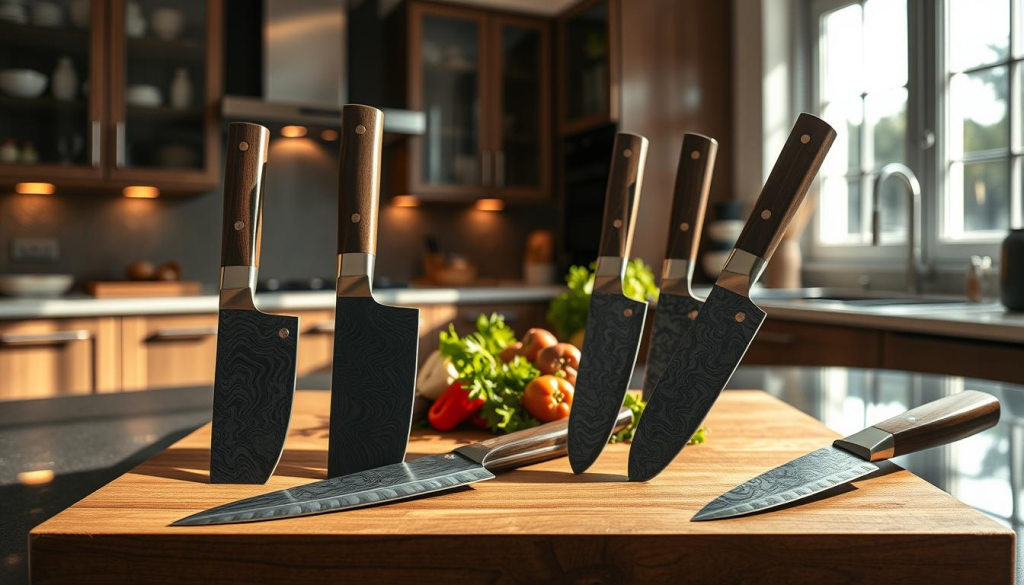
A detailed image depicting a side-by-side comparison of Ginsan steel knives against other high-quality knife materials. In the foreground, showcase elegant Ginsan steel knives, highlighting their polished blades and distinctive grain patterns. In the middle ground, include knives made from other materials like VG-10 and SG2, arranged aesthetically for contrast. The background should be a softly blurred kitchen setting, illuminated by warm, natural light, enhancing the focus on the knives. Use a shallow depth of field to make the knives stand out sharply, capturing their unique qualities. The atmosphere should convey a sense of craftsmanship and precision, inviting viewers to appreciate the differences in knife materials.

Ginsan vs. VG10 Steel

Ginsan and VG10 are both high-carbon stainless steels known for their excellent sharpness and corrosion resistance. Ginsan steel is praised for its premium blade technology, offering a sharp edge that is relatively easy to maintain. VG10, on the other hand, is also highly regarded for its sharpness and durability.

One key difference lies in their composition and the resulting performance. Ginsan steel is often considered to have a slightly harder edge, potentially offering better sharpness retention over time. However, VG10 is also highly resistant to corrosion and wear, making it a strong competitor in the high-end knife market.

Ginsan vs. D2 Tool Steel

D2 tool steel is a high-carbon steel known for its exceptional wear resistance and ability to hold a sharp edge. When compared to Ginsan steel, D2 tool steel presents a different set of characteristics. While D2 is very hard and durable, it requires more maintenance than Ginsan due to its higher carbon content, which can make it more prone to rust if not properly cared for.

Ginsan steel, being a high-carbon stainless steel, offers a balance between sharpness, durability, and corrosion resistance. This makes it an attractive option for those seeking a low-maintenance yet high-performance knife. In contrast, D2 tool steel is ideal for users who prioritize edge retention and are willing to perform regular maintenance to prevent corrosion.

The choice between Ginsan, VG10, and D2 tool steel ultimately depends on the user’s specific needs and preferences. By understanding the unique characteristics of each material, knife enthusiasts can make informed decisions when selecting their next knife.

7. Choosing the Right Sakai Takayuki Knife for You

The right Sakai Takayuki knife can elevate your cooking experience, but how do you choose the perfect one? With a range of exceptional knives available, selecting the ideal Japanese chef knife depends on understanding your cooking style and preferences.

Assessing Your Cooking Style

To choose the right Sakai Takayuki knife, start by assessing your cooking habits. Are you a professional chef or a home cook? Do you specialize in certain types of cuisine, such as Japanese or Western cooking? Different cooking styles require different types of knives.

  • If you primarily chop vegetables, a Nakiri knife might be your best choice.
  • For those who prepare a variety of dishes, a Gyuto or Santoku knife could be ideal, as they are versatile and great all-around performers.

Starting with the 33 Layer Damascus Gyuto knife or Santoku knife is recommended, as they offer standout designs and exceptional performance.

Understanding Knife Sizes and Shapes

Knife size and shape are crucial factors in choosing the right Sakai Takayuki knife. The size of the knife should complement your cooking style and the tasks you perform most often.

  1. A larger knife, such as a 240mm Gyuto, is suitable for those who need to chop large quantities of ingredients.
  2. Smaller knives, like a 180mm Santoku, offer more maneuverability and are ideal for precision tasks.

Understanding the different shapes and sizes available will help you make an informed decision when selecting your professional kitchen tools.

By considering your cooking style and the tasks you perform, you can select a Sakai Takayuki knife that meets your needs and enhances your cooking experience.

8. Where to Buy Sakai Takayuki Ginsan Knives

If you’re in the market for a Sakai Takayuki Ginsan knife, you’ll want to know where to find authentic products. Sakai Takayuki Ginsan knives are renowned for their exceptional cutting performance, making them a valuable addition to any kitchen.

Authorized Retailers in the U.S.

Sakai Takayuki Ginsan knives are available at various authorized retailers across the United States. These retailers stock a wide range of Sakai Takayuki knives, including different series and collections. One of the benefits of purchasing from authorized retailers is the assurance of buying authentic products.

We stock one of the largest selections of Sakai knives in North America, including various series and collections. This ensures that customers have a wide range of options to choose from, catering to different needs and preferences.

Online Shopping Options

For those who prefer the convenience of online shopping, Sakai Takayuki Ginsan knives can also be found on various online platforms. These online retailers often provide detailed product descriptions, customer reviews, and competitive pricing.

Online Retailer Product Range Customer Reviews
Amazon Wide selection of Sakai Takayuki Ginsan knives Available
Specialty Kitchen Stores Curated selection of high-end knives Available

9. Customer Reviews and Testimonials

Sakai Takayuki Ginsan knives are celebrated for their handcrafted quality and traditional craftsmanship. These knives are used in Michelin-starred kitchens and beloved by cooks who value balance, precision, and lasting edge retention.

Insights from Professional Chefs

Professional chefs praise Sakai Takayuki Ginsan knives for their exceptional sharpness and durability. “The Ginsan steel used in these knives is unparalleled in its ability to hold an edge,” says a renowned chef. “It’s a game-changer in the kitchen.”

Another chef highlights the balance and ergonomics of the knives, stating, “The craftsmanship that goes into each knife is evident in its feel and performance.”

Home Cooks Share Their Experiences

Home cooks also appreciate the value and performance of Sakai Takayuki Ginsan knives. “I’ve never cooked with better knives,” comments a satisfied customer. “The precision and ease of use are unmatched.”

Many home cooks note the durability of the knives, with one stating, “After months of regular use, my Sakai Takayuki knife still looks and performs like new.”

The testimonials from both professional chefs and home cooks underscore the superior quality and craftsmanship of Sakai Takayuki Ginsan knives. Whether used in a professional kitchen or at home, these knives deliver outstanding results.

10. Conclusion: Investing in Quality with Sakai Takayuki Ginsan

Sakai Takayuki Ginsan knives embody the pinnacle of Japanese knife craftsmanship, leveraging premium blade technology and high carbon stainless steel to deliver unparalleled performance. The value of investing in these exceptional knives extends beyond their initial cost, as they provide a lifetime of service with proper care.

Long-term Value of Ginsan Knives

The durability and edge retention of Ginsan knives, thanks to their high carbon stainless steel construction, mean that they remain a valuable tool in the kitchen for years to come. This long-term value, combined with the precision and ease of use afforded by premium blade technology, makes Sakai Takayuki Ginsan knives a worthwhile investment for any serious cook.

Invest in tools that improve your cooking and reflect your passion for quality. Explore the full range of Sakai Takayuki knives today and experience the difference of true Japanese craftsmanship, backed by the superior qualities of high carbon stainless steel and advanced blade technology.

FAQ

What is Ginsan steel, and what makes it unique?

Ginsan steel is a high carbon stainless steel used in Sakai Takayuki knives, known for its exceptional sharpness, edge retention, and durability, making it a premium material for professional kitchen tools.

What is the history behind Sakai Takayuki, and how does it relate to Ginsan knives?

Sakai Takayuki is a renowned Japanese knife brand that has collaborated with skilled blacksmiths to create Ginsan knives, leveraging traditional craftsmanship and modern innovations to produce high-quality knives.

What types of knives are offered by Sakai Takayuki under the Ginsan line?

Sakai Takayuki offers various Ginsan knives, including Gyuto, Santoku, and Nakiri, each designed for specific tasks and cooking styles, catering to the needs of professional chefs and home cooks.

How do I care for and maintain my Sakai Takayuki Ginsan knife?

To maintain your Sakai Takayuki Ginsan knife, use proper cleaning techniques, such as hand washing and drying, and sharpening methods, like whetstones or honing rods, to preserve the craftsmanship and quality of the handcrafted knife.

How does Ginsan steel compare to other materials like VG10 and D2 tool steel?

Ginsan steel is known for its superior sharpness and edge retention compared to VG10 and D2 tool steel, making it a preferred choice for professional chefs and serious home cooks seeking exceptional cutting performance.

What factors should I consider when choosing a Sakai Takayuki knife?

When selecting a Sakai Takayuki knife, consider your cooking style, the type of tasks you’ll be performing, and the size and shape of the knife, to ensure you find the right tool for your needs.

Where can I buy Sakai Takayuki Ginsan knives in the U.S.?

Sakai Takayuki Ginsan knives are available at authorized retailers in the U.S. and through online shopping options, offering a wide selection of knives to suit various needs and preferences.

What are the benefits of investing in a Sakai Takayuki Ginsan knife?

Investing in a Sakai Takayuki Ginsan knife provides long-term value due to its premium blade technology, high carbon stainless steel construction, and traditional craftsmanship, ensuring exceptional performance and durability.

Are Sakai Takayuki Ginsan knives suitable for both professional chefs and home cooks?

Yes, Sakai Takayuki Ginsan knives are designed to meet the needs of both professional chefs and home cooks, offering a range of knives that cater to different cooking styles and tasks.

Sakai Takayuki Cleaver: Precision Cutting for Your Kitchen


The Japanese cleaver knife is a staple in many professional and home kitchens, renowned for its precision cutting capabilities. The Sakai Takayuki cleaver, in particular, stands out for its exceptional quality and performance.

This premium kitchen tool is designed to make food preparation easier and more efficient, allowing cooks to achieve precise cuts with minimal effort. Whether you’re a professional chef or an avid home cook, the Sakai Takayuki cleaver is an essential addition to your kitchen arsenal.

Key Takeaways

  • Precision cutting capabilities for efficient food preparation
  • High-quality construction for durability and performance
  • Essential tool for both professional chefs and home cooks
  • Designed for ease of use and minimal effort
  • Premium addition to any kitchen

Introduction to Sakai Takayuki Cleavers

The art of cleaver-making has been refined over centuries, and Sakai Takayuki is a name that resonates with excellence in this traditional craft. Sakai Takayuki cleavers are renowned for their high-quality craftsmanship and the rich history behind their production.

The History Behind Sakai Takayuki

Sakai Takayuki has its roots in traditional Japanese cutlery, with a history that spans centuries. The brand has evolved over time, incorporating modern techniques while maintaining the essence of traditional craftsmanship. “A good knife is not just a tool, it’s an extension of the chef,” reflects the philosophy behind Sakai Takayuki’s dedication to quality.

Craftsmanship and Quality

The craftsmanship of Sakai Takayuki cleavers is characterized by the use of high-carbon steel, a material known for its durability and ability to hold a sharp edge. This, combined with meticulous attention to detail, results in a professional kitchen knife that is both functional and a work of art. The carbon steel cleaver is designed to withstand the rigors of frequent use in demanding kitchen environments.

Importance of a Good Cleaver in Cooking

A good cleaver is essential for efficient cooking, allowing for precise cuts and preparation of ingredients. Sakai Takayuki cleavers are designed to make kitchen tasks easier, from chopping vegetables to slicing meat. As noted by culinary experts, “A cleaver is a versatile tool that can be used for a variety of tasks, making it an indispensable asset in any kitchen.”

“A cleaver is not just for chopping; it’s a precision instrument that can elevate your cooking.”

The importance of a high-quality cleaver like those from Sakai Takayuki cannot be overstated. It is a fundamental tool that can significantly impact the efficiency and quality of food preparation.

Features of the Sakai Takayuki Cleaver

For chefs and home cooks alike, the Sakai Takayuki cleaver represents a pinnacle of quality and performance. This cleaver is not just a tool; it’s an extension of the chef’s hand, designed to deliver precision and comfort in various kitchen tasks.

Material and Blade Construction

The Sakai Takayuki cleaver is crafted from high-quality materials, ensuring durability and a sharp cutting edge. The blade is typically made from high-carbon steel, known for its strength, resistance to corrosion, and ability to hold a sharp edge.

Key Features of the Blade:

  • Made from high-carbon steel for durability
  • Precision-forged for a sharp cutting edge
  • Resistant to corrosion

Design and Ergonomics

The design of the Sakai Takayuki cleaver prioritizes ergonomics, ensuring that it fits comfortably in the hand. The handle is crafted to reduce fatigue during prolonged use, allowing for smooth, controlled movements.

“A good cleaver is not just about cutting; it’s about the feel and balance in your hand.” – Professional Chef

Versatility in Kitchen Tasks

The Sakai Takayuki cleaver is incredibly versatile, capable of handling a variety of kitchen tasks from chopping vegetables to slicing meat. Its broad blade is perfect for crushing garlic or ginger, and its sharp edge makes quick work of even the toughest ingredients.

Task Benefit of Sakai Takayuki Cleaver
Chopping Vegetables Effortless cutting through tough vegetables
Slicing Meat Precise cuts with minimal effort
Crushing Garlic/Ginger Broad blade allows for safe and effective crushing

In conclusion, the Sakai Takayuki cleaver is a masterpiece of Japanese craftsmanship, offering a blend of quality, performance, and versatility that makes it an indispensable tool in any kitchen.

Benefits of Using a Sakai Takayuki Cleaver

Elevate your cooking experience with the Sakai Takayuki cleaver, engineered for accuracy and durability. This exceptional kitchen tool is designed to make a significant difference in your culinary endeavors.

Enhanced Precision and Accuracy

The Sakai Takayuki cleaver is renowned for its precision cutting capabilities, allowing for accurate cuts that are essential in various kitchen tasks. Its sharp blade ensures that ingredients are cut cleanly, preserving their texture and flavor.

Precision is key in cooking, and this cleaver delivers it consistently. Whether you’re chopping vegetables or slicing meat, the Sakai Takayuki cleaver’s accuracy is unmatched.

Improved Efficiency in Food Preparation

Using a Sakai Takayuki cleaver can significantly improve efficiency in food preparation. The cleaver’s design and balance make it easy to maneuver, reducing the time and effort required for various kitchen tasks.

From chopping and slicing to mincing, this cleaver handles it all with ease, making it an indispensable tool for both professional chefs and home cooks.

Longevity and Durability of the Blade

The durability of the Sakai Takayuki cleaver’s blade is one of its standout features. Crafted with high-quality materials, the blade resists wear and tear, maintaining its sharpness over time.

This longevity means that the cleaver remains a reliable kitchen companion, requiring less frequent sharpening and replacement.

Feature Benefit
Precision Cutting Accurate cuts for various kitchen tasks
Efficient Design Reduces time and effort in food preparation
Durable Blade Long-lasting sharpness with minimal maintenance

How to Choose the Right Sakai Takayuki Cleaver

Choosing the right Sakai Takayuki cleaver involves more than just picking a knife; it’s about understanding your cooking needs and preferences. A high quality kitchen knife like those from Sakai Takayuki can significantly impact your cooking experience.

Understanding Your Cooking Style

Your cooking style plays a crucial role in determining the type of cleaver you need. For instance, if you’re a professional chef who frequently chops tough ingredients, you’ll require a robust carbon steel cleaver that can withstand heavy use.

  • If you’re a home cook, you might prioritize ease of handling and versatility.
  • Professional chefs may focus on durability and precision.

Blade Size Comparisons

The size of the blade is another critical factor. Larger blades are ideal for chopping through thick bones and large vegetables, while smaller blades offer more precision for delicate tasks.

  • A 6-inch blade is suitable for most home cooking tasks.
  • A 7-inch or larger blade is often preferred by professionals for its ability to handle tougher jobs.

Specialty Cleavers for Different Tasks

Sakai Takayuki offers specialty cleavers designed for specific tasks, such as filleting fish or chopping herbs. Understanding the tasks you perform most can help you choose the right specialty cleaver.

For example, a fillet cleaver is perfect for delicate fish preparation, while a heavy-duty cleaver is better suited for chopping through bones.

Care and Maintenance Tips for Your Cleaver

To ensure your Sakai Takayuki cleaver remains in optimal condition, proper care and maintenance are essential. As a piece of traditional Japanese cutlery, it requires attention to detail to preserve its quality and functionality.

Proper Cleaning Techniques

Cleaning your handmade kitchen knife or cleaver is the first step in its maintenance. After each use, wash the blade with mild soap and dry it thoroughly to prevent rust. Avoid using abrasive materials or putting it in the dishwasher, as this can damage the blade’s finish.

Sharpening and Honing Methods

A chef’s cleaver needs regular sharpening to maintain its edge. Use a whetstone or a sharpening steel suitable for high-carbon steel blades. For honing, a ceramic hone can realign the blade’s edge, keeping it sharp and ready for use.

Storage Recommendations

Proper storage is crucial to prevent damage to your cleaver. Store it in a dry place, away from other utensils that might cause scratching. A magnetic strip or a knife block with a dedicated slot for your cleaver can keep it safe and within easy reach.

By following these care and maintenance tips, you can extend the life of your Sakai Takayuki cleaver and ensure it continues to perform optimally. Regular maintenance not only preserves the quality of your handmade kitchen knife but also enhances your cooking experience.

Comparing Sakai Takayuki with Other Brands

Sakai Takayuki cleavers have garnered a reputation for excellence, but how do they compare to other brands in the market? To understand the standing of Sakai Takayuki cleavers, it’s essential to examine their unique features, compare them with popular competitors, and identify what sets them apart.

Unique Features of Sakai Takayuki

Sakai Takayuki cleavers are distinguished by their exceptional craftsmanship and high-quality materials. The Japanese cleaver knife is designed with precision and durability in mind, making it a favorite among professional chefs and serious home cooks. One of the standout features is the attention to detail in the blade’s construction, ensuring a sharp edge that lasts.

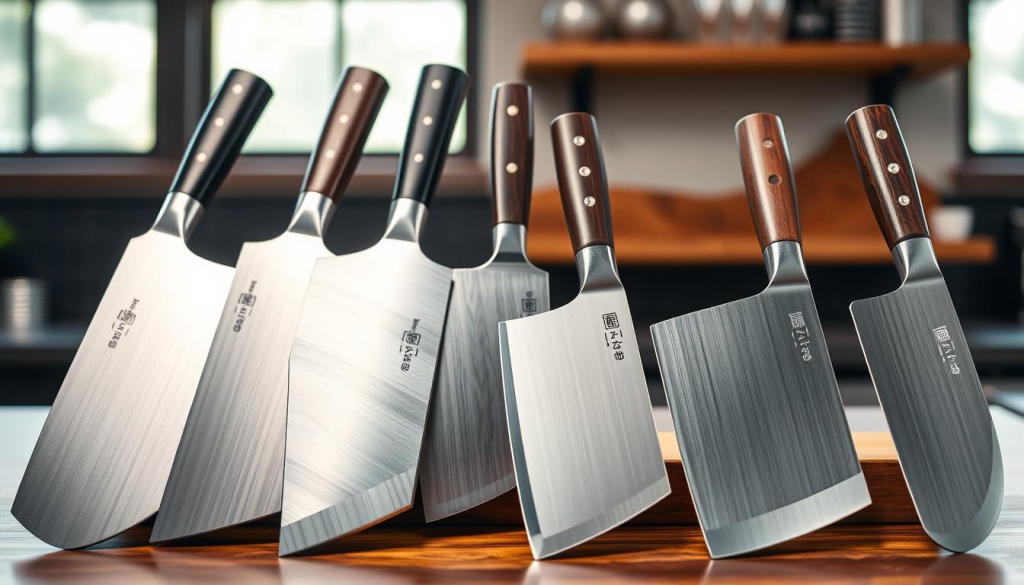
A detailed arrangement of Sakai Takayuki cleavers displayed prominently in the foreground, showcasing their sleek, polished blades and distinctive craftsmanship. In the middle layer, include other high-end cleaver brands for comparison, highlighting differences in blade shapes, handle designs, and materials. The background should feature a well-lit, modern kitchen setting with soft natural light filtering through a window, enhancing the cleavers' shine. The image should capture the essence of precision and quality, with a focus on the details of each knife's edge and grip. Use a shallow depth of field to create a soft blur behind the knives, emphasizing their importance. The mood should be professional and inviting, conveying a sense of culinary excellence and craftsmanship.

Popular Competitors in the Market

Several brands compete with Sakai Takayuki in the high-end cleaver market. Brands like Shun, Global, and Zwilling J.A. Henckels offer high-quality cleavers that are often compared to Sakai Takayuki. Each brand has its unique selling points, whether it’s the material used, the edge retention, or the ergonomic design of the handle.

Brand Blade Material Edge Retention Handle Ergonomics
Sakai Takayuki High-Carbon Stainless Steel Excellent Comfortable, Pakkawood Handle
Shun High-Carbon Stainless Steel Excellent Ergonomic, D-shaped Handle
Global Cromova 18 Stainless Steel Very Good Unique, Dimpled Handle

Why Sakai Takayuki Stands Out

Despite the competition, Sakai Takayuki cleavers stand out due to their precision forging and attention to detail. The brand’s commitment to quality ensures that each cleaver meets high standards, making it a reliable choice for those seeking a professional kitchen knife. Whether you’re a professional chef or an avid home cook, the Sakai Takayuki cleaver is designed to deliver exceptional performance.

User Experiences and Testimonials

Professional chefs and home cooks have shared glowing testimonials about their experiences with Sakai Takayuki cleavers, highlighting their quality and effectiveness. The high quality kitchen knife is designed to meet the demands of both professional and home kitchens, providing precision and durability that stands out in the world of culinary arts.

Chefs Who Love Sakai Takayuki

Renowned chefs have praised Sakai Takayuki cleavers for their exceptional cutting performance and ergonomic design. “Sakai Takayuki cleavers have become an indispensable tool in my kitchen,” says Chef Thompson, a celebrated culinary expert. “The balance and sharpness they offer are unparalleled, making even the most challenging tasks a breeze.”

“I’ve used various cleavers in my career, but none compare to the quality and craftsmanship of Sakai Takayuki. It’s a true example of traditional Japanese cutlery excellence.”

Home Cooks’ Feedback

Home cooks have also benefited greatly from using Sakai Takayuki cleavers. They appreciate the ease of use and the confidence it brings to their cooking. “Since switching to Sakai Takayuki, I’ve noticed a significant improvement in my food preparation efficiency,” shares Emily, an avid home cook. “It’s become my go-to chef’s cleaver for all kitchen tasks.”

Professional Recommendation Insights

Culinary schools and professional cooking instructors often recommend Sakai Takayuki cleavers to their students. “A good cleaver is fundamental to any serious cook’s arsenal,” notes Chef Jackson. “Sakai Takayuki cleavers embody the perfect blend of form and function, making them an ideal choice for both beginners and seasoned professionals.”

The testimonials and user experiences highlight the versatility and reliability of Sakai Takayuki cleavers, making a strong case for their inclusion in any kitchen.

Where to Buy Sakai Takayuki Cleavers

If you’re in the market for a high-quality Sakai Takayuki cleaver, you’ll want to know where to buy one. The good news is that these exceptional knives are available through various channels, ensuring you can find the perfect one to suit your needs.

Online Retailers and Pricing

Online retailers offer a convenient way to purchase a Sakai Takayuki cleaver. You can find them on platforms like Amazon, specialty kitchen stores, and the official Sakai Takayuki website. Pricing varies based on the cleaver’s specifications, such as blade size and material. For instance, a carbon steel cleaver might be priced differently than one made from stainless steel.

When shopping online, it’s essential to check the seller’s ratings and reviews to ensure you’re buying from a reputable source. Additionally, look for retailers that offer competitive pricing and any available discounts or promotions.

Local Stores and Specialty Shops

For those who prefer a more hands-on shopping experience, local stores and specialty kitchen shops are excellent options. These retailers often carry a selection of handmade kitchen knives, including Sakai Takayuki cleavers. Visiting a store allows you to inspect the cleaver’s quality and feel its balance in your hand.

Specialty kitchen stores, in particular, may offer expert advice from staff who are knowledgeable about the products they sell. They can help you choose the right cleaver based on your cooking style and preferences.

Tips for Authentic Purchases

To ensure you’re buying an authentic Sakai Takayuki carbon steel cleaver, follow these tips:

  • Purchase from authorized retailers or the official Sakai Takayuki website.
  • Check for any certifications or authenticity guarantees.
  • Be wary of significantly lower prices, as they may indicate counterfeit products.
  • Inspect the product’s packaging and documentation for signs of authenticity.

By being mindful of these factors, you can confidently purchase a genuine Sakai Takayuki cleaver that will serve you well in your kitchen.

Conclusion: Invest in Quality with Sakai Takayuki Cleavers

Investing in a Sakai Takayuki cleaver means investing in quality and precision cutting for your kitchen. With its rich history, exceptional craftsmanship, and versatility in kitchen tasks, this Japanese cleaver knife stands out as a professional kitchen knife that can elevate your cooking experience.

Key Takeaways

The Sakai Takayuki cleaver is designed to provide enhanced precision and accuracy, making it an indispensable tool for both professional chefs and home cooks. Its high-quality construction ensures longevity and durability, making it a valuable addition to any kitchen.

Precision and Quality Matter

A high quality kitchen knife like the Sakai Takayuki cleaver is essential for efficient food preparation. Its precision cutting capabilities allow for smoother, more accurate cuts, making cooking easier and more enjoyable.

By choosing Sakai Takayuki, you’re not only getting a superior cutting tool but also investing in the art of cooking. Whether you’re a seasoned chef or an enthusiastic home cook, this exceptional Japanese cleaver knife is sure to become an essential companion in your culinary journey.

FAQ

What is a Sakai Takayuki cleaver made of?

Sakai Takayuki cleavers are typically made from high-carbon steel, known for its durability and ability to hold a sharp edge, making it ideal for heavy-duty kitchen tasks.

How do I choose the right size of Sakai Takayuki cleaver for my needs?

The size of the cleaver you need depends on your cooking style and the tasks you perform most often. Larger cleavers are better for chopping through bones and thick vegetables, while smaller ones are more suited for precision tasks.

Can I use a Sakai Takayuki cleaver for tasks other than chopping?

Yes, Sakai Takayuki cleavers are versatile tools that can be used for a variety of kitchen tasks, including slicing, mincing, and crushing, thanks to their balanced design and sharp edge.

How do I maintain the sharpness of my Sakai Takayuki cleaver?

To maintain the sharpness, regularly sharpen and hone your cleaver using appropriate sharpening stones and techniques. Proper cleaning and storage also help in preserving the blade’s edge.

Is a Sakai Takayuki cleaver suitable for a beginner cook?

While Sakai Takayuki cleavers are professional-grade tools, they can be used by cooks of all skill levels. Beginners may need to get accustomed to the weight and balance, but the cleaver’s design makes it accessible to new users.

How does the Sakai Takayuki cleaver compare to other cleaver brands?

Sakai Takayuki cleavers are known for their exceptional quality, craftsmanship, and performance, often standing out compared to other brands due to their traditional Japanese cutlery techniques and high-quality materials.

Where can I purchase an authentic Sakai Takayuki cleaver?

Authentic Sakai Takayuki cleavers can be purchased from authorized dealers, specialty kitchen stores, and reputable online retailers. Be sure to check for authenticity and avoid counterfeit products.

What are the benefits of using a carbon steel cleaver like Sakai Takayuki?

Carbon steel cleavers, such as those from Sakai Takayuki, offer superior sharpness, durability, and the ability to be sharpened to a very fine edge, making them ideal for demanding kitchen tasks.

Discover the Precision of Sakai Takayuki 33 Layer Damascus


The Sakai Takayuki 33 Layer Damascus Gyutou is a masterpiece of precision and performance, crafted with 33 layers of Damascus steel and a VG10 core. This exceptional knife is renowned for its sharpness, durability, and aesthetic appeal, making it a popular choice among chefs and culinary enthusiasts.

The precision-crafted blade ensures a smooth cutting experience, while the beautiful Damascus pattern adds an element of elegance to any kitchen. Available in various sizes, such as the 180mm (7.1″) for $163.00 and the 210mm (8.2″) for $174.00, there’s a Sakai Takayuki 33 Layer Damascus Gyutou to suit every chef’s needs.

Key Takeaways

  • Exceptional sharpness and durability
  • Beautiful Damascus pattern
  • Available in various sizes
  • Precision-crafted blade
  • Elegant design for any kitchen

What is Sakai Takayuki 33 Layer Damascus?

Crafted with precision and care, the Sakai Takayuki 33 Layer Damascus knife is a prime example of handmade Damascus knife artistry. This knife is not just a tool but a piece of art that reflects the rich tradition of Japanese cutlery.

Understanding Damascus Steel

Damascus steel is renowned for its distinctive patterned appearance and exceptional sharpness. The Sakai Takayuki 33 Layer Damascus knife is made with 33 layers of Damascus steel, featuring a VG10 core that provides corrosion resistance and durability. This construction method results in a knife that is not only beautiful but also highly functional.

The process of creating Damascus steel involves folding and hammering the steel multiple times, which removes impurities and creates a strong, sharp blade. The layering process also contributes to the knife’s aesthetic appeal, as the pattern created by the layers is unique and visually striking.

Craftsmanship Behind Sakai Takayuki

The craftsmanship behind Sakai Takayuki knives is rooted in a 600-year tradition of knife-making in Sakai City, Japan. Artisans in Sakai City have honed their skills over centuries, creating knives that are both functional and beautiful.

The Sakai Takayuki 33 Layer Damascus knife is a testament to this tradition, with each knife being handmade by skilled craftsmen. The attention to detail and commitment to quality are evident in every aspect of the knife, from its sharpness to its handle design.

Feature Description Benefit
33 Layers of Damascus Steel Provides a distinctive pattern and exceptional sharpness Enhances the knife’s aesthetic appeal and cutting performance
VG10 Core Ensures corrosion resistance and durability Extends the life of the knife and maintains its performance over time
Handmade Craftsmanship Reflects traditional Japanese knife-making techniques Results in a unique, high-quality product with exceptional craftsmanship

The History of Sakai Takayuki Knives

With a history dating back over 600 years, Sakai Takayuki knives embody the essence of Japanese craftsmanship. The brand’s legacy is deeply rooted in Sakai City, Osaka, a region renowned for producing high-quality cutlery.

Origin of the Sakai Province

The Sakai Province has been a hub for cutlery production since the Muromachi period. The city’s strategic location facilitated trade, allowing local craftsmen to hone their skills and develop unique techniques. Sakai Takayuki’s heritage is a testament to the region’s rich history in metalwork and craftsmanship.

  • Development of specialized forging techniques
  • Influence of trade on local craftsmanship
  • Evolution of knife designs tailored to Japanese cuisine

Evolution of Knife Making Techniques

Over the centuries, Sakai Takayuki has refined its knife-making techniques, incorporating modern materials and technologies while maintaining traditional craftsmanship. This blend of old and new has enabled the brand to produce luxury kitchen knives and professional chef knives that are highly regarded worldwide.

The evolution of Sakai Takayuki knives is marked by several key developments, including:

  1. The introduction of new steel alloys for enhanced durability
  2. Advancements in forging and tempering processes
  3. Innovative handle designs for improved ergonomics

These advancements have solidified Sakai Takayuki’s position as a leading manufacturer of premium kitchen utensils, catering to the needs of professional chefs and culinary enthusiasts alike.

Features of Sakai Takayuki 33 Layer Damascus Knives

With their intricate 33-layer construction, Sakai Takayuki 33 Layer Damascus knives offer unparalleled sharpness and durability. These knives are a testament to the brand’s commitment to excellence in craftsmanship and performance.

33 Layers of Steel Explained

The 33-layer Damascus construction is a hallmark of Sakai Takayuki’s knife-making expertise. This process involves layering 33 sheets of steel to create a blade that is not only visually striking but also exceptionally strong and sharp. The layering process enhances the knife’s overall performance by combining the benefits of different steel types, resulting in a blade that is both durable and resistant to corrosion.

The Damascus pattern visible on these knives is a result of the layering process, creating a unique visual identity for each blade. This pattern is not just aesthetically pleasing; it also indicates the knife’s high-quality construction.

Benefits of Damascus Design

The Damascus design in Sakai Takayuki knives offers several benefits, including enhanced sharpness, durability, and aesthetic appeal. The layering of steel creates a blade with a sharp edge that is also highly resistant to wear and tear. Additionally, the unique pattern created by the layering process makes each knife visually distinct.

  • Enhanced sharpness due to the precise layering of steel
  • Durability and resistance to corrosion
  • Aesthetic appeal with a unique Damascus pattern

For chefs and culinary enthusiasts, the Japanese chef knife represented by Sakai Takayuki’s 33 Layer Damascus series is an indispensable tool. It combines traditional craftsmanship with modern functionality, making it a valuable addition to any kitchen.

Why Choose Sakai Takayuki?

In the culinary world, the reputation of a knife brand can make all the difference, and Sakai Takayuki is renowned for its excellence. With a history rooted in traditional Japanese cutlery, Sakai Takayuki has established itself as a leader in the production of luxury kitchen knives.

Reputation in Culinary World

Sakai Takayuki’s commitment to quality and precision has earned it a revered status among professional chefs. The brand’s knives are not just tools; they are instruments that reflect the artistry and skill of the chef. As a result, Sakai Takayuki knives are found in many Michelin-starred kitchens around the world, where the demand for excellence is paramount.

“Sakai Takayuki knives represent the pinnacle of Japanese knife-making, combining traditional techniques with modern innovation to create truly exceptional cutting instruments.”

Endorsed by Professional Chefs

The endorsement by professional chefs is a testament to Sakai Takayuki’s standing in the culinary community. Chefs appreciate the balance, sharpness, and durability of these knives, which are designed to meet the rigorous demands of a professional kitchen. Whether it’s a chef’s knife or a santoku, Sakai Takayuki’s range of professional chef knives is designed to enhance the cooking experience.

In a well-lit, modern kitchen, showcase a stunning collection of Sakai Takayuki 33 Layer Damascus knives prominently displayed on a sleek wooden cutting board. In the foreground, highlight the intricate details of the knife blades, showcasing the beautiful, swirling patterns of the Damascus steel, and the expertly crafted wooden handles, glimmering softly in warm lighting. The middle of the scene features a subtle arrangement of fresh vegetables and herbs, emphasizing the precision and elegance of the knives. In the background, the kitchen is adorned with stylish cabinetry and polished surfaces, creating an inviting, luxurious atmosphere. Soft, natural light filters through a nearby window, casting gentle shadows that enhance the mood, inviting viewers to appreciate the artistry and craftsmanship of these culinary tools.

Sakai Takayuki’s dedication to crafting high-quality knives has made it a preferred choice among culinary professionals. The brand’s focus on traditional Japanese cutlery, combined with modern manufacturing techniques, results in knives that are both beautiful and functional.

In summary, Sakai Takayuki’s reputation in the culinary world, coupled with its endorsement by professional chefs, makes it a top choice for those seeking luxury kitchen knives. Whether you’re a seasoned chef or a culinary enthusiast, Sakai Takayuki offers knives that will elevate your cooking to new heights.

How to Maintain Your Sakai Takayuki Knife

Maintaining your Sakai Takayuki knife is essential for its longevity and performance. A well-maintained knife not only ensures optimal cutting performance but also retains its aesthetic appeal.

Proper Cleaning Techniques

To maintain the quality of your Sakai Takayuki knife, it is recommended to hand wash it with mild soap and dry it immediately after use. Avoid using a dishwasher, as the high heat and harsh detergents can damage the knife.

Cleaning Steps:

  • Wash the knife by hand with mild soap and warm water.
  • Dry the knife immediately with a soft cloth to prevent water spots.
  • For tougher stains, use a soft sponge or cloth to gently scrub the blade.

Sharpening Tips and Tools

Sharpening your Sakai Takayuki knife is crucial for maintaining its edge. The frequency of sharpening depends on usage, but generally, a knife should be sharpened when it feels dull.

Sharpening Techniques:

Sharpening Tool Description Skill Level
Whetstone A versatile tool for sharpening and polishing the edge. Advanced
Sharpening Steel Hones the edge, realigning the blade for optimal cutting. Beginner
Electric Sharpener Quickly sharpens the knife with minimal effort. Beginner

By following these maintenance tips, you can ensure your Sakai Takayuki handmade damascus knife remains a valuable premium kitchen utensil for years to come.

Different Models of Sakai Takayuki 33 Layer Damascus Knives

Sakai Takayuki offers a diverse range of 33 Layer Damascus knives, catering to various culinary needs. Whether you’re a professional chef or an avid home cook, understanding the different models available can help you choose the right knife for your tasks.

Chef Knives vs. Santoku Knives

The Sakai Takayuki 33 Layer Damascus series includes both Gyuto (Chef’s Knife) and Santoku knives, each designed for specific cutting techniques. The Gyuto knife, with its longer blade, is ideal for chopping, slicing, and mincing ingredients. On the other hand, the Santoku knife is known for its versatility and is often used for push-pull cutting motions.

“A good knife is like a good friend, it becomes an extension of yourself,” says a renowned chef, highlighting the importance of choosing the right knife for your cooking style.

Specialty Knives for Culinary Professionals

Beyond the standard Chef and Santoku knives, Sakai Takayuki also offers specialty knives designed for specific culinary tasks. These include Nakiri knives for vegetable preparation, Petty knives for detail work, and Deba knives for fish filleting. Each of these knives is crafted with the same attention to detail and quality as the Gyuto and Santoku knives.

For culinary professionals, having the right specialty knife can significantly enhance their cooking experience and efficiency. As noted by chefs, “The precision and balance of a Sakai Takayuki knife make it an indispensable tool in the kitchen.”

Where to Buy Sakai Takayuki Knives in the U.S.

Sakai Takayuki knives, renowned for their exceptional quality and craftsmanship, are available in the U.S. through various reputable retailers. For those looking to invest in luxury kitchen knives, finding an authentic Sakai Takayuki product is crucial.

Authorized Retailers

To ensure you’re purchasing genuine Sakai Takayuki knives, it’s advisable to buy from authorized retailers. These retailers not only sell authentic products but also often provide excellent customer service and after-sales support. Some of the well-known authorized retailers include specialty kitchen stores and high-end department stores that carry premium kitchen utensils.

  • Sur La Table
  • Williams-Sonoma
  • Kitchen Supply Stores

Online Shopping Options

The convenience of online shopping makes it easier than ever to purchase Sakai Takayuki knives. Several online retailers and the official Sakai Takayuki website offer these professional chef knives for sale. When shopping online, ensure you’re buying from a reputable seller to avoid counterfeit products.

  1. Amazon
  2. Official Sakai Takayuki Website
  3. Chefs’ Online Stores

By choosing to buy from authorized retailers or reputable online sources, you can be confident in the quality and authenticity of your Sakai Takayuki knife, making it a valuable addition to your kitchen arsenal.

Customer Reviews and Feedback

Customer feedback on Sakai Takayuki knives underscores their value in both professional and home kitchens. The brand’s commitment to quality is reflected in the exceptional craftsmanship and performance of its 33 Layer Damascus knives.

What Chefs Are Saying

Professional chefs praise Sakai Takayuki knives for their precision and durability. One chef noted, “The balance and sharpness of my Sakai Takayuki knife have significantly improved my cutting technique.”

“I’ve been using Sakai Takayuki knives for years, and their quality has never wavered. The Damascus pattern is not just beautiful; it also indicates the high quality damascus steel used in these knives.”

Alice Waters, Chef and Owner of Chez Panisse

Another chef highlighted the knife’s ergonomic design, saying, “The handle of my Sakai Takayuki knife is comfortable to hold, making it perfect for long cooking sessions.”

User Testimonials

Home cooks also appreciate the value that Sakai Takayuki knives bring to their kitchens. Here are a few testimonials:

  • “I’ve never cooked with such a high-quality knife before. The handmade damascus knife is a game-changer.”
  • “The sharpness and balance of my Sakai Takayuki knife are unmatched. It’s become an essential tool in my kitchen.”
  • “I was impressed by the beauty and craftsmanship of my Sakai Takayuki knife. It’s a piece of traditional japanese cutlery that I treasure.”

The positive feedback from both professional chefs and home cooks highlights Sakai Takayuki’s dedication to producing high-quality Damascus steel knives that meet the needs of various users.

Comparing Sakai Takayuki to Other Brands

For culinary professionals, choosing the right knife is crucial, and Sakai Takayuki is often at the top of the list alongside Shun and Global. When comparing these high-end knife brands, several factors come into play, including quality, performance, and value.

Sakai Takayuki vs. Shun

Both Sakai Takayuki and Shun are renowned for their exceptional craftsmanship and attention to detail. However, there are some key differences between the two. Shun knives are known for their sharpness and precision, thanks to their proprietary VG-MAX steel. On the other hand, Sakai Takayuki’s 33-layer Damascus construction provides a unique balance of hardness and flexibility, making them highly durable.

Sakai Takayuki’s edge: The 33-layer Damascus design not only adds to the aesthetic appeal but also enhances the knife’s performance by providing a sharp edge that is also resistant to wear.

Sakai Takayuki vs. Global

Global knives are celebrated for their unique design and exceptional cutting performance. When compared to Sakai Takayuki, Global knives tend to have a more modern aesthetic and a thinner, sharper blade. However, Sakai Takayuki knives are often praised for their ergonomic handles and balanced weight, making them comfortable to use for extended periods.

A key consideration: While Global knives excel in terms of sharpness, Sakai Takayuki knives offer a more traditional feel and a rich history that many chefs appreciate.

In conclusion, when comparing Sakai Takayuki to other luxury knife brands like Shun and Global, it becomes clear that each brand has its unique strengths. Sakai Takayuki stands out for its exceptional craftsmanship, durability, and the distinctive beauty of its 33-layer Damascus construction.

The Art of Using Sakai Takayuki Knives

Sakai Takayuki knives are not just tools, but instruments that require technique and practice to unlock their full potential. The precision and craftsmanship of these handmade damascus knives demand a level of skill that, when mastered, can significantly enhance one’s cooking experience.

To begin with, understanding the balance and weight of a Sakai Takayuki knife is crucial. The damascus kitchen knife, with its distinctive pattern and sharp edge, is designed for precision cutting. Proper handling involves holding the knife with a firm, but not overly tight, grip, allowing for smooth, controlled movements.

Best Practices for Cutting Techniques

Effective cutting techniques with Sakai Takayuki knives involve a combination of proper knife handling and understanding the material being cut. For instance, when chopping vegetables, a gentle rocking motion can be used to minimize waste and ensure clean cuts. It’s also important to keep the knife sharp, as a dull edge requires more force and can lead to accidents.

Some key tips for cutting techniques include:

  • Maintaining a sharp edge through regular sharpening
  • Using the correct cutting board to preserve the knife’s edge
  • Practicing different cutting strokes, such as push cuts and pull cuts

Enhancing Your Cooking Experience

The quality of a Sakai Takayuki knife can significantly enhance the cooking experience. By providing a precise cutting tool, these knives allow cooks to prepare ingredients with greater accuracy and less effort. This not only improves the presentation of dishes but also ensures that ingredients are cut to the optimal size for cooking.

Furthermore, the durability and resistance to corrosion of Sakai Takayuki knives make them a long-term companion in the kitchen. With proper care, these premium kitchen utensils can remain in excellent condition for years, providing consistent performance and reliability.

In conclusion, mastering the use of Sakai Takayuki knives involves understanding both the knife itself and the techniques required to use it effectively. By following best practices for cutting and maintaining these high-quality knives, cooks can elevate their culinary skills and enjoy a more satisfying cooking experience.

Conclusion: Invest in Quality with Sakai Takayuki

Sakai Takayuki 33 layer Damascus knives embody the perfect blend of craftsmanship, precision, and performance, making them a valuable addition to any kitchen. Whether you’re a professional chef or a culinary enthusiast, these luxury kitchen knives are designed to elevate your cooking experience.

Key Benefits of Sakai Takayuki Knives

The exceptional quality of Sakai Takayuki knives is reflected in their durability, sharpness, and aesthetic appeal. As professional chef knives, they offer unparalleled cutting performance, making them an essential tool for any serious cook.

Making the Right Choice

By choosing Sakai Takayuki, you’re investing in a premium product that will enhance your cooking skills and provide long-term value. With their rich history, precise craftsmanship, and commitment to excellence, Sakai Takayuki knives are the ideal choice for those seeking high-quality kitchen knives.

FAQ

What is the Sakai Takayuki 33 Layer Damascus knife made of?

The Sakai Takayuki 33 Layer Damascus knife is crafted with 33 layers of Damascus steel and a VG10 core, providing exceptional sharpness, durability, and corrosion resistance.

What is Damascus steel, and what are its benefits?

Damascus steel is a type of steel known for its distinctive pattern and exceptional strength, sharpness, and beauty. The 33-layer construction of the Sakai Takayuki knife provides a unique combination of these benefits, making it highly prized among chefs and culinary enthusiasts.

How do I maintain my Sakai Takayuki knife?

To maintain your Sakai Takayuki knife, it’s essential to follow proper cleaning and sharpening techniques. Cleaning should be done by hand with mild soap and water, and sharpening should be done using a high-quality sharpening stone or tool.

What are the different models of Sakai Takayuki 33 Layer Damascus knives available?

Sakai Takayuki offers various models of 33 Layer Damascus knives, including chef knives, Santoku knives, and specialty knives, each designed for specific tasks and applications.

Where can I buy Sakai Takayuki knives in the United States?

Sakai Takayuki knives can be purchased from authorized retailers and online shopping options. It’s essential to buy from reputable sources to ensure authenticity and quality.

How does Sakai Takayuki compare to other premium brands like Shun and Global?

Sakai Takayuki knives are known for their exceptional sharpness, durability, and aesthetic appeal, making them a popular choice among chefs and culinary enthusiasts. While other premium brands like Shun and Global offer high-quality knives, Sakai Takayuki’s unique craftsmanship and materials set it apart.

What are the benefits of using a Sakai Takayuki knife?

Using a Sakai Takayuki knife can enhance your cooking experience by providing exceptional sharpness, precision, and control. The knife’s high-quality materials and craftsmanship ensure durability and performance, making it a valuable addition to any kitchen.

Are Sakai Takayuki knives suitable for professional chefs and home cooks?

Yes, Sakai Takayuki knives are suitable for both professional chefs and home cooks. The brand’s commitment to quality, precision, and performance makes its knives an ideal choice for anyone looking to elevate their cooking experience.

Sakai Takahiro: Celebrating the Genius of Japanese Art


The world of Japanese art is renowned for its precision, elegance, and dedication to craftsmanship. At the forefront of this tradition is a master craftsman known for his exceptional handmade knives. Sakai Takahiro is a celebrated Japanese knife maker who has spent years perfecting his art.

His work is deeply rooted in the cultural and historical context of Japanese art, where the value of a craft lies in its detail and the story behind its creation. Takahiro’s knives are not just tools but pieces of art that reflect the soul of Japanese craftsmanship.

Key Takeaways

  • Understanding the cultural significance of handmade knives in Japanese art.
  • Exploring Sakai Takahiro’s contribution to the world of Japanese knives.
  • The importance of traditional craftsmanship in modern times.
  • Appreciating the artistry and skill behind Japanese knife making.
  • The role of historical context in shaping contemporary Japanese art.

Introduction to Sakai Takahiro

In the realm of contemporary Japanese art, Sakai Takahiro stands out as a master craftsman, pushing the boundaries of creativity and innovation. With a deep-rooted passion for traditional Japanese art forms, Sakai Takahiro has carved a niche for himself in the art world.

Who is Sakai Takahiro?

Sakai Takahiro is a contemporary Japanese artist known for his work in various mediums, including painting and sculpture. His artistic style is characterized by a blend of traditional Japanese techniques and modern sensibilities. Much like a skilled craftsman forging custom chef knives or high-end cutlery, Sakai Takahiro meticulously crafts each piece, ensuring that it is not only aesthetically pleasing but also rich in cultural significance.

As a descendant of a line of traditional swordsmiths, Sakai Takahiro’s work is influenced by the historical and cultural heritage of Japanese sword-making. This legacy is evident in the precision and attention to detail that he brings to his art.

Overview of His Artistic Style

Sakai Takahiro’s artistic style is a unique fusion of traditional and contemporary elements. His work often features:

  • Intricate designs inspired by nature and traditional Japanese motifs.
  • A blend of modern materials and techniques with ancient craftsmanship.
  • A focus on the emotional and spiritual resonance of art.

This distinctive approach has garnered Sakai Takahiro recognition both within Japan and internationally, as his art continues to captivate a wide audience.

The Cultural Significance of Sakai’s Work

As a master artisan, Sakai Takahiro draws upon Japan’s rich cultural heritage to create innovative works of art. His dedication to preserving traditional techniques while embracing modernity has made his work highly regarded both locally and internationally.

Influence of Traditional Japanese Art

Sakai Takahiro’s work is deeply rooted in traditional Japanese art, reflecting the country’s historical and cultural nuances. The precision and attention to detail characteristic of his craft are reminiscent of the finest kitchen knives, where form and function blend seamlessly.

The influence of traditional Japanese art on Sakai’s work can be seen in several key areas:

  • The use of natural materials and emphasis on harmony with nature
  • The incorporation of historical techniques and motifs into modern designs
  • A focus on precision and attention to detail, reflecting the artisan bladesmith’s dedication to their craft

Modern Interpretations and Innovations

While Sakai Takahiro’s work honors traditional Japanese art, it also pushes the boundaries of modern creativity. By combining age-old techniques with contemporary themes and materials, Sakai creates pieces that are both timeless and innovative.

Some of the modern interpretations in Sakai’s work include:

  1. Incorporating new materials and technologies into traditional crafts
  2. Exploring contemporary themes and subjects through a traditional lens
  3. Creating interactive and dynamic art pieces that engage the viewer

Sakai Takahiro’s ability to balance tradition with innovation has not only contributed to his own success but has also inspired a new generation of artists to explore the possibilities of Japanese art.

Notable Works by Sakai Takahiro

As a renowned Japanese knife maker, Sakai Takahiro’s work is characterized by its exceptional quality and attention to detail. His creations are not just tools for culinary professionals but are also considered art pieces that reflect the rich heritage of Japanese craftsmanship.

Sakai Takahiro’s journey as a craftsman has been marked by a relentless pursuit of perfection. His handmade knives are designed to meet the highest standards of quality, making them highly sought after by chefs and collectors alike.

Highlighting Key Pieces

Among Sakai Takahiro’s notable works are his custom chef knives, which are tailored to meet the specific needs of professional chefs. These knives are crafted with precision, ensuring that they provide the perfect balance between form and function.

Some of his most celebrated pieces include:

  • Knives with intricate handle designs that reflect traditional Japanese motifs
  • Blades that are forged using time-honored techniques, ensuring durability and sharpness
  • Customizable knives that allow chefs to personalize their tools according to their preferences

The Techniques Behind His Creations

The craftsmanship behind Sakai Takahiro’s handmade knives involves a deep understanding of materials and techniques passed down through generations. The process begins with the selection of high-quality steel, which is then forged and tempered to achieve the perfect hardness.

Technique Description Benefit
Forging Shaping the steel under high heat Enhances durability
Tempering Heat treatment to achieve optimal hardness Ensures sharpness and resilience
Hand-finishing Manual polishing and inspection Provides a flawless finish

Sakai Takahiro’s dedication to his craft is evident in every detail of his creations, from the balance and weight of the knives to the aesthetic appeal of the handles. His work continues to inspire and influence the world of culinary arts.

Sakai Takahiro’s Artistic Philosophy

At the heart of Sakai Takahiro’s philosophy is the belief that art should evoke and explore emotion. This core principle guides his creative process, influencing the techniques and themes present in his work.

The Importance of Emotion in Art

Sakai Takahiro emphasizes the role of emotion in creating art that resonates with viewers. His pieces often convey a deep sense of feeling, whether it’s through the serene beauty of a landscape or the intense emotion of a portrait.

The emotional depth in his art is not accidental; it’s the result of a meticulous process that involves understanding the subject matter on a profound level. This approach allows Sakai to connect with his audience on a more personal level.

His Approach to Contemporary Issues

Sakai Takahiro’s art also addresses contemporary issues, providing commentary on the world we live in today. He tackles topics such as environmental conservation and social justice, using his art as a medium for raising awareness.

By incorporating elements of traditional Japanese art, such as the craftsmanship of a traditional swordsmith, Sakai bridges the past with the present. This blend of old and new gives his work a unique perspective on modern issues.

Artistic Element Contemporary Issue Artistic Approach
Traditional Techniques Environmental Conservation Using natural materials and sustainable practices
Innovative Materials Social Justice Incorporating recycled materials to highlight waste and inequality
Cultural Heritage Cultural Preservation Blending traditional methods with modern themes to preserve cultural identity

Sakai Takahiro’s commitment to addressing contemporary issues through his art not only showcases his versatility as an artist but also his dedication to using his craft for the greater good.

Exhibitions Featuring Sakai Takahiro

Sakai Takahiro’s artistic talent has been showcased in numerous exhibitions globally, captivating audiences with the beauty and craftsmanship of his handmade knives.

Major Shows Around the World

Sakai Takahiro has participated in several prestigious exhibitions worldwide, including the annual “Knife Expo” in Tokyo and the “Art of Cutlery” show in New York. His work has been celebrated for its unique blend of traditional Japanese techniques and modern design elements.

One of his most notable exhibitions was held at the “Gourmet Gallery” in Paris, where his finest kitchen knives were displayed alongside other culinary art pieces. The exhibition drew a significant crowd, with many attendees praising Sakai’s attention to detail and the aesthetic appeal of his creations.

Exhibition Name Location Year
Knife Expo Tokyo 2020
Art of Cutlery New York 2019
Gourmet Gallery Paris 2018

“Sakai Takahiro’s handmade knives are not just tools for cooking; they are pieces of art that reflect the soul of the craftsman.” – Art Critic, Paris

Upcoming Exhibitions and Events

Sakai Takahiro is set to feature in several upcoming exhibitions, including the “International Craftsmanship Fair” in London and the “Designer’s Cutlery Show” in Milan. These events promise to showcase his latest creations and provide a platform for him to connect with a wider audience.

Art enthusiasts and collectors can look forward to seeing Sakai’s innovative designs and perhaps even witness the creation of his handmade knives live at these events.

Critical Reception of Sakai’s Art

Sakai Takahiro’s contributions to the art world have been met with critical acclaim, as his work challenges conventional boundaries and invites new perspectives. His unique approach to blending traditional Japanese techniques with modern themes has garnered significant attention from both critics and the public.

Reviews from Art Critics

Art critics have praised Sakai Takahiro for his innovative use of materials and techniques that pay homage to the legacy of traditional swordsmith artistry. His ability to adapt these traditional methods to contemporary art pieces has been particularly noted. For instance, his use of intricate metalwork in creating modern sculptures has drawn comparisons to the craftsmanship seen in high-end cutlery and bespoke items like custom chef knives.

The critical reception of his work highlights the depth and richness that Sakai Takahiro brings to the art world. Critics have lauded his ability to balance traditional aesthetics with modern sensibilities, creating pieces that are both timeless and timely.

A modern reinterpretation of Sakai Takahiro’s artwork featuring vibrant colors and intricate patterns, capturing the essence of Japanese art. In the foreground, a delicate cherry blossom branch with soft pink flowers interacts with traditional Japanese motifs, symbolizing beauty and transience. The middle ground showcases a landscape with serene mountains and a traditional teahouse, its wooden structure reflecting harmony with nature. The background is a soft, misty blue sky transitioning to twilight, creating an ethereal atmosphere. Utilize warm, diffused lighting to evoke a sense of tranquility and contemplation. Aim for a slightly elevated angle to give depth to the composition, allowing viewers to appreciate the blend of nature and artistry, while maintaining a sophisticated and culturally rich ambiance.

Public Response and Engagement

The public’s response to Sakai Takahiro’s art has been overwhelmingly positive, with many viewers drawn to the emotional resonance and cultural depth of his work. His exhibitions have attracted a diverse audience, from seasoned art collectors to individuals encountering his work for the first time. The engagement with his art is not limited to visual appreciation; many visitors have reported being moved by the stories and histories embedded in his pieces.

Sakai Takahiro’s ability to connect with a broad audience stems from his skill in balancing the esoteric aspects of traditional Japanese art with contemporary themes that resonate globally. This balance has fostered a strong public engagement, with many of his works being sought after by museums and private collectors alike.

Sakai Takahiro’s Impact on Young Artists

The impact of Sakai Takahiro on the next generation of artists is multifaceted and profound. As a celebrated artist, he has not only inspired young creatives through his work but has also been actively involved in their development.

Mentorship and Community Involvement

Sakai Takahiro’s commitment to mentorship is evident in his involvement with various art programs and workshops. He has worked closely with young artists, sharing his expertise and experience to help them hone their skills. “Art is not just about creating something beautiful; it’s about expressing the depth of human emotion,” Sakai Takahiro once said, emphasizing the importance of emotional connection in art. His mentorship extends beyond the studio, as he encourages young artists to explore their unique perspectives and styles.

Moreover, Sakai Takahiro’s community involvement has been instrumental in fostering a supportive environment for young artists. He has participated in numerous community projects, collaborating with local artisans, including skilled Japanese knife makers and artisan bladesmiths, to create public art installations that reflect the cultural heritage of Japan. These projects not only showcase his art but also provide a platform for young artists to learn and grow.

Inspiring the Next Generation of Artists

Sakai Takahiro’s art continues to inspire young artists, pushing the boundaries of creativity and innovation. His use of traditional techniques combined with modern interpretations has resulted in works that are both timeless and contemporary. For instance, his intricate designs on finest kitchen knives have become a hallmark of his style, blending functionality with aesthetic appeal.

Young artists are drawn to Sakai Takahiro’s emphasis on the emotional and cultural significance of art. His ability to convey complex emotions through his work has inspired a new generation to explore the depths of their own creativity. As a result, Sakai Takahiro’s influence can be seen in the work of many emerging artists who are now making their mark in the art world.

“The true power of art lies in its ability to connect us on a deeper level.” – Sakai Takahiro

This quote encapsulates Sakai Takahiro’s philosophy and serves as a guiding principle for young artists who seek to make a meaningful impact through their work.

Exploring Sakai’s Collaboration with Other Artists

Sakai Takahiro’s artistic journey is marked by numerous collaborations that have enriched his work. These collaborations have not only influenced his style but have also contributed to the broader art community.

Notable Collaborations in Art

Sakai Takahiro has collaborated with various artists, resulting in some remarkable projects. One notable collaboration was with a renowned knife maker, where they created a series of handmade knives that combined traditional Japanese craftsmanship with modern design principles.

Another significant collaboration involved working with international artists on a project that blended different cultural influences. This project resulted in a unique exhibition that showcased the beauty of cross-cultural collaboration.

Cross-Cultural Projects and Exhibits

Sakai Takahiro has been involved in several cross-cultural projects that have gained international recognition. These projects have allowed him to experiment with different techniques and incorporate various cultural elements into his work.

For instance, one project involved creating custom chef knives with artisans from different countries. This project not only highlighted Sakai’s versatility as an artist but also demonstrated the potential for cultural exchange through art.

These collaborations and projects have significantly impacted Sakai Takahiro’s career, enabling him to produce innovative work that resonates with a global audience.

Conclusion: The Legacy of Sakai Takahiro

Sakai Takahiro’s contributions to Japanese art are undeniable, with his work embodying the spirit of a traditional swordsmith while pushing the boundaries of high-end cutlery and artisan bladesmith techniques. His unique blend of traditional and modern elements has captivated audiences worldwide.

Enduring Artistic Significance

The significance of Sakai Takahiro’s art lies in its ability to evoke emotion and tell stories through intricate designs and masterful craftsmanship, characteristic of a skilled artisan bladesmith. As a result, his pieces are not only aesthetically pleasing but also carry deep cultural and historical significance.

Exploring His Work

For those interested in exploring Sakai Takahiro’s art further, his work offers a fascinating glimpse into the world of traditional Japanese craftsmanship and its modern interpretations. From high-end cutlery to intricate art pieces, Sakai’s creations are a testament to his skill as a traditional swordsmith and his innovative approach to art.

FAQ

Who is Sakai Takahiro and what is his significance in the world of Japanese art?

Sakai Takahiro is a renowned Japanese knife maker and artisan bladesmith known for crafting exquisite, handmade knives that blend traditional techniques with modern sensibilities, contributing significantly to the world of high-end cutlery.

What makes Sakai Takahiro’s knives so unique?

Sakai Takahiro’s knives are unique due to his meticulous attention to detail, traditional swordsmith techniques, and the high-quality materials used, resulting in custom chef knives that are both functional and beautiful pieces of art.

How does Sakai Takahiro’s background influence his work?

As a traditional Japanese knife maker, Sakai Takahiro’s background in Japanese swordsmithing and his adherence to traditional techniques significantly influence his work, allowing him to create knives that are deeply rooted in Japanese culture.

What is the cultural significance of Sakai Takahiro’s art?

Sakai Takahiro’s work is not only significant for its technical excellence but also for its role in preserving and innovating within traditional Japanese art, making it appealing to both traditional and modern audiences.

Where can I see Sakai Takahiro’s work exhibited?

Sakai Takahiro’s work has been featured in various exhibitions around the world, including major shows and cross-cultural projects that highlight his collaborations with other artists and his contributions to the world of fine kitchen knives.

How has Sakai Takahiro’s work been received by critics and the public?

Sakai Takahiro’s work has garnered widespread acclaim from both art critics and the public, praised for its beauty, craftsmanship, and the emotional resonance it evokes, demonstrating a deep engagement with his art.

Does Sakai Takahiro mentor or involve himself with young artists?

Yes, Sakai Takahiro is involved in mentorship and community activities that aim to inspire and guide the next generation of artists, ensuring the continuation of traditional craftsmanship and innovation in Japanese art.

What can we expect from Sakai Takahiro’s future projects?

While specific future projects may not be detailed, Sakai Takahiro is expected to continue creating exceptional, handmade knives and possibly engaging in new collaborations that blend traditional Japanese techniques with modern and cross-cultural elements.