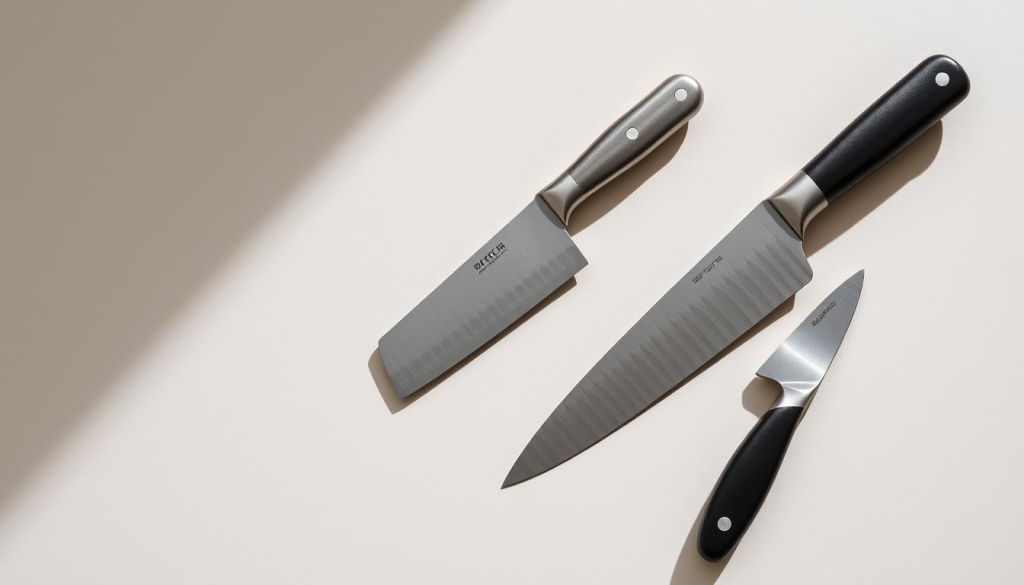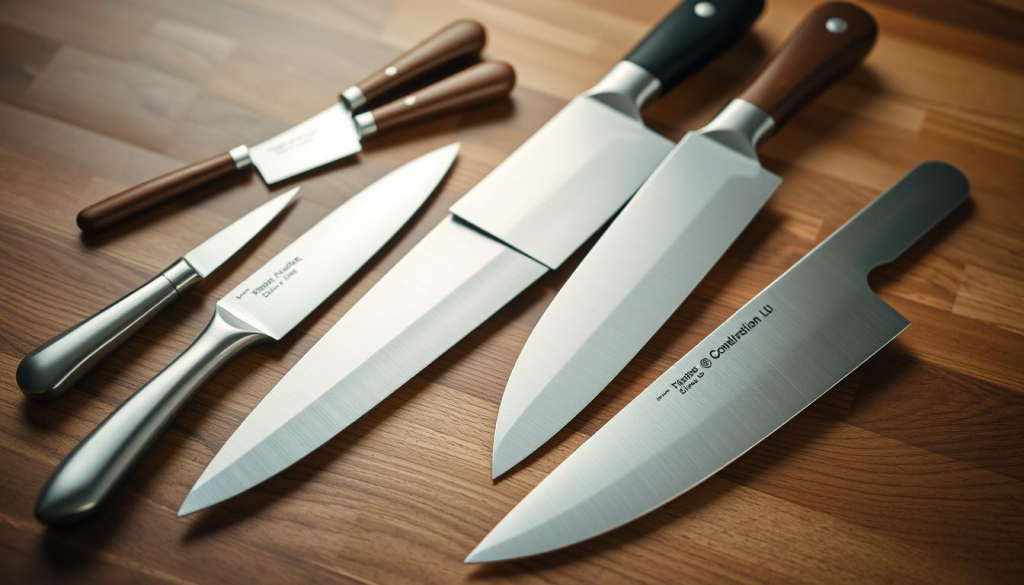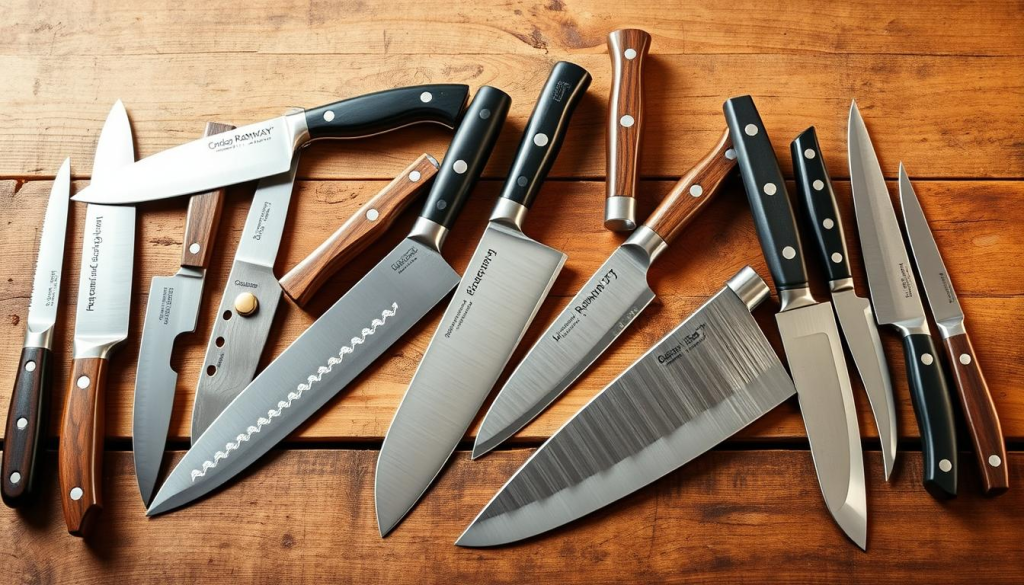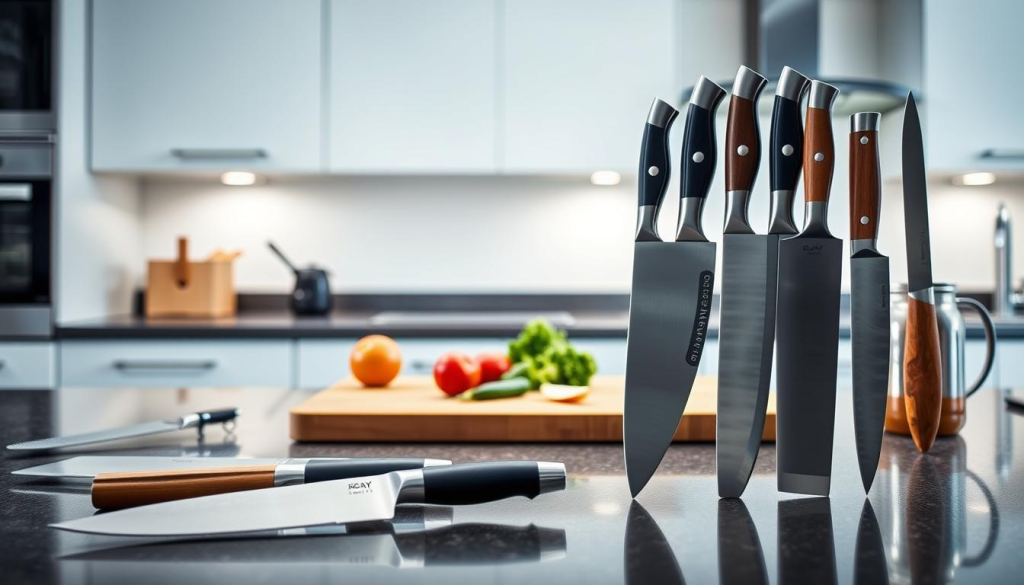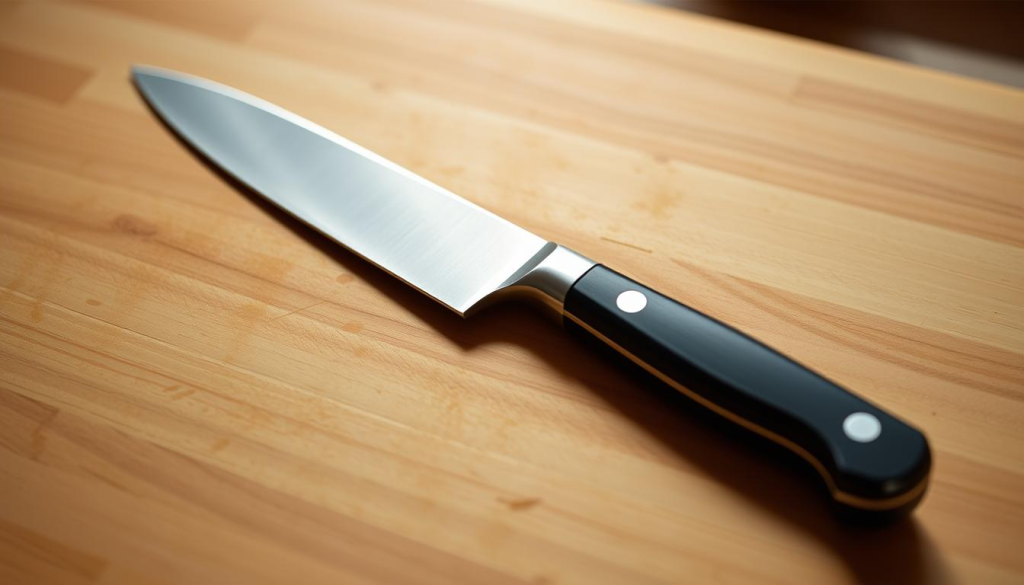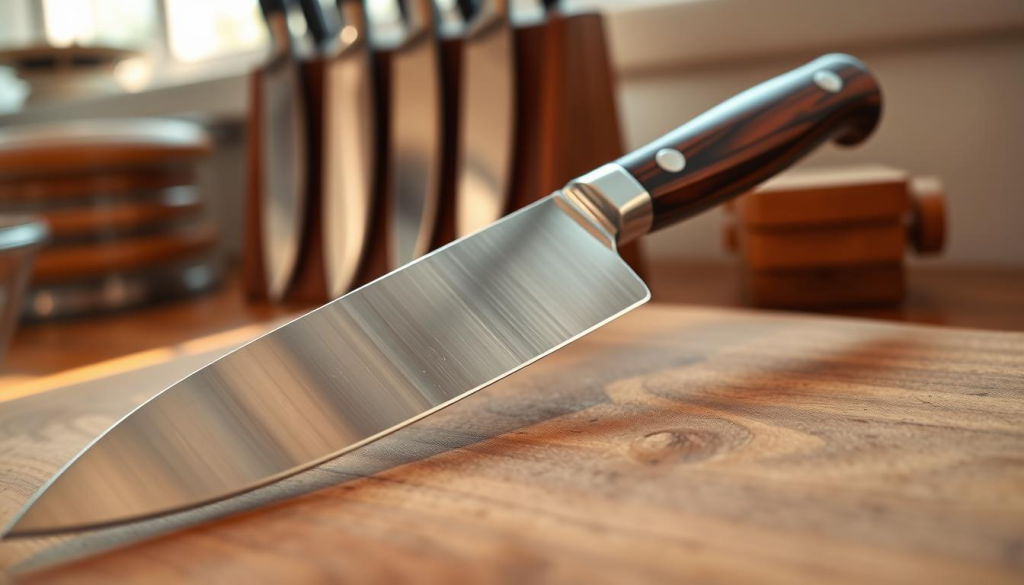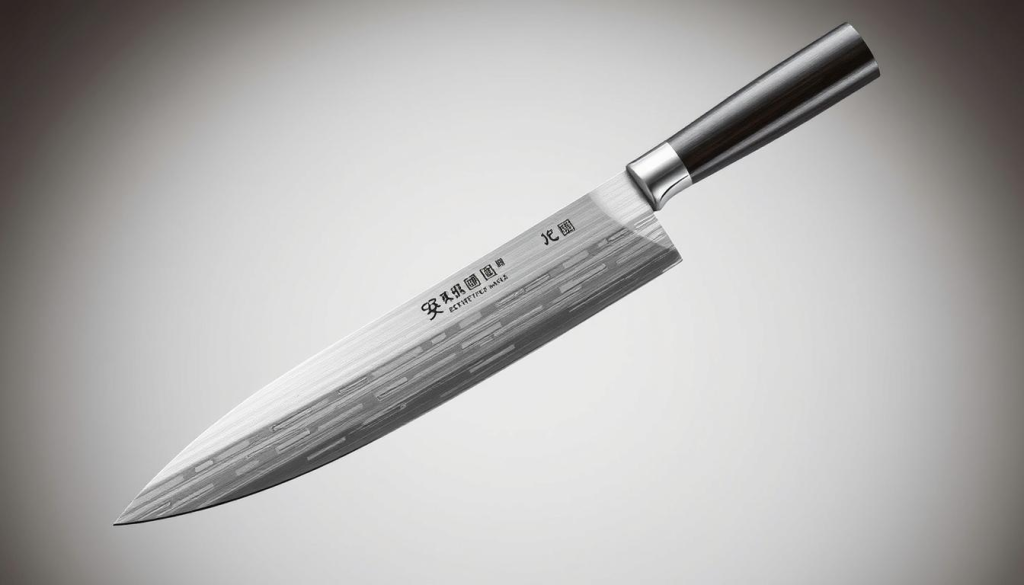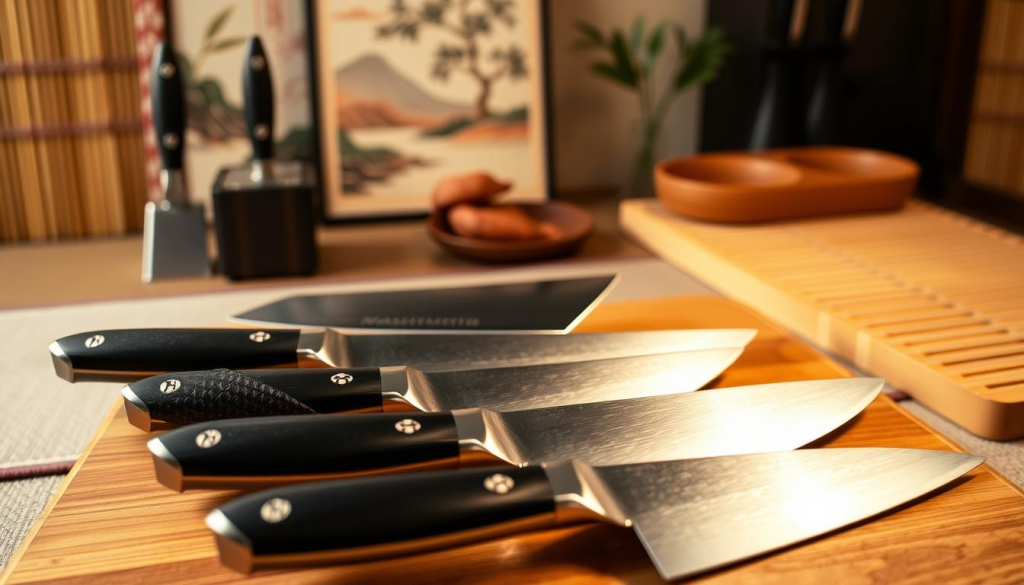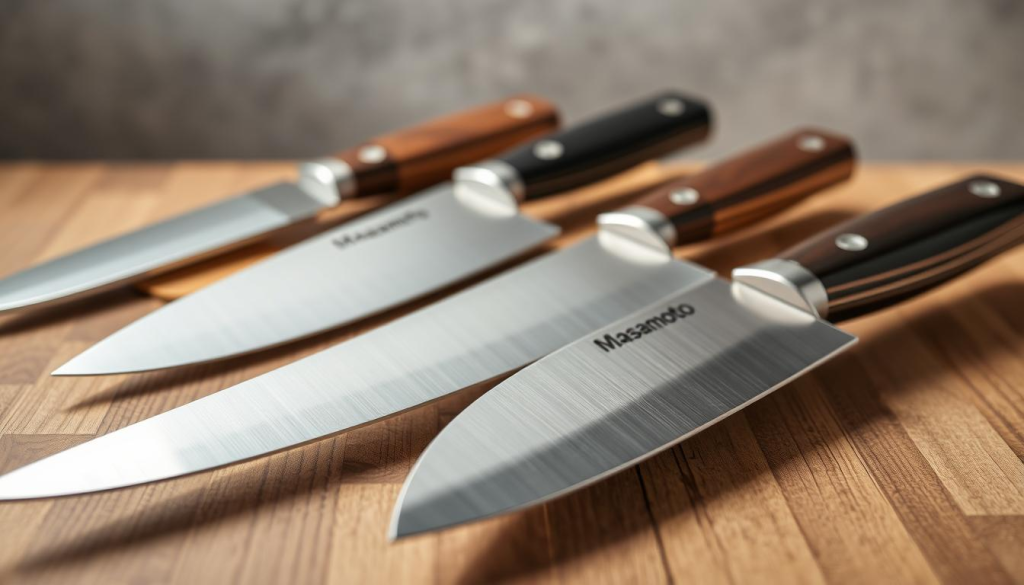
For decades, Masamoto knives have been the go-to choice for professional chefs in Japan. Renowned for their precision, sharpness, and durability, these high-quality knives have earned a reputation as the best in the culinary world.
The Masamoto knife is a testament to Japanese craftsmanship, reflecting the country’s rich heritage of producing exceptional culinary tools. With their unparalleled quality, these knives have become an essential tool for chefs worldwide.
Key Takeaways
- Masamoto knives are highly regarded for their precision and sharpness.
- They are a preferred choice among professional chefs in Japan.
- The brand is known for its durability and high-quality craftsmanship.
- Masamoto knives reflect Japan’s rich heritage of producing exceptional culinary tools.
- These knives are considered an essential tool for chefs worldwide.
The Legacy of Masamoto Knives
Masamoto knives have been a benchmark of quality in the culinary world for over 150 years, thanks to their rich history and traditional craftsmanship. The brand’s legacy is rooted in its commitment to excellence, a trait that has been passed down through generations.
A Brief History of the Brand
Masamoto Sohonten was established towards the end of the Edo period by Minosuke Matsuzawa, marking the beginning of a long journey in crafting high-quality, handmade Masamoto knives. With a history spanning over 150 years, the brand has maintained its dedication to producing knives that are not only functional but also works of art.
The brand’s history is a testament to its ability to adapt and evolve while remaining true to its traditional roots. This blend of heritage and innovation has made Masamoto a preferred choice among professional chefs and home cooks alike.
Traditional Craftsmanship and Techniques
The craftsmanship that goes into creating a traditional Japanese Masamoto knife is meticulous and time-honored. Each knife is crafted with high-grade materials and undergoes a rigorous process that includes forging, sharpening, and finishing.
- The use of high-carbon steel ensures durability and sharpness.
- Traditional forging techniques are employed to shape the blade.
- Precision sharpening is done to achieve a razor-sharp edge.
These techniques, combined with the skill of Masamoto’s craftsmen, result in knives that are not only functional but also beautiful. The attention to detail in every authentic Masamoto knife is a reflection of the brand’s commitment to quality.
In conclusion, the legacy of Masamoto knives is built on a foundation of tradition, quality, and craftsmanship. Whether you’re a professional chef or a culinary enthusiast, a Masamoto knife is a valuable addition to any kitchen.
Features That Set Masamoto Knives Apart
When it comes to high-quality knives, Masamoto stands out with its unique blend of traditional craftsmanship and modern materials. The result is a line of knives that not only meet but exceed the expectations of chefs and home cooks alike.
Exquisite Blade Material
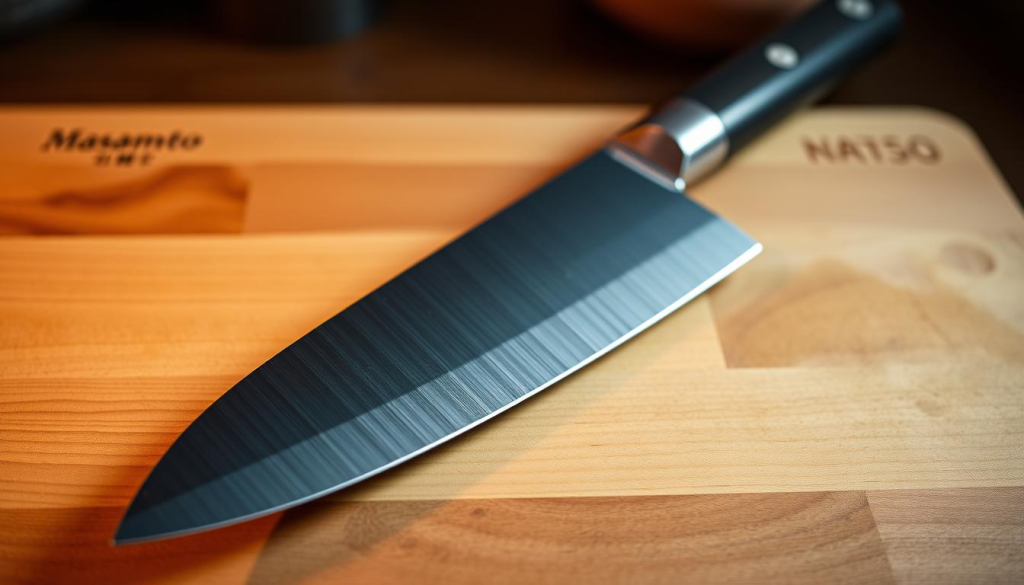
Masamoto knives are crafted from exceptional materials, including high-carbon steel and Hyper Molybdenum Vanadium stainless steel. The use of high-carbon steel ensures that the blades are exceptionally sharp and retain their edge well, making them ideal for precise cutting tasks. Meanwhile, the Hyper Molybdenum Vanadium stainless steel adds durability and resistance to corrosion, enhancing the overall longevity of the knife.
The combination of these materials results in a blade that is not only sharp but also robust, capable of handling a variety of kitchen tasks with ease. Whether you’re chopping vegetables or slicing meat, a Masamoto knife’s blade material ensures a smooth and efficient cutting experience.
Ergonomic Handle Design
The ergonomic design of Masamoto knife handles is another feature that sets them apart. Crafted to provide comfort and reduce hand fatigue, the handles are designed to fit comfortably in the hand, allowing for extended use without discomfort. This ergonomic design is particularly beneficial for chefs who spend long hours in the kitchen, as it helps to prevent strain and injury.
By combining exquisite blade material with an ergonomic handle design, Masamoto creates knives that are not only functional but also comfortable to use. This attention to detail and commitment to quality is what makes Masamoto knives the best Masamoto knife choice for many culinary professionals and enthusiasts.
Popular Masamoto Knives to Consider
In the realm of Japanese knives, Masamoto stands out, and within their lineup, certain knives are celebrated for their craftsmanship and functionality. Whether you’re a professional chef or an avid home cook, selecting the right Masamoto knife can elevate your culinary experience.
Masamoto VG Series: Quality and Performance
The Masamoto VG Series is renowned for its high-carbon stainless steel construction, ensuring sharpness and long-lasting performance. This series is ideal for those seeking a reliable knife that can handle a variety of kitchen tasks with ease.
“The VG Series has become a staple in my kitchen,” says a satisfied chef. “Its balance and sharpness make it a joy to use.” Such testimonials underscore the series’ reputation for quality.
Masamoto KS Series: Classic Gyuto Knife
The Masamoto KS Series is hand-forged, offering extreme sharpness and a refined finish. This classic Gyuto knife is designed for precision and control, making it a favorite among culinary professionals.
- Hand-forged for exceptional quality
- Refined finish for a comfortable grip
- Ideal for precision cutting tasks
The Power of Nakiri Knives
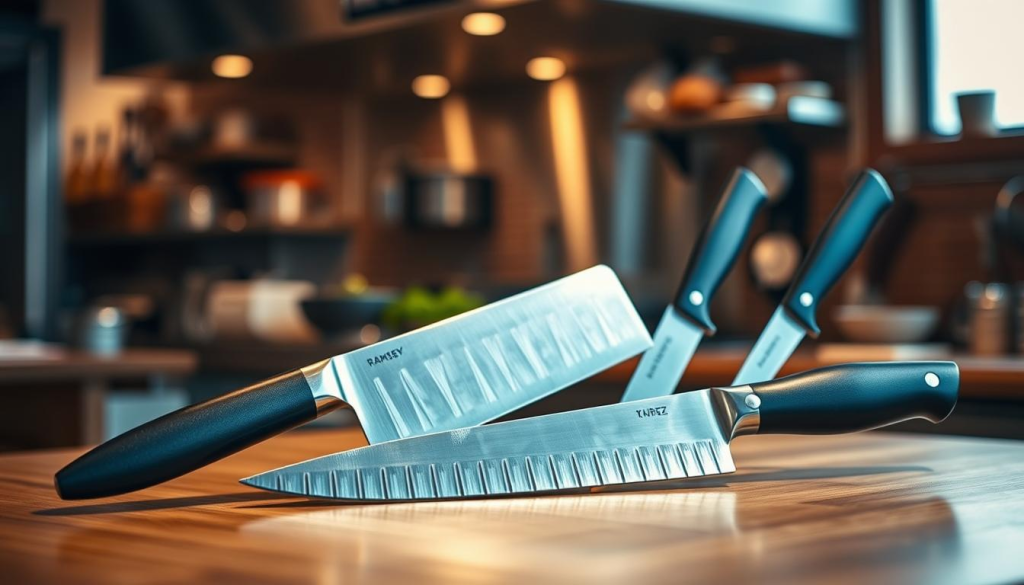
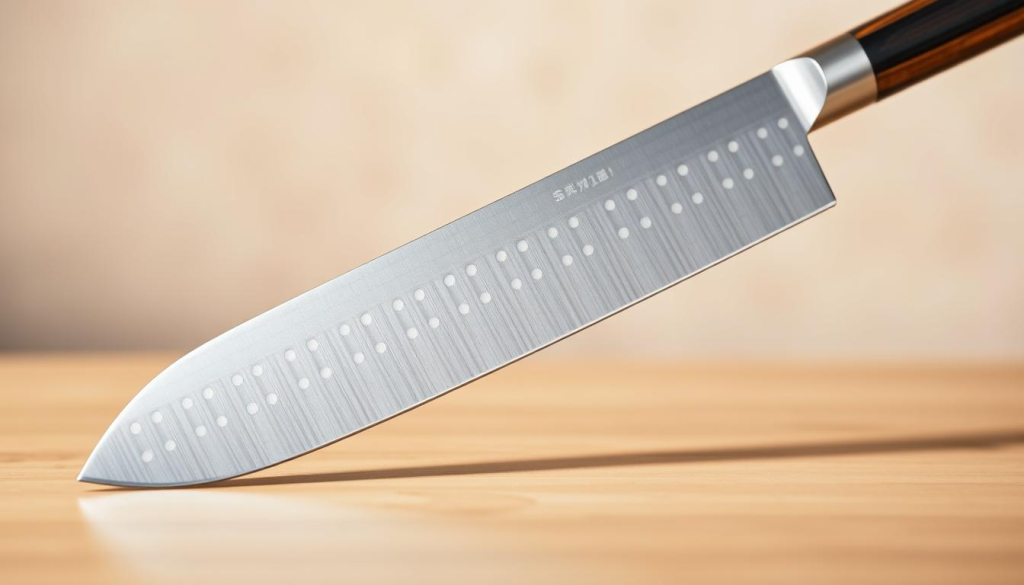
Nakiri knives are designed for precise vegetable cutting, making them an indispensable tool for any kitchen. Masamoto’s Nakiri knives are crafted with the same attention to detail as their other models, ensuring a sharp, durable blade.
“A good Nakiri knife is essential for any serious cook. Masamoto’s version is among the best.”
Whether you’re preparing a simple salad or a complex vegetable dish, a Masamoto Nakiri knife can make the task easier and more enjoyable.
For those interested in purchasing a Masamoto knife, it’s essential to buy from authorized retailers to ensure authenticity. You can find more information on where to buy Masamoto knives online in our dedicated section.
Why Choose Japanese Knives?
With their unparalleled sharpness and precision, Japanese knives are a preferred choice among culinary professionals. The traditional Japanese Masamoto knife is a prime example of the country’s renowned knife-making tradition.
The art of crafting these knives involves techniques passed down through generations, reflecting a deep cultural significance in Japanese culinary arts. Let’s delve into the specifics of what makes Japanese knives stand out.
The Art of Precision Cutting
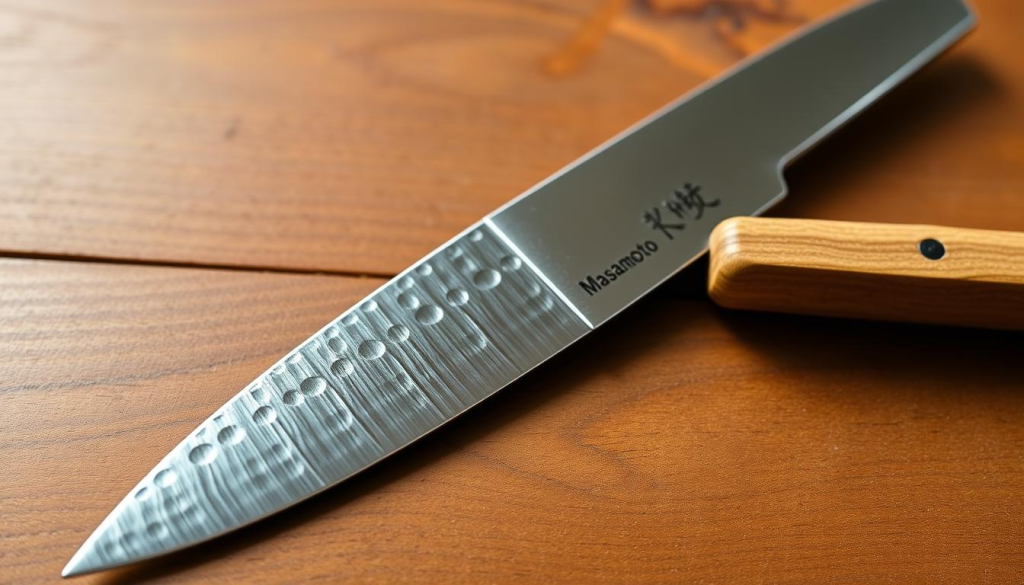
Japanese knives, particularly those from Masamoto, are celebrated for their precision cutting ability. This is largely due to the high-quality materials used and the meticulous craftsmanship involved in their production.
Precision cutting is not just about the knife’s sharpness; it’s also about the balance and ergonomics of the knife, allowing for smooth, controlled cuts. This precision is crucial in various culinary tasks, from slicing delicate sashimi to chopping vegetables.
Cultural Significance in Culinary Arts
In Japan, knives are not just tools; they are considered an extension of the chef’s artistry and a symbol of their professionalism. The authentic Masamoto knife embodies this cultural reverence for knife craftsmanship.
The cultural significance of Japanese knives is also reflected in the rituals and techniques surrounding their use. For instance, the way a knife is held, the angle of the cut, and even the maintenance of the knife are all steeped in tradition.
| Aspect | Traditional Japanese Knives | Other Knives |
|---|---|---|
| Material | High-carbon steel, known for its durability and sharpness | Varied materials, sometimes less durable |
| Craftsmanship | Meticulous, hand-crafted with traditional techniques | Often mass-produced with less attention to detail |
| Cultural Significance | Deep cultural and historical significance in Japan | Limited cultural or historical context |
Care and Maintenance for Longevity
Maintaining your high-quality Masamoto knife is crucial for its longevity and performance. A well-cared-for knife not only lasts longer but also continues to deliver exceptional cutting results. In this section, we’ll explore the essential care and maintenance techniques to keep your Masamoto knife in top condition.
Proper Cleaning Techniques
Cleaning your Masamoto knife immediately after use is vital. High-carbon steel knives require special care to prevent rust and maintain their sharpness. Here’s how to clean your knife properly:
- Wipe the knife clean with a soft, dry cloth to remove any debris.
- Wash the knife by hand using mild soap and warm water. Avoid using abrasive materials or putting it in the dishwasher.
- Dry the knife thoroughly, especially the blade, to prevent rust.
Regular cleaning not only keeps your knife hygienic but also helps in maintaining its appearance and functionality.
How to Sharpen Your Masamoto Knife
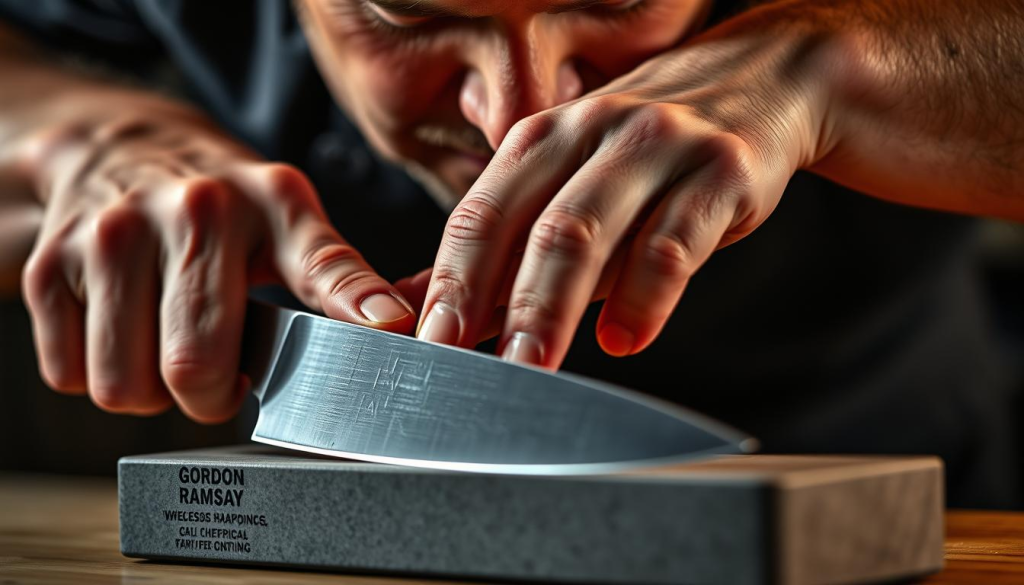
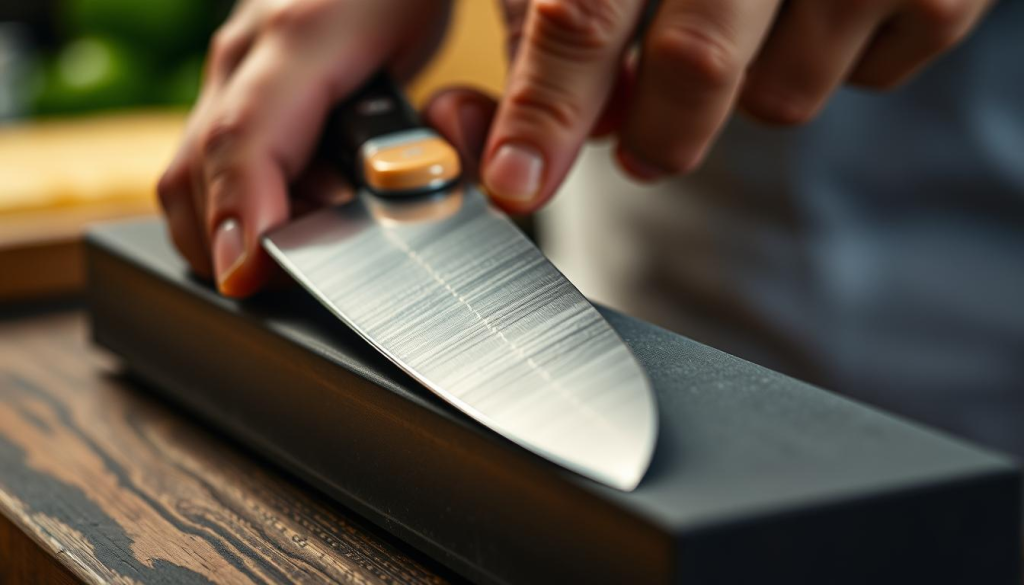
Sharpening is an essential part of knife maintenance. The frequency of sharpening depends on how often you use your knife. For professional chefs, sharpening every 2-3 months is recommended.
Here’s a simple guide to sharpening your Masamoto knife:
| Sharpening Method | Description | Recommended For |
|---|---|---|
| Whetstone | A traditional method that allows for precise control over the sharpening angle. | Professional chefs and serious home cooks. |
| Sharpening Steel | Used for honing the knife’s edge between sharpenings. | Daily maintenance for all users. |
| Electric Sharpener | Convenient and easy to use, but may remove more metal than necessary. | Home cooks looking for ease of use. |
By following these care and maintenance tips, you can ensure your Masamoto knife remains a trusted companion in the kitchen for years to come. Regular cleaning and sharpening are key to maintaining its performance and longevity.
Where to Buy Authentic Masamoto Knives
To ensure you’re getting a real Masamoto knife, it’s crucial to buy from authorized retailers. With the rise of counterfeit products online, verifying the authenticity of your Masamoto knife is more important than ever.
Authorized Retailers in the U.S.
Masamoto knives are available at various authorized retailers across the United States. These retailers not only sell genuine products but also provide valuable customer service and support. Some of the well-known authorized retailers include specialty kitchen stores and online marketplaces that have a reputation for selling authentic culinary tools.
When shopping in-store, look for official branding and certification from Masamoto. Sales representatives should be knowledgeable about the products they are selling, including the materials used, the craftsmanship involved, and the warranty offered.
| Retailer | Location | Products Offered |
|---|---|---|
| Kitchen Supply Co. | New York, NY | Masamoto VG, KS Series |
| Culinary World | Los Angeles, CA | Masamoto Nakiri, Gyuto |
| Chef’s Paradise | Chicago, IL | Masamoto VG, Nakiri |
Online Shopping Tips for Quality Assurance
Buying Masamoto knives online can be convenient, but it requires caution. Here are some tips to ensure you’re purchasing an authentic product:
- Check for official Masamoto branding on the retailer’s website.
- Read customer reviews and check the retailer’s rating.
- Verify the product’s description and packaging for any signs of tampering or alteration.
- Ensure the website has a secure payment system.
By following these guidelines, you can confidently purchase an authentic Masamoto knife online. Remember, a genuine Masamoto knife is an investment in your culinary journey, and its quality and performance are well worth the effort to ensure its authenticity.
Customer Reviews and Testimonials
Masamoto knives have garnered a loyal following among chefs and home cooks alike, thanks to their exceptional quality and precision craftsmanship. But don’t just take our word for it – the overwhelmingly positive reviews from customers speak volumes about the brand’s commitment to excellence.
Satisfied Chefs and Home Cooks
Many customers rave about their Masamoto knife experiences, highlighting the precision cutting and ergonomic design that make cooking a joy. One satisfied customer noted, “My Masamoto knife has become an extension of my hand in the kitchen. It’s a game-changer for any chef, whether professional or amateur.”
“I’ve never felt such a connection to a knife before. The balance and sharpness are unparalleled.”
Home cooks also appreciate the durability and ease of maintenance that Masamoto knives offer. “I’ve tried several other high-end knives, but none compare to the quality and performance of Masamoto,” said another customer.
The Value of a Lifetime Investment
Investing in a Masamoto knife is not just about purchasing a kitchen tool; it’s about enhancing your culinary experience. Customers often comment on the long-term value of their Masamoto knives, citing their durability and the fact that they remain sharp over time.
- Long-lasting performance
- Exceptional sharpness retention
- Aesthetic appeal that adds to the kitchen ambiance
As one customer succinctly put it, “A Masamoto knife is a lifetime investment in your cooking. It’s worth every penny.”
In conclusion, the Masamoto knife reviews and testimonials underscore the brand’s reputation for producing high-quality Masamoto knives. Whether you’re a seasoned chef or an enthusiastic home cook, these knives are sure to elevate your cooking experience.
Understanding Pricing and Value
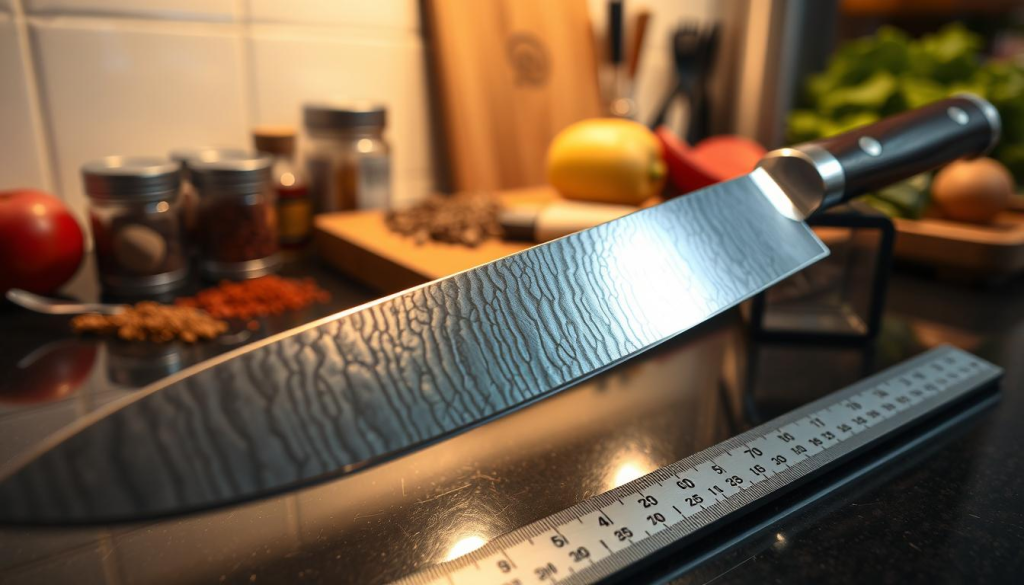
The cost of a Masamoto knife is influenced by a combination of elements, including the quality of materials, the level of craftsmanship, and the brand’s heritage. Understanding these factors can help you make an informed decision when purchasing a Masamoto knife for sale.
What Influences the Cost of Masamoto Knives?
Several key factors contribute to the pricing of Masamoto knives. These include:
- The type and quality of materials used for the blade and handle.
- The level of craftsmanship involved in forging and sharpening the knife.
- The brand’s reputation and heritage in producing high-quality knives.
- The complexity of the design and the precision required in its manufacture.
As Masamoto is a brand known for its commitment to quality and tradition, the cost reflects the value and performance you can expect from their knives.
Are They Worth the Investment?
While Masamoto knives may be more expensive than some other brands, they are considered a worthwhile investment by many chefs and home cooks. The durability, performance, and aesthetic appeal of these knives make them a valuable addition to any kitchen.
“A good knife is an investment, not an expense. It will last you for years and make a significant difference in your cooking experience.”
When considering the purchase of a best Masamoto knife, it’s essential to weigh the initial cost against the long-term benefits. For those who value high-quality cooking tools, Masamoto knives are definitely worth the investment.
Conclusion: Elevate Your Culinary Experience
Masamoto knives from Japan are renowned for their exceptional quality, precision, and durability. By choosing a handmade Masamoto knife, you’re investing in a tool that will enhance your culinary experience.
The craftsmanship that goes into creating each Masamoto knife is a testament to the brand’s commitment to excellence. With a range of styles and series to choose from, including the popular VG and KS series, there’s a Masamoto knife to suit every chef’s needs.
Investing in Quality Kitchen Tools
When you select a Masamoto knife, you’re not just buying a kitchen tool – you’re acquiring a partner in your culinary journey. The sharpness and balance of a Masamoto knife make cooking more enjoyable and efficient.
To ensure that your handmade Masamoto knife continues to perform at its best, proper care and maintenance are essential. By following the guidelines outlined in this article, you can enjoy your Masamoto knife for years to come.
Elevate your cooking with the precision and quality of a Masamoto knife from Japan. Discover the difference that a handmade Masamoto knife can make in your kitchen.
FAQ
What makes Masamoto knives so special?
Masamoto knives are renowned for their exceptional quality, precision, and traditional Japanese craftsmanship, making them a favorite among professional chefs and home cooks alike.
Are Masamoto knives handmade?
Yes, Masamoto knives are handmade using traditional techniques passed down through generations, ensuring a level of quality and attention to detail that is hard to find in mass-produced knives.
What is the difference between the VG and KS Series Masamoto knives?
The VG Series is known for its high-carbon stainless steel blade, offering excellent sharpness and corrosion resistance, while the KS Series features a classic gyuto design with a focus on traditional craftsmanship.
How do I care for my Masamoto knife?
To maintain your Masamoto knife, clean it by hand with mild soap and dry it thoroughly after use. Regular sharpening is also recommended to keep the blade in optimal condition.
Can I buy authentic Masamoto knives online?
Yes, you can buy authentic Masamoto knives online, but be sure to purchase from authorized retailers or reputable online sellers to ensure quality assurance and avoid counterfeit products.
Are Masamoto knives worth the investment?
Masamoto knives are considered a valuable investment for serious cooks due to their exceptional quality, durability, and performance, making them a worthwhile addition to any kitchen.
How do I know if my Masamoto knife is authentic?
To verify the authenticity of your Masamoto knife, look for the Masamoto logo or signature on the blade, check the packaging for any certificates of authenticity, and purchase from authorized dealers.
What is a Nakiri knife used for?
A Nakiri knife is a type of Japanese knife used primarily for cutting and preparing vegetables, featuring a straight blade edge that allows for precise, push-cutting motions.