Recent Posts

Mastering Chef Knife Usage: Tips and Techniques


Mastering the art of cooking begins with essential knife skills. Efficient and safe cooking relies heavily on the ability to handle a chef’s knife with precision and confidence. Proper knife usage not only enhances the cooking experience but also reduces the risk of accidents in the kitchen.

By learning the essential chef knife tips, home cooks and professional chefs alike can improve their technique, making meal preparation faster and more enjoyable. This article will guide you through the fundamentals of mastering the chef knife, covering the basics of knife handling, cutting techniques, and maintenance.

Key Takeaways

  • Improve your cooking efficiency with proper knife skills
  • Enhance kitchen safety by mastering knife handling
  • Learn essential cutting techniques for various ingredients
  • Understand the importance of knife maintenance
  • Discover tips for choosing the right chef’s knife

Understanding Your Chef Knife

At the heart of every kitchen lies the chef knife, a versatile instrument that demands respect and understanding. A chef knife is not just a tool; it’s an essential partner in the culinary process, facilitating various tasks from chopping and slicing to mincing ingredients.

What Makes a Chef Knife Special?

A chef knife stands out due to its balanced design, sharpness, and the material it’s made from. The balance between the blade and the handle is crucial, as it affects the knife’s maneuverability and comfort during use. The sharpness of the blade is another key factor, as it determines the efficiency and safety of the knife. A sharp knife requires less force, reducing the risk of accidents.

“A good knife is like a good friend; it helps you through thick and thin,” says a renowned chef. This quote underscores the importance of selecting a chef knife that feels like an extension of your hand.

Different Types of Chef Knives

Chef knives come in various shapes, sizes, and materials, each designed for specific tasks or preferences. The most common types include:

  • The classic French chef knife, known for its curved blade that facilitates a rocking motion.
  • The Japanese Santoku knife, which is straight-edged and ideal for push-cutting motions.
  • Specialty knives, such as those designed for filleting fish or carving meat.

How to Choose the Right Chef Knife

Choosing the right chef knife involves considering your cooking style, the tasks you perform most often, and your personal comfort with the knife’s weight and balance. It’s essential to hold the knife before purchasing, if possible, to gauge its feel in your hand. Additionally, the material of the blade and handle should be durable and easy to maintain.

By understanding the characteristics of a chef knife and the various types available, you can make an informed decision that enhances your cooking experience.

Basic Knife Skills for Beginners

For beginners, understanding the basics of knife skills is crucial for kitchen confidence. Mastering these fundamental skills not only enhances your cooking experience but also ensures safety in the kitchen. In this section, we will explore the essential techniques and tips that every aspiring chef or home cook should know.

Proper Grip Techniques

The way you hold your chef knife can significantly impact your cutting performance and safety. There are primarily two grip techniques recommended for beginners: the pinch grip and the handle grip. The pinch grip involves holding the blade between your thumb and index finger, providing control and precision. The handle grip, on the other hand, involves holding the handle with all your fingers, offering stability and power.

chef knife grip techniques

To achieve the pinch grip, place the blade in your hand so that it rests on the pad of your index finger and the thumb is on the other side of the blade. This grip allows for precise control over the knife. For the handle grip, wrap your fingers around the handle, ensuring a firm but not overly tight hold. Practice switching between these grips to understand which feels more comfortable for you.

Cutting Techniques You Should Know

Once you’ve mastered the grip, it’s time to learn basic cutting techniques. These include chopping, slicing, dicing, and mincing. Chopping involves cutting ingredients into larger pieces, while slicing requires cutting into thinner, more uniform pieces. Dicing is cutting into small, cube-shaped pieces, and mincing involves cutting into very fine pieces.

  • Chopping: Hold the knife at a slight angle and bring it down through the ingredient in a smooth, controlled motion.
  • Slicing: Use a gentle, back-and-forth motion, keeping the knife in contact with the cutting board.
  • Dicing: First, slice the ingredient, then cut it into strips, and finally, cut the strips into cubes.
  • Mincing: Use a rocking motion with the knife tip pivoting on the cutting board.

Safety Tips When Using a Chef Knife

Safety is paramount when handling a chef knife. Always keep your fingers curled under and use a claw grip on the ingredient you’re cutting to avoid accidental cuts. Ensure your cutting board is stable and won’t move during use. Regularly sharpening your knife is also crucial, as a dull knife is more likely to slip and cause injury.

Additionally, always cut away from your body, and be mindful of your surroundings. Store your knives in a safe place, such as a knife block or on a magnetic strip, to prevent accidents.

Essential Knife Maintenance

A well-maintained chef knife is the backbone of any kitchen, ensuring precision and safety. To keep your chef knife performing at its best, regular maintenance is crucial.

Sharpening Your Chef Knife

Sharpening is one of the most critical aspects of knife maintenance. A dull knife is not only less effective but also more dangerous, as it requires more force and can lead to accidents. To sharpen your chef knife, you can use a whetstone, sharpening steel, or electric sharpener. The key is to maintain the correct angle and apply gentle, consistent pressure.

For beginners, starting with a sharpening steel is often recommended as it’s easier to use and helps realign the blade’s edge. For more significant sharpening needs, a whetstone provides a more thorough sharpening. It’s essential to practice and be patient, as sharpening a knife is a skill that develops over time.

Proper Knife Storage Solutions

How you store your chef knife is just as important as how you use it. Proper storage protects the blade, prevents accidents, and keeps your knife in good condition. There are several storage options available, including knife blocks, magnetic strips, and drawer organizers.

  • A knife block is a traditional and effective storage method, keeping your knives organized and within reach.
  • Magnetic strips offer a space-saving solution, ideal for smaller kitchens.
  • Drawer organizers provide a safe and secure way to store your knives, protecting both the blades and the user.

Cleaning and Care Tips

Cleaning your chef knife after each use is vital for hygiene and to prevent the buildup of residue that can damage the blade. Hand washing with mild soap and drying immediately is recommended. Avoid putting your chef knife in the dishwasher, as the high heat and harsh detergents can damage the handle and blade.

Regularly oiling your knife, especially if it has a carbon steel blade, will help prevent rust. For knives with wooden handles, occasional oiling can help maintain the wood’s condition.

Knife Skills for Precision Cutting

To achieve culinary excellence, mastering precision cutting techniques is essential. Precision cutting is not just about making clean cuts; it’s about understanding the techniques that make a difference in the presentation and cooking of your dishes.

Julienne vs. Chiffonade

Two fundamental techniques in precision cutting are julienne and chiffonade. Julienne involves cutting vegetables into long, thin strips, typically used in dishes like stir-fries and salads. On the other hand, chiffonade is a technique used primarily for herbs, where you roll the leaves together and slice them into thin strips. This technique is great for adding fresh flavor to dishes.

As celebrated chef Jacques Pépin once said, “The knife is your most important tool in the kitchen. How you use it will determine the quality of your cooking.”

“The way you cut your ingredients can affect not just the presentation, but the cooking process itself.”

chef knife techniques

Dicing, Mincing, and Slicing Techniques

Precision cutting also involves mastering dicing, mincing, and slicing. Dicing means cutting ingredients into small, uniform cubes, which is crucial for even cooking. Mincing involves cutting ingredients into very fine pieces, often used for garlic, ginger, or herbs. Slicing is about cutting ingredients into thin pieces, which can be used in a variety of dishes, from sandwiches to salads.

  • Dicing: Uniform cubes for even cooking.
  • Mincing: Fine pieces for flavor distribution.
  • Slicing: Thin pieces for texture and presentation.

The Rock Chop Method Explained

The rock chop method is a technique used for chopping ingredients coarsely. It involves holding the knife at a slight angle and using a rocking motion to chop through the ingredients. This method is particularly useful for chopping herbs, nuts, or vegetables coarsely.

Mastering these precision cutting techniques will significantly enhance your cooking skills, allowing you to prepare dishes more efficiently and present them more attractively.

Advanced Knife Techniques

Advanced knife techniques are the backbone of professional chef knife usage, enabling cooks to prepare ingredients with speed and accuracy. Mastering these techniques is crucial for anyone looking to improve their culinary skills.

The French Knife Hold

The French knife hold is a fundamental technique that provides control and precision. To achieve this hold, place the blade in your dominant hand, with your thumb on the blade’s spine and your index finger on the blade’s edge. This grip allows for precise cuts and is essential for various cutting techniques.

Techniques for Filleting Fish

Filleting fish requires a combination of skill and the right technique. Start by making a cut behind the gills and continue along the spine to release the fillet. Use long, smooth strokes to remove the fillet from the bones. Practice is key to mastering this chef knife cutting technique.

Using a Chef Knife for Butchering Meat

Butchering meat with a chef knife involves breaking down larger cuts into smaller portions. Begin by removing excess fat and then cut along the natural seams of the meat. This technique requires patience and a sharp knife to achieve clean cuts.

Technique Description Skill Level
French Knife Hold Provides control and precision for cutting. Intermediate
Filleting Fish Requires skill for smooth, boneless fillets. Advanced
Butchering Meat Involves breaking down larger cuts into smaller portions. Advanced

Mastering these advanced knife techniques is a step towards mastering the chef knife. With practice, cooks can significantly improve their efficiency and precision in the kitchen.

The Importance of Knife Weight and Balance

The weight and balance of a chef knife are crucial factors that can significantly impact your cutting performance. A well-balanced knife not only enhances your cutting technique but also reduces fatigue, making it an essential tool for any chef.

How Weight Affects Cutting

The weight of a chef knife can greatly influence your cutting style. A heavier knife can provide more momentum, making it easier to chop through tougher ingredients. However, it may also lead to quicker fatigue if not balanced properly.

On the other hand, a lighter knife offers more agility and control, ideal for precision cuts and delicate ingredients. The key is finding a knife whose weight complements your cutting style and the tasks at hand.

Finding the Right Balance for Comfort

A well-balanced knife is one where the weight of the blade is evenly distributed with the handle, creating a feeling of harmony in your hand. This balance is crucial for comfort, as it reduces strain on your wrist and hand during extended use.

To achieve this balance, manufacturers often use various materials and design techniques. For instance, some knives feature a bolster that adds weight and balance, while others use ergonomic handle designs to enhance comfort.

Testing a Knife Before Purchase

Before buying a chef knife, it’s essential to test it to ensure it meets your needs in terms of weight and balance. Hold the knife in your hand, feeling its weight distribution and how it balances.

  • Check if the knife feels too heavy or too light for your comfort.
  • Notice how the weight is distributed between the blade and the handle.
  • Perform a few cutting motions to gauge its balance and comfort in use.

By taking the time to test a knife before purchase, you can ensure that you find a tool that not only performs well but also feels comfortable in your hand, enhancing your overall cooking experience.

Common Mistakes to Avoid

Mastering the art of using a chef knife requires more than just technique; it demands awareness of common pitfalls that can hinder your progress. Whether you’re a novice in the kitchen or an experienced cook, understanding these mistakes can significantly improve your cooking experience.

Using a Dull Knife

One of the most significant mistakes you can make is using a dull knife. A dull knife requires more force, which can lead to accidents and injuries. It also makes cutting more difficult, potentially resulting in uneven cuts and a lack of precision. Regularly sharpening your knife is essential to maintaining its effectiveness and ensuring safety in the kitchen.

chef knife techniques

Improper Cutting Board Choices

The choice of cutting board can also significantly impact your knife skills. Using a cutting board that is too hard or too soft can damage your knife or cause it to slip, leading to potential injuries. Wooden or plastic cutting boards are generally recommended as they provide a good balance between durability and gentleness on the knife.

Incorrect Grip Techniques

Finally, adopting the correct grip technique is vital for both safety and efficiency. An incorrect grip can lead to loss of control over the knife, potentially causing accidents. It’s crucial to learn and practice a grip that feels comfortable and secure, allowing for precise control over the knife’s movements.

By being aware of these common mistakes and taking steps to avoid them, you can enhance your chef knife skills and make your cooking experiences more enjoyable and safe. Practicing chef knife techniques with the right mindset and tools will lead to more efficient and effective cooking.

Where to Use Your Chef Knife

From the kitchen to outdoor cooking, a chef knife is a valuable asset. Its versatility makes it an essential tool for various culinary tasks.

In the Kitchen: Everyday Use Cases

In the kitchen, a chef knife is used for a multitude of tasks, from chopping vegetables to slicing meat. Proper knife skills can significantly reduce preparation time and improve the overall quality of your dishes.

  • Chopping vegetables for salads or stews
  • Slicing meat for sandwiches or main courses
  • Mincing herbs for added flavor

chef knife usage in the kitchen

Outdoor Cooking Scenarios

Outdoor cooking, whether it’s camping, grilling, or participating in outdoor events, often requires a reliable and versatile knife. A chef knife can be used for preparing ingredients in outdoor settings.

  1. Preparing ingredients for grilling
  2. Cutting meat or vegetables for outdoor meals
  3. Assisting in food preparation during outdoor events

Choosing the Right Knife for Other Tasks

While a chef knife is incredibly versatile, there are situations where other types of knives might be more appropriate. Understanding the task at hand can help you choose the right knife for the job.

  • Using a paring knife for detailed work
  • Opting for a serrated knife for cutting through tough or fibrous materials
  • Selecting a fillet knife for delicate fish preparation

How to Integrate Your Knife Skills Into Cooking

Efficient cooking starts with the basics, and integrating your knife skills is fundamental to achieving culinary excellence. Mastering the chef knife is not just about cutting ingredients; it’s about how you incorporate those skills into your cooking routine to enhance efficiency and quality.

Timing Your Cuts for Efficiency

Timing is everything when it comes to cooking. Knowing when to chop, slice, or dice ingredients can significantly impact the final dish. For instance, chopping vegetables too early can lead to loss of texture and flavor. Timing your cuts ensures that each component is prepared at the optimal moment, preserving its integrity and contributing to a harmonious dish.

To illustrate the importance of timing, consider the following table that outlines the preparation sequence for a simple stir-fry:

Ingredient Preparation Time Cooking Time
Vegetables 5 minutes 3-5 minutes
Protein (Chicken) 3 minutes 5-7 minutes
Garlic and Ginger 1 minute 1 minute

Combining Knife Skills with Other Techniques

Combining your knife skills with other cooking techniques is crucial for creating complex and layered dishes. For example, mastering the julienne cut allows you to cook vegetables uniformly, which is essential for dishes like stir-fries and salads. Similarly, learning to dice ingredients properly can enhance the texture of sauces and stews.

“The way you chop your ingredients can affect not just the presentation but the cooking process itself. A well-chopped onion, for instance, will sauté more evenly than a roughly chopped one.” –

Chef Jacques Pépin

Meal Prep Made Easy with Your Chef Knife

Meal preparation is significantly simplified when you have mastered your chef knife. Being able to quickly chop, slice, or mince ingredients means you can prepare meals more efficiently. This skill is particularly valuable for meal prep, where you need to prepare multiple components in advance.

To make meal prep easier, consider the following tips:

  • Prepare your ingredients in batches to maintain efficiency.
  • Store chopped ingredients in airtight containers to keep them fresh.
  • Label your containers so you can easily identify what’s inside.

By integrating your knife skills into your cooking routine, you’ll not only become more efficient but also enhance the quality of your dishes. Whether it’s timing your cuts, combining knife skills with other techniques, or simplifying meal prep, your chef knife is an indispensable tool in your culinary journey.

Exploring Global Culinary Techniques

Global culinary techniques are as diverse as the cultures they originate from, with knife skills being a common thread. The way a chef knife is used can significantly vary from one region to another, reflecting local traditions, ingredients, and cooking methods.

Traditional Knife Skills from Around the World

Different cultures have developed unique knife skills that are often tied to their specific culinary practices. For instance, Japanese cuisine is renowned for its precision cutting techniques, such as julienne and sashimi preparations, which require a high level of skill and attention to detail.

In contrast, Indian cuisine often involves more robust cutting techniques, with knives being used to chop through tougher ingredients like certain cuts of meat and root vegetables. The chopper style knife commonly used in Indian kitchens is a testament to this.

How Different Cultures Use Chef Knives

The use of chef knives varies significantly across cultures, not just in terms of technique but also in the type of knife preferred. For example:

  • In France, the couteau de chef is a staple in professional kitchens, known for its balanced weight and versatile use.
  • In China, the cleaver is a dominant tool, used for a wide range of tasks from chopping vegetables to filleting fish.
  • In Japan, the santoku knife is popular for its ability to perform multiple cutting tasks with precision.

These differences highlight the adaptability of the chef knife to various culinary traditions.

Learning from Professional Chefs

Professional chefs around the world can offer valuable insights into the nuances of knife skills and how they are applied in different culinary contexts. For instance, a quote from Chef Masaharu Morimoto, a renowned Japanese chef, emphasizes the importance of knife skills:

‘The knife is the most important tool for a chef. It’s an extension of your hand, and you must master it.’

By studying the techniques of professional chefs and understanding the cultural context of their knife skills, one can gain a deeper appreciation for the art of cooking and improve their own culinary abilities.

Trends in Chef Knife Designs

The world of chef knives is evolving, with innovative designs that enhance both functionality and user experience. As culinary techniques continue to advance, the tools of the trade are also undergoing significant transformations.

Innovative Materials and Technology

One of the most significant trends in modern chef knife design is the incorporation of innovative materials and technology. Manufacturers are now using advanced materials such as high-carbon stainless steel, titanium, and ceramic to create knives that are not only durable but also resistant to corrosion.

  • High-carbon stainless steel offers a perfect balance between hardness and flexibility.
  • Titanium knives are known for their lightweight and corrosion-resistant properties.
  • Ceramic knives provide an exceptionally sharp edge that retains its sharpness over time.

Ergonomic Designs for Comfort

Ergonomic design is another critical trend in chef knife development. Knives are now being designed with comfort and usability in mind, featuring handles that are contoured to fit comfortably in the hand, reducing fatigue during prolonged use.

Key features of ergonomic chef knives include:

  1. Contoured handles that fit the natural shape of the hand.
  2. Balanced weight distribution to reduce strain on the wrist and arm.
  3. Textured grip surfaces to prevent slipping, even when wet.

The Rise of Customized Chef Knives

Customization is becoming increasingly popular in the world of chef knives. Many manufacturers now offer customization options, allowing chefs to personalize their knives according to their preferences.

Customization options may include:

  • Personalized engravings or monograms.
  • Choice of handle materials and designs.
  • Blade customization, such as different edge types or lengths.

Conclusion: Elevate Your Culinary Game

Mastering the chef knife is a journey that can elevate your cooking to new heights. By understanding the techniques and skills outlined in this article, you’ll be well on your way to becoming a proficient cook.

Key Takeaways

Recapping the essential chef knife tips, we’ve covered the basics of knife skills, including proper grip techniques, cutting methods, and safety tips. We’ve also explored advanced techniques, such as the French knife hold and filleting fish.

Continuing Your Education

To further hone your chef knife skills, consider exploring online tutorials, cooking classes, or workshops. Renowned chefs and culinary experts often share their techniques and insights, providing valuable resources for those looking to improve.

Practice Makes Perfect

Regular practice is essential to mastering the chef knife. As you continue to cook and experiment with new recipes, you’ll develop your skills and become more confident in the kitchen. By incorporating essential chef knife tips into your daily cooking routine, you’ll be well on your way to mastering the chef knife and elevating your culinary game.

FAQ

What is the best way to hold a chef knife?

The best way to hold a chef knife is with a firm, but not overly tight, grip, with the blade facing the direction you want the cut to go. This is often referred to as the “pinch grip.”

How often should I sharpen my chef knife?

You should sharpen your chef knife regularly, ideally every 1-3 months, depending on usage. A dull knife is more hazardous than a sharp one, as it requires more force to cut, increasing the risk of accidents.

What are the different types of chef knives available?

There are several types of chef knives, including the classic French chef knife, the Japanese santoku, and the German-style chef knife. Each has its unique characteristics, such as blade shape, size, and material.

How do I choose the right chef knife for my needs?

To choose the right chef knife, consider your cooking style, the types of ingredients you typically work with, and your personal comfort with the knife’s weight and balance.

What are some common mistakes to avoid when using a chef knife?

Common mistakes to avoid include using a dull knife, improper cutting board choices, and incorrect grip techniques. These can lead to accidents, decreased efficiency, and reduced knife performance.

Can I use a chef knife for tasks other than cooking?

While a chef knife is designed for cooking, it can be used for other tasks, such as opening packages or cutting rope. However, it’s essential to clean and sanitize the knife after such use to prevent cross-contamination.

How do I properly store my chef knife?

To properly store your chef knife, use a knife block, magnetic strip, or protective case to prevent damage and keep the blade sharp.

What is the rock chop method, and how do I master it?

The rock chop method involves holding the knife at a 45-degree angle and chopping with a gentle, rocking motion. To master it, practice with a stable, comfortable grip and focus on controlled, precise movements.

Are there any specific knife skills I should learn for precision cutting?

Yes, techniques like julienne, chiffonade, dicing, mincing, and slicing are essential for precision cutting. Mastering these skills will help you achieve uniform results and improve your overall cooking efficiency.

How can I integrate my knife skills into my cooking routine?

To integrate your knife skills into your cooking routine, practice timing your cuts for efficiency, combining knife skills with other techniques, and using your chef knife for meal prep.

8-Inch Shun Chef Knife: A Versatile Kitchen Essential


The Shun 8-Inch Chef Knife is a must-have for both professional chefs and passionate home cooks. Handcrafted in Japan, this exceptional knife is designed for exceptional performance and beauty.

This versatile kitchen tool is perfectly balanced, making it easy to handle various tasks such as slicing, chopping, dicing, and mincing vegetables, fruits, meats, and herbs. Its high-quality construction ensures durability and reliability.

Key Takeaways

  • A versatile kitchen tool for various tasks
  • Handcrafted in Japan for exceptional quality
  • Perfectly balanced for comfortable handling
  • Ideal for both professional chefs and home cooks
  • Durable and reliable construction

Overview of the Shun Chef Knife

The Shun Chef Knife combines traditional craftsmanship with modern technology to deliver a superior cutting experience. This synergy results in a precision Shun Chef knife that is both durable and aesthetically pleasing.

The Shun brand has a long history of producing high-quality knives, and the 8-inch Shun Chef Knife is no exception. It’s designed to provide chefs with a reliable tool that can handle a variety of kitchen tasks with ease.

What Makes Shun Unique?

Shun knives are renowned for their exceptional craftsmanship and attention to detail. The VG-MAX steel core clad in 68 layers of Damascus stainless steel is a hallmark of Shun’s commitment to quality. This construction ensures superior edge retention, strength, and stain resistance.

Blade Materials and Construction

The blade of the Shun Chef Knife is made from VG-MAX steel, known for its high carbon content and ability to hold a sharp edge. The Damascus stainless steel cladding not only adds to the knife’s aesthetic appeal but also provides additional strength and resistance to corrosion.

The Importance of an 8-Inch Length

The 8-inch length of the Shun Chef Knife offers the perfect balance between maneuverability and cutting capacity. This length is ideal for a variety of tasks, including slicing, dicing, and chopping a wide range of foods, making it a versatile tool in any kitchen.

Whether you’re a professional chef or an avid home cook, the 8-inch Shun Chef Knife is designed to provide comfort and precision, making it an indispensable asset in your culinary endeavors.

Benefits of Using a Shun Chef Knife

Investing in a Shun Chef Knife means upgrading your cooking experience with a tool designed for precision and comfort. The Shun Chef Knife is crafted to provide chefs with a reliable and efficient tool that makes cooking easier and more enjoyable.

Precision Cutting Techniques

The curved belly of the top-rated Shun Chef Knife allows for effortless rocking cuts, making it ideal for chopping vegetables, slicing meats, and dicing herbs. This precision cutting technique is essential for achieving uniform results in your dishes.

  • Effortless rocking cuts for chopping and slicing
  • Precision cutting for uniform results
  • Ideal for various kitchen tasks, from chopping to slicing

Enhanced Ergonomics for Comfort

The ergonomic Shun Chef Knife features a D-shaped ebony pakkawood handle that offers comfort and control during extended use. This ergonomic design reduces fatigue, allowing chefs to work for longer periods without discomfort.

ergonomic shun chef knife

Durability for Long-Term Use

The Shun Chef Knife is made from high-quality materials, ensuring it remains a durable Shun Chef Knife for long-term use. The VG-MAX steel used in its construction provides superior sharpness and resistance to corrosion, making it a valuable investment for any chef.

  1. High-quality VG-MAX steel for superior sharpness
  2. Resistant to corrosion for long-lasting performance
  3. A valuable investment for professional and home chefs alike

Features of the Shun Chef Knife

Crafted with precision, the Shun Chef Knife boasts several key features that make it a standout in any kitchen. The combination of traditional craftsmanship and modern materials results in a truly exceptional tool.

VG-MAX Steel for Superior Sharpness

The Shun Chef Knife is made from VG-MAX steel, a high-carbon stainless steel known for its exceptional sharpness and durability. This material allows for a razor-sharp edge that retains its cutting performance over time. The knife is hand-sharpened to a 16° double-bevel edge, making it ideal for precise cutting techniques.

Key Benefits of VG-MAX Steel:

  • Exceptional sharpness
  • High durability
  • Resistant to corrosion

D-shaped Pakkawood Handle

The handle of the Shun Chef Knife is designed for comfort and control, featuring a D-shaped pakkawood construction. The pakkawood, made from tagayasan or wenge wood, provides a durable and moisture-resistant grip. The contoured shape fits comfortably in the hand, reducing fatigue during extended use.

Handcrafted Quality and Design

Each Shun Chef Knife is a testament to the brand’s commitment to handcrafted quality. From the forging of the blade to the final sharpening, every step is performed with meticulous attention to detail. The result is a knife that not only performs exceptionally but also serves as a work of art in the kitchen.

Feature Description Benefit
VG-MAX Steel High-carbon stainless steel Superior sharpness and durability
D-shaped Pakkawood Handle Contoured handle made from tagayasan or wenge wood Comfortable grip and reduced fatigue
Handcrafted Quality Meticulous attention to detail in every step Exceptional performance and aesthetic appeal

The Shun Chef Knife is a versatile tool that combines precision, quality, and craftsmanship. Whether you’re a professional chef or a home cook, this knife is sure to enhance your culinary experience.

Comparing Shun to Other Chef Knives

Shun, Wüsthof, and Global are renowned for their exceptional chef knives, but what sets Shun apart from its competitors? The answer lies in its unique blend of traditional craftsmanship and modern technology.

Shun vs. Wüsthof

Wüsthof is a well-respected brand in the world of kitchen knives, known for its durability and precision. However, when comparing the Shun chef knife 8 inch to Wüsthof’s offerings, several differences emerge. Shun’s use of VG-MAX steel provides a sharper edge and better corrosion resistance compared to Wüsthof’s traditional high-carbon steel.

Here’s a comparison of key features:

Feature Shun Wüsthof
Blade Material VG-MAX Steel High-Carbon Steel
Edge Retention Excellent Very Good
Handle Material D-shaped Pakkawood Polypropylene or Wood

Shun vs. Global

Global knives are celebrated for their unique design and exceptional sharpness. When comparing Shun to Global, the difference in handle design becomes apparent. Shun’s D-shaped Pakkawood handle offers a comfortable grip and balance, whereas Global knives feature a more streamlined, straight handle.

The choice between Shun and Global often comes down to personal preference regarding handle design and the type of cutting tasks one performs most frequently.

high-quality shun chef knife comparison

Benefits of Choosing Shun

Opting for a best Shun chef knife comes with several benefits. The precision and sharpness of Shun knives make them ideal for intricate cutting tasks. Additionally, the durability and resistance to corrosion ensure that a Shun knife remains a valuable tool in the kitchen for years to come.

For those seeking a high-quality Shun chef knife, the investment is well worth it for the performance and longevity it provides.

Care and Maintenance of Your Knife

Proper care and maintenance are crucial for extending the life of your precision Shun Chef Knife. A well-maintained knife not only performs better but also remains a safe and reliable tool in your kitchen.

Proper Cleaning Techniques

Cleaning your durable Shun Chef Knife after each use is vital. Use mild soap and warm water to clean the blade and handle. Avoid using abrasive materials or harsh chemicals that can damage the knife’s finish or harm the blade.

For tougher residue, a soft sponge or cloth can be used. Ensure the knife is dried thoroughly after cleaning to prevent water spots and bacterial growth.

Sharpening and Honing Guidelines

Regular sharpening and honing are essential to maintain the sharpness of your high-quality Shun Chef Knife. Use a whetstone or a sharpening steel suitable for your knife’s steel type. For Shun knives, a water stone or a diamond stone is recommended.

Honing should be done more frequently than sharpening, as it realigns the blade’s edge, keeping it sharp and ready for use. Sharpening, on the other hand, removes metal to restore the edge and should be done when the knife becomes noticeably dull.

Safe Storage Solutions

Storing your precision Shun Chef Knife safely is crucial to prevent accidents and maintain its condition. Use a knife block, magnetic strip, or a protective sheath to store your knife.

Avoid storing your knife loose in a drawer, as this can cause damage to the blade and pose a risk of injury. If you must store it in a drawer, consider using a knife drawer organizer or a protective case.

Versatility in the Kitchen

With its precision edge and ergonomic design, the Shun Chef Knife handles diverse cutting tasks with ease. This versatility is what makes it an essential tool for both professional chefs and home cooks.

Chopping Vegetables with Ease

The 8-inch Shun Chef Knife excels at chopping vegetables. Its sharp blade glides through even the toughest vegetables, making prep work a breeze. The ergonomic handle ensures comfort during extended use, reducing fatigue.

Slicing Meats and Fish

When it comes to slicing meats and fish, the Shun Chef Knife’s precision edge delivers clean, precise cuts. This is particularly important for presentation, as clean slices can elevate the appearance of any dish.

Dicing Herbs and Aromatics

Dicing herbs and aromatics is another task where the Shun Chef Knife shines. The knife’s sharpness ensures that herbs are not bruised or crushed, preserving their flavor and aroma.

Task Benefit of Shun Chef Knife
Chopping Vegetables Ease and efficiency due to sharp blade
Slicing Meats and Fish Precision cuts for better presentation
Dicing Herbs and Aromatics Preserves flavor and aroma by not bruising herbs

The versatile Shun Chef Knife is a valuable addition to any kitchen, capable of handling a variety of tasks with precision and ease. Its ergonomic design and sharp edge make it a joy to use, whether you’re a professional or a cooking enthusiast.

Cooking Techniques to Master

Mastering cooking techniques is an art that requires the right tools, and the Shun Chef Knife is an ideal companion in this journey. With its precision and comfort, this top-rated Shun Chef Knife enables cooks to elevate their skills.

The ergonomic design of the Shun Chef Knife ensures that it feels like an extension of your hand, allowing for smooth, precise movements. Whether you’re a beginner or a professional, mastering basic and advanced knife skills is essential for efficient cooking.

Basic Knife Skills for Beginners

For those new to cooking, starting with basic knife skills is crucial. This includes learning how to properly hold the knife, chop vegetables, and slice meats. The 8-inch Shun Chef Knife is perfectly sized for these tasks, providing the balance needed for precise cuts.

  • Hold the knife with a firm, but not overly tight, grip.
  • Keep your fingers curled under and out of the way of the blade.
  • Practice chopping and slicing with smooth, even motions.

Advanced Techniques for Professionals

For professional chefs, advanced techniques such as julienne cuts, chiffonade, and precision slicing are essential. The Shun Chef Knife’s sharpness and balance make it ideal for these intricate cuts.

Technique Description Benefit
Julienne Cutting into thin strips Uniform cooking and presentation
Chiffonade Cutting herbs into thin ribbons Releases flavors and oils
Precision Slicing Slicing ingredients thinly and evenly Enhances texture and visual appeal

Tips for Efficient Meal Prep

Efficient meal preparation is key to a smooth cooking process. Tips include preparing ingredients in advance, using the right cutting techniques, and keeping your knife sharp. The ergonomic Shun Chef Knife makes these tasks easier, reducing fatigue and improving productivity.

shun chef knife 8 inch

By mastering these cooking techniques and utilizing the Shun Chef Knife, you’ll be well on your way to creating delicious meals with ease and precision.

User Reviews and Testimonials

User reviews and testimonials provide valuable insights into the real-world performance of the Shun Chef Knife. Many users have shared their experiences, highlighting the knife’s exceptional quality and durability.

Cooking Enthusiasts Share Their Experiences

Cooking enthusiasts have praised the Shun Chef Knife for its exceptional sharpness and balanced design. One user noted, “The Shun Chef Knife has become my go-to knife for all kitchen tasks. Its sharpness and comfort in hand make it a joy to use.”

Another enthusiast shared, “I’ve tried several chef knives, but the Shun stands out for its precision cutting and ergonomic handle.”

Professional Chefs Weigh In

Professional chefs have also shared their positive experiences with the Shun Chef Knife. “The high-quality Shun chef knife is a game-changer in the kitchen,” said one chef. “Its durability and performance under heavy use are unmatched.”

Another professional noted, “The best Shun chef knife is an investment worth making. It has significantly improved my efficiency and accuracy in food preparation.”

Common Praise for Shun Knives

Common praise for Shun Knives includes their durable construction and long-lasting sharpness. Users appreciate the attention to detail and craftsmanship that goes into each knife.

  • Exceptional sharpness and cutting performance
  • Ergonomic and comfortable handle design
  • Durable construction for long-term use
  • Precision cutting for various kitchen tasks

Overall, the Shun Chef Knife has earned a reputation as a high-quality and durable kitchen essential.

durable Shun chef knife

Where to Buy the Shun Chef Knife

The versatile Shun Chef Knife is available at various top-rated retailers and online platforms. If you’re looking to purchase this high-quality knife, you have several options to consider.

Recommended Retailers and Websites

You can find the 8-inch Shun Chef Knife at reputable retailers such as:

  • Amazon
  • Williams-Sonoma
  • Sur La Table
  • Specialty kitchen stores

These retailers often provide competitive pricing and excellent customer service. It’s a good idea to check multiple sources to find the best deal.

Price Range to Expect

The price of the Shun Chef Knife can vary depending on the retailer and any bundles or promotions that may be available. Generally, you can expect to pay between $200 and $300 for this top-rated knife.

Price Comparison:

Retailer Price Shipping
Amazon $220 Free Shipping
Williams-Sonoma $230 $10 Shipping
Sur La Table $225 Free Shipping on Orders over $50

Special Promotions and Offers

Keep an eye out for special promotions, discounts, or bundle deals that can provide additional value. Some retailers may offer:

  • Discounts on first-time purchases
  • Bundle deals with other Shun products
  • Free sharpening services

Check the retailer’s website regularly or sign up for their newsletter to stay informed about any upcoming promotions.

Conclusion: Why Invest in a Shun Chef Knife?

Investing in a high-quality Shun chef knife is a decision that will elevate your cooking experience. With its durable construction and precision cutting ability, this knife is designed to provide long-term value and performance in the kitchen.

Timeless Performance

A durable Shun chef knife withstands the rigors of frequent use, maintaining its sharpness and edge retention over time. This means you can rely on it for all your cooking tasks, from chopping vegetables to slicing meats.

Elevating Your Cooking Skills

The precision Shun chef knife allows for precise cuts, enabling you to refine your cooking techniques. Whether you’re a professional chef or an enthusiastic home cook, this knife will help you achieve the desired results.

A Wise Investment

Choosing a high-quality Shun chef knife is a wise investment for any kitchen. Its exceptional craftsmanship and performance make it an essential tool for culinary excellence. By investing in a Shun chef knife, you’re not just buying a knife – you’re enhancing your overall cooking experience.

FAQ

What makes the 8-Inch Shun Chef Knife so versatile?

The 8-Inch Shun Chef Knife is incredibly versatile due to its high-quality construction, precision cutting edge, and ergonomic design, making it suitable for a wide range of kitchen tasks, from chopping vegetables to slicing meats and fish.

How do I properly care for my Shun Chef Knife?

To maintain the performance and longevity of your Shun Chef Knife, it’s essential to clean it after use, sharpen and hone it regularly, and store it safely.

What are the benefits of using a high-quality chef knife like Shun?

Using a high-quality chef knife like Shun provides numerous benefits, including precision cutting, enhanced ergonomics, and long-term durability, making it an essential tool for both professional chefs and passionate home cooks.

How does the VG-MAX steel core contribute to the knife’s performance?

The VG-MAX steel core provides superior sharpness and durability, making it an ideal material for a high-performance chef knife like Shun.

Can I use the Shun Chef Knife for dicing herbs and aromatics?

Yes, the Shun Chef Knife is perfect for dicing herbs and aromatics with ease and precision, thanks to its sharp cutting edge and ergonomic design.

Where can I purchase the 8-Inch Shun Chef Knife?

The 8-Inch Shun Chef Knife can be purchased from several reputable retailers and online websites, and it’s essential to check the price range and look out for special promotions and offers.

Is the Shun Chef Knife suitable for beginners?

Yes, the Shun Chef Knife is suitable for both beginners and professionals, as it provides a comfortable grip and precise cutting edge, making it easy to master basic knife skills.

How does the Shun Chef Knife compare to other premium chef knives?

Shun’s unique materials, craftsmanship, and design set it apart from competitors like Wüsthof and Global, offering exceptional performance and durability.

What is the importance of an 8-inch length in a chef knife?

The 8-inch length offers versatility and comfort during use, making it an ideal size for a wide range of kitchen tasks.

Can I use the Shun Chef Knife for slicing meats and fish?

Yes, the Shun Chef Knife is perfect for slicing meats and fish with ease and precision, thanks to its sharp cutting edge and ergonomic design.

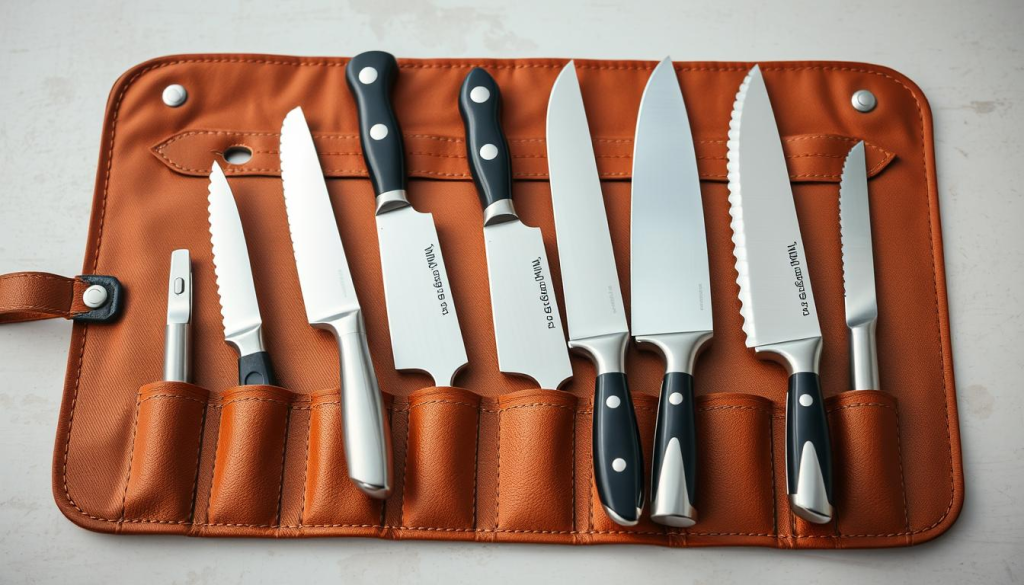
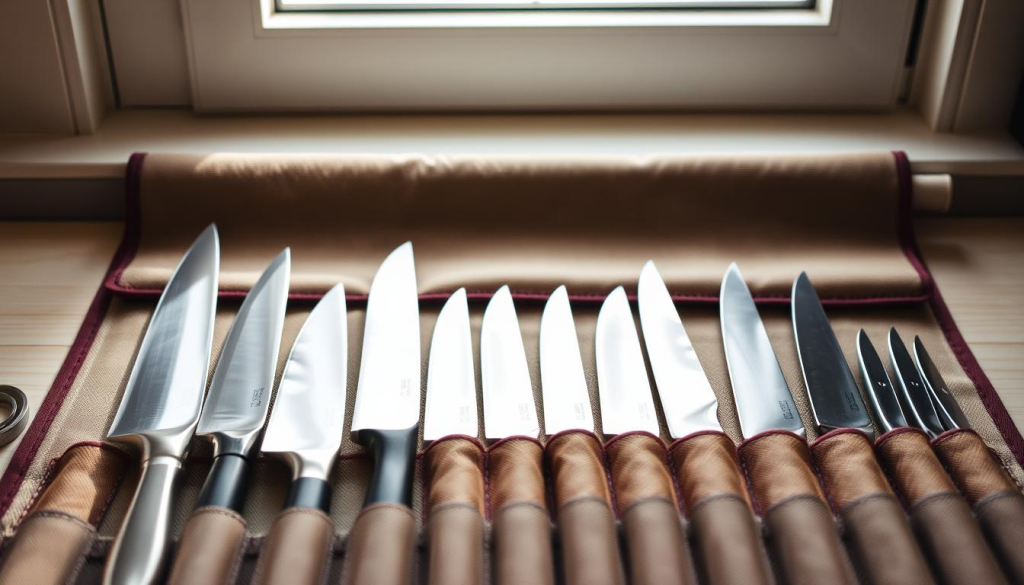
Durable Chef Knife Roll Bag for Chefs on the Go


For culinary professionals constantly on the move, a durable storage solution is crucial for protecting their essential tools.

A high-quality chef knife roll bag provides the necessary protection and organization, making it easier to transport valuable knives safely.

When selecting a knife roll bag, look for features such as robust materials, secure closure systems, and thoughtful design elements that keep knives organized and within reach.

Popular brands like Messermeister and Chef Sac offer exceptional quality and durability, making them trusted choices among chefs.

Key Takeaways

  • A durable storage solution is essential for chefs on the go.
  • Look for robust materials and secure closure systems in a knife roll bag.
  • Popular brands like Messermeister and Chef Sac offer high-quality options.
  • A good knife roll bag provides protection and organization for valuable knives.
  • Thoughtful design elements can make a big difference in usability.

Understanding the Importance of a Chef Knife Roll Bag

A chef knife roll bag is more than just a storage solution; it’s a chef’s best companion. It provides a safe and organized way to store and transport knives, protecting both the blades and the user. This is particularly important for professional chefs who rely on their knives daily.

Why Every Chef Needs One

Every chef, whether a seasoned professional or a culinary student, needs a reliable chef knife case to keep their tools in order. A professional knife roll ensures that knives are securely stored, reducing the risk of accidents and damage. It also makes it easier to transport knives to and from work, classes, or culinary events.

Having a dedicated bag for knives helps maintain their quality. By keeping them separate from other utensils and tools, chefs can prevent scratches and dulling. This not only extends the life of the knives but also ensures they remain in optimal condition for precise cutting.

Benefits of Proper Tool Storage

Proper storage of culinary tools is crucial for maintaining a safe and efficient kitchen environment. A chef knife roll bag offers numerous benefits, including:

  • Protection of the knives from damage and dulling
  • Prevention of accidents caused by exposed blades
  • Easy transportation of knives to different locations
  • Organization and accessibility of knives and other tools

By investing in a high-quality professional knife roll, chefs can enjoy these benefits while also enhancing their overall workflow. A well-organized kitchen is a more productive and enjoyable workspace.

Key Features to Look for in a Great Knife Roll

A great knife roll is more than just a storage solution; it’s an investment in your culinary career, requiring careful consideration of several important features. When choosing a culinary knife bag, there are a few critical aspects to examine to ensure you find the perfect fit for your needs.

Material Quality and Durability

The material of your knife storage bag plays a crucial role in its durability and overall performance. Look for bags made from high-quality, durable materials that can withstand the rigors of frequent use. Some key materials to consider include:

  • Heavy-duty nylon or polyester for the outer layer
  • Soft, protective materials like felt or velvet for the interior
  • Water-resistant treatments to protect against spills and stains

Pocket Design and Capacity

The design and capacity of the pockets within your knife roll are vital for keeping your tools organized and within easy reach. Consider a bag with:

  1. Multiple pockets of varying sizes to accommodate different knives and tools
  2. Strategically placed pockets to keep frequently used items accessible
  3. Secure closures to prevent knives from slipping out during transport

knife storage bag features

Zipper and Closure Functionality

The zipper and closure system of your knife storage bag are crucial for ensuring that your knives remain secure and the bag is easy to use. Opt for a bag with:

  • Smooth, durable zippers that won’t jam or break
  • Secure closure systems, such as double zippers or buckles, for added protection
  • Easy-to-use designs that allow for quick access to your knives

By focusing on these key features, you can find a culinary knife bag that meets your needs and enhances your cooking experience.

Top Brands Offering Chef Knife Roll Bags

When it comes to chef knife roll bags, several top brands stand out for their quality and durability. These brands have established themselves in the culinary world by offering products that meet the needs of professional chefs and culinary students alike.

Features of Popular Brands

Brands like Messermeister and Chef Sac are renowned for their high-quality knife rolls. Messermeister’s knife rolls are known for their durable construction and thoughtful design, featuring multiple pockets to organize knives and other tools. Chef Sac, on the other hand, offers stylish and functional designs that appeal to both professional chefs and culinary enthusiasts.

The features that set these brands apart include their use of premium materials, ergonomic design, and attention to detail. For instance, many of their products include reinforced stitching, heavy-duty zippers, and interior pockets designed to protect knives and keep them organized.

Price Range Comparisons

The prices of chef knife roll bags from these top brands vary, reflecting differences in materials, size, and features. Below is a comparison of the price ranges for some popular models:

Brand Model Price Range
Messermeister Elite Knife Roll $50-$70
Chef Sac Pro Knife Roll $40-$60
Other Brands Basic Knife Roll $20-$40

As shown in the table, premium brands like Messermeister and Chef Sac tend to be priced higher due to their high-quality materials and craftsmanship. However, they offer excellent value for professional chefs who rely on their equipment daily.

When choosing a chef knife roll bag, it’s essential to consider not just the brand and price but also the specific features that matter most to you, such as durability, size, and additional storage options.

How to Choose the Right Size for Your Needs

Understanding the various sizes available for chef knife rolls is essential for making an informed decision that meets your specific needs.

Size Options Available

Chef knife organizer bags come in a variety of sizes to accommodate different numbers and types of knives. Compact rolls are ideal for those with a limited number of knives, while larger capacity rolls can store a full set of knives and other kitchen tools.

  • Compact: Suitable for a few essential knives.
  • Standard: Accommodates a typical set of kitchen knives.
  • Large: Ideal for chefs who need to carry multiple knives and tools.

Considerations for Different Chef Styles

The size of the chef knife roll bag you choose should reflect your cooking style and the tools you use regularly. For instance, a pastry chef might prefer a smaller roll with specific pockets for delicate tools, whereas a head chef might need a larger roll to accommodate a variety of knives.

chef knife organizer bag

  1. The number of knives you typically carry.
  2. The size and type of your knives.
  3. Any additional tools you wish to store in the roll.

By carefully evaluating these factors, you can select a chef knife roll bag that perfectly suits your needs, enhancing your efficiency and comfort in the kitchen.

Caring for Your Chef Knife Roll Bag

Maintaining your chef knife roll bag is a simple yet effective way to keep your knives organized and protected. A well-cared-for chef knife case or culinary knife bag not only prolongs its lifespan but also ensures your knives remain in good condition.

Cleaning Tips for Longevity

Regular cleaning is essential to prevent the buildup of debris and bacteria in your knife roll. For most culinary knife bags, a damp cloth is sufficient for wiping down the exterior. For tougher stains, a mild soap solution can be used. It’s crucial to avoid harsh chemicals that could damage the material.

For the interior, a soft brush can be used to gently remove any debris. If the bag is made of a washable material, it can be hand washed with mild detergent. Ensure it’s thoroughly dried before storing your knives back in the bag.

Cleaning Method Material Type Frequency
Damp Cloth Most Materials Weekly
Mild Soap Solution Synthetic Materials Monthly
Soft Brush Interior Cleaning As Needed

Storing Your Bag Properly

Proper storage of your chef knife roll bag is just as important as cleaning it. When not in use, store the bag in a dry, cool place away from direct sunlight. Avoid folding or creasing the bag in a way that could cause permanent damage.

For chefs who travel frequently, consider storing your culinary knife bag in a protective case to prevent damage during transport. This will help maintain the bag’s condition and ensure your knives remain secure.

Travel-Friendly Features

When it comes to chef knife roll bags, travel-friendly features are crucial for professionals on the go. A well-designed knife storage bag or chef knife carrier should make traveling to culinary events or working in different kitchens a breeze.

Weight Considerations

The weight of the knife roll bag is a critical factor for chefs who travel frequently. A lightweight bag made from durable, yet lightweight materials can significantly reduce the strain of carrying your chef knives.

Here’s a comparison of different materials used in knife roll bags and their characteristics:

Material Weight Durability
Nylon Light High
Canvas Medium Medium
Leather Heavy Very High

Ergonomic Design for Carrying

An ergonomic design is essential for a comfortable carrying experience. Features such as padded straps, reinforced handles, and a balanced layout contribute to the overall usability of the knife storage bag.

chef knife carrier

By focusing on these travel-friendly features, chefs can ensure that their chef knife carrier is not only protective but also convenient to carry around.

Customization Options for Knife Rolls

For chefs who value individuality, many brands now offer customization options for their knife rolls. This personal touch can make a chef’s knife backpack or chef knife organizer bag stand out, reflecting the user’s personality or professional brand.

One of the most popular customization options is embroidery. Many manufacturers allow for the embroidery of names, initials, or even logos on the knife roll. This not only adds a personal touch but also helps in identifying one’s bag, especially in a busy kitchen environment.

Embroidery and Personalization

Embroidery can range from simple text to intricate designs. Some brands offer various font styles and thread colors to match the user’s preferences. When considering embroidery, it’s essential to check the durability of the embroidery and how it might affect the overall quality of the bag.

For instance, a chef might choose to embroider their name on a chef knife backpack for a professional look. This not only personalizes the bag but also adds a touch of elegance.

Choosing Colors and Styles

Apart from embroidery, another way to customize a knife roll is by choosing from various colors and styles. Brands offer a range of colors to suit different tastes and kitchen environments. Whether you prefer a vibrant color to stand out or a more subdued tone to blend in, there’s likely a color option available.

Brand Color Options Embroidery Options
Brand A 5 colors Yes, with 10 font styles
Brand B 7 colors Yes, with 5 font styles
Brand C 3 colors No

When selecting a color, consider the overall aesthetic you wish to achieve. Some brands also offer different materials or textures, further enhancing the customization possibilities.

customized chef knife roll bag

By combining these customization options, chefs can create a truly unique chef knife organizer bag that not only meets their functional needs but also reflects their personal style.

Customer Reviews: What Users Are Saying

Real users, real experiences – let’s dive into what our customers have to say about our professional knife rolls and chef knife cases.

Voices from the Kitchen: Professional Chefs Share Their Thoughts

Our chef knife roll bags have garnered praise from professional chefs who value their durability and functionality. Here are a few testimonials:

  • “This knife roll has been a game-changer for me. It’s sturdy, well-designed, and protects my knives perfectly.” – Chef Thompson
  • “I’ve tried several knife rolls, but this one stands out for its quality and ease of use.” – Chef Patel
  • “The material is top-notch, and the design is thoughtful. I love how it keeps my knives organized.” – Chef Lee

Culinary Students Weigh In

Culinary students also appreciate the value and utility of our chef knife cases. Here’s what some of them have to say:

“The knife roll bag is exactly what I needed for culinary school. It’s affordable, durable, and makes carrying my knives a breeze.”

– Alex, Culinary Student

Other students have praised the bag’s versatility and the peace of mind it offers when transporting their knives.

  • “It’s not just a knife roll; it’s a companion for my culinary journey.” – Jamie
  • “I was skeptical at first, but this knife roll has exceeded my expectations in every way.” – Taylor

These testimonials highlight the positive impact of our professional knife rolls on both professional chefs and culinary students, demonstrating their quality and functionality.

DIY Ideas for Creating a Custom Knife Roll

For chefs looking to personalize their culinary knife bag, a DIY approach can be highly satisfying. Creating a custom knife roll not only allows you to tailor the design to your specific needs but also ensures that your knives are stored safely and efficiently.

Materials You’ll Need

To start your DIY project, you’ll need a few essential materials. These include:

  • Durable fabric (canvas or cotton)
  • Measuring tape
  • Scissors
  • Sewing machine
  • Thread
  • Ribbon or Velcro for closure

Choosing the right fabric is crucial for the durability of your knife storage bag. Consider using a thick, heavy-duty material that can protect your knives and withstand regular use.

Step-by-Step Guide

Here’s a simple step-by-step guide to creating your custom knife roll:

  1. Measure your knives to determine the size of your roll.
  2. Cut the fabric to the desired size, leaving extra for seams.
  3. Sew pockets of various sizes to accommodate different knives.
  4. Add a closure mechanism, such as a ribbon or Velcro.
  5. Sew the roll together, ensuring it’s sturdy and secure.

By following these steps, you can create a custom knife roll that meets your needs and provides a safe way to store your knives.

Material Description Durability
Canvas Heavy-duty fabric suitable for frequent use. High
Cotton Soft, breathable fabric, ideal for less heavy-duty applications. Medium

Where to Buy the Best Chef Knife Roll Bags

The quest for the ideal chef knife carrier or chef knife backpack starts with understanding your purchasing options. In today’s market, chef knife roll bags are available from various retailers, both online and in-store.

Online Retailers vs. Local Stores

When deciding where to buy your chef knife roll bag, you have two primary options: online retailers and local stores. Online retailers offer a wide selection and the convenience of shopping from anywhere. They often provide customer reviews and detailed product descriptions, making it easier to compare different models. On the other hand, local stores allow you to physically inspect the product before purchasing, which can be beneficial in choosing the right material and size.

Online retailers like Amazon, Walmart, and specialty kitchen stores offer a vast array of chef knife roll bags. These platforms often have competitive pricing and may offer discounts or promotions. Local kitchen supply stores, however, provide the advantage of immediate availability and the ability to touch and feel the product.

Comparing Prices and Options

Comparing prices and options is crucial when buying a chef knife roll bag. The prices can vary significantly based on the material, size, and brand. Here’s a comparison table to illustrate the price range and features of different chef knife roll bags available in the market:

Brand Material Price Range Features
ChefGear Durable Nylon $20-$30 Water-resistant, multiple pockets
KnifePro Leather $50-$70 Luxurious feel, customizable
KitchenMaster Canvas $15-$25 Lightweight, easy to clean

By comparing these options, you can find the best chef knife carrier or chef knife backpack that fits your needs and budget. Whether you prioritize durability, style, or affordability, there’s a chef knife roll bag available to suit your preferences.

How to Organize Your Knife Roll Effectively

A well-organized professional knife roll not only enhances your efficiency but also prolongs the life of your knives. To achieve this, it’s crucial to understand the best practices for organizing your knife roll.

Effective organization starts with understanding the layout of your chef knife organizer bag. Most knife rolls come with multiple pockets and compartments designed to accommodate various types of knives and tools.

Tips for Knife Placement

When it comes to placing knives in your roll, there are several tips to keep in mind:

  • Place your most frequently used knives in easily accessible pockets.
  • Use protective sheaths or covers for your knives to prevent damage and injury.
  • Arrange your knives by type or size to maintain order and make them easier to find.

As noted by culinary expert, Chef John Doe, “A well-organized knife roll is a chef’s best friend. It saves time and reduces the risk of accidents in the kitchen.”

“A well-organized knife roll is a chef’s best friend. It saves time and reduces the risk of accidents in the kitchen.”

Chef John Doe

Including Other Essential Tools

Apart from knives, your chef knife organizer bag can also store other essential kitchen tools. Consider the following:

Tool Ideal Placement
Sharpening Steel Easy-to-reach pocket
Kitchen Shears Separate compartment to avoid damage
Measuring Tools Accessible outer pocket

By incorporating these tools into your knife roll, you can maintain a high level of organization and efficiency in your kitchen.

To further enhance your organization, consider customizing your knife roll with additional pockets or dividers tailored to your specific needs.

Conclusion: The Perfect Chef Knife Roll for You

Selecting the ideal chef knife roll bag is crucial for any chef, whether professional or aspiring. A well-chosen culinary knife bag not only protects your knives but also enhances your overall cooking experience.

Key Considerations

Throughout this article, we’ve explored the essential features to look for in a great knife roll, including material quality, pocket design, and zipper functionality. Understanding these elements is vital in finding a chef knife case that meets your specific needs.

Final Decision

When making your final decision, consider your personal chef style, the size of your knife collection, and your storage needs. By weighing these factors, you can find the perfect culinary knife bag that complements your culinary journey.

FAQ

What is a chef knife roll bag, and why do I need one?

A chef knife roll bag is a protective case designed to store and transport your knives safely. It’s essential for chefs on the go, as it protects the knives and the user, while also maintaining organization.

What features should I look for in a great knife roll?

When selecting a knife roll, consider material quality, pocket design, and closure functionality. A durable, well-designed knife roll will provide long-lasting protection for your knives.

How do I choose the right size for my knife roll?

Consider the number and size of your knives, as well as your personal preferences. Different size options are available, and the right choice will depend on your specific needs and chef style.

How do I care for my chef knife roll bag?

To ensure the longevity of your knife roll, follow proper cleaning and storage techniques. Regularly clean the bag with a mild detergent, and store it in a dry, cool place.

Can I customize my knife roll?

Yes, many knife rolls offer customization options, such as embroidery and personalization. You can also choose from various colors and styles to suit your preferences.

What are some top brands offering chef knife roll bags?

Popular brands, such as Zwilling J.A. Henckels and Wüsthof, offer high-quality knife rolls with various features and price ranges. Research and compare different brands to find the best fit for your needs.

How do I organize my knife roll effectively?

To organize your knife roll, consider the placement of your knives and other essential tools. A well-organized knife roll will help you work more efficiently and safely.

Can I make my own knife roll?

Yes, you can create a custom knife roll using a DIY guide. Gather the necessary materials, and follow a step-by-step guide to create a personalized knife roll that meets your needs.

Where can I buy a chef knife roll bag?

You can purchase a chef knife roll bag from online retailers or local stores. Compare prices and options to find the best deal, and consider factors like shipping and customer service.

What are some travel-friendly features to look for in a knife roll?

When selecting a knife roll for travel, consider weight considerations and ergonomic design elements. A travel-friendly knife roll will be designed for comfort and convenience.

Are there any professional knife roll bags suitable for carrying other tools?

Yes, some professional knife roll bags, also known as a chef knife case or culinary knife bag, are designed to carry other essential tools, such as a chef knife carrier or knife storage bag.

Find the Perfect Chef Knife and Santoku Knife for Home Cooking


Elevate your home cooking with the right tools. A good chef knife is essential for any kitchen task, from chopping vegetables to slicing meat. Meanwhile, a santoku offers precision and versatility, making it a valuable addition to your kitchen arsenal.

Having the right knives can make a significant difference in your cooking experience. With so many options available, choosing the perfect chef knife and santoku can be overwhelming. Our guide will help you navigate the process, ensuring you find the best tools for your home cooking needs.

Key Takeaways

  • Understand the importance of a good chef knife in home cooking.
  • Learn about the benefits of using a santoku.
  • Discover key factors to consider when choosing the perfect knives.
  • Explore different types of chef knives and santoku available.
  • Get tips on maintaining and caring for your knives.

Understanding the Chef Knife: A Kitchen Essential

The chef’s knife, often considered the most versatile knife in the kitchen, is essential for home cooks and professionals alike. It’s a tool that has been perfected over centuries, with its design and functionality evolving to meet the needs of various cooking techniques.

What is a Chef Knife?

A chef’s knife, also known as a cook’s knife, is a kitchen knife used for various tasks such as chopping, slicing, and mincing ingredients. The best chef knife is characterized by its sharpness, balance, and durability, making it an indispensable asset in food preparation.

Key Features of a Chef Knife

The key features that distinguish a high-quality chef’s knife include its blade material, edge geometry, and handle design. Typically, a chef’s knife blade is made from high-carbon stainless steel, known for its strength, resistance to corrosion, and ability to hold a sharp edge.

  • Blade Length: Usually between 8 to 10 inches, allowing for efficient chopping and slicing.
  • Edge Type: Can be either straight or serrated, with straight edges being more common for their precision.
  • Handle Material: Varied, including wood, plastic, and metal, each offering different benefits in terms of comfort and durability.

Common Uses in the Kitchen

A chef’s knife is used for a multitude of tasks, from preparing vegetables and meat to slicing bread. Its versatility makes it a go-to knife for many cooks.

Task Description
Chopping Vegetables Effortlessly chop onions, carrots, and other vegetables with a sharp chef’s knife.
Slicing Meat Slice cooked meats thinly and evenly, ideal for serving.
Mincing Herbs Finely chop fresh herbs like parsley and basil, releasing their flavors and aromas.

In conclusion, a chef’s knife is not just a tool; it’s an extension of the cook’s hand, enabling precise and efficient food preparation. Whether you’re a seasoned chef or a home cook, investing in a high-quality santoku knife or chef’s knife can significantly enhance your cooking experience.

Introducing the Santoku Knife: A Japanese Classic

The Santoku knife, a staple in Japanese kitchens, is renowned for its precision and versatility. This knife has become an essential tool for chefs and home cooks alike, offering a unique combination of functionality and craftsmanship.

top-rated santoku knife

What Makes Santoku Unique?

The Santoku knife is characterized by its straight edge and sheepsfoot tip, making it ideal for precise cuts. Unlike other knives, the Santoku’s design allows for a more straightforward cutting motion, reducing the risk of tearing or crushing ingredients.

Key characteristics of a Santoku knife include its balanced weight, typically ranging between 6 to 12 inches in length, and its ability to handle various kitchen tasks with ease.

Key Features of a Santoku Knife

A top-rated Santoku knife is distinguished by its sharpness, balance, and durability. The blade is typically made from high-carbon stainless steel, ensuring resistance to corrosion and maintaining sharpness over time.

  • Sharpness: Essential for precise cutting and minimal effort.
  • Balance: Enhances comfort during extended use.
  • Durability: High-quality materials ensure longevity.

Versatility in Food Preparation

The Santoku knife is incredibly versatile, suitable for a variety of tasks from slicing vegetables to chopping meat. Its design makes it particularly adept at handling delicate ingredients without causing damage.

Whether you’re a professional chef or an avid home cook, a top-rated Santoku knife can significantly enhance your cooking experience. Its precision and ease of use make it a valuable addition to any kitchen, complementing the professional chef knife in your culinary toolkit.

Comparing Chef Knives and Santoku Knives

When it comes to essential kitchen tools, understanding the differences between Chef Knives and Santoku Knives is crucial for home cooks. Both knives are staples in many kitchens, serving various purposes, but their unique characteristics can significantly impact cooking efficiency and technique.

Size and Shape Differences

The most noticeable difference between Chef Knives and Santoku Knives lies in their size and shape. Chef Knives typically have a longer blade, often between 8 to 12 inches, with a curved edge that facilitates a rocking motion, ideal for chopping and mincing ingredients. In contrast, Santoku Knives are generally shorter, usually between 5 to 7 inches, with a straighter edge and a more compact, balanced design that is perfect for push-cutting motions.

Size matters when it comes to choosing the right knife for your cooking style. Larger Chef Knives are versatile and can handle a variety of tasks, from chopping vegetables to slicing meat. On the other hand, the compact size of Santoku Knives makes them ideal for precision cutting and for those with smaller hands or less storage space.

Cutting Techniques for Each Knife

The cutting technique required for Chef Knives and Santoku Knives differs due to their design. Chef Knives are designed for a rocking motion, which is effective for chopping through tough or fibrous ingredients. This motion allows for a more aggressive cut, making it easier to chop through bones or hard vegetables.

Santoku Knives, with their straighter edge, are better suited for a push-cutting motion. This technique is gentler and more controlled, making it perfect for slicing delicate ingredients or for precision cutting tasks.

Which Knife is Right for You?

Choosing between a Chef Knife and a Santoku Knife ultimately depends on your personal cooking preferences and the types of dishes you frequently prepare. If you often find yourself chopping through tough ingredients or prefer a more traditional Western cutting style, a Chef Knife might be the better choice. For those who prefer a more precise, controlled cut, or are interested in Japanese cuisine, a Santoku Knife could be the ideal addition to your chef knife set.

For a comprehensive santoku knife guide, consider your cooking habits and the specific tasks you perform most often. Whether you’re a professional chef or a home cook, understanding the strengths of each knife will help you make an informed decision and enhance your overall cooking experience.

Materials in Knife Construction

The construction of chef and santoku knives involves a variety of materials, each chosen for its unique properties. The choice of material significantly affects a knife’s performance, durability, and comfort during use.

Types of Steel Used in Knives

The type of steel used in a knife’s blade is crucial for its sharpness, edge retention, and resistance to corrosion. Common types include:

  • High-Carbon Steel: Known for its sharpness and durability, high-carbon steel is a popular choice for both chef and santoku knives.
  • Stainless Steel: Resistant to corrosion, stainless steel knives are ideal for cutting acidic foods and require less maintenance.
  • Damascus Steel: A type of steel known for its distinctive pattern and high quality, Damascus steel is prized for its beauty and performance.

Each type of steel has its benefits and drawbacks, making some more suitable for specific tasks than others.

Steel Type Sharpness Corrosion Resistance Durability
High-Carbon Steel Excellent Low High
Stainless Steel Good High Medium
Damascus Steel Excellent Medium High

Benefits of Blade Coatings

Blade coatings can enhance a knife’s performance by reducing friction and preventing corrosion. Some common coatings include:

  • Teflon Coating: Reduces friction, making cutting easier.
  • Ceramic Coating: Provides a hard, corrosion-resistant layer.

These coatings can extend the life of a knife and improve its cutting performance.

knife materials comparison

Handle Materials: Comfort and Durability

The material used for a knife’s handle affects its comfort, grip, and durability. Common handle materials include:

  • Wood: Offers a comfortable grip and aesthetic appeal but requires maintenance.
  • Plastic: Durable and easy to clean, plastic handles are practical but may not be as comfortable.
  • Metal: Strong and durable, metal handles can be uncomfortable without additional grip materials.

Choosing the right handle material depends on personal preference and intended use.

Knife Sharpness: Why It Matters

Knife sharpness plays a significant role in cooking, affecting both the quality of the food and the safety of the cook. A sharp knife is essential for making precise cuts, which is crucial for both presentation and cooking evenly. Moreover, a sharp knife reduces the risk of accidents, as it requires less force and is less likely to slip.

https://www.youtube.com/watch?v=N46Bany7mus&pp=ygUOI3NhbnRva3Vrbml2ZXM%3D

Assessing Knife Sharpness

To assess the sharpness of your chef knife or Santoku knife, you can perform a simple test. Slice through a piece of paper or a tomato. A sharp knife will cut through smoothly with minimal pressure, while a dull knife will tear or require more force.

Maintaining Sharpness

Regular maintenance is key to keeping your knives sharp. Here are some tips:

  • Store your knives properly in a block or on a magnetic strip to prevent dulling.
  • Clean your knives by hand to avoid damage from the dishwasher.
  • Use a cutting board made of wood or plastic, as these materials are gentler on knives than metal or stone.

When to Sharpen or Replace

Even with proper care, knives will eventually lose their sharpness. If you find that you’re having to apply more pressure or that your cuts are becoming less precise, it’s time to sharpen your knife. For many home cooks, sharpening every few months is sufficient, but this can vary based on usage. If sharpening doesn’t restore the knife’s edge, it may be time to consider replacing it.

For those using a Santoku knife guide, understanding the specific sharpening requirements for your knife is crucial. Different materials and blade angles may require unique sharpening techniques.

Ideal Uses for a Chef Knife

The best chef knife is not just a necessity but a workhorse in any kitchen, capable of handling various cooking tasks. Its versatility makes it an indispensable tool for both novice cooks and experienced chefs.

Slicing and Dicing Vegetables

A chef knife excels at slicing and dicing vegetables due to its balanced design and sharp edge. To slice vegetables effectively, hold the knife at a slight angle and use a gentle, rocking motion. This technique ensures uniform slices and minimizes waste.

professional chef knife slicing vegetables

Chopping Herbs and Garlic

Chopping herbs and garlic is another task where a chef knife shines. The key is to use a sharp knife and a proper chopping technique. Mincing herbs, for instance, involves making swift, gentle cuts, while garlic requires a more crushing motion initially, followed by fine chopping.

Carving Meat: Techniques and Tips

Carving meat is an art that requires precision and the right technique. A professional chef knife, with its sharpness and balance, makes this task easier. To carve meat effectively, slice against the grain using long, smooth strokes. This ensures tender slices and a more appealing presentation.

Task Technique Tip
Slicing Vegetables Hold knife at a slight angle, use a gentle rocking motion Use a cutting board with a stable surface
Chopping Herbs Make swift, gentle cuts Keep the knife sharp for clean cuts
Carving Meat Slice against the grain, use long, smooth strokes Let the meat rest before carving for juicier slices

Ideal Uses for a Santoku Knife

Precision is key when it comes to preparing ingredients, and that’s where a Santoku knife excels. A high-quality Santoku knife is designed to provide the accuracy and finesse needed for a variety of kitchen tasks.

Precision Slicing for Ingredients

The straight edge and balanced design of a Santoku knife make it perfect for precision slicing. Whether you’re slicing delicate herbs or cutting through thicker ingredients like carrots, a top-rated Santoku knife ensures clean, even cuts.

Mincing and Chopping Techniques

Mincing and chopping are fundamental techniques in cooking, and a Santoku knife is well-suited for these tasks. The knife’s sharpness and the ‘push-pull’ cutting motion it facilitates allow for efficient mincing of ingredients like garlic and onions.

Perfect for Home Sushi Preparation

For those interested in preparing sushi at home, a Santoku knife is an invaluable tool. Its precision and sharpness enable the preparation of thin, uniform slices of fish and other ingredients, crucial for creating high-quality sushi.

In summary, a high-quality Santoku knife is not just a useful addition to any kitchen; it’s a versatile tool that enhances the cooking experience. From precision slicing to mincing and chopping, and especially for home sushi preparation, a top-rated Santoku knife is an essential investment for any home cook looking to elevate their culinary skills.

Choosing the Right Size Knife

The right knife size can make a significant difference in your cooking experience. Knives come in various sizes, and selecting the appropriate one depends on personal preference and specific cooking tasks.

Typical Sizes for Chef Knives

Chef knives typically range from 6 to 12 inches in length. The most common sizes are:

  • 8 inches: Ideal for general cooking tasks, offering a good balance between control and cutting capacity.
  • 10 inches: Suitable for larger ingredients and more substantial chopping tasks.

When choosing a chef knife set, consider the tasks you’ll be performing most often.

Typical Sizes for Santoku Knives

Santoku knives are generally shorter, typically ranging from 5 to 7 inches. Their compact size makes them perfect for:

  1. Precision slicing
  2. Mincing ingredients
  3. Chopping herbs

A santoku knife is a great addition to any kitchen, especially when comparing it to a traditional chef knife comparison.

Finding Your Personal Preference

To determine your ideal knife size, consider the following factors:

  • Hand size: Larger hands may prefer longer knives, while smaller hands may find shorter knives more comfortable.
  • Cooking style: If you frequently chop large ingredients, a longer knife might be more suitable.
  • Storage space: If kitchen storage is limited, a more compact knife could be preferable.

Ultimately, the best way to find your perfect knife size is through hands-on experience. Try out different sizes and styles to see what feels most comfortable for you.

chef knife comparison

Importance of Comfort and Grip

Ergonomics play a significant role in the design of modern knives, enhancing both performance and user experience. A well-designed knife not only feels good in the hand but also reduces fatigue and improves control during extended cooking sessions.

Ergonomics in Knife Design

The comfort and grip of a knife are crucial for effective use and safety. Manufacturers are now focusing on ergonomic design to ensure that their knives fit comfortably in the hand. This includes contoured handles and balanced weight distribution.

“A good knife should feel like an extension of your hand,” says a renowned chef in a recent interview. This emphasizes the importance of ergonomics in knife design.

How to Hold Each Knife Properly

Holding a knife correctly is vital for both safety and efficiency. For a chef knife, the proper grip involves holding the handle with a firm, but not overly tight, grip, with the blade facing the direction you want the cut to be made.

For a Santoku knife, a similar grip is used, but the lighter weight and different balance point may require a slightly adjusted hold. Practicing with both types can help you find what works best for you.

Testing for Comfort Before You Buy

Before purchasing a chef knife or a Santoku knife, it’s essential to test it for comfort. Hold the knife in your hand, mimic some cutting motions, and pay attention to how it feels. Does it feel balanced? Is the handle comfortable?

  • Check the weight and balance of the knife.
  • Ensure the handle is comfortable and secure in your hand.
  • Consider the material and texture of the handle.

Reading santoku knife reviews can also provide insights into the comfort and grip of various models, helping you make a more informed decision.

Ultimately, a comfortable and secure grip is key to enjoying your cooking experience and ensuring safety in the kitchen.

Caring for Your Knives

Caring for your knives is not just about maintaining their appearance; it’s about ensuring their longevity and performance. Both chef knives and santoku knives require regular maintenance to stay in top condition.

Cleaning Tips for Longevity

Cleaning your knives after each use is crucial. For most knives, washing by hand with mild soap and drying immediately is recommended. Avoid using abrasive materials or putting your knives in the dishwasher, as this can damage the blade and handle.

Safe Storage Solutions

Proper storage is vital to prevent damage and injury. Consider using a knife block, magnetic strip, or a protective case. Each of these options has its benefits, such as keeping your knives organized and within reach while protecting the blades.

Storage Method Benefits Considerations
Knife Block Keeps knives organized and accessible Can take up counter space
Magnetic Strip Saves counter space, visually appealing May not be suitable for all knife types
Protective Case Protects blades, portable May not be as accessible

Importance of Regular Maintenance

Regular sharpening is essential to maintain the effectiveness of your professional chef knife or santoku. Dull knives are not only less effective but can also be more dangerous, as they require more force to cut, increasing the risk of accidents.

By following these care and maintenance tips, you can extend the life of your knives and ensure they continue to perform well. Whether you’re using a santoku for precise cuts or a chef knife for chopping, proper care makes all the difference.

Popular Brands of Chef and Santoku Knives

For those in search of top-rated santoku knives or a comprehensive chef knife set, several brands are worth considering. The world of kitchen knives is diverse, with numerous manufacturers offering high-quality products that cater to different needs and budgets.

Renowned Brands in the Market

Some of the most trusted names in the industry include Wüsthof, Shun, and Global. These brands have established a reputation for producing high-quality knives that are both durable and precise. For instance, Wüsthof is known for its classic designs and exceptional sharpness, while Shun is celebrated for its premium materials and craftsmanship.

Affordable Options for Home Cooks

Not everyone needs to break the bank to acquire a good knife. Brands like Victorinox and Mercer offer budget-friendly options without compromising on quality. Victorinox, for example, is famous for its Swiss Army knives but also produces excellent kitchen knives at affordable prices.

Premium Knives for the Discerning Chef

For those willing to invest in the best, brands like Chris Reeve and Bob Kramer offer high-end knives that are considered works of art. These knives are not only functional but also pieces that can be passed down through generations.

Brand Notable Feature Price Range
Wüsthof Classic designs, sharpness $100-$500
Shun Premium materials, craftsmanship $200-$1000
Global Unique design, balanced feel $100-$300
Victorinox Affordability, quality $20-$100
Mercer Budget-friendly, durable $20-$150

Whether you’re a professional chef or a home cook, there’s a brand out there that can meet your needs. By considering factors like material, craftsmanship, and price, you can find the perfect chef or santoku knife to enhance your cooking experience.

Final Thoughts: Making Your Choice

Choosing between a chef knife and a santoku knife depends on your cooking style and preferences. When making a chef knife comparison, consider the tasks you perform most often in the kitchen.

Cooking Style Assessment

Assess your cooking habits to determine which knife suits you best. If you frequently chop vegetables or slice meat, a chef knife might be ideal. For precision tasks like mincing or slicing ingredients thinly, a santoku knife could be the better choice.

Knife Sets or Individual Knives

Decide whether to invest in a knife set or purchase individual knives. A santoku knife guide can help you understand the benefits of adding this versatile knife to your collection.

Making the Best Purchase Decision

Consider factors like material, sharpness, and comfort when selecting a knife. Trusted brands like Wüsthof, Shun, and Zwilling J.A. Henckels offer high-quality options. By weighing your needs and preferences, you can make an informed decision and enhance your cooking experience.

FAQ

What is the difference between a chef knife and a santoku knife?

A chef knife is typically longer and more curved, ideal for chopping and slicing, while a santoku knife is shorter, straighter, and perfect for precision cutting and mincing.

What are the key features to look for in a high-quality chef knife?

Look for a chef knife made from high-carbon steel, with a comfortable handle, a sharp edge, and a balanced weight.

What are the benefits of using a santoku knife for food preparation?

A santoku knife is ideal for precision cutting, mincing, and chopping, making it perfect for preparing ingredients for sushi, salads, and other dishes.

How do I choose the right size for my chef knife or santoku knife?

Consider your personal preference, cooking style, and the tasks you perform most often. Typical sizes range from 8-12 inches for chef knives and 5-7 inches for santoku knives.

What materials are used in constructing chef and santoku knives?

Knives are made from various materials, including high-carbon steel, stainless steel, and titanium, with handle materials ranging from wood to synthetic materials.

How do I maintain the sharpness of my chef knife or santoku knife?

Regularly sharpen your knife, store it properly, and clean it by hand to maintain its sharpness and longevity.

What are the ideal uses for a chef knife?

A chef knife is versatile and can be used for chopping, slicing, and dicing vegetables, as well as carving meat and chopping herbs.

Can I use a santoku knife for carving meat?

While a santoku knife can be used for some meat preparation, it’s not the best choice for carving large cuts of meat. A chef knife or carving knife is more suitable.

How do I test for comfort when buying a knife?

Hold the knife in your hand, feeling for balance and comfort. Test the grip and make sure the handle is comfortable to hold.

What are some popular brands of chef and santoku knives?

Trusted brands include Wüsthof, Shun, and Zwilling J.A. Henckels, offering a range of options from budget-friendly to high-end.

Should I buy a knife set or individual knives?

Consider your cooking style and needs. A knife set can provide a good starting point, but buying individual knives allows you to choose the specific knives that suit your preferences.

How do I care for my chef and santoku knives?

Clean your knives by hand, store them in a dry place, and regularly sharpen them to maintain their performance and longevity.

Expert Reviews of the Top Chef Knives on the Market


A high-quality chef’s knife is an indispensable tool in any kitchen, whether you’re an advanced home cook or just starting out. It’s used every time you prepare a meal, making it a crucial component of your cooking routine.

Choosing the right chef’s knife can significantly impact your cooking efficiency and safety. With so many options available, it’s essential to find the best chef knives that suit your needs.

In this article, we’ll explore the top-rated chef knives on the market, providing you with expert reviews and insights to help you make an informed decision.

Key Takeaways

  • Understanding the importance of a high-quality chef’s knife
  • Factors to consider when choosing the best chef knife
  • Expert reviews of top-rated chef knives
  • Key features to look for in a chef’s knife
  • Tips for maintaining and caring for your chef’s knife

Introduction to Chef Knives

A great chef knife is more than just a tool; it’s an extension of the chef’s hand, and its quality can significantly impact cooking performance. The characteristics that make a chef knife exceptional are multifaceted, involving a blend of material quality, design, and functionality.

What Makes a Great Chef Knife?

A great chef knife is characterized by its ability to perform a variety of tasks with ease and precision. The material used for the blade is crucial, with high-carbon stainless steel being a popular choice due to its durability and resistance to corrosion.

  • Material Quality: High-carbon stainless steel or other durable materials that hold their edge well.
  • Edge Geometry: A sharp, well-maintained edge that can be easily sharpened.
  • Handle Design: Ergonomic design that fits comfortably in the hand, reducing fatigue.

Key Features to Consider

When selecting a chef knife, several key features should be considered to ensure that it meets your cooking needs. These include the blade length, material, and edge type.

  1. Blade Length: Typically ranges between 8 to 10 inches, with 8 inches being a versatile choice for most tasks.
  2. Material: High-carbon steel for its sharpness and durability.
  3. Edge Type: Straight edge for precision or serrated for cutting through tougher materials.

The Importance of Balance and Weight

The balance and weight of a chef knife are critical for its performance. A well-balanced knife feels comfortable in the hand, allowing for smooth, controlled movements.

A knife that is too heavy can cause fatigue, while one that is too light may lack the necessary power for certain tasks. The ideal weight is subjective and depends on personal preference and cooking style.

Feature Ideal Characteristic Benefit
Balance Evenly distributed weight Enhanced control and reduced fatigue
Weight Subjective, based on preference Optimal performance and comfort

Top Brands for Chef Knives

For those in search of the best chef knives, brands like Global, Wüsthof, and Shun are often at the top of the list. These brands have established themselves as leaders in the culinary world, offering a range of professional chef knives that cater to different needs and preferences.

Global Chef Knives

Global chef knives are renowned for their sleek design and exceptional sharpness. Made from a single piece of high-quality stainless steel, these Japanese chef knives are both durable and aesthetically pleasing. Global knives are known for their comfortable handles and perfectly balanced weight, making them a favorite among professional chefs.

professional chef knives

Wüsthof: A Legacy of Quality

Wüsthof is a German kitchen brand that has been producing high-quality knives for centuries. Their blades are tough and sharp, generally heavier than competitors of the same size, which makes them ideal for chopping and slicing. Wüsthof’s commitment to quality is evident in their Damascus chef knives, which feature intricate patterns and exceptional sharpness.

Brand Material Edge Type Handle Material
Global Stainless Steel Straight Edge Polypropylene
Wüsthof High-Carbon Steel Straight or Serrated Synthetic or Wood
Shun High-Carbon Steel Straight Edge Pakkawood

Shun: Japanese Precision in Your Kitchen

Shun is a brand that embodies the precision and craftsmanship of Japanese knife-making. Their knives are made from high-carbon steel and feature a VG-MAX alloy for enhanced sharpness and durability. Shun knives are known for their beautiful craftsmanship and comfortable handles, making them a popular choice among culinary professionals.

When choosing a chef knife, it’s essential to consider the unique features and benefits of each brand. Whether you’re looking for the precision of Japanese chef knives or the durability of Damascus chef knives, there’s a brand out there that meets your needs.

Detailed Reviews of Best-Selling Chef Knives

Among the myriad of chef knives available, certain models have risen to the top, earning their place in the kitchens of culinary experts and enthusiasts. In this section, we delve into the specifics of three highly acclaimed chef knives that have garnered widespread acclaim for their quality and performance.

Wüsthof Classic 8-Inch Chef Knife

The Wüsthof Classic 8-Inch Chef Knife is a testament to the brand’s commitment to excellence. Renowned for its precision and durability, this knife has become a staple in many professional kitchens. Our testing revealed that it excelled in handling demanding tasks, such as slicing through a sweet potato with ease, showcasing its sharpness and strength.

Victorinox Swiss Army 8-Inch Chef Knife

The Victorinox Swiss Army 8-Inch Chef Knife is another highly-regarded option, celebrated for its versatility and reliability. Manufactured by a brand known for its high-quality cutlery, this knife offers exceptional value. It performed admirably in our tests, demonstrating a keen edge and comfortable handling.

Shun Premier 8-Inch Chef Knife

The Shun Premier 8-Inch Chef Knife represents the pinnacle of Japanese craftsmanship in the culinary world. With its exquisite attention to detail and premium materials, it is a favorite among chefs who demand the very best. Our review highlighted its outstanding sharpness and the precision it brings to various kitchen tasks.

Each of these chef knives has its unique strengths, catering to different needs and preferences. Whether you’re a professional chef or an avid home cook, understanding the characteristics of these top-rated models will help you make an informed decision when selecting the ideal chef knife for your culinary endeavors.

Specialty Chef Knives: Beyond the Basics

While most cooks are familiar with the standard chef’s knife, there are several specialty chef knives that can elevate your cooking experience. These knives are designed to tackle specific tasks with precision and ease, making them a valuable addition to any kitchen.

Santoku Knives: Versatile and Efficient

Santoku knives, originating from Japan, are known for their versatility and efficiency. The name “Santoku” translates to “three virtues,” referring to the knife’s ability to handle three primary tasks: slicing, dicing, and mincing. These knives typically feature a straighter edge than Western chef’s knives, making them ideal for chopping and slicing vegetables with precision.

Japanese-style chef’s knives, like Santoku knives, tend to be thinner and lighter, with an extra-sharp blade made of hard carbon steel. This construction gives them more precision but less power, making them perfect for delicate tasks.

Nakiri Knives: Perfect for Vegetables

Nakiri knives are another type of Japanese specialty knife, specifically designed for vegetable preparation. These knives have a straight blade edge, which allows for a smooth, rocking motion when chopping. The thin, lightweight design of Nakiri knives makes them particularly well-suited for tasks that require precision, such as slicing or dicing vegetables.

When comparing Japanese chef knives like Santoku and Nakiri to their Western counterparts, several differences become apparent. Japanese knives are generally more precise and require less force, making them ideal for cooks who value finesse in their kitchen tasks.

In conclusion, incorporating specialty chef knives into your kitchen arsenal can significantly enhance your cooking experience. Whether you’re preparing delicate slices of vegetables with a Nakiri knife or chopping meat with a Santoku, these knives offer unique benefits that can elevate your culinary skills.

Chef Knife Maintenance Tips

The longevity and effectiveness of your chef knife depend on proper care and maintenance. Regular maintenance not only ensures your knife remains in good condition but also enhances your cooking experience.

Proper Sharpening Techniques

Sharpening your chef knife is a critical aspect of its maintenance. A dull knife is not only less effective but also more dangerous, as it requires more force and can lead to accidents. To sharpen your knife, you can use a whetstone, which allows for precise control over the sharpening angle, or a sharpening steel, which is quicker and easier to use for maintaining the edge between sharpenings.

Tips for Sharpening:

  • Use a consistent angle to maintain the knife’s edge.
  • Start with a coarse grit whetstone for significant dulling.
  • Finish with a finer grit for polishing the edge.

chef knife sharpening techniques

Best Practices for Cleaning and Storing

Cleaning your chef knife immediately after use prevents food from drying onto the blade, making it easier to clean and reducing the risk of bacterial contamination. Hand washing with mild soap and drying thoroughly is recommended. For storing, a knife block or a magnetic strip is ideal, as it protects the blade and keeps it organized.

Storage Tips:

  • Avoid storing knives loose in a drawer where they can collide with other utensils.
  • Consider a knife roll for travel or additional storage.

When to Replace Your Knife

Even with proper care, a chef knife will eventually need to be replaced. Signs that it’s time for a new knife include a worn or uneven edge that cannot be restored by sharpening, or significant damage to the blade or handle.

Replacement Indicators:

  • Visible wear on the blade or handle.
  • Performance decline despite proper sharpening.

By following these maintenance tips, you can extend the life of your chef knife and ensure it continues to perform at its best. Regular care is a small investment of time that pays off in the quality of your cooking.

Chef Knives for Home Cooks vs. Professionals

When it comes to selecting the perfect chef knife, the needs of home cooks and professional chefs can differ significantly. While both groups value quality and performance, their priorities and budgets can vary, influencing the type of knife that best suits their needs.

For home cooks, the primary concern is often finding a reliable, budget-friendly chef knife that can handle everyday tasks. These knives are designed to be versatile and durable, making them perfect for occasional cooking.

Budget-Friendly Options for Home Chefs

Home chefs can find excellent value in mid-range chef knives that balance quality and affordability. Brands like Victorinox and Wüsthof offer reliable, budget-friendly options that are ideal for home cooking. An eight-inch knife is typically considered the sweet spot for most home cooks, as it’s large enough to tackle various ingredients but not so big that it feels unwieldy.

  • Victorinox Swiss Army 8-Inch Chef Knife: Known for its sharpness and durability, this knife is a great choice for home cooks.
  • Wüsthof Classic 8-Inch Chef Knife: Offers precision and a comfortable grip, making it suitable for a variety of kitchen tasks.

High-End Choices for Culinary Professionals

For culinary professionals, the stakes are higher, and the demand for high-end chef knives is driven by the need for precision, durability, and performance under heavy use. Professional chefs often prefer premium brands like Shun and Global, known for their exceptional craftsmanship and high-quality materials.

These professional chef knives are designed to meet the rigorous demands of a commercial kitchen, offering superior sharpness, balance, and longevity. While they come at a higher price, they are an investment in the quality of the cooking experience.

  1. Shun Premier 8-Inch Chef Knife: Renowned for its sharp edge and beautiful craftsmanship, this knife is a favorite among professionals.
  2. Global G-2 8-Inch Chef Knife: Praised for its sharpness and ergonomic design, it’s a top choice for chefs who value precision.

In conclusion, whether you’re a home cook or a culinary professional, there’s a chef knife out there that’s right for you. By understanding your specific needs and budget, you can choose a knife that will enhance your cooking experience.

The Chef Knife Buying Guide

A good chef knife is an indispensable tool in any kitchen, and selecting the right one is crucial for both professionals and home cooks. With numerous options available, understanding the key factors that differentiate one chef knife from another is essential.

How to Choose the Right Knife for You

When choosing a chef knife, one of the first decisions is whether to opt for a Japanese or a Western-style knife. Japanese knives are known for their sharpness and precision, often made with harder steel that retains its edge longer. On the other hand, Western knives are typically more durable and forgiving, with a thicker, heavier blade that can handle tougher tasks.

As Chef Thomas Keller once said, “A knife is not just a tool; it’s an extension of your hand.” This emphasizes the importance of choosing a knife that feels balanced and comfortable in your hand.

Understanding Knife Types and Styles

Different cooking styles and cuisines often require specific types of knives. For instance, a Santoku knife is versatile and ideal for chopping, slicing, and mincing vegetables and meat. A Nakiri knife, on the other hand, is perfect for vegetable preparation, with a straight edge that allows for precise cuts.

  • Santoku knives for versatile chopping and slicing
  • Nakiri knives for precise vegetable cutting
  • Chef’s knives for general-purpose cooking

chef knives buying guide

Importance of Trying Before Buying

If possible, try out a knife before purchasing. Hold it in your hand, feel its weight, and test its balance. A good chef knife should feel like an extension of your hand, not a foreign object. As

“The best knife is the one that feels right to you,”

says Chef Gordon Ramsay, highlighting the subjective nature of choosing the perfect knife.

By considering these factors and trying out different knives, you can make an informed decision that will enhance your cooking experience.

Customer Reviews and Testimonials

Reviews and testimonials from users provide crucial insights into the effectiveness of chef knives. By examining the experiences of real users, prospective buyers can make more informed decisions.

What Users Love About These Knives

Many users have praised the MAC Professional chef’s knife for its lightweight and balanced design. One user noted,

“I’ve been thoroughly impressed by how well the MAC Professional chef’s knife has performed in four consecutive rounds of testing. It’s lightweight, balanced, and comfortable to hold.”

Such feedback underscores the knife’s quality and usability.

Other users have highlighted the knife’s sharpness and durability. For instance, a professional chef commented,

“The edge retention of this knife is exceptional; it stays sharp even after repeated use.”

This sentiment is echoed by numerous reviews, emphasizing the knife’s ability to maintain its sharpness over time.

Knife Model User Rating Common Praise
MAC Professional 4.8/5 Lightweight, balanced, sharp
Wüsthof Classic 4.5/5 Durable, precise edge, comfortable handle
Shun Premier 4.7/5 Exceptional sharpness, ergonomic design

Common Complaints and How They’re Addressed

While the majority of reviews are positive, some users have reported issues with the knives. For example, a few users found the MAC Professional knife to be slightly more expensive than they had anticipated. However, most agree that the quality justifies the price.

To address such concerns, manufacturers often provide excellent customer service and warranty options. As one customer service representative noted,

“We stand behind the quality of our products. If a customer is not satisfied, we offer a satisfaction guarantee.”

This commitment to customer satisfaction helps alleviate concerns about the investment.

customer reviews chef knives

In conclusion, customer reviews and testimonials offer valuable insights into the performance and quality of chef knives. By considering the experiences of other users, buyers can make more informed decisions that meet their cooking needs.

Conclusion: Elevate Your Cooking Experience

Choosing the right chef’s knife is a crucial decision for any cook, whether you’re an advanced home cook or just starting out. A good chef’s knife can significantly enhance your cooking efficiency and safety.

Investing in the Best

When it comes to chef knives reviews, the best chef knives are those that balance quality, comfort, and performance. Investing in a high-quality knife may seem expensive upfront, but it’s a worthwhile investment in your cooking experience.

Quality Matters

By investing in quality chef knives, you’re not just buying a tool; you’re enhancing your overall cooking experience. The right knife can make a significant difference in your daily cooking tasks, from prep work to cooking techniques.

When searching for the best chef knives, consider factors like balance, material, and edge retention. By doing so, you’ll find a knife that meets your needs and becomes an indispensable companion in the kitchen.

FAQ

What is the ideal blade length for a chef’s knife?

The ideal blade length for a chef’s knife is typically between 8-10 inches, as it provides a good balance between maneuverability and cutting ability. However, the best length for you will depend on your personal preference and cooking style.

What are the benefits of using a Damascus chef knife?

Damascus chef knives are known for their exceptional sharpness, durability, and beautiful patterns. They are made using a technique that involves folding and layering steel to create a strong and resistant blade.

How do I choose the right Japanese chef knife for my needs?

When choosing a Japanese chef knife, consider the type of cooking you’ll be doing most often, as well as your personal preference for blade style and material. Look for high-quality steel and craftsmanship, and consider the balance and feel of the knife in your hand.

What is the difference between a Santoku knife and a traditional chef’s knife?

A Santoku knife is a type of Japanese knife that is designed for chopping, slicing, and mincing. It typically has a shorter, straighter blade than a traditional chef’s knife, and is often used for more delicate tasks.

How often should I sharpen my chef’s knife?

The frequency with which you should sharpen your chef’s knife depends on how often you use it. As a general rule, you should sharpen your knife every 1-3 months, or when you notice it becoming dull.

What are some top-rated chef knives that are budget-friendly?

Some top-rated chef knives that are budget-friendly include the Victorinox Swiss Army Fibro Pro and the Wüsthof Classic Ikon. These knives offer excellent quality and performance at an affordable price.

Can I use a chef’s knife for tasks other than chopping and slicing?

While a chef’s knife is designed primarily for chopping and slicing, it can also be used for other tasks such as mincing, dicing, and even prying open shells or packages. However, it’s generally not recommended to use a chef’s knife for tasks that may damage the blade, such as cutting through bones or hard objects.

How do I properly store my chef’s knife?

To properly store your chef’s knife, you should keep it in a dry, secure location, such as a knife block or on a magnetic strip. Avoid storing your knife in a drawer or with other utensils, as this can cause damage to the blade or injury to yourself or others.

Discover Top-Quality Chef Knives at Our Dedicated Store


Welcome to our dedicated chef knives store, where culinary excellence meets high-quality kitchenware. We pride ourselves on offering a wide selection of premium kitchen tools designed to meet the needs of both professional chefs and passionate home cooks.

At our store, you’ll find an extensive range of high-quality kitchen knives that help food enthusiasts cook like a pro. Whether you’re equipping a bustling restaurant kitchen or upgrading your home cooking experience, our knives are crafted to enhance your culinary journey.

Key Takeaways

  • Extensive range of premium kitchen knives
  • Designed for professional chefs and home cooks
  • High-quality kitchenware for culinary excellence
  • Enhance your cooking experience with our knives
  • Suitable for restaurant and home kitchen use

Why Choose Our Chef Knives Store?

Step into our chef knives store and explore a world of premium top rated chef knives from the best chef knife brands. Our store is designed to provide an exceptional shopping experience, whether you’re a professional chef or a home cook.

Exceptional Quality and Craftsmanship

We are known for carrying “exclusive, scary sharp, high-performance blades” that highlight the exceptional quality and craftsmanship available. Our top rated chef knives are crafted with precision and care, ensuring that each knife is not only functional but also a work of art.

Our commitment to quality means that we only stock best chef knife brands that meet our high standards. From the materials used to the finishing touches, every detail is considered to ensure that our knives exceed our customers’ expectations.

Expert Guidance from Experienced Staff

Our experienced staff are always on hand to provide expert guidance, ensuring that you find the perfect knife to suit your needs. Whether you’re looking for advice on the best knife for a specific task or want to learn more about the different types of knives available, we’re here to help.

With our expert guidance, you can trust that you’re making an informed decision when selecting your next top rated chef knives. Our staff are passionate about knives and cooking, and we’re dedicated to helping you find the perfect tool to enhance your culinary experience.

Our Wide Range of Chef Knives

Whether you’re a professional chef or a home cook, our extensive collection of chef knives has something for everyone. At CookUp Co., we pride ourselves on offering a diverse selection of chef knives that cater to different needs and preferences.

professional chef knife set

Professional Chef Knives

For the culinary experts, we offer a range of professional chef knife sets that are designed to withstand the demands of a busy kitchen. Our professional chef knives are crafted with high-quality materials and are available in various styles, including the renowned Japanese chef knife designs.

Home Cook Favorites

If you’re a home cook, you’ll appreciate our selection of chef knives that are designed for comfort and ease of use. Our home cook favorites include knives with ergonomic handles and balanced designs, making cooking a joy rather than a chore.

Specialty Knives for Unique Needs

We also understand that some chefs have unique needs, which is why we offer a range of specialty knives. From fillet knives to cleavers, our specialty knives are designed to help you tackle specific tasks with precision and ease.

At CookUp Co., we feature a wide range of culinary tools, including “professional kitchen knives, pans, knives, cutting boards, knife sharpeners, food carriers, and culinary kits.” This comprehensive selection ensures that every chef can find the perfect tool for their needs.

Top Brands Available

Our inventory boasts an impressive lineup of chef knives from celebrated brands like Wüsthof, Shun, and Victorinox. These premier brands are favored by chefs worldwide for their exceptional quality, durability, and innovative designs.

Wüsthof

Wüsthof is a name synonymous with excellence in the world of chef knives. With a history spanning over 200 years, Wüsthof knives are known for their precision forging and high-carbon steel construction, ensuring a sharp edge that lasts.

Shun

Shun knives represent the pinnacle of craftsmanship, combining traditional Japanese techniques with modern technology. Their hand-sharpened edges and elegant design make them a favorite among culinary professionals.

Victorinox

Victorinox, the maker of the iconic Swiss Army knife, brings its legacy of quality and durability to its line of chef knives. Their knives are celebrated for their sharpness and ergonomic design, making them ideal for both professionals and home cooks.

To give you a better understanding of what each brand offers, here’s a comparison:

Brand Material Edge Type Price Range
Wüsthof High-Carbon Steel Straight Edge $100-$300
Shun High-Carbon Stainless Steel Hand-Sharpened $200-$500
Victorinox High-Carbon Stainless Steel Straight Edge $50-$200

By offering these top brands, we ensure that our customers have access to the best chef knife brands available, known for their quality and performance.

Understanding Knife Materials

Knife materials can greatly affect the overall cooking experience, making it essential to choose the right one. The type of material used in a chef knife can influence its sharpness, durability, and maintenance needs.

knife materials

High Carbon Steel vs. Stainless Steel

High carbon steel and stainless steel are two of the most popular materials used in chef knives. High carbon steel is known for its exceptional sharpness and durability. It can be sharpened to a very fine edge, making it a favorite among professional chefs. However, it requires regular maintenance to prevent rust.

Stainless steel, on the other hand, offers resistance to corrosion, making it a low-maintenance option. While it may not hold its edge as well as high carbon steel, advancements in metallurgy have significantly improved the performance of stainless steel knives.

“The best knife is the one that feels like an extension of your hand, and the material it’s made from plays a significant role in that connection.”

The Benefits of Ceramic Knives

Ceramic knives, made from zirconium dioxide, offer a unique alternative to traditional steel knives. They are known for their sharpness and lightweight nature, making them ideal for precise cutting tasks. Ceramic knives are also resistant to corrosion and don’t react with acidic foods.

However, they can be brittle and prone to chipping. Despite this, ceramic knives remain a popular choice for specific kitchen tasks where their unique properties can be fully utilized.

Damascus steel chef knives, with their distinctive patterns and exceptional quality, are also worth mentioning. The layered construction of Damascus steel provides a combination of hardness and flexibility, making these knives highly prized by chefs and collectors alike.

Essential Features of Chef Knives

A great chef knife is more than just a sharp blade; it’s about the combination of design, material, and comfort. When selecting a top-rated chef knife, several key features come into play, determining the knife’s overall performance and usability.

Blade Shape and Design

The shape and design of the blade are crucial for the knife’s functionality. Different shapes are suited for various tasks, such as chopping, slicing, or mincing. For instance, a straight-edge blade is ideal for precision cutting, while a curved blade allows for smooth rocking motions, perfect for chopping herbs or vegetables.

Handle Types and Comfort

The handle of a chef knife is just as important as the blade. It affects the user’s comfort and control over the knife. Various handle types are available, including contoured handles that fit comfortably in the hand, and ergonomic handles designed to reduce fatigue during extended use. The material of the handle also plays a significant role, with options ranging from durable plastics to premium woods.

Weight and Balance Considerations

The weight and balance of a chef knife significantly impact its maneuverability. A well-balanced knife feels like an extension of the chef’s hand, making tasks easier and more efficient. The distribution of weight between the blade and handle is critical; a knife that is too heavy in the blade may be tiring to use, while one that is too light may lack the necessary power for certain tasks.

Feature Description Importance
Blade Shape Affects the knife’s functionality for tasks like chopping, slicing, or mincing. High
Handle Type Influences user comfort and control over the knife. High
Weight and Balance Impacts the knife’s maneuverability and user fatigue. High

CookUp Co. offers professional-grade kitchenware, including knives with precision and durability. By focusing on the essential features of chef knives, such as blade shape, handle comfort, and weight balance, chefs can choose the right tool for their needs, enhancing their cooking experience.

Choosing the Right Chef Knife for You

The right chef knife is an extension of your culinary identity, and choosing it wisely is crucial for any cooking enthusiast. At CookUp Co., we advise on “product selection, usage, and maintenance,” ensuring you find the perfect fit for your kitchen.

where to buy chef knives

Analyzing Your Cooking Style

Understanding your cooking habits is the first step in selecting the ideal chef knife. Are you a professional chef or a home cook? Do you specialize in specific cuisines that require unique cutting techniques? Analyzing your cooking style will help you determine the type of knife that will best complement your skills.

For instance, if you frequently chop vegetables, a knife with a curved blade might be more suitable. On the other hand, if you’re more into slicing meats, a straight-edge knife could be your best bet. At our store, you can find affordable chefs knives that cater to various cooking needs.

Size Matters: Finding the Perfect Length

The size of your chef knife is another critical factor. A knife that is too large can be cumbersome, while one that is too small may not provide the necessary leverage. Finding the perfect length is about achieving a balance between comfort and functionality.

  • Knives between 8-10 inches are ideal for most cooking tasks, offering versatility and control.
  • Smaller knives (around 6 inches) are perfect for more delicate work or for those with smaller hands.
  • For chopping large quantities or for heavy-duty tasks, consider a larger knife (12 inches or more).

At CookUp Co., we offer a wide range of chef knives from top brands, ensuring you can find the perfect knife to match your cooking style and preferences. Whether you’re looking for where to buy chef knives or seeking advice on the best knife for your needs, our expert staff are here to guide you.

Maintenance Tips for Chef Knives

Proper care and maintenance of your chef knives can significantly enhance their durability and effectiveness. A well-maintained knife not only performs better but is also safer to use. At Knifewear, we understand the importance of keeping your high-quality kitchen knives in top condition, which is why we offer professional knife sharpening services among other maintenance solutions.

Proper Cleaning Techniques

Cleaning your chef knives regularly is essential for maintaining hygiene and preventing damage. Here are some tips:

  • Hand wash your knives with mild soap and dry them immediately to prevent rust.
  • Avoid using abrasive materials that can scratch or damage the blade.
  • For knives with carbon steel blades, apply a small amount of oil after cleaning to prevent rust.

Tip: Never put your high-quality kitchen knives in the dishwasher, as the high heat and harsh detergents can damage the blade and handle.

Sharpening Your Knives at Home

Sharpening is a critical aspect of maintaining your professional chef knife set. A sharp knife is not only more effective but also safer, as it requires less force and is less likely to slip. Here’s a simple method to sharpen your knives at home:

  1. Choose a sharpening stone suitable for your knife’s material.
  2. Place the stone on a stable surface and draw the knife across it at the correct angle (usually around 20 degrees).
  3. Repeat on the other side and continue alternating until you achieve the desired sharpness.
Maintenance Task Frequency Benefits
Cleaning After each use Prevents bacterial growth and rust
Sharpening Every 1-3 months Maintains knife’s effectiveness and safety
Storage After each use Protects the knife and prevents accidents

By following these maintenance tips, you can extend the life of your chef knives and ensure they continue to perform optimally. Whether you’re a professional chef or an avid home cook, a well-maintained knife is an indispensable tool in the kitchen.

Owning a Complete Knife Set

Investing in a professional chef knife set is a step towards culinary excellence. A comprehensive set not only enhances your cooking experience but also provides the versatility needed for various kitchen tasks.

CookUp Co. offers a diverse range of “knife sets” and “Japanese knives,” catering to the needs of both professional chefs and home cooks. Whether you’re starting your collection or expanding it, our knife sets are designed to meet the needs of chefs at every level.

Benefits of Having a Full Set

Having a complete knife set offers numerous benefits, including:

  • Versatility in meal preparation
  • Precision cutting with the right tool for every task
  • Enhanced cooking efficiency

As noted by culinary experts, “A good knife is the workhorse of the kitchen, and having a set that covers all your needs is invaluable.”

“The right knife can make all the difference in cooking. A complete set ensures you’re always prepared.”

Top Sets for Every Budget

At CookUp Co., we offer top sets from the best chef knife brands, available at various price points to suit every budget. Here’s a comparison of some of our top-rated sets:

Knife Set Brand Price Number of Pieces
Professional Chef Set Wüsthof $200 7
Classic Japanese Set Shun $500 10
Essential Kitchen Set Victorinox $150 5

Whether you’re looking for a basic set or a comprehensive collection, our range includes options from renowned brands like Wüsthof, Shun, and Victorinox, ensuring you find the perfect fit for your culinary needs.

professional chef knife set

By choosing a complete knife set from CookUp Co., you’re investing in quality, performance, and the joy of cooking. Explore our collection today and elevate your kitchen to the next level.

Knife Accessories Available

At CookUp Co., we understand that the right knife accessories can elevate your cooking experience, which is why we offer a diverse range of products to complement our high-quality chef knives.

Cutting Boards and Steels

Every chef knows that a good cutting board is just as important as a good knife. Our cutting boards are made from high-quality materials, ensuring durability and a smooth cutting surface. We offer a variety of cutting board sizes and styles to fit your needs, from compact boards for small kitchens to large boards for heavy-duty use.

  • Cutting Boards: Made from premium wood, bamboo, or durable plastic, our cutting boards are designed to withstand the rigors of daily use.
  • Sharpening Steels: Keep your knives in top condition with our selection of sharpening steels. Whether you prefer traditional steel or advanced ceramic, we have the right tool for you.

Knife Blocks and Storage Solutions

Proper storage is crucial for maintaining the quality of your knives and ensuring kitchen safety. Our knife blocks and storage solutions are designed to keep your knives organized, within easy reach, and in pristine condition.

  1. Knife Blocks: Our wooden and countertop knife blocks are crafted to securely hold your knives, protecting both the blades and your countertops.
  2. In-Drawer Storage: For a clutter-free countertop, consider our in-drawer storage solutions, designed to keep your knives organized and easily accessible.

By choosing the right knife accessories from CookUp Co., you’re not just enhancing your kitchen tools; you’re elevating your entire cooking experience.

Customer Testimonials

The loyalty of our customers is a testament to our commitment to quality and service. At our chef knives store, we’ve had the pleasure of serving a diverse range of customers, from professional chefs to home cooks, all of whom share a passion for cooking.

Stories from Our Kitchen

Our customers rave about their experiences with our chef knives, sharing stories of how these tools have transformed their cooking. “The precision and balance of the knives I purchased have significantly improved my culinary skills,” says Emily, a home cook from New York.

“Knifewear’s stores have become a destination for those who love Japanese steel. The staff’s expertise and the quality of the knives have made it a hangout for culinary enthusiasts.” –

Chef Thompson, San Francisco

Such testimonials highlight our dedication to providing not just products, but a community for those who are passionate about cooking. Our customer satisfaction guarantee ensures that every customer leaves our store happy and confident in their purchase.

Success Stories

We’ve compiled a table of some of the feedback we’ve received from our satisfied customers, showcasing the impact of our chef knives on their cooking experiences.

Customer Knife Model Feedback
Emily, NY Wüsthof Classic “Precision and balance have improved my cooking.”
Chef Thompson, SF Shun DM0706 “Exceptional quality and craftsmanship.”
David, Chicago Victorinox Fibro Pro “Ergonomic design and sharpness are outstanding.”

At our store, we’re committed to ensuring that every customer finds the perfect chef knife to suit their needs. With a wide range of top brands available, including Wüsthof, Shun, and Victorinox, we’re confident that you’ll find a knife that meets your expectations.

Our customer testimonials are a reflection of our dedication to quality, service, and the culinary community. We look forward to serving you and hearing your success story.

Visiting Our Store

Ready to find your perfect chef knife? Visit our store today and experience the difference for yourself. With convenient locations across the U.S., you can easily find a store near you where to buy chef knives that suit your cooking style.

Our Locations

We have multiple stores conveniently located in various parts of the country, making it easy for you to drop by and explore our wide range of chef knives. Whether you’re a professional chef or an avid home cook, our stores are designed to provide a welcoming shopping environment.

Store Experience

At our stores, you’ll find knowledgeable staff ready to offer expert advice and guidance. You can see, feel, and handle our high-quality chef knives, ensuring you make the right choice. Check our store hours and enjoy the benefits of in-person shopping, including personalized service and expert recommendations.

FAQ

What are the benefits of using high-carbon steel chef knives?

High-carbon steel chef knives are known for their sharpness, durability, and resistance to wear. They are a popular choice among professional chefs and home cooks alike, offering a superior cutting experience.

How do I choose the right chef knife for my cooking style?

To choose the right chef knife, consider your cooking style, the tasks you perform most often, and the type of ingredients you work with. Analyzing your needs will help you find a knife that feels balanced in your hand and meets your requirements.

What is the difference between a Japanese chef knife and a Western-style chef knife?

Japanese chef knives are known for their sharpness, lightweight nature, and precise craftsmanship, often featuring a more curved blade. Western-style chef knives, on the other hand, tend to be more robust, with a straighter edge and a more substantial handle.

How do I properly care for my Damascus steel chef knife?

To care for your Damascus steel chef knife, regularly clean and dry it, and store it in a dry place. Avoid exposing it to harsh chemicals or extreme temperatures. Sharpening your knife regularly will also help maintain its performance.

What are the advantages of owning a complete knife set?

Owning a complete knife set provides versatility and convenience, offering the right tool for every task. A full set can elevate your cooking experience, making meal preparation more efficient and enjoyable.

Can I purchase individual chef knives or only as part of a set?

We offer both individual chef knives and knife sets, allowing you to choose the option that best suits your needs and budget. Whether you’re looking to start or expand your collection, we have a wide range of top-rated chef knives available.

How do I sharpen my chef knives at home?

To sharpen your chef knives at home, use a sharpening steel or whetstone. Regular sharpening will help maintain your knife’s performance and extend its lifespan. We provide guidance on how to care for your high-quality kitchen knives.

What are the benefits of using a ceramic chef knife?

Ceramic chef knives are known for their sharpness, lightweight nature, and resistance to corrosion. They are a great option for tasks that require precision and delicacy, such as slicing or mincing.

Can I visit your store to see your chef knives in person?

Yes, we invite you to visit our store, conveniently located across the U.S. Our knowledgeable staff are on hand to provide expert guidance and help you find the perfect knife to suit your needs.

Do you offer affordable chef knives without compromising on quality?

Yes, we offer a range of affordable chef knives from top brands, ensuring that you can find a high-quality knife that meets your budget. We strive to provide the best value for our customers.