Recent Posts

The Perfect Chef Knife Gift for Any Occasion


Finding the ideal gift for cooking enthusiasts can be challenging, but a high-quality chef knife is always a great choice. According to Shokunin USA, “In a world filled with endless gift options, choosing the perfect present can often feel overwhelming. However, if you are looking for a gift that is both practical and thoughtful, then knives are an exceptional choice.”

A unique chef knife gift is not only a tool but an essential companion in the kitchen. Whether you’re shopping for a professional or an amateur cook, a well-crafted knife is a thoughtful gift that will be appreciated.

Key Takeaways

  • A high-quality knife is a practical and thoughtful gift.
  • It’s an essential tool in every kitchen.
  • A unique knife gift is suitable for both professionals and amateur cooks.
  • Factors to consider when choosing a knife include quality and craftsmanship.
  • A well-crafted knife is a gift that will be cherished.

Why a Chef Knife Makes an Excellent Gift

For any cooking enthusiast, a high-quality chef knife is a gift that keeps on giving. It’s a tool that not only enhances their cooking experience but also becomes an integral part of their kitchen arsenal. As Food & Wine aptly puts it, “The chef’s knife is arguably the most important tool in your kitchen. You’ll use a chef’s knife each time you prepare food.”

A chef knife’s versatility in the kitchen is unmatched. It can be used for a variety of tasks, from chopping vegetables to slicing meat, making it an indispensable asset for any home cook or professional chef.

Versatility in the Kitchen

The versatility of a chef knife lies in its design and functionality. A good chef knife can handle various kitchen tasks with ease, making it a valuable addition to any kitchen. Whether you’re preparing a simple meal or a complex dish, a chef knife is always up to the task.

Essential Tool for Home Cooks

For home cooks, a chef knife is an essential tool that simplifies food preparation. It allows for precise cuts and efficient chopping, making the cooking process more enjoyable and less labor-intensive. Gifting a chef knife to a home cook is a thoughtful way to enhance their cooking experience.

Perfect for All Skill Levels

Whether you’re gifting a chef knife to a beginner or a seasoned chef, it’s a gift that will be appreciated. For beginners, it provides a solid foundation for developing their cooking skills. For experienced chefs, it offers a reliable tool that can withstand the demands of frequent use. As a top chef knife gift, it caters to all skill levels, making it an ideal present for anyone who loves to cook.

When considering a chef knife gift for him or chef knife gift for her, it’s essential to think about the recipient’s cooking habits and preferences. A high-quality chef knife is a universal gift that transcends gender, making it suitable for anyone who enjoys cooking.

Factors to Consider When Choosing a Chef Knife Gift

To give a great chef knife gift, one must consider a few important factors. The right choice can elevate the recipient’s cooking experience, while a poorly chosen knife can be a disappointment.

Blade Material and Design

The type of steel used in the blade is crucial. According to Shokunin USA, “the type of steel your knife is made from can have major implications on sharpness and how easy it is to care for.” High-carbon stainless steel is a popular choice due to its durability and resistance to corrosion. The design of the blade, including its shape and edge type, also affects its performance. A straight-edge knife is ideal for precision cutting, while a serrated knife is better for tasks like slicing through tough or fibrous materials.

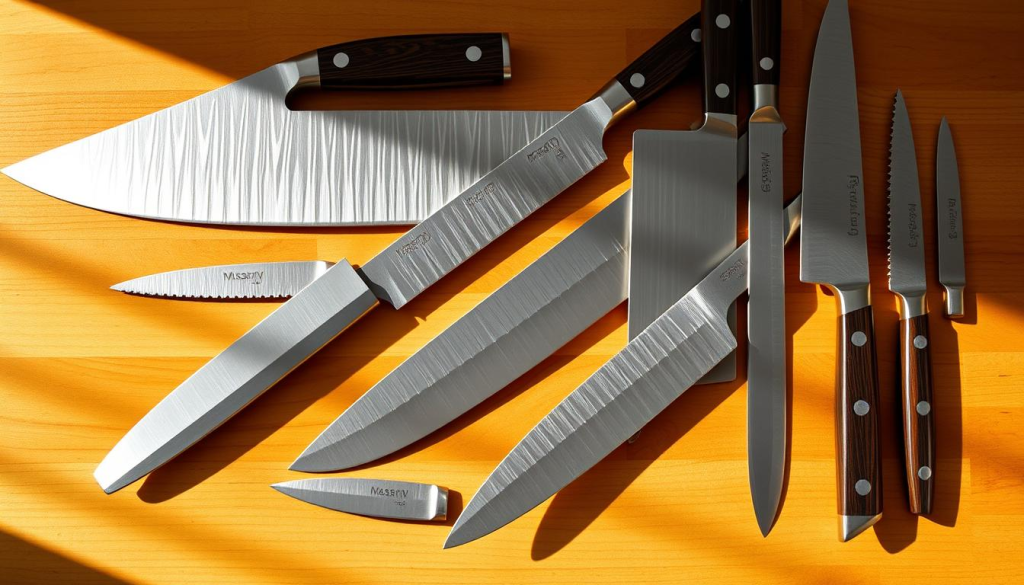
chef knife gift

Handle Comfort and Grip

The comfort and grip of the handle are vital for the user’s experience. A well-designed handle can reduce fatigue and improve control. Materials like wood, plastic, or metal are commonly used, each with its own advantages. For instance, a wooden handle can provide a warm, comfortable grip, while a metal handle can offer durability and a premium feel.

Size and Weight Preferences

The size and weight of the knife are also important considerations. A larger knife may be more versatile, but it can be cumbersome for smaller hands. Conversely, a smaller knife may be easier to handle but limited in its applications. The weight of the knife affects its balance and usability; a well-balanced knife feels comfortable in the hand and reduces fatigue during extended use.

When choosing a custom chef knife gift or a chef knife gift set, considering these factors can help ensure that the gift is both practical and appreciated. Whether it’s for a professional chef or a home cook, the right knife can make a significant difference in their cooking experience.

Recommended Chef Knife Brands

Gifting a chef knife from a renowned brand can elevate the recipient’s cooking experience, thanks to their precision and reliability. Several brands have established themselves as leaders in the culinary world, offering high-quality knives that make excellent gifts.

Precision German Engineering: Wüsthof

Wüsthof is a name synonymous with quality and durability. Their chef knives are crafted with precision German engineering, ensuring a sharp edge that lasts. Wüsthof knives are known for their high-carbon stainless steel, which resists corrosion and retains its sharpness.

Affordable and Reliable: Victorinox

Victorinox is another brand that stands out for its commitment to quality and affordability. Their chef knives are designed to be both functional and durable, making them an excellent choice for home cooks and professionals alike. Victorinox knives feature ergonomic handles designed for comfort and control.

Japanese Craftsmanship at Its Best: Shun

Shun is celebrated for its exquisite Japanese craftsmanship, creating knives that are as beautiful as they are functional. Shun chef knives are known for their sharpness and precision, with blades made from high-quality steel. The brand’s attention to detail is evident in every aspect of their knives, from the balance to the edge retention.

When choosing a chef knife as a gift, it’s essential to consider the brand’s reputation and the quality of their products. The following table compares the key features of Wüsthof, Victorinox, and Shun:

Brand Blade Material Handle Type Edge Type
Wüsthof High-carbon stainless steel Ergonomic synthetic Straight edge
Victorinox High-carbon stainless steel Ergonomic polypropylene Straight edge
Shun High-carbon steel with Damascus pattern Ergonomic Pakkawood Straight edge

Each of these brands offers something unique, making them suitable for different preferences and cooking styles. Whether you’re looking for the best chef knife gift or a unique chef knife gift, these brands are sure to impress. For those seeking a top chef knife gift, considering the recipient’s cooking habits and preferences will help in making the perfect choice.

Unique Features to Look For

When searching for the perfect chef knife gift, several unique features can elevate the recipient’s cooking experience. A thoughtful gift can make a significant difference in their kitchen, and certain characteristics can enhance both functionality and aesthetic appeal.

chef knife gift

Damascus Steel Patterns

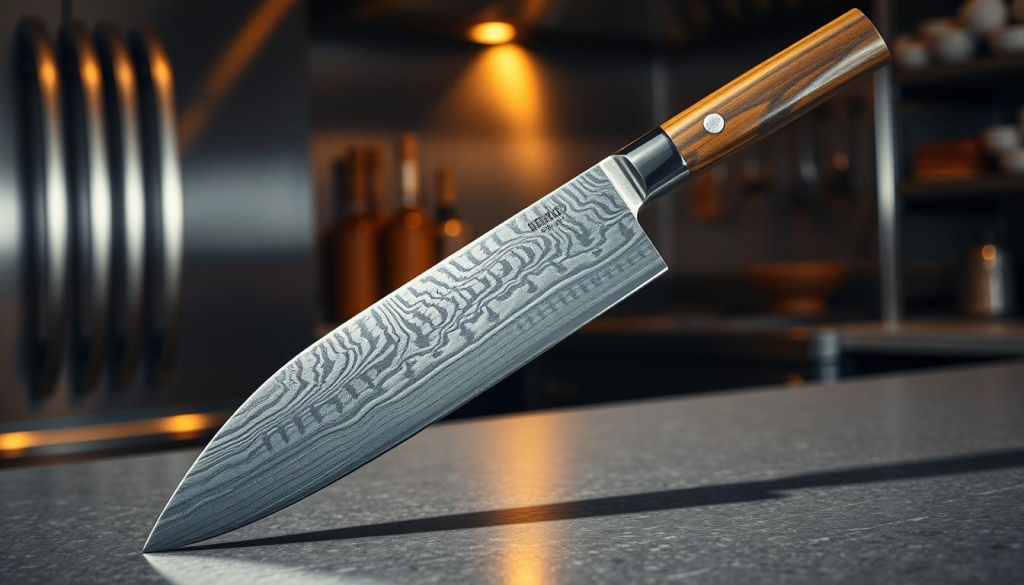
One of the standout features of high-quality chef knives is the Damascus steel pattern. According to Shokunin USA, “Damascus steel patterns are not only visually appealing but also indicative of the knife’s quality.” This distinctive pattern is a result of the layering and folding of steel, creating a unique visual effect that is both beautiful and a testament to the knife’s craftsmanship.

Full Tang vs. Partial Tang

The construction of the knife is another critical factor. A full tang knife, where the blade extends to the end of the handle, offers greater durability and balance compared to a partial tang. This feature is essential for those who plan to use the knife extensively, as it provides a more substantial feel and better performance.

Ergonomic Handles

Ergonomic handles are designed to provide comfort and reduce fatigue during prolonged use. A well-designed handle can make a significant difference in the overall usability of the knife, allowing for more precise control and less strain on the hand. When choosing a personalized chef knife gift, considering the recipient’s comfort is crucial.

In conclusion, when selecting a custom chef knife gift, it’s essential to consider these unique features. By focusing on the details that matter, you can find a knife that not only performs exceptionally but also becomes a cherished possession in the recipient’s kitchen.

Chef Knife Gift Sets: Are They Worth It?

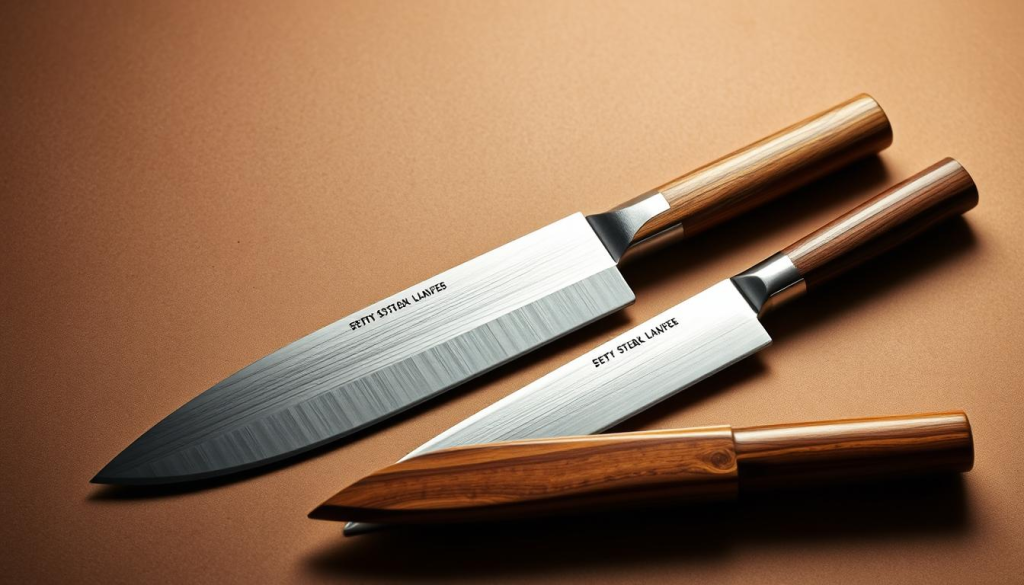
A chef knife gift set is more than just a collection of knives; it’s an opportunity to enhance any cooking experience. According to Shokunin USA, “a beautifully crafted knife represents artistry, utility, and durability,” making a gift set a thoughtful present for any culinary enthusiast.

Complete Kitchen Solutions

One of the primary advantages of a chef knife gift set is that it provides a complete kitchen solution. These sets typically include a variety of knives, each designed for specific tasks, ensuring that the recipient has everything they need to prepare and cook meals with ease.

For instance, a typical gift set might include a chef’s knife, a paring knife, a serrated utility knife, and sometimes even a sharpening stone or a knife block. This comprehensive approach to gifting knives makes it an attractive option for those looking to equip their kitchen or upgrade their existing tools.

Ideal for Beginners

For beginners, a chef knife gift set is an excellent introduction to the world of cooking. It provides the essential tools needed to start cooking with confidence. The variety of knives included in the set helps beginners understand the different types of knives and their uses, making it easier for them to develop their cooking skills.

Options for Experienced Chefs

Even experienced chefs can benefit from a chef knife gift set. For them, it might be about expanding their collection with high-quality, matching knives that enhance their cooking experience. The uniformity in design and quality can also make a significant difference in their kitchen workflow.

Key Features to Consider

  • Quality of the Knives: Look for sets made from high-carbon stainless steel or other durable materials.
  • Variety of Knives: Ensure the set includes a variety of knives that can handle different kitchen tasks.
  • Storage and Organization: Consider sets that come with a storage block or case to keep the knives organized and within reach.
Knife Type Material Edge Type
Chef’s Knife High-Carbon Stainless Steel Straight Edge
Paring Knife High-Carbon Stainless Steel Straight Edge
Serrated Utility Knife Stainless Steel Serrated Edge

In conclusion, a chef knife gift set is a versatile and thoughtful gift that can cater to both beginners and experienced chefs. Whether you’re looking for a practical gift or a luxurious addition to their kitchen, a chef knife gift set is a great choice.

Personalizing Your Chef Knife Gift

To make your chef knife gift truly unforgettable, consider adding a personal element. Personalization not only enhances the gift’s value but also makes it more meaningful to the recipient.

Engraving Options

One way to personalize your chef knife gift is through engraving. Shokunin USA offers engraving options that allow you to add a special message or the recipient’s name to the knife. This adds a touch of elegance and makes the gift more unique.

Customized Knife Cases

A customized knife case is another way to make your gift stand out. It provides a professional and stylish way to present the knife, protecting it and adding to the overall gifting experience. Customized cases can be tailored to fit the specific knife, ensuring a perfect fit.

Gift Wrapping Ideas

Thoughtful gift wrapping can elevate the gifting experience. Consider using a combination of decorative elements such as ribbons, gift boxes, and personalized cards to create a memorable presentation. Here are some ideas:

  • Use a luxurious gift box that complements the knife’s style.
  • Add a personalized card with a message or the recipient’s name.
  • Incorporate a ribbon or bow that matches the occasion’s theme.

For a more detailed and comparative look at gift wrapping options, consider the following table:

Gift Wrapping Element Description Occasion
Luxurious Gift Box High-quality box that complements the knife Weddings, Anniversaries
Personalized Card Card with a special message or recipient’s name Birthdays, Graduations
Themed Ribbon Ribbon that matches the occasion’s theme Housewarming, Holidays

By incorporating these personal touches, you can make your custom chef knife gift even more special and meaningful to the recipient.

The Importance of Maintenance and Care

A chef knife is a significant investment, and its longevity depends on proper maintenance and care. To keep it in optimal condition, it’s essential to understand the basics of maintenance.

Proper Sharpening Techniques

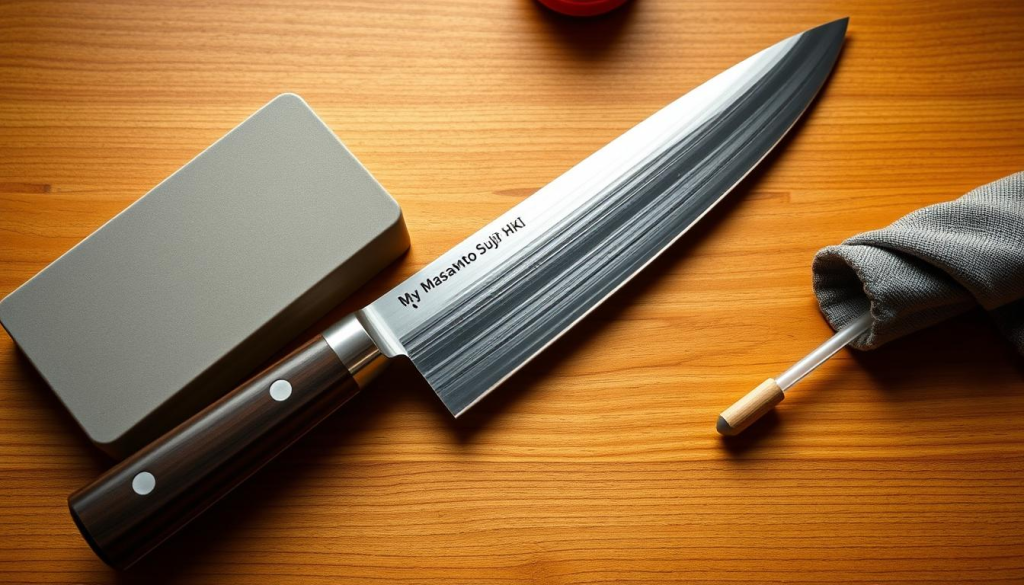
Sharpening is a critical aspect of maintaining your chef knife. A dull knife is not only less effective but also more dangerous, as it requires more force and can lead to accidents. To sharpen your knife, you can use a whetstone or a sharpening steel. The whetstone is ideal for repairing and reshaping the edge, while the sharpening steel is used for daily maintenance to keep the edge aligned.

Step-by-Step Sharpening Guide:

  • Choose the right sharpening tool (whetstone or sharpening steel).
  • Position the knife at the correct angle (usually around 20 degrees).
  • Draw the knife across the sharpening surface smoothly and evenly.
  • Repeat on the other side to maintain evenness.

Storage Solutions

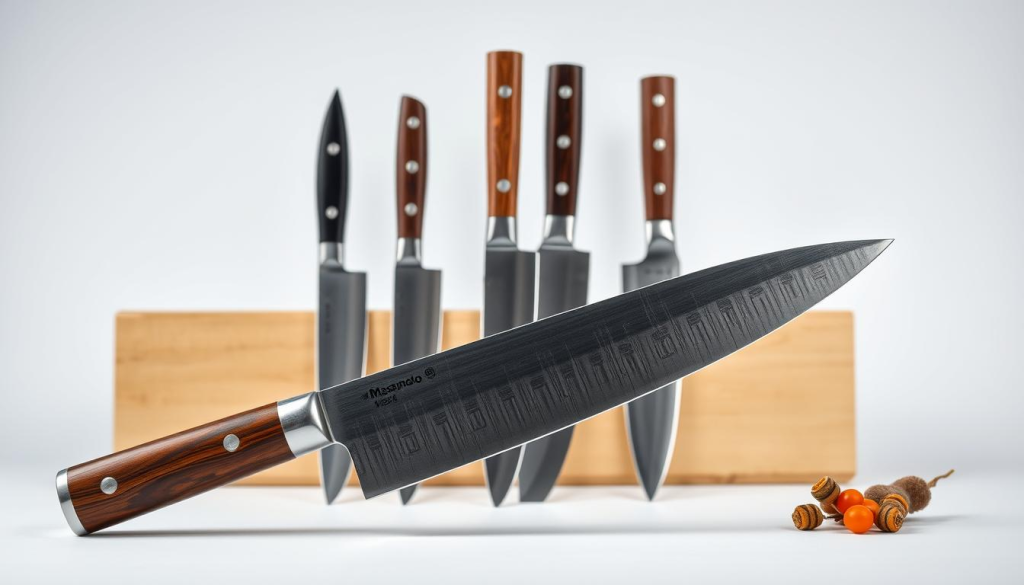
Proper storage is vital for maintaining the condition of your chef knife and ensuring safety in the kitchen. There are several storage options available, including knife blocks, magnetic strips, and drawer organizers.

Knife Block: A traditional and popular choice, knife blocks keep knives organized and within reach.

Magnetic Strip: Ideal for saving counter space, magnetic strips can be mounted on walls or under cabinets.

Storage Option Advantages Disadvantages
Knife Block Keeps knives organized, easy to access Takes up counter space, can be bulky
Magnetic Strip Saves counter space, visually appealing Limited capacity, requires installation
Drawer Organizer Protects knives from damage, keeps drawers tidy Requires drawer space, can be difficult to clean

Regular Cleaning Practices

Cleaning your chef knife regularly is crucial to prevent rust and maintain its performance. After each use, wash the knife with mild soap and dry it thoroughly. Avoid using abrasive cleaners or putting your knife in the dishwasher, as these can damage the blade and handle.

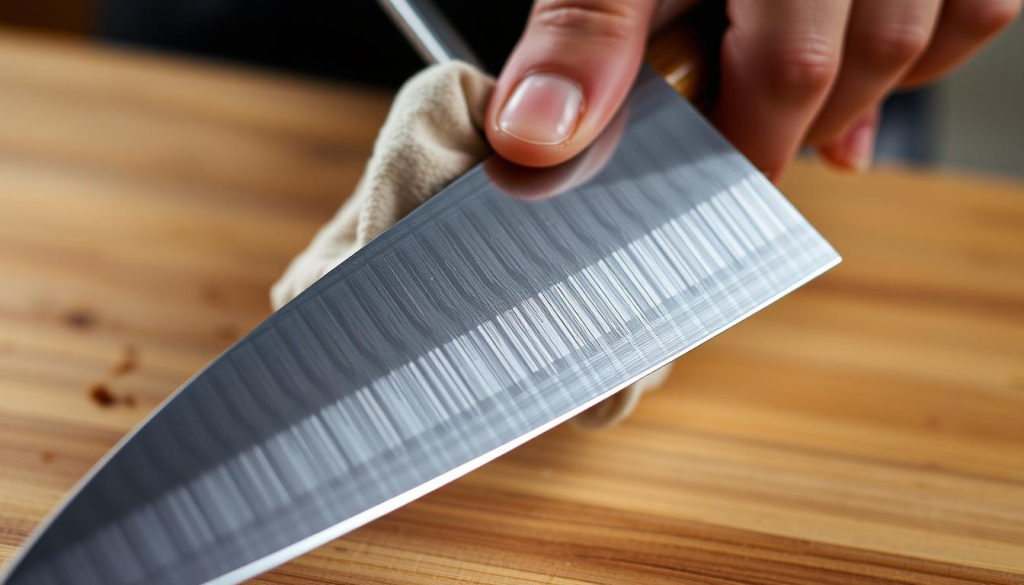
chef knife maintenance

By following these maintenance and care tips, you can ensure that your chef knife gift remains a valuable and reliable tool in the kitchen for years to come.

Great Occasions for Gifting a Chef Knife

A chef knife is more than just a kitchen tool; it’s a meaningful gift for any cooking enthusiast. For centuries, knives have been cherished gifts, often symbolizing a bond between the giver and receiver. This tradition continues today, with a high-quality chef knife being a unique chef knife gift that can be treasured for years to come.

unique chef knife gift

Weddings and Anniversaries

Weddings and anniversaries are significant milestones where gifting a chef knife can be particularly meaningful. It symbolizes the couple’s culinary journey together, representing their shared experiences and love for cooking. A personalized chef knife gift with engravings can make it even more special, serving as a constant reminder of their bond.

Housewarming Parties

Housewarming parties are another great opportunity to gift a chef knife. Helping new homeowners establish their kitchen with a high-quality chef knife is a thoughtful gesture. It’s a practical gift that they can use for years to come, and it adds a personal touch to their new home.

Culinary School Graduations

Celebrating a culinary school graduate with a professional-grade chef knife is a wonderful way to acknowledge their new career. It’s a gift that shows support for their profession and passion for cooking. For a chef knife gift for her, consider a knife with an ergonomic handle that fits comfortably in her hand, making it both a practical and thoughtful gift.

Gifting a chef knife is not just about giving a kitchen tool; it’s about sharing a piece of culinary culture and tradition. Whether it’s for a wedding, housewarming, or graduation, a chef knife is a gift that will be appreciated and used.

Budget-Friendly Chef Knife Gift Options

Finding the perfect chef knife gift doesn’t have to break the bank, thanks to a variety of budget-friendly options. Whether you’re shopping for a beginner or a seasoned chef, there’s a chef knife out there that’s both affordable and of high quality.

Affordable Knives Under $50

For those on a tight budget, quality knives under $50 are an excellent starting point. Brands like Victorinox offer reliable and sharp knives that are perfect for home cooks. These knives may not have all the bells and whistles of their more expensive counterparts, but they get the job done.

Mid-Range Options for Enthusiasts

For enthusiasts looking to upgrade their kitchen arsenal, mid-range chef knives offer a balance between quality and affordability. Brands like Wüsthof provide precision-engineered knives that are both durable and effective. These knives are ideal for those who cook regularly and are looking for a step up from entry-level options.

Luxury Knives for Serious Chefs

For serious chefs, luxury knives are a worthwhile investment. Brands like Shun are renowned for their exceptional craftsmanship and performance. While these knives come with a higher price tag, they offer unparalleled sharpness and durability, making them a valuable addition to any professional kitchen.

When choosing a best chef knife gift, consider the recipient’s cooking level and preferences. Whether you opt for an affordable entry-level knife or a luxury model, the right chef knife can elevate their cooking experience. For a more personalized touch, consider a custom chef knife gift, which can be engraved or customized to suit the recipient’s style.

Where to Buy Chef Knives as Gifts

Finding the perfect chef knife gift can be a challenge, but knowing where to look makes all the difference. Whether you’re shopping online or in-store, there are several options to consider when looking for a top chef knife gift.

Shopping Online for Convenience

Online retailers like Shokunin USA offer a wide selection of high-quality knives, making it easy to find a unique chef knife gift. Shopping online provides the convenience of browsing from home and having your gift shipped directly to you or the recipient.

Visiting Local Kitchen Stores

Local kitchen stores provide a hands-on experience, allowing you to see and feel the knives before purchasing. The staff at these stores often have extensive knowledge, helping you make an informed decision when selecting a chef knife gift.

Exploring Specialty Shops

Specialty shops are ideal for unique finds, often carrying exclusive brands and high-end knives that make exceptional gifts. These stores cater to culinary enthusiasts and professionals, offering a curated selection of top chef knife gifts.

By considering these options, you can find the perfect chef knife gift that suits your budget and the recipient’s preferences, making it a thoughtful and memorable present.

FAQ

What makes a chef knife a great gift?

A chef knife is a versatile tool that is essential in every kitchen, making it a thoughtful gift for cooking enthusiasts. Its versatility in the kitchen makes it perfect for a wide range of tasks, from chopping vegetables to slicing meat.

What factors should I consider when choosing a chef knife gift?

When choosing a chef knife as a gift, consider the blade material and design, handle comfort and grip, and size and weight preferences of the recipient to ensure you select the right one.

What are some top brands for chef knives?

Wüsthof, Victorinox, and Shun are renowned brands that offer high-quality chef knives, making them great gift options. Wüsthof is known for its precision German engineering, Victorinox for its affordability and reliability, and Shun for its Japanese craftsmanship.

What unique features should I look for in a chef knife?

Look for Damascus steel patterns, full tang or partial tang construction, and ergonomic handles, as these features can enhance the recipient’s experience and provide a high-quality knife.

Are chef knife gift sets a good idea?

Yes, chef knife gift sets are an excellent option for those looking to provide a comprehensive kitchen solution. They are ideal for beginners and experienced chefs alike, offering a range of essential knives to get started or expand their collection.

Can I personalize a chef knife gift?

Yes, consider personalizing a chef knife gift by engraving the recipient’s name or a meaningful message, using customized knife cases, or thoughtful gift wrapping ideas to make it extra special.

How do I maintain and care for a chef knife?

To ensure the longevity of a chef knife, teach the recipient proper sharpening techniques, storage solutions such as a knife block or magnetic strip, and regular cleaning practices to prevent rust and maintain the knife’s performance.

What occasions are suitable for gifting a chef knife?

A chef knife makes a thoughtful gift for various occasions, including weddings and anniversaries, housewarming parties, and culinary school graduations, symbolizing the recipient’s culinary journey or new career.

Are there budget-friendly chef knife gift options?

Yes, there are options available across various price points, including quality knives under , mid-range choices for enthusiasts, and luxury knives for serious chefs, making it easy to find a suitable gift within your budget.

Where can I buy chef knives as gifts?

You can buy chef knives as gifts from online retailers for convenience, local kitchen stores for a hands-on experience, or specialty shops for unique finds, allowing you to choose the perfect gift for the cooking enthusiast in your life.

What is the best way to present a chef knife gift?

Consider presenting a chef knife gift in a customized knife case or with thoughtful gift wrapping ideas to elevate the gifting experience and make it a memorable occasion.

Find the Perfect Chef Knife Blade Angle for Effortless Slicing


Every home cook knows that a sharp and well-maintained chef’s knife is the backbone of a great kitchen. It’s not just about cutting ingredients; it’s about creating culinary masterpieces with precision and ease.

The blade angle of a chef’s knife plays a crucial role in its performance. A well-crafted blade angle ensures effortless slicing, making a significant difference in cooking experiences. Understanding the importance of this angle is key to unlocking the full potential of your knife.

Key Takeaways

  • The right blade angle is crucial for effortless slicing and precision.
  • A well-maintained chef’s knife elevates cooking experiences.
  • The optimal blade angle enhances the durability of the knife.
  • Understanding blade angle importance improves cooking techniques.
  • A sharp knife with the perfect blade angle is a kitchen essential.

Understanding the Importance of Blade Angle

For chefs and cooking enthusiasts, grasping the concept of blade angle is vital for achieving optimal slicing results. The blade angle, which is the angle between the blade and the sharpening stone, significantly influences a knife’s sharpness and durability.

What is Blade Angle?

The blade angle refers to the angle at which the blade is sharpened relative to the sharpening stone. A steeper angle results in a sharper edge, but it is also more prone to chipping and dulling. Conversely, a more obtuse angle produces a duller edge that is more durable.

How Blade Angle Affects Performance

The performance of a knife is directly related to its blade angle. For instance, Japanese knives, which typically have a more acute angle (around 10-15 degrees per side), are renowned for their sharpness and are ideal for precise cutting tasks. In contrast, Western knives, with a wider angle (around 20-25 degrees per side), are more durable and better suited for heavy-duty chopping.

The Role of Knife Geometry

Knife geometry, including the blade angle, plays a crucial role in determining the overall performance of a knife. The geometry affects how the knife interacts with the material being cut, influencing both the cutting efficiency and the longevity of the edge.

Knife Type Typical Blade Angle (per side) Characteristics
Japanese Knives 10-15 degrees Sharp, precise, prone to chipping
Western Knives 20-25 degrees Durable, less sharp, suitable for heavy-duty tasks

Understanding the importance of blade angle and knife geometry can help chefs and cooks choose the right knife for their needs and maintain their knives effectively.

Common Blade Angles Explained

The precision of a chef knife is largely dependent on its blade angle. The blade angle, which is the angle between the blade’s bevel and the knife’s centerline, significantly affects a knife’s performance and usability.

Japanese Knives vs. Western Knives

One of the primary distinctions in blade angles is between Japanese and Western-style knives. Japanese knives typically have a more acute angle, ranging from 10 to 15 degrees, which allows for sharper cuts and is ideal for delicate ingredients. In contrast, Western-style knives usually have a wider angle, between 15 to 20 degrees, making them more durable and suitable for heavier tasks.

chef knife blade angle comparison

Popular Blade Angles for Chef Knives

Different blade angles are suited for various tasks. For instance, a blade angle of 20 degrees is common among brands like Wusthof, Zwilling, and Dalstrong, offering a balance between sharpness and durability. For more precise cutting, a narrower angle may be preferred, while a wider angle can provide additional strength.

Knife Type Blade Angle (degrees) Characteristics
Japanese Chef Knife 10-15 Sharp, precise, ideal for delicate cuts
Western Chef Knife 15-20 Durable, versatile, suitable for heavy-duty tasks
Specialty Knife Varies Designed for specific tasks, such as filleting or chopping

Specialty Knives and Their Angles

Specialty knives, designed for specific tasks like filleting or chopping, often have unique blade angles tailored to their intended use. For example, a fillet knife may have a very acute angle for smooth, precise cuts through fish.

Understanding the ideal blade angle for your chef knife can significantly enhance your cutting experience. Whether you’re preparing delicate dishes or chopping through tougher ingredients, the right blade angle can make all the difference.

Factors Affecting Your Choice of Blade Angle

The choice of blade angle is not a one-size-fits-all decision; it depends on several key factors that influence the performance and durability of your chef knife. Understanding these factors is crucial for making an informed decision that suits your cooking needs.

Type of Food Preparation

The type of food you prepare most often plays a significant role in determining the ideal blade angle. For instance, if you’re frequently cutting through tough or hard foods, a slightly higher angle might be preferable for added durability. On the other hand, if your work involves delicate slicing, a lower angle can provide the sharpness needed for precise cuts.

  • Dense foods: Higher angles (around 20-22 degrees) for durability.
  • Delicate foods: Lower angles (around 15-17 degrees) for sharpness.

Personal Cutting Style

Your personal cutting style is another critical factor. If you’re someone who applies a lot of pressure while cutting, you’ll benefit from a more durable edge, which means a slightly higher blade angle. Conversely, if you use a light touch, you can opt for a sharper edge with a lower angle.

It’s also worth considering your comfort level with sharpening and maintaining your knife. A more acute angle may require more frequent sharpening, which could be a factor in your decision.

Knife Material and Design

The material and design of your knife also influence the optimal blade angle. For example, knives made from harder materials can maintain a sharper edge at a lower angle, while softer materials might require a slightly higher angle to prevent excessive wear.

When choosing a blade angle, it’s essential to consider the interplay between these factors. By understanding how the type of food preparation, your personal cutting style, and the knife’s material and design interact, you can make a more informed decision that enhances your cooking experience.

How to Measure Blade Angle Accurately

The blade angle of a chef knife is a critical factor that determines its slicing efficiency. Measuring this angle accurately is essential for optimal performance and longevity of the knife.

Tools for Measuring Knife Angles

To measure the blade angle accurately, you will need the right tools. A digital angle measurer or a protractor can be used for this purpose. These tools provide a precise measurement of the angle between the blade and the sharpening stone.

Another useful tool is a Sharpie. By coloring the bevel of the blade with a Sharpie and then sharpening it, you can visually identify the correct angle as the Sharpie marks are worn off during the sharpening process.

chef knife blade angle measurement

Step-by-Step Measurement Process

Here’s a step-by-step guide to measuring the blade angle:

  1. Place the knife on a flat surface.
  2. Position the digital angle measurer or protractor against the blade.
  3. Take note of the angle reading.
  4. Repeat the process on the other side of the blade to ensure symmetry.

Tips for Ensuring Precision

To ensure precision when measuring the blade angle, follow these tips:

  • Use a high-quality digital angle measurer for accurate readings.
  • Ensure the knife is clean and dry before measurement.
  • Take multiple readings to confirm consistency.
Tool Description Precision Level
Digital Angle Measurer Electronic tool for precise angle measurement High
Protractor Manual tool for measuring angles Medium
Sharpie Visual aid for identifying sharpening angle Low

The Impact of Blade Angle on Sharpness

Achieving the perfect cut starts with understanding how the blade angle impacts the sharpness of your knife. The sharpness of a knife is not just about how it feels when cutting, but it’s also about the angle that makes it effective.

How Angle Influences Edge Retention

The angle of a knife’s blade directly affects its edge retention. A lower blade angle (below 20 degrees) provides extraordinary sharpness, making it ideal for delicate tasks such as slicing vegetables or filleting fish. However, this comes with a trade-off: lower durability. On the other hand, a higher angle (above 25 degrees) results in a more durable edge but may compromise on sharpness.

For most kitchen tasks, a 20-degree sharpening angle is considered a great starting point. This angle offers a balance between sharpness and durability, making it suitable for a variety of cutting tasks.

https://www.youtube.com/watch?v=wFs1HDl9AQk

Balancing Sharpness and Durability

Finding the right balance between sharpness and durability is crucial for a chef knife. While a sharper knife is more effective, it’s also more prone to damage. The key is to identify the optimal angle that meets your specific needs.

For instance, if you’re primarily involved in fine dining or precision cutting, a lower angle might be more suitable. Conversely, if you’re handling tougher ingredients or using your knife for chopping, a slightly higher angle could be more beneficial.

Maintaining the Optimal Angle

Maintaining the optimal blade angle is essential for ensuring the longevity and performance of your knife. Regular sharpening and proper storage are critical practices. It’s also important to understand the type of steel used in your knife, as this can affect how well it holds its edge.

  • Regularly sharpen your knife to maintain the optimal angle.
  • Store your knife properly to prevent damage.
  • Consider the type of steel used in your knife when determining maintenance needs.

Adjusting Your Knife’s Blade Angle

To get the most out of your chef knife, understanding how to adjust its blade angle is essential. The blade angle is a critical factor that influences the knife’s performance, sharpness, and durability. Adjusting this angle can help tailor the knife to your specific needs, whether you’re a professional chef or a home cook.

When to Change the Angle

Knowing when to adjust your knife’s blade angle is crucial. If you find that your knife is not performing as well as it used to, or if you’ve changed your cutting style, it might be time to reprofile the edge. Additionally, if you’re switching between different types of cuisine that require specific cutting techniques, adjusting the blade angle can be beneficial.

Signs that your knife needs an angle adjustment include:

  • Difficulty in slicing through certain materials
  • Increased effort required for cutting
  • Visible wear or damage on the blade edge

Techniques for Reprofiling Edges

Reprofiling the edge of your knife involves changing the angle at which the blade is sharpened. This can be done using various sharpening tools, such as whetstones or sharpening steels. The key is to maintain consistency in the angle to achieve a sharp, even edge.

A simple technique for reprofiling involves:

  1. Selecting the appropriate sharpening tool
  2. Setting the desired angle
  3. Sharpening the blade with smooth, consistent strokes

Professional vs. At-Home Adjustments

While some chefs prefer to have their knives adjusted by professionals, others are comfortable doing it themselves at home. Professional sharpening services can provide precise adjustments and are particularly useful for high-end or specialty knives.

Adjustment Type Pros Cons
Professional High precision, expertise Cost, reliance on service
At-Home Convenience, cost-effective Requires skill, potential for error

If you’re happy with your knife’s performance before it needed sharpening, matching the existing angle is a great option. Experiment by slightly raising or lowering the angle until you discover the perfect fit for your needs.

optimal blade angle for chef knife

Choosing the Right Chef Knife for Your Needs

Finding the perfect chef knife involves more than just aesthetics; it’s about understanding the blade angle for kitchen knives and how it impacts your cooking experience. The blade angle is a critical factor that determines the knife’s performance, sharpness, and durability.

Factors to Consider When Selecting a Knife

When choosing a chef knife, several factors come into play. The type of cuisine you prepare most often, your personal cutting style, and the knife’s material and design all influence your decision. For instance, if you primarily prepare Japanese cuisine, a knife with a more acute blade angle might be preferable.

The importance of blade angle in chef knives cannot be overstated. A knife with the appropriate blade angle will make chopping, slicing, and dicing easier and more efficient. For example, a chef knife with a 15-degree edge angle per side is ideal for delicate tasks, while a 20-degree angle is more durable for heavy-duty chopping.

chef knife blade angle

Comparisons of Different Knife Brands

Different knife brands offer varying blade angles and geometries. For example, Misen knives combine a 15-degree edge angle with AUS10 high-carbon steel, providing both sharpness and durability. Understanding these differences is key to selecting the right knife for your needs.

Brand Blade Angle Material Best For
Misen 15 degrees AUS10 high-carbon steel Precision cutting
Wüsthof 20 degrees High-carbon stainless steel Heavy-duty chopping
Shun 16 degrees High-carbon steel Delicate slicing

Recommendations Based on Cooking Style

If you’re a home cook who values versatility, a knife with a balanced blade angle (around 18-20 degrees) would be suitable. For professional chefs or those who specialize in specific cuisines, a knife tailored to those needs might be more appropriate.

Understanding chef knife blade geometry is essential for making an informed decision. Whether you’re chopping vegetables, slicing meat, or mincing herbs, the right blade angle enhances your performance and reduces fatigue.

Maintaining Your Knife’s Ideal Blade Angle

A well-maintained blade angle is key to ensuring your knife remains sharp and efficient. The chef knife blade angle plays a significant role in the overall performance of the knife, affecting both its sharpness and durability.

To maintain the ideal blade angle, it’s essential to understand the proper techniques for sharpening and caring for your knife. A sharp knife is not only more effective but also safer to use, as it requires less force and is less likely to slip.

Sharpening Techniques for Different Angles

Different blade angles require specific sharpening techniques. For instance, a 20-degree blade angle is common for many Western knives, while a 15-degree angle is typical for Japanese knives. Both angles require careful sharpening to maintain their effectiveness.

When sharpening, it’s crucial to maintain the original blade angle to ensure optimal performance. Using a sharpening stone or whetstone can help achieve the correct angle. For a best blade angle for slicing, maintaining a consistent angle is key.

Best Practices for Knife Care

Caring for your knife involves more than just sharpening. It’s also about storing it properly, cleaning it after use, and avoiding cutting on hard surfaces. These practices help maintain the ideal blade angle for cutting ingredients and extend the life of your knife.

  • Store your knife in a dry place, away from other utensils that could damage it.
  • Clean your knife immediately after use to prevent residue from hardening on the blade.
  • Avoid cutting on hard surfaces like stone or metal, as this can damage the edge.

Common Mistakes to Avoid

One common mistake is using the wrong sharpening technique, which can alter the blade angle and affect the knife’s performance. Another mistake is not sharpening regularly, leading to a dull knife that requires more force to cut, increasing the risk of accidents.

By avoiding these mistakes and following best practices, you can maintain your knife’s ideal blade angle and ensure it remains a valuable tool in your kitchen.

Conclusion: Finding Your Perfect Blade Angle

Understanding the optimal blade angle for your chef knife is crucial for effortless slicing and precise cutting. By grasping the importance of blade angle in chef knives, you can significantly enhance your cooking experience.

Key Takeaways

The type of food preparation, personal cutting style, and knife material are critical factors in determining the ideal blade angle. Measuring and adjusting the blade angle accurately is vital for achieving the desired sharpness and durability.

Experimenting with Your Blade Angle

To find the perfect blade angle, it’s essential to experiment and personalize it according to your needs. Learning how to choose the right blade angle can make a significant difference in your cooking.

Enhancing Your Cooking Experience

Using the right blade angle can elevate your cooking to a new level. With a properly angled knife, you’ll be able to slice, dice, and chop with precision, making cooking more enjoyable and efficient.

FAQ

What is the ideal blade angle for a chef knife?

The ideal blade angle for a chef knife depends on the type of cooking and personal preference. Generally, a blade angle between 20-25 degrees is considered optimal for most kitchen tasks, offering a balance between sharpness and durability.

How does the blade angle affect the sharpness of a knife?

The blade angle significantly affects the sharpness of a knife. A more acute angle (e.g., 15-20 degrees) results in a sharper edge, while a more obtuse angle (e.g., 25-30 degrees) provides greater durability but may be less sharp.

What is the difference between Japanese and Western-style knife blade angles?

Japanese knives typically have a more acute blade angle (around 10-15 degrees per side) for precision cutting, while Western-style knives often have a more obtuse angle (around 20-25 degrees per side) for added durability.

How do I measure the blade angle of my chef knife?

To measure the blade angle, you can use a protractor or angle gauge. Place the gauge on the bevel of the blade and read the angle. For more precise measurements, consider using a digital angle gauge or consulting a professional.

Can I adjust the blade angle of my knife at home?

Yes, you can adjust the blade angle of your knife at home using sharpening stones or a whetstone. However, achieving the optimal angle requires practice and patience. For complex adjustments or reprofiling, consider consulting a professional.

How often should I sharpen my knife to maintain the ideal blade angle?

The frequency of sharpening depends on usage. As a general rule, sharpen your knife every 1-3 months or when you notice a decrease in performance. Regular honing can help maintain the edge between sharpenings.

What are the best sharpening techniques for maintaining the optimal blade angle?

To maintain the optimal blade angle, use a sharpening stone or whetstone with a consistent angle guide. Start with a coarse grit and progress to finer grits for polishing. Always sharpen away from your body and maintain a consistent angle.

How does the type of food preparation influence the choice of blade angle?

The type of food preparation significantly influences the choice of blade angle. For example, a more acute angle is ideal for delicate tasks like filleting fish, while a more obtuse angle is better suited for chopping tough ingredients.

What are the benefits of using a chef knife with the optimal blade angle?

Using a chef knife with the optimal blade angle provides several benefits, including improved cutting performance, reduced fatigue, and enhanced overall cooking experience.

How do I choose the right chef knife for my cooking style?

To choose the right chef knife, consider your cooking style, the type of ingredients you typically work with, and your personal preference for blade angle and material. Research different knife brands and read reviews to find the best fit for your needs.

Chef Knife 7: The Essential Tool for Culinary Pros


A great Chef’s Knife is literally the most essential tool for any cook. Working side by side with pro culinary experts, we designed this ultimate tool to expertly take on any task.

Its importance cannot be overstated, as it is used in nearly every meal preparation task. A high-quality kitchen tool can elevate a cook’s skills, making meal preparation more efficient and enjoyable.

Key Takeaways

What Makes a Chef Knife7 Essential for Every Kitchen?

The chef knife7 is more than just a cutting tool; it’s an extension of the chef’s hand, providing precision and control. Whether you’re an advanced home cook or a novice, the chef’s knife is arguably the most important tool in your kitchen.

A high quality chef knife7 is considered essential due to its versatility in performing various culinary tasks. From chopping and slicing to mincing, a chef knife7 simplifies meal preparation.

Versatility for Various Culinary Tasks

A chef knife7 is designed to handle a multitude of tasks, making it a versatile tool in the kitchen. Its broad blade and curved edge allow for smooth, efficient cutting, whether you’re slicing through meat or chopping vegetables.

  • Slicing: Thinly slice ingredients for salads or sauces.
  • Chopping: Chop herbs, vegetables, or nuts with ease.
  • Mincing: Mince garlic or ginger for added flavor.

Perfect Balance for Comfort

The balance of a chef knife7 is crucial for comfort during extended use. A well-balanced knife reduces fatigue, allowing chefs to work for longer periods without strain.

A good chef knife7 should feel like an extension of your hand, providing a comfortable grip and balanced weight.

Feature Importance Benefit
Balance High Reduces fatigue
Sharpness High Efficient cutting
Ergonomic Handle Medium Comfortable grip

Ideal Blade Length for Precision

The ideal blade length for a chef knife7 is typically around 8 inches, providing precision for detailed work. This length is long enough to handle larger ingredients but short enough to maintain control.

When selecting a best chef knife7, it’s crucial to consider these factors to ensure you find a knife that meets your cooking needs. By focusing on versatility, balance, and blade length, you can enhance your culinary experience.

Understanding the Anatomy of a Chef Knife7

Understanding the components of a chef knife7 is essential for any culinary professional or enthusiast. The effectiveness of such a knife lies in its detailed anatomy, which includes the blade material, handle design, and the construction of the tang.

Blade Material and Its Importance

The type of steel used in a chef knife7 can significantly impact its performance. High-carbon steel and stainless steel are common materials used, each offering unique benefits. High-carbon steel is known for its sharpness and durability, while stainless steel resists corrosion.

Material Sharpness Durability Corrosion Resistance
High-Carbon Steel Excellent High Low
Stainless Steel Good High Excellent

As noted by culinary experts, “The choice of blade material can make or break the performance of a chef knife7.”

“A good knife is like a good friend; it becomes an extension of yourself in the kitchen.”

Chef Thomas Keller

Handle Design and Grip

The handle of a top-rated chef knife7 is crucial for comfort and control. Materials such as wood, plastic, and metal are used, each offering different advantages. A well-designed handle can reduce fatigue during prolonged use.

The grip should be ergonomic, allowing for a firm hold without causing discomfort. Different handle designs cater to various preferences, ensuring that there’s a chef knife7 suitable for every user.

Full Tang vs. Partial Tang

The tang refers to the part of the blade that extends into the handle. A full tang runs through the entire handle, providing balance and strength, while a partial tang is shorter, potentially affecting the knife’s overall durability.

  • Full Tang: Offers superior balance and strength.
  • Partial Tang: May be lighter but can be less durable.

When choosing a chef knife7, understanding the difference between full and partial tang is crucial for assessing the knife’s quality and longevity.

Chef Knife7 vs. Other Knives: A Comparison

In the world of culinary arts, the chef knife7 is often considered the backbone of kitchen operations, but how does it compare to other specialized knives? Understanding these differences is key to selecting the right tool for the job.

Paring Knife and Its Limitations

A paring knife is designed for precision tasks that require control and delicacy, such as peeling fruits and vegetables or trimming fat from meat. However, its small size limits its versatility compared to the chef knife7, which can handle a broader range of kitchen duties with ease.

Santoku Knife Characteristics

The santoku knife, with its straight edge, is particularly adept at chopping vegetables and meat with a push-pull motion. While it excels in certain tasks, the chef knife7 offers more flexibility with its curved blade, allowing for both rocking and slicing motions.

Here’s a comparison of the chef knife7 and santoku knife:

Feature Chef Knife7 Santoku Knife
Blade Edge Curved Straight
Primary Use Versatile tasks Chopping, slicing
Motion Style Rocking, slicing Push-pull

Bread Knife: When to Use

A bread knife is specifically designed for cutting through bread and pastries without crushing them, thanks to its long, serrated blade. While the chef knife7 can be used for some bread-cutting tasks, a bread knife is the better choice for larger loaves and delicate pastries.

chef knife7 comparison

When deciding between a chef knife7 and other types of knives, consider the specific tasks you’ll be performing most often. For those who value versatility and are looking for a chef knife7 for sale, this knife is an excellent investment.

Choosing the Right Chef Knife7 for Your Needs

The right chef knife7 can elevate your cooking experience, but it requires identifying your specific needs. Whether you’re a professional chef or a home cook, the perfect knife is one that feels like an extension of your hand, making every cut effortless and precise.

Budget Considerations

When it comes to selecting a professional chef knife7, budget is a crucial factor. High-quality knives can range from affordable to very expensive. It’s essential to set a budget and stick to it while considering the value for money.

A good starting point is to consider what you’re willing to spend for a knife that will be a workhorse in your kitchen. For most home cooks, a mid-range knife offers the best balance between quality and affordability.

Professional vs. Home Use

The intended use of your chef knife7 significantly influences your choice. Professionals require a knife that can withstand heavy use and maintain its edge over time. For home cooks, ease of maintenance and versatility might be more important.

Feature Professional Use Home Use
Durability High carbon stainless steel for durability High-quality stainless steel for ease of maintenance
Edge Retention Sharp edge that retains well over time Sharp edge with easy sharpening options
Balance Perfectly balanced for heavy chopping Balanced for comfortable handling

Brand Reputation Matters

The reputation of the brand is a critical factor when choosing a chef knife7. Brands like Wüsthof, Shun, and Global are renowned for their quality and craftsmanship. These brands often provide better performance and longevity, making them a worthwhile investment.

When selecting a brand, consider the materials used, the craftsmanship, and the warranty or customer service offered. A reputable brand will stand behind its products, ensuring customer satisfaction.

How to Properly Care for Your Chef Knife7

To keep your chef knife7 in top condition, regular care is not just recommended, it’s essential. Proper maintenance not only extends the life of your knife but also ensures it remains safe and effective to use.

Cleaning and Maintenance Tips

Cleaning your chef knife7 after each use is vital. Wash it with soap and water, and dry it thoroughly to prevent rust. It’s also important to avoid putting your knife in the dishwasher, as the high heat and harsh detergents can damage the blade and handle. Always cut on appropriate surfaces like wood, plastic, or rubber to prevent dulling the blade.

Daily Cleaning Routine:

  • Wash with mild soap and warm water
  • Dry immediately with a towel
  • Store in a dry place

Sharpening Techniques for Longevity

Sharpening your chef knife7 regularly is crucial for maintaining its edge. There are several sharpening techniques, including using a whetstone, sharpening steel, or electric sharpener. The key is to find a method that works for you and to sharpen your knife regularly.

Sharpening Methods:

Method Description Skill Level
Whetstone Manual sharpening with a stone Advanced
Sharpening Steel Hones the edge of the blade Intermediate
Electric Sharpener Automated sharpening Beginner

Safe Storage Options

Storing your chef knife7 safely is as important as its maintenance. Using a knife block or a magnetic strip can keep your knife out of reach of children and prevent accidents. It also protects the blade from damage.

chef knife7 storage options

By following these care and maintenance tips, you can ensure your chef knife7 remains in excellent condition, providing you with years of reliable service. Whether you’re a professional chef or a home cook, a well-maintained knife is an indispensable tool in the kitchen.

Chef Knife7: The Best Brands to Consider

When it comes to selecting a high-quality chef knife7, the brand can make all the difference. Several renowned brands have established themselves as leaders in the culinary world, offering a range of styles and features that cater to different needs and preferences.

Among the top brands, Wüsthof stands out for its German tradition of producing durable and sharp knives. Wüsthof knives are known for their high-carbon steel blades and ergonomic handles, making them a favorite among professional chefs.

Wüsthof: A German Tradition

Wüsthof’s commitment to quality is evident in their meticulous manufacturing process. Their knives are designed to withstand the rigors of a professional kitchen, with features like full tang construction and precision sharpening.

Shun: Japanese Craftsmanship

Shun is another brand that is highly regarded for its exceptional craftsmanship. Originating from Japan, Shun knives are known for their beautiful designs and razor-sharp edges. The brand’s attention to detail and use of high-quality materials make their knives a joy to use.

Global: A Blend of Beauty and Functionality

Global knives are praised for their unique design and balanced feel. With their distinctive shape and high-quality stainless steel, Global knives offer both beauty and functionality, making them a popular choice among chefs and home cooks alike.

When comparing these brands, it’s essential to consider factors like blade material, handle design, and overall craftsmanship. By doing so, you can find the perfect chef knife7 that suits your cooking style and preferences.

Essential Techniques for Using Your Chef Knife7

To get the most out of your affordable chef knife7, it’s essential to learn the right techniques. Mastering these skills will not only improve your cooking efficiency but also enhance your overall kitchen safety.

Proper Cutting Techniques for Efficiency

Proper cutting techniques are fundamental to using your chef knife7 effectively. This involves understanding how to hold the knife correctly, positioning your fingers for safety, and making precise cuts. By adopting these techniques, you’ll be able to chop, slice, and dice ingredients with ease and precision.

affordable chef knife7 cutting techniques

Dicing, Chopping, and Slicing Explained

Dicing, chopping, and slicing are essential skills for any chef. Dicing involves cutting ingredients into small, uniform cubes, while chopping requires cutting into smaller, irregular pieces. Slicing involves cutting ingredients into thin, uniform pieces. Understanding the differences between these techniques and practicing them will make you more efficient in the kitchen.

  • Dicing: Cutting ingredients into small, uniform cubes.
  • Chopping: Cutting ingredients into smaller, irregular pieces.
  • Slicing: Cutting ingredients into thin, uniform pieces.

Safety Tips While Using a Chef Knife

Safety is paramount when using a chef knife7. To avoid accidents, always keep your fingers curled under and out of the blade’s path. Use a gentle, rocking motion when cutting, and ensure your cutting board is stable. Regularly sharpening your knife will also help maintain its effectiveness and safety.

By following these safety tips and practicing proper cutting techniques, you’ll be able to use your affordable chef knife7 with confidence and precision.

Chef Knife7 in Professional Culinary Arts

For culinary professionals, the chef knife7 is more than just a tool; it’s an extension of their skill and creativity. In the fast-paced environment of a professional kitchen, having the right knife can make all the difference in performance and efficiency.

Importance in Culinary Schools

Culinary schools emphasize the importance of mastering the chef knife7. Students are taught various techniques, from basic chopping to intricate slicing, all of which rely on the proper use of this essential tool. The chef knife7 is not just a knife; it’s a fundamental part of a chef’s education.

Usage in Restaurant Kitchens

In restaurant kitchens, the chef knife7 is used daily for a variety of tasks. Its versatility allows chefs to perform tasks ranging from chopping vegetables to slicing meat with precision. The durability of a high-quality chef knife7 ensures that it remains a reliable companion even in the most demanding kitchen environments.

chef knife7 in professional kitchen

Testimonials from Professional Chefs

Many professional chefs praise the best chef knife7 for its balance, sharpness, and overall performance. Here are a few testimonials:

  • “The chef knife7 has revolutionized my prep work. It’s incredibly sharp and makes chopping a breeze.” – Chef Emily
  • “I’ve tried several knives, but the best chef knife7 stands out for its durability and comfort.” – Chef David
  • “The precision I get from my chef knife7 is unmatched. It’s an indispensable tool in my kitchen.” – Chef Sarah

The chef knife7 is clearly a vital component of professional culinary arts, valued for its performance, versatility, and the confidence it inspires in chefs. Whether in culinary schools or restaurant kitchens, the chef knife7 remains an essential tool for any serious culinary professional.

Common Mistakes to Avoid with Chef Knives

Using a chef knife7 efficiently requires avoiding several common pitfalls. A high-quality chef knife7 is a valuable asset in the kitchen, but its effectiveness can be compromised by misuse, neglect, and improper care.

Misusing the Blade

One of the most common mistakes is misusing the blade. Cutting through bones, hard surfaces, or using the knife as a pry or a scraper can damage the edge and potentially harm the user. A top-rated chef knife7 is designed for precision cutting, not for tasks that can strain or break the blade.

To avoid misusing your chef knife7:

  • Use the correct knife for the task at hand.
  • Avoid cutting through hard or frozen foods.
  • Keep the knife sharp to prevent applying excessive force.

Neglecting Maintenance

Neglecting maintenance, such as not sharpening or cleaning the knife properly, can lead to a decrease in performance. Regular sharpening maintains the knife’s edge, while proper cleaning prevents the buildup of bacteria and food residue.

“A well-maintained knife is not just more effective, it’s also safer. A dull knife requires more force, increasing the risk of accidents.”

Maintenance Tips:

  1. Sharpen your knife regularly using a whetstone or sharpening steel.
  2. Clean the knife immediately after use with mild soap and dry thoroughly.
  3. Store the knife in a dry place, away from children and pets.

Improper Storage Practices

Improper storage can lead to accidents and damage to the knife. Leaving a chef knife7 loose in a drawer or exposing it to extreme temperatures can be harmful.

Storage Method Safety Knife Protection
Knife Block High High
Magnetic Strip Medium High
Drawer Storage Low Medium

By avoiding these common mistakes, you can extend the life of your high-quality chef knife7 and ensure it remains a reliable tool in your kitchen.

The Future of Chef Knives: Innovations and Trends

The chef knife industry is witnessing a significant shift towards sustainability and customization. As culinary professionals and home cooks alike demand more from their kitchen tools, manufacturers are responding with innovative designs and materials.

New Materials and Technology

Advancements in materials science are leading to the development of chef knives that are not only more durable but also more efficient. For instance, some manufacturers are now using advanced steel alloys that retain sharpness longer and are more resistant to corrosion. Additionally, the integration of technology, such as ergonomic handle designs and precision sharpening systems, is enhancing the overall performance of chef knives.

Key Features of Modern Chef Knives:

  • High-carbon stainless steel for durability
  • Ergonomic handle designs for comfort
  • Precision sharpening for optimal performance

Eco-Friendly Options in the Market

As consumers become more environmentally conscious, the demand for eco-friendly chef knives is on the rise. Manufacturers are responding by using sustainable materials, such as recycled steel and eco-friendly packaging. These eco-friendly options not only appeal to environmentally aware consumers but also contribute to a more sustainable kitchen.

Eco-Friendly Feature Description Benefit
Recycled Steel Made from recycled materials Reduces waste and conserves resources
Eco-Friendly Packaging Minimal or biodegradable packaging Reduces environmental impact
Sustainable Handle Materials Handles made from sustainable sources Supports eco-friendly forestry practices

The Rise of Custom Knives

Customization is becoming a significant trend in the chef knife market. Professional chefs and serious home cooks are seeking knives that are tailored to their specific needs and preferences. Custom knives offer the opportunity for personalized design, materials, and craftsmanship, making each knife a unique tool for its user.

For those looking to invest in a high-quality, professional chef knife7, considering these trends can help in making an informed decision. Whether you’re a professional chef or an avid home cook, the right chef knife7 for sale can elevate your culinary experience.

Conclusion: Investing in a Chef Knife7

Investing in a high-quality chef knife7 is a decision that can significantly impact your cooking experience. A good chef knife7 can make a substantial difference in your culinary endeavors, whether you’re a professional chef or an avid home cook.

Quality and Performance

A high-quality chef knife7 offers superior performance, durability, and comfort. When reviewing various chef knife7 options, consider factors such as blade material, handle design, and overall craftsmanship. A well-crafted chef knife7 can provide years of reliable service, making it a worthwhile investment.

Making an Informed Choice

To make the right choice, compare different chef knife7 models, considering your budget and specific needs. Look for affordable chef knife7 options that don’t compromise on quality. Brands like Wüsthof and Shun offer excellent chef knives that are worth considering.

Final Considerations

In conclusion, a chef knife7 is an essential tool for any kitchen. By choosing a high-quality chef knife7 and properly caring for it, you can enhance your cooking experience and enjoy the benefits of a superior kitchen tool. Whether you’re looking for a chef knife7 review or comparing different models, investing in the right knife can make all the difference.

FAQ

What is the ideal blade length for a chef knife7?

The ideal blade length for a chef knife7 is typically around 8 inches, providing precision for detailed work.

What materials are commonly used for the blade of a chef knife7?

High-carbon steel and stainless steel are commonly used for the blade of a chef knife7, affecting the knife’s sharpness and durability.

How do I choose the right chef knife7 for my needs?

To choose the right chef knife7, consider factors such as budget, intended use, and brand reputation to ensure you find a knife that meets your cooking needs.

What is the difference between a full tang and a partial tang in a chef knife7?

A full tang extends through the entire handle, providing better balance and longevity, while a partial tang is shorter and may not offer the same level of durability.

How often should I sharpen my chef knife7?

Regular sharpening is crucial to maintain the performance of your chef knife7; the frequency depends on usage, but it’s generally recommended to sharpen it regularly to keep it in good condition.

What are some reputable brands for high-quality chef knife7?

Wüsthof, Shun, and Global are reputable brands known for their high-quality chef knives, offering durability, sharpness, and craftsmanship.

How should I store my chef knife7 to maintain its quality?

Store your chef knife7 in a block or on a magnetic strip to protect both the knife and the user, and to prevent accidents and damage.

Can I use my chef knife7 to cut through bones or hard surfaces?

No, misusing the blade by cutting through bones or hard surfaces can damage the knife; it’s essential to use the chef knife7 for its intended purposes.

What are some essential techniques to master when using a chef knife7?

Mastering proper cutting techniques, such as dicing, chopping, and slicing, can enhance your cooking experience and improve efficiency, while following safety tips can prevent injuries.

Are there eco-friendly options available for chef knife7?

Yes, eco-friendly options are gaining popularity, offering a more environmentally conscious choice for consumers.

What is the significance of a chef knife7 in professional culinary arts?

The chef knife7 is a fundamental tool in professional culinary arts, taught in culinary schools and used daily in restaurant kitchens, highlighting its importance in the profession.

Protect Your Chef Knives with This Knife Box


Storing your high-quality chef’s knives properly is crucial to maintaining their sharpness and longevity. According to Seido Knives, proper storage is essential to preserve the quality of your knives.

A professional chef accessory like a chef knife box not only safeguards your knives but also keeps them organized and within easy reach. By investing in a high-quality knife case, you can ensure your knives remain in excellent condition.

Key Takeaways

1. Why You Need a Knife Box for Your Chef Knives

For serious chefs, a knife box is an indispensable tool that safeguards their knives and enhances kitchen safety. A good knife box provides a secure environment for storing chef knives, protecting them from damage and maintaining their sharpness.

The Importance of Knife Protection

Knife protection is crucial for maintaining the quality and longevity of your chef knives. A durable knife holder or knife box ensures that your knives are not exposed to unnecessary wear and tear. This not only saves you money by reducing the need for frequent replacements but also ensures that your knives remain sharp and ready for use.

How a Knife Box Enhances Kitchen Safety

A knife box enhances kitchen safety by providing a secure and organized way to store sharp knives. This reduces the risk of accidents, as the knives are not left loose on countertops or in drawers where they can cause injury. A best knife storage solution like a knife box keeps your kitchen organized and safe.

Storage Option Protection Level Safety Features
Knife Box High Secure, individual slots for each knife
Knife Block Medium Visible blades, risk of accidental cuts
Magnetic Strip Low Knives can fall off, sharp edges exposed

In conclusion, a knife box is a vital accessory for any serious chef, offering protection for your valuable knives and enhancing kitchen safety. By choosing the right knife box, you can ensure your knives remain in excellent condition.

2. Choosing the Right Chef Knife Box

The right chef knife box can elevate your kitchen experience by keeping your knives organized and within reach. With various materials and designs available, as seen in Global Cutlery USA’s range of knife bags for Japanese knives, selecting the perfect box requires consideration of several factors.

chef knives storage box

Materials to Consider

When it comes to materials, a multipurpose knife box can be made from wood, plastic, or fabric. Each material has its advantages:

  • Wooden knife boxes offer a classic, premium feel and can complement traditional kitchen decor.
  • Plastic boxes are durable, easy to clean, and often more affordable.
  • Fabric knife rolls are portable, lightweight, and ideal for chefs on the go.

Your choice of material should reflect your kitchen’s style, your personal preferences, and the level of protection you wish to afford your knives.

Size and Capacity Factors

Assessing the size and capacity of your sleek knife organizer is crucial. Consider how many knives you need to store and their sizes. A good knife box should:

  1. Accommodate your entire knife collection.
  2. Keep knives organized and easily accessible.
  3. Not be too bulky for your kitchen counter or drawer.

By balancing these factors, you can find a chef knives storage box that meets your needs and enhances your kitchen’s functionality.

3. Popular Brands for Knife Storage

Among professional chefs, certain brands are renowned for their excellent knife storage options. A high-quality knife case is not just a matter of personal preference but also a critical aspect of maintaining the longevity and performance of your knives.

“A good knife storage solution is as important as the knife itself,” says a professional chef, highlighting the significance of proper storage. Brands like Wüsthof, Shun, and Global have established themselves as leaders in the market, offering products that are both functional and aesthetically pleasing.

Wüsthof Knife Boxes

Wüsthof is a name synonymous with quality in the culinary world. Their knife boxes are designed to provide a safe and secure storage solution, protecting both the blades and the user. Made from high-quality materials, Wüsthof knife boxes are durable and long-lasting.

Shun Knife Storage Solutions

Shun is another brand that chefs trust for their knife storage needs. Known for their precision and craftsmanship, Shun knife storage solutions are designed to complement their high-end knives. These storage solutions are not only functional but also add an element of elegance to any kitchen.

“The art of knife making is not just about the knife itself, but also about how it is stored and presented.”

Global Knife Holders

Global knives are celebrated for their innovative design and exceptional quality. Their knife holders are designed to be both practical and stylish, offering a bespoke storage solution that fits seamlessly into any kitchen decor. Global knife holders are made from materials that are easy to clean and maintain, ensuring that your knives remain in pristine condition.

Seido Knives and Global Cutlery USA are also notable sources for high-quality knife storage solutions, offering a range of products that cater to different needs and preferences. When choosing a knife storage solution, it’s essential to consider factors such as material, size, and design to ensure that your knives are properly protected.

4. Features to Look for in a Knife Box

Selecting the ideal knife box involves considering several important features that contribute to both the longevity of your knives and the aesthetic appeal of your kitchen. A good knife box should not only protect your blades but also complement your kitchen decor.

Blade Protection and Safety

One of the primary functions of a knife box is to protect the blades from damage. According to Seido Knives, using knife sheaths for individual knife protection is highly recommended. A durable knife holder ensures that your knives remain in good condition. When choosing a knife box, look for features such as:

  • Individual slots or compartments to prevent knives from coming into contact with each other
  • Soft interior lining, such as velvet or felt, to cushion the blades
  • Secure closure mechanisms to prevent the box from opening accidentally

These features not only protect your knives but also enhance kitchen safety by reducing the risk of accidents.

Design and Aesthetic Appeal

A top-rated knife display or storage solution can also be a stylish addition to your kitchen. Consider a sleek knife organizer that fits your kitchen’s style. The design of the knife box can range from modern and minimalist to traditional and ornate. Some key design elements to consider include:

  • Material: Wood, metal, or a combination of materials can be used, each offering a different aesthetic
  • Size: Ensure the box is large enough to hold all your essential knives
  • Visual appeal: A well-designed box can be a decorative piece in your kitchen

sleek knife organizer

By considering both the protective features and the aesthetic appeal, you can find a knife box that not only safeguards your knives but also enhances your kitchen’s ambiance.

5. How to Organize Your Chef Knife Box

To get the most out of your chef knife box, it’s essential to organize it properly, considering both accessibility and safety. A well-organized knife box not only protects your knives but also enhances your overall kitchen efficiency.

Arranging Knives for Easy Access

Arranging your knives in a way that allows for easy access is crucial. Consider using a multipurpose knife box or a knife roll bag, like those offered by Seido Knives, which can provide individual slots for each knife. This not only prevents the knives from coming into contact with each other, thereby reducing the risk of damage, but also makes it easier to find and retrieve the knife you need.

When arranging your knives, place the most frequently used ones in easy-to-reach positions. For instance, your chef’s knife and paring knife are likely used daily, so they should be readily accessible. Less frequently used knives, like specialized cleavers or boning knives, can be stored in slightly less accessible areas.

Tips for Maintenance

Maintaining your chef knives storage box is just as important as organizing it. Regularly clean the box to prevent the buildup of dust and moisture, which can damage your knives. For wooden knife boxes, occasional oiling can help maintain the wood’s health and appearance.

It’s also a good practice to periodically inspect your knives and the box for any signs of wear or damage. This can help you address any issues before they become major problems, ensuring your knives remain in good condition and your kitchen stays safe.

By following these tips, you can ensure that your chef knife box remains a valuable tool in your kitchen, providing both protection for your knives and efficiency in your workflow.

6. Budget-Friendly Options for Knife Storage

You don’t need to spend a fortune to protect your chef knives. There are numerous budget-friendly knife storage options available that can keep your knives safe and organized.

When looking for an affordable knife box, consider the material and construction. A durable knife holder made from high-quality materials can provide long-term protection for your knives.

Affordable Knife Boxes Under $50

Global Cutlery USA offers a range of knife bags at different price points, making it easier to find a budget-friendly knife storage solution. Here are some options to consider:

  • Knife bags made from durable nylon or leather
  • Compact knife rolls for easy storage
  • Knife cases with individual slots for protection

These options not only protect your knives but also provide a convenient way to store them.

Comparing Options for Value

When comparing different knife storage options, consider the following factors to determine the best value:

Feature Basic Knife Box Premium Knife Box
Material Synthetic Leather Genuine Leather
Price $20-$30 $40-$50
Protection Basic Padding Enhanced Padding

By comparing these features, you can find the best knife storage solution that fits your budget and meets your needs.

budget-friendly knife storage

In conclusion, finding a durable knife holder that is budget-friendly is achievable. By considering the options available and comparing their features, you can protect your chef knives without overspending.

7. Premium Knife Boxes for Serious Chefs

Premium knife boxes offer more than just storage; they provide protection and a touch of elegance to any kitchen. For serious chefs, investing in a high-quality knife case is not just about safeguarding their tools, but also about enhancing their kitchen experience.

Investing in High-End Brands

When it comes to premium knife storage, brands like Seido Knives stand out for their commitment to quality and craftsmanship. Their heavy-duty canvas and leather roll bags are designed to protect and showcase your knives, making them a valuable professional chef accessory. Investing in such high-end brands ensures that your knives are not only stored safely but also presented with style.

Some key features to look for in premium knife boxes include:

  • Durable materials that withstand the rigors of frequent use
  • Customizable interiors to fit your specific knife collection
  • Aesthetic appeal that complements your kitchen decor

premium knife box

Wrapping and Caring for Your Investment

Once you’ve invested in a premium knife box, it’s essential to know how to care for it. Regular cleaning and maintenance will extend the life of your knife box and keep your knives in pristine condition. For canvas or fabric rolls, a gentle wipe with a damp cloth is usually sufficient. Leather cases may require a specialized leather conditioner to maintain their suppleness and appearance.

Here’s a comparison of different premium knife box materials and their care requirements:

Material Care Instructions Durability
Leather Use a leather conditioner periodically High
Canvas Wipe with a damp cloth Medium
Wood Avoid moisture; polish with wood oil High

By choosing a premium knife box and caring for it properly, you not only protect your knives but also make a statement in your kitchen. Whether you’re a professional chef or a serious home cook, a high-quality knife case is an indispensable part of your culinary arsenal.

8. DIY Knife Box Ideas for Home Chefs

Home chefs can safeguard their chef knives by making a DIY knife storage box. This not only protects the blades but also adds a personal touch to the kitchen. Creating a chef knife box at home can be a fun and rewarding project.

Upcycling Household Materials

One of the most creative ways to make a homemade knife box is by upcycling household materials. Old wooden crates, plastic containers, or even cardboard boxes can be repurposed into a unique knife storage solution.

  • Old wooden crates can be disassembled and reassembled into a custom knife box.
  • Plastic containers can be cleaned and modified to fit your knives snugly.
  • Cardboard boxes can be reinforced with wood or fabric to create a sturdy storage box.

Basic Woodworking Techniques

For those with basic woodworking skills, creating a DIY knife storage box can be a straightforward project. Here are some simple techniques to get you started:

  1. Measure your knives to determine the size of the box.
  2. Cut wood according to your measurements, ensuring the pieces fit together snugly.
  3. Assemble the box using wood glue and nails, making sure it’s sturdy enough to protect your knives.

By following these steps, home chefs can create a functional and personalized chef knife box that not only protects their knives but also adds a touch of craftsmanship to their kitchen.

9. Frequently Asked Questions About Knife Boxes

For many home chefs and professionals, understanding the best practices for knife box maintenance is key. A well-maintained chef knife box not only prolongs the life of your knives but also ensures kitchen safety and efficiency.

How to Clean a Knife Box?

Cleaning your knife box regularly is crucial to prevent the buildup of bacteria and other contaminants. To clean it, start by emptying the box and wiping it down with a soft, dry cloth. For more thorough cleaning, a damp cloth with mild soap can be used, but ensure it’s dried thoroughly afterward to prevent moisture damage.

Can You Store Other Utensils in It?

While a chef knife box is designed specifically for storing knives, you can store other utensils in it if they are similar in size and type, and if the box is designed with enough space and dividers to keep them organized. However, it’s generally recommended to store knives separately to maintain their sharpness and prevent accidents.

Seido Knives emphasizes the importance of maintaining knife storage solutions, and this includes being mindful of what you store with your knives. By following these guidelines, you can ensure your knife storage remains in good condition and your kitchen stays organized.

10. The Environmental Impact of Knife Boxes

Sustainable kitchen practices are becoming increasingly important, and one often overlooked aspect is the environmental footprint of knife storage options. As consumers become more eco-conscious, the demand for sustainable products, including knife boxes, is on the rise.

Sustainable Materials and Practices

The production of knife boxes involves various materials, from wood and bamboo to plastic and recycled materials. Eco-friendly knife storage solutions are made from sustainable materials that have a lower environmental impact. For instance, bamboo is a highly renewable resource due to its fast growth rate, making it an excellent choice for knife boxes.

Manufacturers are also adopting sustainable practices, such as using recycled materials, minimizing waste, and reducing energy consumption during production. These practices not only contribute to a more sustainable product but also help in reducing kitchen waste by encouraging the reuse and recycling of materials.

Reducing Kitchen Waste with Proper Storage

Proper storage of knives in a dedicated knife box can significantly reduce kitchen waste. By protecting knives from damage, a knife box ensures that they remain in good condition for a longer period, reducing the need for frequent replacements. Moreover, a well-organized knife storage system helps in maintaining a clutter-free kitchen, making it easier to manage kitchen waste.

By choosing a sustainable knife box, consumers can contribute to reducing the environmental impact associated with knife storage. It’s a simple yet effective step towards a more sustainable kitchen practice.

11. Conclusion: Elevating Your Kitchen Experience with a Knife Box

A well-organized kitchen is the heart of every culinary enthusiast’s home. Protecting your chef knives with a dedicated chef knife box is a simple yet effective way to maintain kitchen safety and organization.

Key Takeaways

Throughout this article, we’ve explored the importance of a chef knife box for kitchen organization and the various options available. From choosing the right materials and size to considering premium brands like Wüsthof and Shun, we’ve covered the essential factors to help you make an informed decision.

Take the Next Step

Now that you’re equipped with the knowledge, it’s time to find your perfect chef knife box. Whether you’re a professional chef or a home cook, investing in a high-quality chef knives storage box will elevate your kitchen experience. Browse our recommended brands and styles to discover the ideal solution for your kitchen organization needs.

FAQ

How do I clean a knife box?

To clean a knife box, start by wiping it down with a damp cloth. For tougher stains, mix a solution of mild soap and warm water, and gently scrub the area. Avoid using harsh chemicals or abrasive cleaners that can damage the material. For fabric or wood knife boxes, consider using a gentle wood or fabric cleaner. Regular cleaning will help maintain the appearance and hygiene of your knife box.

Can I store other utensils in my knife box?

While it’s technically possible to store other utensils in a knife box, it’s generally not recommended. Knife boxes are designed to protect and store knives, and storing other utensils can cause damage to the knives or the box. Additionally, storing other utensils can lead to clutter and make it harder to find the knives you need. If you need to store other utensils, consider using a separate storage container or organizer.

What is the best material for a knife box?

The best material for a knife box depends on your personal preferences, kitchen style, and needs. Popular materials include wood, plastic, and fabric. Wood knife boxes offer a classic, elegant look, while plastic boxes are often more affordable and easy to clean. Fabric knife boxes provide a soft, protective storage solution. Consider factors like durability, maintenance, and aesthetics when choosing a material.

How do I choose the right size knife box?

To choose the right size knife box, consider the number and size of your knives. Measure your knives to determine the minimum size requirements for your box. You may also want to consider the space available in your kitchen and the style of your knife box. A larger knife box may be necessary if you have a large collection of knives or prefer to store other utensils with your knives.

Are there eco-friendly knife box options available?

Yes, there are eco-friendly knife box options available. Look for knife boxes made from sustainable materials, such as reclaimed wood, bamboo, or recycled materials. Some manufacturers also use eco-friendly production practices, such as minimizing waste and using environmentally friendly packaging. When shopping for a knife box, research the manufacturer’s environmental policies and choose a product that aligns with your values.

Can I make my own knife box?

Yes, you can make your own knife box using various materials and DIY techniques. Consider upcycling household materials, such as old wooden crates or fabric scraps, to create a unique and functional knife box. You can also use basic woodworking techniques to build a custom knife box. Online tutorials and DIY guides can provide helpful instructions and inspiration for your project.

Discover the Best Chef Knives Crafted in the USA


When it comes to cooking, having the right tools can make all the difference. For culinary enthusiasts and professional chefs alike, a high-quality chef knife is an essential asset. In the United States, several renowned brands are dedicated to crafting exceptional kitchen knives that combine precision, durability, and style.

American-made chef knives are celebrated for their outstanding quality and performance. Brands like Cutco, Kramer Knives, and Lamson have established themselves as leaders in the industry, offering a range of knives that cater to different needs and preferences. Whether you’re a seasoned chef or an avid home cook, investing in a top-notch knife from a reputable US manufacturer can elevate your cooking experience.

Key Takeaways

  • Top US brands for high-quality chef knives
  • Features to look for in American-made knives
  • Benefits of choosing domestic over international brands
  • Overview of different knife styles and materials
  • Tips for maintaining and caring for your chef knife

Why Choose American-Made Chef Knives?

The demand for American-made chef knives has surged, driven by their outstanding craftsmanship and the cultural influences that set them apart. When it comes to professional kitchen knives, the quality and performance are paramount.

The Benefits of Supporting Local Manufacturers

Supporting local manufacturers has several benefits, including contributing to the local economy and ensuring that the products are made with care and attention to detail. American brands are known for their commitment to quality, which is reflected in their top quality chef knives.

  • Boosts local economy
  • Ensures high-quality products
  • Promotes innovation and craftsmanship

Quality Craftsmanship to Expect

American-made chef knives are renowned for their exceptional craftsmanship. The manufacturers use high-grade materials and precise techniques to craft knives that are both durable and aesthetically pleasing. As noted by culinary experts, “A good knife is not just a tool, it’s an extension of the chef’s hand.”

“The craftsmanship that goes into making American chef knives is unparalleled, reflecting a tradition of excellence.”

How American Culture Influences Knife Design

American culture has a significant impact on the design of chef knives. The blend of traditional techniques with modern innovations results in unique designs that cater to a wide range of culinary needs. From the ergonomic handles to the balanced weight distribution, American-made chef knives are designed to provide comfort and efficiency in the kitchen.

In conclusion, choosing American-made chef knives means opting for top quality chef knives that are crafted with precision and care, influenced by the rich cultural heritage of America.

Top American Brands for Chef Knives

The best American chef knife brands combine heritage with modern techniques to deliver outstanding performance. These brands have gained recognition globally for their commitment to quality and innovation.

Wüsthof: A Blend of Tradition and Innovation

Wüsthof is a renowned German brand with a significant presence in the USA, known for its high-quality chef knives. With a history spanning over 200 years, Wüsthof combines traditional craftsmanship with modern technology.

Key Features: High-carbon stainless steel, precision forged, and a wide range of knife series.

Shun: Japanese Techniques Meet American Quality

Shun is a brand that brings together Japanese knife-making techniques with American quality standards. Their knives are celebrated for their sharpness and durability.

Key Features: Hand-sharpened edges, VG-MAX steel, and ergonomic handles.

Victorinox: Affordable Excellence for Home Cooks

Victorinox, known for its Swiss Army knives, also offers a range of chef knives that are both affordable and of high quality. Their knives are designed for home cooks and professionals alike.

Key Features: High-carbon stainless steel, ergonomic design, and a lifetime warranty.

American Chef Knife Brands

Brand Key Features Price Range
Wüsthof High-carbon stainless steel, precision forged $100-$500
Shun Hand-sharpened edges, VG-MAX steel $200-$600
Victorinox High-carbon stainless steel, ergonomic design $50-$200

Understanding Different Knife Styles

Understanding the different styles of chef knives is crucial for any chef looking to enhance their cooking experience. Various knife styles, such as chef’s knives, Santoku knives, and paring knives, serve different purposes in the kitchen.

The Classic Chef’s Knife: Versatile and Essential

The classic chef’s knife is a staple in every kitchen, known for its versatility and essential role in food preparation. Handmade chef knives of this style are particularly prized for their balance and edge retention. Whether chopping vegetables or slicing meat, the chef’s knife is an indispensable tool.

Santoku Knives: Perfect for Precision Cutting

Santoku knives, originating from Japan, are designed for precision cutting. They are typically lighter and have a straighter edge than chef’s knives, making them ideal for slicing, dicing, and mincing. Many chefs appreciate chef knife accessories like sharpening stones to maintain the sharpness of their Santoku knives.

Paring Knives: For Detailed Work and Garnishing

Paring knives are small, agile knives used for detailed work and garnishing. They are perfect for tasks that require precision, such as coring fruit or trimming vegetables. The compact size and sharp edge of paring knives make them a valuable addition to any kitchen.

In conclusion, the variety of knife styles available allows chefs to choose the right tool for their specific needs. Whether you’re a professional chef or a home cook, understanding the strengths of different knife styles can significantly enhance your cooking experience.

  • Chef’s knives for general cooking tasks
  • Santoku knives for precision cutting
  • Paring knives for detailed work

Investing in high-quality, handmade chef knives and appropriate chef knife accessories can make a significant difference in your culinary endeavors.

Materials Matter: Best Knife Materials in the USA

When it comes to chef knives, the material used is crucial for performance and durability. The best chef knives are made from materials that offer a balance between sharpness, strength, and resistance to corrosion.

The United States is home to a variety of high-quality knife materials, each with its unique benefits. Let’s explore some of the most popular materials used in American-made chef knives.

High Carbon Stainless Steel: Durability Meets Sharpening Ease

High carbon stainless steel is a popular choice for chef knives due to its excellent durability and resistance to corrosion. This material is made by combining high carbon content with stainless steel, resulting in a knife that is both strong and easy to sharpen.

  • Advantages: Resistant to rust, durable, and easy to sharpen.
  • Ideal for: Everyday cooking, as it withstands heavy use.

Damascus Steel: Beauty and Performance Combined

Damascus steel is renowned for its distinctive pattern and exceptional performance. It’s made by layering different types of steel to create a strong, sharp blade with a unique visual appeal.

The layered construction of Damascus steel not only adds to its aesthetic value but also enhances its durability and sharpness.

  • Advantages: Exceptional sharpness, beautiful patterns, and high durability.
  • Ideal for: Professional chefs and cooking enthusiasts who value both form and function.

Ceramic Blades: Lightweight and Rust-Free

Ceramic blades are made from advanced ceramic materials that offer a lightweight, rust-free alternative to traditional steel knives. They are known for their sharpness and ease of use.

If you’re looking for a low-maintenance option, ceramic blades are an excellent choice. They are particularly useful for tasks that require precision, such as slicing or mincing.

  • Advantages: Lightweight, rust-free, and extremely sharp.
  • Ideal for: Delicate tasks and for those who prefer a lighter knife.

When you’re ready to buy chef knives online, consider the material that best suits your cooking needs. Whether you prefer the durability of high carbon stainless steel, the beauty of Damascus steel, or the lightness of ceramic, there’s a perfect knife out there for you.

chef knife materials

How to Properly Care for Your Chef Knives

Maintaining your chef knives is not just about keeping them clean; it’s about preserving their edge and functionality. Proper care ensures that your knives continue to perform optimally, making cooking easier and more enjoyable.

Regular Sharpening for Optimal Performance

Regular sharpening is crucial for maintaining the effectiveness of your chef knives. A dull knife is not only frustrating to use but also dangerous, as it requires more force, increasing the risk of accidents. To keep your knives sharp, you can use a whetstone, sharpening steel, or electric sharpener. The key is to sharpen regularly, ideally every few months, depending on usage.

Tips for Sharpening:

  • Use a sharpening stone with a fine grit for a polished edge.
  • Maintain the correct angle, typically around 20 degrees for most chef knives.
  • Sharpen in a consistent motion, moving the knife from the heel to the tip.

Proper Cleaning Techniques to Extend Lifespan

Cleaning your chef knives properly is vital to prevent rust and maintain their appearance. Hand washing is recommended, as dishwashers can cause damage due to high heat and harsh detergents. After washing, dry your knives immediately to prevent water spots and rust.

Best Practices for Cleaning:

  1. Wash knives with mild soap and warm water.
  2. Avoid using abrasive sponges or scourers that can scratch the blade.
  3. Dry knives thoroughly and store them in a dry place.

Why a Good Cutting Board Matters

The type of cutting board you use can significantly impact the longevity of your chef knives. A good cutting board should be gentle on the knife’s edge, durable, and easy to clean. Wooden or bamboo cutting boards are recommended as they are less likely to dull your knives compared to hard plastic or stone surfaces.

Cutting Board Material Knife Friendliness Durability
Wood High Medium
Bamboo High High
Plastic Medium Low
Stone Low High

By following these care tips, you can ensure that your chef knives remain in excellent condition, providing you with years of reliable service. Proper care is an investment in your cooking experience, making every meal preparation a joy.

Chef Knives vs. General Kitchen Knives

Chef knives and general kitchen knives serve different purposes, and choosing the right one can elevate your cooking experience. While general kitchen knives are designed for a variety of tasks, chef knives are specialized tools crafted for precision and performance.

best chef knives

The Importance of Choosing the Right Tool

Selecting the appropriate knife for the task at hand is crucial for efficiency and safety in the kitchen. Chef knives are designed for heavy-duty tasks such as chopping, slicing, and mincing, making them indispensable for serious cooks.

In contrast, general kitchen knives are more versatile but may lack the precision and durability of a dedicated chef knife. Understanding the strengths and limitations of each type can help you make informed decisions for your kitchen.

When to Invest in a Quality Chef Knife

Investing in a high-quality chef knife is a decision that can significantly impact your cooking. If you find yourself cooking frequently, a good chef knife is essential. It’s not just about the brand; it’s about the material, balance, and edge retention.

Feature Chef Knives General Kitchen Knives
Material High carbon stainless steel, Damascus steel Stainless steel, various materials
Edge Retention Excellent, stays sharp longer Good, but may require frequent sharpening
Balance Designed for comfort and control Varied, may not be as balanced

Common Misconceptions About Chef Knives

One common misconception is that a chef knife can replace all other knives in the kitchen. While a chef knife is incredibly versatile, it is not a substitute for specialized knives like paring or serrated knives.

Another misconception is that the most expensive chef knife is always the best. While price can be an indicator of quality, it’s essential to consider your specific needs and preferences when choosing a chef knife.

Finding the Right Size and Weight for You

Selecting the ideal top quality chef knives is a personal journey that hinges on finding the perfect balance between size, weight, and comfort. The size and weight of a chef knife can significantly affect its usability and comfort during extended cooking sessions.

top quality chef knives

Balancing the Knife for Comfort and Control

A well-balanced knife is essential for precise cutting and maneuverability. It should feel like an extension of your hand, allowing for smooth, effortless movements. The balance point is typically just above the handle, where the blade and handle meet. A knife that is too heavy in the blade can be cumbersome, while one that’s too light might lack the necessary momentum for chopping.

“A good knife is like a good friend; it becomes an extension of yourself in the kitchen.”

How Hand Size Affects Knife Selection

Hand size plays a crucial role in selecting the right chef knife. A larger hand might prefer a larger knife for its comfort and control, while a smaller hand might find a smaller knife more manageable. It’s not just about the length of the blade; the circumference and shape of the handle are also vital for a comfortable grip.

  • A larger handle can provide more comfort for those with larger hands.
  • Smaller handles are preferable for those with smaller hands, offering better control.

Trying Before You Buy: Handling Knives in Store

Whenever possible, try handling top quality chef knives in store before making a purchase. This hands-on experience can reveal a lot about the knife’s balance, weight, and overall feel. Pay attention to how it sits in your hand, its weight distribution, and how it performs a few simple cutting tasks.

By considering these factors and taking the time to try out different knives, you can find the perfect top quality chef knives that meets your cooking needs and preferences.

Popular Features in Modern Chef Knives

Today’s chef knives are designed with the user in mind, featuring ergonomic handles and robust construction. The evolution of chef knives has led to the incorporation of various features that enhance their functionality and user experience.

Ergonomic Handles for Enhanced Grip

One of the key features in modern chef knives is the ergonomic handle. Ergonomic handles are designed to fit comfortably in the hand, reducing fatigue and improving control. According to chef reviews, a well-designed handle can make a significant difference in the overall performance of the knife. As noted by a professional chef, “A good handle is like an extension of your hand; it should feel natural and comfortable.”

“A good handle is like an extension of your hand; it should feel natural and comfortable.” – Professional Chef

Full Tang vs. Partial Tang: Understanding Stability

The construction of the knife is another critical aspect. Full tang knives, where the blade extends to the end of the handle, offer greater stability and durability compared to partial tang knives. This feature is particularly important for heavy-duty use, as it prevents the blade from separating from the handle.

Magnetic Sheaths and Storage Solutions

In addition to the knife itself, modern storage solutions have also seen significant improvements. Magnetic sheaths and in-drawer storage solutions keep knives organized and within reach, while also protecting the blades from damage. For instance, a magnetic strip on the wall or inside a cabinet can be a convenient way to store knives, keeping them visible and accessible.

  • Magnetic sheaths for safe storage
  • In-drawer storage solutions for organization
  • Wall-mounted magnetic strips for visibility and accessibility

When choosing a premium chef knife set or handmade chef knives, it’s essential to consider these features to ensure that you’re getting a high-quality product that meets your needs.

Price Points: How Much Should You Spend?

When it comes to buying chef knives online, understanding the different price points is crucial. Chef knives vary widely in price, depending on brand, materials, and craftsmanship. Determining how much to spend involves considering your cooking needs, the quality you’re looking for, and the brand reputation.

Entry-Level Knives for Home Chefs

For those just starting out or cooking at home, entry-level knives are a great starting point. Brands like Victorinox offer excellent quality at an affordable price. These knives are perfect for everyday tasks and can be found in the range of $20 to $100.

As noted by a culinary expert, “A good entry-level knife can make a significant difference in cooking experience.”

“The right knife can elevate your cooking, making it more enjoyable and efficient.”

Mid-Range Options That Offer Value

For those willing to invest a bit more, mid-range knives offer a balance between quality and price. Brands like Wüsthof and Shun are well-regarded in this category, offering knives that are both durable and precise. Prices for mid-range knives typically range from $100 to $300.

Brand Price Range Notable Features
Wüsthof $100-$300 High-carbon stainless steel, precision edge
Shun $150-$400 Damascus steel, ergonomic handles

Top-Tier Knives for Professional Use

Professional chefs or serious cooking enthusiasts may prefer top-tier knives, which offer the highest quality materials and craftsmanship. These knives are often handcrafted and can last for decades with proper care. Prices for top-tier knives can range from $500 to over $1,000.

“Investing in a high-quality knife is investing in your cooking future,” says a renowned chef. For those looking to buy chef knives online, it’s essential to research and read reviews to find the best brand and model that suits your needs.

Customer Reviews: Insights from Fellow Chefs

When searching for the best chef knives, it’s invaluable to consider the experiences of other chefs who have put these knives to the test. Customer reviews offer a wealth of information about the performance, durability, and overall value of various chef knives and chef knife accessories.

Real Experiences Inform Your Choice

By gathering insights from customer reviews, you can make a more informed decision about which chef knife is right for you. Reviews often highlight the strengths and weaknesses of a particular knife, giving you a clearer picture of what to expect.

Expert Opinions Matter

Expert recommendations from professional chefs and culinary experts can also play a significant role in guiding your choice. These professionals often have a deep understanding of what makes a great chef knife, and their endorsements can point you towards the best chef knives available.

By combining customer reviews and expert opinions, you can confidently select a high-quality chef knife that meets your needs and enhances your cooking experience.

FAQ

What are the benefits of choosing American-made chef knives?

Choosing American-made chef knives supports local manufacturers, ensures high-quality craftsmanship, and reflects American culture in knife design. Brands like Wüsthof and Shun offer a blend of tradition and innovation.

What are the different styles of chef knives available?

Different styles include the classic chef’s knife, Santoku knives, and paring knives. Each style has its unique uses and benefits, such as versatility, precision cutting, and detailed work.

What materials are used in making high-quality chef knives?

High-quality chef knives are made from materials like high carbon stainless steel, Damascus steel, and ceramic. These materials offer durability, sharpening ease, and rust resistance.

How do I properly care for my chef knives?

To care for your chef knives, regularly sharpen them, clean them properly, and use a good cutting board. This will extend their lifespan and maintain their performance.

What’s the difference between chef knives and general kitchen knives?

Chef knives are designed for specific tasks and offer better performance, balance, and durability. They are worth investing in for serious cooking, unlike general kitchen knives.

How do I choose the right size and weight for my chef knife?

To choose the right size and weight, consider factors like balance, hand size, and try out knives before purchasing. This ensures comfort and control while using the knife.

What features should I look for in modern chef knives?

Modern chef knives often feature ergonomic handles, full tang construction, and magnetic sheaths or storage solutions. These features enhance grip, stability, and convenience.

How much should I spend on a chef knife?

The price of a chef knife depends on factors like quality, brand, and materials. Entry-level options are available for home chefs, while mid-range and top-tier knives offer value and professional-grade quality.

Where can I buy high-quality chef knives online?

You can buy high-quality chef knives online from reputable retailers that specialize in kitchenware and cookware. Look for brands like Victorinox and Shun, and check customer reviews for insights.

How do customer reviews and expert opinions help in choosing a chef knife?

Customer reviews provide real experiences, while expert opinions offer professional recommendations. Both help inform your purchasing decision and ensure you choose a high-quality chef knife that meets your needs.

Discover the Best Chef Knives for Your Kitchen


A good chef knife is the backbone of any kitchen, making cooking tasks easier and more efficient. Whether you’re a professional chef or an avid home cook, having the right knife can make a significant difference in your cooking experience.

The right knife can help you chop, slice, and dice ingredients with precision, reducing preparation time and improving the overall quality of your dishes. With various types of knives available, choosing the best one for your kitchen can be overwhelming.

Key Takeaways

  • Understanding the importance of a good chef knife in the kitchen.
  • Exploring the different types of chef knives and their uses.
  • Learning how to choose the best chef knife for your cooking needs.
  • Discovering top-rated chef knives for optimal performance.
  • Tips for maintaining and caring for your chef knife.

Understanding the Importance of a Good Chef Knife

The importance of a high-quality chef knife cannot be overstated, as it directly impacts cooking efficiency and safety. A good chef knife is an indispensable tool for every home cook, serving as a versatile instrument for a variety of kitchen tasks.

Why a Chef Knife is Essential for Every Home Cook

A chef knife is essential for home cooks because it simplifies meal preparation, allowing for more efficient chopping, slicing, and mincing of ingredients. According to experts, a sharp chef knife is one of the most critical tools in the kitchen, as it not only enhances cooking performance but also reduces the risk of accidents. “A dull knife is more likely to cause injury than a sharp one,” as the old adage goes, emphasizing the importance of maintaining a sharp edge.

Moreover, a good chef knife provides the precision needed for various culinary tasks, from delicate filleting to chopping through tough vegetables. Its versatility makes it a fundamental component of any kitchen, regardless of the cook’s level of experience.

Key Features of a Quality Chef Knife

So, what makes a chef knife truly exceptional? Several key features define a high-quality chef knife, including its material, sharpness, and ergonomics. High-carbon stainless steel is often preferred for its durability and resistance to corrosion, making it a popular choice among professional chefs and home cooks alike.

  • Sharpness: A sharp knife is safer and more efficient, requiring less force to cut through ingredients.
  • Balance: The weight and balance of the knife are crucial for comfortable use over extended periods.
  • Ergonomics: A well-designed handle that fits comfortably in the hand can significantly reduce fatigue.

When selecting a chef knife, it’s essential to consider these factors to ensure you’re investing in a high-quality chef knife that meets your cooking needs. Brands like Wüsthof and Shun are renowned for their craftsmanship and attention to detail, offering a range of options for different preferences and budgets.

Types of Chef Knives and Their Uses

Understanding the different types of chef knives is crucial for selecting the right tool for your kitchen. Chef knives are not one-size-fits-all; they come in various styles, each designed for specific tasks and cooking techniques.

Traditional vs. Modern Designs

Traditional chef knives, such as those from Japan and Western Europe, have been crafted over centuries to meet the needs of local cuisines. Japanese knives, known for their sharpness and precision, often feature a more angled blade, while Western knives tend to have a more curved edge for rocking motions. Modern designs, on the other hand, may incorporate new materials and ergonomic handle designs for enhanced comfort and performance.

Comparison of Traditional and Modern Chef Knives

Feature Traditional Modern
Blade Material High Carbon Steel Stainless Steel, High Carbon Steel
Edge Type Straight, Angled Straight, Serrated
Handle Material Wood, Metal Plastic, Rubber, Wood

chef knife comparison

Specialty Chef Knives

Beyond the standard chef knife, there are specialty knives designed for specific tasks. These include fillet knives for delicate fish preparation, cleavers for chopping through bones, and paring knives for intricate work. Each type of specialty knife is designed to make a particular task easier and more efficient.

Choosing the Right Blade Length

The length of a chef knife’s blade is a critical factor in its usability. Common lengths range from 6 to 12 inches, with 8 inches being a popular choice for its versatility. The right blade length depends on the user’s comfort and the type of cooking they do most often. For example, a larger blade may be better for chopping vegetables in bulk, while a smaller blade offers more precision.

When comparing chef knives, consider the balance between blade length, material, and handle comfort. A well-balanced knife feels like an extension of your hand, making cooking tasks more enjoyable and efficient.

Top Chef Knife Recommendations for Home Cooks

Whether you’re a novice or an experienced cook, the right chef knife can elevate your cooking. With so many options available, choosing the perfect one can be overwhelming. This section will guide you through our top recommendations, categorized by budget, to help you make an informed decision.

Budget-Friendly Options

For those on a tighter budget, there are still excellent chef knives available that offer great value for money. One such recommendation is the Wüsthof Classic Ikon 8-Inch Cook’s Knife. It offers a sharp, durable blade and a comfortable handle at an affordable price.

Another budget-friendly option is the Victorinox Fibro Pro 8-Inch Cook’s Knife. Known for its ergonomic design and high-carbon stainless steel blade, it provides excellent performance without breaking the bank.

Knife Model Blade Material Handle Material Price Range
Wüsthof Classic Ikon High Carbon Stainless Steel Polypropylene $50-$70
Victorinox Fibro Pro High Carbon Stainless Steel Polypropylene $40-$60

Mid-Range Selections

For those willing to invest a bit more, mid-range chef knives offer enhanced features and durability. The Shun Classic 8-Inch Cook’s Knife is a standout in this category, featuring a sharp, VG-MAX steel blade and a beautifully crafted handle.

The MAC Professional 8-Inch Cook’s Knife is another excellent mid-range option, known for its edge retention and comfortable, ergonomic design.

“A good knife is like a good friend; it becomes an extension of yourself in the kitchen.” –

Chef Thomas Keller

Premium Chef Knives

For serious cooks and professionals, premium chef knives represent the pinnacle of craftsmanship and performance. The Wüsthof Classic Ikon 8-Inch Cook’s Knife with PEtec Technology offers unparalleled sharpness and durability.

Another premium option is the Shun DM0706 Classic 8-Inch Cook’s Knife, which boasts a hand-sharpened edge and a luxurious feel.

https://www.youtube.com/watch?v=8wgc7rv5WJc

When choosing a chef knife, it’s essential to consider your budget, cooking style, and personal preferences. Whether you opt for a budget-friendly, mid-range, or premium knife, the right choice will enhance your cooking experience.

Notable Brands to Consider

When it comes to selecting a high-quality chef knife, several brands stand out for their exceptional craftsmanship and performance. The right brand can make all the difference in terms of durability, sharpness, and overall cooking experience. In this section, we’ll explore some of the most notable brands in the industry, providing expert advice on what to look for.

Wüsthof: A Legacy of Quality

Wüsthof is a name synonymous with quality in the world of chef knives. With a history spanning over 200 years, this German brand has established itself as a leader through its commitment to precision and durability. Wüsthof knives are known for their high-carbon stainless steel construction, ensuring they remain sharp and resistant to corrosion.

Shun: The Art of Japanese Knives

Shun is another prestigious brand that has garnered acclaim for its exquisite craftsmanship. Originating from Japan, Shun knives are celebrated for their precision-sharpened edges and beautiful craftsmanship. Each knife is a testament to the art of Japanese knife-making, featuring intricate designs and exceptional performance.

Victorinox: Affordable Performance

For those looking for high-quality without the hefty price tag, Victorinox is a brand worth considering. Known for their Swiss Army knives, Victorinox also produces a range of chef knives that are both affordable and reliable. Their knives are made from high-quality materials and are designed to deliver excellent performance in the kitchen.

In conclusion, when searching for a high-quality chef knife, considering brands like Wüsthof, Shun, and Victorinox can be a great starting point. Each of these brands offers unique qualities that cater to different needs and preferences, providing chef knife expert advice for anyone looking to invest in a new knife.

Materials Used in Chef Knives

From stainless steel to ceramic, the materials used in chef knives vary widely, influencing their performance and maintenance. The choice of material is crucial for determining the knife’s durability, sharpness, and overall usability.

Stainless Steel vs. High Carbon Steel

Stainless steel is renowned for its resistance to corrosion, making it a low-maintenance option. However, it can be challenging to sharpen. High carbon steel, on the other hand, offers superior sharpness and edge retention but requires more maintenance to prevent rust.

Key differences: Stainless steel is more resistant to corrosion, while high carbon steel provides a sharper edge.

The Benefits of Ceramic Knives

Ceramic knives are known for their exceptional sharpness and lightweight feel. They are made from zirconium dioxide, a very hard material that resists corrosion. However, they can be brittle and prone to chipping.

Advantages: Ceramic knives stay sharp longer and are resistant to corrosion.

Handle Materials: Wood vs. Plastic

The handle material can significantly affect the comfort and durability of a chef knife. Wood handles offer a traditional feel and aesthetic but require more maintenance. Plastic handles are durable and easy to clean but may not provide the same comfort as wood.

Chef Knife Materials Comparison

Material Durability Sharpness Maintenance
Stainless Steel High Medium Low
High Carbon Steel Medium High High
Ceramic Medium High Medium

How to Choose the Right Chef Knife for You

Finding your ideal chef knife involves understanding your cooking habits and personal preferences. With so many options available, making the right choice can seem overwhelming, but by breaking down your needs and preferences, you can narrow down your options effectively.

Consider Your Cooking Style

Your cooking style plays a significant role in determining the right chef knife for you. If you frequently chop vegetables, a knife with a broader blade might be more suitable. For those who often slice meat, a longer, thinner blade could be preferable. Consider the types of dishes you prepare most often and the specific tasks involved in cooking them.

Personal Preferences: Weight and Balance

The weight and balance of a chef knife are crucial to its usability. Some cooks prefer a heavier knife for its ability to chop through tougher ingredients with ease, while others like a lighter knife for its agility and precision. The balance of the knife, or how it feels in your hand, is also vital. A well-balanced knife reduces fatigue during extended cooking sessions.

When testing a knife, hold it in your hand and mimic the motions you would use while cooking. Pay attention to how it feels; a good chef knife should feel like an extension of your hand.

Trying Before You Buy

If possible, try out a chef knife before purchasing it. Many retailers offer in-store demonstrations or allow you to handle knives on display. This hands-on experience is invaluable. You can assess the knife’s weight, balance, and how it cuts through different materials. Some stores may even have demo models or allow you to test the knife on various foods.

By considering your cooking style, personal preferences, and testing knives before you buy, you’ll be well on your way to finding the ultimate chef knife that suits your needs. This thoughtful approach is part of our ultimate chef knife buying guide, designed to help you make an informed decision.

Maintaining and Caring for Your Chef Knife

To keep your top-rated kitchen knives in top condition, regular maintenance is key. A well-cared-for chef knife not only performs better but also lasts longer, making it a worthwhile investment for any home cook or professional chef.

chef knife maintenance

Proper Cleaning Techniques

Cleaning your chef knife immediately after use is crucial to prevent the buildup of bacteria and food residue. Use mild soap and warm water to clean the knife, and dry it thoroughly to prevent rust. Avoid using abrasive materials or putting your knife in the dishwasher, as this can damage the blade and handle.

Sharpening Your Knife: Methods and Tools

Sharpening is an essential part of maintaining your professional chef knife guide. There are various methods to sharpen a knife, including using a whetstone, sharpening steel, or electric sharpener. The choice of method depends on personal preference and the type of knife you have. Regular sharpening keeps the blade in optimal condition and ensures precise cutting.

  • Whetstone: Provides a high level of control over the sharpening process.
  • Sharpening Steel: Ideal for quick touch-ups between sharpening sessions.
  • Electric Sharpener: Offers convenience and ease of use.

Storage Solutions to Preserve Blade Integrity

Proper storage is vital to maintaining the integrity of your chef knife. Store your knife in a dry place, away from other utensils that could cause damage. Options include a knife block, magnetic strip, or protective sheath. Each of these storage solutions has its benefits, and the right choice depends on your kitchen setup and personal preference.

By following these maintenance and care tips, you can extend the life of your chef knife and ensure it continues to perform at its best. Regular cleaning, sharpening, and proper storage are the keys to maintaining your top-rated kitchen knives.

Common Mistakes to Avoid When Buying Chef Knives

Many home cooks make critical mistakes when selecting a chef knife, but being informed can help. Understanding these pitfalls is crucial for making a well-informed purchase that meets your cooking needs.

Ignoring the Importance of Fit and Feel

One of the most significant errors is neglecting to consider how the knife feels in your hand. A chef knife that doesn’t fit comfortably can lead to fatigue and decreased performance. When trying out knives, pay attention to the weight, balance, and grip.

chef knife buying guide

Overlooking Warranty and Return Policies

Another mistake is not checking the manufacturer’s warranty and return policies. A good warranty can provide peace of mind, and understanding the return policy can save you from being stuck with a knife that doesn’t work for you.

Believing Price Equals Quality

Assuming that a higher price tag always means a better quality knife is a misconception. While it’s true that high-quality knives can be more expensive, there are also affordable options that offer excellent performance. Research and reviews can help identify value for money.

To further illustrate the factors to consider, here’s a comparison table:

Feature Budget-Friendly Mid-Range Premium
Material Stainless Steel High Carbon Steel High Carbon Stainless Steel
Edge Retention Good Very Good Excellent
Price Range $20-$50 $50-$100 $100-$200+

By avoiding these common mistakes and doing your research, you can find a chef knife that suits your needs and enhances your cooking experience. Whether you’re a beginner or a seasoned chef, the right knife can make all the difference.

Chef Knife Myths Debunked

Separating fact from fiction is crucial when navigating the complex world of chef knives. Many cooks fall prey to common myths that can significantly impact their cooking experience. Let’s dive into some of these myths and uncover the truth.

A Higher Price Doesn’t Always Mean Better Quality

One of the most pervasive myths is that a higher price tag always indicates a better quality chef knife. While it’s true that premium knives often come with a higher price, this isn’t always the case. The quality of a chef knife is determined by factors such as material, craftsmanship, and edge retention, not just the price.

Key factors to consider:

  • Material: High-carbon stainless steel is often preferred for its durability and resistance to corrosion.
  • Craftsmanship: A well-crafted knife will have a comfortable handle and a balanced feel.
  • Edge retention: A good knife should hold its edge well, requiring less frequent sharpening.

The Myth of “One Size Fits All”

Another common myth is that one chef knife can suit all cooking needs. In reality, different tasks require different types of knives. For instance, a chef’s knife is versatile but may not be ideal for delicate tasks that require a paring knife.

Understanding your cooking style is crucial in selecting the right knife. Whether you’re chopping vegetables, slicing meat, or mincing garlic, having the right tool for the job can make a significant difference.

By debunking these myths, you can make more informed decisions when it comes to choosing the best chef knives for your kitchen. Whether you’re a seasoned chef or a home cook, having the right information is key to enhancing your cooking experience.

Resources for Learning About Chef Knives

For those looking to expand their knowledge of chef knives, there are numerous resources available. Whether you’re a novice or an experienced cook, understanding the intricacies of chef knives can significantly enhance your cooking experience.

Online Tutorials and Videos

The internet is replete with tutorials and videos that offer expert advice on chef knives. Websites like YouTube and cooking forums provide a wealth of information on knife skills, maintenance, and selection. Online tutorials are particularly useful for visual learners, offering step-by-step guidance on techniques such as sharpening and chopping.

Many renowned chefs and culinary experts share their insights through online platforms, making it easier for home cooks to learn from the best. For instance, Chef Eric Gorfain emphasizes the importance of proper knife handling in his tutorials, stating, “The way you hold and maneuver a knife is fundamental to your safety and efficiency in the kitchen.”

“A good knife is the backbone of any kitchen. Learning how to use it properly is essential for any cook.” –

Chef Thomas Keller

Recommended Books on Knife Skills

For those who prefer learning through written materials, there are several excellent books on knife skills and chef knives. Titles such as “The Knife and Its Sharpening” and “Knife Skills for the Food Enthusiast” offer comprehensive guides on selecting, maintaining, and using chef knives effectively.

  • “The Art of Knife Sharpening” by David Boyce
  • “Knife Skills for the Modern Kitchen” by Laura Moore
  • “The Chef’s Knife Bible” by Richard Simpson

Culinary Schools and Workshops

For a more hands-on approach, culinary schools and workshops provide an excellent opportunity to learn about chef knives in a practical setting. Many culinary institutions offer courses that focus on knife skills, where students can learn from experienced instructors.

Institution Course Duration
The Culinary Institute Knife Skills Fundamentals 2 days
Cooking Academy Advanced Knife Techniques 3 days
Kitchen Mastery Knife Care and Maintenance 1 day

By leveraging these resources, cooks of all levels can improve their understanding and proficiency with chef knives, ultimately enhancing their cooking skills.

Final Thoughts on Selecting Your Perfect Chef Knife

Choosing the right chef knife can elevate your cooking experience, making meal preparation more enjoyable and efficient. As we’ve explored in this ultimate chef knife buying guide, several factors come into play when selecting the ideal knife for your kitchen.

Personal Preference Matters

Your cooking style and personal preferences play a significant role in determining the best chef knife for you. Consider the weight, balance, and feel of the knife in your hand. Brands like Wüsthof and Shun offer a range of options that cater to different needs and preferences.

Investing in Quality

While budget is an important consideration, investing in a quality chef knife can pay dividends in the long run. A well-made knife will last longer, perform better, and require less maintenance. Look for chef knife recommendations that highlight durability and craftsmanship.

Ultimately, the perfect chef knife is one that feels right in your hand and meets your cooking needs. Experiment with different knives, techniques, and recipes to find what works best for you. Enjoy the process of cooking and the journey to discovering your ideal chef knife.

FAQ

What makes a chef knife essential for home cooks?

A chef knife is a versatile tool that can perform a variety of tasks, from chopping and slicing to mincing and dicing, making it a crucial element in every home cook’s kitchen.

What are the key features of a quality chef knife?

A quality chef knife is defined by its sharpness, material, and ergonomics, ensuring a comfortable and efficient cooking experience.

What are the differences between traditional and modern chef knife designs?

Traditional designs often feature classic shapes and materials, while modern designs may incorporate new materials and ergonomic features, offering a unique cooking experience.

How do I choose the right blade length for my cooking needs?

The right blade length depends on the type of cooking you do most often, with longer blades suited for larger tasks and shorter blades ideal for precision work.

What are some top-rated chef knife brands?

Notable brands include Wüsthof, Shun, and Victorinox, known for their high-quality craftsmanship and attention to detail.

What are the advantages and disadvantages of different materials used in chef knives?

Stainless steel offers durability, while high carbon steel provides sharpness; ceramic knives are lightweight and resistant to corrosion, but may be brittle.

How do I maintain and care for my chef knife?

Proper cleaning, sharpening, and storage are essential to maintaining the quality and longevity of your chef knife.

What are some common mistakes to avoid when buying a chef knife?

Ignoring the importance of fit and feel, overlooking warranty and return policies, and believing price equals quality are common pitfalls to avoid.

How can I ensure I’m buying a high-quality chef knife that meets my needs?

Consider your cooking style, personal preferences, and try before you buy to ensure the best fit.

Where can I find resources to learn more about chef knives?

Online tutorials, recommended books on knife skills, and culinary schools offer valuable information to enhance your knowledge.