Recent Posts

Achieve the Ideal Arcos Knife Angle for Precise Cuts


We all know that a dull blade makes kitchen work feel like a frustrating chore. Achieving the right arcos knife angle is a total game-changer for anyone who loves to cook at home. When we maintain our tools properly, we ensure every single slice is smooth and safe.

Finding the precise knife sharpening angle allows us to glide through tough vegetables and delicate meats with absolute ease. This small adjustment improves our speed and accuracy in the kitchen significantly. By focusing on these technical details, we transform our daily culinary experience into something truly professional.

Our passion for cooking grows when our equipment responds perfectly to every movement we make. Consistent maintenance is the secret to unlocking the full potential of high-quality steel. We believe that mastering these skills helps us prepare better meals for our families every day.

Key Takeaways

  • Correct maintenance significantly improves cutting precision and control.
  • Proper tilting ensures better safety and reduces the risk of accidents.
  • Efficient tools save substantial preparation time during busy weeknights.
  • Regular care extends the overall longevity of your premium equipment.
  • Edge sharpness directly impacts the final texture and presentation of food.
  • Sharp edges help reduce physical strain on your hands and wrists.

Understanding the Importance of Knife Angles

Understanding the importance of the knife angle is essential for any chef or home cook. The angle at which a knife is sharpened significantly affects its cutting performance and longevity. A proper knife sharpening angle ensures that the blade cuts smoothly and efficiently, reducing the risk of accidents and improving overall kitchen performance.

The Multi-Angle Knife Sharpener by Arcos is a great example of a tool that highlights the importance of sharpening angles, offering four different angles for various knife types. This versatility allows users to achieve the perfect proper knife sharpening angle for their specific knives, whether they are chef’s knives, paring knives, or specialty knives.

Why Knife Angle Matters

The angle of a knife’s edge determines how it interacts with the material it is cutting. A knife sharpened to the correct angle will cut more efficiently, requiring less force and reducing the risk of the blade slipping and causing injury. Moreover, a proper angle helps in maintaining the knife’s edge, prolonging its lifespan.

For instance, a knife with too acute an angle may be sharper initially but will lose its edge more quickly, especially when cutting hard materials. On the other hand, a knife with too obtuse an angle will be more durable but may not cut as cleanly or efficiently.

Benefits of Proper Knife Angles

Maintaining the correct knife sharpening angle offers several benefits, including enhanced cutting precision, reduced fatigue, and a prolonged knife lifespan. When a knife is sharpened correctly, it glides through ingredients with ease, making cooking more enjoyable and less labor-intensive.

The benefits of a proper knife angle can be summarized in the following table:

Benefit Description
Enhanced Cutting Precision A proper angle ensures clean cuts and reduces the risk of accidents.
Reduced Fatigue Less force is required to cut through ingredients, making cooking less tiring.
Prolonged Knife Lifespan A correctly sharpened knife retains its edge longer, reducing the need for frequent sharpening.

By understanding and maintaining the ideal knife sharpening angle, cooks can significantly improve their kitchen experience. Whether you’re a professional chef or an avid home cook, the importance of the proper knife angle cannot be overstated.

What is the Ideal Arcos Knife Angle?

Understanding the ideal angle for your Arcos knife can significantly enhance your cutting experience. The ideal Arcos knife angle varies depending on the type of knife and its intended use. For instance, fine-edge knives and Japanese knives require a more acute angle, typically around 20°, while chef’s knives usually require an angle of 30°.

Recommended Angles for Different Knives

Different knives have different ideal angles based on their design and purpose. According to the Arcos Multi-Angle Knife Sharpener product page, the recommended angles are as follows:

Knife Type Recommended Angle
Fine-edge knives 20°
Small knives 25°
Chef’s knives 30°
Boning knives or larger knives 35°

These angles are designed to optimize the performance of each type of knife, ensuring that they cut efficiently and effectively.

Factors Influencing Knife Angle Selection

Several factors influence the selection of the ideal sharpening angle for your Arcos knife. These include the knife’s material, blade length, and intended use. For example, knives made from harder materials may require a slightly different angle than those made from softer materials. Similarly, knives used for specific tasks, such as filleting or chopping, may have different ideal angles.

Key factors to consider:

  • Knife material
  • Blade length
  • Intended use

By considering these factors and referring to the recommended angles for different knives, you can determine the ideal angle for your Arcos knife and achieve optimal performance.

How to Determine Your Knife Angle

Achieving the perfect Arcos knife blade angle is essential for optimal cutting results. We understand that determining the correct angle can be challenging, but with the right techniques and tools, you can sharpen your knives with precision.

Measuring Techniques for Precision

To measure the angle of your knife accurately, you can use various techniques. One common method involves using a protractor or an angle gauge. These tools allow you to measure the angle between the blade and the sharpening stone, ensuring that you achieve the desired best angle for knife sharpening.

Another technique is to use a sharpening guide that comes with some sharpening systems. These guides are designed to hold the knife at a specific angle, making it easier to sharpen the blade consistently.

Tools for Angle Measurement

Several tools can help you measure and maintain the correct knife angle. The Arcos Multi-Angle Knife Sharpener is one such tool that features an ergonomic adjustment wheel for one-handed angle selection. This makes it easier to determine and maintain the correct angle, even for those who are new to knife sharpening.

Tool Description Benefits
Protractor/Angle Gauge Measures the angle between the blade and sharpening stone High precision, versatile
Sharpening Guide Holds the knife at a specific angle during sharpening Consistency, ease of use
Arcos Multi-Angle Knife Sharpener Features adjustable angles and ergonomic design Ease of use, precision, ergonomic

By using these tools and techniques, we can ensure that our Arcos knives are sharpened to the correct angle, enhancing their performance and longevity.

Maintaining Your Arcos Knife’s Angle

To keep your Arcos knife performing optimally, regular maintenance is key. Maintaining the ideal angle of your Arcos knife requires attention to detail and the right sharpening technique.

Sharpening Your Knife Correctly

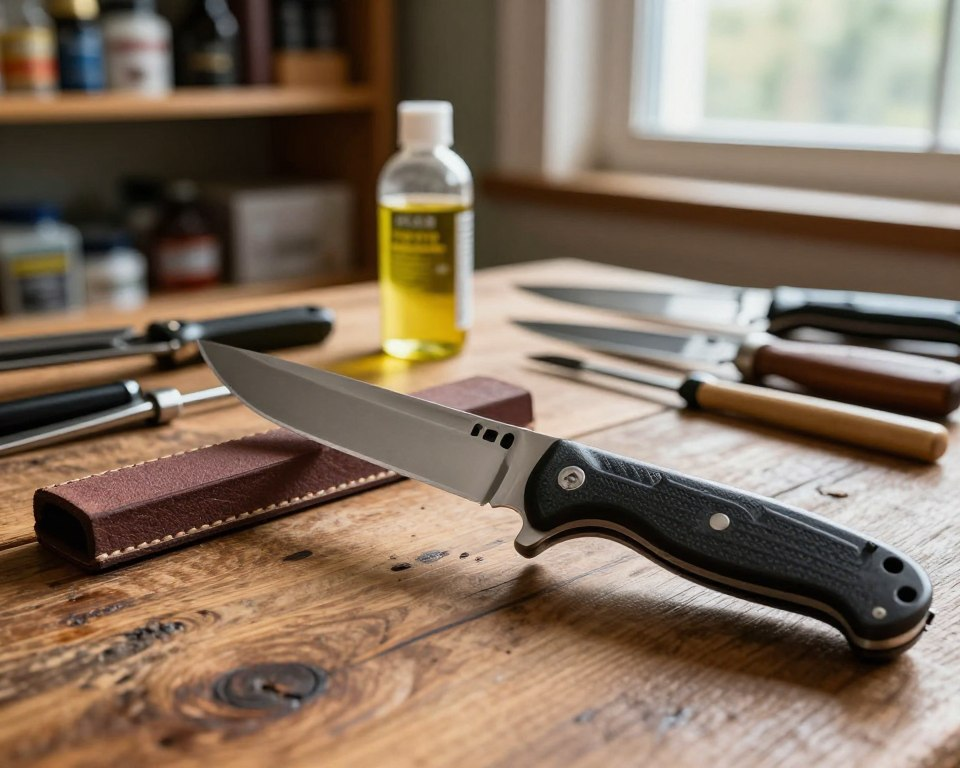
Sharpening your Arcos knife correctly involves using the appropriate tools and technique. The Arcos Multi-Angle Knife Sharpener is designed to help you achieve the perfect edge. We recommend starting with the COARSE slot to restore the edge and then finishing in the FINE slot for a smooth finish.

Using the correct sharpening technique is crucial for maintaining the proper knife sharpening angle. This not only ensures your knife cuts effectively but also prolongs its lifespan.

Common Mistakes When Sharpening

Several common mistakes can occur when sharpening your Arcos knife, including applying too much pressure, sharpening at the wrong angle, and not maintaining the knife regularly. Avoiding these mistakes is essential to maintaining the optimal angle of your Arcos knives.

  • Applying too much pressure can damage the blade.
  • Sharpening at the wrong angle can lead to poor performance.
  • Irregular maintenance can result in a dull knife.

By being aware of these potential pitfalls, you can take steps to prevent them and keep your Arcos knife in top condition.

Differences in Knife Angles for Various Uses

Different knives are designed for specific tasks, and their sharpening angles play a crucial role in their effectiveness. The angle at which a knife is sharpened can significantly impact its performance, making it essential to understand the ideal angles for various types of knives.

When it comes to kitchen knives, the sharpening angle is critical for achieving the desired cutting performance. For instance, chef knives and paring knives, though both essential in any kitchen, have different requirements when it comes to their sharpening angles.

Chef Knives vs. Paring Knives

Chef knives, being versatile and used for a variety of tasks from chopping to slicing, typically require a sharpening angle of around 30° to 35°. This angle provides a good balance between sharpness and durability, allowing the knife to handle various kitchen tasks effectively.

On the other hand, paring knives, which are used for more delicate tasks such as peeling and coring fruit and vegetables, often require a more acute angle, typically between 20° to 25°. This sharper angle enables the knife to make precise cuts and is ideal for the detailed work that paring knives are designed for.

Specialty Knives and Their Angles

Specialty knives, such as boning knives, fillet knives, and santoku knives, each have their own recommended sharpening angles based on their specific uses. For example, a boning knife might require a slightly more acute angle than a chef’s knife to facilitate precise removal of bones from meat.

Understanding these differences is crucial for achieving optimal performance from your knives. The table below summarizes the typical sharpening angles for various types of knives:

Knife Type Typical Sharpening Angle
Chef Knife 30° – 35°
Paring Knife 20° – 25°
Boning Knife 25° – 30°
Fillet Knife 15° – 20°

“The sharpening angle of a knife is not a one-size-fits-all proposition. Different knives are designed for different tasks, and their angles should be adjusted accordingly to maximize their performance.”

By understanding and applying the correct sharpening angles for your knives, you can significantly enhance their performance and longevity. Whether you’re a professional chef or an avid home cook, mastering the art of knife sharpening is a skill that will greatly benefit your cooking endeavors.

The Role of Blade Material in Angle Performance

Blade material plays a pivotal role in determining the ideal sharpening angle for precise cuts. The type of material used in the construction of a knife blade significantly influences its performance and maintenance requirements.

When selecting a knife, understanding the characteristics of its blade material is crucial. Different materials have distinct properties that affect how well the knife retains its sharpness and how it responds to sharpening. We will explore the differences between common blade materials and their impact on the sharpening angle.

Comparing Stainless Steel and Carbon Steel

Two of the most common materials used in knife construction are stainless steel and carbon steel. Stainless steel is known for its resistance to corrosion and durability, making it a popular choice for knives that are exposed to harsh environments. However, it can be more challenging to sharpen than carbon steel.

Carbon steel, on the other hand, is prized for its ability to hold a sharp edge and is generally easier to sharpen. However, it requires more maintenance as it can rust if not properly cared for. The choice between stainless steel and carbon steel affects the ideal sharpening angle and the knife’s overall performance.

Material Sharpness Retention Corrosion Resistance Sharpening Difficulty
Stainless Steel Good Excellent Challenging
Carbon Steel Excellent Poor Moderate

How Material Affects Sharpness Retention

The material of the blade directly impacts its ability to retain sharpness. Carbon steel knives, for instance, are known for their sharpness and can be sharpened to a finer edge, which is ideal for precise cutting tasks. In contrast, stainless steel knives, while durable, may not hold their edge as well as carbon steel but offer the advantage of being more resistant to corrosion.

precise knife sharpening angle

Understanding the properties of different blade materials helps in choosing the right sharpening angle and maintenance routine for your Arcos knives. By considering the material’s characteristics, you can optimize your knife’s performance and extend its lifespan.

Tips for Achieving the Perfect Knife Angle

The art of achieving the perfect Arcos knife angle involves a combination of technique, practice, and the right tools. We will explore various tips and techniques to help both beginners and experienced users master the ideal knife angle for precise cuts.

Practical Techniques for Beginners

For those new to knife sharpening, starting with simple and effective techniques is crucial.

  • Using a Sharpening Guide: A sharpening guide can help maintain the correct angle, ensuring consistency and reducing the risk of damaging the blade.
  • Practicing with a Dull Knife: Beginners can practice sharpening a dull knife, gradually improving their skills and building confidence.

We recommend starting with a coarse grit stone and progressing to finer grits for a polished edge.

By following these steps, beginners can develop the necessary skills to achieve a sharp, precise edge on their Arcos knives.

Advanced Techniques for Experienced Users

Experienced users can refine their skills by exploring advanced sharpening techniques.

  • Freehand Sharpening: Mastering freehand sharpening allows for greater flexibility and precision, enabling users to adjust the angle subtly based on the task.
  • Using Different Sharpening Stones: Experimenting with various sharpening stones can help in understanding how different materials and grits affect the sharpening process.

By incorporating these techniques into their routine, experienced users can achieve a more precise and efficient sharpening process.

Troubleshooting Common Knife Angle Issues

Troubleshooting knife angle issues is essential for maintaining optimal cutting performance. When the Arcos knife blade angle is not correctly maintained, it can lead to a variety of problems that affect the knife’s efficiency and longevity.

Understanding the signs of incorrect knife angles is the first step towards resolving these issues. Here, we will explore the indicators that suggest a problem with your knife’s angle and provide guidance on how to correct them.

Indicators of Incorrect Angles

Several signs can indicate that your knife’s angle is not correct. These include:

  • Poor cutting performance, such as tearing or crushing food instead of cleanly slicing it.
  • Uneven wear on the blade, which can be observed as uneven sharpening or excessive wear on one side.
  • Difficulty sharpening the knife, as an incorrect angle can make the sharpening process more challenging.

Arcos knife blade angle

As noted by a renowned chef, “A good knife is like a good friend; it should always be sharp and ready to help you in the kitchen.” Maintaining the proper knife sharpening angle is crucial for achieving this.

How to Fix an Improperly Sharpened Knife

Fixing an improperly sharpened knife involves reassessing the sharpening angle and technique. Here are some steps to follow:

  1. Re-evaluate your sharpening technique to ensure you are maintaining the correct angle.
  2. Use a sharpening tool or stone that is appropriate for your knife type.
  3. Practice sharpening with a consistent and controlled motion.

By following these steps and being mindful of the proper knife sharpening angle, you can restore your knife’s performance and extend its lifespan.

“The angle of the knife is crucial for its performance. A correct angle ensures a sharp knife that cuts efficiently and safely.”

The Connection Between Angle and Cutting Technique

Understanding the connection between knife angle and cutting technique can significantly enhance our culinary skills. The angle at which we hold and sharpen our knives directly impacts our ability to perform various cutting tasks efficiently. In this section, we will explore how different knife angles influence our cutting style and provide best practices for various cutting methods.

When it comes to cutting, the angle of the knife is not just about sharpness; it’s also about control and precision. A knife that is sharpened to the correct angle for a specific task can make a significant difference in the outcome.

How Angle Influences Cutting Style

The angle of the knife influences the cutting style by determining the ease with which the knife glides through the material being cut. For instance, a more acute angle is ideal for slicing delicate foods, while a slightly more obtuse angle is better suited for chopping through tougher ingredients.

Key factors influenced by knife angle include:

  • Precision: A sharper angle allows for more precise cuts.
  • Control: The angle affects how easily the knife can be controlled during cutting.
  • Effort: The right angle reduces the effort needed to cut through various materials.

Best Practices for Different Cutting Methods

Different cutting methods require adjustments in knife angle and technique. Here are some best practices for common cutting tasks:

Cutting Method Recommended Angle Technique Tip
Slicing 15-20 degrees Use a smooth, gentle motion.
Chopping 20-25 degrees Apply gentle pressure, increasing as needed.
Dicing 20-25 degrees Use a rocking motion for even cuts.

By understanding and applying the appropriate knife angle for different cutting tasks, we can improve our efficiency and precision in the kitchen. Whether you’re using an Arcos knife or another high-quality brand, mastering the knife sharpening angle is key to enhancing your cutting technique.

Caring for Your Knives After Achieving the Right Angle

After mastering the arcos knife sharpening technique and achieving a precise knife sharpening angle, maintaining your knives is crucial for optimal performance. Proper care extends the life of your knives and ensures they continue to deliver precise cuts.

Best Practices for Cleaning and Storage

Cleaning your Arcos knives immediately after use and storing them in a dry place is essential. The Arcos Multi-Angle Knife Sharpener comes with a recycled paper bag with a zip closure, highlighting the importance of proper storage. This attention to detail reflects the brand’s commitment to quality and durability.

Tips for Preserving the Angle

Regularly checking and maintaining the sharpening angle of your knives is vital. By incorporating a regular maintenance routine, you can preserve the precise knife sharpening angle achieved through the arcos knife sharpening technique. This not only ensures your knives remain sharp but also enhances their overall performance.

FAQ

What is the best angle for knife sharpening when using Arcos Chef knives?

For standard Arcos chef knives, we recommend a 30° angle. This provides the perfect balance between a razor-sharp edge and the durability needed for daily kitchen tasks like chopping and dicing.

How can I ensure I am using the proper knife sharpening angle at home?

The easiest way to ensure accuracy is by using an arcos knife angle guide or the Arcos Multi-Angle Knife Sharpener. These tools are designed to hold the blade at the precise knife sharpening angle automatically.

Is there a specific arcos knife angle guide for Japanese-style blades?

Yes, Japanese-style Arcos knives typically require a more acute arcos knife blade angle of 20°. When using a manual sharpener, ensure it is set specifically for fine-edge or Asian-style cutlery to maintain this sharper profile.

Does the blade material affect the optimal knife sharpening angle?

Absolutely. High-carbon steel can often maintain a more acute arcos knife angle than softer steels. However, Arcos stainless steel is engineered to hold a very sharp edge while remaining durable and resistant to chipping.

What is the most effective arcos knife sharpening technique for beginners?

We suggest beginners use the Arcos Multi-Angle Knife Sharpener. Start by pulling the knife through the coarse slot to set the proper knife sharpening angle, then finish with the fine ceramic slot to polish the edge for a smooth cut.

How often should I re-sharpen my knife to maintain the best angle for knife sharpening?

This depends on usage, but for regular home cooking, we recommend a full sharpening every few months. In between, you should use a honing rod frequently to keep the arcos knife blade angle aligned and performing at its peak.

Arcos Knife Bag: The Ultimate Knife Storage Solution


We believe that high-quality tools deserve the best protection available. Every culinary expert needs a secure method to transport their sharp gear. It is vital to keep your equipment organized for a better cooking experience.

Our team understands that mobility is a requirement for modern chefs. We focus on providing options that combine strength with a professional appearance. You deserve a storage solution that keeps your investment safe from harm.

Using a reliable wrap allows us to move between kitchens with ease. These products are crafted to handle the demands of a busy environment. We prioritize safety so you can focus on creating delicious meals.

Key Takeaways

  • Superior protection for all your professional tools.
  • Lightweight and portable designs for chefs on the go.
  • Durable materials that withstand daily kitchen wear.
  • Enhanced organization for quick access during service.
  • Safe and secure compartments for sharp equipment.
  • Professional style that complements a culinary uniform.

What is an Arcos Knife Bag?

Arcos, a renowned name in the world of cutlery, offers a knife bag that embodies durability and style. With a legacy dating back to 1745, Arcos has established itself as a leading European knife manufacturer. The Arcos Knife Bag is a testament to the brand’s commitment to quality and innovation.

Overview of the Arcos Brand

Arcos has been perfecting the art of cutlery for centuries. The brand’s history is rich with tradition and expertise, making it a trusted name among professional chefs and home cooks alike. Arcos knives are known for their sharpness, balance, and durability, characteristics that are also reflected in their knife storage solutions.

The Arcos Knife Bag is designed with the user in mind, providing a safe and convenient way to store and transport knives. This attention to detail is a hallmark of the Arcos brand, which has consistently delivered high-quality products that meet the evolving needs of the culinary world.

Features of the Arcos Knife Bag

The Arcos Knife Bag is crafted from durable, high-resistant synthetic fiber, ensuring that it can withstand the rigors of daily use. This material choice not only contributes to the bag’s longevity but also makes it easy to clean and maintain.

Key features of the Arcos Knife Bag include:

  • Durable construction to protect your knives
  • High-quality materials for long-lasting performance
  • Convenient storage and transport options for professionals on the go

By combining functionality with durability, the Arcos Knife Bag stands out as a best knife bag for those seeking a reliable professional knife storage solution.

Why Choose an Arcos Knife Bag?

The Arcos Knife Bag is more than just a storage solution; it’s a testament to the brand’s commitment to quality and functionality. When considering a knife bag, several factors come into play, including durability, storage capacity, and overall design.

Durability and Quality

The durability of the Arcos Knife Bag is one of its standout features. Made with high-quality materials, it is designed to withstand the rigors of frequent use. The bag’s construction ensures that your knives are protected and secure, reducing the risk of damage or injury.

Feature Description Benefit
Material High-quality fabric Durable and resistant to wear
Construction Reinforced stitching Enhanced longevity
Design Ergonomic handle Easy to carry

Versatile Storage Options

The Arcos Knife Bag offers versatile storage options, catering to different needs and preferences. Whether you’re a professional chef with a wide range of knives or a home cook with a few essentials, the bag’s adaptable design ensures that you can store your knives efficiently. The various compartments and pockets allow for organized storage, making it easier to access the knife you need.

By choosing an Arcos Knife Bag, you’re not just selecting a storage solution; you’re investing in a product that is designed to last, providing you with a reliable and efficient way to store your knives.

Different Models of Arcos Knife Bags

Arcos Knife Bags are available in several styles and sizes to accommodate different types of knives and user requirements. This variety ensures that whether you’re a professional chef or an avid home cook, there’s an Arcos Knife Bag designed to meet your needs.

Comparison of Sizes and Styles

The Arcos Knife Bag collection includes models that vary significantly in size, material, and design. Some are compact and designed for a few essential knives, while others are larger and can store an extensive collection.

Model Size Number of Slots Material
Arcos Compact Small 5 Durable Nylon
Arcos Deluxe Medium 8 Premium Leather
Arcos Pro Large 12 Water-Resistant Fabric

Recommendations for Professional Chefs

For professional chefs, the Arcos Pro model is highly recommended due to its spacious interior and robust construction. It can accommodate a large number of knives and is designed to withstand the rigors of frequent use.

Additionally, the Arcos Deluxe offers a great balance between size and portability, making it suitable for chefs who need to transport their knives regularly.

How to Properly Organize Your Knife Bag

To get the most out of your Arcos Knife Bag, it’s crucial to understand how to organize it effectively. Proper organization is not just about keeping your knives tidy; it’s about maintaining their condition, ensuring safety, and enhancing your overall efficiency in the kitchen.

Tips for Efficient Storage

When it comes to storing your knives, the goal is to keep them secure, accessible, and in a way that prevents damage. Here are some tips for efficient storage:

  • Use the designated slots for each knife, ensuring they fit snugly and are protected.
  • Store your knives in a way that they are not touching each other to prevent scratching or dulling.
  • Keep your knife bag clean and dry to prevent any moisture from affecting the knives.

Preventing Damage to Your Knives

Preventing damage is crucial for maintaining the longevity and performance of your knives.

Handling with Care: Always handle your knives with care, avoiding drops or throws into the bag.

Regular Maintenance: Regularly clean and dry your knives before storing them. This prevents rust and keeps the blades in good condition.

professional knife storage

By following these guidelines, you can ensure your Arcos Knife Bag remains a valuable tool in your kitchen, keeping your knives organized, safe, and ready for use.

The Benefits of Using a Knife Bag

For chefs who are always on the move, a reliable knife bag is an indispensable tool. It not only provides a safe way to transport knives but also ensures they remain organized and within easy reach.

Portability for On-the-Go Chefs

The Arcos Knife Bag is designed with portability in mind, making it ideal for chefs who frequently travel to different kitchens or cooking events. Its compact design and lightweight material ensure that it can be easily carried without adding unnecessary bulk.

Key Features for Portability:

  • Compact and lightweight design
  • Easy-to-carry handle or strap
  • Secure closure to prevent accidental openings

Keeping Your Knives Safe and Secure

Safety is a paramount concern when transporting knives. The Arcos Knife Bag is designed to keep your knives safe and secure, protecting both the blades and the user.

Safety Features:

  • Individual slots for each knife to prevent clashing
  • Padded interior to protect against damage
  • Secure fastening to prevent knives from shifting during transport

To further illustrate the benefits, here’s a comparison of the Arcos Knife Bag with a standard storage solution:

Feature Arcos Knife Bag Standard Storage
Portability Highly Portable Limited Portability
Safety Highly Secure Less Secure
Organization Excellent Organization Basic Organization

Materials Used in Arcos Knife Bags

Understanding the materials used in Arcos Knife Bags can provide insights into their durability and quality. The construction of these bags is a testament to the brand’s commitment to excellence, utilizing materials that not only withstand the rigors of frequent use but also ensure the safekeeping of your knives.

The Arcos Knife Bag is crafted from high-resistant synthetic fiber, a choice that underscores the brand’s focus on durability and lightweight properties. This material is selected for its ability to protect the knives while being easy to carry, making it an ideal durable knife carrier for professional chefs and home cooks alike.

Fabric Options and Their Benefits

The high-resistant synthetic fiber used in Arcos Knife Bags offers several benefits. It is:

  • Durable and resistant to wear and tear
  • Lightweight, making it easy to carry
  • Easy to clean, ensuring maintenance is straightforward

These features make the Arcos Knife Bag not only a practical storage solution but also a best knife bag for those who value quality and performance.

Sustainability Considerations

In today’s world, the sustainability of products is a growing concern. Arcos addresses this by ensuring that their knife bags are not only durable but also made with consideration for the environment. While the primary material is synthetic, the durability it offers means that the bag has a longer lifespan, potentially reducing the need for frequent replacements.

Material Benefits Sustainability Aspect
High-resistant synthetic fiber Durable, lightweight, easy to clean Longer lifespan reduces replacement needs

By choosing a durable and long-lasting knife bag like those from Arcos, consumers can enjoy the benefits of a high-quality product while also making a more sustainable choice.

Caring for Your Arcos Knife Bag

The longevity of your Arcos Knife Bag depends on proper care and maintenance. As a premium culinary storage solution, it’s essential to follow the right cleaning and maintenance procedures to ensure it continues to serve you well.

Cleaning Instructions

To clean your Arcos Knife Bag, we recommend spot cleaning the textile surface using a damp cloth and mild soap. This method is gentle on the material and effective in removing dirt and stains.

For tougher stains, you can use a soft-bristled brush to gently scrub the area before wiping it clean with a damp cloth. It’s crucial to avoid using harsh chemicals or abrasive cleaners, as they can damage the fabric.

Maintenance Tips for Longevity

Regular maintenance is key to extending the life of your Arcos Knife Bag. Here are some tips:

  • Avoid exposing the bag to extreme temperatures or direct sunlight for prolonged periods.
  • Store the bag in a dry place when not in use.
  • Check the bag regularly for signs of wear and tear.

By following these simple care and maintenance tips, you can ensure your Arcos Knife Bag remains in excellent condition.

Maintenance Task Frequency
Spot Cleaning As needed
Deep Cleaning Every 3 months
Inspection for Wear and Tear Monthly

Proper care not only extends the life of the bag but also keeps it looking its best.

Where to Buy an Arcos Knife Bag

The Arcos Knife Bag is a sought-after accessory among chefs, and we’re here to guide you on where to find it. When it comes to purchasing a high-quality knife bag, it’s essential to buy from authorized retailers to ensure authenticity and warranty.

We recommend checking out the following retailers for a genuine Arcos Knife Bag.

Recommended Retailers

Several reputable retailers carry Arcos Knife Bags, both in their physical stores and online platforms. Some of the top retailers include:

  • Amazon
  • Williams-Sonoma
  • Sur La Table
  • Specialty kitchen stores

Online Shopping Options

For those who prefer the convenience of shopping from home, online platforms are a great option. You can find Arcos Knife Bags on:

  • The official Arcos website
  • Amazon
  • eBay

When shopping online, ensure you’re purchasing from authorized sellers to avoid counterfeit products.

arcos knife bag purchase options

By choosing to buy from these recommended sources, you can be confident that you’re getting a genuine Arcos Knife Bag that meets your needs.

Customer Reviews and Experiences

To get a genuine understanding of the Arcos Knife Bag’s quality, we examined customer testimonials and reviews. The feedback from users provides valuable insights into the bag’s performance in real-world conditions.

Many customers have praised the Arcos Knife Bag for its durability and versatility. For instance, professional chefs have noted that the bag’s organized design allows them to easily transport their knives to and from work.

Personal Testimonials

We’ve gathered some personal testimonials from satisfied customers:

  • “The Arcos Knife Bag has been a game-changer for me. It’s sturdy, well-organized, and protects my knives perfectly.” – Rachel, Professional Chef
  • “I was impressed by the quality of the Arcos Knife Bag. It’s clear that the brand prioritizes both form and function.” – Mark, Home Cook
  • “I’ve tried several knife bags, but the Arcos Knife Bag stands out for its durability and style.” – Emma, Culinary Student

Overall Satisfaction Ratings

Our analysis of customer reviews reveals an overall satisfaction rating of 4.5 out of 5 stars. The common praises include the bag’s professional knife storage capabilities, ease of use, and high-quality materials.

Here are some key statistics from customer reviews:

Rating Percentage of Reviews
5 stars 60%
4 stars 25%
3 stars 10%
2 stars 3%
1 star 2%

The data indicates a high level of satisfaction among customers, with the majority praising the Arcos Knife Bag for its quality and functionality.

Final Thoughts on the Arcos Knife Bag

The Arcos Knife Bag stands out as a durable knife carrier that effectively meets the needs of culinary professionals. Its robust design and versatile storage options make it a valuable asset for any kitchen.

Key Features Recap

The Arcos Knife Bag is notable for its high-quality materials and construction, ensuring a long-lasting culinary storage solution. Its various sizes and styles cater to different needs, making it suitable for both professional chefs and home cooks.

Lasting Impressions

Our examination of the Arcos Knife Bag reveals a product that is both functional and reliable. As a culinary storage solution, it offers the portability and protection that chefs require. We recommend considering the Arcos Knife Bag for its durability and effectiveness in storing and transporting knives.

FAQ

How many knives can a standard Arcos knife bag hold?

The capacity varies by model, but Arcos offers everything from compact 4-slot options to large 17-slot cases. This allows for customized chef tool organization based on the size of your specific blade collection.

Is the Arcos knife bag considered the best knife bag for culinary students?

Yes, many instructors recommend it because it is a durable knife carrier that offers professional-grade protection at a price point that is accessible for those just starting their culinary journey.

What makes this the ideal professional knife storage solution?

The combination of high-density reinforced fabric, secure closures, and the prestigious Arcos heritage ensures that your investment is protected better than in a generic chef bag.

Can I fit large tools like cleavers in an Arcos knife roll?

While the standard knife roll is designed for traditional blades, the larger Arcos cases and backpacks feature wider pockets specifically designed to accommodate larger items, making them a truly versatile culinary storage solution.

How do I clean my Arcos durable knife carrier if it gets stained in the kitchen?

We recommend spot cleaning with a damp cloth and mild detergent. It is important to let the bag air dry completely to maintain the integrity of the materials and ensure your professional knife storage remains hygienic.

Does the Arcos knife bag come with shoulder straps for easier transport?

Most larger models, including the 12-piece and 17-piece carriers, include ergonomic, adjustable shoulder straps, making them the best knife bag for chefs who need to stay mobile.

Arcos Cleaver Knife: A Versatile Kitchen Essential


I often find that a single tool can transform how I handle prep work in the kitchen. When I first held the arcos cleaver knife, I immediately noticed its impressive balance and weight. It is a sturdy implement that makes heavy tasks feel effortless for me during busy evenings.

This specific tool handles everything from delicate vegetables to tough cuts of protein. I believe it is the best arcos cleaver knife for anyone who values efficiency and precision. Its wide surface allows me to scoop up chopped ingredients and move them quickly to the pan for cooking.

In my daily cooking routine, durability is a non-negotiable factor. Having a reliable, sharp edge ensures my prep work stays consistent through many sessions. I appreciate how the ergonomic handle fits my grip, reducing fatigue when I am preparing large meals for my family.

Whether I am a professional or a home enthusiast, this versatile piece of equipment provides reliable results every time. It has quickly become a staple in my workspace. I find myself reaching for it more often than any other slicer in my collection.

Key Takeaways

  • Versatile design handles both vegetables and meat with ease.
  • Features a premium stainless steel construction for long-term use.
  • Ergonomic handle reduces hand fatigue during long prep sessions.
  • Perfectly balanced weight helps with heavy chopping tasks.
  • Wide blade surface acts as a convenient scoop for ingredients.
  • Ideal for both professional chefs and home cooking enthusiasts.

Introduction to the Arcos Cleaver Knife

With a history spanning nearly three centuries, Arcos has established itself as a leader in the world of kitchen knives. The Arcos Cleaver Knife is a prime example of the brand’s dedication to quality and performance.

The Arcos brand is synonymous with excellence, and understanding its background is crucial to appreciating the craftsmanship behind its products.

Overview of the Brand

Arcos Hermanos S.A., the company behind the Arcos brand, has been a benchmark for quality kitchen knives for centuries. The brand’s commitment to innovation and excellence has enabled it to maintain its position in the market.

History of Arcos Knives

The history of Arcos dates back to 1745 when blacksmith Juan Arcos founded the company. Over the years, Arcos has continued to evolve, embracing new technologies while retaining its traditional craftsmanship. This blend of old and new has contributed to the brand’s success and its reputation for producing high-quality knives.

Today, Arcos is recognized globally for its professional arcos cleaver knife and other kitchen knives that cater to both professional chefs and home cooks.

What Makes the Arcos Cleaver Knife Special?

The Arcos Cleaver Knife is not just any kitchen tool; it’s a masterpiece that combines form and function seamlessly. As I delve into the specifics, it becomes clear that the uniqueness of this cleaver lies in its exceptional design and high-quality construction.

Unique Design Features

One of the standout features of the Arcos Cleaver Knife is its sturdy stainless steel blade, which is designed to withstand the rigors of frequent use. According to experts, “A good cleaver should be able to chop through bones and tough vegetables with ease, and the Arcos Cleaver Knife does just that.”

The handle of the Arcos Cleaver Knife is designed for comfort, making it suitable for extended use. The ergonomic design ensures a firm grip, reducing the risk of accidents in the kitchen.

Material Quality and Construction

The Arcos Cleaver Knife boasts a high-carbon stainless steel blade that ensures precision cutting and longevity. The quality of the materials used is evident in the knife’s performance and durability.

The construction of the cleaver is robust, with a full-tang design that adds to its stability and balance. As a result, the Arcos Cleaver Knife is a reliable tool for any kitchen task, from chopping meat to slicing vegetables.

“The Arcos Cleaver Knife’s quality and performance make it an indispensable tool in my kitchen.”

Different Types of Cleavers Offered by Arcos

Arcos offers a diverse range of cleaver knives, each designed to cater to different culinary needs and preferences. Whether you’re a professional chef or an avid home cook, understanding the various types of cleavers available can help you choose the right tool for your kitchen.

Meat Cleavers

Meat cleavers are designed for chopping through bones and thick cuts of meat. Arcos’ meat cleavers are known for their robust construction and sharp edges, making them ideal for tasks that require significant force and precision. These cleavers are typically thicker and heavier, allowing for effective chopping and cutting through dense meat.

Vegetable Cleavers

Vegetable cleavers, on the other hand, are lighter and more versatile. They are used for chopping, slicing, and mincing vegetables, herbs, and other ingredients. Arcos’ vegetable cleavers feature sharp, thin blades that make precise cuts easy, reducing the effort needed for food preparation.

Chinese Cleavers

Chinese cleavers are a staple in many Asian kitchens. They are incredibly versatile, used not only for chopping vegetables but also for slicing meat and crushing garlic. Arcos’ Chinese cleavers are designed with a broad, flat blade that allows for a variety of techniques, from chopping to scooping ingredients. Their balanced design makes them comfortable to use for extended periods.

In conclusion, Arcos provides a variety of cleaver knives that cater to different cooking needs, from the heavy-duty tasks associated with meat cleavers to the precision required for vegetable cleavers and the versatility of Chinese cleavers. Choosing the right cleaver can significantly enhance your cooking experience.

Key Benefits of Using an Arcos Cleaver Knife

When it comes to kitchen essentials, the Arcos cleaver knife stands out for its versatility and efficiency. This knife is not just a tool; it’s an extension of the cook’s skill and creativity. The Arcos cleaver knife is designed to make various kitchen tasks easier, from chopping vegetables to cutting through meat.

Versatility in the Kitchen

The Arcos cleaver knife is incredibly versatile, making it a valuable asset in any kitchen. Whether you’re a professional chef or a home cook, this knife can handle a variety of tasks with ease. It’s perfect for chopping, slicing, and mincing ingredients, and its broad blade makes it ideal for crushing garlic or ginger.

I appreciate how the Arcos cleaver knife can be used for multiple purposes, eliminating the need for several single-task knives. This versatility not only saves storage space but also makes it easier to manage kitchen tasks.

Efficient Cutting Techniques

The design and quality of the Arcos cleaver knife enable efficient cutting techniques. The sharp edge and balanced weight distribution allow for smooth, precise cuts, reducing the effort required for various kitchen tasks.

One of the key benefits of using an Arcos cleaver knife is its ability to facilitate efficient cutting. The knife’s sharpness and the way it’s balanced make it easy to maneuver, allowing for quick and precise cuts. This efficiency is particularly valuable when preparing large meals or dealing with tough ingredients.

As noted by culinary experts, “A good cleaver is not just about chopping; it’s about the technique and the control it offers.” The Arcos cleaver knife embodies this principle, providing cooks with the control and precision they need.

“A cleaver is a fundamental tool in any kitchen. It simplifies tasks and enhances the cooking experience.”

Chef’s Insight
Benefits Description
Versatility Handles various kitchen tasks with ease
Efficiency Enables smooth, precise cuts, reducing effort
Precision Sharp edge and balanced weight for accurate cuts

How to Choose the Right Size Cleaver

Selecting the ideal Arcos Cleaver Knife involves more than just picking a design; size matters too. The right size can enhance your cooking experience, making tasks more efficient and enjoyable.

Arcos offers a variety of cleaver sizes to cater to different needs and preferences. Understanding these sizes is crucial in making an informed decision.

Cleaver Sizes Explained

Arcos cleavers come in various sizes, ranging from compact designs perfect for precision tasks to larger models ideal for heavy-duty chopping. For instance, the 180mm Rosewood Cleaver is a popular choice for those who need a balance between maneuverability and cutting power. On the other hand, the 260mm Black Steak Cleaver is suited for more demanding tasks that require significant force and blade real estate.

Here are some common sizes and their typical uses:

  • Small Cleavers (around 6-7 inches): Ideal for precision cutting, mincing, and tasks that require control.
  • Medium Cleavers (around 7-8 inches): Suitable for general kitchen tasks, offering a balance between control and cutting capability.
  • Large Cleavers (over 9 inches): Best for heavy-duty tasks such as chopping through bones or large vegetables.

Personal Preferences in Size

Personal preference plays a significant role in choosing the right size of an Arcos Cleaver Knife. Some cooks prefer a larger cleaver for its versatility and ability to handle tough tasks, while others might opt for a smaller size due to storage constraints or the type of cooking they typically do.

When deciding, consider the following factors:

  1. The type of cooking you do most often: If you’re frequently chopping large pieces of meat or vegetables, a larger cleaver might be more suitable.
  2. Storage space: If your kitchen storage is limited, a compact cleaver could be a better fit.
  3. Comfort and handling: Choose a size that feels comfortable in your hand, allowing for smooth, controlled movements.

By considering these factors and understanding the different sizes available, you can select an Arcos Cleaver Knife that perfectly suits your needs, enhancing your overall cooking experience.

Tips for Maintaining Your Arcos Cleaver Knife

To ensure your Arcos cleaver knife remains in top condition, regular maintenance is essential. A high-quality Arcos cleaver knife is an investment worth protecting, and proper care can significantly extend its lifespan.

Proper Cleaning Techniques

Cleaning your Arcos cleaver knife after each use is vital. Start by rinsing the knife under warm water to remove any debris. Then, use a mild soap and a soft sponge to clean the blade and handle. Avoid using abrasive materials or harsh chemicals that could damage the knife.

Drying the knife thoroughly after cleaning is also crucial to prevent rust. For knives with a high-carbon stainless steel blade, a light coat of oil can provide additional protection against corrosion.

Sharpening Your Cleaver

Regular sharpening is necessary to maintain the effectiveness of your Arcos cleaver knife. Using an arcos cleaver knife sharpener can make this task easier and more efficient. There are various sharpening tools available, including whetstones and electric sharpeners.

To sharpen your cleaver, start by selecting the appropriate sharpening angle, typically around 20 degrees for most cleavers. Hold the knife at this angle and gently draw it across the sharpening stone or use the sharpener according to the manufacturer’s instructions.

arcos cleaver knife sharpener

Regular maintenance not only keeps your Arcos cleaver knife in good condition but also ensures it continues to perform optimally. By following these simple tips, you can enjoy a lifetime of service from your high-quality Arcos cleaver knife.

Cooking Techniques with an Arcos Cleaver Knife

The Arcos Cleaver Knife is a versatile tool that enhances your cooking experience by simplifying tasks like chopping and mincing. Its robust design and sharp edge make it an essential asset for various kitchen tasks.

Chopping and Dicing

Chopping and dicing are fundamental techniques in cooking that can be significantly improved with the right tool. The Arcos Cleaver Knife, with its broad, heavy blade, is perfect for chopping through tough ingredients like meat and hard vegetables. The sharp edge ensures clean cuts, making food preparation more efficient.

When dicing, the cleaver’s flat surface allows for easy, precise cuts. This is particularly useful when preparing ingredients for salads, stews, or stir-fries. The balance and weight of the Arcos Cleaver Knife provide the control needed for delicate dicing tasks.

Mincing Herbs and Garlic

Mincing herbs and garlic is another task where the Arcos Cleaver Knife excels. The knife’s sharpness and the rocker motion used with a cleaver allow for efficient mincing without bruising the ingredients. This preserves the flavor and aroma of herbs and garlic, enhancing the overall taste of your dishes.

To mince effectively, place the herbs or garlic on the cutting board and use a gentle rocking motion with the cleaver. The weight of the knife does the work for you, making the process less labor-intensive.

By incorporating the Arcos Cleaver Knife into your cooking routine, you’ll find that tasks like chopping, dicing, and mincing become more manageable and efficient. This not only saves time but also improves the quality of your cooking.

Safety Tips When Using a Cleaver Knife

When wielding a professional Arcos cleaver knife, safety should always be your top priority. The power and versatility of a cleaver can make it a valuable asset in the kitchen, but they also demand respect and caution to prevent accidents.

Understanding how to handle your Arcos cleaver knife safely is crucial for efficient and injury-free cooking. This involves not just the technique but also the environment in which you are using the knife.

Proper Grip and Handling

A firm, controlled grip is essential when handling a cleaver. Hold the handle with a secure grip, ensuring your fingers are curled under and out of the way of the blade. The professional Arcos cleaver knife is designed for balance and comfort, but it’s up to the user to maintain a grip that prevents slipping.

Practice your cutting technique to build muscle memory and reduce the risk of accidents. Keep your cutting motions controlled and deliberate, avoiding sudden or jerky movements.

Safe Cutting Surfaces

The surface on which you cut can significantly impact your safety. A stable, flat surface is essential. Consider the material of your cutting board; wooden or plastic boards are preferable as they are gentler on the knife and provide a secure cutting surface.

“A good cutting board is as important as a good knife. It provides the foundation for safe and effective cutting.”

Ensure your cutting board is securely positioned and won’t slip during use. Some cooks use a damp cloth under the board to prevent it from moving.

Safety Feature Description Benefit
Proper Grip Firm, controlled hold on the handle Reduces risk of slipping and accidents
Safe Cutting Surface Stable, flat cutting board Prevents knife from slipping and causing injury
Controlled Motions Deliberate cutting motions Enhances precision and safety

By following these safety tips and being mindful of your technique and environment, you can minimize the risks associated with using a cleaver. An Arcos cleaver knife review often highlights the importance of safety features and user comfort, underscoring the brand’s commitment to producing high-quality, safe products.

Where to Buy Arcos Cleaver Knives

The Arcos Cleaver Knife is available for purchase through multiple channels, which we’ll outline below. Whether you prefer the convenience of online shopping or the personalized service of a local store, you can find a reliable source for your Arcos Cleaver Knife.

Online Retailers

Online retailers offer a convenient way to purchase Arcos Cleaver Knives. You can browse through various online stores, read reviews, and compare prices from the comfort of your own home. Some online retailers also offer customer reviews and ratings, which can help you make an informed decision.

When buying online, ensure that you’re purchasing from an authorized dealer to guarantee the authenticity of your Arcos Cleaver Knife. Look for retailers that provide detailed product descriptions, high-quality images, and clear customer service information.

Arcos Cleaver Knife

Local Kitchen Supply Stores

If you prefer a more traditional shopping experience, you can visit local kitchen supply stores in your area. These stores often carry a selection of Arcos Cleaver Knives and can offer personalized advice from knowledgeable staff.

Visiting a local store also gives you the opportunity to inspect the knife before making a purchase, ensuring that you’re getting a high-quality product. Additionally, local stores may offer sharpening services and other maintenance support for your Arcos Cleaver Knife.

Comparing Arcos Cleaver Knife to Other Brands

A comparison of cleaver knives reveals that Arcos offers a unique blend of quality and affordability. As a professional in the kitchen, it’s essential to understand how Arcos stands against its competitors.

The market is filled with various cleaver knife brands, each with its strengths and weaknesses. However, Arcos has managed to carve out a niche for itself by providing high-quality products that cater to both professionals and home cooks.

Price Point Analysis

One of the critical factors when comparing cleaver knives is the price. Arcos Cleaver Knives are generally priced competitively, offering excellent value for the quality you receive. To illustrate this, let’s compare the prices of Arcos Cleaver Knives with some of its competitors.

Brand Model Price
Arcos Arcos Cleaver Knife $50
Brand X Cleaver Knife $70
Brand Y Professional Cleaver $40

As shown, Arcos offers a competitive pricing strategy without compromising on quality. According to a culinary expert, “Arcos knives are a testament to the fact that you don’t have to break the bank to get a high-quality cleaver knife.”

“Arcos knives are a testament to the fact that you don’t have to break the bank to get a high-quality cleaver knife.”

Quality Comparison

When it comes to quality, Arcos Cleaver Knives are known for their durability and sharpness. The high-carbon steel used in their construction ensures that they remain sharp for a long time and are resistant to corrosion.

In comparison to other brands, Arcos stands out due to its rigorous quality control processes. This attention to detail results in a product that is not only functional but also a pleasure to use.

In conclusion, when comparing Arcos Cleaver Knives to other brands, it becomes evident that Arcos offers a compelling combination of quality, durability, and affordability, making it a preferred choice among both professionals and home cooks.

Customer Reviews and Testimonials

Reviews and testimonials from users provide a comprehensive insight into the Arcos Cleaver Knife’s capabilities. The true value of any kitchen tool is often best understood through the experiences of those who use it daily.

User Experiences

Many users have praised the Arcos Cleaver Knife for its balance and weight distribution, making it comfortable to use for extended periods. One user noted, “The Arcos Rosewood Cleaver has become an indispensable part of my kitchen arsenal; its performance is exceptional.”

A common theme among user reviews is the knife’s ability to handle a variety of tasks, from chopping through bones to finely mincing herbs. This versatility is a significant factor in its popularity among both home cooks and professional chefs.

Common Feedback

While the majority of feedback is positive, some users have mentioned areas for improvement. A few reviewers noted that the knife, although durable, requires regular maintenance to keep it in optimal condition.

  • Sharpness retention is generally praised, with many users reporting that the edge remains sharp over time.
  • The aesthetic appeal of the Arcos Cleaver Knife, particularly the Rosewood series, is frequently mentioned as a plus.
  • Some users have suggested that a more comprehensive care guide would be beneficial.

Overall, the consensus among users is that the Arcos Cleaver Knife is a valuable addition to any kitchen, offering a blend of functionality, durability, and style.

Conclusion: Why You Should Invest in an Arcos Cleaver Knife

The Arcos Cleaver Knife is a valuable addition to any kitchen, offering versatility and high-quality performance. Its unique design features and material quality make it a reliable tool for various kitchen tasks.

By investing in an Arcos Cleaver Knife, cooks can enhance their kitchen experience with efficient cutting techniques and durable construction. Whether you’re a professional chef or a home cook, the best Arcos Cleaver Knife is an essential tool that will make a significant difference in your cooking.

With its high-quality arcos cleaver knife construction, this knife is built to last, providing years of reliable service. The arcos cleaver knife is a worthwhile investment for anyone looking to upgrade their kitchen arsenal.

FAQ

Where can I find a reliable Arcos cleaver knife review?

I recommend checking reputable culinary blogs and retail sites like Amazon or specialized kitchenware forums where professional chefs share their long-term experiences with the blade.

What is the best Arcos cleaver knife for general home use?

For most home cooks, I suggest the 7-inch Chinese cleaver or a multi-purpose vegetable cleaver, as they offer the most versatility for daily tasks like slicing and dicing.

Is there a specific Arcos cleaver knife sharpener I should use?

While you can use a standard whetstone, Arcos produces branded manual and electric sharpeners specifically calibrated for the angles of their NITRUM® steel blades to ensure the best results.

Can I use a professional Arcos cleaver knife for meat to cut through frozen food?

I advise against cutting completely frozen items, as this can stress even the strongest steel. It is best to let meat partially thaw before using your Arcos cleaver knife for meat to ensure the longevity of the edge.

How does the Arcos cleaver knife for kitchen use compare to traditional Japanese knives?

Arcos knives are generally more durable and less prone to chipping than high-carbon Japanese blades, making them a more forgiving and practical choice for high-volume professional Arcos cleaver knife tasks.

Why is it called a high-quality Arcos cleaver knife compared to budget brands?

The “high-quality” designation comes from the forged construction and the use of nitrogen-enriched steel, which provides superior edge retention and rust resistance compared to cheaper stamped blades.

Slice Ham Like a Pro with the Arcos Ham Knife


I have spent years perfecting my technique for preparing appetizers. I found that the secret is often the equipment rather than just the skill. I recently discovered how much easier things become with this premium Spanish tool.

The Riviera 8″ series stands out because it combines style with heavy-duty performance. Its handle features Bactiproof Silver technology, which effectively reduces bacterial growth. This gives me peace of mind while preparing food for my family.

Precision is everything when you want to impress guests with a delicate charcuterie display. This instrument ensures that every movement is controlled and accurate. I appreciate the way the sleek steel cuts through dense textures without tearing.

Every home chef deserves a device that makes them feel like a professional. I truly enjoy the balance and weight of this sharp implement. It has transformed my weekend gatherings into gourmet events and elevated my kitchen confidence.

Key Takeaways

  • The Riviera 8″ series provides exceptional precision for thin meat portions.
  • Bactiproof Silver technology effectively reduces the presence of surface bacteria.
  • High-quality Spanish craftsmanship ensures a durable and consistently sharp blade.
  • The ergonomic handle offers superior comfort and safety during food preparation.
  • This tool is perfectly designed for creating professional-looking charcuterie boards.
  • Balanced weight allows for controlled movements and uniform, beautiful cuts.

What Makes the Arcos Ham Knife Stand Out?

I’ve found that the Arcos ham knife is a game-changer in the kitchen. Its exceptional performance can be attributed to several key factors that set it apart from other ham knives on the market.

Unique Blade Design

The Arcos ham knife boasts a narrow, long blade with a smooth and flexible edge, making it ideal for slicing ham with precision and ease. This unique design allows for effortless gliding through even the largest hams, ensuring that each slice is consistent and of high quality.

  • Long, narrow blade for precise slicing
  • Smooth edge for effortless cutting
  • Flexible design for handling various ham sizes

High-Quality Material

The Arcos ham knife is constructed from high-quality stainless steel, ensuring durability and resistance to corrosion. This material choice not only extends the lifespan of the knife but also maintains its sharpness over time.

The handle is designed with ergonomics in mind, providing a comfortable grip that reduces fatigue during extended use. The combination of high-quality materials and thoughtful design makes the Arcos ham knife a joy to use.

Versatility in Use

While the Arcos ham knife is specifically designed for slicing ham, its versatility extends to other tasks in the kitchen. It can be used to slice other meats, such as turkey or roast beef, with equal precision.

This versatility, combined with its exceptional performance and durability, makes the Arcos ham knife a valuable addition to any kitchen. Whether you’re a professional chef or a serious home cook, this knife is sure to become a trusted companion in your culinary endeavors.

The Importance of a Good Ham Knife

A good ham knife is not just a tool, it’s a key to unlocking the full flavor and texture of your ham. Proper slicing is crucial for releasing the ham’s full flavor potential and achieving the perfect texture. It’s about respect for the craft, ensuring that every slice is a delight to the senses.

Enhanced Slicing Precision

A high-quality ham knife, like the Arcos ham knife, offers enhanced slicing precision. The unique blade design and high-quality material ensure that you can slice the ham with ease and accuracy. This precision is vital for maintaining the integrity of the ham, ensuring that each slice is consistent and visually appealing.

With a good ham knife, you’re not just slicing ham; you’re crafting an experience. The precision offered by a superior knife makes a significant difference in the overall presentation and enjoyment of the ham.

Improved Presentation

The way you slice your ham can significantly impact its presentation. A good ham knife allows for thin, even slices that can be arranged attractively on a platter or plate. This not only makes the ham more appealing to the eye but also enhances the overall dining experience.

Whether you’re serving ham at a special occasion or simply enjoying it as part of a daily meal, the presentation matters. A well-sliced ham reflects care and attention to detail, making the meal more enjoyable for everyone involved.

Key Features of the Arcos Ham Knife

The Arcos ham knife is designed with both functionality and user comfort in mind, boasting several notable features that set it apart from other knives in its class. One of the primary advantages of the Arcos ham knife is its ability to provide a precise and smooth slicing experience.

Ergonomic Handle

The ergonomic handle of the Arcos ham knife is designed to fit comfortably in the hand, reducing fatigue and strain during extended use. This is particularly important when slicing large hams or when performing tasks that require precision and control. The handle is crafted to provide a secure grip, allowing users to maneuver the knife with confidence.

Key benefits of the ergonomic handle include:

  • Reduced hand fatigue
  • Improved control and precision
  • Enhanced comfort during use

Flexible Blade

The flexible blade of the Arcos ham knife is another significant feature that contributes to its effectiveness. This flexibility allows for smooth, even slices, and is particularly useful when working with delicate or thinly sliced meats. The blade’s flexibility also makes it easier to navigate complex cuts of meat.

Stainless Steel Durability

The Arcos ham knife is made from high-quality, NITRUM® stainless steel, which provides excellent resistance to corrosion and ensures the knife remains in good condition over time. This durability is a key factor in the knife’s overall value, as it reduces the need for frequent replacements and maintains its performance.

As noted by culinary experts, a high-quality knife like the Arcos ham knife is an essential tool for any serious cook or chef.

“A good knife is not just a tool, it’s an extension of your hand. The Arcos ham knife, with its stainless steel durability and ergonomic design, is a prime example of a knife that can elevate your cooking experience.”

How to Choose the Right Ham Knife

When it comes to slicing ham, having the right knife is crucial, and I’m here to guide you through the selection process.

To choose the right ham knife, several factors need to be considered. The process involves evaluating the knife’s size, weight, balance, and blade type to ensure it meets your specific needs.

Size Considerations

The size of the ham knife is a critical factor. A longer blade can be more versatile, allowing for smoother, more even cuts, especially for larger hams. However, a shorter blade offers more control for smaller or more delicate hams.

Weight and Balance

The weight and balance of the knife are also vital. A well-balanced knife with a comfortable weight reduces fatigue during use, making the slicing process more enjoyable and efficient.

Blade Type

The type of blade is another important consideration. A flexible blade is ideal for slicing thin cuts of ham, while a stiffer blade is better suited for cutting through thicker or more robust meats.

Feature Description Importance Level
Blade Length Determines the ease of slicing larger hams High
Blade Flexibility Affects the ability to slice thinly and evenly High
Handle Material Impacts comfort and durability Medium
Weight Influences user fatigue during extended use Medium
Sharpener Compatibility Ensures the knife remains sharp with tools like the Arcos ham knife sharpener High

By considering these factors and understanding the key features of a ham knife, you can make an informed decision that suits your needs.

Caring for Your Arcos Ham Knife

To ensure your Arcos ham knife remains in excellent condition, regular maintenance is crucial. Proper care not only extends the life of your knife but also ensures it continues to perform at its best.

Proper Cleaning Techniques

Although the Arcos ham knife is dishwasher safe, it is highly recommended to wash it by hand to extend its lifespan. Hand washing allows for a gentler cleaning process, reducing the risk of damage from high temperatures and harsh dishwasher detergents.

To clean your Arcos ham knife, simply wash it with warm, soapy water, and dry it thoroughly. Avoid using abrasive materials that could scratch the blade or damage the handle.

Sharpening Tips

Sharpening your Arcos ham knife is essential to maintaining its effectiveness. A dull knife can be dangerous and makes slicing more difficult.

To sharpen your knife, you can use a whetstone or a sharpening steel. Start with a coarse grit stone to repair any nicks or dull spots, then move to a finer grit for polishing the edge.

Sharpening Method Description Frequency
Whetstone Use coarse grit to repair, fine grit to polish Every 1-3 months
Sharpening Steel Daily honing to maintain edge After every use

By following these care and maintenance tips, you can ensure your Arcos ham knife remains a reliable and precise tool in your kitchen for years to come.

Popular Recipes for Sliced Ham

Slicing ham to perfection is an art that can elevate any dish, and with the Arcos ham knife, achieving that perfection is easier than ever. The precision and ease of use offered by this knife make it a valuable tool in the kitchen, especially when preparing dishes that feature sliced ham as the main ingredient.

Sliced ham is a versatile ingredient that can be used in a variety of dishes, from classic main courses to simple sandwiches. Here, we’ll explore a couple of popular recipes that showcase the potential of perfectly sliced ham.

Classic Glazed Ham

A classic glazed ham is a staple at many gatherings and holidays. To make it, you’ll need a ham, a glaze made from ingredients like brown sugar, mustard, and spices, and, of course, the Arcos ham knife stainless steel for slicing. The key to a great glazed ham is in the glaze and the even, thin slices that the Arcos ham knife provides.

To prepare, preheat your oven to 325°F (160°C). Score the ham in a diamond pattern, apply the glaze, and bake until caramelized. Then, use your Arcos ham knife to slice it thinly, ensuring each piece is perfectly cooked and visually appealing.

arcos ham knife stainless steel

Ham and Cheese Sandwiches

For a simpler yet equally delicious option, consider making ham and cheese sandwiches. The Arcos ham knife is perfect for slicing ham thinly, which is essential for a good sandwich. Pair the ham with your favorite cheese, add some lettuce or other greens, and you’re ready to go.

The Arcos ham knife makes it easy to slice the ham into thin, uniform pieces, ensuring that each bite of your sandwich is balanced and flavorful. Whether you’re making a quick lunch or preparing for a gathering, this knife is a valuable asset.

Best Practices for Slicing Ham

To achieve perfectly sliced ham, it’s essential to follow best practices that bring out the best in your Arcos ham knife from Spain. Slicing ham is not just about cutting through the meat; it’s an art that requires precision, patience, and the right conditions.

A crucial aspect of slicing ham effectively is having the right technique. Professional ham slicers spend years perfecting their craft, but one common factor among them is the use of a quality ham holder. This tool is non-negotiable for achieving uniform, thin slices.

The Right Technique

The technique involves more than just the knife; it includes how you hold the ham and the angle at which you slice it. Using an Arcos ham knife, known for its high-quality and precision, can significantly improve your slicing. Hold the ham firmly in place with a ham holder, and slice it in a smooth, continuous motion, maintaining a consistent angle to achieve uniform slices.

Optimal Ham Temperature

The temperature of the ham is another critical factor. Slicing ham at the right temperature can make a significant difference in the quality of the slices. Ideally, ham should be sliced when it’s slightly chilled but not frozen, as this makes it firmer and easier to slice thinly. A temperature around 4°C (39°F) is often considered optimal for slicing.

By combining the right technique with optimal ham temperature and using a high-quality Arcos ham knife from Spain, you can achieve beautifully sliced ham that enhances any dish. Whether you’re preparing a special meal or simply enjoying ham as part of your regular cuisine, following these best practices will elevate your experience.

Where to Buy the Arcos Ham Knife

For those interested in acquiring the Arcos ham knife, there are multiple purchasing channels to explore. The knife is available from various retailers, both online and in physical stores, ensuring that you can find it from a seller that suits your preferences.

The Arcos ham knife can be purchased from authorized retailers, which guarantees the product’s authenticity and quality. Buying from authorized sellers also often comes with the benefit of warranty and customer support.

Online Retailers

Several online retailers carry the Arcos ham knife, offering the convenience of shopping from home. Some of the online retailers include:

  • Amazon
  • The official Arcos website
  • Specialty kitchenware websites

When shopping online, ensure that you’re buying from an authorized dealer to avoid counterfeit products. The official Arcos website is a reliable source, and Amazon often has competitive pricing and customer reviews to help with your purchasing decision.

Local Kitchenware Stores

In addition to online retailers, the Arcos ham knife is also available at local kitchenware stores. Visiting a physical store allows you to inspect the knife before purchasing and get a feel for its weight and balance.

Some benefits of buying from local stores include:

  • Immediate availability
  • The ability to inspect the product before purchase
  • Personal customer service

To find a local retailer that carries the Arcos ham knife, you can check with specialty kitchen stores or look for Arcos-authorized dealers in your area.

Customer Reviews and Testimonials

Users’ experiences with the Arcos ham knife have been overwhelmingly positive, as reflected in their reviews. The knife’s performance and quality have garnered significant attention from both professional chefs and home cooks.

The Arcos ham knife has been praised for its high-quality construction and exceptional slicing ability. Many users have noted that it makes a significant difference in their kitchen tasks, particularly when it comes to slicing ham and other delicate meats.

Popular Feedback

Common themes in customer reviews include the knife’s sharpness, balance, and ease of use. Here are some key points from popular feedback:

  • The Arcos ham knife is exceptionally sharp right out of the box.
  • Its ergonomic handle provides comfortable grip and reduces fatigue.
  • The knife’s flexibility allows for precise slicing and control.

Arcos ham knife reviews

User Experiences

Many users have shared their positive experiences with the Arcos ham knife, highlighting its impact on their cooking and food preparation routines.

For instance, one user noted, “The Arcos ham knife has become an indispensable tool in my kitchen. Its performance is consistently reliable, and it has significantly improved my ability to slice ham and other meats with precision.”

Another user commented, “I was impressed by the quality and craftsmanship of the Arcos ham knife. It’s clear that it’s designed with the user in mind, making it a joy to use.”

These testimonials underscore the high quality and effectiveness of the Arcos ham knife, making it a valuable addition to any kitchen.

Cost and Value of the Arcos Ham Knife

Evaluating the cost and value of the Arcos ham knife involves examining its price range and comparing it with alternative products on the market. The Arcos ham knife is recognized for its high-quality construction and performance, making it a valuable addition to any kitchen.

The price of the Arcos ham knife can vary based on the specific model and features. Generally, it is considered to be in the premium segment due to its high-carbon stainless steel blade and ergonomic design.

Price Range

The Arcos ham knife is available in various models, each with its own price point. When looking to purchase an Arcos ham knife for sale, one can expect to find options within a competitive price range that reflects its quality and durability.

  • Basic models start at around $50, offering excellent value for the quality provided.
  • Mid-range models, with additional features such as enhanced ergonomics or sharper blades, are typically priced between $70 and $100.
  • High-end models, featuring premium materials and craftsmanship, can be found for $150 or more.

Comparing Alternatives

When assessing the value of the Arcos ham knife, it’s helpful to compare it with other ham knives on the market. Factors to consider include the material of the blade, the comfort and design of the handle, and the overall durability of the knife.

Some alternatives may offer similar quality at a lower price, but often at the cost of certain features or brand reputation. For instance, maintaining the sharpness of a ham knife is crucial, and the Arcos ham knife sharpener is designed to keep the blade in optimal condition, a consideration that adds to the overall value.

In conclusion, the Arcos ham knife offers a compelling combination of quality, performance, and value. Whether you’re a professional chef or a home cook, investing in an Arcos ham knife can enhance your kitchen experience.

Frequently Asked Questions About the Arcos Ham Knife

When it comes to slicing ham, having the right knife can make all the difference. The Arcos ham knife is a popular choice, but potential buyers often have questions about its features and maintenance.

What Length Should I Look For?

The ideal length of the Arcos ham knife depends on the size of the ham you typically slice. For smaller hams, a knife with a blade length of around 9 inches may suffice. However, for larger hams, a longer blade, such as 12 inches, can provide more flexibility and ease of use.

Here’s a brief guide to help you choose the right length:

Ham Size Recommended Blade Length
Small 9 inches
Medium 10-11 inches
Large 12 inches

Is It Dishwasher Safe?

The Arcos ham knife is made from stainless steel, making it durable and resistant to corrosion. While it is dishwasher safe, I recommend hand washing to extend its lifespan. Harsh dishwasher cycles can potentially damage the knife’s edge or harm the handle.

To keep your Arcos ham knife in optimal condition, wash it gently with soap and water, and dry it thoroughly after use. Regular maintenance will ensure that your knife remains a valuable tool in your kitchen for years to come.

Expert Opinions on Ham Knives

Professional chefs and culinary experts often swear by high-quality ham knives, and the Arcos ham knife from Spain is no exception. Its precision and durability make it a top choice among professionals.

Chef Recommendations

Renowned chefs praise the Arcos ham knife for its ergonomic design and flexible blade, making it ideal for slicing ham with ease and precision.

Culinary Reviews

Culinary reviews highlight the Arcos ham knife’s stainless steel durability and its ability to maintain sharpness over time, a testament to its high-quality craftsmanship.

As a culinary expert, I appreciate the Arcos ham knife for its versatility and performance, making it an indispensable tool in any kitchen.

FAQ

Where can I find an Arcos ham knife for sale?

You can purchase an arcos ham knife for sale through major online retailers like Amazon, or via professional culinary suppliers such as Tienda or Spanish Pig. Many high-end kitchen specialty stores also stock them due to their reputation for quality.

What is included in a typical Arcos ham knife set?

A standard arcos ham knife set usually includes the flexible ham knife itself, a sharpening steel (honing rod), and sometimes a shorter boning knife to help prepare the meat before the thin slicing begins. Some premium sets also come with a dedicated carrying case.

How often should I use an Arcos ham knife sharpener?

I recommend using an arcos ham knife sharpener or a honing steel every time you start a new slicing session. Because the blade is thin and flexible, maintaining the alignment of the edge is key to ensuring it remains the best Arcos ham knife in your collection.

What makes a high quality Arcos ham knife different from a budget carving knife?

A high quality Arcos ham knife is made from NITRUM® stainless steel, which offers superior edge retention. Unlike budget knives, it features the perfect balance of flexibility and strength, allowing you to follow the bone without the blade snapping or bending permanently.

Why are Arcos ham knife reviews consistently positive regarding the handle?

Most arcos ham knife reviews praise the ergonomic design and the use of “Bactiproof Silver” technology. This makes the handle not only comfortable for long periods of use but also more hygienic than traditional wood or cheap plastic handles found on lesser brands.

Which is the best Arcos ham knife for a beginner?

For beginners, I suggest the Arcos Universal or Arcos Maitre series. They provide a fantastic introduction to the brand’s quality at a lower price point, while still offering the signature arcos ham knife stainless steel blade that makes slicing effortless.

Knife Set Essentials: Exploring the Types of Knives


Preparing meals is my passion. These tools are the backbone for almost every dish I create. Even simple one-pan recipes require at least one edge, perhaps just to chiffonade herbs for garnish.

I find that choosing specific culinary must-haves can feel overwhelming. Many folks see large blocks filled with various slicers and wonder which tools truly matter. Quality over quantity is my primary rule for home cooks.

Numerous varied blades exist, from familiar stand-bys to more intimidating specialty edges like cleavers. Discerning which ones are right for you is tough. Precision matters when handling fresh ingredients.

My goal is to guide you through these fundamental instruments. We will look beyond basic professional tools to see what really belongs on your counter. Using proper gear turns chores into creative moments.

Key Takeaways

  • Quality tools improve safety and speed.
  • Every kitchen needs versatile cutlery.
  • Small blades handle delicate tasks.
  • Serrated edges work best for crusty loaves.
  • Proper maintenance extends tool lifespan.
  • Selecting right gear reduces meal prep fatigue.

Understanding Knife Sets and Their Importance

A knife set is more than just a collection of knives; it’s an essential component of a well-equipped kitchen. The right knives can make a significant difference in food preparation, providing precision, efficiency, and safety.

When it comes to cooking, having the right tools is crucial. A well-made kitchen knife feels like an extension of your hand, with weight distributed evenly between the blade and handle. The blade shape is designed to match its specific job, whether it’s chopping, slicing, or mincing.

What Makes a Knife Set Essential?

A knife set is considered essential for several reasons. Firstly, it provides a variety of knives designed for different tasks, ensuring that you have the right tool for the job. This versatility is key to efficient food preparation.

Key components of a knife set typically include:

  • A chef’s knife for chopping and slicing
  • A paring knife for precision tasks
  • A utility knife for general-purpose use
  • A bread knife for slicing bread and pastries

Having these knives at your disposal can significantly enhance your cooking experience. As culinary expert, Chef John, once said, “A good knife is not just a tool, it’s a partner in the kitchen.”

“The knife is the most important tool in the kitchen. It’s the one thing that can make or break your cooking experience.”

Chef Jacques Pépin

Key Features of Knife Sets

When selecting a knife set, there are several key features to consider. The material of the blades, the construction of the handles, and the overall balance of the knives are all important factors.

Feature Description Importance
Blade Material High-carbon stainless steel is preferred for its durability and resistance to corrosion. High
Handle Construction Ergonomic handles made from materials like wood, plastic, or metal provide comfort and grip. Medium
Balance A well-balanced knife feels comfortable in the hand, reducing fatigue during use. High

As shown in the table, the blade material and balance of the knife are critical factors. A good knife set should include knives made from high-quality materials that are designed to last.

In conclusion, a knife set is an indispensable part of any kitchen. By understanding what makes a knife set essential and the key features to look for, you can make an informed decision when selecting a knife set that meets your needs.

The Chef’s Knife: A Must-Have in Any Kitchen

A chef’s knife is more than just a cutting tool; it’s a kitchen’s workhorse, capable of handling a multitude of tasks with precision and ease. My experience in the kitchen has taught me that a good chef’s knife can make all the difference in food preparation.

The versatility of a chef’s knife is one of its most significant advantages. Whether you’re chopping onions, slicing meat, or mincing garlic, a chef’s knife is the go-to tool. Most chef’s knives range from 8 to 10 inches, with the 8-inch size being particularly popular among home cooks due to its balance between control and versatility.

Versatility and Functionality

The functionality of a chef’s knife is largely due to its design. The curved shape allows for a smooth, rocking motion, making it ideal for chopping and mincing. A good chef’s knife should feel balanced in your hand, with the weight of the blade evenly distributed between the handle and the cutting edge.

  • Chopping vegetables and herbs
  • Slicing meat and poultry
  • Mincing garlic and ginger

When choosing a chef’s knife, consider the material and construction. High-carbon stainless steel is a popular choice due to its durability and resistance to corrosion. The edge retention is also crucial; a knife that stays sharp longer requires less maintenance.

Maintenance Tips for Chef’s Knives

To keep your chef’s knife in top condition, regular maintenance is essential. Proper cleaning and storage can significantly extend the life of your knife. After each use, wash the knife by hand with mild soap and dry it thoroughly to prevent rust.

  1. Store your chef’s knife in a dry place, away from other utensils that could cause damage.
  2. Use a sharpening stone or whetstone to maintain the edge.
  3. Avoid using the dishwasher, as the high heat and harsh detergents can damage the knife.

By following these tips and understanding the importance of a chef’s knife, you can enhance your cooking experience and ensure that your knife remains a reliable companion in the kitchen.

The Paring Knife: Precision in Small Tasks

A paring knife is a versatile tool that excels in tasks that demand precision and control. With its short blade, typically 3.5 inches or less, it allows for the fine-tuned movements necessary for delicate kitchen tasks.

The paring knife is often considered the detail brush of the kitchen, perfect for tasks where a larger knife would be cumbersome. Its compact size and maneuverability make it ideal for peeling, trimming, and coring fruits and vegetables, as well as for more intricate tasks like hulling strawberries or deveining shrimp.

Common Uses of a Paring Knife

The paring knife’s precision makes it a favorite among chefs and home cooks alike for a variety of tasks. Some common uses include:

  • Peeling and coring fruits and vegetables
  • Hulling strawberries and other soft fruits
  • Deveining shrimp and other seafood
  • Trimming fat from meat and poultry
  • Creating garnishes and decorative cuts

Its utility extends beyond these tasks, as the paring knife can be used for any job that requires a high level of detail and control.

How to Choose the Right Paring Knife

When selecting a paring knife, several factors come into play to ensure you find the right tool for your needs. Consider the following:

Feature Description Importance
Blade Material High-carbon stainless steel is preferred for its durability and resistance to corrosion. High
Blade Length Typically between 2.5 to 3.5 inches; the right length depends on personal preference and task requirements. Medium
Handle Material Comfortable, durable materials like wood, stainless steel, or high-quality plastics are ideal. High
Balance A well-balanced knife feels comfortable in the hand, reducing fatigue during use. High

Choosing the right paring knife involves considering these factors to ensure the knife meets your needs and preferences.

In conclusion, a paring knife is an essential tool in any kitchen, offering precision and control for a variety of tasks. By understanding its common uses and what to look for when selecting one, you can enhance your kitchen’s capabilities and your cooking experience.

The Utility Knife: The All-Purpose Solution

In the world of culinary arts, a utility knife is an indispensable tool that serves as a bridge between a paring knife and a chef’s knife. It offers the precision needed for delicate tasks and the robustness required for more demanding jobs.

Differentiating Utility Knives from Chef Knives

While both utility and chef’s knives are versatile, they serve different purposes. A utility knife is typically shorter and more maneuverable than a chef’s knife, making it ideal for tasks that require precision and control.

The key differences between a utility knife and a chef’s knife lie in their length and edge type. Utility knives usually range from 4 to 7 inches in length, with some featuring a straight edge and others a serrated one.

  • Length: Utility knives are generally shorter than chef’s knives.
  • Edge Type: Utility knives may have either a straight or serrated edge, each suited for different tasks.

Best Practices for Using Utility Knives

To get the most out of a utility knife, it’s essential to understand its applications and how to handle it effectively.

Here are some best practices for using a utility knife:

  1. Use a utility knife for tasks that require precision, such as slicing small vegetables or trimming meat.
  2. Choose the right edge type for the task at hand; a serrated edge is ideal for cutting through tough or fibrous materials.
  3. Maintain your utility knife regularly to ensure it remains sharp and effective.

By incorporating a utility knife into your kitchen arsenal and following these best practices, you’ll be able to tackle a wide range of tasks with ease and precision.

The Bread Knife: Slicing with Ease

The bread knife, with its distinctive serrated edge, is designed to slice through bread with ease. This specialized knife is a must-have in any kitchen, allowing for clean cuts through crusty loaves without damaging the soft interior.

Characteristics of a Good Bread Knife

A good bread knife is characterized by its long, serrated blade, typically 9 inches or longer. The serrations can be either scalloped or pointed, and they play a crucial role in the knife’s ability to cut through bread smoothly.

Key Features:

  • Long blade length (usually 9 inches or more)
  • Serrated edge for smooth cutting
  • Comfortable handle for grip and control

Why a Serrated Edge Matters

The serrated edge of a bread knife is what sets it apart from other knives. The serrations act like tiny teeth, gripping the bread and allowing for a clean cut. This is particularly important when dealing with crusty breads, as it prevents the bread from being crushed or torn.

Feature Description Benefit
Serrated Edge Tiny teeth-like serrations along the blade Clean cuts through crusty bread without crushing
Long Blade Typically 9 inches or longer Allows for slicing through large loaves
Comfortable Handle Ergonomically designed for grip Reduces fatigue during use

In conclusion, a bread knife with a serrated edge is an indispensable tool in the kitchen. Its unique characteristics make it ideal for slicing bread, and its benefits extend to making meal preparation easier and more efficient.

The Santoku Knife: A Japanese Favorite

Originating from Japan, the Santoku knife is celebrated for its ‘three virtues’: slicing, dicing, and mincing. This multifunctional knife has become an indispensable tool in many kitchens.

The Santoku knife typically measures between 165-180mm, making it compact and easy to maneuver. Its design allows for precise cuts, and its flatter edge sits flush against the cutting board, ideal for achieving clean, uniform cuts, especially when working with vegetables.

Unique Features of Santoku Knives

Santoku knives are distinguished by their:

  • Straight Edge: Ideal for precise, straight cuts.
  • Flat Profile: Allows for a smooth, even cutting motion.
  • Balance: Provides comfort during extended use.

santoku knife

When to Use a Santoku Knife

The Santoku knife excels in tasks that require precision and delicacy, such as:

  1. Slicing vegetables thinly and evenly.
  2. Dicing ingredients with precision.
  3. Mincing herbs and garlic.

Its versatility makes it a valuable asset for both professional chefs and home cooks, suitable for a wide range of kitchen tasks.

The Boning Knife: For the Meat Lovers

The boning knife stands out as a vital component of a well-rounded knife set, particularly for those who frequently work with meat. This specialized knife is designed to remove bones from meat, poultry, and fish with precision and ease.

A boning knife is characterized by its relatively stiff, narrow blade, typically measuring between 5 to 7 inches in length, and a pointed tip. This design provides the necessary precision and strength to separate meat from bones effectively.

The rigidity of the boning knife is particularly useful when working through tough joints and sinews found in beef, pork, and poultry. Its precision is also invaluable when dealing with delicate fish or poultry, where minimal waste and clean cuts are essential.

Effective Techniques for Boning Meat

To bone meat effectively, it’s crucial to use the correct technique. Start by holding the boning knife at a slight angle to the bone, with the blade facing the direction you want the meat to fall. Gently pry the meat away from the bone, using a smooth, continuous motion.

For tougher cuts, a bit more force may be required, but it’s essential to maintain control to avoid cutting into the bone or wasting meat. Practice is key to mastering the technique, as the feel of the knife gliding through the meat and around the bones becomes more intuitive over time.

Choosing the Right Boning Knife

When selecting a boning knife, consider the type of meat you most frequently work with. For example, a flexible boning knife is ideal for fish and poultry, while a stiffer blade is better suited for red meat.

The material of the knife is also an important consideration. High-carbon stainless steel is a popular choice due to its durability, resistance to corrosion, and ease of sharpening. Additionally, consider the comfort and ergonomics of the handle, as this will impact your ability to perform precise cuts over extended periods.

The Cleaver: Power and Precision

A cleaver is not just a knife; it’s a kitchen powerhouse designed for heavy-duty tasks. Large, rectangular, and shaped a bit like a hatchet, cleavers are kitchen essentials that can chop through the toughest meat – and even bone.

Cleavers are incredibly versatile, serving purposes that range from chopping and slicing to crushing and mincing ingredients. Western cleavers often have a hole in the blade, which can be used to hang the cleaver, adding to its practicality in a busy kitchen environment.

When to Use a Cleaver

A cleaver is the tool of choice for tasks that require significant force and leverage. It’s perfect for chopping through bones, smashing garlic cloves, and even slicing through tough vegetables. The weight and broad surface of a cleaver make it ideal for these tasks.

For instance, when preparing a large cut of meat, a cleaver can be used to chop it into manageable portions. It’s also useful for cutting through poultry and fish bones, making it a valuable asset for any serious cook.

Techniques for Handling a Cleaver

Handling a cleaver requires technique and confidence. The key is to use the weight of the cleaver to do the work, rather than relying solely on brute force. This involves holding the cleaver correctly and using a controlled, chopping motion.

To effectively use a cleaver, stand with your feet shoulder-width apart and hold the handle firmly with your dominant hand. Your other hand should guide the blade, keeping your fingers curled under to avoid injury. Bring the cleaver down in a smooth, controlled motion, using your body weight to help chop through the ingredient.

Cleaver Type Primary Use Characteristics
Western Cleaver Chopping meat and bones Thick, heavy blade; often has a hole for hanging
Chinese Cleaver Slicing, chopping, and mincing vegetables and meat Thinner, lighter blade; versatile for various tasks
Meat Cleaver Chopping through bones and thick meat Very heavy and thick; designed for heavy-duty tasks

Specialty Knives in a Knife Set

When it comes to preparing specific dishes, having the right specialty knives in your knife set can make all the difference. These knives are designed to handle particular tasks with precision, making them invaluable for both professional chefs and home cooks.

A serrated knife, for instance, is ideal for slicing foods that are tough on the outside and soft on the inside, such as bread or tomatoes. This characteristic makes it a versatile tool in the kitchen.

types of knives in a knife set

Fish Knife: Perfect for Seafood Preparation

A fish knife is a specialty knife designed specifically for preparing seafood. Its long, narrow blade allows for precise filleting and skinning of fish, making it an essential tool for anyone who frequently cooks seafood.

The flexibility and sharpness of a fish knife enable cooks to remove bones and skin with ease, resulting in perfectly prepared fish fillets.

Tomato Knife: Slicing Without Squishing

A tomato knife is another valuable addition to a comprehensive knife set. Its serrated edge helps to slice through tomatoes cleanly, without applying too much pressure that could squish the fruit.

Using a tomato knife ensures that your salads, sandwiches, and other dishes featuring tomatoes are prepared with precision and care.

To illustrate the variety of specialty knives available, here’s a comparison of some common types:

Knife Type Primary Use Key Feature
Fish Knife Filleting and skinning fish Long, narrow blade
Tomato Knife Slicing tomatoes Serrated edge
Serrated Knife Slicing tough-skinned foods Serrated blade

Incorporating these specialty knives into your set can significantly enhance your cooking experience, allowing for more precise preparation and presentation of various dishes.

Knife Care: Keeping Your Set in Top Shape

A well-maintained knife set is the backbone of any kitchen. As someone who values a good knife set, I understand the importance of proper care to extend their lifespan and maintain their performance. Proper care involves more than just keeping them clean; it’s about ensuring they remain in top condition.

Proper Cleaning Techniques

Cleaning your knives properly is the first step in maintaining your knife set. I recommend hand washing your knives immediately after use to prevent any food residue from drying onto the blade. This not only makes cleaning easier but also helps prevent rust. Use mild soap and dry the knives thoroughly, as moisture can lead to rust even on stainless steel knives.

Key cleaning tips:

  • Wash knives by hand
  • Use mild soap
  • Dry thoroughly after washing

Storage Solutions for Knives

After cleaning, storing your knives properly is crucial. I prefer using a knife block or a magnetic strip to keep my knives organized and within reach. These storage solutions not only keep your knives safe but also protect your hands from accidental cuts.

Here’s a comparison of different storage solutions:

Storage Solution Benefits Drawbacks
Knife Block Keeps knives organized and within reach Takes up counter space
Magnetic Strip Saves counter space, easy to install May not hold very heavy knives
Drawer Organizer Keeps knives out of the way, protects edges Requires drawer space, can be expensive

In conclusion, taking care of your knife set is essential for maintaining its quality and ensuring it remains a valuable part of your kitchen. By following proper cleaning and storage techniques, you can enjoy your knives for years to come.

Choosing the Right Knife Set for Your Needs

To make an informed purchase, understanding the key components of a knife set is essential. When selecting a knife set, it’s crucial to consider several factors that will ensure you acquire a set that meets your culinary requirements.

First and foremost, the types of knives included in the set are vital. A versatile knife set should comprise a variety of knives, such as a chef knife for chopping and slicing, a paring knife for precision tasks, and other specialized knives like a bread knife or utility knife.

Factors to Consider When Buying

When evaluating a knife set, several factors come into play. The material of the knives is a significant consideration; high-carbon stainless steel is often preferred for its durability and resistance to corrosion. Additionally, the construction of the knife, whether it’s forged or stamped, affects its performance and longevity.

The ergonomic design of the handle is another critical aspect. A comfortable handle that fits well in your hand can significantly enhance your cutting experience. As noted by culinary experts, “A well-balanced knife with a comfortable handle is essential for precise cutting and reduces fatigue during prolonged use.”

“A good knife is not just about the blade; it’s also about how it feels in your hand.”

Chef Thomas Keller

Furthermore, the brand reputation and warranty offered can provide insight into the quality of the knife set. Reputable brands often provide better quality and customer support.

Popular Brands and Their Offerings

Several brands are renowned for their high-quality knife sets. Brands like Wüsthof, Shun, and Zwilling J.A. Henckels offer a range of knife sets that cater to different needs and preferences. For instance, Wüsthof’s Classic Ikon series is praised for its precision and durability, while Shun’s DM0706 Classic series is known for its exceptional sharpness and craftsmanship.

Ultimately, the right knife set for you will depend on your specific cooking habits and preferences. By considering the types of knives included, the material, construction, and brand reputation, you can make an informed decision that enhances your culinary experience.

Conclusion: Building Your Perfect Knife Set

Building a knife set that meets your cooking needs is a personal journey that requires understanding the essentials of knife sets.

When selecting knives, prioritizing quality over quantity is crucial. A well-curated set with a few high-quality knives, such as a versatile utility knife or a precise santoku knife, can significantly enhance your cooking experience.

Prioritizing Quality

Investing in a few high-quality knives that serve multiple purposes is more beneficial than accumulating a large collection of lower-quality knives. This approach not only ensures durability but also makes maintenance easier.

Final Considerations

As you build your perfect knife set, consider the knife set essentials that will make a difference in your kitchen. Whether you’re a seasoned chef or an enthusiastic home cook, having the right knives can elevate your cooking skills.

FAQ

What are the most essential types of knives in a knife set for a home cook?

In my experience, while sets can vary, I believe every kitchen needs a core group of blades. These include a versatile chef knife, a precise paring knife, and a serrated knife (often a bread knife). I also find that having a utility knife for mid-sized tasks and a santoku knife for fine slicing provides the perfect foundation for any meal prep.

Why do I need a dedicated carving knife in my collection?

I recommend a carving knife for anyone who frequently prepares large roasts, turkeys, or hams. Its long, thin blade allows me to make clean, uniform slices in a single stroke, which is something a standard chef knife can struggle with due to its wider profile and curved belly.

How does a santoku knife differ from a traditional Western chef knife?

I often prefer the santoku knife for delicate vegetable work. Unlike the curved edge of a Western chef knife, which requires a rocking motion, the Santoku has a flatter edge designed for a vertical “push” cut. Brands like Shun or Global often include Granton edges (those small dimples) on their Santokus to prevent food from sticking to the blade.

What is the benefit of having kitchen shears included in a set?

I consider kitchen shears to be one of the most underrated tools in the box. I use them for everything from snipping fresh chives and opening stubborn food packaging to spatchcocking a chicken. High-quality shears from makers like Zwilling J.A. Henckels are often designed to come apart for easy, hygienic cleaning.

Can I use a vegetable knife for all my produce needs?

While a dedicated vegetable knife, such as a Nakiri, is fantastic for chopping greens and tubers with precision, I find it works best in tandem with other tools. For smaller, more intricate tasks like peeling an apple or de-seeding a jalapeño, I always reach for my paring knife instead.

Why is a serrated knife necessary if I already have a sharp chef knife?

I’ve learned that even the sharpest straight-edge blade can struggle with certain textures. A serrated knife, specifically a bread knife, uses its tooth-like edge to saw through tough crusts or waxy tomato skins without crushing the soft interior. This is why a tomato knife is almost always serrated as well.

Which professional brands do I recommend for someone buying their first serious knife set?

If you are looking for durability and classic German engineering, I suggest looking at Wüsthof or Zwilling. For those who prefer a lighter, thinner, and incredibly sharp Japanese-style blade, Shun or Miyabi are my top choices. For a budget-friendly yet professional-grade option, I often point people toward Victorinox.

How do I properly maintain my knives to ensure they last a lifetime?

I cannot stress enough that you should never put your quality knives in the dishwasher. The high heat and harsh detergents can damage the handles and dull the edges. I always hand-wash my blades with mild soap, dry them immediately, and store them in a wooden block or on a magnetic strip to protect the “teeth” of the blade from chipping.

Knife or Dagger? Understand the Key Differences


I often find myself staring at a collection of blades, wondering where utility ends while weaponry begins. At a quick glance, these steel tools might look the same. However, their history alongside symbolism tell two very unique stories.

I see one as a trusted companion for daily chores, like cutting rope or prepping food. The other serves a focused, singular purpose rooted in stealth as well as protection. Each serves its master in a specific way.

Understanding the difference between knife and dagger involves looking past the sharp edge. It requires a deep dive into how they feel in my hand plus why they were forged. Ancient blades like these were built for human survival.

I want to share my knowledge about these instruments. By exploring their shapes alongside origins, I help you appreciate the precision craftsmanship behind every strike or slice. Every detail matters when choosing your tool.

Key Takeaways

  • Primary roles range from daily utility to specialized combat needs.
  • Craftsmanship determines if a blade has one or two sharp edges.
  • Symbolism varies greatly across different cultures plus historical eras.
  • Structural design impacts how a user grips the hilt alongside the tip.
  • Survival tasks require specific geometry for effective woodcraft or food prep.
  • Choosing the right tool depends on your personal intent plus environment.

Introduction to Bladed Weapons

Bladed weapons have been an integral part of human history, with knives and daggers serving as prime examples of mankind’s ingenuity and adaptability. Although they seem similar at first glance—both having sharpened blades and meant to cut—they have very different functions and are constructed with different intentions.

As I delve into the world of bladed weapons, it becomes clear that the distinction between a knife and a dagger is not merely a matter of semantics. The design, historical context, and usage of these tools diverge in significant ways.

The term “bladed weapons” encompasses a broad range of instruments, but our focus will be on understanding the fundamental differences between knives and daggers. To do this effectively, let’s consider the characteristics that define each.

“A knife is a tool or weapon with a cutting edge or blade attached to a handle, used for various purposes including cutting, chopping, or as a utensil.”

On the other hand, a dagger is typically characterized by its short length and is often associated with being used as a personal defense weapon or for ceremonial purposes.

Characteristics Knife Dagger
Primary Use Cutting, chopping, everyday tasks Personal defense, ceremonial
Design Features Varied blade lengths, often curved or straight Typically short, double-edged
Historical Context Used across various cultures for utility Often associated with historical warfare and symbolism

Understanding these differences is crucial for appreciating the unique value and historical significance of both knives and daggers. As we move forward, we’ll explore the historical context, design differences, and functional uses of these bladed weapons in more detail.

Historical Context of Knives and Daggers

The history of knives and daggers is a rich tapestry that spans millions of years, reflecting the evolution of human society and technology. These blades have been fundamental tools for humanity, serving a multitude of purposes that range from everyday utility to ceremonial significance.

As we explore their historical context, it becomes clear that both knives and daggers have played pivotal roles in shaping human history. Their development and use have been influenced by technological advancements, cultural practices, and the needs of various societies.

Origins of Knives

Knives are among the earliest tools created by humans, with a history that dates back over 2.5 million years. Initially made from stone, early knives were crucial for survival, used for tasks such as hunting, preparing food, and self-defense. The evolution of knife-making materials from stone to metals like copper, bronze, and eventually steel marked significant milestones in human technological advancement.

The earliest known knives were fashioned from flint and other hard stones, demonstrating early humans’ resourcefulness and ability to adapt materials to their needs. As civilizations developed, so did the craftsmanship and functionality of knives, leading to a diverse array of designs tailored to specific tasks and cultures.

Origins of Daggers

Daggers, while also ancient, have a distinct history that often intertwines with that of knives but leans more towards their use as weapons and ceremonial objects. Daggers were used by various cultures, including the Egyptians, Romans, and medieval Europeans, not only for combat but also in religious and symbolic contexts.

The design and construction of daggers often reflected the technological capabilities and cultural values of their time. For instance, ancient daggers were made from materials available during their respective eras, such as copper and bronze, before the advent of iron and steel.

Evolution Through Time

Both knives and daggers have evolved significantly over time, influenced by technological advancements, changes in societal needs, and cultural exchange. The table below highlights some key developments in the history of knives and daggers.

Period Knife Developments Dagger Developments
Prehistoric Stone knives for hunting and food preparation Early daggers made from stone and bone
Ancient Civilizations Introduction of copper and bronze knives Daggers used in combat and rituals
Medieval Steel knives with advanced forging techniques Daggers as secondary weapons for knights
Modern Diverse materials and designs for specific tasks Collectible and ceremonial daggers

The evolution of knives and daggers not only reflects human ingenuity and adaptability but also underscores the significance of these tools in human history. Understanding their historical context provides valuable insights into their design, functionality, and cultural significance.

Design Differences: Blades and Handles

Knives and daggers, though both bladed weapons, exhibit distinct design differences that set them apart. These differences are not merely aesthetic; they are deeply rooted in the intended use and historical context of each type of blade.

The primary distinction lies in their functionality. A knife typically has a single sharp edge intended for cutting, slicing, or other general tasks. In contrast, a dagger is characterized by its very sharp point and usually two sharp edges, primarily designed for stabbing or thrusting.

Blade Shape and Size

The shape and size of the blade are critical factors that differentiate knives from daggers. Knives tend to have longer blades with a single sharp edge, optimized for tasks such as chopping, slicing, or filleting. Daggers, on the other hand, have shorter, more compact blades with a pointed tip and often double edges, making them ideal for close combat.

Feature Knives Daggers
Blade Length Typically longer (varies by type) Generally shorter, more compact
Edge Type Usually single-edged Often double-edged
Tip Shape Can vary (pointed, rounded) Typically pointed

Handle Design Variations

The design of the handle is another area where knives and daggers show significant variation. Knives often have handles designed for comfort and grip during extended use, such as in culinary tasks. Daggers, being primarily thrusting weapons, may have handles that are more compact and sometimes feature additional guard elements to protect the hand during combat.

Handle materials also vary, with both knives and daggers utilizing a range of materials from traditional wood and bone to modern synthetic materials. The choice of material often depends on the intended use, durability requirements, and aesthetic preferences.

Purpose of Design Features

The design features of both knives and daggers are ultimately dictated by their intended purposes. For knives, this means optimizing for cutting efficiency, ergonomics, and sometimes, precision. For daggers, the focus is on creating a weapon that is effective in close combat, with an emphasis on the point and edge geometry.

Understanding these design differences is crucial for selecting the right tool or weapon for your needs, whether for culinary use, self-defense, or collecting.

Functional Uses: When to Use Each

Understanding the functional uses of knives and daggers is crucial for appreciating their value in various contexts. Both knives and daggers have been utilized throughout history for different purposes, reflecting their design, functionality, and the needs of their users.

Knives are highly versatile tools that can be used for a variety of tasks, including preparing food, cutting ropes, carving, and even survival purposes. Their utility makes them an essential item in many households and professions. Daggers, on the other hand, are more specialized and have traditionally been used for close combat and personal defense.

Everyday Kitchen Use

Knives are indispensable in the kitchen, where they are used for a multitude of tasks such as chopping vegetables, slicing meat, and mincing herbs. The variety of knife types, from chef’s knives to paring knives, allows for precision and efficiency in food preparation.

For example, a chef’s knife is a fundamental tool for any kitchen, used for chopping, slicing, and mincing ingredients. As culinary expert, Chef Thomas Keller, once noted, “A good knife is the most important tool in the kitchen.”

“A good knife is the most important tool in the kitchen.”

Chef Thomas Keller
Knife Type Primary Use Characteristics
Chef’s Knife Chopping, slicing, mincing 8-10 inch blade, curved edge
Paring Knife Peeling, coring, trimming 2-4 inch blade, straight edge
Serrated Utility Knife Slicing, cutting through tough skins Serrated edge, versatile size

Tactical and Self-Defense

Daggers have historically been used for self-defense and in tactical situations due to their design and ease of use in close quarters. While not the primary choice for modern self-defense due to legal restrictions and the availability of more effective tools, daggers remain a symbol of personal protection.

When considering a dagger for self-defense, it’s essential to understand the legal implications and the context in which it might be used. As self-defense expert, Marc J. Victor, states, “The effectiveness of a dagger in self-defense depends on the user’s training and the situation.” The key to effective self-defense is not just the tool, but how it is used.

Collecting and Decorative Purposes

Both knives and daggers are collected and displayed for their craftsmanship, historical significance, and aesthetic appeal. Collectors often seek out rare and unique pieces, and both knives and daggers can be found in various materials and designs, from functional to purely decorative.

The artistry involved in crafting high-quality knives and daggers makes them valuable collector’s items. Whether displayed in a collection or used as a decorative piece, these items can add a touch of elegance and history to any setting.

In conclusion, the functional uses of knives and daggers are diverse and reflect their design and historical context.By understanding these uses, individuals can better appreciate the value and significance of these tools.

Material Composition of Knives vs. Daggers

Understanding the material composition of knives and daggers is crucial for appreciating their quality, durability, and functionality. The materials used can significantly affect their performance and maintenance needs.

Common Materials for Knives

Modern knives are made from a variety of materials, each with its own set of advantages.

Stainless steel is a popular choice for knives due to its resistance to corrosion and ability to hold a sharp edge. High-carbon stainless steel, in particular, is valued for its strength and durability.

Other materials used for knives include titanium, known for its lightweight and corrosion-resistant properties, and ceramic, which offers exceptional sharpness and resistance to wear.

Common Materials for Daggers

Daggers, too, have seen a variety of materials used in their construction.

Historically, daggers were often made from high-carbon steel, which provided the necessary strength and edge retention. Modern daggers may also incorporate stainless steel, titanium, and other materials for enhanced durability and aesthetic appeal.

Some daggers feature decorative elements made from materials like brass or silver, adding to their historical or cultural significance.

Impact on Quality and Durability

The choice of material has a significant impact on the quality and durability of both knives and daggers.

For instance, materials with high carbon content tend to hold their edge better but may require more maintenance to prevent rust.

Material Characteristics Common Use
Stainless Steel Corrosion-resistant, durable Knives, Daggers
High-Carbon Steel Strong, holds edge well Knives, Daggers
Titanium Lightweight, corrosion-resistant Knives, Decorative Daggers
Ceramic Sharp, resistant to wear High-end Knives

Edge Types: Straight vs. Serrated

Understanding the differences between straight and serrated edges is essential for selecting the right knife or dagger for your needs. The edge type significantly influences the performance and usability of these blades in various tasks.

Straight Edges: Advantages and Disadvantages

Straight edges are known for their sharpness and precision. They are ideal for tasks that require clean cuts, such as slicing or chopping. However, they can be more prone to dulling, especially when used on hard or tough materials.

Advantages: Precise cuts, easier to sharpen.

Disadvantages: May dull faster, not ideal for cutting through tough or fibrous materials.

Serrated Edges: When to Use

Serrated edges, on the other hand, are designed for cutting through tough or fibrous materials. The serrations help to grip and tear the material, making it easier to cut through. However, serrated edges can be more challenging to sharpen than straight edges.

Advantages: Effective for cutting tough materials, stays sharp longer in certain applications.

Disadvantages: More difficult to sharpen, can be less precise.

I find that using a serrated edge can be particularly useful when dealing with materials like rope or thick fabric. For instance, a serrated knife can make quick work of cutting through a rope, whereas a straight edge might struggle.

Choosing the Right Edge for Your Needs

When deciding between a straight or serrated edge, consider the primary use of your knife or dagger. For everyday kitchen tasks, a straight edge is often preferred for its precision. For outdoor or tactical use, a serrated edge might be more beneficial.

Edge Type Ideal Use Sharpening Difficulty
Straight Precision cutting, kitchen tasks Easy
Serrated Cutting tough materials, outdoor use Challenging

edge types comparison

In conclusion, the choice between a straight and serrated edge depends on your specific needs and preferences. By understanding the advantages and disadvantages of each, you can make an informed decision that suits your intended use.

Legal Considerations Around Knives and Daggers

As a blade enthusiast, it’s essential to navigate the complex legal considerations surrounding knives and daggers. The laws governing these items are not uniform and can vary significantly from one state to another, making it crucial for collectors, users, and carriers to be well-informed.

State Laws and Variations

In the United States, the legal status of knives and daggers is largely determined by state laws, which can lead to a complex legal landscape. For instance, some states impose restrictions on the length of blades that can be carried in public, while others may have specific laws regarding the types of knives or daggers that can be owned or carried.

Key Legal Variations Across States:

State Blade Length Restrictions Carry Laws
California Restrictions on blades over 2 inches in certain areas Concealed carry generally prohibited
New York Strict laws against blades over 4 inches Requires permit for concealed carry
Texas Fewer restrictions on blade length Open carry allowed in many areas

Carrying Regulations

Carrying knives and daggers, whether openly or concealed, is subject to various regulations. Understanding these regulations is vital to avoid legal repercussions. For example, some states differentiate between knives and daggers in their carry laws, with daggers often being subject to stricter regulations due to their historical association as weapons.

Implications for Collectors

For collectors, understanding the legal implications of owning knives and daggers is crucial. While many states allow the collection of these items, certain pieces may be restricted or require special permits. It’s essential for collectors to research and comply with local laws to avoid legal issues.

In conclusion, the legal considerations around knives and daggers are multifaceted and vary widely. By staying informed about state laws, carrying regulations, and implications for collectors, enthusiasts can enjoy their hobby while remaining compliant with the law.

Cultural Significance of Knives and Daggers

The cultural significance of knives and daggers extends far beyond their functional uses, delving into the heart of culinary traditions, historical warfare, and symbolic meanings across cultures. These instruments have been integral to human society, serving not just as tools or weapons but also as bearers of cultural identity and heritage.

Knives in Culinary Traditions

Knives have played a pivotal role in culinary traditions worldwide. In many cultures, the art of knife-making is revered, and the knife itself is considered an essential tool that reflects the chef’s skill and tradition. For example, Japanese cuisine places a high value on knives, with different types being used for specific tasks, highlighting the precision and craftsmanship involved.

In Western cuisine, knives are equally important, with various shapes and sizes being used for different culinary tasks. The quality of a knife can significantly affect the cooking experience, making it a vital component of kitchen utensils.

Daggers in Historical Warfare

Daggers have a long history of use in warfare, serving as a secondary weapon for close combat. Historically, daggers like the Roman pugio or the Nepalese karda were not only functional but also symbolized rank, loyalty, and valor among warriors.

The design and craftsmanship of daggers often reflected the culture and technological advancements of their time. For instance, the intricately designed hilts of medieval daggers signified the status of their owners.

Symbolism in Different Cultures

Both knives and daggers have been imbued with symbolic meanings across various cultures. In some societies, they are seen as symbols of power, courage, and martial prowess. In others, they may represent loyalty, honor, or spiritual beliefs.

  • In some African cultures, knives are used in initiation rituals, symbolizing the transition from one stage of life to another.
  • In certain Asian cultures, daggers are considered sacred objects, believed to possess spiritual powers.

The cultural significance of knives and daggers is a testament to their enduring presence in human history, reflecting a complex interplay of utility, artistry, and symbolism.

Maintenance and Care of Blades

Maintaining your blades is not just about cleaning; it’s about preserving their functionality and aesthetic appeal. Both knives and daggers require specific care to ensure they remain in good condition.

Proper care involves understanding the materials used in the blade and handle, as well as the specific needs based on their design and intended use. For instance, knives are often stored in sheaths, pockets, or knife blocks, while daggers, due to their tipped and symmetrical nature, necessitate rigid sheaths to prevent accidental cuts or dulling.

Cleaning and Sharpening Knives

Knives, whether used in the kitchen or for other purposes, need regular cleaning. For most knives, a simple wipe with a damp cloth followed by drying is sufficient. However, for those with intricate designs or folding mechanisms, a more detailed cleaning is required. The locking mechanisms in folding knives should be kept clean and lubricated to ensure smooth operation.

Sharpening is also a critical aspect of knife maintenance. The frequency of sharpening depends on usage, but a general rule is to sharpen when the knife starts to feel dull. Various sharpening tools are available, including whetstones and sharpening steels.

Cleaning and Sharpening Daggers

Daggers, being more decorative or historically significant in some cases, require careful handling and cleaning. The cleaning process for daggers is similar to that of knives, with an emphasis on preserving the material of the sheath and handle. For daggers with ornate or historical significance, professional cleaning or restoration may be necessary.

Sharpening a dagger requires precision, as the symmetrical blade must be sharpened evenly to maintain its balance and effectiveness. It’s advisable to use a sharpening stone or seek professional help for daggers, especially if they are antique or highly valued.

Best Practices for Longevity

To extend the life of both knives and daggers, several best practices can be followed:

  • Store them properly in their designated sheaths or cases.
  • Clean them after use, paying special attention to any moving parts.
  • Sharpen them regularly to maintain their edge.
  • Avoid exposing them to harsh chemicals or extreme temperatures.

Regular maintenance not only ensures the longevity of the blades but also enhances their performance and safety.

Maintenance Task Knives Daggers
Cleaning Frequency After each use After each handling
Sharpening Frequency When dull When dull, or as needed for historical pieces
Storage Sheaths, knife blocks Rigid sheaths

Popular Brands of Knives and Daggers

In the realm of edged weapons, certain brands stand out for their commitment to quality and craftsmanship. When selecting a knife or dagger, understanding the reputation and offerings of various brands can significantly influence your decision. A quality fixed-blade or folder from a reputable company like Vosteed is a superior value, safer, and more law-abiding for the typical user’s requirements.

High-Quality Knife Brands

Several brands have made a name for themselves in the world of high-quality knives. Brands such as Benchmade and Spydrco are renowned for their innovative designs and high-performance materials. These companies have consistently delivered products that meet the needs of both professionals and enthusiasts.

Notable Dagger Manufacturers

When it comes to daggers, the market is filled with a variety of manufacturers, each with their unique specialties. Microtech is a notable brand that produces high-quality daggers known for their precision and durability. These daggers are often sought after by collectors and tactical enthusiasts alike.

What to Look for in a Reputable Brand

When evaluating a brand, several factors come into play. First, consider the materials and craftsmanship used in their products. Reputable brands typically use high-grade materials and exhibit exceptional workmanship.

Second, look into the brand’s customer service and warranty policies. A brand that stands behind its products with robust warranties and responsive customer service is generally more reliable.

Lastly, consider the brand’s reputation within the community, including reviews and recommendations from other users.

Safety Tips for Using Knives and Daggers

Safety is paramount when it comes to the handling and use of bladed weapons like knives and daggers. Both are useful tools, but they can be hazardous if not handled properly. In this section, I will outline essential safety tips to ensure you’re using these blades safely and effectively.

General Knife Safety

When it comes to general knife safety, there are several key practices to keep in mind. First, always cut away from your body to avoid accidental injury. Second, ensure your cutting surface is stable and won’t move during use. Third, keep your fingers curled under and out of the way of the blade.

  • Use the correct knife for the task at hand.
  • Keep your knives sharp; a dull knife is more likely to slip and cause injury.
  • Store knives in a designated area, such as a knife block or on a magnetic strip.

Specific Dagger Safety Precautions

Daggers, owing to their aggressive design, require extra caution. They are not intended for minor or utility-oriented applications where slippage or being overpowered could lead to serious injury. When handling a dagger, be mindful of its sharp point and edge.

Key safety precautions for daggers include:

  1. Being aware of your surroundings and the people around you.
  2. Avoiding situations where a dagger might be used in a moment of panic or without clear intent.
  3. Ensuring the dagger is securely stored when not in use.

Safe Storage Solutions

Proper storage is crucial for both knives and daggers. Safe storage solutions can prevent accidents and unauthorized access. Consider using a locked cabinet or a secure display case for your blades.

By following these safety tips and being mindful of how you handle and store your knives and daggers, you can minimize the risk of accidents and ensure a safe environment for yourself and others.

Buying Guide: Choosing the Right Blade

The decision to buy a knife or a dagger should be informed by your specific needs and preferences. Whether you’re looking for a tool for everyday use, self-defense, or as a collector’s item, understanding the differences and purposes of each is crucial.

Factors to Consider for Knives

When considering a knife, several factors come into play. The primary use of the knife is a significant determinant. For instance, if you’re looking for a general-purpose cutting tool to carry daily, a folding knife or a fixed blade knife could be appropriate.

The material of the blade and handle, the edge type (straight or serrated), and the overall ergonomics are also important. For everyday kitchen use, a high-carbon stainless steel knife with a comfortable handle is ideal.

Factors to Consider for Daggers

Daggers are often chosen for their historical significance, ceremonial value, or as a means of self-defense. When selecting a dagger, consider the blade design, the material, and the overall craftsmanship.

Daggers are typically not used for everyday tasks but are valued for their aesthetic appeal and historical significance. If you’re considering a dagger for self-defense, it’s essential to understand local laws regarding the carrying of such weapons.

Where to Buy: Tips on Retail vs. Online

When it comes to purchasing a knife or dagger, you have the option to buy from retail stores or online retailers. Retail stores allow you to physically inspect the item, feel the weight, and assess the quality firsthand.

Online retailers, however, offer a wider selection and the convenience of shopping from anywhere. When buying online, ensure you’re purchasing from a reputable dealer.

Feature Knives Daggers
Primary Use Everyday tasks, outdoor activities Ceremonial, self-defense, collecting
Blade Material High-carbon stainless steel, titanium High-carbon steel, stainless steel
Handle Material Varied (wood, metal, synthetic) Often ornate (wood, bone, metal)
Edge Type Straight, serrated Typically straight

buying guide for knives and daggers

Conclusion: Making an Informed Choice

Understanding the knife dagger contrast is essential for making an informed decision when selecting a blade. Throughout this article, we’ve explored the historical context, design differences, and functional uses of both knives and daggers.

Key Differences Recap

The knife is often seen as a versatile tool, used in various settings from culinary arts to outdoor activities. In contrast, the dagger is typically associated with tactical and self-defense purposes, embodying a sense of discipline and purpose.

Selecting Your Blade

When choosing between a knife and a dagger, consider your specific needs and preferences. The knife is the craftsman’s tool — adaptable, essential, and creative. The dagger is the warrior’s companion — symmetrical, disciplined, and purposeful. Together, they define two sides of human ingenuity.

By recognizing the unique characteristics of each, you can make a more informed decision that suits your lifestyle and requirements.

Buying Guide: Choosing the Right Blade

Origins of Knives

I find it fascinating that the knife is one of humanity’s oldest tools. Originating in the Stone Age as sharpened flint or obsidian, knives were born out of a necessity for survival—skinning animals, preparing food, and crafting shelter. Over millennia, brands like Case Cutlery have carried on the tradition of the utility knife, evolving from primitive stones to the sophisticated pocket knives I carry today.

Origins of Daggers

Daggers, on the other hand, emerged specifically for combat. While a knife could be used for defense, the dagger was engineered for it. In my research of the Bronze Age, I’ve seen how daggers became symbols of status and lethality. They were short enough to be concealed but deadly enough to pierce the gaps in early armor.

Evolution Through Time

As metallurgy improved, I saw both tools evolve. Knives became more specialized for trades—think of the Japanese Shun kitchen knives—while daggers became more ornamental and lethal, such as the Italian Stiletto or the Scottish Dirks used in historical warfare.

Blade Shape and Size

The most striking knife vs dagger difference I notice is the symmetry. A knife typically has one sharpened edge and a thick, flat back (the spine). A dagger is almost always symmetrical, featuring two sharpened edges that meet at a needle-like point.

Handle Design Variations

When I hold a Gerber StrongArm knife, the handle is designed for a secure, ergonomic grip for various tasks. Dagger handles, like those on a Fairbairn-Sykes fighting knife, often feature a large crossguard to prevent my hand from sliding onto the double-edged blade during a thrust.

Purpose of Design Features

Every curve has a reason. I’ve realized that the “belly” or curve of a knife blade is for slicing, while the straight, reinforced central rib of a dagger is there to provide the structural integrity needed for high-impact piercing.

Everyday Kitchen Use

In my kitchen, there is no place for a dagger. I rely on my Wüsthof chef’s knife for dicing and mincing. The single-edge design allows me to place my guiding hand on the spine of the blade for control—a move that would be impossible and dangerous with a double-edged dagger.

Tactical and Self-Defense

When considering a knife or dagger for self defense, the choice is often dictated by training. A dagger is a dedicated weapon, whereas a tactical knife like the Emerson CQC-7 provides utility for daily tasks while still being effective in a defensive encounter.

Collecting and Decorative Purposes

I often admire daggers for their artistry. Brands like Microtech produce stunning double-edged blades that serve as centerpieces for any collection, showcasing incredible precision and “cool factor” that a standard utility knife might lack.

Common Materials for Knives

For my hard-use knives, I look for steels like S30V or D2, which prioritize edge retention and toughness. These materials allow the knife to withstand the lateral pressure of prying or heavy carving.

Common Materials for Daggers

Daggers often utilize high-carbon steels or even stainless alloys like 440C. Since they aren’t usually used for repetitive slicing, the focus is more on the hardness of the tip to prevent snapping during a thrust.

Impact on Quality and Durability

I’ve learned that the heat treatment matters as much as the steel. A poorly tempered dagger tip will brittle and break, while a poorly tempered knife will simply roll its edge under pressure.

Straight Edges: Advantages and Disadvantages

I prefer a straight edge for 90% of my tasks. It’s easier to sharpen on a Spyderco Tri-Angle Sharpmaker and provides much cleaner cuts in wood or food.

Serrated Edges: When to Use

Serrations are my go-to for fibrous materials. If I’m cutting rope or seatbelts, a serrated Spyderco Atlantic Salt is unbeatable, though it lacks the precision of a plain edge.

Choosing the Right Edge for Your Needs

I generally suggest a plain edge for a dagger to maximize its piercing aerodynamics. For a utility knife, a “combo” edge can sometimes offer the best of both worlds if you only want to carry one tool.

Varying Laws by State

The importance of knife and dagger differentiation is most apparent in the courtroom. In states like Texas, laws have become very relaxed, but in other areas, owning a double-edged “dirk or dagger” can lead to serious legal trouble.

Carrying Regulations

I always check local ordinances before traveling. Often, a 3-inch folding knife is perfectly legal, while a 3-inch double-edged dagger is classified as a concealed weapon.

Implications for Collectors

As a collector, I make sure my “curio” daggers stay within my home. Even if a blade is an antique, carrying it in public can still trigger restrictive local laws.

Knives in Culinary Traditions

I see the knife as the heart of the home. From the Japanese Santoku to the French Sabatier, knives represent the culture of nourishment and hospitality.

Daggers in Historical Warfare

The dagger represents the warrior. Whether it’s the Roman Pugio or the modern Green Beret Yarborough Knife, these blades are steeped in the history of combat and sacrifice.

Symbolism in Different Cultures

I’ve noted that in some cultures, the dagger is a rite of passage. In Yemen, the Jambiya is a traditional dagger worn by men as a symbol of bravery and social standing.

Cleaning and Sharpening Knives

I maintain my knives by wiping them with Ballistol oil after use and using a Work Sharp sharpener to keep the primary bevel crisp and ready for slicing.

Cleaning and Sharpening Daggers

Sharpening a dagger is twice the work! I have to ensure both edges are symmetrical. I pay extra attention to the tip, as that is the dagger’s most vital functional point.

Best Practices for Longevity

To prevent rust, I never store my blades in leather sheaths for long periods. Leather can hold moisture; I prefer Kydex or a dry display case for my long-term storage.

High-Quality Knife Brands

When I want reliability, I look toward Benchmade, Spyderco, and Chris Reeve Knives. These brands set the industry standard for folding and fixed-blade utility knives.

Notable Dagger Manufacturers

For daggers, Cold Steel and Boker offer fantastic historical reproductions and modern combat daggers. For high-end tactical daggers, Microtech remains the gold standard in my eyes.

What to Look for in a Reputable Brand

I always look for a solid warranty and transparency about the steel type. If a brand won’t tell me what steel they use, I generally steer clear.

General Knife Safety

I always cut away from my body and keep my fingers clear of the blade’s path. A sharp knife is a safe knife because it doesn’t require excessive force that could lead to a slip.

Specific Dagger Safety Precautions

Daggers are exceptionally dangerous because of the double edge. I have to be mindful that I cannot “choke up” on the blade or put my thumb on the spine for leverage, or I will cut myself.

Safe Storage Solutions

I use locked cases for my collection, especially for daggers, to ensure they aren’t handled by anyone who doesn’t understand their specific safety requirements.

Factors to Consider for Knives

I ask myself: What will I do with this? If it’s for camping, I want a full-tang knife like the ESEE-4. If it’s for the office, a small Victorinox Swiss Army Knife is better.

Factors to Consider for Daggers

For daggers, I consider the “point of balance” and the handle material. Since it’s a specialized tool, the way it feels in a thrusting motion is paramount.

Where to Buy: Tips on Retail vs. Online

I often browse sites like Blade HQ or Knifecenter for the best selection. However, for a first purchase, visiting a local shop to feel the ergonomics of the handle is something I highly recommend.