Elevate your home cooking with the right tools. A good chef knife is essential for any kitchen task, from chopping vegetables to slicing meat. Meanwhile, a santoku offers precision and versatility, making it a valuable addition to your kitchen arsenal.
Having the right knives can make a significant difference in your cooking experience. With so many options available, choosing the perfect chef knife and santoku can be overwhelming. Our guide will help you navigate the process, ensuring you find the best tools for your home cooking needs.
Key Takeaways
- Understand the importance of a good chef knife in home cooking.
- Learn about the benefits of using a santoku.
- Discover key factors to consider when choosing the perfect knives.
- Explore different types of chef knives and santoku available.
- Get tips on maintaining and caring for your knives.
Understanding the Chef Knife: A Kitchen Essential
The chef’s knife, often considered the most versatile knife in the kitchen, is essential for home cooks and professionals alike. It’s a tool that has been perfected over centuries, with its design and functionality evolving to meet the needs of various cooking techniques.
What is a Chef Knife?
A chef’s knife, also known as a cook’s knife, is a kitchen knife used for various tasks such as chopping, slicing, and mincing ingredients. The best chef knife is characterized by its sharpness, balance, and durability, making it an indispensable asset in food preparation.
Key Features of a Chef Knife
The key features that distinguish a high-quality chef’s knife include its blade material, edge geometry, and handle design. Typically, a chef’s knife blade is made from high-carbon stainless steel, known for its strength, resistance to corrosion, and ability to hold a sharp edge.
- Blade Length: Usually between 8 to 10 inches, allowing for efficient chopping and slicing.
- Edge Type: Can be either straight or serrated, with straight edges being more common for their precision.
- Handle Material: Varied, including wood, plastic, and metal, each offering different benefits in terms of comfort and durability.
Common Uses in the Kitchen
A chef’s knife is used for a multitude of tasks, from preparing vegetables and meat to slicing bread. Its versatility makes it a go-to knife for many cooks.
| Task | Description |
|---|---|
| Chopping Vegetables | Effortlessly chop onions, carrots, and other vegetables with a sharp chef’s knife. |
| Slicing Meat | Slice cooked meats thinly and evenly, ideal for serving. |
| Mincing Herbs | Finely chop fresh herbs like parsley and basil, releasing their flavors and aromas. |
In conclusion, a chef’s knife is not just a tool; it’s an extension of the cook’s hand, enabling precise and efficient food preparation. Whether you’re a seasoned chef or a home cook, investing in a high-quality santoku knife or chef’s knife can significantly enhance your cooking experience.
Introducing the Santoku Knife: A Japanese Classic
The Santoku knife, a staple in Japanese kitchens, is renowned for its precision and versatility. This knife has become an essential tool for chefs and home cooks alike, offering a unique combination of functionality and craftsmanship.
What Makes Santoku Unique?
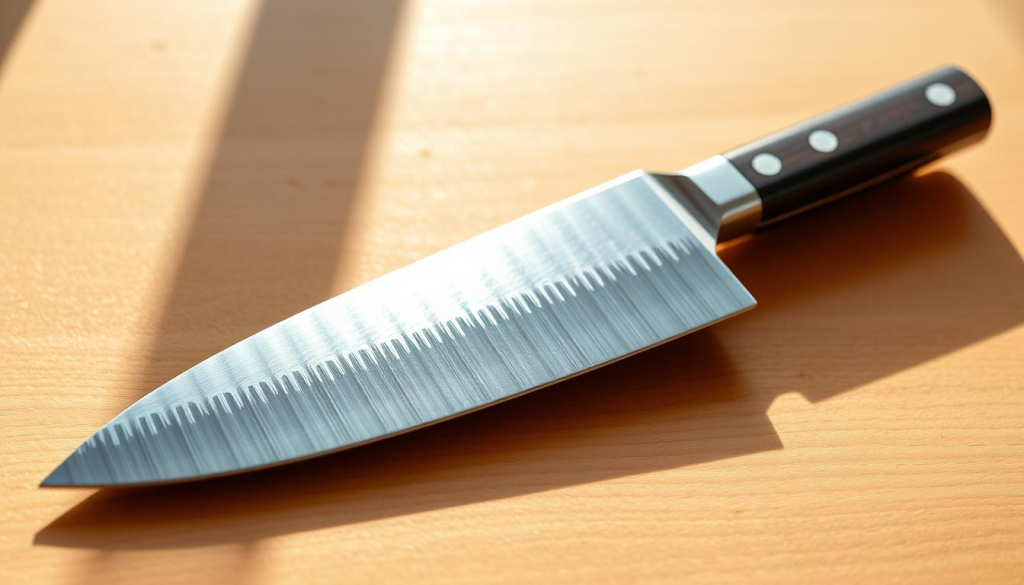
The Santoku knife is characterized by its straight edge and sheepsfoot tip, making it ideal for precise cuts. Unlike other knives, the Santoku’s design allows for a more straightforward cutting motion, reducing the risk of tearing or crushing ingredients.
Key characteristics of a Santoku knife include its balanced weight, typically ranging between 6 to 12 inches in length, and its ability to handle various kitchen tasks with ease.
Key Features of a Santoku Knife
A top-rated Santoku knife is distinguished by its sharpness, balance, and durability. The blade is typically made from high-carbon stainless steel, ensuring resistance to corrosion and maintaining sharpness over time.
- Sharpness: Essential for precise cutting and minimal effort.
- Balance: Enhances comfort during extended use.
- Durability: High-quality materials ensure longevity.
Versatility in Food Preparation
The Santoku knife is incredibly versatile, suitable for a variety of tasks from slicing vegetables to chopping meat. Its design makes it particularly adept at handling delicate ingredients without causing damage.
Whether you’re a professional chef or an avid home cook, a top-rated Santoku knife can significantly enhance your cooking experience. Its precision and ease of use make it a valuable addition to any kitchen, complementing the professional chef knife in your culinary toolkit.
Comparing Chef Knives and Santoku Knives
When it comes to essential kitchen tools, understanding the differences between Chef Knives and Santoku Knives is crucial for home cooks. Both knives are staples in many kitchens, serving various purposes, but their unique characteristics can significantly impact cooking efficiency and technique.
Size and Shape Differences
The most noticeable difference between Chef Knives and Santoku Knives lies in their size and shape. Chef Knives typically have a longer blade, often between 8 to 12 inches, with a curved edge that facilitates a rocking motion, ideal for chopping and mincing ingredients. In contrast, Santoku Knives are generally shorter, usually between 5 to 7 inches, with a straighter edge and a more compact, balanced design that is perfect for push-cutting motions.
Size matters when it comes to choosing the right knife for your cooking style. Larger Chef Knives are versatile and can handle a variety of tasks, from chopping vegetables to slicing meat. On the other hand, the compact size of Santoku Knives makes them ideal for precision cutting and for those with smaller hands or less storage space.
Cutting Techniques for Each Knife
The cutting technique required for Chef Knives and Santoku Knives differs due to their design. Chef Knives are designed for a rocking motion, which is effective for chopping through tough or fibrous ingredients. This motion allows for a more aggressive cut, making it easier to chop through bones or hard vegetables.
Santoku Knives, with their straighter edge, are better suited for a push-cutting motion. This technique is gentler and more controlled, making it perfect for slicing delicate ingredients or for precision cutting tasks.
Which Knife is Right for You?
Choosing between a Chef Knife and a Santoku Knife ultimately depends on your personal cooking preferences and the types of dishes you frequently prepare. If you often find yourself chopping through tough ingredients or prefer a more traditional Western cutting style, a Chef Knife might be the better choice. For those who prefer a more precise, controlled cut, or are interested in Japanese cuisine, a Santoku Knife could be the ideal addition to your chef knife set.
For a comprehensive santoku knife guide, consider your cooking habits and the specific tasks you perform most often. Whether you’re a professional chef or a home cook, understanding the strengths of each knife will help you make an informed decision and enhance your overall cooking experience.
Materials in Knife Construction
The construction of chef and santoku knives involves a variety of materials, each chosen for its unique properties. The choice of material significantly affects a knife’s performance, durability, and comfort during use.
Types of Steel Used in Knives
The type of steel used in a knife’s blade is crucial for its sharpness, edge retention, and resistance to corrosion. Common types include:
- High-Carbon Steel: Known for its sharpness and durability, high-carbon steel is a popular choice for both chef and santoku knives.
- Stainless Steel: Resistant to corrosion, stainless steel knives are ideal for cutting acidic foods and require less maintenance.
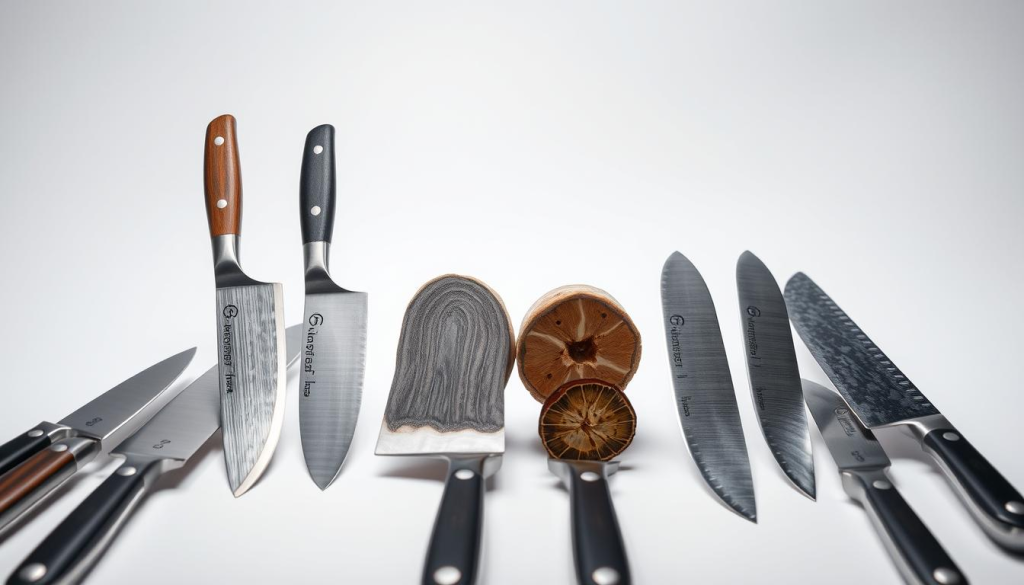
- Damascus Steel: A type of steel known for its distinctive pattern and high quality, Damascus steel is prized for its beauty and performance.
Each type of steel has its benefits and drawbacks, making some more suitable for specific tasks than others.
| Steel Type | Sharpness | Corrosion Resistance | Durability |
|---|---|---|---|
| High-Carbon Steel | Excellent | Low | High |
| Stainless Steel | Good | High | Medium |
| Damascus Steel | Excellent | Medium | High |
Benefits of Blade Coatings
Blade coatings can enhance a knife’s performance by reducing friction and preventing corrosion. Some common coatings include:
- Teflon Coating: Reduces friction, making cutting easier.
- Ceramic Coating: Provides a hard, corrosion-resistant layer.
These coatings can extend the life of a knife and improve its cutting performance.
Handle Materials: Comfort and Durability
The material used for a knife’s handle affects its comfort, grip, and durability. Common handle materials include:
- Wood: Offers a comfortable grip and aesthetic appeal but requires maintenance.
- Plastic: Durable and easy to clean, plastic handles are practical but may not be as comfortable.
- Metal: Strong and durable, metal handles can be uncomfortable without additional grip materials.
Choosing the right handle material depends on personal preference and intended use.
Knife Sharpness: Why It Matters
Knife sharpness plays a significant role in cooking, affecting both the quality of the food and the safety of the cook. A sharp knife is essential for making precise cuts, which is crucial for both presentation and cooking evenly. Moreover, a sharp knife reduces the risk of accidents, as it requires less force and is less likely to slip.
https://www.youtube.com/watch?v=N46Bany7mus&pp=ygUOI3NhbnRva3Vrbml2ZXM%3D
Assessing Knife Sharpness
To assess the sharpness of your chef knife or Santoku knife, you can perform a simple test. Slice through a piece of paper or a tomato. A sharp knife will cut through smoothly with minimal pressure, while a dull knife will tear or require more force.
Maintaining Sharpness
Regular maintenance is key to keeping your knives sharp. Here are some tips:
- Store your knives properly in a block or on a magnetic strip to prevent dulling.
- Clean your knives by hand to avoid damage from the dishwasher.
- Use a cutting board made of wood or plastic, as these materials are gentler on knives than metal or stone.
When to Sharpen or Replace
Even with proper care, knives will eventually lose their sharpness. If you find that you’re having to apply more pressure or that your cuts are becoming less precise, it’s time to sharpen your knife. For many home cooks, sharpening every few months is sufficient, but this can vary based on usage. If sharpening doesn’t restore the knife’s edge, it may be time to consider replacing it.
For those using a Santoku knife guide, understanding the specific sharpening requirements for your knife is crucial. Different materials and blade angles may require unique sharpening techniques.
Ideal Uses for a Chef Knife
The best chef knife is not just a necessity but a workhorse in any kitchen, capable of handling various cooking tasks. Its versatility makes it an indispensable tool for both novice cooks and experienced chefs.
Slicing and Dicing Vegetables
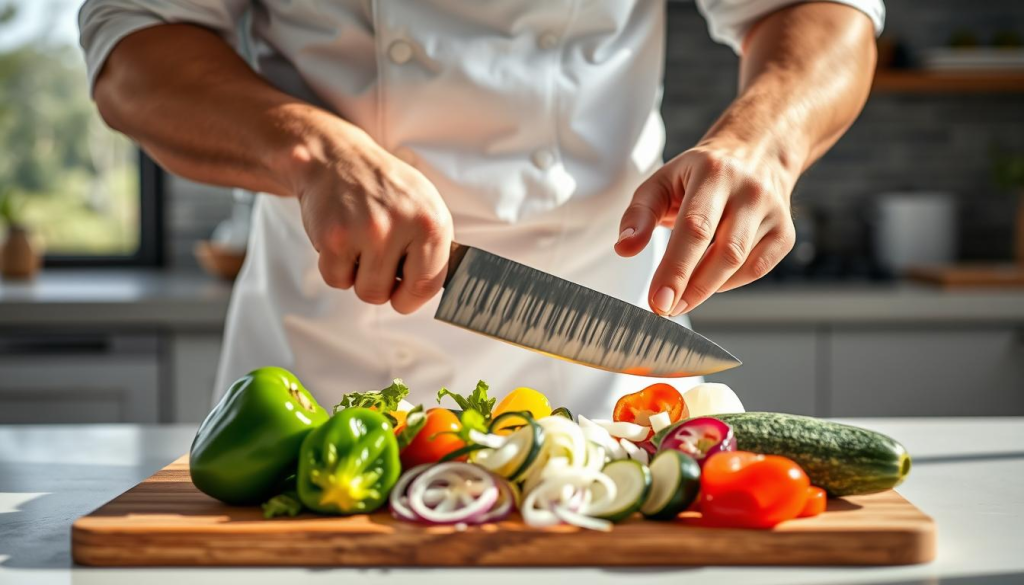
A chef knife excels at slicing and dicing vegetables due to its balanced design and sharp edge. To slice vegetables effectively, hold the knife at a slight angle and use a gentle, rocking motion. This technique ensures uniform slices and minimizes waste.
Chopping Herbs and Garlic
Chopping herbs and garlic is another task where a chef knife shines. The key is to use a sharp knife and a proper chopping technique. Mincing herbs, for instance, involves making swift, gentle cuts, while garlic requires a more crushing motion initially, followed by fine chopping.
Carving Meat: Techniques and Tips
Carving meat is an art that requires precision and the right technique. A professional chef knife, with its sharpness and balance, makes this task easier. To carve meat effectively, slice against the grain using long, smooth strokes. This ensures tender slices and a more appealing presentation.
| Task | Technique | Tip |
|---|---|---|
| Slicing Vegetables | Hold knife at a slight angle, use a gentle rocking motion | Use a cutting board with a stable surface |
| Chopping Herbs | Make swift, gentle cuts | Keep the knife sharp for clean cuts |
| Carving Meat | Slice against the grain, use long, smooth strokes | Let the meat rest before carving for juicier slices |
Ideal Uses for a Santoku Knife
Precision is key when it comes to preparing ingredients, and that’s where a Santoku knife excels. A high-quality Santoku knife is designed to provide the accuracy and finesse needed for a variety of kitchen tasks.
Precision Slicing for Ingredients
The straight edge and balanced design of a Santoku knife make it perfect for precision slicing. Whether you’re slicing delicate herbs or cutting through thicker ingredients like carrots, a top-rated Santoku knife ensures clean, even cuts.
Mincing and Chopping Techniques
Mincing and chopping are fundamental techniques in cooking, and a Santoku knife is well-suited for these tasks. The knife’s sharpness and the ‘push-pull’ cutting motion it facilitates allow for efficient mincing of ingredients like garlic and onions.
Perfect for Home Sushi Preparation
For those interested in preparing sushi at home, a Santoku knife is an invaluable tool. Its precision and sharpness enable the preparation of thin, uniform slices of fish and other ingredients, crucial for creating high-quality sushi.
In summary, a high-quality Santoku knife is not just a useful addition to any kitchen; it’s a versatile tool that enhances the cooking experience. From precision slicing to mincing and chopping, and especially for home sushi preparation, a top-rated Santoku knife is an essential investment for any home cook looking to elevate their culinary skills.
Choosing the Right Size Knife
The right knife size can make a significant difference in your cooking experience. Knives come in various sizes, and selecting the appropriate one depends on personal preference and specific cooking tasks.
Typical Sizes for Chef Knives
Chef knives typically range from 6 to 12 inches in length. The most common sizes are:
- 8 inches: Ideal for general cooking tasks, offering a good balance between control and cutting capacity.
- 10 inches: Suitable for larger ingredients and more substantial chopping tasks.
When choosing a chef knife set, consider the tasks you’ll be performing most often.
Typical Sizes for Santoku Knives
Santoku knives are generally shorter, typically ranging from 5 to 7 inches. Their compact size makes them perfect for:
- Precision slicing
- Mincing ingredients
- Chopping herbs
A santoku knife is a great addition to any kitchen, especially when comparing it to a traditional chef knife comparison.
Finding Your Personal Preference
To determine your ideal knife size, consider the following factors:
- Hand size: Larger hands may prefer longer knives, while smaller hands may find shorter knives more comfortable.
- Cooking style: If you frequently chop large ingredients, a longer knife might be more suitable.
- Storage space: If kitchen storage is limited, a more compact knife could be preferable.
Ultimately, the best way to find your perfect knife size is through hands-on experience. Try out different sizes and styles to see what feels most comfortable for you.
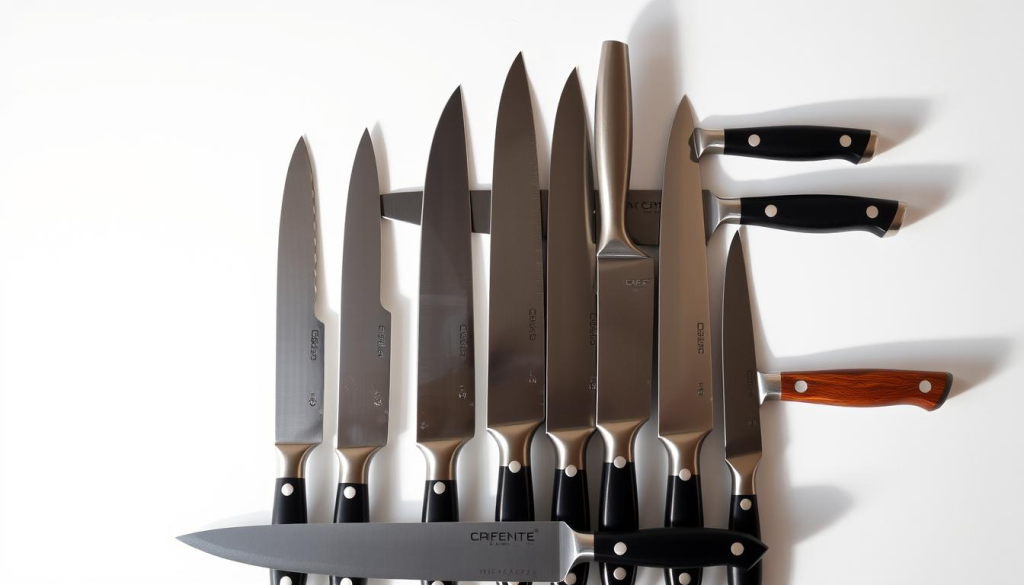
Importance of Comfort and Grip
Ergonomics play a significant role in the design of modern knives, enhancing both performance and user experience. A well-designed knife not only feels good in the hand but also reduces fatigue and improves control during extended cooking sessions.
Ergonomics in Knife Design
The comfort and grip of a knife are crucial for effective use and safety. Manufacturers are now focusing on ergonomic design to ensure that their knives fit comfortably in the hand. This includes contoured handles and balanced weight distribution.
“A good knife should feel like an extension of your hand,” says a renowned chef in a recent interview. This emphasizes the importance of ergonomics in knife design.
How to Hold Each Knife Properly
Holding a knife correctly is vital for both safety and efficiency. For a chef knife, the proper grip involves holding the handle with a firm, but not overly tight, grip, with the blade facing the direction you want the cut to be made.
For a Santoku knife, a similar grip is used, but the lighter weight and different balance point may require a slightly adjusted hold. Practicing with both types can help you find what works best for you.
Testing for Comfort Before You Buy
Before purchasing a chef knife or a Santoku knife, it’s essential to test it for comfort. Hold the knife in your hand, mimic some cutting motions, and pay attention to how it feels. Does it feel balanced? Is the handle comfortable?
- Check the weight and balance of the knife.
- Ensure the handle is comfortable and secure in your hand.
- Consider the material and texture of the handle.
Reading santoku knife reviews can also provide insights into the comfort and grip of various models, helping you make a more informed decision.
Ultimately, a comfortable and secure grip is key to enjoying your cooking experience and ensuring safety in the kitchen.
Caring for Your Knives
Caring for your knives is not just about maintaining their appearance; it’s about ensuring their longevity and performance. Both chef knives and santoku knives require regular maintenance to stay in top condition.
Cleaning Tips for Longevity
Cleaning your knives after each use is crucial. For most knives, washing by hand with mild soap and drying immediately is recommended. Avoid using abrasive materials or putting your knives in the dishwasher, as this can damage the blade and handle.
Safe Storage Solutions
Proper storage is vital to prevent damage and injury. Consider using a knife block, magnetic strip, or a protective case. Each of these options has its benefits, such as keeping your knives organized and within reach while protecting the blades.
| Storage Method | Benefits | Considerations |
|---|---|---|
| Knife Block | Keeps knives organized and accessible | Can take up counter space |
| Magnetic Strip | Saves counter space, visually appealing | May not be suitable for all knife types |
| Protective Case | Protects blades, portable | May not be as accessible |
Importance of Regular Maintenance
Regular sharpening is essential to maintain the effectiveness of your professional chef knife or santoku. Dull knives are not only less effective but can also be more dangerous, as they require more force to cut, increasing the risk of accidents.
By following these care and maintenance tips, you can extend the life of your knives and ensure they continue to perform well. Whether you’re using a santoku for precise cuts or a chef knife for chopping, proper care makes all the difference.
Popular Brands of Chef and Santoku Knives
For those in search of top-rated santoku knives or a comprehensive chef knife set, several brands are worth considering. The world of kitchen knives is diverse, with numerous manufacturers offering high-quality products that cater to different needs and budgets.
Renowned Brands in the Market
Some of the most trusted names in the industry include Wüsthof, Shun, and Global. These brands have established a reputation for producing high-quality knives that are both durable and precise. For instance, Wüsthof is known for its classic designs and exceptional sharpness, while Shun is celebrated for its premium materials and craftsmanship.
Affordable Options for Home Cooks
Not everyone needs to break the bank to acquire a good knife. Brands like Victorinox and Mercer offer budget-friendly options without compromising on quality. Victorinox, for example, is famous for its Swiss Army knives but also produces excellent kitchen knives at affordable prices.
Premium Knives for the Discerning Chef
For those willing to invest in the best, brands like Chris Reeve and Bob Kramer offer high-end knives that are considered works of art. These knives are not only functional but also pieces that can be passed down through generations.
| Brand | Notable Feature | Price Range |
|---|---|---|
| Wüsthof | Classic designs, sharpness | $100-$500 |
| Shun | Premium materials, craftsmanship | $200-$1000 |
| Global | Unique design, balanced feel | $100-$300 |
| Victorinox | Affordability, quality | $20-$100 |
| Mercer | Budget-friendly, durable | $20-$150 |
Whether you’re a professional chef or a home cook, there’s a brand out there that can meet your needs. By considering factors like material, craftsmanship, and price, you can find the perfect chef or santoku knife to enhance your cooking experience.
Final Thoughts: Making Your Choice
Choosing between a chef knife and a santoku knife depends on your cooking style and preferences. When making a chef knife comparison, consider the tasks you perform most often in the kitchen.
Cooking Style Assessment
Assess your cooking habits to determine which knife suits you best. If you frequently chop vegetables or slice meat, a chef knife might be ideal. For precision tasks like mincing or slicing ingredients thinly, a santoku knife could be the better choice.
Knife Sets or Individual Knives
Decide whether to invest in a knife set or purchase individual knives. A santoku knife guide can help you understand the benefits of adding this versatile knife to your collection.
Making the Best Purchase Decision
Consider factors like material, sharpness, and comfort when selecting a knife. Trusted brands like Wüsthof, Shun, and Zwilling J.A. Henckels offer high-quality options. By weighing your needs and preferences, you can make an informed decision and enhance your cooking experience.