The art of crafting exceptional kitchen knives is a tradition deeply rooted in Japan. Renowned for their sharpness and craftsmanship, these knives have become an essential tool for chefs and home cooks alike.
Used by top chefs and skilled home cooks, Japanese kitchen knives are more than just tools; they’re an extension of the chef’s hand, allowing for precise, effortless cutting. The unique characteristics of these knives make them a valuable addition to any kitchen.
Key Takeaways
- Exceptional sharpness and craftsmanship of Japanese kitchen knives
- Importance of these knives for precise cutting
- Tradition and cultural significance behind Japanese knife-making
- Essential tool for both professional chefs and home cooks
- Variety of top Japanese knife brands available
The Art and Legacy of Japanese Knife Making
Japanese knife making is an art form that has been refined over centuries, blending traditional techniques with modern innovations. For more than 1,000 years, Japan’s blacksmiths have been known for making high-quality blades. Japanese knives are typically made from harder steel than their European or American counterparts, which makes for a thinner, lighter blade that can hold a sharper edge for longer.
Ancient Traditions Meet Modern Craftsmanship
The art of Japanese knife making is characterized by the fusion of ancient traditions with modern craftsmanship. Traditional Japanese craftsmanship is evident in the forging process, where high-carbon steel is used to create blades that are both durable and sharp. Modern techniques have introduced precision and consistency, making Japanese knives highly sought after by chefs worldwide.
The forging process involves heating and folding the steel multiple times to remove impurities, resulting in a blade with a sharp edge and a durable structure. This traditional method is complemented by modern machinery that ensures precision and consistency in the manufacturing process.
| Traditional Techniques | Modern Innovations |
|---|---|
| Forging high-carbon steel | Precision machinery for consistency |
| Heating and folding steel | Advanced materials for durability |
| Hand-sharpening for a fine edge | Modern sharpening techniques for precision |
The Cultural Significance of Japanese Blades
Japanese knives are not just tools; they are cultural artifacts that carry significant historical and symbolic meaning. The craftsmanship that goes into making each knife reflects the cultural values of precision, patience, and attention to detail. In Japanese cuisine, the quality of the knife is considered crucial for the preparation of dishes, highlighting the importance of these blades in culinary culture.
The cultural significance of Japanese blades is also reflected in their design and functionality. Different types of knives are designed for specific tasks, showcasing the versatility and specialization that are hallmarks of Japanese knife making.
What Makes Japanese Knives Special
What sets Japanese knives apart is their unique blend of traditional techniques and modern materials. This combination results in knives that are not only functional but also works of art.
Superior Steel Quality and Hardness
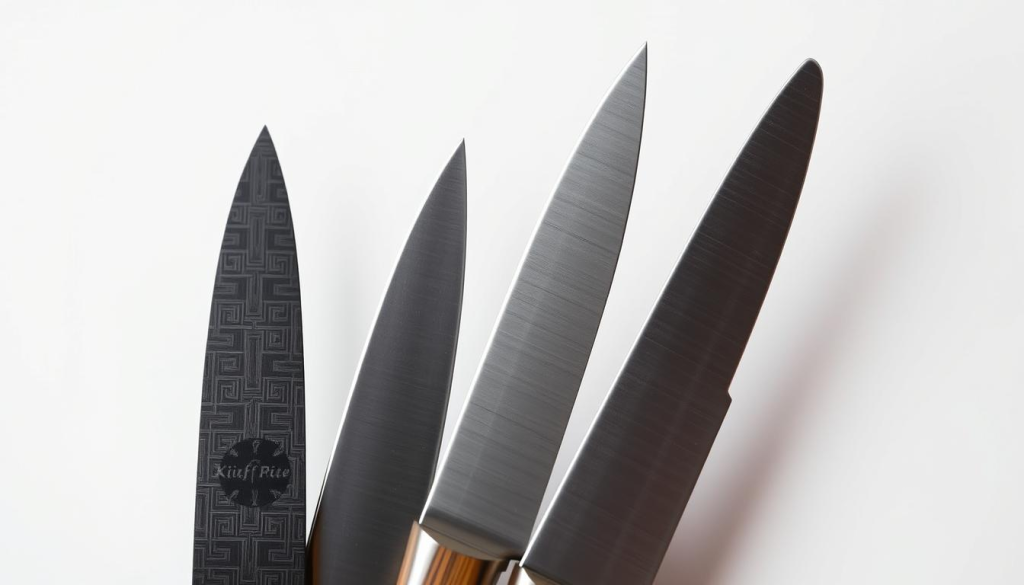
Japanese knives are renowned for their high-carbon steel, which allows for a sharper edge and better durability. The hardness of the steel is measured on the Rockwell scale, with Japanese knives often scoring higher than their Western counterparts. This superior steel quality means that Japanese knives stay sharp longer and require less maintenance.
Distinctive Design Elements
The design of Japanese knives is characterized by precise craftsmanship and attention to detail. From the elegant curvature of the blade to the ergonomic design of the handle, every aspect is carefully considered to provide a superior cutting experience. The distinctive design elements not only enhance the performance of the knife but also make it a beautiful addition to any kitchen.
Unparalleled Sharpness and Edge Retention
One of the most significant advantages of Japanese knives is their exceptional sharpness. The combination of high-quality steel and precise sharpening techniques results in knives that can make clean, precise cuts with minimal effort. Additionally, Japanese knives are known for their ability to retain their edge, reducing the need for frequent sharpening.
Types of Japanese Knives and Their Uses
Japanese knives are renowned for their precision and craftsmanship, with various types designed for specific culinary tasks. The diversity in Japanese knives allows chefs and home cooks to select the perfect tool for their cooking needs.
Gyuto: The Japanese Chef’s Knife
The Gyuto is a versatile knife, often considered the Japanese equivalent of a Western chef’s knife. It is designed for chopping, slicing, and mincing vegetables, meat, and fish. Its curved blade allows for a rocking motion, making it ideal for various kitchen tasks.
Santoku: The Three-Virtue Knife
The Santoku knife is another multipurpose knife that excels at slicing, dicing, and mincing. Its name translates to “three virtues,” referring to its ability to handle meat, fish, and vegetables with ease. The straight edge and flat profile make it perfect for push-cutting techniques.
Nakiri: Vegetable Cleaver
Nakiri knives are designed specifically for cutting vegetables. They have a straight blade and a flat profile, which allows for precise, push-cutting motions. Nakiri knives are ideal for preparing vegetables for various Japanese dishes.
Yanagiba: The Sashimi Knife
The Yanagiba is a long, slender knife used primarily for preparing sashimi and sushi. Its length and sharpness enable chefs to make precise, smooth cuts through fish. This knife is essential for creating thinly sliced sashimi.
Other Specialized Japanese Knives
Besides the Gyuto, Santoku, Nakiri, and Yanagiba, there are other specialized Japanese knives. These include the Deba for filleting fish, the Usuba for thinly slicing vegetables, and the Honesuki for deboning poultry. Each of these knives is crafted to perform specific tasks with precision and ease.
- Gyuto: Versatile chef’s knife
- Santoku: Multipurpose knife for slicing, dicing, and mincing
- Nakiri: Specialized vegetable cleaver
- Yanagiba: Long, slender sashimi knife
- Deba, Usuba, Honesuki: Other specialized knives for specific tasks
Understanding Japanese Knife Brands
Japanese knife brands are renowned for their exceptional quality, with many manufacturers boasting centuries-old histories. “The art of Japanese knife-making is a tradition passed down through generations, with each brand contributing its unique story and techniques,” says a renowned cutler.
Traditional vs. Modern Manufacturers
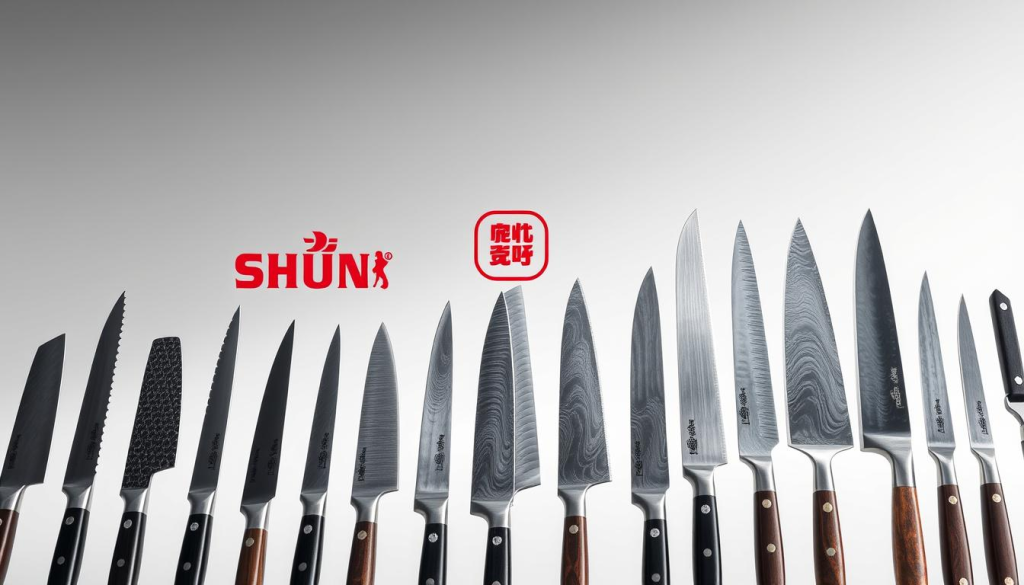
Traditional Japanese knife manufacturers adhere to ancient techniques, preserving the country’s rich heritage. In contrast, modern manufacturers often blend traditional craftsmanship with contemporary materials and designs, creating innovative products. This blend of old and new caters to a wide range of culinary preferences and needs.
For instance, traditional brands like Hattori and Masamoto continue to produce high-quality knives using time-honored methods, while modern brands may incorporate advanced materials and ergonomic designs.
Regional Knife-Making Traditions
Regional traditions play a significant role in shaping Japanese knife brands. Different regions in Japan are known for their unique knife-making styles, influenced by local materials, culinary practices, and cultural preferences. For example, knives from the Seki region are known for their sharpness, while those from Sakai are celebrated for their precision and craftsmanship.
Understanding these regional traditions can help in appreciating the diversity and richness of Japanese knife brands, allowing consumers to make informed choices based on their specific needs and preferences.
Shun Cutlery: Precision and Beauty
For those seeking precision and beauty in their kitchen tools, Shun Cutlery stands out as a premier choice. Shun Cutlery is known for its high-quality, well-balanced, and aesthetically pleasing knives that cater to both professional chefs and home cooks.
https://www.youtube.com/watch?v=wiBQ64bcN90
Signature Collections
Shun Cutlery offers several signature collections that embody the brand’s commitment to excellence. The Shun Classic and Shun Premier series are among the most popular, praised for their exceptional sharpness and durability.
The Shun Premier 8-Inch Chef’s Knife, for example, is celebrated for its combination of beauty, balance, and versatility, making it a favorite among culinary professionals.
| Collection | Key Features | Notable Models |
|---|---|---|
| Shun Classic | Traditional Japanese craftsmanship, VG-MAX steel | 8-Inch Chef’s Knife |
| Shun Premier | Precision edge, PakkaWood handle | 8-Inch Chef’s Knife, Santoku |
What Sets Shun Apart
What distinguishes Shun Cutlery from other brands is its meticulous attention to detail and commitment to using high-quality materials. Each knife is crafted to provide a seamless cutting experience, combining precision with beauty.
The use of premium materials, such as VG-MAX steel, ensures that Shun knives maintain their sharpness and resist corrosion, making them a valuable investment for any serious cook.
Miyabi: German Engineering Meets Japanese Craftsmanship
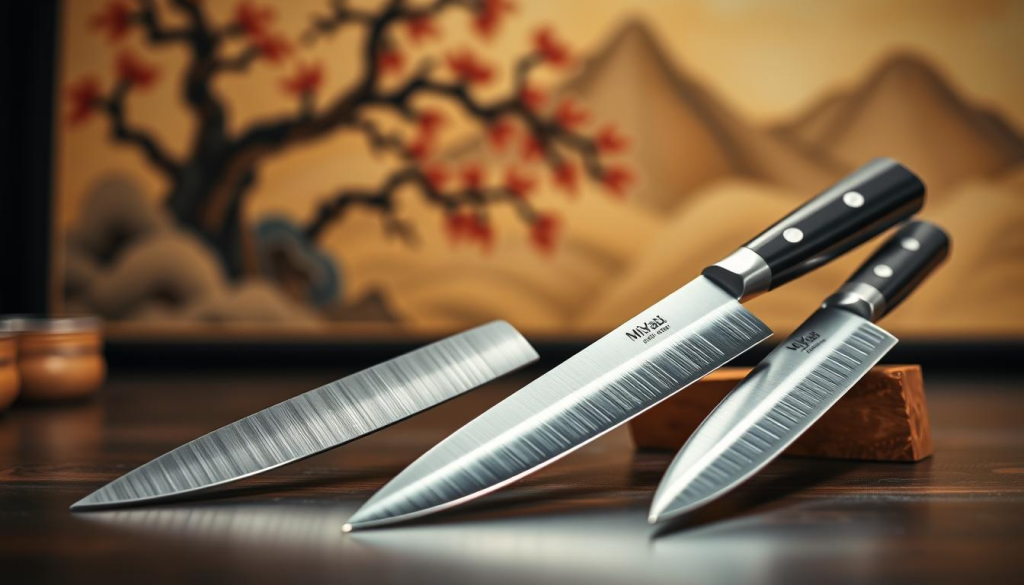
German precision meets Japanese artistry in Miyabi knives, creating a culinary tool that excels in both form and function. Miyabi, a brand that has successfully merged the meticulousness of German engineering with the elegance of Japanese design, offers a range of knives that are highly regarded by chefs worldwide.
Popular Miyabi Lines
Miyabi offers several popular knife lines, each designed to cater to different culinary needs and preferences. Some of the most sought-after collections include:
- Miyabi Kaizen: Known for its exceptional sharpness and durability.
- Miyabi Classic: Offers a traditional look with modern performance.
- Miyabi Sento: Features a unique ice-hardened steel for superior edge retention.
Performance and Design Features
Miyabi knives are celebrated for their outstanding performance and distinctive design features. The brand’s commitment to using high-quality materials and advanced manufacturing techniques results in knives that are not only beautiful but also highly functional. Key features include:
- Micro Carbide Steel: Provides an exceptionally sharp edge.
- Ice-Hardening Technology: Enhances durability and resistance to wear.
- Ergonomic Handles: Designed for comfort and balance.
The blend of German engineering and Japanese craftsmanship in Miyabi knives has set a new standard in the world of culinary arts, making them a preferred choice among professional chefs and home cooks alike.
Global Knives: Revolutionary Design
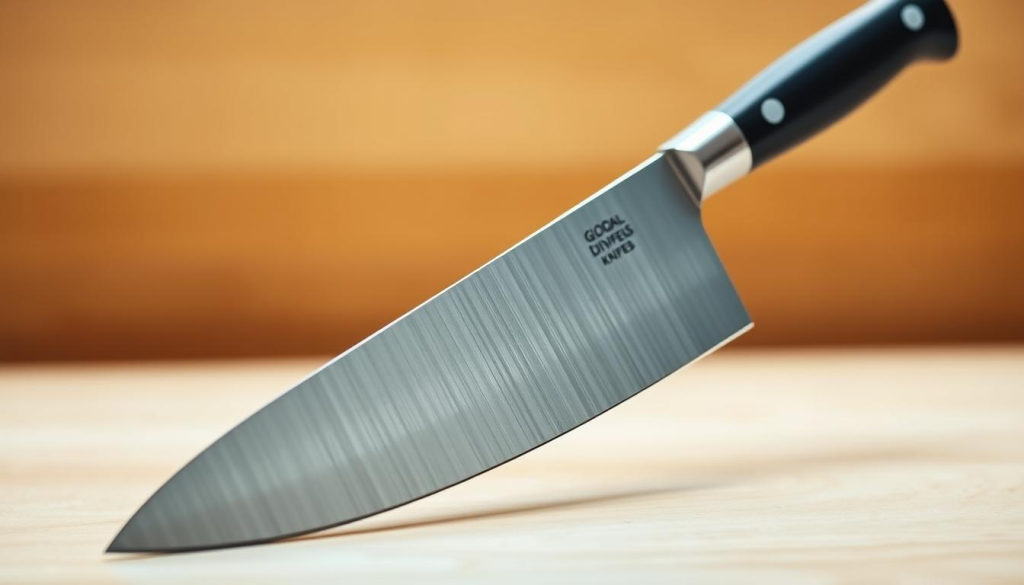
Global Knives, with their unique one-piece construction, have redefined the standards of knife making. This innovative design not only enhances the aesthetic appeal of the knives but also significantly improves their functionality. The seamless construction eliminates food traps, making the knives easier to clean and maintain.
The Distinctive One-Piece Construction
The one-piece construction of Global Knives is a hallmark of their design. This feature ensures that the knife has a perfect balance, making it comfortable to use for extended periods. The all-steel construction also contributes to the knife’s durability and resistance to wear and tear.
According to Global Knives, their unique construction method allows for a more precise edge retention, making their knives exceptionally sharp. This is a significant advantage for chefs who require precision in their cutting tasks.
Global’s Most Popular Models
Global Knives offers a range of models that cater to different culinary needs. Some of their most popular models include:
- The Global G-2 series, known for its precision edge and comfortable handle.
- The Global G-3 series, which features an even more refined edge and enhanced ergonomics.
These models are highly regarded for their exceptional sharpness and durability, making them a favorite among professional chefs and home cooks alike.
In conclusion, Global Knives’ revolutionary design, characterized by their one-piece construction, has set a new standard in the world of knives. Their commitment to quality and innovation is evident in their popular models, which continue to impress culinary professionals worldwide.
Yoshihiro: Traditional Japanese Excellence
Yoshihiro knives embody the pinnacle of traditional Japanese craftsmanship, with each blade telling a story of heritage and skill. Known for their high-quality, handcrafted knives, Yoshihiro reflects the rich traditions of Japanese knife making.
Handcrafted Artisanal Blades
Yoshihiro’s dedication to handcrafting each blade results in artisanal knives that are both precise and beautiful. The process involves careful selection of materials and meticulous attention to detail, ensuring that every knife meets the highest standards of quality.
The handcrafted nature of Yoshihiro knives means that each one is unique, with subtle variations that reflect the craftsman’s skill. This approach not only preserves traditional techniques but also elevates the art of knife making.
Signature Series and Specialties
Yoshihiro’s signature series showcases the brand’s mastery of traditional Japanese knife making. These knives are designed to deliver exceptional performance, combining sharpness, durability, and aesthetic appeal.
The signature series includes a range of models, each tailored to specific culinary tasks. From delicate slicing to heavy chopping, Yoshihiro’s knives are designed to meet the needs of professional chefs and home cooks alike.
Mac Knives: Professional Performance
Since its inception in 1964, Mac Knives has established itself as a premier brand in the world of Japanese knives, offering unparalleled professional performance. With a legacy spanning over five decades, Mac Knives has garnered trust among professional chefs worldwide for its exceptional versatility and high-quality craftsmanship.
Mac’s Unique Approach to Knife Making
Mac Knives’ unique approach to knife making lies in its commitment to using high-quality materials and innovative manufacturing techniques. Their knives are designed to provide professional chefs with the tools they need to excel in the kitchen. By combining traditional Japanese craftsmanship with modern technology, Mac Knives creates knives that are both durable and precise.
Best-Selling Mac Knife Series
Mac Knives offers several best-selling series that cater to the diverse needs of professional chefs. Some of their most popular lines include the Mac Pro and Mac Classic series, known for their exceptional sharpness and ergonomic design. These knives are designed to provide optimal performance and comfort, making them a favorite among culinary professionals.
By focusing on quality, innovation, and user comfort, Mac Knives continues to be a top choice among professional chefs. Whether you’re a seasoned culinary expert or just starting your career, Mac Knives offers the professional performance and reliability you need to succeed in the kitchen.
Top Japanese Knife Brands for Specialty Cutting
Specialty cutting requires the right tools, and Japanese knife brands offer a range of exceptional options. Whether you’re a professional chef or a culinary enthusiast, having the right knife can make all the difference in your cooking experience.
Several Japanese knife brands have made a name for themselves in the realm of specialty cutting. These brands are known for their commitment to quality, precision, and innovation.
Masamoto: The Chef’s Choice
Masamoto is a revered brand among chefs for its high-quality knives that excel in specialty cutting tasks. Known for their precision and sharpness, Masamoto knives are designed to meet the demands of professional kitchens. Their knives are crafted with attention to detail, ensuring that every cut is smooth and effortless.
Takeda: Rustic Artisanal Blades
Takeda offers a range of rustic, artisanal blades that are perfect for specialty cutting. Their knives are made using traditional techniques, giving them a unique character and distinctive charm. Takeda knives are ideal for chefs who appreciate the value of handcrafted tools.
Tojiro: Quality at Accessible Prices
Tojiro is a brand that stands out for offering high-quality knives at accessible prices. Their commitment to precision and durability makes them a favorite among both professionals and home cooks. Tojiro knives are designed to deliver reliable performance in various cutting tasks.
Misono: Precision and Reliability
Misono is known for its precision-crafted knives that are designed for reliability and performance. Their knives are made with high-quality materials and are engineered to excel in specialty cutting applications. Misono’s commitment to quality ensures that their knives remain sharp and effective over time.
In conclusion, these Japanese knife brands offer a range of options for specialty cutting, each with its unique strengths and characteristics. Whether you’re looking for precision, durability, or a blend of traditional craftsmanship and modern innovation, there’s a Japanese knife brand that can meet your needs.
Luxury and Collectible Japanese Knife Brands
The world of high-end Japanese knives is a realm where art meets functionality, captivating chefs and collectors alike. These luxury knives are not just tools but pieces of art that reflect the rich heritage and craftsmanship of Japanese cutlery.
Hattori: Rare and Coveted Blades
Hattori is a name synonymous with excellence in Japanese knife making. Their luxury knives are highly prized for their exceptional sharpness and beautiful craftsmanship. Hattori knives are often considered investments, as they retain their value over time.
Konosuke: Ultra-Thin High-Performance Knives
Konosuke knives are celebrated for their ultra-thin blades, which provide a razor-sharp cutting experience. These knives are designed for precision and are favored by professional chefs who demand the highest performance from their tools.
Nenox: Premium Materials and Craftsmanship
Nenox knives stand out for their use of premium materials and meticulous craftsmanship. The brand is known for producing knives that are not only functional but also visually stunning, making them a favorite among collectors.
Takeshi Saji: Artistic Masterpieces
Takeshi Saji is a master knife maker renowned for his artistic approach to knife crafting. Each knife is a unique masterpiece, combining traditional techniques with modern design elements. Saji’s knives are highly collectible and cherished by connoisseurs worldwide.
In conclusion, luxury and collectible Japanese knife brands like Hattori, Konosuke, Nenox, and Takeshi Saji offer more than just cutting tools; they provide a culinary experience that is both beautiful and functional. Whether you’re a collector or a chef, these knives are sure to impress with their craftsmanship and performance.
Choosing the Right Japanese Knife for Your Kitchen
The world of Japanese knives is vast, and picking the ideal knife requires consideration of your cooking techniques and preferences. With so many options available, understanding your needs is crucial to making the right choice.
Matching Knife Types to Cooking Styles
Different cooking styles demand different types of knives. For instance, if you’re an avid sushi maker, a Yanagiba or Sashimi knife would be an excellent addition to your kitchen. On the other hand, if you focus on general cooking, a Gyuto or Santoku knife might be more suitable. Consider the types of dishes you prepare most often and choose a knife that complements your cooking style.
Budget Considerations
Japanese knives can range from affordable to very expensive. Setting a budget helps narrow down your options. For beginners, a more affordable knife can be a good starting point. As you gain more experience, you might consider investing in higher-end knives. Brands like Tojiro and Misono offer quality knives at various price points, making it easier to find one that fits your budget.
Handle Types and Comfort
The comfort and ergonomics of a knife handle are crucial for prolonged use. Japanese knives come with different handle types, such as the traditional Wa handle or the more Western-style Yo handle. The Wa handle is typically made from wood and is designed for a more precise grip, while the Yo handle is often made from a variety of materials and can offer a more substantial feel. Choose a handle that feels comfortable in your hand to ensure a pleasant cooking experience.
By considering your cooking style, budget, and handle comfort, you can select a Japanese knife that not only meets your culinary needs but also enhances your overall cooking experience.
Care and Maintenance of Japanese Knives
The longevity of a Japanese knife depends on proper care, including cleaning, storage, and sharpening techniques. To maintain their exceptional quality and performance, it’s crucial to understand the specific needs of these precision instruments.
Proper Cleaning and Storage
Cleaning your Japanese knife after each use is vital to prevent the buildup of residue and bacteria. Hand wash the knife with mild soap and dry it immediately to prevent rust. Store your knives in a dry place, such as a wooden knife block or a dry drawer, to maintain their condition. Avoid storing knives in humid environments or wrapping them in materials that can cause rust.
Sharpening Techniques
Sharpening is a critical aspect of maintaining your Japanese knife. Use a whetstone or a sharpening rod specifically designed for Japanese knives to hone the edge. Start with a coarse grit to repair the edge, then move to finer grits for polishing. Regular sharpening maintains the knife’s performance and extends its lifespan.
Extending the Life of Your Investment
To extend the life of your Japanese knife, avoid cutting on hard surfaces like glass or stone, as this can damage the edge. Regularly honing your knife and storing it properly will also help maintain its quality. By following these care and maintenance tips, you can ensure your Japanese knife remains a valuable and reliable tool in your kitchen for years to come.
Conclusion
Investing in a high-quality Japanese knife is a significant decision that can elevate one’s cooking experience. Throughout this article, we’ve explored the top Japanese knife brands, delving into their history, craftsmanship, and the unique qualities that set them apart.
From the precision and beauty of Shun Cutlery to the revolutionary design of Global Knives, each brand offers something unique to the culinary world. Whether you’re a professional chef or an avid home cook, understanding the different types of Japanese knives and their uses is crucial for selecting the right tool for your kitchen.
By choosing a reputable Japanese knife brand, you’re not only acquiring a superior cutting instrument but also investing in a piece of craftsmanship that can last a lifetime with proper care. As you’ve seen, brands like Miyabi, Yoshihiro, and Mac Knives offer a range of options to suit various needs and preferences.
In conclusion, the world of Japanese knife brands is rich with history, craftsmanship, and innovation. By selecting the right knife, you’re enhancing your cooking experience and connecting with a tradition that values precision, quality, and beauty.