The world of cutlery is rich with heritage and craftsmanship, particularly when it comes to high-quality cutlery from Europe. For centuries, European knife making traditions have been refined, resulting in some of the most exquisite and functional knives available today.
These European knife brands have perfected their craft, blending traditional techniques with modern innovation. The result is a range of knives that are not only beautiful but also exceptionally durable and precise.
Key Takeaways
- Renowned European cutlery brands are celebrated for their quality and craftsmanship.
- Traditional knife making techniques are still used today, blended with modern innovation.
- European knives are highly regarded for their durability and precision.
- The heritage of European cutlery is rich and diverse, reflecting various cultural influences.
- Leading brands continue to innovate, pushing the boundaries of cutlery design.
The Rich Heritage of European Knife Making
For centuries, European craftsmen have honed their skills in knife making, creating some of the world’s most renowned cutlery brands. The history of European knife making is a rich tapestry of innovation, craftsmanship, and a deep understanding of the materials and techniques involved.
Centuries of Craftsmanship and Innovation
European knife making traditions date back to the Middle Ages, with various regions developing their unique styles and techniques. The art of crafting knives was refined over centuries, with master craftsmen continually innovating and improving their designs. Brands like Wüsthof and Zwilling J.A. Henckels have been at the forefront of this tradition, producing high-quality knives that are prized by chefs and collectors alike.
The emphasis on craftsmanship and the use of premium materials has been a hallmark of European knife making. This focus on quality has enabled European brands to establish a reputation for excellence in the world of cutlery.
How European Knives Shaped Modern Cutlery
European knives have had a profound influence on the development of modern cutlery. The designs, materials, and manufacturing techniques pioneered by European craftsmen have been adopted and adapted worldwide. The European cutlery history is replete with examples of innovation, from the development of new steel alloys to the creation of ergonomic handle designs.
Today, European knife making continues to evolve, with brands incorporating modern technologies and materials into their products while maintaining the traditional craftsmanship that has defined the industry for centuries.
Understanding European Knife Characteristics
The hallmark of European knives is their use of premium materials, coupled with ergonomic handle designs and precise edge geometries. These characteristics not only enhance the performance of the knives but also contribute to their durability and overall user experience.
Premium Materials and Steel Types
European knives are crafted from high-quality materials, including stainless steel, high-carbon steel, and Damascus steel. The choice of material significantly affects the knife’s sharpness, rust resistance, and overall longevity. For instance, high-carbon steel is prized for its ability to hold a sharp edge, while stainless steel offers superior resistance to corrosion.
| Material | Sharpness | Rust Resistance |
|---|---|---|
| High-Carbon Steel | Excellent | Poor |
| Stainless Steel | Good | Excellent |
| Damascus Steel | Excellent | Good |
Handle Designs and Ergonomics
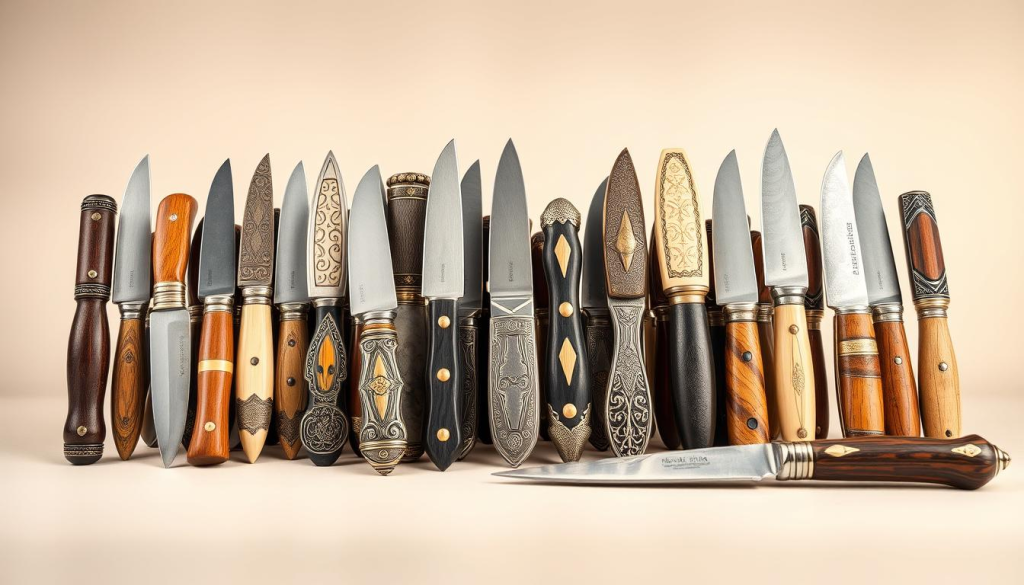
The handle design of European knives is another critical aspect that contributes to their uniqueness. Ergonomically designed handles ensure a comfortable grip, reducing fatigue during prolonged use. Materials used for handles vary, ranging from traditional wood and bone to modern synthetic materials like polypropylene.
Edge Geometry and Sharpening Angles
The edge geometry and sharpening angles of European knives are precision-crafted to provide optimal cutting performance. Different types of knives have specific edge angles; for example, chef’s knives typically have a sharpening angle of around 20 degrees per side, while fillet knives may have a more acute angle.
Key characteristics of European knives include their premium materials, ergonomic designs, and precise edge geometries, making them a preferred choice among culinary professionals and enthusiasts alike.
Top European Knife Brands for Culinary Excellence
For chefs and home cooks alike, European knife brands offer a blend of tradition, quality, and performance. These brands have been perfecting their craft for centuries, resulting in some of the finest cutlery available today.
Wüsthof: German Precision Since 1814
Wüsthof is a renowned German brand known for its high-carbon steel knives and precise forging techniques. With a history dating back to 1814, Wüsthof has established itself as a leader in the cutlery industry. Their knives are celebrated for their durability, sharpness, and ergonomic design.
Zwilling J.A. Henckels: Twin Brand Legacy
Zwilling J.A. Henckels, commonly known as Zwilling, is another prestigious German brand with a rich history. Founded in 1731, Zwilling is known for its high-quality knives, cookware, and other kitchen utensils. Their knives are forged from high-carbon steel and are designed to provide a lifetime of service.
Sabatier: The French Knife Icon
Sabatier is a legendary French brand that has been producing high-quality knives since 1814. Sabatier knives are known for their exceptional sharpness, balance, and craftsmanship. They are a favorite among professional chefs and serious home cooks.
Here’s a comparison of these top European knife brands:
| Brand | Country | Founded | Notable Features |
|---|---|---|---|
| Wüsthof | Germany | 1814 | High-carbon steel, precise forging |
| Zwilling J.A. Henckels | Germany | 1731 | High-carbon steel, lifetime warranty |
| Sabatier | France | 1814 | Exceptional sharpness, balanced design |
These European knife brands have earned their reputation through centuries of craftsmanship and innovation. Whether you’re a professional chef or a serious home cook, investing in a high-quality knife from one of these brands can elevate your cooking experience.
German Knife Traditions and Manufacturing
For centuries, Germany has been renowned for its exceptional knife manufacturing heritage. The country’s rich history in cutlery production has significantly influenced global knife making standards.
Solingen: The City of Blades
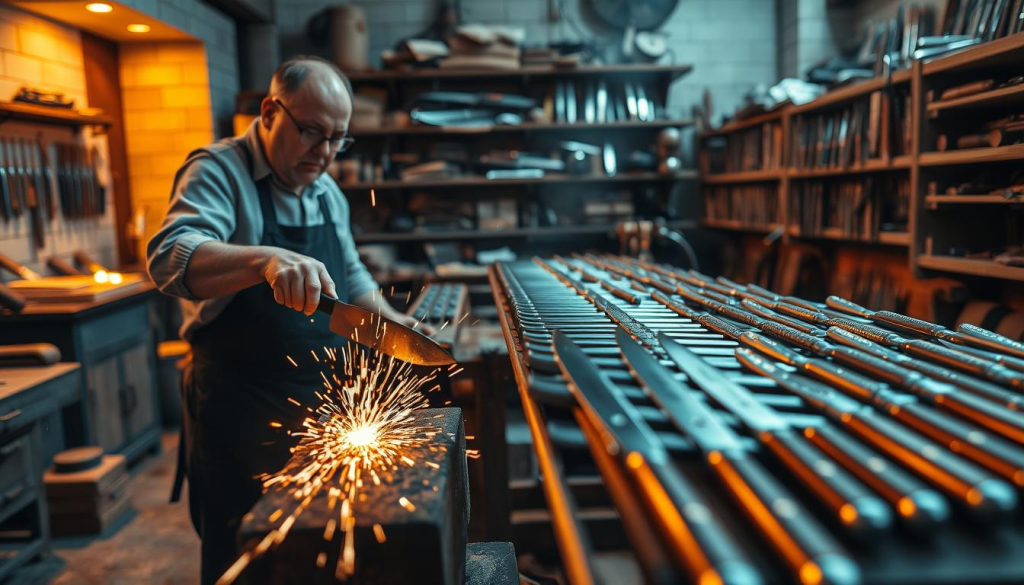
Solingen, often referred to as the “City of Blades,” has been a hub for knife manufacturing since the Middle Ages. The city’s unique position, surrounded by natural resources, facilitated the development of a thriving cutlery industry. Today, Solingen continues to be synonymous with high-quality knives, with many renowned manufacturers based there.
Messermeister: Artisan Quality
Messermeister is a brand that embodies the artisan quality associated with German knife making. Known for their precision and attention to detail, Messermeister knives are favored by both professional chefs and home cooks. Their commitment to using high-quality materials and traditional manufacturing techniques ensures that each knife meets the highest standards.
Key Features of Messermeister Knives:
- High-carbon steel blades for durability
- Ergonomic handle designs for comfort
- Precision sharpening for optimal performance
F. Dick: Professional Butcher Tools
F. Dick is another iconic brand in the world of German cutlery, particularly known for their professional butcher tools. With a history dating back to 1777, F. Dick has established itself as a leader in the industry, providing high-quality knives that are both durable and precise.
“A good knife is not just a tool, it’s a partner in the kitchen.” – F. Dick
| Brand | Specialty | Notable Feature |
|---|---|---|
| Messermeister | Chef’s Knives | Artisan quality and precision |
| F. Dick | Butcher Tools | Durable and precise |
French Knife Craftsmanship and Design
With a rich history of cutlery making, France has established itself as a leader in knife craftsmanship. French knives are celebrated not only for their functionality but also for their aesthetic appeal, reflecting a tradition that blends artistry with precision.
French knife craftsmanship is characterized by meticulous attention to detail and a commitment to quality. Brands like Opinel, Laguiole, and Perceval have become synonymous with excellence in the world of cutlery.
Opinel: Iconic Folding Knives
Opinel knives are a staple of French cutlery, known for their simple yet robust design. The Virobloc ring, a safety feature that locks the blade in place, is a hallmark of Opinel’s commitment to both functionality and safety. With a history dating back to 1890, Opinel has remained true to its roots while adapting to modern needs.
Key Features of Opinel Knives:
- High-carbon steel blades
- Virobloc safety ring
- Ergonomic wooden handles
Laguiole: Distinctive Bee Emblem Knives
Laguiole knives are renowned for their distinctive bee emblem, a symbol that has become synonymous with quality and craftsmanship. These knives are not just tools but also pieces of art, often featuring intricate designs and handcrafted details. Laguiole’s commitment to excellence has made it a favorite among chefs and collectors alike.
“A Laguiole knife is not just a knife; it’s a piece of French heritage.”
Perceval: Modern French Luxury
Perceval represents the modern face of French knife craftsmanship, combining traditional techniques with contemporary design. Perceval knives are known for their luxurious feel and exceptional performance, making them a sought-after choice for culinary professionals.
The blend of traditional craftsmanship and modern design makes Perceval knives stand out in the world of cutlery.
Swiss Precision Beyond the Army Knife
Beyond the well-known Swiss Army knife, Swiss precision knife brands offer a range of high-quality cutlery for various needs. Swiss knife making is renowned for its precision and quality, characteristics that have been honed over centuries. The country’s rich history of craftsmanship and innovation has led to the development of exceptional brands that cater to both professional and personal use.
Victorinox: From Military to Kitchen
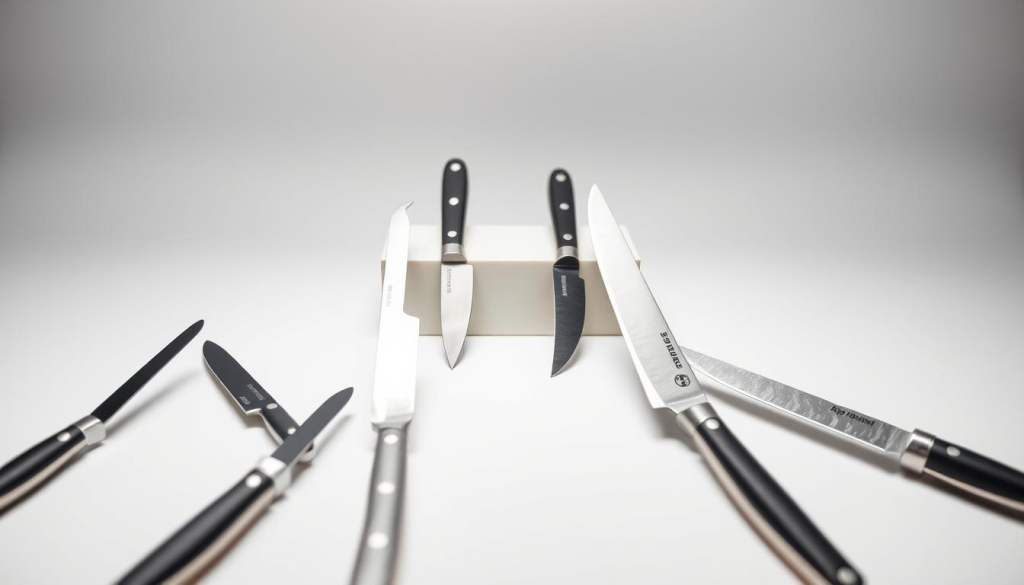
Victorinox is one of the most iconic Swiss knife brands, known globally for its Swiss Army knives. However, the brand’s product range extends far beyond military cutlery. Victorinox offers high-quality kitchen knives that embody the same precision and durability as their military counterparts. Their kitchen knives are designed to meet the needs of professional chefs and home cooks alike, featuring ergonomic designs and high-carbon steel blades.
Wenger: Heritage of Swiss Quality
Wenger, another legendary Swiss knife brand, was known for its high-quality knives and was actually the exclusive supplier of Swiss Army knives until it merged with Victorinox. Wenger knives are celebrated for their precision, durability, and attention to detail. Although the brand is now part of Victorinox, its legacy continues to be honored through a range of products that reflect its commitment to Swiss quality.
Swiza: Contemporary Swiss Engineering
Swiza is a Swiss knife brand that embodies contemporary Swiss engineering. Known for its high-quality pocket knives and kitchen cutlery, Swiza combines traditional Swiss craftsmanship with modern design principles. Their products are characterized by their sleek designs, precision cutting edges, and durable construction, making them a favorite among outdoor enthusiasts and culinary professionals.
The precision and quality associated with Swiss knife making are attributes that have been cultivated over centuries. Brands like Victorinox, Wenger, and Swiza continue this tradition, offering products that are not only functional but also reflect a deep understanding of the user’s needs. Whether for professional use or personal enjoyment, Swiss knife brands are a testament to the country’s enduring legacy in cutlery.
Italian Blade Artistry and Innovation
From Tuscan traditions to modern Italian design, the country’s knife-making industry is a treasure trove of innovation. Italian knife brands have mastered the art of blending heritage with cutting-edge technology, resulting in high-quality blades that are both functional and aesthetically pleasing.
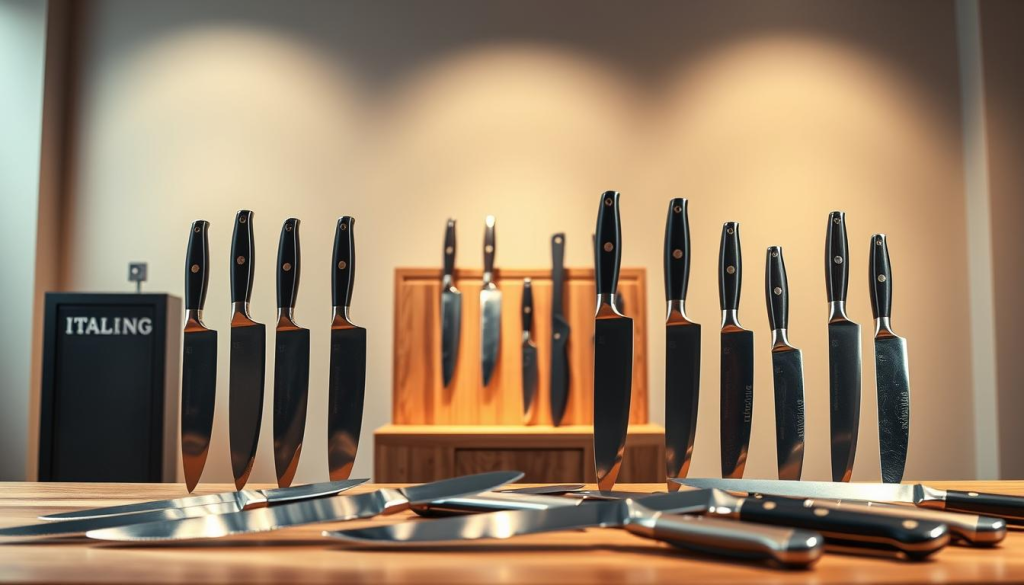
Italian knife making is characterized by its attention to detail and commitment to excellence. Brands like Berti have been perfecting their craft since 1895, establishing a legacy of Tuscan tradition. Berti’s knives are known for their handcrafted quality and timeless design.
Berti: Tuscan Tradition Since 1895
Berti’s long history is a testament to the brand’s dedication to traditional Italian knife making. Their knives are crafted with precision, using high-quality materials that ensure durability and performance. Some key features of Berti knives include:
- Handcrafted production process
- High-carbon steel blades
- Ergonomic handle designs
Viper Knives: Modern Italian Design
Viper Knives represents the modern face of Italian knife making, with designs that are both innovative and functional. Their knives are designed for various uses, from culinary to outdoor activities. Viper Knives are known for their:
- Modern, ergonomic designs
- High-quality steel
- Versatility in application
Fox Knives: Tactical and Outdoor Excellence
Fox Knives has established itself as a leader in the tactical and outdoor knife segment. Their products are designed for performance and durability, making them a favorite among outdoor enthusiasts and professionals. Fox Knives are recognized for their:
- Tactical features and designs
- High-performance materials
- Rugged construction
The diversity and excellence of Italian knife brands like Berti, Viper Knives, and Fox Knives underscore the country’s position as a leader in the global knife-making industry. Their commitment to artistry, innovation, and quality has set a high standard for knife makers worldwide.
Scandinavian Knife Brands and Their Unique Approach
Scandinavian knife brands have gained international recognition for their unique approach to blade making, focusing on both form and function. The region’s knife makers have a long history of producing high-quality, durable knives that cater to various needs, from outdoor adventures to everyday utility.
Morakniv: Swedish Utility Perfection
Morakniv is a Swedish brand that has become synonymous with utility knives. Their products are known for exceptional durability and ease of use. Morakniv’s design philosophy centers around creating knives that are both functional and simple, making them a favorite among outdoor enthusiasts and everyday users alike.
Fällkniven: High-End Survival Tools
Fällkniven is another prominent Scandinavian brand, renowned for its high-end survival knives. These knives are crafted with precision and attention to detail, making them ideal for demanding outdoor tasks. Fällkniven’s products are designed to withstand harsh conditions, ensuring they remain reliable in critical situations.
Helle: Norwegian Outdoor Tradition
Helle, a Norwegian brand, has a rich history of producing high-quality knives that blend traditional craftsmanship with modern design. Their knives are known for their ergonomic handles and high-carbon steel blades, making them suitable for a variety of outdoor activities. Helle’s commitment to quality and functionality has earned them a loyal following among outdoor enthusiasts.
The unique approach of Scandinavian knife brands lies in their ability to balance form and function, creating products that are both beautiful and highly functional. Whether for outdoor use or everyday tasks, these brands offer a range of options that cater to different needs and preferences.
Spanish and Portuguese Blade Making Traditions
The Iberian Peninsula is home to a rich tradition of blade making, with Spain and Portugal contributing significantly to the world of cutlery. For centuries, these countries have been producing high-quality knives that are cherished by chefs and knife enthusiasts alike.
Arcos: Spain’s Oldest Knife Manufacturer
Arcos is a historic Spanish brand that has been producing knives since 1852. Known for their high-carbon stainless steel blades and ergonomic handles, Arcos knives are a favorite among professional chefs. The brand’s commitment to quality and innovation has made it a leader in the industry.
Key Features of Arcos Knives:
- High-carbon stainless steel for durability and rust resistance
- Ergonomic handle designs for comfort and balance
- Precision sharpening for optimal cutting performance
Joker: Handcrafted Hunting Knives
Joker is a Spanish brand renowned for its handcrafted hunting knives. Each knife is carefully made by skilled artisans, ensuring a level of quality and craftsmanship that is hard to find elsewhere. Joker knives are known for their robust construction and beautiful finishes.
Joker’s craftsmanship is reflected in the details, from the carefully selected materials to the precise finishing touches. Their knives are not just tools; they are works of art that reflect the brand’s dedication to excellence.
IVO: Portuguese Cutlery Excellence
IVO is a Portuguese brand that has been producing high-quality cutlery for decades. Known for their innovative designs and commitment to quality, IVO knives are popular among both professional chefs and home cooks. The brand’s focus on functionality and durability has earned it a loyal following.
| Brand | Country | Specialty |
|---|---|---|
| Arcos | Spain | Professional Chef Knives |
| Joker | Spain | Hunting Knives |
| IVO | Portugal | High-Quality Cutlery |
In conclusion, Spanish and Portuguese knife brands like Arcos, Joker, and IVO are making significant contributions to the world of cutlery. Their commitment to quality, craftsmanship, and innovation is evident in every knife they produce.
Eastern European Knife Brands Worth Discovering
Eastern Europe is home to a diverse range of knife brands that are worth discovering for their unique qualities and contributions to the world of cutlery. These brands have been making significant strides in the industry, offering a blend of traditional craftsmanship and modern innovation.
Fiskars (Finland): Functional Design
Fiskars, a Finnish brand with a history dating back to 1649, is renowned for its functional design and high-quality products. Their knives are designed to be both durable and ergonomic, making them a favorite among outdoor enthusiasts and home cooks alike. Fiskars’ commitment to innovation is evident in their use of high-quality materials and attention to detail in every product.
- Ergonomic Handles: Designed for comfort and ease of use.
- High-Carbon Steel: Ensures durability and resistance to corrosion.
- Versatile Products: Ranging from kitchen knives to outdoor tools.
Giesser (Austria): Professional Kitchen Tools
Giesser, an Austrian brand, has established itself as a manufacturer of professional kitchen tools. Their knives are crafted with precision, catering to the needs of professional chefs. Giesser’s products are known for their exceptional quality, durability, and the use of premium materials.
Key Features:
- High-Quality Steel: Used for its strength and ability to hold a sharp edge.
- Precision Craftsmanship: Reflecting the brand’s commitment to excellence.
- Professional Grade: Designed to meet the demands of professional kitchens.
Mikov (Czech Republic): Traditional Pocket Knives
Mikov, a Czech Republic-based brand, has a long history of producing high-quality pocket knives. Their products are known for their traditional craftsmanship, durability, and functionality. Mikov’s knives are popular among collectors and outdoor enthusiasts for their reliability and classic designs.
- Traditional Craftsmanship: Reflecting the brand’s heritage and expertise.
- Durable Construction: Ensuring longevity and performance.
- Classic Designs: Appealing to both collectors and users.
In conclusion, Eastern European knife brands like Fiskars, Giesser, and Mikov offer a unique blend of tradition, quality, and innovation. Whether you’re a professional chef, an outdoor enthusiast, or a collector, these brands have something to offer.
How European Knife Brands Compare to Asian and American Alternatives
For culinary enthusiasts, selecting the right knife involves more than just brand loyalty; it’s about understanding the nuances between European, Asian, and American knives. The differences in design philosophy, manufacturing techniques, and materials can significantly impact performance and user experience.
European vs. Japanese Knife Philosophy
European knives are known for their durability and versatility, often featuring thicker, more robust blades. In contrast, Japanese knives are celebrated for their sharpness and precision, typically having thinner, more delicate edges. “The art of Japanese knife making is deeply rooted in the country’s culinary traditions, emphasizing precision and sharpness,” notes a renowned cutler. This fundamental difference in philosophy affects not only the manufacturing process but also the user’s experience and the knife’s application in various cooking techniques.
European vs. American Manufacturing Approaches
While European knives are often associated with traditional craftsmanship, American manufacturers tend to blend traditional techniques with modern technology. American knives may offer a balance between the durability of European knives and the innovative features desired by contemporary chefs. The manufacturing approach can influence the quality, price, and overall value of the knife.
Finding Your Perfect Match Based on Cooking Style
Ultimately, the choice between European, Asian, and American knives depends on your cooking style and personal preferences. For instance, a chef who frequently chops tough ingredients may prefer the durability of a European knife, while a sushi chef might opt for the precision of a Japanese blade. Understanding your specific needs is key to selecting the most appropriate knife.
By considering the differences in design, manufacturing, and application, cooks can make informed decisions that enhance their culinary experience.
Choosing the Right European Knife Brand for Your Needs
Whether you’re a seasoned chef or an enthusiastic home cook, finding the perfect European knife brand can elevate your cooking experience. With a rich history of craftsmanship and a wide range of products available, European knives are a popular choice among culinary professionals and home cooks alike.
Assessing Your Cooking Style and Requirements
Before selecting a European knife brand, it’s essential to assess your cooking style and requirements. Consider the types of dishes you prepare most often and the specific tasks you perform with your knives. For instance, if you frequently chop vegetables, a high-carbon stainless steel knife from a brand like Wüsthof or Zwilling J.A. Henckels might be ideal due to its durability and resistance to corrosion.
Understanding Warranty and Support Services
Another crucial factor is the warranty and support services offered by European knife brands. Many reputable manufacturers provide lifetime warranties and dedicated customer service. For example, brands like Victorinox and Sabatier are known for their comprehensive warranties and responsive support, ensuring that your investment is protected.
Where to Buy Authentic European Knives in the US
To ensure you’re purchasing authentic European knives, it’s vital to buy from authorized retailers or the manufacturer’s official website. Specialty kitchen stores, online marketplaces like Amazon, and the brand’s own website are reliable sources. Be cautious of counterfeit products, especially when shopping on third-party websites. Buying directly from the source or from well-known retailers can help guarantee the authenticity and quality of your European knives.
Caring for Your European Knife Investment
To maintain the quality and longevity of your European knives, proper care is essential. European knives are precision instruments that require regular maintenance to perform at their best.
Proper Cleaning and Storage Methods
Cleaning your European knives immediately after use is crucial to prevent food residue from hardening on the blade. Use mild soap and warm water, and dry the knives thoroughly to prevent rust. Store your knives in a dry place, such as a knife block or magnetic strip, to keep them organized and protected.
Sharpening Techniques for Different European Blades
Sharpening is a critical aspect of knife care. Different European knife brands may require slightly different sharpening techniques. For instance, German knives often have a more obtuse edge angle, while French knives may have a more acute angle. Use a sharpening stone that is appropriate for your knife’s material, and maintain the original edge angle to preserve the knife’s performance.
Extending the Life of Premium Cutlery
Regular maintenance, including cleaning, sharpening, and proper storage, can significantly extend the life of your European knives. Avoid using your knives on hard surfaces, such as cutting boards made of glass or stone, as this can damage the edge. By following these care tips, you can enjoy your European knives for years to come.
By investing time in caring for your European knives, you can ensure they remain a valuable part of your kitchen arsenal. Proper care not only maintains their performance but also their appearance, making them a joy to use for any culinary task.
Conclusion: The Enduring Appeal of European Knife Brands
European knife brands have long been revered for their exceptional quality and craftsmanship, offering a culinary experience that is hard to match. From the rich heritage of German knife making to the innovative designs of Italian and French cutlery, these brands have shaped the world of cooking.
The enduring appeal of European knife brands lies in their commitment to using premium materials, precise manufacturing techniques, and attention to detail. Whether you’re a professional chef or a home cook, investing in a high-quality European knife is a decision that will elevate your cooking experience.
With their unique characteristics, designs, and manufacturing traditions, European knife brands continue to captivate cooks around the world. As we’ve explored, brands like Wüsthof, Zwilling J.A. Henckels, and Sabatier offer a range of high-quality cutlery that meets the needs of different cooking styles and preferences.
The value of European knife brands extends beyond their performance; they are also a testament to the art of traditional craftsmanship and the innovation that defines European cutlery. As you consider your next culinary investment, the enduring appeal of European knife brands is sure to make a lasting impression.