Having the right knives in your kitchen can make a significant difference in your cooking experience. A well-stocked knife set is essential for any home cook or professional chef.
A good knife set includes a variety of knives, each designed for specific tasks. From chopping and slicing to mincing and carving, the right knife can make a task easier and more efficient.
Understanding the different best knife types and their uses is crucial for getting the most out of your kitchen.
Key Takeaways
- Understanding the importance of a well-stocked knife set.
- Learning about the different types of knives and their uses.
- Discovering how to choose the right knife for the task.
- Exploring the benefits of having a variety of knives.
- Enhancing your cooking experience with the right knives.
Understanding the Basics of a Knife Set
The foundation of any kitchen lies in its knife set, and understanding its components is crucial. A typical knife set is designed to equip you with the right tools for various culinary tasks, making cooking more efficient and enjoyable.
https://www.youtube.com/watch?v=8wgc7rv5WJc
What Constitutes a Knife Set?
A standard knife set includes a variety of knives, each designed for specific tasks. The essential knife types usually found in a set include:
- A chef’s knife for chopping and slicing
- A paring knife for peeling and coring fruit and vegetables
- A bread knife for slicing bread and pastries
- A utility knife for various tasks that require a knife between a chef’s knife and a paring knife in size
These common types of knives form the backbone of any kitchen, allowing for a wide range of cooking activities.
Importance of Knife Variety
Having a variety of knives is important because different knives are designed to perform different tasks efficiently. For instance, a chef’s knife is ideal for chopping vegetables, while a bread knife is better suited for slicing through crusty bread without crushing it.
As noted by culinary experts, “A good knife is not just a tool, it’s an extension of your hand.” This emphasizes the importance of choosing the right knife for the task at hand. The variety in a knife set ensures that you are well-equipped to handle any culinary challenge.
The importance of knife variety can be further understood by considering the following points:
- Efficiency: The right knife makes tasks easier and faster.
- Precision: Different knives offer varying levels of precision, crucial for specific dishes.
- Safety: Using the appropriate knife reduces the risk of accidents.
Chef’s Knife: The All-Purpose Workhorse
In the world of culinary arts, the chef’s knife is revered for its multifunctionality. It is a versatile tool used for chopping, slicing, and mincing ingredients, making it an indispensable asset in any kitchen.
Features of a Chef’s Knife
A high-quality chef’s knife is characterized by its balanced design, sharp edge, and comfortable grip. The blade material is typically made from high-carbon stainless steel, known for its durability and resistance to corrosion.
The edge type can vary, with straight-edge knives offering precision and serrated-edge knives providing better grip on certain foods. The handle is designed for comfort and control, often made from materials like wood, plastic, or metal.
| Feature | Description | Benefit |
|---|---|---|
| Blade Material | High-carbon stainless steel | Durable and resistant to corrosion |
| Edge Type | Straight or serrated | Precision cutting or better grip |
| Handle Material | Wood, plastic, or metal | Comfort and control |
Best Uses for a Chef’s Knife
The chef’s knife is designed for a variety of tasks, including chopping vegetables, slicing meat, and mincing herbs. Its versatility makes it a go-to knife for many chefs.
- Chopping vegetables for soups and salads
- Slicing meat for roasts and sandwiches
- Mincing herbs for marinades and sauces
By mastering the use of a chef’s knife, cooks can enhance their efficiency and precision in the kitchen, making it an essential tool for anyone who enjoys cooking.
Paring Knife: Precision at Your Fingertips
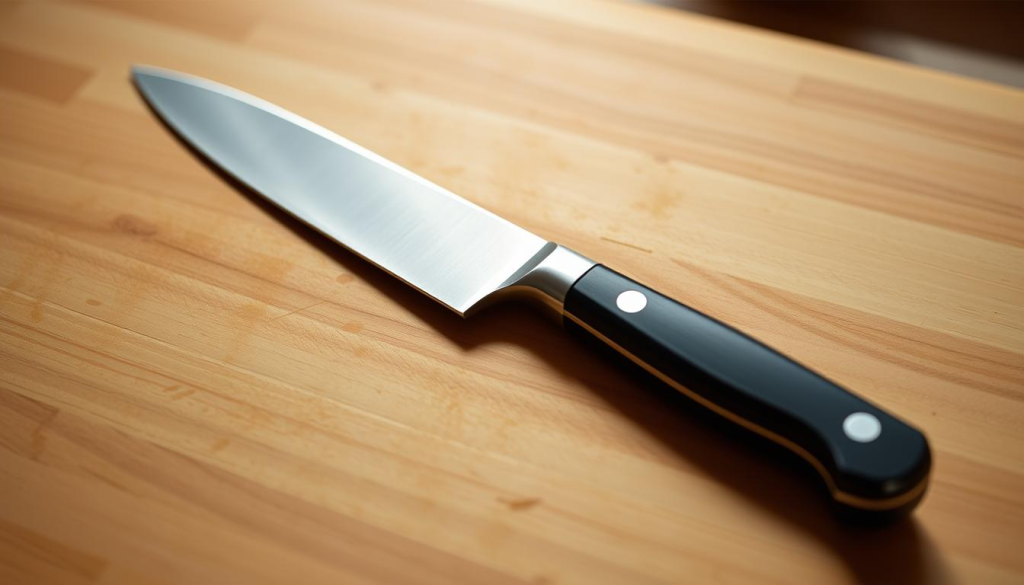
A paring knife is a small but mighty addition to any knife set, offering versatility and precision. It’s designed for tasks that require a delicate touch, making it an essential tool for any kitchen.
Key Attributes
The characteristics of a paring knife include its small size, typically with a blade length of 2 to 4 inches, and its sharp, pointed tip. This design allows for precise control and maneuverability, making it ideal for intricate tasks.
Key Features of a Paring Knife:
- Compact size for precision handling
- Sharp, pointed tip for detailed work
- Versatile for various kitchen tasks
Practical Applications
Paring knives are used for a variety of tasks, including peeling and coring fruits and vegetables, trimming fat from meat, and even decorating dishes with precision cuts. Their versatility makes them a favorite among chefs and home cooks alike.
As culinary expert, Harold McGee, once noted, “The paring knife is a versatile tool that can be used for a multitude of tasks, from the simple to the intricate.”
“The right knife can make all the difference in the kitchen, and a good paring knife is no exception.”
Here’s a comparison of different paring knife types:
| Paring Knife Type | Blade Length | Best Use |
|---|---|---|
| Standard Paring Knife | 2-3 inches | General peeling and coring |
| Bird’s Beak Paring Knife | 2-3 inches | Coring and making decorative cuts |
In conclusion, a paring knife is a valuable addition to any kitchen, providing the precision needed for a variety of tasks. Whether you’re a professional chef or a home cook, understanding the uses and benefits of a paring knife can elevate your cooking experience.
Bread Knife: Slicing with Ease
In the world of kitchen knives, the bread knife stands out for its unique serrated design. A bread knife is a specialized tool, designed to slice through bread and other baked goods with minimal crushing or tearing.
Serrated Edge Design
The serrated edge of a bread knife is its most distinctive feature. This serration allows for a smooth cutting action, gliding through crusty bread without applying too much pressure, which can cause the bread to break or crumble.
When selecting a bread knife, look for one with a well-defined serration. The length of the knife is also important; a longer blade can slice through larger loaves, making it a versatile option for various knife set options.
Best Practices for Slicing Bread
To get the most out of your bread knife, follow a few simple best practices. First, ensure your bread is firm and at room temperature. Using a gentle sawing motion, slice through the bread, applying minimal pressure.
- Keep your bread knife sharp to prevent tearing the bread.
- Store your bread knife properly to maintain its edge.
- Use your bread knife for other tasks like slicing tomatoes or citrus fruits.
By incorporating a bread knife into your types of kitchen knives collection, you’ll find that tasks like slicing bread become much easier and more efficient.
Utility Knife: Versatile and Handy
In the world of knives, the utility knife stands out for its multi-functional design. It’s a versatile tool that can be used for a variety of tasks, from slicing and chopping ingredients to more precise cutting jobs.
What Makes a Utility Knife Useful?
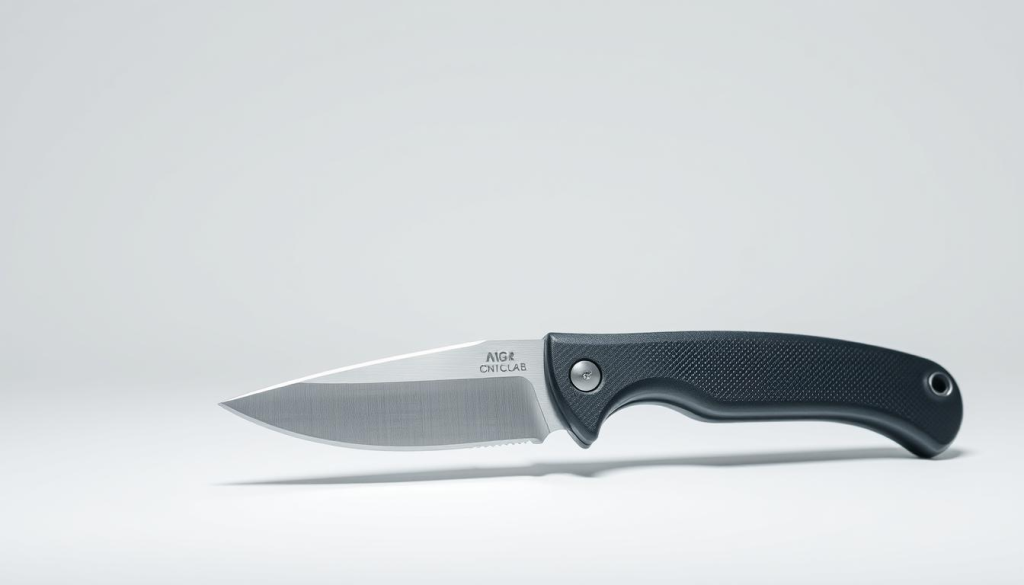
A utility knife is considered useful due to its adaptability and precision. It typically has a blade length between 4 to 7 inches, making it an ideal size for handling various kitchen tasks without being too cumbersome or too small.
The utility knife’s versatility is often compared to that of a chef’s knife, but it is designed for more delicate and precise work. Its straight or slightly curved edge allows for smooth, even cuts, making it perfect for tasks like slicing fruits and vegetables or cutting through meat.
“A good utility knife is one that feels balanced in your hand, with a sharp blade that glides through ingredients with ease.” – Chef’s Guide
Comparing Utility Knives to Other Types
When comparing utility knives to other types of knives, several factors come into play. The table below highlights some key differences:
| Knife Type | Blade Length | Primary Use |
|---|---|---|
| Utility Knife | 4-7 inches | Slicing, chopping, precise cuts |
| Chef’s Knife | 8-10 inches | Chopping, slicing, mincing |
| Paring Knife | 2-4 inches | Peeling, coring, precise cuts |
As shown in the table, the utility knife fills a specific niche between the larger chef’s knife and the smaller paring knife, offering a balance that makes it invaluable in many kitchen scenarios.
Santoku Knife: The Japanese Influence
The Santoku knife, with its Japanese heritage, has become a staple in kitchens worldwide. Known for its versatility and precision, this knife is a valuable addition to any knife set, offering a unique blend of traditional Japanese craftsmanship and modern functionality.
Design and Blade Comparisons
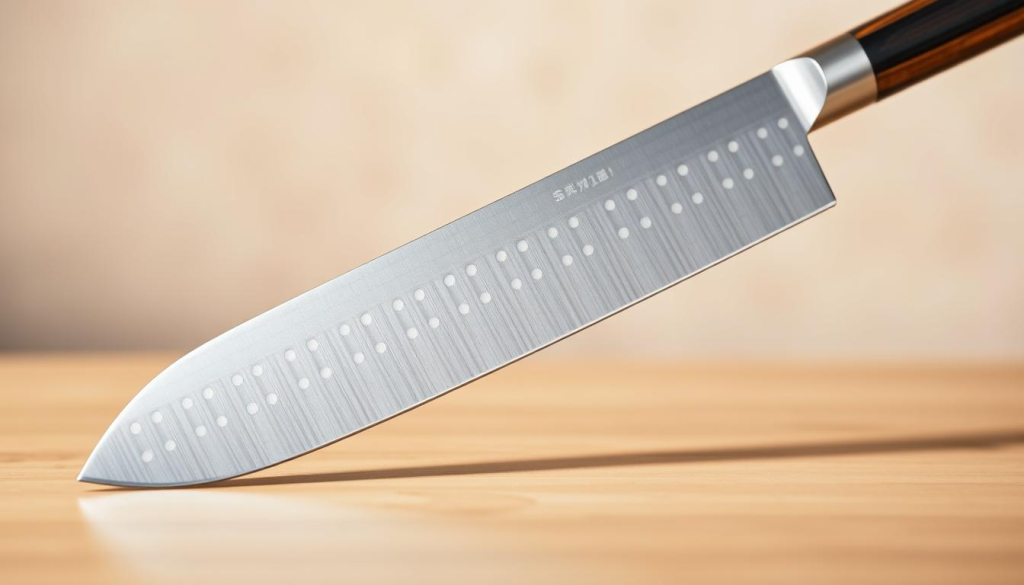
The Santoku knife is characterized by its straight edge and a blade length typically ranging from 5 to 7 inches. Unlike the chef’s knife, which has a curved blade, the Santoku knife’s straight edge allows for a more straightforward, push-pull cutting motion. This design makes it particularly effective for chopping, slicing, and mincing ingredients with precision.
When comparing the Santoku knife to other popular knife types, its balance and weight distribution stand out. The knife is designed to be balanced, with the weight of the blade evenly distributed between the blade and the handle, making it comfortable to use for extended periods.
How to Use a Santoku Knife Effectively
To get the most out of a Santoku knife, it’s essential to understand the proper techniques. The push-pull motion is key to its effective use. Start by holding the knife correctly, with a firm but not overly tight grip. For chopping, use a gentle, rocking motion, keeping the tip of the knife in contact with the cutting board.
For slicing, employ a smooth, even motion, applying gentle pressure. The straight edge of the Santoku knife makes it ideal for slicing ingredients thinly and evenly. When mincing, use a combination of the push-pull motion and a slight rocking action to finely chop ingredients.
By incorporating a Santoku knife into your kitchen arsenal, you’re adding one of the different knife choices that can enhance your cooking experience. Its versatility and the precision it offers make it a valuable tool for a variety of kitchen tasks.
Carving Knife: Mastering the Slice
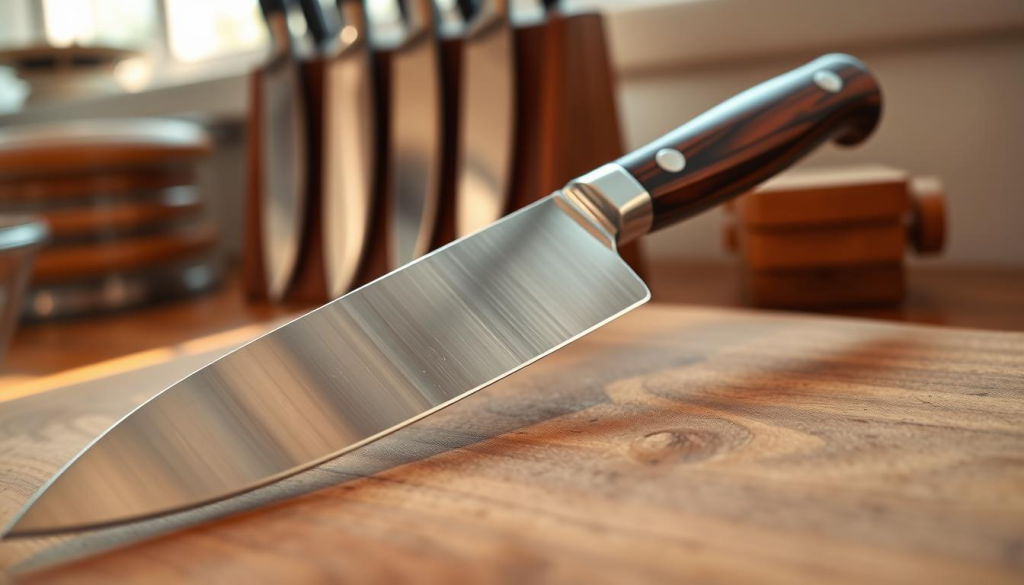
Carving knives are specialized kitchen tools designed to slice through large pieces of meat smoothly, making them a crucial component of any knife set options. Whether you’re carving a roast or slicing a turkey, a high-quality carving knife provides the control and precision needed for flawless slices.
Key Features of a Carving Knife
A carving knife typically has a long, thin blade that allows for smooth, even cuts. The length of the blade can vary, but it’s usually between 8 to 14 inches, making it ideal for slicing large roasts or turkeys. The sharpness of the blade is crucial, as it directly impacts the quality of the slices.
- A long, thin blade for smooth cuts
- Sharpness for precise slicing
- A comfortable handle for controlled grip
Tips for Carving Meat Correctly
To get the most out of your carving knife, follow these tips:
- Always slice against the grain to ensure tender slices.
- Use a gentle sawing motion to carve, applying minimal pressure.
- Keep your carving knife sharp to avoid tearing the meat.
By mastering the use of a carving knife, you’ll not only improve the presentation of your dishes but also enhance the overall dining experience. A carving knife is an indispensable tool among the types of kitchen knives, and its proper use can elevate your cooking to the next level.
Boning Knife: Filleting Made Simple
The art of filleting fish or deboning meat is made simpler with a boning knife. This specialized tool is designed for precision and flexibility, allowing cooks to remove bones with minimal waste and maximum efficiency.
Attributes of a Boning Knife
A boning knife is characterized by its thin, flexible blade, typically ranging between 5 to 6 inches in length. The flexibility of the blade is crucial as it allows for smooth, curved cuts around bones without damaging the surrounding meat or fish.
- Thin Blade: Enables precise cuts and maneuverability around bones.
- Flexible: Allows for gentle, curved cuts, reducing waste and improving yield.
- Sharp Edge: Essential for clean cuts and to prevent tearing the meat or fish.
The Best Techniques for Boning
To get the most out of a boning knife, it’s essential to master the correct techniques. Here are some tips for effective boning:
- Hold the knife at a slight angle to the bone to ensure a smooth cut.
- Use gentle, sawing motions to navigate around the bone structure.
- Keep the knife sharp to prevent applying too much pressure, which can tear the meat.
By incorporating a boning knife into your kitchen arsenal, you’ll enhance your ability to prepare a variety of dishes with precision. Whether you’re filleting fish or deboning meat, this tool is indispensable for achieving professional results.
Steak Knives: Dining Essentials
Steak knives are a crucial component of any dining setting, elevating the experience of savoring a delicious meal. Whether you’re hosting a dinner party or enjoying a quiet evening at home, the right steak knife can make a significant difference.
Why Good Steak Knives Matter
Good steak knives are designed to cut through meat with ease, minimizing the pressure needed and thus preserving the texture and flavor of the steak. A sharp steak knife also adds to the overall dining experience, making mealtime more enjoyable and sophisticated.
Key benefits of good steak knives include:
- Effortless cutting through steak and other meats
- Preservation of meat texture and flavor
- Enhanced dining experience
Types of Steak Knives to Consider
When it comes to choosing steak knives, there are several types to consider, each with its unique characteristics and advantages.
| Type of Steak Knife | Material | Edge Type | Characteristics |
|---|---|---|---|
| High Carbon Stainless Steel | High Carbon Stainless Steel | Straight Edge | Durable, resistant to corrosion, easy to sharpen |
| Forged Steak Knife | Forged Steel | Serrated Edge | Strong, durable, great for cutting through tough meat |
| Stainless Steel Steak Knife | Stainless Steel | Straight or Serrated | Resistant to corrosion, easy to clean, versatile |
When selecting steak knives, it’s essential to consider factors such as material, edge type, and overall durability to ensure you find the perfect fit for your dining needs.
By choosing the right steak knives, you can elevate your dining experience, making every meal a memorable occasion.
Specialty Knives: Expanding Your Set
A well-rounded knife set is not complete without specialty knives that cater to specific cooking tasks. These unique knives are designed to make challenging tasks easier, enhancing your overall kitchen experience.
Specialty Options to Consider
Specialty knives, such as a cleaver or fillet knife, are used for particular tasks. A cleaver is ideal for chopping through bones, while a fillet knife is perfect for delicate fish filleting. Including these knives in your set can significantly improve your cooking efficiency.
Benefits of Specialty Knives
Having a variety of knives, including specialty knives, allows for greater versatility in the kitchen. With the right types of knives in a knife set, you’ll be better equipped to handle different cooking techniques and ingredients, making meal preparation more enjoyable and effective.