A high-quality chef’s knife is an indispensable tool in any kitchen, whether you’re an advanced home cook or just starting out. It’s used every time you prepare a meal, making it a crucial component of your cooking routine.
Choosing the right chef’s knife can significantly impact your cooking efficiency and safety. With so many options available, it’s essential to find the best chef knives that suit your needs.
In this article, we’ll explore the top-rated chef knives on the market, providing you with expert reviews and insights to help you make an informed decision.
Key Takeaways
- Understanding the importance of a high-quality chef’s knife
- Factors to consider when choosing the best chef knife
- Expert reviews of top-rated chef knives
- Key features to look for in a chef’s knife
- Tips for maintaining and caring for your chef’s knife
Introduction to Chef Knives
A great chef knife is more than just a tool; it’s an extension of the chef’s hand, and its quality can significantly impact cooking performance. The characteristics that make a chef knife exceptional are multifaceted, involving a blend of material quality, design, and functionality.
What Makes a Great Chef Knife?
A great chef knife is characterized by its ability to perform a variety of tasks with ease and precision. The material used for the blade is crucial, with high-carbon stainless steel being a popular choice due to its durability and resistance to corrosion.
- Material Quality: High-carbon stainless steel or other durable materials that hold their edge well.
- Edge Geometry: A sharp, well-maintained edge that can be easily sharpened.
- Handle Design: Ergonomic design that fits comfortably in the hand, reducing fatigue.
Key Features to Consider
When selecting a chef knife, several key features should be considered to ensure that it meets your cooking needs. These include the blade length, material, and edge type.
- Blade Length: Typically ranges between 8 to 10 inches, with 8 inches being a versatile choice for most tasks.
- Material: High-carbon steel for its sharpness and durability.
- Edge Type: Straight edge for precision or serrated for cutting through tougher materials.
The Importance of Balance and Weight
The balance and weight of a chef knife are critical for its performance. A well-balanced knife feels comfortable in the hand, allowing for smooth, controlled movements.
A knife that is too heavy can cause fatigue, while one that is too light may lack the necessary power for certain tasks. The ideal weight is subjective and depends on personal preference and cooking style.
| Feature | Ideal Characteristic | Benefit |
|---|---|---|
| Balance | Evenly distributed weight | Enhanced control and reduced fatigue |
| Weight | Subjective, based on preference | Optimal performance and comfort |
Top Brands for Chef Knives
For those in search of the best chef knives, brands like Global, Wüsthof, and Shun are often at the top of the list. These brands have established themselves as leaders in the culinary world, offering a range of professional chef knives that cater to different needs and preferences.
Global Chef Knives
Global chef knives are renowned for their sleek design and exceptional sharpness. Made from a single piece of high-quality stainless steel, these Japanese chef knives are both durable and aesthetically pleasing. Global knives are known for their comfortable handles and perfectly balanced weight, making them a favorite among professional chefs.
Wüsthof: A Legacy of Quality
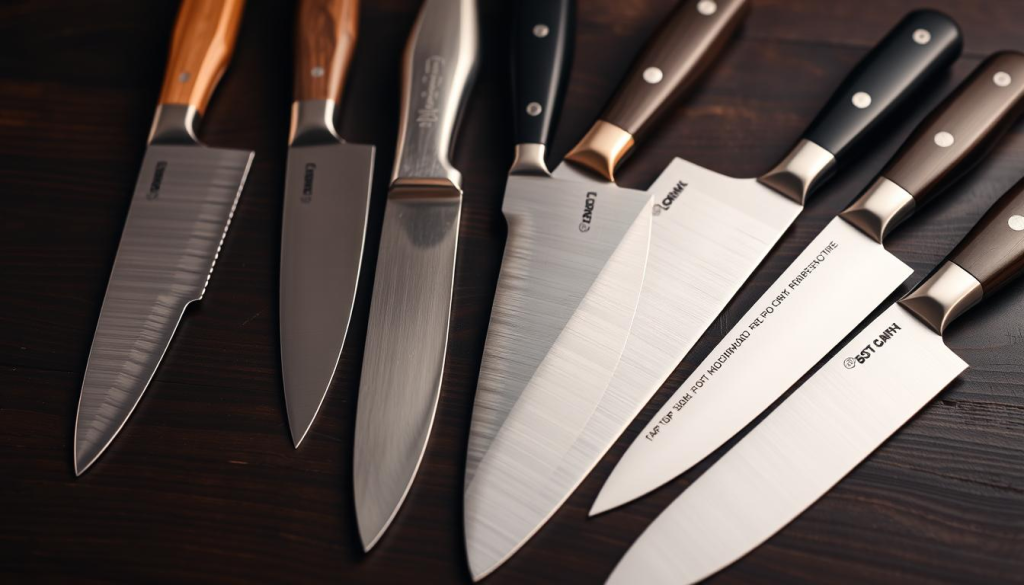
Wüsthof is a German kitchen brand that has been producing high-quality knives for centuries. Their blades are tough and sharp, generally heavier than competitors of the same size, which makes them ideal for chopping and slicing. Wüsthof’s commitment to quality is evident in their Damascus chef knives, which feature intricate patterns and exceptional sharpness.
| Brand | Material | Edge Type | Handle Material |
|---|---|---|---|
| Global | Stainless Steel | Straight Edge | Polypropylene |
| Wüsthof | High-Carbon Steel | Straight or Serrated | Synthetic or Wood |
| Shun | High-Carbon Steel | Straight Edge | Pakkawood |
Shun: Japanese Precision in Your Kitchen
Shun is a brand that embodies the precision and craftsmanship of Japanese knife-making. Their knives are made from high-carbon steel and feature a VG-MAX alloy for enhanced sharpness and durability. Shun knives are known for their beautiful craftsmanship and comfortable handles, making them a popular choice among culinary professionals.
When choosing a chef knife, it’s essential to consider the unique features and benefits of each brand. Whether you’re looking for the precision of Japanese chef knives or the durability of Damascus chef knives, there’s a brand out there that meets your needs.
Detailed Reviews of Best-Selling Chef Knives
Among the myriad of chef knives available, certain models have risen to the top, earning their place in the kitchens of culinary experts and enthusiasts. In this section, we delve into the specifics of three highly acclaimed chef knives that have garnered widespread acclaim for their quality and performance.
Wüsthof Classic 8-Inch Chef Knife
The Wüsthof Classic 8-Inch Chef Knife is a testament to the brand’s commitment to excellence. Renowned for its precision and durability, this knife has become a staple in many professional kitchens. Our testing revealed that it excelled in handling demanding tasks, such as slicing through a sweet potato with ease, showcasing its sharpness and strength.
Victorinox Swiss Army 8-Inch Chef Knife
The Victorinox Swiss Army 8-Inch Chef Knife is another highly-regarded option, celebrated for its versatility and reliability. Manufactured by a brand known for its high-quality cutlery, this knife offers exceptional value. It performed admirably in our tests, demonstrating a keen edge and comfortable handling.
Shun Premier 8-Inch Chef Knife
The Shun Premier 8-Inch Chef Knife represents the pinnacle of Japanese craftsmanship in the culinary world. With its exquisite attention to detail and premium materials, it is a favorite among chefs who demand the very best. Our review highlighted its outstanding sharpness and the precision it brings to various kitchen tasks.
Each of these chef knives has its unique strengths, catering to different needs and preferences. Whether you’re a professional chef or an avid home cook, understanding the characteristics of these top-rated models will help you make an informed decision when selecting the ideal chef knife for your culinary endeavors.
Specialty Chef Knives: Beyond the Basics
While most cooks are familiar with the standard chef’s knife, there are several specialty chef knives that can elevate your cooking experience. These knives are designed to tackle specific tasks with precision and ease, making them a valuable addition to any kitchen.
Santoku Knives: Versatile and Efficient
Santoku knives, originating from Japan, are known for their versatility and efficiency. The name “Santoku” translates to “three virtues,” referring to the knife’s ability to handle three primary tasks: slicing, dicing, and mincing. These knives typically feature a straighter edge than Western chef’s knives, making them ideal for chopping and slicing vegetables with precision.
Japanese-style chef’s knives, like Santoku knives, tend to be thinner and lighter, with an extra-sharp blade made of hard carbon steel. This construction gives them more precision but less power, making them perfect for delicate tasks.
Nakiri Knives: Perfect for Vegetables
Nakiri knives are another type of Japanese specialty knife, specifically designed for vegetable preparation. These knives have a straight blade edge, which allows for a smooth, rocking motion when chopping. The thin, lightweight design of Nakiri knives makes them particularly well-suited for tasks that require precision, such as slicing or dicing vegetables.
When comparing Japanese chef knives like Santoku and Nakiri to their Western counterparts, several differences become apparent. Japanese knives are generally more precise and require less force, making them ideal for cooks who value finesse in their kitchen tasks.
In conclusion, incorporating specialty chef knives into your kitchen arsenal can significantly enhance your cooking experience. Whether you’re preparing delicate slices of vegetables with a Nakiri knife or chopping meat with a Santoku, these knives offer unique benefits that can elevate your culinary skills.
Chef Knife Maintenance Tips
The longevity and effectiveness of your chef knife depend on proper care and maintenance. Regular maintenance not only ensures your knife remains in good condition but also enhances your cooking experience.
Proper Sharpening Techniques
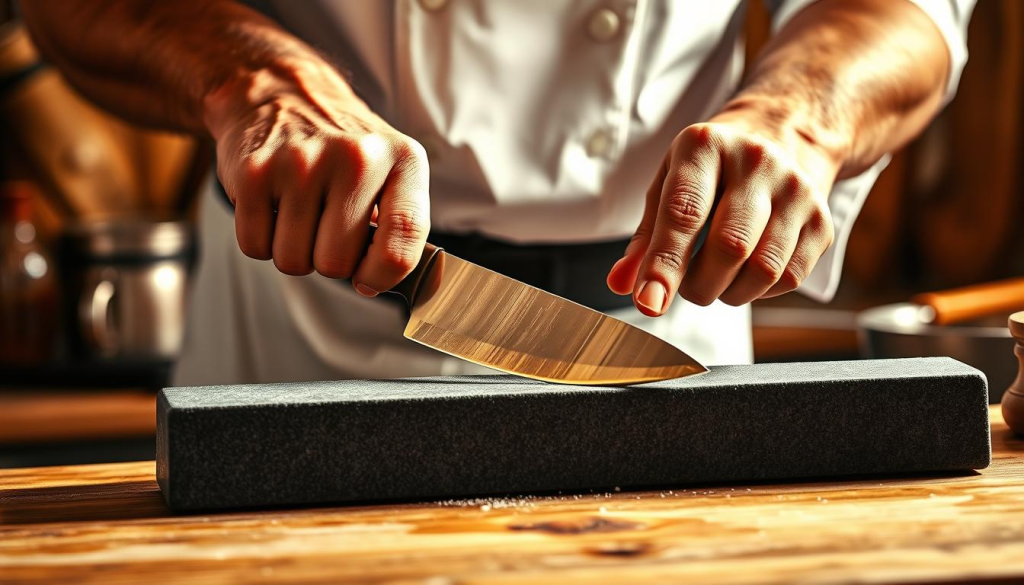
Sharpening your chef knife is a critical aspect of its maintenance. A dull knife is not only less effective but also more dangerous, as it requires more force and can lead to accidents. To sharpen your knife, you can use a whetstone, which allows for precise control over the sharpening angle, or a sharpening steel, which is quicker and easier to use for maintaining the edge between sharpenings.
Tips for Sharpening:
- Use a consistent angle to maintain the knife’s edge.
- Start with a coarse grit whetstone for significant dulling.
- Finish with a finer grit for polishing the edge.
Best Practices for Cleaning and Storing
Cleaning your chef knife immediately after use prevents food from drying onto the blade, making it easier to clean and reducing the risk of bacterial contamination. Hand washing with mild soap and drying thoroughly is recommended. For storing, a knife block or a magnetic strip is ideal, as it protects the blade and keeps it organized.
Storage Tips:
- Avoid storing knives loose in a drawer where they can collide with other utensils.
- Consider a knife roll for travel or additional storage.
When to Replace Your Knife
Even with proper care, a chef knife will eventually need to be replaced. Signs that it’s time for a new knife include a worn or uneven edge that cannot be restored by sharpening, or significant damage to the blade or handle.
Replacement Indicators:
- Visible wear on the blade or handle.
- Performance decline despite proper sharpening.
By following these maintenance tips, you can extend the life of your chef knife and ensure it continues to perform at its best. Regular care is a small investment of time that pays off in the quality of your cooking.
Chef Knives for Home Cooks vs. Professionals
When it comes to selecting the perfect chef knife, the needs of home cooks and professional chefs can differ significantly. While both groups value quality and performance, their priorities and budgets can vary, influencing the type of knife that best suits their needs.
For home cooks, the primary concern is often finding a reliable, budget-friendly chef knife that can handle everyday tasks. These knives are designed to be versatile and durable, making them perfect for occasional cooking.
Budget-Friendly Options for Home Chefs
Home chefs can find excellent value in mid-range chef knives that balance quality and affordability. Brands like Victorinox and Wüsthof offer reliable, budget-friendly options that are ideal for home cooking. An eight-inch knife is typically considered the sweet spot for most home cooks, as it’s large enough to tackle various ingredients but not so big that it feels unwieldy.
- Victorinox Swiss Army 8-Inch Chef Knife: Known for its sharpness and durability, this knife is a great choice for home cooks.
- Wüsthof Classic 8-Inch Chef Knife: Offers precision and a comfortable grip, making it suitable for a variety of kitchen tasks.
High-End Choices for Culinary Professionals
For culinary professionals, the stakes are higher, and the demand for high-end chef knives is driven by the need for precision, durability, and performance under heavy use. Professional chefs often prefer premium brands like Shun and Global, known for their exceptional craftsmanship and high-quality materials.
These professional chef knives are designed to meet the rigorous demands of a commercial kitchen, offering superior sharpness, balance, and longevity. While they come at a higher price, they are an investment in the quality of the cooking experience.
- Shun Premier 8-Inch Chef Knife: Renowned for its sharp edge and beautiful craftsmanship, this knife is a favorite among professionals.
- Global G-2 8-Inch Chef Knife: Praised for its sharpness and ergonomic design, it’s a top choice for chefs who value precision.
In conclusion, whether you’re a home cook or a culinary professional, there’s a chef knife out there that’s right for you. By understanding your specific needs and budget, you can choose a knife that will enhance your cooking experience.
The Chef Knife Buying Guide
A good chef knife is an indispensable tool in any kitchen, and selecting the right one is crucial for both professionals and home cooks. With numerous options available, understanding the key factors that differentiate one chef knife from another is essential.
How to Choose the Right Knife for You
When choosing a chef knife, one of the first decisions is whether to opt for a Japanese or a Western-style knife. Japanese knives are known for their sharpness and precision, often made with harder steel that retains its edge longer. On the other hand, Western knives are typically more durable and forgiving, with a thicker, heavier blade that can handle tougher tasks.
As Chef Thomas Keller once said, “A knife is not just a tool; it’s an extension of your hand.” This emphasizes the importance of choosing a knife that feels balanced and comfortable in your hand.
Understanding Knife Types and Styles
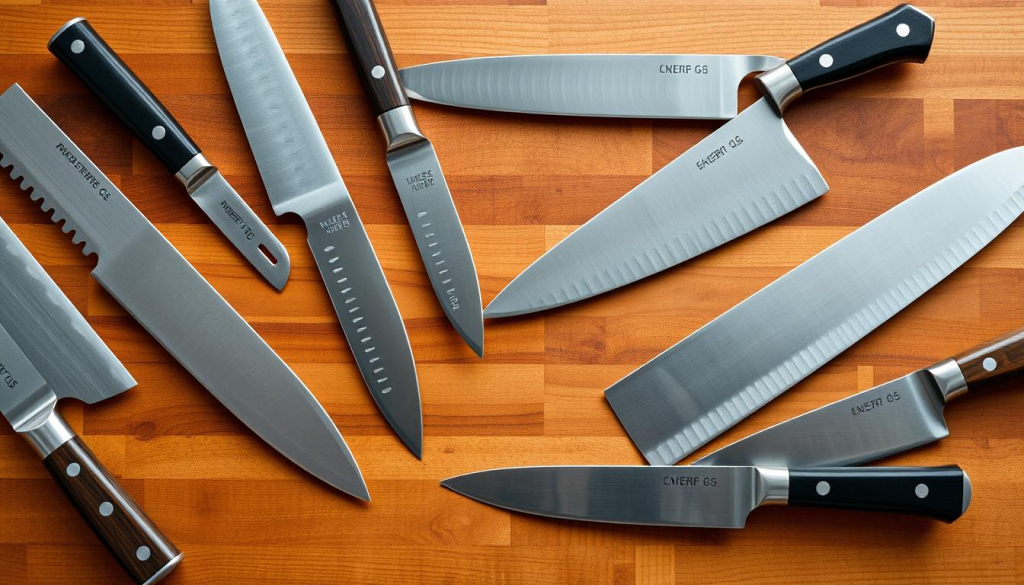
Different cooking styles and cuisines often require specific types of knives. For instance, a Santoku knife is versatile and ideal for chopping, slicing, and mincing vegetables and meat. A Nakiri knife, on the other hand, is perfect for vegetable preparation, with a straight edge that allows for precise cuts.
- Santoku knives for versatile chopping and slicing
- Nakiri knives for precise vegetable cutting
- Chef’s knives for general-purpose cooking
Importance of Trying Before Buying
If possible, try out a knife before purchasing. Hold it in your hand, feel its weight, and test its balance. A good chef knife should feel like an extension of your hand, not a foreign object. As
“The best knife is the one that feels right to you,”
says Chef Gordon Ramsay, highlighting the subjective nature of choosing the perfect knife.
By considering these factors and trying out different knives, you can make an informed decision that will enhance your cooking experience.
Customer Reviews and Testimonials
Reviews and testimonials from users provide crucial insights into the effectiveness of chef knives. By examining the experiences of real users, prospective buyers can make more informed decisions.
What Users Love About These Knives
Many users have praised the MAC Professional chef’s knife for its lightweight and balanced design. One user noted,
“I’ve been thoroughly impressed by how well the MAC Professional chef’s knife has performed in four consecutive rounds of testing. It’s lightweight, balanced, and comfortable to hold.”
Such feedback underscores the knife’s quality and usability.
Other users have highlighted the knife’s sharpness and durability. For instance, a professional chef commented,
“The edge retention of this knife is exceptional; it stays sharp even after repeated use.”
This sentiment is echoed by numerous reviews, emphasizing the knife’s ability to maintain its sharpness over time.
| Knife Model | User Rating | Common Praise |
|---|---|---|
| MAC Professional | 4.8/5 | Lightweight, balanced, sharp |
| Wüsthof Classic | 4.5/5 | Durable, precise edge, comfortable handle |
| Shun Premier | 4.7/5 | Exceptional sharpness, ergonomic design |
Common Complaints and How They’re Addressed
While the majority of reviews are positive, some users have reported issues with the knives. For example, a few users found the MAC Professional knife to be slightly more expensive than they had anticipated. However, most agree that the quality justifies the price.
To address such concerns, manufacturers often provide excellent customer service and warranty options. As one customer service representative noted,
“We stand behind the quality of our products. If a customer is not satisfied, we offer a satisfaction guarantee.”
This commitment to customer satisfaction helps alleviate concerns about the investment.
In conclusion, customer reviews and testimonials offer valuable insights into the performance and quality of chef knives. By considering the experiences of other users, buyers can make more informed decisions that meet their cooking needs.
Conclusion: Elevate Your Cooking Experience
Choosing the right chef’s knife is a crucial decision for any cook, whether you’re an advanced home cook or just starting out. A good chef’s knife can significantly enhance your cooking efficiency and safety.
Investing in the Best
When it comes to chef knives reviews, the best chef knives are those that balance quality, comfort, and performance. Investing in a high-quality knife may seem expensive upfront, but it’s a worthwhile investment in your cooking experience.
Quality Matters
By investing in quality chef knives, you’re not just buying a tool; you’re enhancing your overall cooking experience. The right knife can make a significant difference in your daily cooking tasks, from prep work to cooking techniques.
When searching for the best chef knives, consider factors like balance, material, and edge retention. By doing so, you’ll find a knife that meets your needs and becomes an indispensable companion in the kitchen.