I have always believed that a truly great kitchen starts with having the right tools at your side. When I first started cooking, I realized how high-quality cutlery transforms the way I prepare every meal. It is not just about slicing food; it is about the exceptional balance and feel of the blade in your hand.
The history of these tools is deep, rooted in centuries of tradition across countries like Germany and France. I find the craftsmanship of these items remarkable because they are manufactured to last for a long time. These regions have forged premium steel for generations to ensure each piece performs well for a lifetime.
Finding the right tool means examining the rich history and skills of famous manufacturers from across the ocean. I want to help you find the right fit for your specific home needs. Investing in professional pieces ensures your kitchen remains a place of joy and efficiency for many years to come.
Key Takeaways
- Centuries of craftsmanship tradition from Germany, France, and Sweden.
- Professional tools provide superior balance and cutting precision.
- Forged steel offers legendary durability and lasting sharpness.
- Heritage labels improve overall efficiency for the home chef.
- Quality cutlery serves as a long-term investment in culinary joy.
Why I Trust European Knife Brands in My Kitchen
European knife brands have earned my trust over the years, thanks to their exceptional quality and durability. As someone who spends a significant amount of time in the kitchen, I’ve come to appreciate the difference that a well-crafted knife can make.
Many professional chefs and home cooks swear by European knife brands for their durability and performance. I’ve had the pleasure of using several of these brands, and I can attest to their superiority. The craftsmanship that goes into each knife is evident in the precision, balance, and overall feel of the tool.
Quality and Durability
One of the primary reasons I prefer European knife brands is their commitment to quality and durability. These knives are made with high-carbon steel that retains its sharpness and resists corrosion. The attention to detail in the manufacturing process ensures that each knife is not only functional but also a pleasure to use.
“A good knife is like a good friend; it becomes an extension of yourself in the kitchen.”
European knife making is an art that has been perfected over centuries. Brands like Wüsthof, Zwilling J.A. Henckels, and Victorinox have set the standard for kitchen cutlery. Their products are a testament to the rich heritage of European craftsmanship.
| Brand | Country | Notable Feature |
|---|---|---|
| Wüsthof | Germany | Precision Forging |
| Zwilling J.A. Henckels | Germany | High-Carbon Steel |
| Victorinox | Switzerland | Ergonomic Design |
In my experience, the best European knife brands offer a combination of traditional craftsmanship and modern innovation. Whether you’re a professional chef or a home cook, investing in a high-quality European knife is a decision you won’t regret.
- Exceptional quality and durability
- Rich heritage and craftsmanship
- Precision and performance
The Rich Heritage of European Knife Making
For generations, European craftsmen have honed their skills in knife making, creating some of the world’s finest cutlery. This legacy is built on centuries of tradition, innovation, and a deep understanding of the craft.
European knife making is characterized by the unique contributions of various countries, each bringing their own techniques and cultural influences to the table. The result is a diverse and rich heritage that is reflected in the quality and distinctiveness of European knives.
German Knife Making Tradition
Germany has a long history of producing high-quality knives, with Solingen being a city renowned for its cutlery production. German knife makers are known for their precision and attention to detail, often using high-carbon steel to create durable and sharp blades.
The German knife making tradition is built on a legacy of craftsmanship, with many manufacturers still adhering to traditional methods while incorporating modern technology to enhance quality and performance.
French Cutlery Heritage
France is celebrated for its exquisite cutlery, with brands like Sabatier and Opinel becoming synonymous with quality. French knife making is characterized by elegance and precision, with an emphasis on creating knives that are both functional and aesthetically pleasing.
The French cutlery heritage is marked by a commitment to excellence, with craftsmen focusing on the finer details that distinguish a good knife from a great one.
Scandinavian Blade Craftsmanship
Scandinavian countries, including Sweden and Norway, have their own distinct approach to knife making. Scandinavian blades are known for their simplicity, functionality, and exceptional quality, often featuring unique handle designs and high-quality materials.
Scandinavian blade craftsmanship emphasizes practicality and durability, reflecting the region’s cultural values and outdoor lifestyle.
Wüsthof: German Precision That Transformed My Cooking
As I reflect on my journey with European knife brands, Wüsthof stands out for its unwavering commitment to precision and quality. This renowned German brand has been a cornerstone in my kitchen, providing me with the tools necessary for a wide range of culinary tasks.
Classic Series
The Wüsthof Classic Series is a testament to traditional German craftsmanship, blending timeless design with modern functionality. This series has been a staple in my kitchen for various tasks, from chopping vegetables to slicing meat.
Design and Construction
The Classic Series knives are characterized by their precision-forged construction, ensuring a balance that makes them a joy to use. The high-carbon stainless steel used in their blades provides excellent edge retention and resistance to corrosion.
- Precision-forged for a balanced feel
- High-carbon stainless steel for durability
- Classic design that stands the test of time
Best Uses in My Kitchen
I find the Wüsthof Classic Series to be incredibly versatile. The chef’s knife is my go-to for daily prep work, while the paring knife is perfect for more detailed tasks. The serrated bread knife is another standout, making clean cuts through even the crustiest loaves.
“A good knife is not just a tool, it’s an extension of the cook’s hand.”
Ikon Line
The Wüsthof Ikon Line represents a modern take on traditional knife design, featuring a sleek and ergonomic aesthetic. This series has caught my attention with its innovative design elements and exceptional performance.
The Ikon Line knives boast an ergonomic handle design, making them comfortable to hold and maneuver. The precision edge technology ensures that these knives stay sharp, making them a valuable addition to my kitchen arsenal.
| Series | Key Features | Best Uses |
|---|---|---|
| Classic Series | Precision-forged, high-carbon stainless steel | Daily prep work, chopping, slicing |
| Ikon Line | Ergonomic handle, precision edge technology | Precision tasks, comfortable handling |
Zwilling J.A. Henckels: The Knife Brand I Recommend Most
My experience with Zwilling J.A. Henckels has been nothing short of impressive, making it my top recommendation for anyone in the market for high-quality knives. This brand has been a cornerstone in my kitchen, providing the precision and durability that both professional chefs and home cooks demand.
Professional S Series
The Zwilling Professional S Series is a testament to the brand’s commitment to excellence. Made from high-carbon stainless steel, these knives are not only resistant to corrosion but also hold their edge remarkably well.
What Makes This Series Special
One of the standout features of the Professional S Series is its precision-forged construction, which ensures a perfect balance between the blade and the handle. This balance is crucial for reducing fatigue during prolonged use.
- High-carbon stainless steel for durability and resistance to corrosion
- Precision-forged for optimal balance
- Ergonomic handle design for comfort
My Experience After Two Years of Use
After using the Professional S Series for over two years, I can attest to its durability. The knives have withstood rigorous daily use without showing significant wear. The edge retention is impressive, requiring only occasional sharpening.
| Feature | Professional S Series | Other Brands |
|---|---|---|
| Material | High-carbon stainless steel | Varies |
| Edge Retention | Excellent | Good |
| Balance | Excellent | Varies |
Twin Signature Collection
The Zwilling Twin Signature Collection offers a unique blend of traditional craftsmanship and modern design. These knives are not only functional but also add an aesthetic touch to any kitchen.
The Twin Signature Collection is characterized by its distinctive design elements, including a riveted handle that adds to the overall aesthetic appeal. The knives in this collection are made with the same attention to detail as the Professional S Series, ensuring high quality and performance.
Victorinox: Swiss Quality at an Accessible Price
Victorinox knives have earned a reputation for their exceptional quality and value, making them a favorite among home cooks and professionals alike. As a brand synonymous with Swiss cutlery, Victorinox offers a range of knives that are both durable and accessible to a wide audience.
The brand’s commitment to quality is evident in its manufacturing process, which combines traditional techniques with modern technology. This blend of old and new ensures that Victorinox knives are not only functional but also aesthetically pleasing.
Fibrox Pro Chef’s Knife
The Victorinox Fibrox Pro Chef’s Knife is a standout product in their lineup, known for its ergonomic design and high-performance blade. This knife is designed to make cooking easier and more efficient, whether you’re chopping vegetables or slicing meat.
Handle Comfort and Grip
One of the key features of the Fibrox Pro Chef’s Knife is its comfortable handle. Made from a synthetic material called Fibrox, the handle is designed to provide a secure grip, even when your hands are wet. This ergonomic design reduces fatigue during extended cooking sessions.
The handle’s comfort is further enhanced by its contoured shape, which fits naturally in the hand. This design aspect is crucial for cooks who spend a lot of time in the kitchen, as it minimizes strain and discomfort.
Blade Performance
The blade of the Fibrox Pro Chef’s Knife is made from high-carbon stainless steel, known for its durability and resistance to corrosion. This material ensures that the knife remains sharp and functional over time, with minimal maintenance required.
- Sharpness: The knife is sharpened to a fine edge, making it ideal for precise cutting tasks.
- Durability: The high-carbon stainless steel construction ensures that the blade withstands the rigors of frequent use.
- Edge Retention: The blade retains its sharpness well, reducing the need for frequent sharpening.
Why I Keep Victorinox in My Knife Block
I continue to use Victorinox knives in my kitchen because of their reliability and performance. The Fibrox Pro Chef’s Knife, in particular, has become an indispensable tool due to its versatility and comfort.
Whether I’m preparing a simple meal or tackling a complex recipe, my Victorinox knife is always by my side. Its balance of quality and affordability makes it an excellent choice for anyone looking to invest in a good knife without breaking the bank.
Opinel: French Elegance Meets Functionality
When it comes to French cutlery, Opinel stands out for its blend of elegance and functionality. As a brand with a rich history, Opinel has managed to marry traditional craftsmanship with modern design sensibilities, creating knives that are both beautiful and practical.
Opinel’s commitment to quality is evident in every detail of their knives. From the carefully selected materials to the precise craftsmanship, each Opinel knife is a testament to the brand’s dedication to excellence. The No. 8 Kitchen Knife is a prime example, offering a perfect balance between size and utility.
No. 8 Kitchen Knife
The Opinel No. 8 Kitchen Knife is a versatile tool that has become a staple in many kitchens. Its 8-inch blade is ideal for a variety of tasks, from chopping vegetables to slicing meat. The knife’s ergonomic handle, made from either wood or stainless steel, provides a comfortable grip, making it a joy to use.
One of the key features of the No. 8 Kitchen Knife is its high-carbon stainless steel blade, which ensures durability and resistance to corrosion. This, combined with its sharp edge, makes it a reliable choice for daily kitchen tasks.
Parallèle Collection
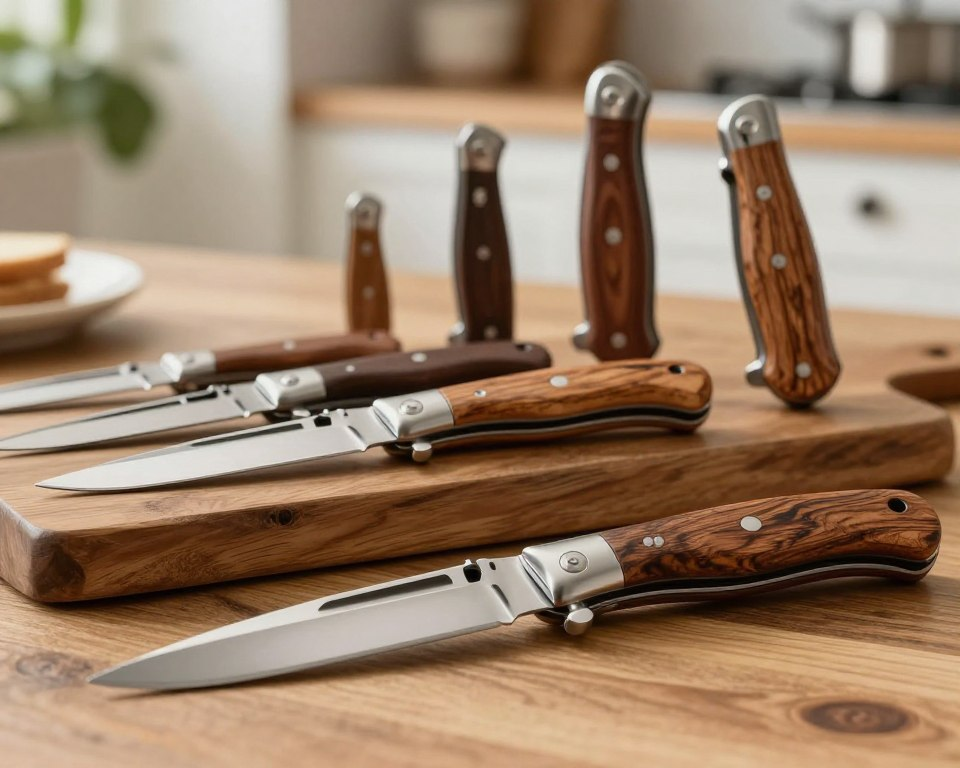
For those looking for a more premium Opinel experience, the Parallèle Collection offers an elevated level of craftsmanship. These knives feature beautifully crafted wooden handles and a sleek, modern design that adds a touch of elegance to any kitchen.
The Parallèle Collection knives are not just visually stunning; they also deliver exceptional performance. With their high-quality steel and precise edge geometry, they are capable of handling even the most demanding kitchen tasks with ease.
| Model | Blade Length | Material | Handle Material |
|---|---|---|---|
| No. 8 Kitchen Knife | 8 inches | High-Carbon Stainless Steel | Wood or Stainless Steel |
| Parallèle Chef’s Knife | 8 inches | High-Carbon Stainless Steel | Wood |
In conclusion, Opinel knives, such as the No. 8 Kitchen Knife and those from the Parallèle Collection, embody the perfect blend of French elegance and functionality. Whether you’re a professional chef or a home cook, Opinel offers a range of knives that are sure to meet your needs.
Sabatier: Understanding Authentic French Kitchen Knives
As I explore the world of European cutlery, Sabatier stands out as a symbol of French culinary excellence. With a rich history dating back to the 17th century, Sabatier has been a benchmark for quality and craftsmanship in the world of kitchen knives.
The Sabatier brand is not just a name; it’s a legacy that represents the art of French knife-making. Authentic Sabatier knives are known for their exceptional quality, precision, and durability. But what makes a Sabatier knife truly authentic?
What Makes a True Sabatier Knife
A true Sabatier knife is characterized by its high-carbon steel blade, precision forging, and meticulous attention to detail. The blades are typically made from high-quality steel that is forged using traditional techniques, ensuring a sharp edge that lasts.
Key characteristics of authentic Sabatier knives include:
- High-carbon steel construction for durability and sharpness
- Precision forging for a balanced feel
- Hand-sharpened edges for optimal performance
- Elegant design that reflects French craftsmanship
K Sabatier and Thiers-Issard Lines
Sabatier offers various lines that cater to different needs and preferences. Two notable lines are K Sabatier and Thiers-Issard.
The K Sabatier line is known for its high-quality, hand-forged knives that are crafted using traditional techniques. These knives are prized for their balance, sharpness, and durability.
The Thiers-Issard line, on the other hand, represents a more modern approach to knife-making while still adhering to traditional French standards. These knives are known for their innovative designs and exceptional performance.
| Line | Characteristics | Price Range |
|---|---|---|
| K Sabatier | Hand-forged, high-carbon steel, traditional techniques | $100-$300 |
| Thiers-Issard | Modern design, high-quality steel, innovative features | $150-$400 |
In conclusion, Sabatier knives are a testament to French excellence in cutlery. Whether you’re a professional chef or a home cook, investing in a Sabatier knife is a step towards elevating your culinary experience.
Güde: Artisan German Knives for Serious Home Cooks
As a serious home cook, I’ve come to appreciate the exceptional craftsmanship of Güde knives. Güde is a German brand that has mastered the art of creating handcrafted knives that combine traditional techniques with modern functionality.
Güde’s commitment to quality is evident in every detail of their knives. One of their standout collections is the Alpha Fasseiche Series, which showcases the brand’s ability to merge aesthetics with performance.
Alpha Fasseiche Series
The Alpha Fasseiche Series is a testament to Güde’s dedication to craftsmanship. Each knife in this series features olive wood handles that are not only visually stunning but also provide a comfortable grip.
Olive Wood Handle Craftsmanship
The olive wood used for the handles is carefully selected and crafted to ensure a unique and ergonomic design. The natural beauty of the olive wood adds an element of elegance to the knives, making them a joy to use.
Blade Geometry and Sharpness
The blades of Güde’s Alpha Fasseiche Series knives are designed with precision and sharpness in mind. The careful geometry of the blades ensures that they are not only sharp but also durable, making them ideal for a variety of kitchen tasks.
When I Choose Güde Over Other Brands
I prefer Güde knives over other brands for several reasons. Firstly, the quality of their craftsmanship is unparalleled. Each knife is a testament to the skill and dedication of German artisans.
Secondly, the performance of Güde knives is exceptional. Whether I’m chopping, slicing, or mincing, these knives deliver precise results every time.
Lastly, the unique combination of traditional craftsmanship and modern design makes Güde knives stand out in my kitchen. They are not just tools; they are pieces of art that enhance my cooking experience.
More European Knife Brands Worth Considering
The world of European knives is vast, with several brands offering outstanding craftsmanship and performance. While we’ve discussed some of the most renowned brands, there are others that are worth considering for their unique qualities and contributions to the world of cutlery.
Morakniv from Sweden
Morakniv is a Swedish brand that has been producing high-quality knives since 1891. Known for their durable and versatile knives, Morakniv offers a range of products that cater to different needs, from outdoor use to kitchen tasks.
One of the standout features of Morakniv knives is their use of high-carbon stainless steel, which provides excellent edge retention and resistance to corrosion. Their knives are also known for their ergonomic design, making them comfortable to hold and use.
Sanelli Ambrogio from Italy
Sanelli Ambrogio is an Italian brand that has been crafting knives since 1920. They are known for their high-quality, handcrafted knives that are both functional and aesthetically pleasing.
Sanelli Ambrogio knives are made from high-carbon steel and are renowned for their sharpness and durability. The brand’s attention to detail and commitment to quality have earned them a loyal following among chefs and knife enthusiasts.
Fiskars from Finland
Fiskars is a Finnish brand that has been producing high-quality cutlery for over 360 years. Known for their innovative designs and high-quality materials, Fiskars offers a range of knives that are both functional and durable.
Fiskars knives are designed with both functionality and ergonomics in mind. They offer a variety of products, from chef’s knives to paring knives, each designed to make cooking easier and more efficient.
| Brand | Country | Notable Feature |
|---|---|---|
| Morakniv | Sweden | High-carbon stainless steel |
| Sanelli Ambrogio | Italy | Handcrafted knives |
| Fiskars | Finland | Innovative designs |
What Sets Top European Knife Brands Apart from the Competition
What makes European knife brands stand out in a crowded market is their unwavering commitment to quality and craftsmanship. This dedication is evident in every aspect of their products, from the materials used to the manufacturing process.
Top European knife brands have mastered the art of knife making, combining traditional techniques with modern technology to produce exceptional cutlery. The result is a product that not only performs well but also lasts longer.
Steel Quality and Heat Treatment
The quality of steel used in European knives is unparalleled. Brands like Wüsthof and Zwilling J.A. Henckels use high-carbon stainless steel that resists corrosion and retains its sharpness. The heat treatment process further enhances the steel’s properties, making it stronger and more durable.
High-carbon stainless steel is preferred for its ability to hold a sharp edge and resist rust. The heat treatment process involves heating the steel to a specific temperature and then cooling it to achieve the desired hardness.
| Brand | Steel Type | Heat Treatment |
|---|---|---|
| Wüsthof | High-Carbon Stainless Steel | Precision Heat Treatment |
| Zwilling J.A. Henckels | High-Carbon Stainless Steel | Advanced Heat Treatment |
| Victorinox | High-Carbon Steel | Special Heat Treatment Process |
Blade Geometry and Edge Retention
The geometry of a knife’s blade significantly affects its performance. European knife brands carefully design their blades to optimize cutting efficiency and edge retention. A well-designed blade makes cutting easier and more precise.
As noted by knife expert,
“The shape and angle of the blade are critical in determining how well a knife cuts and how long it stays sharp.”
European brands achieve excellent edge retention through precise blade geometry and high-quality steel. This means less time spent sharpening and more time cooking.
Handle Design and Balance
The design of a knife’s handle is crucial for comfort and control. European knife brands offer ergonomic handles that fit comfortably in the hand, reducing fatigue during extended use.
A well-balanced knife feels like an extension of the hand, making it easier to maneuver and control. This balance is achieved through careful design and precise manufacturing.
In conclusion, the superiority of European knife brands can be attributed to their focus on steel quality, blade geometry, and handle design. These factors combined create a product that is not only functional but also a joy to use.
How I Match European Knives to Kitchen Tasks
As I navigate my kitchen, I rely on a variety of European knives to tackle different tasks with ease. The right knife can make all the difference in food preparation, and European brands offer a range of specialized knives designed for specific tasks.
When it comes to kitchen tasks, the type of knife used can greatly impact efficiency and results. European knives are renowned for their quality and precision, making them ideal for various kitchen duties.
Chef’s Knives for Daily Prep Work
For daily prep work, I swear by a good chef’s knife. European brands like Wüsthof and Zwilling J.A. Henckels offer high-quality chef’s knives that are perfect for chopping, slicing, and mincing ingredients. A sharp chef’s knife is essential for tasks such as preparing vegetables, meat, and herbs.
Key Features of a Good Chef’s Knife:
- Sharp, durable blade
- Comfortable, balanced handle
- Versatile for various prep tasks
Paring Knives for Detailed Tasks
For more detailed tasks, such as coring fruit or trimming vegetables, I use a paring knife. Opinel and Victorinox are two European brands that offer excellent paring knives. These knives are designed for precision and control, making them perfect for delicate work.
The precision of a paring knife is unmatched for tasks that require finesse.
Serrated Bread Knives
When it comes to slicing bread, a serrated bread knife is the tool of choice. European brands like Sabatier and Güde offer high-quality serrated knives that make clean, effortless cuts through various types of bread. The serrated edge helps to prevent bread from tearing, ensuring a smooth slice every time.
| Knife Type | Primary Use | Recommended Brand |
|---|---|---|
| Chef’s Knife | Daily prep work, chopping, slicing, mincing | Wüsthof, Zwilling J.A. Henckels |
| Paring Knife | Detailed tasks, coring, trimming | Opinel, Victorinox |
| Serrated Bread Knife | Slicing bread | Sabatier, Güde |
By matching the right European knife to the task at hand, I can ensure efficient and effective kitchen work. Whether I’m chopping vegetables with a chef’s knife or slicing bread with a serrated knife, the right tool makes all the difference.
Building Your European Knife Collection on Any Budget
With European knife brands offering products at various price points, building a collection that fits your budget is straightforward. Whether you’re just starting out or looking to expand your existing collection, there’s a range of options available to suit your needs.
I’ve found that the key to building a versatile European knife collection is to start with the essentials and gradually add more specialized knives as your budget allows. This approach not only helps in managing costs but also ensures that you’re investing in knives that you’ll truly use.
Essential Knives to Start With
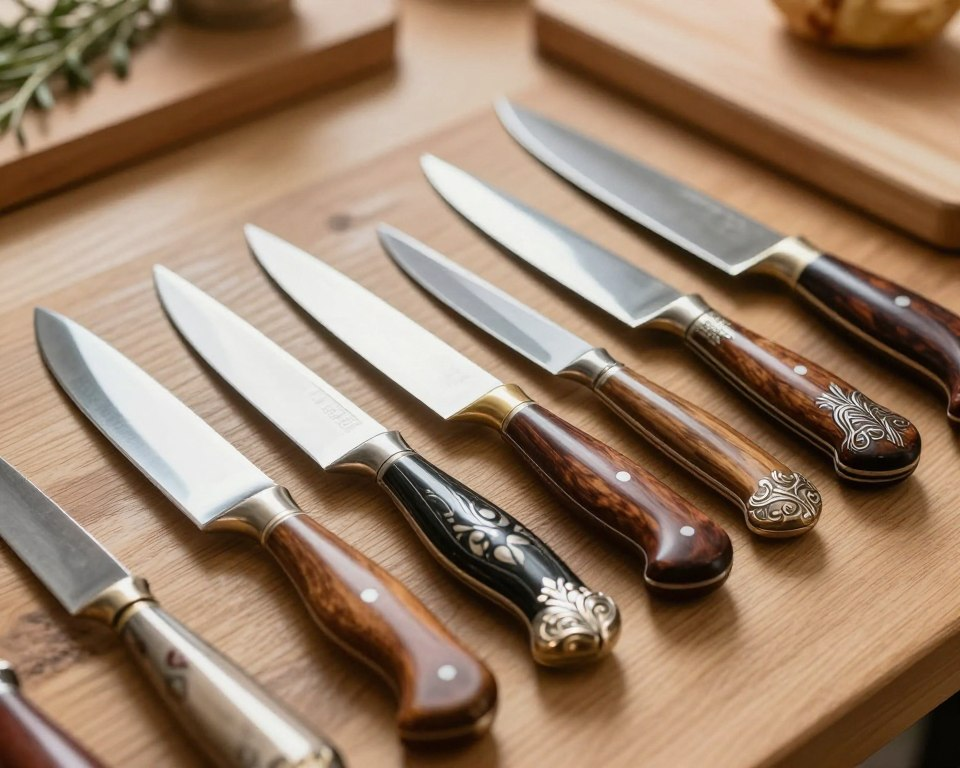
Every kitchen needs a few fundamental knives to handle daily tasks efficiently. For a starter collection, I recommend focusing on a chef’s knife, a paring knife, and a serrated utility knife. These knives will cover most of your prep work needs.
For a budget-friendly entry point, consider the Victorinox Fibrox Pro series. Victorinox offers high-quality knives at an accessible price, making it an excellent starting point for those new to European knife brands.
- A chef’s knife for chopping and slicing
- A paring knife for detailed work
- A serrated utility knife for tasks like cutting bread or meat
Mid-Range Investments That Pay Off
Once you have the essentials covered, you can start looking into mid-range knives that offer enhanced performance and durability. Brands like Wüsthof and Zwilling J.A. Henckels offer mid-range collections that are well-regarded for their quality and craftsmanship.
Investing in mid-range knives can significantly improve your cooking experience. For instance, a high-carbon stainless steel chef’s knife from Wüsthof’s Classic Ikon series can provide a noticeable upgrade in terms of sharpness and edge retention.
Premium Knives Worth Saving For
For those who are willing to invest in the best, premium European knives offer exceptional quality and craftsmanship. Brands like Güde and high-end lines from established manufacturers provide knives that are not only functional but also pieces of art.
Saving for a premium knife can be worthwhile if you cook frequently or are particular about your kitchen tools. A premium knife can become a trusted companion in the kitchen, offering years of reliable service.
Building a European knife collection is a personal journey that depends on your cooking habits, preferences, and budget. By starting with the essentials, making thoughtful mid-range investments, and saving for premium knives, you can create a collection that enhances your cooking experience.
Caring for European Knives: My Maintenance Routine
To keep my European knives in top condition, I’ve developed a meticulous care routine that ensures they remain sharp, functional, and beautiful over time. Proper care and maintenance are crucial for extending the life of high-quality knives, and I’m happy to share my approach with you.
Sharpening and Honing Techniques
Sharpening and honing are critical components of knife maintenance. Sharpening removes metal from the blade to create a new edge, while honing realigns the edge to maintain sharpness.
Tools I Use for Sharpening
I use a variety of tools to sharpen my knives, including whetstones and diamond stones. Whetstones are versatile and can be used for both sharpening and honing, while diamond stones are particularly effective for sharpening dull blades.
- Whetstones: Available in different grits, whetstones allow for a range of sharpening and honing tasks.
- Diamond stones: These stones are coated with diamond particles and are excellent for sharpening and maintaining the edge on my knives.
How Often to Sharpen Different Knives
The frequency of sharpening depends on the knife’s usage. For example, my chef’s knife requires more frequent sharpening than my paring knife.
| Knife Type | Sharpening Frequency |
|---|---|
| Chef’s Knife | Every 1-3 months |
| Paring Knife | Every 6-12 months |
| Bread Knife | Every 3-6 months |
Storage Solutions That Protect Your Investment
Proper storage is essential to maintaining the quality of my European knives. I use a combination of storage methods to keep my knives organized and protected.
Storage Options:
- Knife Blocks: A wooden or plastic block with slots to hold each knife securely.
- Magnetic Strips: A convenient way to store knives on a wall or on the side of a cabinet.
- In-Drawer Organizers: Trays or dividers that keep knives separate and prevent them from coming into contact with other utensils.
Washing and Drying Best Practices
Washing and drying my European knives requires care to prevent damage and maintain their appearance.
Hand washing is the preferred method for cleaning my knives. I avoid using abrasive materials or harsh chemicals that can damage the blade or handle.
Drying: After washing, I dry my knives immediately to prevent water spots and rust. For knives with carbon steel blades, I apply a small amount of oil to the blade to protect against rust.
Conclusion
As I’ve explored the world of European knife brands, it’s clear that these quality cutlery options are more than just tools – they’re investments in your culinary journey. From the precision of Wüsthof to the elegance of Opinel, each brand brings its unique heritage and craftsmanship to the table.
European knife brands offer a combination of quality, performance, and durability that makes them a valuable addition to any kitchen. Whether you’re a professional chef or a home cook, having the right kitchen essentials can elevate your cooking experience.
By choosing European knife brands, you’re not only acquiring quality cutlery but also supporting a tradition of excellence that spans centuries. As you’ve seen, brands like Zwilling J.A. Henckels, Victorinox, and Sabatier are renowned for their commitment to quality and craftsmanship.
In conclusion, incorporating European knife brands into your kitchen arsenal is a decision that will pay off in the long run. With proper care and maintenance, these knives will remain your trusted companions in the kitchen for years to come, making them a worthwhile investment in your culinary pursuits.