As a beginner home cook, having the right tools is essential for a smooth culinary journey.
According to Julie, a Kitchen Coach, having just a few staple knives can make nearly any dish you wish. A good chef knife is not just about chopping ingredients; it’s about the overall cooking experience.
With the right knife, you’ll be more confident and efficient in the kitchen. In this article, we will explore the essential knives every beginner home cook needs.
Key Takeaways
- Understanding the importance of a good chef knife
- Identifying the essential knives for beginner home cooks
- Learning how to choose the right knife for your needs
- Discovering tips for maintaining your knives
- Exploring the benefits of investing in quality knives
Understanding the Importance of a Good Chef Knife
The importance of a quality chef knife cannot be overstated, as it directly impacts cooking efficiency and safety. A good chef knife is an indispensable tool in the kitchen, serving as an extension of the cook’s hand.
What Makes a Chef Knife Essential?
A chef knife is considered essential due to its versatility and the critical role it plays in various kitchen tasks, from chopping vegetables to slicing meat. According to Serious Eats, a reputable source on cooking techniques, a good set of knives is crucial for any cook, and taking care of them is just as important. The right chef knife can make a significant difference in cooking, enhancing both the experience and the outcome.
One of the primary reasons a chef knife stands out is its ability to perform a variety of tasks with precision. Whether it’s mincing garlic, slicing ingredients thinly, or chopping through tougher materials, a quality chef knife handles these tasks with ease. This versatility is a key factor in its importance, as it reduces the need for multiple specialized knives, making it a valuable asset for beginners.
Benefits of Investing in Quality Knives
Investing in a quality chef knife offers several benefits, including improved cooking efficiency, enhanced safety, and better cooking results. A sharp, well-balanced knife requires less effort to use, reducing fatigue during prolonged cooking sessions. Moreover, a sharp knife is safer, as it is less likely to slip and cause accidents, a crucial consideration for novice cooks.
| Benefits | Description |
|---|---|
| Improved Efficiency | A quality chef knife streamlines kitchen tasks, making cooking faster and more enjoyable. |
| Enhanced Safety | A sharp knife reduces the risk of accidents, as it requires less force and is less likely to slip. |
| Better Results | Precision cutting with a good chef knife leads to more evenly cooked dishes and better presentation. |
For beginners, investing in a good chef knife is a step towards developing their cooking skills. It’s not just about the knife itself but about the techniques and confidence it inspires. As cooks become more comfortable with their tools, they’re more likely to experiment with new recipes and techniques, further enhancing their culinary journey.
Types of Chef Knives Every Beginner Should Know
The world of chef knives can be overwhelming for beginners, but knowing the right types can significantly improve your cooking skills. As a beginner, it’s crucial to understand the different types of chef knives and their specific uses to enhance your culinary experience.
Classic Chef Knife
A classic chef knife, also known as a cook’s knife, is a versatile tool that every beginner should have in their kitchen. It’s ideal for chopping, slicing, and mincing various ingredients. According to Serious Eats, if you have to buy just one knife, make it a chef’s knife.
Santoku Knife
A Santoku knife is another essential for beginners. It’s designed for push-cut chopping and is typically more compact than a classic chef knife. This makes it perfect for those with smaller kitchens or for tasks that require more precision.
Paring Knife
A paring knife is used for detail work such as coring strawberries, peeling citrus, or trimming fat from meat. Its small size and sharp edge make it ideal for tasks that require precision and control.
Boning Knife
A boning knife is used for removing bones from meat, fish, and poultry. It’s a crucial tool for preparing certain dishes and is a valuable addition to any beginner’s knife collection.
| Knife Type | Primary Use | Key Characteristics |
|---|---|---|
| Classic Chef Knife | Chopping, slicing, mincing | Versatile, essential for most kitchen tasks |
| Santoku Knife | Push-cut chopping | Compact, precise, ideal for smaller kitchens |
| Paring Knife | Detail work, coring, peeling | Small, sharp, perfect for precision tasks |
| Boning Knife | Removing bones from meat, fish, poultry | Thin, flexible blade, crucial for specific preparations |
Key Features to Look for in Chef Knives
The right chef knife can make a significant difference in cooking, and there are several key features to look for when choosing one. Whether you’re investing in a starter chef knife set or individual knives, understanding these features will help you make informed decisions.
Blade Material: Stainless Steel vs. Carbon Steel
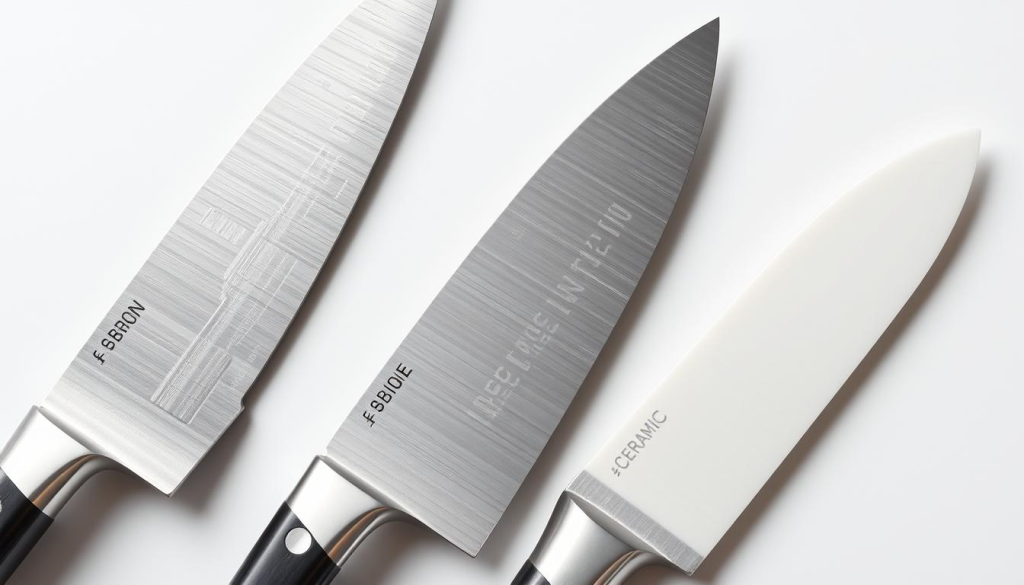
The material of the blade is a critical factor in determining the knife’s performance and durability. According to Food Network, high-carbon stainless steel is often recommended for its balance of durability and resistance to rust. Stainless steel knives are more forgiving and easier to maintain, while carbon steel knives offer sharper edges but require more care.
Handle Comfort and Design
The comfort and design of the handle significantly affect how the knife feels in your hand. A well-designed handle can reduce fatigue during extended use. When choosing a chef knife, consider the material and shape of the handle to ensure it provides a comfortable grip.
Weight and Balance Considerations
The weight and balance of a chef knife are crucial for comfortable use. A knife that is too heavy or too light can cause strain. Look for a knife that feels balanced in your hand, allowing for smooth, controlled movements. This is particularly important for chef knife recommendations for beginners, as a balanced knife can make learning easier and more enjoyable.
Must-Have Chef Knives for Beginners
Starting your cooking adventure with the right chef knives sets the stage for success. As a beginner, it’s essential to understand that not all knives are created equal, and investing in quality knives can significantly enhance your cooking experience.
https://www.youtube.com/watch?v=8wgc7rv5WJc
Recommended Brands for Entry-Level Knives
For those just starting out, brands like Victorinox and Shun are highly recommended. Victorinox is known for its durable and sharp knives, while Shun offers exceptional craftsmanship and performance. Both brands cater to beginners by offering quality knives that are easy to maintain and use.
- Victorinox: Offers a range of knives that are durable and resistant to corrosion.
- Shun: Provides high-quality knives with exceptional sharpness and craftsmanship.
Knife Sets vs. Individual Knives
The decision to buy a knife set or individual knives depends on your cooking needs and budget. A starter set usually includes a chef’s knife, paring knife, and sometimes a serrated utility knife, providing a good foundation for most cooking tasks.
Buying individual knives allows you to choose exactly what you need, potentially saving money and reducing clutter in your kitchen. However, for beginners, a well-curated knife set can be a convenient and cost-effective way to start your collection.
- Consider your cooking habits and the types of dishes you frequently prepare.
- Assess your budget and the quality of knives you’re willing to invest in.
- Think about the storage and maintenance of your knives.
Proper Knife Care and Maintenance
To get the most out of your best chef knives for starters, proper care and maintenance are essential. This not only prolongs the life of your knives but also ensures they continue to perform optimally.
Sharpening Your Chef Knife
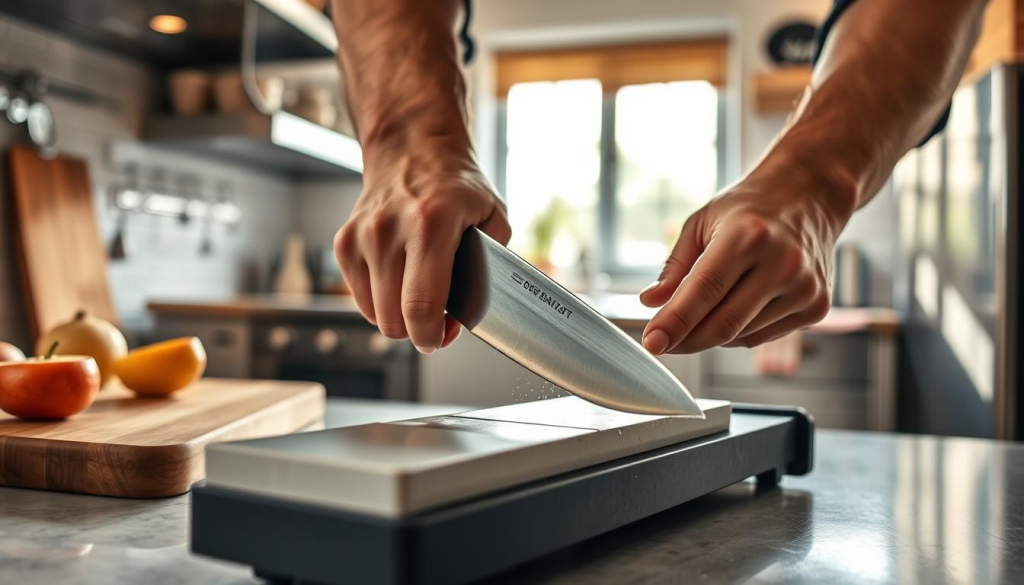
Sharpening is a critical aspect of knife maintenance. According to Serious Eats, sharpening a knife involves creating a new beveled edge by removing material from the blade. There are several methods to sharpen a knife, including using a whetstone or a sharpening steel. Regular sharpening keeps your knife in good condition and makes cooking easier and safer.
Methods of Sharpening:
- Whetstone: Provides a high level of control over the sharpening process.
- Sharpening Steel: Ideal for quick touch-ups between sharpenings.
Cleaning and Storing Your Knives
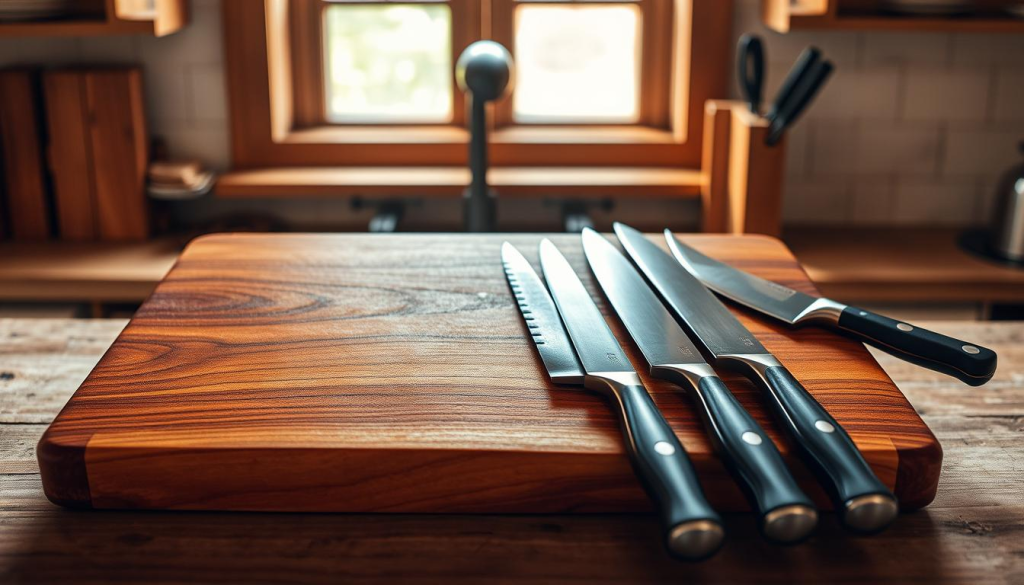
Cleaning your knives after each use is vital to prevent the buildup of bacteria and food residue. Hand washing with mild soap and drying immediately is recommended. For storing, consider a knife block or a magnetic strip to keep your knives organized and prevent damage.
| Storage Method | Benefits | Drawbacks |
|---|---|---|
| Knife Block | Keeps knives organized, protects blades | Can take up counter space, may harbor bacteria if not cleaned |
| Magnetic Strip | Saves counter space, easy to clean | May not be suitable for all knife types, requires secure mounting |
By following these care and maintenance tips, you can ensure your best chef knives for starters remain in excellent condition, enhancing your cooking experience and safety.
Understanding Knife Techniques for Beginners
As a beginner, understanding the basics of knife techniques can significantly enhance your cooking experience. Mastering these fundamental skills not only improves your efficiency in the kitchen but also ensures safety while handling knives.
Basic Cutting Methods
Basic cutting methods include chopping, slicing, and dicing. These techniques are foundational for any cook, as they allow for the preparation of ingredients in a uniform manner, which is crucial for both the presentation and cooking of dishes.
To chop effectively, hold the knife at a 45-degree angle and gently rock the blade back and forth. For slicing, maintain a smooth, even motion, applying gentle pressure. Dicing involves cutting ingredients into small, uniform cubes, which requires precision and a bit of practice.
Safe Knife Handling Practices
Safe knife handling is paramount to prevent accidents in the kitchen. One of the key practices is to keep your fingers curled under while holding the ingredient, ensuring that your fingertips are not exposed to the blade.
Additionally, maintaining a gentle grip on the knife handle and keeping the knife sharp are crucial. A sharp knife is safer than a dull one because it requires less force to cut, reducing the risk of accidents.
By mastering basic knife techniques and adhering to safe handling practices, beginners can significantly improve their cooking skills and confidence in the kitchen.
The Role of a Cutting Board
A cutting board is a fundamental tool in every kitchen, serving as a companion to your essential chef knives for novices. It provides a stable surface for various kitchen tasks, from chopping vegetables to slicing meat.
The material of your cutting board can significantly impact your cutting experience and the longevity of your knives. Let’s explore the pros and cons of different materials.
Materials: Wood vs. Plastic
Cutting boards are primarily made from wood or plastic, each with its unique advantages.
- Wooden Cutting Boards: Known for their durability and aesthetic appeal, wooden cutting boards are gentler on knives. They provide a comfortable cutting surface and are less likely to cause knife dulling.
- Plastic Cutting Boards: Plastic cutting boards are easy to clean and maintain. They are also less expensive than their wooden counterparts. However, they can be harsher on knives and may harbor bacteria if not properly sanitized.
| Material | Knife Friendliness | Maintenance | Aesthetic Appeal |
|---|---|---|---|
| Wood | Gentle on knives | Requires periodic oiling | High |
| Plastic | Can be harsh on knives | Easy to clean | Low to Moderate |
Choosing the Right Size for Your Kitchen
Selecting the appropriate size for your cutting board depends on your kitchen space and cooking habits. A larger cutting board provides ample space for food preparation but may be cumbersome in smaller kitchens.
Consider the following when choosing a size:
- Kitchen Space: Measure your available counter space to ensure your cutting board fits comfortably.
- Cooking Habits: If you frequently prepare large meals, a larger cutting board may be more suitable.
In conclusion, a cutting board is an indispensable tool in the kitchen, complementing your chef knives and enhancing your cooking experience. By choosing the right material and size, you can optimize your kitchen workflow and protect your knives.
Knife Skills for Meal Preparation
Knife skills play a vital role in meal preparation, making cooking faster and safer. Efficient knife skills enable cooks to prepare ingredients quickly, which is essential for a smooth cooking process. Whether you’re chopping vegetables or slicing meat, having the right technique is crucial.
Chopping, Dicing, and Slicing
Mastering basic cutting techniques such as chopping, dicing, and slicing is fundamental. Chopping involves cutting ingredients into larger pieces, while dicing requires cutting them into smaller, uniform cubes. Slicing involves cutting ingredients into thin slices, which is ideal for presentation and even cooking.
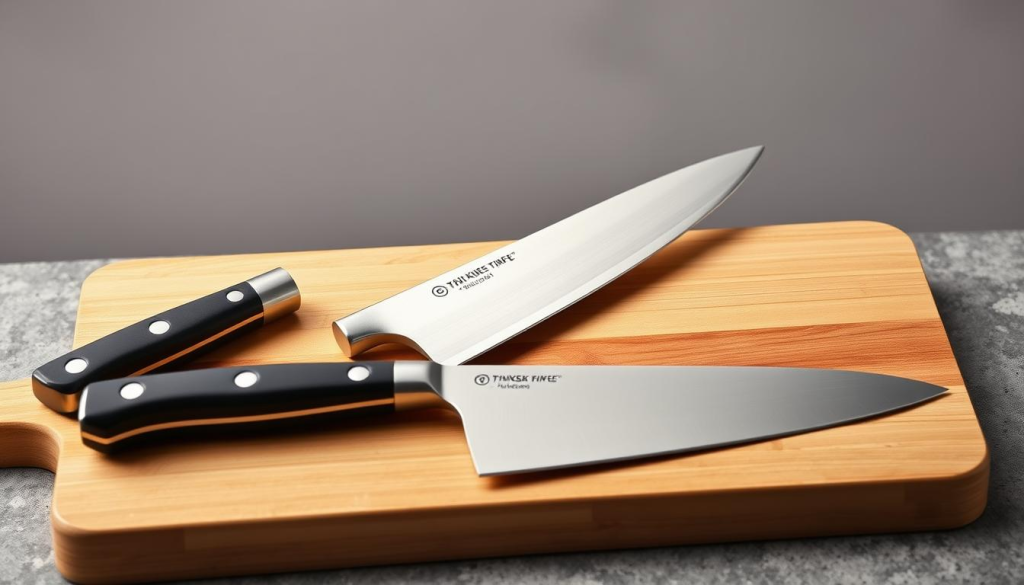
To achieve these cuts efficiently, it’s essential to use top rated beginner chef knives that are comfortable and well-balanced. A good knife makes a significant difference in your ability to perform these tasks safely and effectively.
Preparing Ingredients Efficiently
Preparing ingredients efficiently is key to a streamlined cooking process. By developing your knife skills, you can significantly reduce the time spent on meal preparation. This not only makes cooking more enjoyable but also allows you to focus on other aspects of your meal.
To prepare ingredients efficiently, it’s crucial to maintain your knives properly and practice your cutting techniques regularly. Using the right cutting board and keeping your workspace organized also contribute to a more efficient cooking experience.
By focusing on knife skills and using the right tools, such as top rated beginner chef knives, you can enhance your overall cooking experience. Efficient meal preparation is not just about the knives you use, but also how you use them.
Common Mistakes Beginners Make with Chef Knives
When starting their culinary journey, many beginners unknowingly make critical mistakes with their chef knives. These mistakes can not only hinder their cooking performance but also lead to safety issues in the kitchen.
One of the most significant errors is related to the condition of the knife itself. Using dull knives is a common mistake that can lead to accidents and poor performance, according to kitchen experts. A dull knife requires more force and is more likely to slip, causing accidents.
Using Dull Knives
A dull knife is not just a nuisance; it’s a safety hazard. As Chef John Doe once said, “A sharp knife is a safe knife, and a safe knife is a happy knife.”
“A dull knife is more likely to cause accidents because it requires more force to cut through ingredients, increasing the risk of slipping and cutting oneself.”
To avoid this, it’s essential to regularly sharpen your knives. Investing in a good starter chef knife set that includes a sharpening tool can be a wise decision for beginners.
Incorrect Cutting Techniques
Another critical area where beginners often go wrong is in their cutting techniques. Incorrect techniques, such as holding the knife too tightly or using the wrong cutting motion, can lead to inefficiency and potential injury.
To master the correct cutting techniques, it’s crucial to practice regularly and possibly seek guidance from cooking classes or online tutorials. Remember, the key to efficient and safe cutting lies in the proper grip and motion.
By avoiding these common mistakes, beginners can significantly enhance their cooking experience, making it safer and more enjoyable. Investing time in learning about knife care and technique is a step towards becoming a proficient cook.
Upgrades and Expansions to Your Knife Collection
As you progress in your cooking journey, you may find the need to expand your knife collection. Additional knives can help you tackle more complex recipes and improve your overall cooking efficiency.
When to Consider Additional Knives
Knowing when to add more knives to your collection is crucial. If you find yourself frequently preparing dishes that require specific cutting techniques, such as filleting fish or carving meat, it might be time to consider expanding your collection. Specialty knives can make these tasks easier and more precise.
For instance, a fillet knife is designed for delicate fish filleting, while a carving knife is perfect for slicing large roasts. Investing in these specialty knives can enhance your cooking experience and open up new culinary possibilities.
Specialty Knives for Advanced Techniques
As you advance in your cooking skills, you may want to explore more sophisticated cutting techniques. Specialty knives, such as a cleaver or a boning knife, can be invaluable for these tasks. A cleaver is great for chopping through bones and thick vegetables, while a boning knife is ideal for removing bones from meat and fish.
Understanding the role of each specialty knife can help you choose the right tools for your kitchen.
By expanding your knife collection thoughtfully, you can improve your cooking skills and make meal preparation more enjoyable. Remember, the right knife can make all the difference in your culinary journey.
Conclusion: Embracing Your Culinary Journey
As you continue on your path to becoming a skilled home cook, the right tools, including a quality beginner chef knife guide, will make all the difference. Investing in essential chef knives is just the beginning.
Cooking with Confidence
With the right beginner kitchen knives, you’ll find that meal preparation becomes more enjoyable and rewarding. The key is to continue learning and practicing your knife skills to enhance your overall cooking experience.
Ongoing Learning and Practice
As you master the basics of handling chef knives, you’ll be eager to explore more advanced techniques. By doing so, you’ll not only become more confident in your cooking abilities but also discover new ways to prepare delicious meals. A well-maintained set of beginner kitchen knives will be your trusted companion throughout your culinary journey.