
In the world of culinary arts, precision and craftsmanship are paramount. Renowned for their exceptional quality, Japanese knives have become a staple in kitchens worldwide.
According to Yoshihiro Cutlery, a respected name in the industry, Japanese knives are celebrated for their specialized designs and precision. Whether you’re a professional chef or an avid home cook, having the right knife can elevate your cooking experience.
This article will explore the various applications of Japanese knives, highlighting their importance in the kitchen and beyond. We’ll delve into the characteristics that make them stand out and provide insights into selecting the best Japanese knives for your culinary needs.
Key Takeaways
- Understanding the different types of Japanese knives and their uses
- Discovering the characteristics that make Japanese knives exceptional
- Learning how to choose the best Japanese knives for your kitchen
- Exploring the various applications of Japanese knives beyond the kitchen
- Gaining insights into the craftsmanship and precision that goes into making Japanese knives
What Are Japanese Knives?
Japanese knives embody the perfect blend of form and function, shaped by the country’s rich culinary history and dedication to excellence. These knives are not just tools; they are an extension of the chef’s artistry, reflecting centuries of tradition and innovation.
The History of Japanese Knives
The history of Japanese knives is deeply rooted in the country’s sword-making traditions. The techniques used in crafting samurai swords were adapted over time to create knives that were both functional and beautiful. The art of knife-making became a revered craft, with many artisans dedicating their lives to mastering the skill.
“The art of Japanese knife-making is a reflection of the country’s deep respect for craftsmanship and the pursuit of perfection.”
Japanese knives have evolved to cater to various culinary needs, from preparing sushi and sashimi to cooking Western-inspired dishes. The materials used, such as high-carbon steel and Damascus steel, contribute to their durability and sharpness.
Unique Features of Japanese Knives
One of the distinguishing features of Japanese knives is their sharpness and precision. The craftsmanship involved in creating these knives ensures that they retain their edge and perform consistently. Japanese knives are also known for their ergonomic design, which provides comfort and control during use.
| Feature | Description | Benefit |
|---|---|---|
| High-Carbon Steel | Made from high-quality carbon steel | Retains sharpness and durability |
| Damascus Steel | Pattern-welded steel for strength | Enhanced strength and visual appeal |
| Ergonomic Design | Handles designed for comfort | Reduces fatigue during prolonged use |
Japanese knives are tailored for specific tasks, reflecting the country’s culinary tradition. Whether it’s a Gyuto for all-purpose cutting or a Nakiri for vegetable preparation, each type of knife is designed to excel in its intended use.
Understanding the unique features and history of Japanese knives can enhance your appreciation for these culinary tools. Proper maintenance, including sharpening and cleaning, is essential to preserving their performance and longevity.
Types of Japanese Knives and Their Uses
With a rich history and diverse applications, Japanese knives have become an essential tool in modern kitchens. The variety of Japanese knives available today caters to different cooking techniques and ingredients, making them a versatile addition to any kitchen.
Gyuto: The All-Purpose Chef’s Knife
The Gyuto is a Japanese chef’s knife that has gained popularity worldwide for its versatility and comfort. Characterized by its Western-style curved blade, the Gyuto is designed for pushing and pulling cutting motions, making it ideal for slicing, chopping, and mincing ingredients. Its balanced design and sharp edge make it a favorite among chefs for various kitchen tasks.
Santoku: A Versatile Kitchen Companion
The Santoku knife is another highly versatile Japanese knife that has become a staple in many kitchens. With its straight edge and round tip, the Santoku is designed for chopping, slicing, and mincing vegetables, meat, and other ingredients. Its flat profile allows for a smooth, even cutting motion, making it particularly useful for preparing ingredients for a variety of dishes.
Santoku knives are often preferred for their ability to perform multiple tasks without the need for multiple knives, making them a practical choice for home cooks and professional chefs alike.
Nakiri: The Vegetable Specialist
The Nakiri is a traditional Japanese knife designed specifically for cutting vegetables. Its straight blade and rectangular shape make it perfect for chopping and slicing vegetables with precision. The Nakiri is particularly useful for preparing ingredients for salads, stir-fries, and other vegetable-centric dishes.
Using a Nakiri knife can enhance the preparation of vegetable dishes, allowing for more precise cuts and a more enjoyable cooking experience.
Understanding the different types of Japanese knives and their uses can significantly enhance your cooking experience. Whether you’re a professional chef or a home cook, having the right knife for the task can make a significant difference in the quality of your dishes.
The Art of Knife Skills with Japanese Knives
To fully appreciate the value of Japanese knives, one must learn the fundamental skills required to wield them with confidence and precision. Japanese knives have evolved to become an integral part of culinary arts, offering a range of techniques that can elevate cooking to new heights.
Basic Techniques for Beginners
For those new to Japanese knives, starting with the basics is essential. Proper grip and stance are the foundation upon which all other techniques are built. A firm, yet gentle grip allows for control and precision, while a balanced stance ensures stability.
- Learn the correct way to hold the knife, with a firm but not overly tight grip.
- Practice basic cutting motions, such as chopping and slicing, to develop muscle memory.
- Understand the importance of keeping fingers curled under and out of the way of the blade.
Advanced Techniques for Professionals
For experienced chefs, mastering advanced techniques with Japanese knives can further refine their craft. Techniques such as pushing cuts and drawing cuts allow for greater precision and control, enabling the preparation of intricate dishes.
- Practice advanced cutting techniques, such as katsuramuki (thinly slicing cylindrical vegetables) and dozuki (chopping through bones).
- Experiment with different knife angles and pressures to achieve varied textures and presentations.
- Develop your own techniques by combining traditional methods with personal creativity.
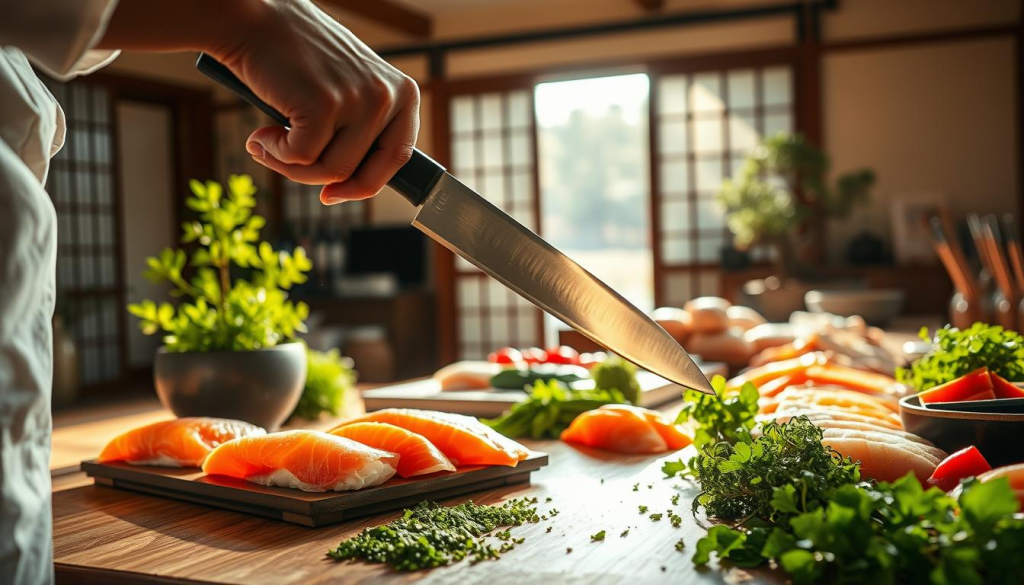
By mastering both basic and advanced techniques, cooks can unlock the full potential of their Japanese knives, enhancing their culinary creations and efficiency in the kitchen.
How to Maintain Your Japanese Knives
Japanese knives require careful maintenance to preserve their sharpness and beauty. Proper maintenance not only extends the life of your knives but also ensures they continue to perform optimally.
Sharpening Techniques
Sharpening is a critical aspect of maintaining Japanese knives. These knives are known for their sharpness, and regular sharpening is necessary to maintain this edge. There are several sharpening techniques, including using a whetstone, which is a traditional method preferred by many chefs.
Using a Whetstone: To sharpen your Japanese knife with a whetstone, start by soaking the stone in water for about 10-15 minutes. Then, hold the knife at the desired angle and gently draw it across the stone, moving from the heel to the tip. Repeat this process several times on each side until you achieve the desired sharpness.
Proper Cleaning Methods
Cleaning your Japanese knives properly is just as important as sharpening them. Improper cleaning can damage the blade and handle, reducing the knife’s lifespan.
- Hand wash your Japanese knives with mild soap and dry them immediately to prevent rust.
- Avoid using a dishwasher, as the high heat and harsh detergents can damage the blade and handle.
- For tougher stains, you can use a soft sponge or cloth with a small amount of baking soda and water to gently scrub the blade.
By following these maintenance tips, you can keep your Japanese knives in excellent condition, ensuring they remain a valuable part of your culinary arsenal for years to come.
Japanese Knives for Different Cuisines
From sushi to Western-style cooking, Japanese knives play a crucial role in culinary excellence. The precision and quality of Japanese knives make them indispensable in various kitchens, whether it’s preparing delicate sashimi or chopping ingredients for a hearty Western-style meal.
Sushi and Sashimi Preparation
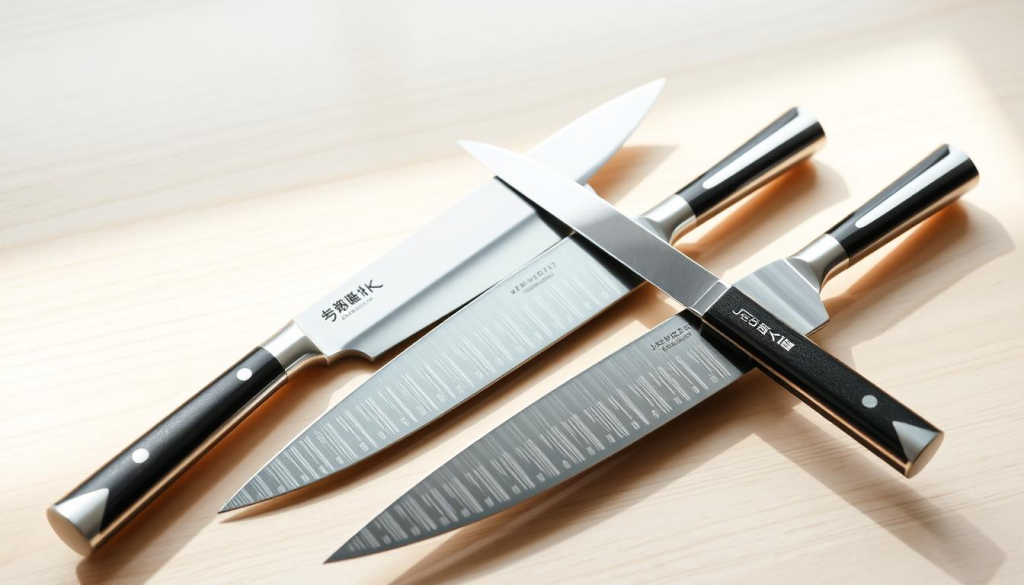
Japanese knives are particularly celebrated for their role in sushi and sashimi preparation. The Yanagiba, a traditional sashimi knife, is used by sushi chefs to make razor-thin cuts of raw fish. Its long, curved blade allows for smooth, even cuts, which is essential for creating sashimi slices that are both visually appealing and pleasing to the palate.
Sashimi preparation requires not only the right knife but also the skill to handle it with precision. The Yanagiba’s design facilitates the delicate task of slicing raw fish, making it an essential tool for any sushi chef.
Western Cooking Applications
While Japanese knives are often associated with sushi and sashimi, they are also highly versatile in Western cooking applications. Knives like the Gyuto and Santoku are used for a variety of tasks, from chopping vegetables to slicing meat. Their sharpness and balance make them ideal for chefs who value precision and control in their cooking.
The Santoku, with its straight edge and compact size, is particularly useful for chopping and mincing ingredients, making it a favorite among chefs who need to prepare ingredients quickly and efficiently.
Choosing the Right Japanese Knife
The world of Japanese knives is vast, and finding the ideal one depends on several factors. Whether you’re a professional chef or a home cook, selecting the right knife can elevate your cooking experience. Japanese knives are known for their precision, sharpness, and craftsmanship, making them a valuable addition to any kitchen.
Factors to Consider When Buying
When searching for the perfect Japanese knife, several factors come into play. First, consider the type of knife you need. Different knives are designed for specific tasks, such as slicing, chopping, or mincing. The material of the blade is also crucial; high-carbon steel is prized for its sharpness and durability, while stainless steel offers resistance to corrosion.
Another important consideration is the handle. Japanese knives often feature ergonomic handles designed for comfort and balance. The handle material can vary, with options ranging from traditional wood to modern synthetic materials. Ensure that the handle feels comfortable in your hand, as this will affect your ability to maneuver the knife.
Lastly, consider the brand and craftsmanship. Renowned brands like Yoshihiro Cutlery are known for their high-quality, handcrafted knives. At Yoshihiro Cutlery, they offer a wide selection of handcrafted Japanese knives to suit every level of expertise. Researching the brand and understanding the craftsmanship behind the knife can provide insights into its quality and value.
Popular Brands to Explore
Several brands have made a name for themselves in the world of Japanese knives. Yoshihiro Cutlery is one such brand, celebrated for its commitment to quality and craftsmanship. Other notable brands include Shun and Global, each offering unique features and benefits.
When exploring popular brands, it’s essential to read reviews and, if possible, handle the knives personally. This hands-on experience can give you a better feel for the knife’s balance, sharpness, and overall quality. Additionally, consider the warranty and customer service offered by the brand, as these can be indicators of their confidence in their products.
For those looking to purchase Japanese knives online, numerous retailers offer a wide range of options. When buying online, ensure that you’re purchasing from a reputable seller who provides detailed product descriptions and customer reviews. This can help you make an informed decision and find the perfect Japanese knife for your needs.
Using Japanese Knives for Outdoor Cooking
The versatility of Japanese knives extends beyond the kitchen, making them ideal for outdoor cooking activities. Having a Japanese blade signifies more than just cutting; it’s about being resourceful, as it allows you to prepare a variety of dishes in the great outdoors.
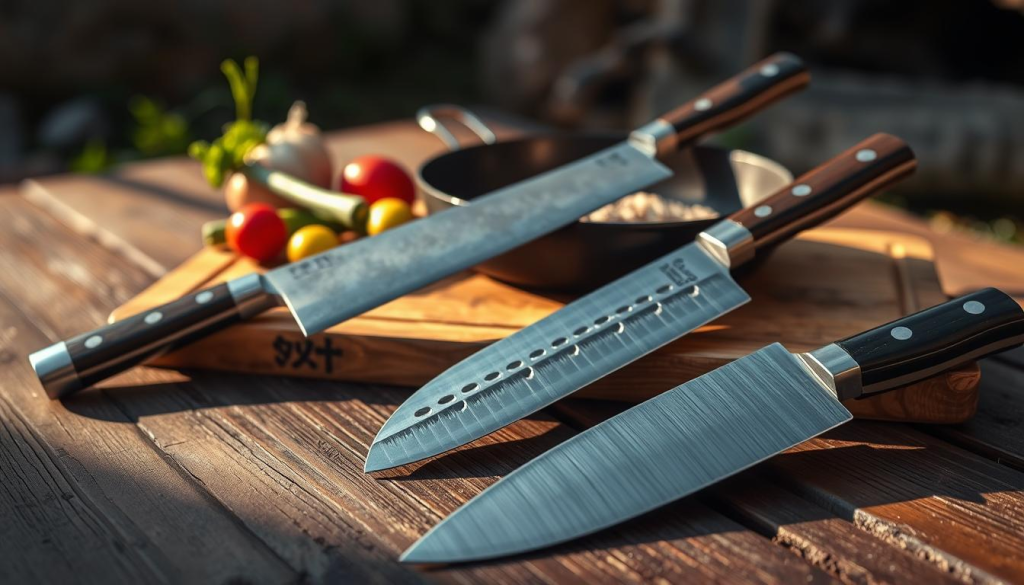
When venturing into the wilderness, the right knife can elevate your outdoor cooking experience. Japanese knives, known for their sharpness and durability, are perfect for camping and grilling. They enable you to chop ingredients efficiently, slice meat with precision, and even help in preparing garnishes for a more appealing meal.
Ideal Knives for Camping and Grilling
For outdoor cooking, certain types of Japanese knives stand out. The Gyuto, a versatile chef’s knife, is excellent for a variety of tasks, from chopping vegetables to slicing meat. The Santoku knife, with its straight edge, is also highly useful for chopping and slicing. For more specialized tasks, like filleting fish or cutting through bones, a Deba knife can be invaluable.
Preparing Delicious Meals in Nature
Preparing meals outdoors requires creativity and the right tools. With a Japanese knife, you can efficiently chop fresh herbs, slice meats thinly for grilling, and even dice vegetables for a hearty stew. The key to delicious outdoor meals is in the preparation, and a sharp Japanese knife makes all the difference.
To make the most of your outdoor cooking experience, consider the following tips:
- Choose a knife that is both durable and lightweight.
- Keep your knife sharp to ensure safety and efficiency.
- Practice basic knife skills to enhance your outdoor cooking.
By incorporating Japanese knives into your outdoor cooking repertoire, you not only enhance your culinary experience but also connect with the tradition of Japanese cuisine, where the knife is an extension of the chef’s skill and creativity.
The Cultural Significance of Japanese Knives
The cultural importance of Japanese knives extends far beyond their utility in the kitchen. These finely crafted tools are imbued with the spirit of Japanese cuisine and reflect the country’s rich cultural heritage.
Japanese blades are considered one of the finest works offered by blacksmiths, with origins tracing back to sovereign Chinese Dynasties. This historical context underscores the significance of Japanese knives in culinary traditions.
Symbolism in Japanese Cuisine
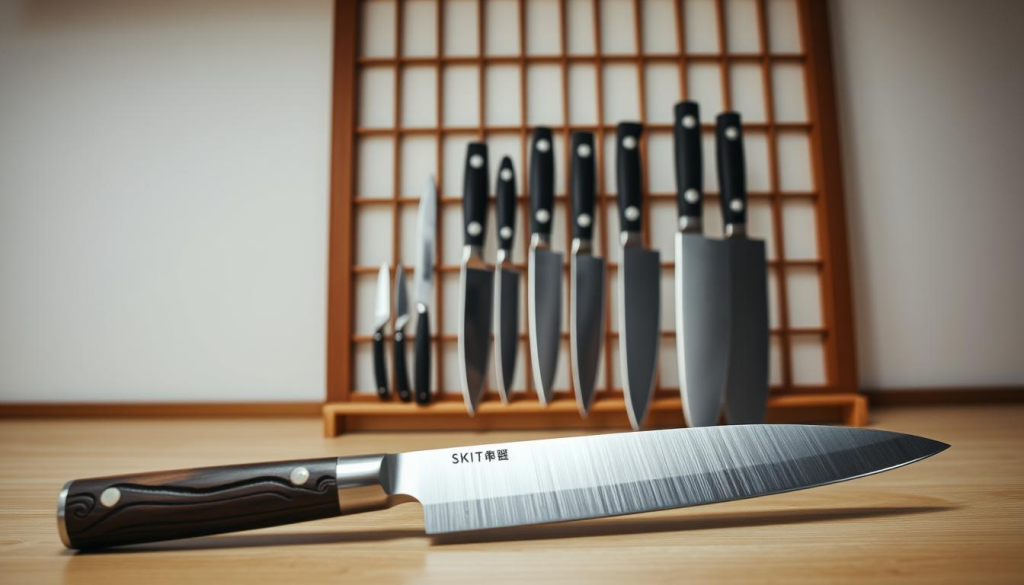
In Japanese cuisine, knives are not just instruments for preparing meals; they symbolize the precision, dedication, and respect for nature that are central to the culture. Different types of Japanese knives are designed for specific tasks, reflecting the nuanced approach to cooking and the value placed on specialization.
The art of preparing sushi and sashimi, for example, is deeply rooted in the tradition of using the right knife for the task. This attention to detail and commitment to using the appropriate tool highlights the cultural significance of knives in achieving culinary excellence.
Celebrating Tradition through Knives
The tradition of Japanese knife-making is celebrated through the careful maintenance of Japanese knives. Proper care, including sharpening and cleaning, is essential to preserving the integrity and performance of these valuable tools.
By understanding and respecting the craftsmanship that goes into creating Japanese knives, cooks can better appreciate the role these instruments play in their culinary journey. Whether for a professional chef or a home cook, the cultural significance of Japanese knives enriches the cooking experience, connecting the individual to a broader tradition of culinary artistry.
Common Mistakes to Avoid with Japanese Knives
To get the most out of your Japanese knives, it’s crucial to steer clear of frequent errors. Japanese knives require minimal maintenance but need proper care to last. Understanding the common mistakes can help you maintain your knives’ quality and extend their lifespan.
Misusing the Knife
One of the most common mistakes is misusing the knife. Japanese knives are designed for specific tasks, and using them otherwise can lead to damage. For instance, using a Santoku knife to cut through bones or hard materials can chip the blade.
Another mistake is not using the correct cutting technique. Japanese knives are typically designed for a more precise, gentle cutting motion. Applying too much pressure or using a sawing motion can strain the knife and lead to accidents.
Neglecting Maintenance
Neglecting maintenance is another critical mistake. Japanese knives need regular sharpening to maintain their edge. Using a knife on a hard surface like glass or stone without proper sharpening can damage the blade.
Proper cleaning is also essential. Avoid using a dishwasher, as the high heat and harsh detergents can damage the knife’s materials. Instead, hand wash your Japanese knives with mild soap and dry them immediately to prevent rust.
| Common Mistake | Consequence | Prevention |
|---|---|---|
| Using knife on hard materials | Chipping or cracking the blade | Use appropriate knife for task |
| Incorrect cutting technique | Straining the knife, accidents | Practice precise, gentle cutting motion |
| Neglecting sharpening | Dull blade, increased effort | Regularly sharpen the knife |
| Improper cleaning | Rust, damage to materials | Hand wash with mild soap, dry immediately |
By avoiding these common mistakes, you can ensure your Japanese knives remain in excellent condition, providing you with years of reliable service in the kitchen.
Conclusion: Embrace the Versatility of Japanese Knives
Understanding the unique features and uses of Japanese knives can significantly enhance your cooking experience. With various types of knives available, each designed for specific tasks, you can elevate your culinary skills and explore new recipes.
Exploring New Recipes
Experimenting with different Japanese knives in the kitchen can open up new possibilities for culinary creativity. Whether you’re preparing sushi, slicing vegetables, or chopping meat, the right knife can make a significant difference. Discover the best japanese knives for kitchen tasks and experience the precision and control they offer.
Mastering Knife Skills
As you continue to use Japanese knives, you’ll develop your skills and confidence in the kitchen. By mastering various techniques and understanding the japanese knives uses, you’ll be able to tackle a wide range of cooking tasks with ease. From basic chopping to intricate preparations, Japanese knives are an indispensable tool for any serious cook or chef.