Chefs often ask me about the quality of high-end Japanese steel. Many home cooks seek a solid evaluation to decide if these professional tools belong in their collection.
I will explore the facts regarding their unique construction and edge retention. My goal is to help you make an informed choice for your culinary workspace.
Picking a premium blade involves looking past the marketing hype. I provide a clear look at the steel’s performance and long-term value.
I want to show you how these items handle daily tasks in a busy kitchen. My unbiased analysis covers everything from aesthetics to real-world cutting ability.
Key Takeaways
- Analysis of traditional Japanese forging methods.
- Honest assessment of sharpness and durability.
- Details on the multi-layered steel layers.
- Insights into handle comfort and balance.
- Guidance on maintenance for high-end cutlery.
What Are Tamahagane Knives?
Tamahagane knives have been a cornerstone of Japanese culinary tradition for centuries, renowned for their exceptional quality and craftsmanship. To understand what makes these knives so special, it’s essential to delve into their definition, origins, and the craftsmanship behind them.
Definition and Origins
Tamahagane, which translates to “jewel steel,” is a type of steel produced using a traditional Japanese smelting process. This process involves heating iron sand, a naturally occurring form of iron ore primarily composed of magnetite (Fe3O4), in a clay furnace called a tatara. The resulting Tamahagane steel is highly prized for its quality and is used to craft some of the world’s finest knives.
The production of Tamahagane steel is an art form that has been refined over centuries. The process begins with the selection of high-quality iron sand, which is then smelted to produce a bloom of Tamahagane steel. This steel is characterized by its high carbon content and the presence of impurities, which contribute to its strength and edge retention.
The Craftsmanship Behind Tamahagane
Crafting a Tamahagane knife is a labor-intensive process that requires great skill and attention to detail. Artisans carefully select and forge the Tamahagane steel, folding and hammering it multiple times to remove impurities and achieve the desired level of hardness and flexibility. This meticulous process results in a blade that is not only sharp and durable but also aesthetically pleasing.
The craftsmanship involved in making Tamahagane knives is a testament to the dedication of Japanese artisans. Each knife is a reflection of their skill and the traditional techniques that have been passed down through generations.
Traditional vs. Modern Production Methods
While traditional methods are still used to produce authentic Tamahagane knives, modern production techniques have also been adopted to streamline the process and improve consistency. Traditional production involves smelting iron sand in a tatara furnace, a process that requires great expertise and can take several days to complete.
In contrast, modern production methods may utilize electric furnaces and more advanced technology to produce Tamahagane steel. While these methods can result in a more consistent product, they may lack the character and uniqueness of traditionally produced Tamahagane knives.
- The traditional production process involves smelting iron sand in a tatara furnace.
- Tamahagane steel is known for its high carbon content and strength.
- The craftsmanship involved in making Tamahagane knives is highly labor-intensive and requires great skill.
- Modern production methods can offer more consistency but may lack the unique characteristics of traditional Tamahagane knives.
By understanding the definition, origins, and craftsmanship behind Tamahagane knives, as well as the differences between traditional and modern production methods, one can appreciate the value and uniqueness of these exceptional knives.
Key Features of Tamahagane Knives
With a rich history and traditional manufacturing process, Tamahagane knives boast several key features that contribute to their exceptional performance. These knives are not just tools for cutting; they are a culmination of craftsmanship, material science, and design.
Materials Used in Tamahagane Knives
Tamahagane knives are made from Tamahagane steel, a type of high-carbon steel produced from iron sand. This steel is known for its hardness and ability to hold a sharp edge. The carbon content in Tamahagane steel is typically around 0.5-0.8%, which is ideal for achieving a balance between hardness and flexibility.
The use of high-carbon steel in Tamahagane knives allows for a sharper edge and better edge retention compared to knives made from lower carbon content materials. This makes them particularly appealing to chefs who require precision and durability in their knives.
Blade Characteristics and Design
The blade characteristics of Tamahagane knives are shaped by their traditional manufacturing process. The forging process involves folding and hammering the steel multiple times to remove impurities and achieve a uniform carbon content. This process not only enhances the strength and durability of the blade but also gives it a unique pattern.
Tamahagane knives are known for their sharpness and cutting performance. The edge retention is superior due to the high-carbon content, making them a favorite among professional chefs who demand high performance from their knives.
Handle Options: Wood vs. Synthetic
The handle of a Tamahagane knife can be made from various materials, with wood and synthetic being the most common options. Wood handles offer a traditional aesthetic and can provide a comfortable grip. However, they may require more maintenance than synthetic handles.
Synthetic handles, on the other hand, are more durable and resistant to moisture, making them a practical choice for chefs who work in demanding kitchen environments. The choice between wood and synthetic handles often comes down to personal preference and the intended use of the knife.
Ultimately, the best Tamahagane knives are those that balance performance, durability, and aesthetics, making them a valuable addition to any kitchen.
Performance: Do They Live Up to the Hype?
The hype surrounding Tamahagane knives raises an important question: do they truly live up to their reputation? To answer this, it’s essential to examine their performance across various critical aspects.
Edge Retention and Sharpness
Tamahagane knives are renowned for their exceptional edge retention and sharpness. Studies have shown that the unique microstructure of Tamahagane steel contributes significantly to these characteristics. The edge retention is notably superior, allowing for a sharper cut over a longer period. This is particularly beneficial for tasks that require precision and consistency.
Durability and Strength
In addition to their sharpness, Tamahagane knives are also praised for their durability and strength. The high-carbon content and the traditional forging process enhance the knife’s ability to withstand heavy use. This durability makes them a valuable investment for both professional chefs and serious home cooks.
Versatility in the Kitchen
Tamahagane knives are not only durable and sharp but also versatile. They can be used for a wide range of kitchen tasks, from delicate slicing to chopping through tougher ingredients. This versatility makes them a practical addition to any kitchen, whether you’re preparing intricate dishes or handling everyday cooking tasks.
When considering buying Tamahagane knives, understanding their performance is key. Their ability to retain sharpness, withstand heavy use, and perform various tasks makes them a compelling choice for those seeking high-quality knives.
Comparing Tamahagane Knives to Other Brands
Tamahagane knives have gained popularity, but how do they compare to other brands? To assess their standing in the market, it’s essential to compare them with other Japanese and Western knives.
Tamahagane vs. Japanese Knives
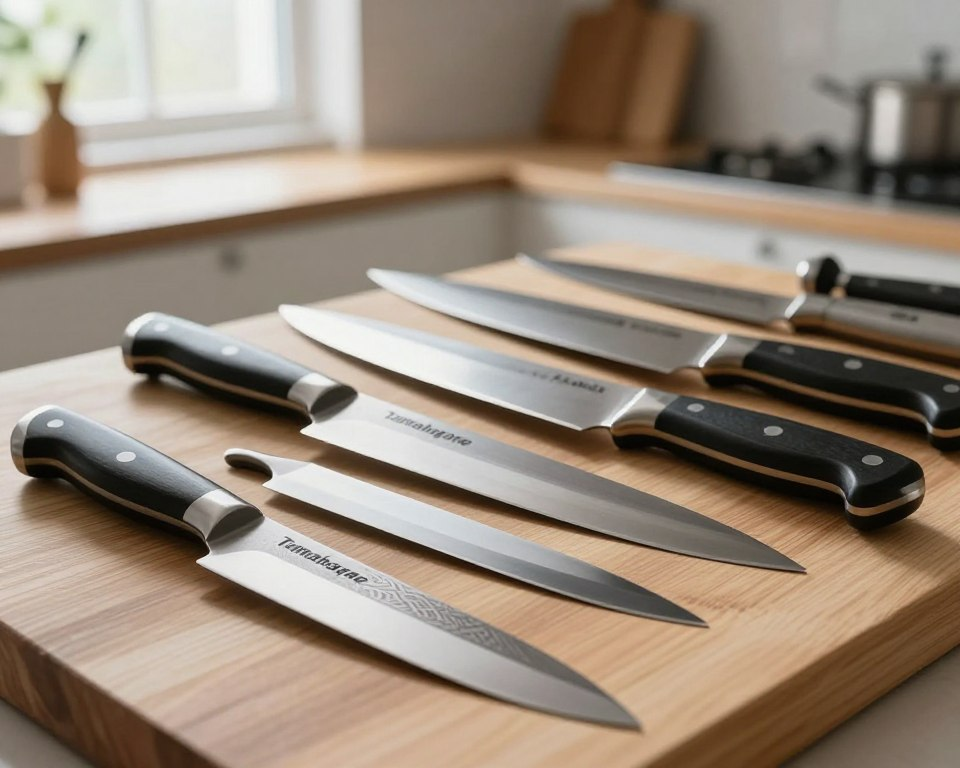
When comparing Tamahagane knives to other Japanese knives, several factors come into play. Both types are known for their high quality, but Tamahagane knives are distinguished by their unique production process and the use of traditional Tamahagane steel. Here are some key differences:
- Material: Tamahagane knives are made from Tamahagane steel, which is known for its hardness and ability to hold a sharp edge.
- Craftsmanship: The traditional craftsmanship involved in making Tamahagane knives is often more labor-intensive compared to some other Japanese knives.
- Edge Retention: Tamahagane knives are renowned for their excellent edge retention, often surpassing that of other Japanese knives.
Tamahagane vs. Western Knives
The comparison between Tamahagane and Western knives reveals significant differences in materials, design, and performance. Western knives are often made from stainless steel or high-carbon steel and are designed for durability and ease of maintenance. In contrast, Tamahagane knives offer a unique cutting experience due to their traditional Japanese design and the properties of Tamahagane steel. Key differences include:
- Material and Durability: Western knives are generally more resistant to corrosion, while Tamahagane knives require more care.
- Sharpness and Edge Retention: Tamahagane knives are known for their exceptional sharpness and edge retention.
- Cultural and Aesthetic Appeal: Tamahagane knives are often prized for their traditional craftsmanship and aesthetic appeal.
Value for Money: Is It Worth the Investment?
Evaluating whether Tamahagane knives are worth the investment involves considering their quality, performance, and price. While they are generally more expensive than many other brands, the quality and craftsmanship of Tamahagane knives justify the cost for many users. Here are some factors to consider:
- Longevity: With proper care, Tamahagane knives can last for many years, making them a valuable long-term investment.
- Performance: The exceptional sharpness and edge retention of Tamahagane knives enhance the cooking experience.
- Aesthetic and Cultural Value: For many, the traditional craftsmanship and beauty of Tamahagane knives add to their value.
In conclusion, when comparing Tamahagane knives to other brands, it’s clear that they offer unique advantages, particularly in terms of quality and performance. Whether they are worth the investment depends on the individual’s priorities and budget.
User Experiences: What the Reviews Say
User reviews and testimonials provide invaluable insights into the effectiveness of Tamahagane knives. By examining the experiences of both professional chefs and home cooks, we can gain a comprehensive understanding of these knives’ performance in real-world settings.
Chef Testimonials
Professional chefs have been vocal about their positive experiences with Tamahagane knives. Many praise their exceptional sharpness and durability. For instance, Chef Masaharu Morimoto has been known to use Tamahagane knives in his kitchens, appreciating their ability to hold a sharp edge even after extensive use.
“The sharpness and balance of Tamahagane knives are unparalleled. They have become an essential tool in my kitchen.”
Other chefs highlight the aesthetic appeal of these knives, noting that the traditional craftsmanship adds a touch of elegance to their kitchen utensils.
Home Cook Opinions
Home cooks also share their positive experiences with Tamahagane knives, often commenting on their ease of use and versatility. Many find that these knives make a significant difference in their cooking experience, allowing for more precise cuts and better overall performance.
| Feature | Chef Feedback | Home Cook Feedback |
|---|---|---|
| Sharpness | Exceptional edge retention | Easy to sharpen and maintain |
| Durability | Withstands heavy use | Resistant to corrosion |
| Aesthetics | Appreciation for traditional craftsmanship | Beautiful design adds to kitchen decor |
Common Criticisms
While the majority of reviews are positive, some users have raised concerns about the price and maintenance requirements of Tamahagane knives. A few have noted that the high carbon content, while beneficial for sharpness, requires more careful maintenance to prevent rust.
Additionally, some users feel that the premium pricing may be a barrier for those on a budget. However, many agree that the quality and performance justify the investment.
In conclusion, user experiences with Tamahagane knives are overwhelmingly positive, with both chefs and home cooks praising their performance and craftsmanship. While there are some criticisms, the benefits of using authentic Tamahagane knives appear to outweigh the drawbacks for many users.
Maintenance and Care for Tamahagane Knives
To ensure your Tamahagane knife remains a trusted companion in the kitchen, proper maintenance is essential. The unique characteristics of Tamahagane steel demand specific care to preserve its edge retention, sharpness, and overall performance.
Regular maintenance not only extends the life of your knife but also ensures it continues to perform at its best. This involves a combination of proper sharpening techniques, cleaning methods, and long-term care strategies.
Sharpening Techniques
Sharpening is a critical aspect of maintaining your Tamahagane knife. The high-carbon content in Tamahagane steel allows for a sharp edge, but it requires regular sharpening to maintain its cutting performance. I recommend using a whetstone, as it allows for precise control over the sharpening angle and edge quality.
When sharpening, start with a coarse grit stone (about 1000 grit) to repair any damage to the edge, then progress to finer grits (up to 6000 or 8000 grit) for polishing and refining the edge. This process helps maintain the knife’s sharpness and ensures Tamahagane knife performance remains optimal.
Proper Cleaning Methods
Cleaning your Tamahagane knife properly is vital to prevent rust and maintain its appearance. After each use, gently wash the knife by hand with mild soap and dry it immediately. Avoid using a dishwasher, as the high heat and harsh detergents can damage the blade and handle.
For more thorough cleaning, you can use a soft cloth and a small amount of mineral oil to wipe down the blade. This helps remove any residue and protects the steel from rust. Regular cleaning and drying are essential for the longevity of your Tamahagane knife.
Long-term Care Tips
Long-term care involves more than just daily maintenance. It’s about creating a routine that protects your investment. Store your Tamahagane knife in a dry place, away from direct sunlight. Using a knife block or a protective case can help prevent damage to the blade and maintain its sharpness.
Additionally, applying a thin layer of mineral oil to the blade when not in use can help prevent rust. Regularly inspect your knife for signs of wear and address any issues promptly. By following these care tips, you can enjoy your Tamahagane knife for years to come, ensuring it remains a valuable tool in your kitchen.
By understanding and implementing these maintenance and care strategies, you can be confident that your Tamahagane knife will continue to perform exceptionally, answering the question “are Tamahagane knives good” with a resounding yes.
Where to Buy Tamahagane Knives
The quest for the perfect Tamahagane knife begins with understanding your buying options. As a sought-after brand among chefs and cooking enthusiasts, Tamahagane knives are available through various channels.
Recommended Retailers
Several retailers specialize in carrying high-quality Tamahagane knives. Some of the top recommendations include specialty kitchen stores and online marketplaces that focus on Japanese cutlery. For instance, Knifeworks and Chef’s Edge are known for their wide selection of Tamahagane knives from various brands.
When shopping for a Tamahagane knife, it’s essential to look for retailers that provide detailed product descriptions, customer reviews, and after-sales support. As Chef Kazunori Yamauchi, a renowned knife expert, once said, “A good knife is not just about the material; it’s about the craftsmanship and the service behind it.”
“The art of knife-making is not just about forging steel; it’s about understanding the needs of the user.”
Online vs. In-store Purchases
Both online and in-store purchases have their advantages. Buying online offers the convenience of comparing different models and reading reviews from other customers. On the other hand, purchasing in-store allows you to hold the knife, feel its balance, and get a better sense of its quality.
When buying online, ensure that you’re purchasing from a reputable retailer that offers a return policy and good customer service. For in-store purchases, visit retailers that specialize in cutlery and have knowledgeable staff who can guide you through the selection process.
Considerations When Shopping
When shopping for a Tamahagane knife, several factors should be considered to ensure you find the right one for your needs. These include the type of steel used, the craftsmanship, the handle material, and the overall balance of the knife.
- Check the authenticity of the Tamahagane steel used in the knife.
- Consider the reputation of the brand and read reviews from other customers.
- Evaluate the craftsmanship and attention to detail.
- Think about the handle material and its durability.
By considering these factors and knowing where to look, you can find a high-quality Tamahagane knife that meets your cooking needs.
Price Range and Affordability
The cost of Tamahagane knives is influenced by several factors, including craftsmanship and materials. Understanding these factors is essential for making an informed decision when purchasing a Tamahagane knife.
Entry-Level vs. Premium Options
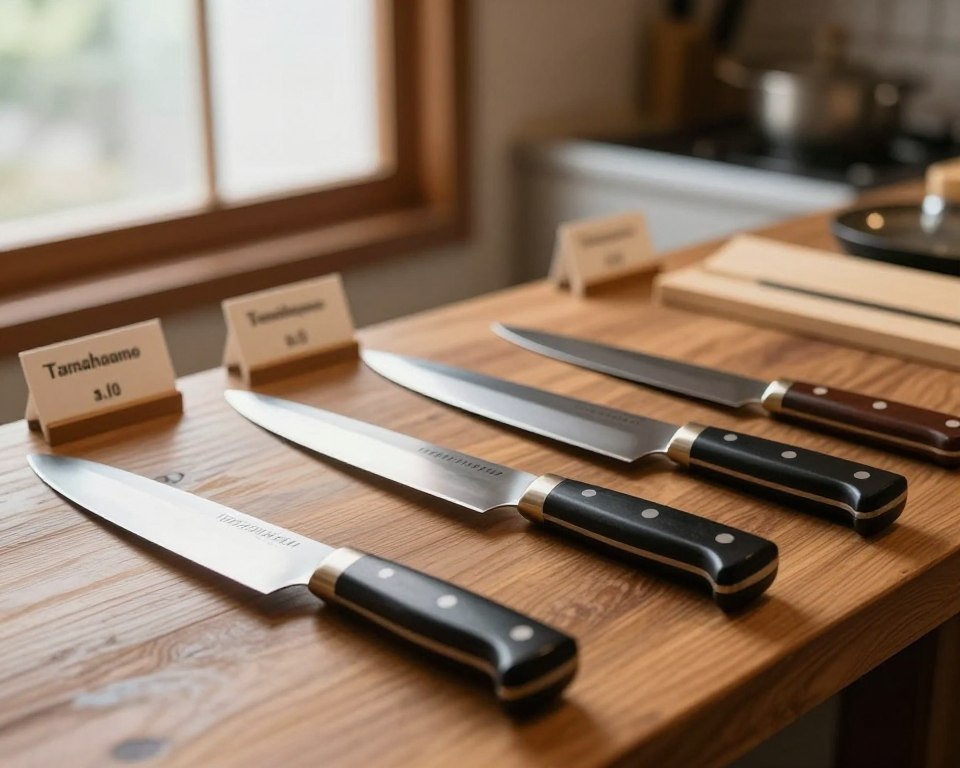
Tamahagane knives cater to a wide range of budgets, offering both entry-level and premium options. Entry-level Tamahagane knives are more affordable, typically priced between $100 and $300. These knives still offer excellent quality and performance, making them an excellent choice for those new to Tamahagane knives.
Premium Tamahagane knives, on the other hand, can range from $500 to over $1,000. These high-end knives are crafted with exceptional skill and attention to detail, featuring high-quality materials and precise craftsmanship.
Key differences between entry-level and premium Tamahagane knives include:
- Craftsmanship: Premium knives are often handmade by skilled artisans.
- Materials: High-quality materials, such as premium wood or advanced steel alloys, are used in premium knives.
- Attention to detail: Premium knives feature intricate designs and precise edge geometry.
Factors Influencing Price
Several factors contribute to the final price of a Tamahagane knife. Craftsmanship is a significant factor, as knives crafted by renowned artisans or those that require more labor-intensive processes command higher prices.
Materials also play a crucial role in determining the price. High-carbon steel, premium handle materials, and intricate fittings can increase the cost.
Additionally, the brand reputation and rarity of the knife can impact the price. Limited-edition Tamahagane knives or those from prestigious brands can be more expensive due to their exclusivity.
Cost vs. Quality Assessment
When assessing the cost versus quality of Tamahagane knives, it’s essential to consider the value they offer. While premium Tamahagane knives are more expensive, they provide exceptional performance, durability, and aesthetic appeal.
In contrast, entry-level Tamahagane knives offer a more affordable entry point into the world of Tamahagane knives, still providing excellent quality and performance.
Ultimately, the decision to invest in a Tamahagane knife depends on your specific needs and budget. By understanding the factors that influence price and assessing the cost versus quality, you can make an informed decision and find the perfect Tamahagane knife for you.
Conclusion: Are Tamahagane Knives Worth It?
Tamahagane knives have garnered significant attention among culinary enthusiasts, and for good reason. After examining their features, performance, and user experiences, it’s clear that these knives offer exceptional quality.
Key Takeaways
The unique characteristics of Tamahagane knives, such as their edge retention and durability, make them a valuable addition to any kitchen. A thorough tamahagane knives review reveals that they are crafted with precision and care, resulting in a superior cutting experience.
Final Considerations
For those considering investing in a Tamahagane knife, I recommend weighing the benefits against the cost. While they may be more expensive than other options, the best Tamahagane knives offer long-term value and performance.
Personal Stance
In my assessment, Tamahagane knives are a worthwhile investment for serious cooks and chefs. Their exceptional craftsmanship and performance make them a valuable asset in the kitchen.