
The sashimi knife is a highly versatile tool in the kitchen, offering a range of applications beyond its primary use. Its precision and sharpness make it an essential asset for both professional chefs and home cooks.
This specialized kitchen tool is not only ideal for preparing sashimi but also excels in various other tasks, such as filleting fish, slicing delicate vegetables, carving cooked meats, and creating garnishes.
Key Takeaways
- Explore the multiple applications of the sashimi knife in the kitchen.
- Learn various sashimi knife techniques for different culinary tasks.
- Understand the importance of precision in kitchen preparations.
- Discover how to use the sashimi knife for filleting fish and slicing vegetables.
- Find out how to create decorative garnishes with your sashimi knife.
What is a Sashimi Knife?
The sashimi knife, with its unique design, is tailored specifically for slicing raw fish with precision. This specialized kitchen tool is essential for preparing sashimi, a dish that is central to Japanese cuisine.
Overview of Sashimi Knives
Sashimi knives, particularly the Yanagiba, are known for their single-bevel edge and long, narrow blades. The Yanagiba is the most common type of sashimi knife and is characterized by its long, slender blade, which allows for clean, precise cuts.
The single-bevel edge is a hallmark of traditional Japanese knives, enabling a sharper cutting experience. This design is crucial for making the precise cuts required for sashimi.
Key Features and Design
The key features of a sashimi knife include its long, narrow blade and single-bevel edge. These features are designed to work in tandem to provide the precision needed for slicing raw fish thinly and evenly.
| Feature | Description | Benefit |
|---|---|---|
| Single-bevel edge | A sharpened edge on one side | Precise cuts, sharper knife |
| Long, narrow blade | Extended length for slicing | Ability to make smooth, even cuts through fish |
| High-carbon steel | Material used for the blade | Durability, resistance to corrosion |
Understanding these key features and the design of a sashimi knife is crucial for appreciating its role in Japanese cuisine and for using it effectively in various kitchen tasks, including mastering sashimi knife cutting techniques.
Importance of a Good Slicing Tool
When it comes to preparing sashimi, the quality of the slicing tool can make all the difference. A sharp sashimi knife is not just a preference, but a necessity for achieving the delicate cuts required for this traditional Japanese dish.
A sharp blade ensures that the fish is cut cleanly, preserving its texture and flavor. This is crucial because torn or bruised fish can significantly alter the dining experience, making it less enjoyable.
How a Sharp Blade Enhances Flavor
The precision of a sharp sashimi knife allows for cuts that do not damage the fish’s cellular structure, thereby preserving its natural flavor and texture. This is particularly important for sashimi, where the freshness and quality of the fish are paramount.
Moreover, a sharp knife requires less pressure to cut through the fish, reducing the likelihood of applying too much pressure, which can cause the fish to tear.
Impact on Presentation
The presentation of sashimi is a critical aspect of its appeal. A sharp sashimi knife enables chefs to create precision cuts that are visually appealing, enhancing the overall presentation of the dish.
The cleanliness and precision of the cuts contribute to an aesthetically pleasing arrangement on the plate, which is essential for the traditional serving of sashimi.
By using a high-quality, sharp sashimi knife, chefs can elevate their dishes, both in terms of flavor and presentation, making a significant difference in the culinary experience.
Use
Mastering the use of a sashimi knife is essential for any culinary enthusiast looking to elevate their cooking skills.Proper techniqueis key to achieving the perfect cut, whether you’re preparing sashimi, slicing delicate vegetables, or filleting fish.
To start, it’s crucial to understand how to hold the sashimi knife correctly. The grip should be firm but not overly tight, allowing for precise control over the blade. The knife should be held at a slight angle, with the blade facing the direction of the cut.
When cutting, use a smooth, even motion. Apply gentle pressure, increasing it as needed based on the material being cut. For sashimi, the cut should be made in a single, fluid motion, slicing through the fish with ease.
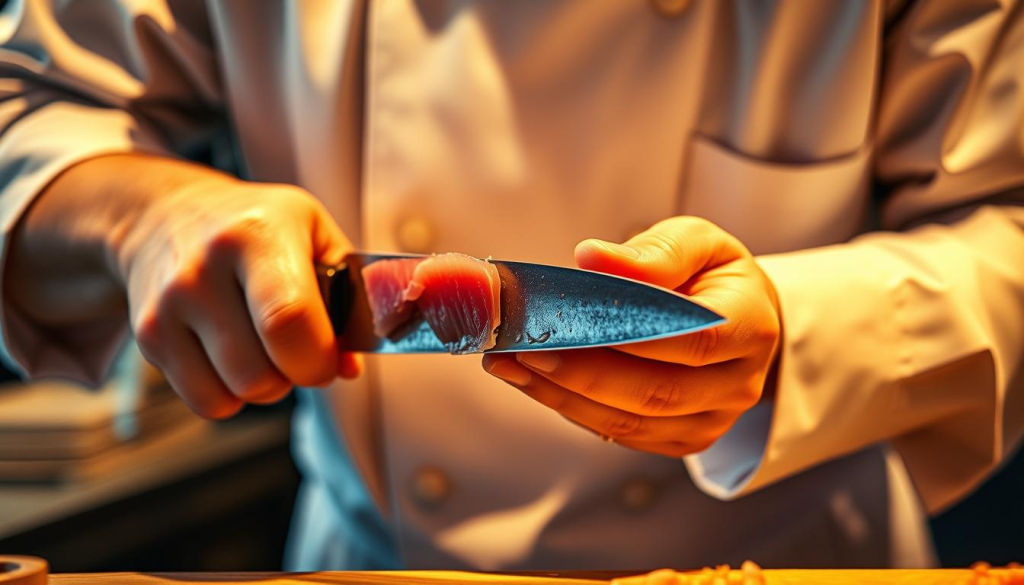
Sashimi knife techniques vary depending on the task at hand. For example, when filleting fish, a more gentle touch is required to avoid tearing the flesh. In contrast, slicing through vegetables may require a bit more pressure.
To achieve consistent results, it’s essential to maintain your sashimi knife properly. Regular sharpening and cleaning will keep the blade in top condition, ensuring that it continues to perform optimally.
By practicing these sashimi knife techniques and tips, you’ll become more confident and proficient in using your sashimi knife, unlocking new possibilities in the kitchen.
1: Preparing Sashimi
Preparing sashimi is an art that demands precision and care. The sashimi knife is a crucial tool in this process, designed to slice raw fish into thin, uniform pieces.
The technique involves handling the fish gently and cutting it with a smooth, even motion. The sharpness and quality of the knife are paramount to achieving the perfect slice.
Renowned for their exceptional quality, top sashimi knife brands offer a range of options for both professionals and enthusiasts.
Key Takeaways
- Precision and care are essential in preparing sashimi.
- A sashimi knife is designed for slicing raw fish into thin pieces.
- The sharpness and quality of the knife are crucial.
- Top sashimi knife brands offer high-quality options.
- Proper handling and cutting techniques are vital.
Use
Maintaining your sashimi knife is crucial for its longevity and performance. A well-cared-for knife not only lasts longer but also continues to deliver precise cuts, making it an indispensable tool in the kitchen.
Proper sashimi knife maintenance involves regular sharpening, cleaning, and storage. Sharpening is perhaps the most critical aspect, as a dull knife can be dangerous and less effective. A sashimi knife sharpening tutorial can guide you through the process, which typically involves using a whetstone or sharpening rod to hone the blade to a razor-sharp edge.
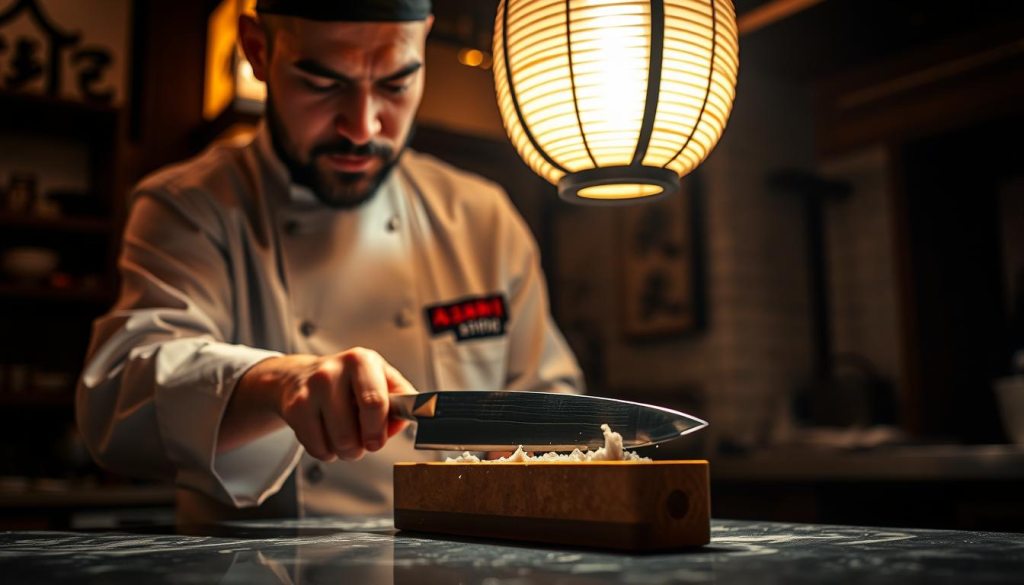
Cleaning your sashimi knife after each use is also vital. It’s recommended to hand wash the knife with mild soap and dry it immediately to prevent rust. Storage should be in a dry place, away from other utensils that could damage the blade.
| Maintenance Task | Frequency | Tips |
|---|---|---|
| Sharpening | After every few uses | Use a whetstone or sharpening rod |
| Cleaning | After every use | Hand wash with mild soap and dry immediately |
| Storage | Ongoing | Store in a dry place, away from other utensils |
By following these simple care and maintenance tips, you can extend the life of your sashimi knife and ensure it continues to perform at its best.
2: Filleting Fish
A sashimi knife is not just limited to preparing sashimi; it’s also an excellent tool for filleting fish. Its sharp edge and precise control make it ideal for removing bones and skin efficiently.
To fillet fish effectively, start by making a precise cut behind the gills, then carefully slice along the spine to release the fillet. The key is to maintain a smooth, gentle motion, allowing the sharpness of the knife to do the work.
Key Takeaways
- Use a sashimi knife for precise filleting cuts.
- Maintain a smooth, gentle motion when filleting.
- The sharp edge of the knife helps to remove bones and skin efficiently.
- Practice makes perfect when it comes to filleting fish.
- A sashimi knife is a versatile tool in the kitchen.
Use
Professional chefs swear by their sashimi knives for their versatility and performance in various cutting tasks. In professional kitchens, these knives are not just limited to preparing sashimi but are used for a multitude of tasks that require precision and control.
The best sashimi knife for professionals is characterized by its high-quality materials, ergonomic design, and exceptional sharpness. These knives are typically made from high-carbon stainless steel or Damascus steel, which provides them with the durability and resistance to corrosion needed in a fast-paced kitchen environment.
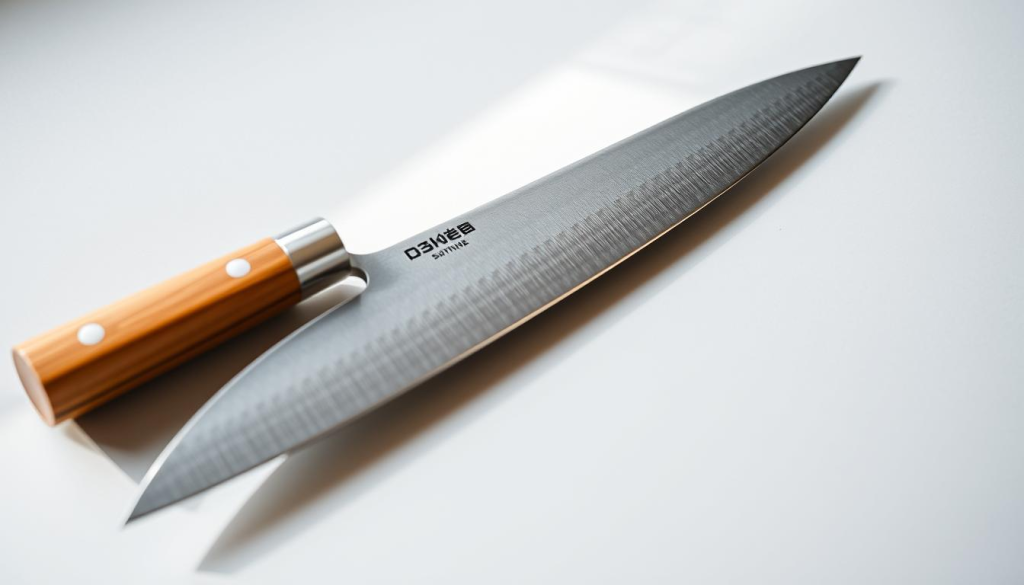
When it comes to sashimi knife cutting techniques, professionals employ a variety of methods to achieve the desired cut. The choice of technique often depends on the type of ingredient being cut and the desired presentation.
| Cutting Technique | Description | Application |
|---|---|---|
| Push Cut | A smooth, continuous motion used for cutting through ingredients. | Sashimi, thinly sliced vegetables |
| Pull Cut | A gentle pulling motion that helps in achieving a clean cut. | Filleting fish, cutting through soft meats |
| Chop | A forceful, downward motion used for chopping through harder ingredients. | Chopping bones, hard vegetables |
Mastering these sashimi knife cutting techniques is essential for any professional chef looking to elevate their culinary skills. The precision and control offered by a high-quality sashimi knife make it an indispensable tool in any professional kitchen.
3: Slicing Delicate Vegetables
Slicing delicate vegetables requires precision and care to preserve their texture and appearance. A sashimi knife is particularly well-suited for this task due to its sharp edge, allowing for thin, precise cuts.
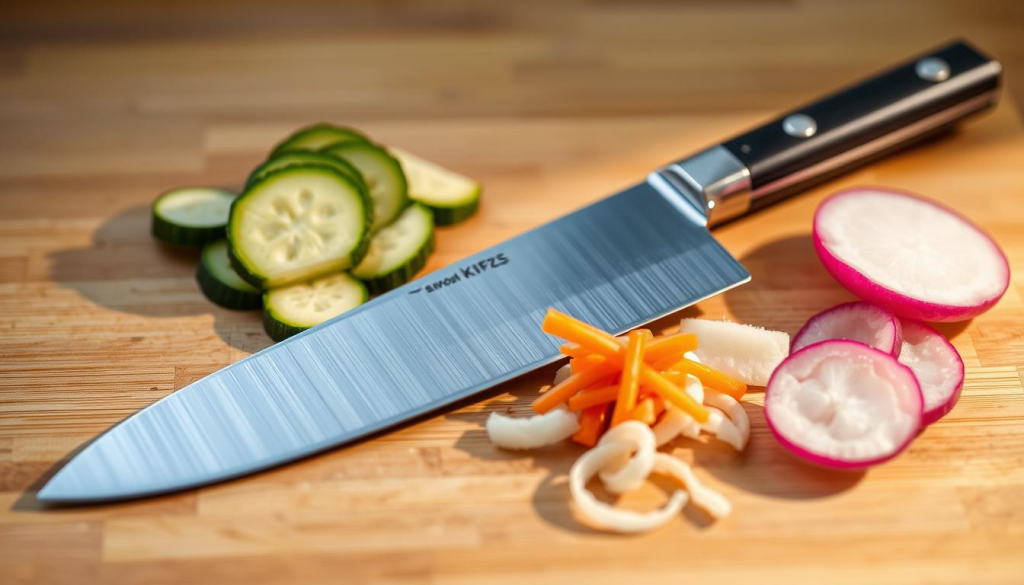
The sharpness of the knife makes it ideal for handling fragile vegetables without causing damage, a task that can be challenging with duller knives. By using a sashimi knife, you can achieve professional-looking results in your kitchen.
Key Takeaways
- Using a sashimi knife for slicing delicate vegetables preserves their texture and appearance.
- The sharp edge of the knife allows for thin, precise cuts.
- Proper care of your sashimi knife is essential for maintaining its effectiveness.
- Sashimi knives are versatile tools that can be used for a variety of kitchen tasks.
- Handling different types of vegetables requires adjusting your technique.
Use
Maintaining your sashimi knife is crucial for its longevity and performance. Regular maintenance ensures that your knife remains a reliable tool for various culinary tasks, from preparing sashimi to slicing delicate vegetables.
Proper care involves several key practices. Regular sharpening is essential to maintain the knife’s edge. A dull knife can be dangerous and less effective, making sharpening a crucial part of sashimi knife maintenance.
After each use, cleaning the knife thoroughly is vital. This prevents the buildup of residue, which can affect the knife’s performance and longevity. It’s also important to store the knife properly, away from other utensils that could damage it.
Handling the knife with care is also a part of sashimi knife techniques. Avoiding drops and using the correct cutting techniques can significantly extend the life of your sashimi knife.
By following these maintenance tips, you can ensure your sashimi knife remains in excellent condition, ready for any task.
4: Carving Cooked Meats
When it comes to presenting cooked meats, the right tool can make all the difference. A sharp, precision knife is essential for creating smooth, even cuts that enhance the dish’s appearance.
The technique of carving cooked meats is one where a high-quality sashimi knife truly shines. Its sharp edge allows for precise cuts, improving the overall presentation and potentially the flavor of the dish.
Key Takeaways
- Using a sashimi knife for carving cooked meats results in smooth, even cuts.
- The sharp edge of the knife enhances the presentation of the dish.
- Top sashimi knife brands offer high-quality knives for this purpose.
- Learning how to use a sashimi knife effectively is crucial for achieving the best results.
- A good sashimi knife is a valuable tool in the kitchen.
Use
Understanding different cutting techniques is crucial for maximizing the potential of a sashimi knife. The versatility of a sashimi knife is reflected in the various cutting methods that can be employed, from the smooth, gliding cuts used for sashimi to the more controlled cuts used for carving meats.
When it comes to sashimi knife cutting techniques, the key is to achieve a smooth, even cut. This is particularly important when preparing sashimi, where the delicate slices of fish must be cut with precision to preserve their texture and flavor. A sharp sashimi knife is essential for this task, as it allows for a clean cut that doesn’t tear the fish.
In addition to slicing sashimi, a sashimi knife can also be used for other kitchen tasks, such as filleting fish and carving cooked meats. For these tasks, a slightly different cutting technique may be required. For example, when filleting fish, a more gentle, sawing motion is often used to navigate the contours of the fish.
To get the most out of your sashimi knife, it’s also important to keep it properly sharpened. A sashimi knife sharpening tutorial can provide valuable guidance on how to maintain the knife’s edge and ensure it continues to perform optimally.
5: Creating Garnishes and Presentation
The art of creating visually appealing dishes is a crucial aspect of culinary preparations. A precision tool like a sashimi knife enables chefs to craft intricate designs and cuts, adding an aesthetic value to their creations.
The precision of this specialized cutlery allows for the creation of delicate garnishes that enhance the overall presentation of dishes. By utilizing the sharp edge and balanced design, chefs can achieve the desired cuts with ease, elevating the visual appeal of their culinary masterpieces.
Key Takeaways
- Precision cutting tools are essential for creating intricate garnishes.
- A well-maintained cutting tool enhances the overall presentation of dishes.
- Delicate cuts and designs add an aesthetic value to culinary preparations.
- Proper care and maintenance of cutting tools are crucial for optimal performance.
- The right cutting technique can elevate the visual appeal of dishes.
Care and Maintenance of Your Sashimi Knife
Proper care and maintenance of your sashimi knife can significantly enhance its durability and effectiveness. A well-maintained knife not only performs better but also lasts longer, making it a valuable investment for any culinary enthusiast.
Cleaning Techniques
Cleaning your sashimi knife is a crucial step in its maintenance. It’s recommended to hand wash your knife with mild soap and dry it immediately to prevent rust. Avoid using a dishwasher, as the high heat and harsh detergents can damage the blade.
For more thorough cleaning, a soft cloth and a small amount of oil can be used to wipe down the blade. This helps remove any residue and maintains the knife’s sharpness.
| Cleaning Method | Benefits | Precautions |
|---|---|---|
| Hand washing with mild soap | Gentle on the blade, effective cleaning | Avoid harsh detergents |
| Drying with a soft cloth | Prevents rust, maintains sharpness | Ensure the cloth is clean and dry |
| Using a small amount of oil | Protects the blade, enhances performance | Use the appropriate type and amount of oil |
Sharpening Tips
Sharpening is a critical aspect of maintaining your sashimi knife. Regular sharpening keeps the blade in optimal condition, ensuring precise cuts and preventing accidents.
To sharpen your sashimi knife effectively, use a whetstone or a sharpening rod designed for high-carbon steel knives. Start with a coarse grit to repair any damage, then move to finer grits for polishing.
- Choose the right sharpening tool for your knife’s material.
- Maintain the correct sharpening angle to avoid damaging the blade.
- Sharpen regularly to keep the knife in optimal condition.
By following these care and maintenance tips, you can extend the life of your sashimi knife and ensure it continues to perform at its best.
Conclusion: Elevate Your Culinary Skills with a Sashimi Knife
A sashimi knife is a valuable addition to any kitchen, offering precision, versatility, and the potential to elevate culinary skills. By mastering sashimi knife techniques, chefs and home cooks can maximize the benefits of having this knife in their culinary arsenal.
The best sashimi knife for professionals is one that provides a sharp blade, comfortable handling, and durability. With proper care and maintenance, a sashimi knife can become an indispensable tool for various kitchen tasks, from preparing sashimi to creating garnishes.
By understanding the uses and techniques of a sashimi knife, individuals can expand their culinary capabilities and achieve professional-grade results. Whether you’re a seasoned chef or an enthusiastic home cook, incorporating a sashimi knife into your kitchen can make a significant difference in your cooking experience.