
As I explore the world of Japanese knives, I find the Sakai Takayuki Kamagata Usuba to be a standout tool for any chef or home cook. This traditional knife is known for its versatility and precision in cutting vegetables.
The unique curved tip and high-carbon steel construction of this knife deliver precision and performance in the kitchen. Whether you’re preparing delicate vegetable dishes or intricate garnishes, this knife is an indispensable asset.
Its reputation for quality and craftsmanship makes it a valuable addition to any kitchen arsenal.
Key Takeaways
- A versatile Japanese blade for precise cutting.
- High-carbon steel construction for durability.
- Unique curved tip for intricate cuts.
- Indispensable for chefs and home cooks alike.
- A valuable addition to any kitchen.
Introduction to the Kamagata Usuba
Originating from the Kansai region, the Kamagata Usuba is a variant of the Usuba knife known for its distinctive curved tip. This characteristic makes it particularly useful for precision cutting and decorative cutting techniques, embodying the essence of traditional Japanese cuisine.
What is a Kamagata Usuba?
The Kamagata Usuba is a type of traditional Japanese knife that has been revered for its role in preparing vegetables and other ingredients with precision. Its sickle-shaped tip is a hallmark of its design, allowing for intricate cuts that are both functional and aesthetically pleasing.
As noted by culinary experts, “The Usuba knife is an indispensable tool in Japanese kitchens, valued for its sharpness and the finesse it brings to vegetable preparation.” This quote underscores the significance of the Kamagata Usuba in culinary practices.
Historical Significance of Usuba Knives
Usuba knives have a rich history in Japan, dating back centuries. They were originally used in the preparation of ingredients for traditional Japanese dishes, where the emphasis on freshness and presentation is paramount. The Kamagata Usuba continues this tradition, offering chefs a tool that is both steeped in history and highly functional.
The craftsmanship that goes into making a Kamagata Usuba is a testament to the artisanal skill of Japanese knife makers. Each knife is a reflection of the maker’s dedication to their craft, resulting in a blade that is not only beautiful but also highly effective in the kitchen.
Features of Sakai Takayuki Kamagata Usuba
As I delve into the features of the Sakai Takayuki Kamagata Usuba, I’m struck by its exceptional craftsmanship. This knife is a testament to the art of Japanese knife-making, with a blend of traditional techniques and modern materials.
The construction of the Sakai Takayuki Kamagata Usuba is noteworthy, particularly in terms of the materials used. The blade is made from high-carbon steel, known for its durability and ability to retain sharpness. This material choice is crucial for a knife intended for precise cutting tasks, such as thinly slicing vegetables.
Materials Used in Construction
The high-carbon steel used in the Sakai Takayuki Kamagata Usuba is a significant factor in its performance. This material is favored for its strength and resistance to wear, ensuring that the knife remains effective over time.
| Material | Characteristics | Benefits |
|---|---|---|
| High-Carbon Steel | Durable, retains sharpness | Ideal for precise cutting, long-lasting |
| Traditional Forging | Strong, balanced | Enhances knife’s overall performance |
Blade Design and Its Purpose
The design of the Sakai Takayuki Kamagata Usuba’s blade is tailored for specific culinary tasks. The curved tip facilitates thin slicing and chopping, making it an essential tool for chefs who value precision.
The thoughtful design and quality materials used in the Sakai Takayuki Kamagata Usuba underscore its value to both professional chefs and home cooks. Its ability to perform delicate cutting tasks with ease makes it a versatile addition to any kitchen.
Benefits of Using Kamagata Usuba
The Sakai Takayuki Kamagata Usuba is renowned for its cutting precision and wide range of culinary applications. This professional Japanese Usuba knife is designed to meet the high standards of chefs who value both form and function.
Precision in Cutting
The Kamagata Usuba excels in its ability to make precise cuts, a characteristic that is essential in Japanese cuisine where the presentation of dishes is highly valued. Its straight edge and sharp blade allow for thin, accurate slices, making it ideal for preparing vegetables and other ingredients.
Versatility in Culinary Applications
Beyond its precision, the Kamagata Usuba is also celebrated for its versatility. It can be used for a variety of tasks, from slicing and dicing vegetables to creating intricate designs that enhance the visual appeal of dishes. This Sakai Takayuki kitchen knife is a valuable addition to any chef’s arsenal, offering the flexibility needed to explore various culinary techniques.
In summary, the Kamagata Usuba’s precision and versatility make it an indispensable tool for chefs. Whether you’re preparing traditional Japanese dishes or experimenting with new recipes, this knife’s performance and adaptability will prove invaluable.
Comparing Kamagata Usuba with Other Knives
In my experience with Japanese cutlery, the Kamagata Usuba stands out against knives like the Santoku and Gyuto. As a specialized vegetable knife, the Usuba’s design and functionality differ significantly from its counterparts, making it an essential tool for specific culinary tasks.
Usuba vs. Santoku
The Santoku knife is known for its versatility, capable of handling a variety of kitchen tasks from chopping vegetables to slicing meat. In contrast, the Kamagata Usuba is designed with a focus on vegetable preparation, offering precision and delicacy in cutting. While the Santoku is a multipurpose knife, the Usuba excels in its specialized role.
Key differences between Usuba and Santoku:
| Feature | Usuba | Santoku |
|---|---|---|
| Primary Use | Vegetable preparation | Multipurpose (vegetables, meat, fish) |
| Blade Design | Straight edge, thin blade | Straight or slightly curved edge |
| Cutting Style | Push cut or straight cut | Push cut, chop, or rock motion |
Usuba vs. Gyuto
The Gyuto knife is often considered the Japanese equivalent of a Western chef’s knife, used for a wide range of cutting tasks including meat, fish, and vegetables. Unlike the Gyuto, which is designed for heavier tasks, the Kamagata Usuba is tailored for the precise cutting of vegetables, making it ideal for chefs who specialize in vegetable dishes.
The choice between Usuba and Gyuto depends on the specific needs of the chef. For those who focus on vegetable preparation, the Usuba’s precision is invaluable. For more general kitchen tasks, the Gyuto’s versatility is beneficial.
| Knife Type | Primary Use | Blade Characteristics |
|---|---|---|
| Usuba | Vegetable preparation | Thin, straight edge |
| Santoku | Multipurpose | Straight or slightly curved edge |
| Gyuto | General kitchen tasks | Curved edge, heavier blade |
In conclusion, the Kamagata Usuba offers a unique set of characteristics that distinguish it from other Japanese knives like the Santoku and Gyuto. Understanding these differences is crucial for selecting the right tool for specific culinary tasks.
Care and Maintenance of Your Usuba
To ensure your high-quality Usuba knife remains in top condition, proper care is essential. A well-cared-for knife not only performs better but also lasts longer, making it a valuable tool in your kitchen.
Proper Cleaning Techniques
Cleaning your Sakai Takayuki Kamagata Usuba correctly is vital to maintaining its quality. Here are some steps to follow:
- Hand wash your Usuba knife with mild soap and warm water.
- Dry the knife immediately with a towel to prevent rust.
- Avoid using abrasive materials that can damage the blade.
Regular cleaning after each use will keep your Usuba in excellent condition.
Sharpening Your Usuba Correctly
Sharpening is a critical aspect of maintaining your Usuba knife. A sharp knife is safer and more effective. Here’s how to sharpen it correctly:
- Use a whetstone suitable for your Usuba’s material.
- Sharpen the blade at the correct angle, typically around 15 degrees for Japanese knives.
- Check the edge regularly to avoid over-sharpening.
Regular sharpening will maintain the edge of your Usuba, ensuring it remains a reliable tool.
How to Choose the Right Kamagata Usuba
The process of picking the perfect Sakai Takayuki Kamagata Usuba involves a thoughtful consideration of your culinary needs. As I reflect on my own experience, I realize that choosing the right knife is not just about the knife itself, but how it complements my cooking style.
Consider Your Cooking Style
When selecting a Kamagata Usuba, I consider the types of dishes I frequently prepare. If you’re an avid vegetable chopper, you’ll want a knife that excels in precision and ease of use. On the other hand, if you’re more into intricate preparations, a knife with a specific edge geometry might be more suitable.
- Think about the primary tasks you’ll be using the knife for.
- Consider the types of ingredients you work with most often.
- Reflect on your comfort level with different knife sizes and weights.
Assessing Blade Size and Weight
The size and weight of the blade are crucial factors that affect the knife’s handling and performance. A larger blade may offer more versatility, while a smaller, lighter knife may provide more precision. I find that a professional Japanese Usuba knife with a balanced weight is ideal for most tasks.
- Evaluate the length of the blade: Longer blades are better for larger ingredients, while shorter blades are ideal for more delicate work.
- Consider the weight: A heavier knife can provide more momentum, but a lighter knife offers more control.
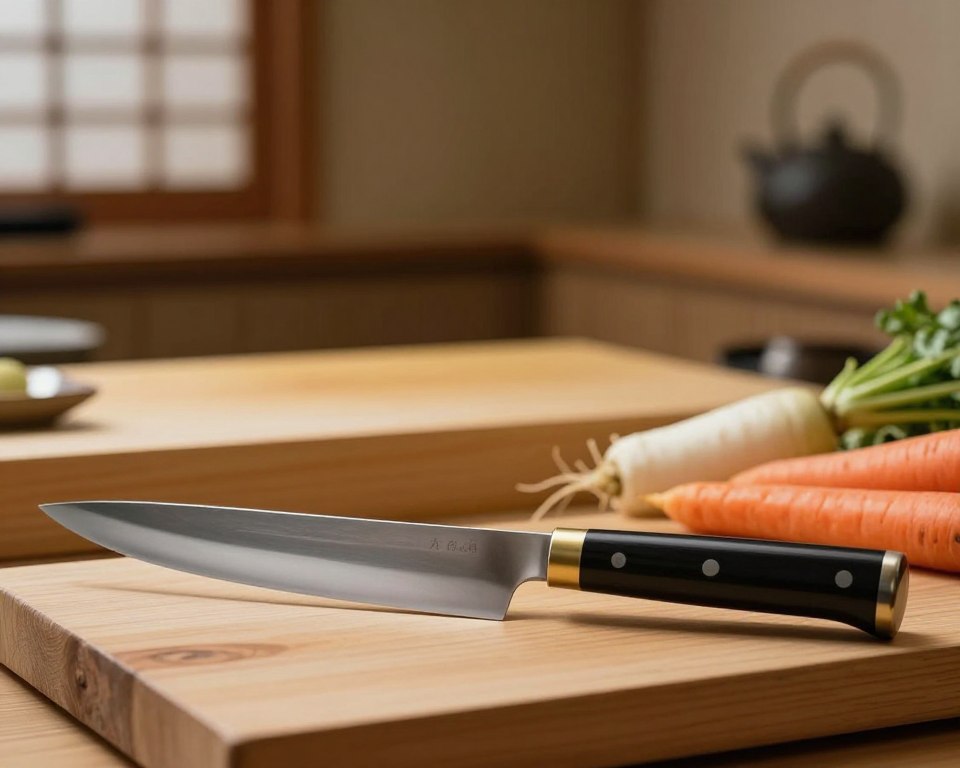
By carefully considering these factors, I can choose a Kamagata Usuba that not only meets my needs but also enhances my overall cooking experience. Whether you’re a professional chef or an enthusiastic home cook, the right Sakai Takayuki Usuba knife can make a significant difference in your culinary endeavors.
Cooking Techniques Best Suited for Usuba
In the realm of Japanese culinary arts, the Kamagata Usuba stands out as a specialized knife designed for intricate cutting tasks. Its unique design and sharp edge make it an essential tool for various cooking techniques that require precision.
The Kamagata Usuba is particularly useful for tasks that demand delicacy and accuracy, such as thinly slicing vegetables and creating decorative garnishes. Mastering these techniques can elevate the presentation and flavor of dishes, making the Kamagata Usuba a valuable addition to any chef’s toolkit.
Thinly Slicing Vegetables
One of the primary uses of the Kamagata Usuba is thinly slicing vegetables, a technique that is fundamental in Japanese cuisine. The knife’s sharp edge and curved tip allow for smooth, precise cuts, making it ideal for slicing ingredients like daikon radish, carrots, and cucumbers.
- Precision Cutting: The Kamagata Usuba’s sharp edge ensures clean cuts, reducing the risk of tearing or bruising the vegetables.
- Uniformity: The knife’s design enables chefs to achieve uniform slices, which is crucial for both the presentation and cooking of the vegetables.
Creating Decorative Garnishes
Beyond its functional uses, the Kamagata Usuba is also employed in creating decorative garnishes that add an aesthetic touch to dishes. The knife’s precision allows chefs to craft intricate designs from vegetables, enhancing the visual appeal of the culinary presentation.
- The curved tip of the Kamagata Usuba is particularly useful for making delicate cuts and shaping garnishes.
- The sharp edge ensures that the garnishes are cleanly cut, maintaining their texture and appearance.
By mastering the techniques of thinly slicing vegetables and creating decorative garnishes with the Kamagata Usuba, chefs can significantly enhance their dishes, combining functionality with artistry in their culinary creations.
Buying Guide for Sakai Takayuki Knives
Purchasing a Sakai Takayuki knife requires careful consideration to ensure you’re getting an authentic product. As a renowned brand in the culinary world, Sakai Takayuki offers high-quality knives that are both functional and a delight to handle.
When looking to buy a Sakai Takayuki Kamagata Usuba, it’s essential to understand the factors that contribute to its authenticity and quality. This guide will walk you through the process, helping you make an informed decision.
Where to Purchase Authentic Knives
To avoid counterfeit products, it’s crucial to purchase Sakai Takayuki knives from authorized dealers. These dealers are vetted by the manufacturer and guarantee the authenticity of their products.
Authorized Dealers: Look for dealers who are officially recognized by Sakai Takayuki. These can include specialty kitchen stores, online marketplaces, and directly from the manufacturer’s website.
What to Look for When Buying
When buying a Sakai Takayuki Kamagata Usuba, several factors should be considered to ensure you’re getting a high-quality knife.
- Materials and Craftsmanship: Inspect the materials used and the overall craftsmanship. High-quality knives will have precise edge geometry and be made from durable materials.
- Reviews and Recommendations: Check reviews from other chefs and culinary professionals. Their experiences can provide valuable insights into the performance and durability of the knife.
- Warranty and After-Sales Service: A reputable brand will offer a warranty and good after-sales service. This is a good indicator of the manufacturer’s confidence in their products.
As
“A good knife is not just a tool, it’s an extension of the chef’s hand.”
This quote emphasizes the importance of choosing the right knife for your culinary needs.
| Feature | Description | Importance |
|---|---|---|
| Material | High-carbon stainless steel for durability and resistance to corrosion. | High |
| Craftsmanship | Precision forging and sharpening for a sharp edge. | High |
| Warranty | Lifetime warranty against manufacturing defects. | Medium |
By considering these factors and purchasing from authorized dealers, you can ensure that your Sakai Takayuki Kamagata Usuba is authentic and of high quality, ready to enhance your culinary experiences.
Customer Reviews and Testimonials
The true test of any kitchen tool lies in the hands of its users, and the Sakai Takayuki Kamagata Usuba has proven its worth through numerous customer testimonials. As a professional Japanese Usuba knife, it has garnered praise for its exceptional performance.
I’ve had the opportunity to review feedback from a diverse group of users, and it’s clear that the Sakai Takayuki Kamagata Usuba has made a significant impact. Both culinary professionals and home cooks have shared their experiences, highlighting the knife’s strengths.
Insights from Culinary Experts
Culinary professionals appreciate the high-quality Usuba knife for its precision and durability. Many have noted that the knife’s sharpness and balance make it an indispensable tool in their kitchens. For instance, chefs have praised its ability to slice through vegetables with ease, creating uniform cuts that enhance the presentation of their dishes.
Experiences from Home Cooks
Home cooks, on the other hand, value the Sakai Takayuki Kamagata Usuba for its ease of use and versatility. They’ve shared stories of how the knife has become a staple in their cooking routines, making tasks such as preparing salads and slicing vegetables a breeze. The knife’s ergonomic design has also been praised for providing comfort during extended use.
The overwhelmingly positive feedback underscores the Sakai Takayuki Kamagata Usuba’s ability to meet the needs of a wide range of users. Whether you’re a seasoned chef or an enthusiastic home cook, this high-quality Usuba knife is sure to impress.
Frequently Asked Questions
As we explore the world of Japanese knives, one question that often arises is about the unique characteristics of the Sakai Takayuki Kamagata Usuba. This section aims to address some of the most common inquiries regarding this versatile and traditional knife.
Distinguishing Features of Usuba
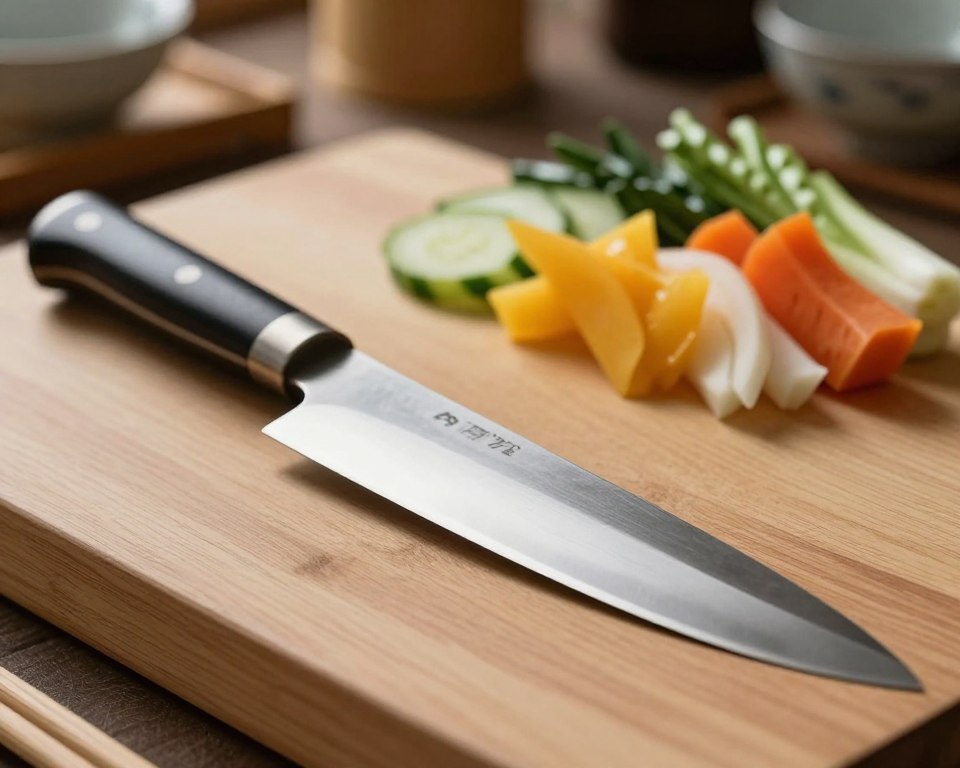
The Sakai Takayuki Kamagata Usuba is distinct from other Japanese knives due to its specialized design for vegetable preparation. Unlike the Gyuto or Santoku, which are more versatile and can be used for a variety of tasks including meat preparation, the Usuba is tailored for precision cutting of vegetables.
“The Usuba’s straight edge and flat profile make it ideal for chopping and slicing vegetables with precision,” notes a culinary expert. “Its design allows for a push cut or a straight cut, making it a favorite among chefs who value precision.”
Using Usuba for Meat
While the primary use of the Kamagata Usuba is for vegetable preparation, it can be used for certain tasks involving meat, particularly when thin slicing is required. However, its effectiveness for meat cutting is limited compared to knives specifically designed for that purpose, like the Gyuto.
- The Usuba excels in tasks that require delicacy and precision, such as slicing vegetables thinly.
- For meat cutting, a more versatile knife like the Gyuto might be more appropriate.
In conclusion, the Sakai Takayuki Kamagata Usuba is a valuable addition to any kitchen, especially for those who frequently prepare vegetables. Its unique design and precision make it a standout among other Japanese knives.
Conclusion: Elevate Your Culinary Skills
Investing in a Sakai Takayuki Kamagata Usuba knife is a decision that can elevate your culinary skills to new heights. As I conclude my exploration of this exceptional Japanese blade, I am reminded of the significant impact it can have on one’s cooking.
The Value of Investing in a High-Quality Knife
The Sakai Takayuki Kamagata Usuba knife stands out due to its superior craftsmanship and the high-quality materials used in its construction. The Kamagata Usuba blade material, known for its durability and sharpness, makes it an invaluable tool for any serious cook. By investing in such a knife, you’re not just purchasing a kitchen tool; you’re acquiring a partner that will enhance your cooking experience.
A high-quality knife like the Sakai Takayuki Kamagata Usuba offers precision and control that can significantly improve the presentation and flavor of your dishes. The value of such an investment becomes apparent when considering the long-term benefits it provides.
Enhancing Flavors with Precision Cutting
Precision cutting is an art that can elevate the flavors and textures of your ingredients. The Sakai Takayuki Kamagata Usuba excels in this regard, allowing for delicate slices and precise cuts that enhance the overall culinary experience.
| Knife Feature | Benefit |
|---|---|
| High-carbon steel blade | Durable and resistant to corrosion |
| Sharp edge | Precision cutting for enhanced flavors |
| Ergonomic handle | Comfortable grip for extended use |
In conclusion, the Sakai Takayuki Kamagata Usuba is a valuable addition to any kitchen, offering the precision and quality needed to elevate your cooking. By investing in this high-quality knife, you’re taking a significant step towards enhancing your culinary skills and the overall dining experience.
Final Thoughts on the Sakai Takayuki Kamagata Usuba
The Sakai Takayuki Kamagata Usuba is a valuable addition to any kitchen, offering precision and quality that elevates your culinary experience. As a professional japanese usuba knife, it is designed to meet the demands of both professional chefs and home cooks.
Choosing the Right Knife for Your Needs
When selecting a sakai takayuki kitchen knife, consider your cooking style and the tasks you perform most often. The Kamagata Usuba’s unique design makes it ideal for tasks that require precision, such as slicing vegetables.
Mastering Japanese Cooking Techniques
Embracing the art of Japanese cooking involves not just using the right tools, but also understanding the techniques that make Japanese cuisine distinct. With the Sakai Takayuki Kamagata Usuba, you can explore a variety of traditional Japanese dishes, from delicate sashimi to intricately prepared vegetable garnishes.