Japanese culinary craftsmanship is renowned worldwide, and at the heart of this tradition are premium chef knives made in Japan. These exceptional tools are prized for their sharpness, precision, and durability, making them a favorite among both professional chefs and home cooks.
The art of crafting chef knives in Japan dates back centuries, with techniques refined over generations. The result is a range of knives that are not only functional but also works of art, reflecting the country’s rich cultural heritage.
With their exceptional sharpness and craftsmanship, these knives bring a new level of precision to cooking, allowing for more efficient and enjoyable meal preparation.
Key Takeaways
- Japanese chef knives are celebrated for their exceptional sharpness and craftsmanship.
- These premium knives are favored by both professional chefs and home cooks.
- The art of crafting chef knives in Japan is a centuries-old tradition.
- Japanese knives bring precision and efficiency to cooking.
- The craftsmanship reflects Japan’s rich cultural heritage.
Understanding Japanese Chef Knives
With a history as sharp as their blades, Japanese chef knives are a testament to the country’s dedication to culinary excellence. These knives are not just tools; they are the culmination of centuries-old traditions, craftsmanship, and a deep understanding of the culinary arts.
The History of Chef Knives in Japan
Japanese knives have a rich history that dates back to the Samurai era, where the techniques used in sword-making influenced the development of knife craftsmanship. Over time, these techniques were adapted to create knives that were both functional and beautiful, reflecting the cultural significance of knives in Japanese cuisine.
The evolution of Japanese chef knives was also influenced by the country’s culinary needs and the introduction of new materials and techniques. Today, traditional Japanese chef knives are renowned for their sharpness, durability, and aesthetic appeal.
Traditional Craftsmanship Techniques
The craftsmanship behind Japanese chef knives involves meticulous attention to detail and a deep respect for tradition. Artisans use time-honored techniques, passed down through generations, to craft knives that are not only functional but also works of art.
One of the key techniques involves the use of high-carbon steel, which allows for a sharper edge and better durability. The process of crafting a Japanese knife involves multiple stages, from forging to polishing, each requiring great skill and precision.
Differences Between Japanese and Western Knives
Japanese chef knives differ significantly from their Western counterparts in terms of design, materials, and craftsmanship. While Western knives are often thicker and heavier, Japanese knives are typically lighter and sharper, with a more acute edge angle.
| Feature | Japanese Knives | Western Knives |
|---|---|---|
| Blade Material | High-carbon steel, often with Damascus pattern | Stainless steel or high-carbon steel |
| Edge Angle | More acute, typically around 10-15 degrees per side | Less acute, typically around 20-25 degrees per side |
| Weight | Lighter, for precision and control | Heavier, for chopping and durability |
Understanding these differences is crucial for selecting the right knife for your culinary needs. Whether you’re a professional chef or a home cook, authentic Japanese knives offer a level of quality and performance that is hard to match.
Types of Japanese Chef Knives
Exploring the various types of Japanese chef knives reveals a rich diversity in design and application, catering to both professional chefs and home cooks. Japanese knives are celebrated for their precision, durability, and aesthetic appeal, making them a favorite among culinary enthusiasts worldwide.
Gyuto: The All-Purpose Knife
The Gyuto is often considered the Japanese equivalent of a Western chef’s knife. It’s designed for versatility, suitable for chopping, slicing, and mincing. Top-rated Gyuto knives are made from high-carbon steel, offering sharpness and edge retention.
Santoku: A Versatile Kitchen Essential
Santoku knives are another popular type, known for their straight edge and flat profile, making them ideal for slicing, dicing, and chopping vegetables, meat, and fish. Professional chef knives from Japan often feature Santoku designs for their utility and balance.
Nakiri: For Vegetable Preparation
Nakiri knives are specialized for vegetable preparation, characterized by their straight blade edge. They are perfect for push-cutting and slicing vegetables thinly. The best Japanese Nakiri knives are crafted to provide a smooth cutting experience.
| Knife Type | Primary Use | Notable Features |
|---|---|---|
| Gyuto | All-purpose cutting | Curved blade, versatile |
| Santoku | Slicing, dicing, chopping | Straight edge, balanced |
| Nakiri | Vegetable preparation | Straight blade, thin slicing |
Understanding the different types of Japanese chef knives can significantly enhance your cooking experience. Whether you’re a professional chef or a home cook, selecting the right knife tailored to your needs is crucial. The best Japanese chef knives are not only functional but also reflect the craftsmanship and tradition of Japanese knife making.
Materials Used in Japanese Knives
From high-carbon steel to Damascus steel, the materials used in Japanese knives play a crucial role in their performance. The selection of materials is a critical aspect of creating high-quality Japanese knives that are both durable and effective.
High-Carbon Steel vs. Stainless Steel
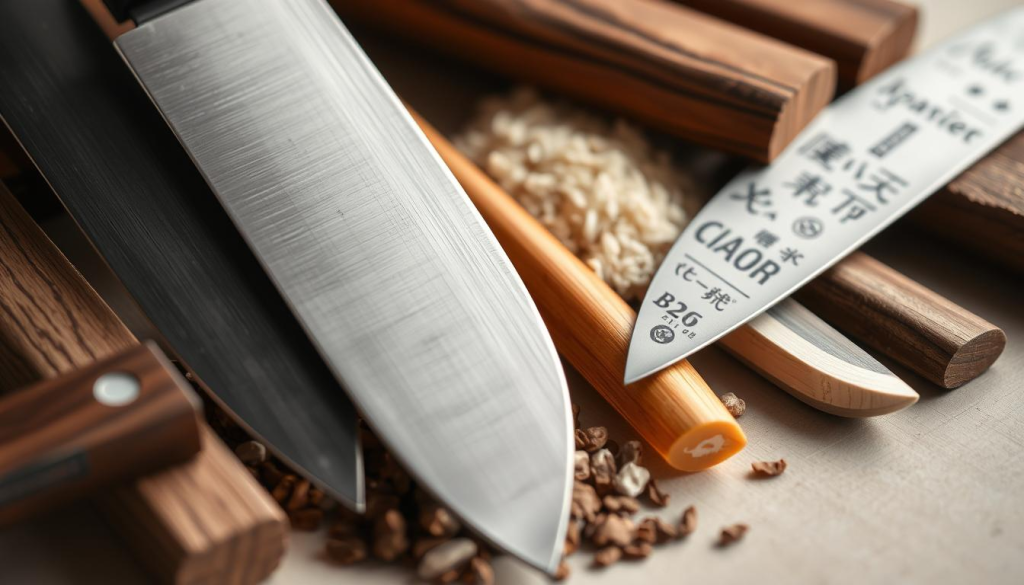
Japanese knives are often made from high-carbon steel, which is prized for its ability to hold a sharp edge. However, it requires more maintenance than stainless steel, which is more resistant to corrosion but may not retain its sharpness as well.
- High-Carbon Steel: Offers excellent sharpness and edge retention, ideal for precision cutting.
- Stainless Steel: More resistant to corrosion, easier to maintain, but may not be as sharp.
The Role of Damascus Steel
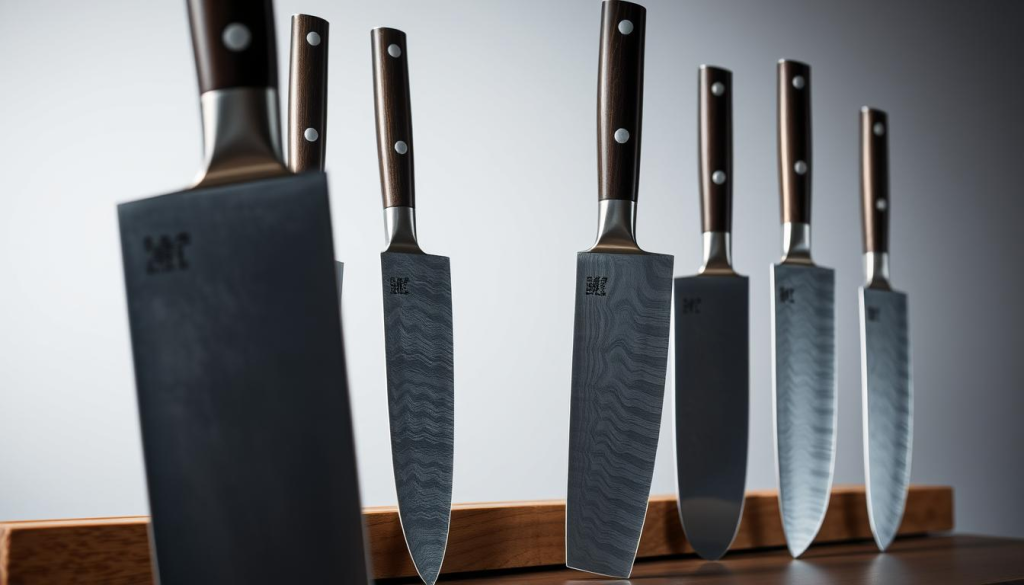
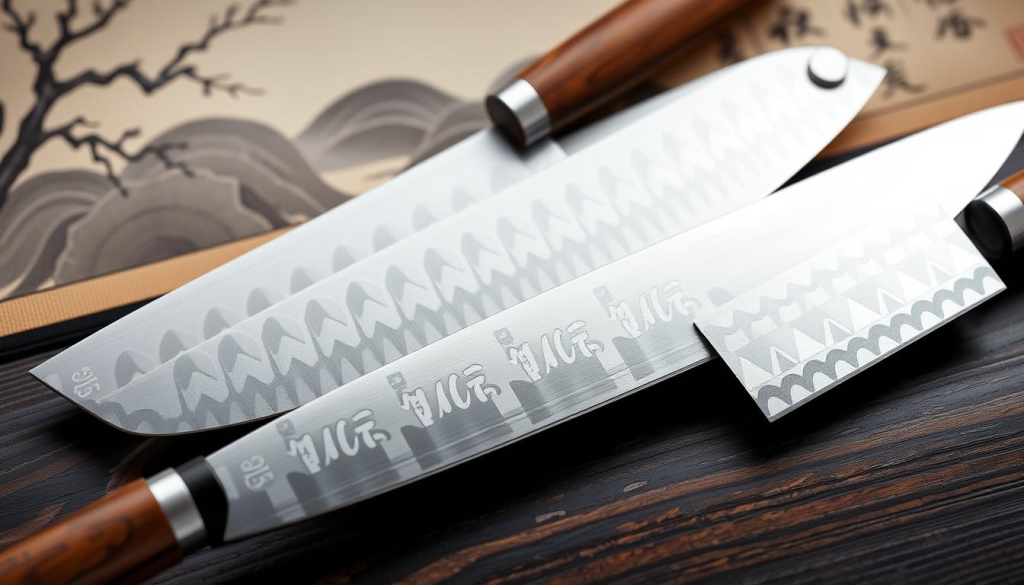
Damascus steel is a type of steel known for its distinctive pattern and exceptional strength. It is made by layering different types of steel to create a strong, durable blade.
The unique pattern of Damascus steel is not just aesthetically pleasing; it also indicates the steel’s strength and durability.
Handle Materials and Their Importance
The handle of a Japanese knife is just as important as the blade. Materials such as wood, bamboo, and synthetic materials are used, each offering different benefits in terms of durability, comfort, and aesthetics.
- Wood: Offers a traditional look and feel, can be durable with proper care.
- Bamboo: Lightweight, eco-friendly, and can be very durable.
- Synthetic Materials: Highly durable, resistant to moisture, and easy to clean.
Choosing the right handle material is crucial for ensuring that your premium chef knives made in Japan remain comfortable and functional over time.
The Art of Knife Making in Japan
The art of crafting traditional Japanese chef knives is a revered tradition that combines skill, patience, and a deep understanding of metallurgy. This intricate craft has been perfected over centuries, with master bladesmiths dedicating their lives to mastering the techniques involved.
Master Bladesmiths and Their Craft
At the heart of Japanese knife making are the master bladesmiths, artisans who have spent years honing their craft. These skilled individuals understand the nuances of different metals and the techniques required to craft a knife that is both beautiful and functional. The process involves selecting the finest materials, carefully shaping the blade, and meticulously sharpening the edge to achieve a razor-sharp finish.
The craftsmanship of these master bladesmiths is evident in the quality of the knives they produce. Professional chef knives from Japan are renowned for their balance, durability, and cutting performance, making them the preferred choice of chefs worldwide.
The Importance of Waterstones in Maintenance
Maintaining a Japanese chef knife is an art in itself, with waterstones playing a crucial role in the process. Waterstones are used to sharpen and hone the blade, ensuring that it remains in optimal condition. The process requires patience and skill, as the angle and pressure applied to the stone can significantly affect the knife’s performance.
Regular maintenance with waterstones not only keeps the knife sharp but also helps to maintain its longevity. By understanding the importance of proper care and maintenance, owners of traditional Japanese chef knives can enjoy their knives for many years to come.
How to Choose the Right Chef Knife
Choosing the right chef knife is a personal decision that hinges on your cooking style, experience level, and individual preferences. Whether you’re a home cook or a professional chef, selecting the best Japanese chef knives can elevate your culinary experience.
When deciding on a chef knife, it’s essential to consider several factors. The type of cuisine you prepare most often, the ingredients you work with, and your comfort with different knife characteristics all play a role in making the right choice.
Considerations for Home Cooks vs. Professionals
Home cooks and professional chefs have different needs when it comes to chef knives. Professionals often require top-rated chef knives that can withstand heavy use and maintain their edge. Home cooks, on the other hand, may prioritize ease of use and maintenance.
- For professionals, durability and performance are key. They often prefer high-carbon steel knives for their sharpness and edge retention.
- Home cooks might opt for stainless steel or ceramic knives for their ease of maintenance and resistance to corrosion.
Blade Length and Weight Preferences
The length and weight of a chef knife are critical factors in its usability. Chef knives made in Japan offer a variety of blade lengths and weights, catering to different preferences.
| Blade Length | Ideal For |
|---|---|
| 210mm – 240mm | Professional chefs who need a full-size knife for heavy-duty tasks. |
| 180mm – 210mm | Versatile for most cooking tasks, suitable for both professionals and serious home cooks. |
| 150mm – 180mm | Ideal for home cooks who prefer a more manageable size for everyday tasks. |
When it comes to weight, a heavier knife can provide more momentum for chopping, while a lighter knife offers more control and precision.
In conclusion, choosing the right chef knife involves considering your cooking style, the type of cuisine you prepare, and your personal preferences regarding blade length and weight. By understanding these factors, you can select a top-rated chef knife that meets your needs and enhances your cooking experience.
Care and Maintenance of Japanese Knives
Premium chef knives made in Japan are not only tools but investments in your culinary journey, deserving of proper care. The longevity and performance of these high quality Japanese knives depend on regular maintenance and correct handling.
As emphasized by experts, “A well-maintained knife is a joy to use and can significantly enhance your cooking experience.” Proper care involves understanding the materials and craftsmanship that go into making authentic Japanese knives.
Sharpening Techniques for Optimal Performance
Sharpening is a critical aspect of maintaining your Japanese knives. Unlike Western knives, Japanese knives require a more precise sharpening technique due to their harder steel. Using a waterstone is recommended for sharpening premium chef knives made in Japan.
“The art of sharpening a knife is not just about maintaining its edge but also about understanding the knife’s character and responding to its needs.” – Hiroshi, Master Bladesmith
The process involves several steps:
- Selecting the right grit waterstone
- Maintaining the correct sharpening angle
- Sharpening in smooth, consistent strokes
| Grit Level | Purpose | Recommended Use |
|---|---|---|
| Low (1000-4000) | Coarse sharpening | Damaged or very dull knives |
| Medium (6000-8000) | Refining the edge | Regular maintenance |
| High (10000+) | Polishing | Final touch for a razor-sharp edge |
Proper Storage Solutions
After sharpening and using your high quality Japanese knives, proper storage is crucial to maintain their condition. Options include:
- Knife rolls or wraps for protection during transport
- Knife blocks or magnetic strips for secure storage
- Individual cases or bags for storing knives separately
By adopting these care and maintenance practices, you can ensure that your authentic Japanese knives remain in excellent condition, providing you with years of reliable service and culinary excellence.
Popular Japanese Knife Brands
When it comes to professional chef knives from Japan, a few names are consistently at the top. The world of Japanese knives is rich with both global brands and local artisans who have mastered the craft of knife making.
Global Brands and Their Unique Offerings
Several global brands have made a significant impact in the world of traditional Japanese chef knives. Brands like Shun, Global, and Zwilling J.A. Henckels are renowned for their high-quality knives that blend traditional craftsmanship with modern technology.
- Shun: Known for their precision and attention to detail, Shun knives are a favorite among professional chefs.
- Global: Global knives are celebrated for their unique design and exceptional sharpness, making them a staple in many professional kitchens.
- Zwilling J.A. Henckels: This brand combines German engineering with Japanese knife-making techniques, resulting in high-performance knives.
Local Artisans Crafting Quality Knives
Apart from global brands, local artisans in Japan continue to craft some of the best Japanese chef knives using traditional methods passed down through generations. These artisans often work in small workshops, dedicating themselves to the art of knife making.
Some notable local artisans and smaller brands include:
- Sakai Takayuki: Known for their high-carbon steel knives that are both durable and sharp.
- Masamune: This brand is celebrated for its traditional Japanese knives that are hand-forged to perfection.
These local artisans not only preserve the traditional techniques of Japanese knife making but also innovate and push the boundaries of what is possible with a knife.
The Cultural Significance of Japanese Knives
Authentic Japanese knives are more than just kitchen instruments; they are carriers of cultural heritage and precision. The art of crafting these knives is deeply rooted in Japanese tradition, reflecting a history that spans centuries.
The cultural importance of Japanese knives is multifaceted, influencing not only the culinary practices within Japan but also globally. These knives have become an integral part of cooking cultures worldwide, symbolizing a commitment to quality and craftsmanship.
The Ritual of Knife Giving
In Japan, the act of giving knives is steeped in tradition and is considered a significant gesture. Knife giving is often a symbol of respect and appreciation, particularly in professional settings where a chef is gifted a high-quality knife as a sign of recognition.
This ritual underscores the value placed on craftsmanship and the personal relationship between the craftsman and the user. It highlights the knife’s role not just as a tool, but as a bridge between the maker and the chef.
Influence on Culinary Practices Globally
Traditional Japanese chef knives have had a profound influence on culinary practices around the world. Their precision and quality have set a new standard for chefs globally, encouraging a more nuanced approach to cooking.
The popularity of Japanese knives has led to a broader appreciation of Japanese cuisine and cooking techniques. This influence is evident in the global adoption of sushi-making and other Japanese culinary arts.
| Culinary Practice | Influence of Japanese Knives |
|---|---|
| Sushi Preparation | Precision cutting for delicate sushi rolls |
| Vegetable Preparation | Efficient chopping with Nakiri knives |
| Meat Cutting | Clean cuts with Gyuto knives |
Premium chef knives made in Japan continue to be sought after by professional chefs and home cooks alike, reflecting their enduring legacy and the high esteem in which they are held.
Investing in Quality Japanese Chef Knives
High-quality Japanese knives are not just tools; they are investments in your cooking journey. For both professionals and home cooks, the right knife can make a significant difference in performance and durability.
The Value of Handmade Knives
Handmade Japanese chef knives stand out due to their exceptional craftsmanship. Unlike mass-produced knives, handmade knives are crafted with precision and care, often resulting in a superior cutting experience. According to experts, the process of crafting a handmade knife involves meticulous attention to detail, from forging to sharpening.
Key benefits of handmade knives include:
- Unique craftsmanship that reflects traditional techniques
- Superior edge retention and sharpness
- Customization options to fit individual preferences
As noted by culinary experts, “A good knife is like a good partner in the kitchen; it makes every task easier and more enjoyable.” This quote underscores the importance of investing in a quality knife that will be a reliable companion in cooking endeavors.
Long-Term Benefits of Quality Knives
Investing in high-quality Japanese knives offers numerous long-term benefits. These knives are designed to last, with materials and craftsmanship that withstand the rigors of frequent use. Over time, a quality knife becomes an extension of the cook’s hand, enhancing precision and efficiency in the kitchen.
The durability of high-quality Japanese knives means that, despite a potentially higher upfront cost, they can be more cost-effective in the long run. As Serious Eats notes, “Investing in high-quality Japanese knives can be beneficial in the long run, both for professionals and home cooks.”
The long-term advantages include:
- Reduced need for frequent replacements
- Improved performance with proper maintenance
- Enhanced cooking experience due to better balance and ergonomics
In conclusion, investing in quality Japanese chef knives is a wise decision for anyone serious about cooking. Whether you’re a professional chef or a dedicated home cook, the right knife can elevate your culinary skills and provide years of reliable service.
Where to Buy Japanese Chef Knives
Finding the right place to buy Japanese chef knives is crucial to ensure you’re getting a high-quality product. Whether you’re a professional chef or an avid home cook, purchasing from reputable sources is essential.
Online Retailers
Online retailers like Knifewear and JCK offer a wide range of best Japanese chef knives. When buying online, look for retailers that provide detailed product descriptions, customer reviews, and clear images of the knives. This will help you make an informed decision when selecting top-rated chef knives.
Local Knife Shops
Visiting local knife shops is another great way to find premium chef knives made in Japan. These shops often carry a variety of knives from different manufacturers, and the staff can provide valuable insights into the products. Exploring local shops allows you to handle the knives, assessing their balance, weight, and sharpness before making a purchase.