Finding the perfect knife set can be a daunting task, but with the right guidance, it becomes a breeze. In today’s kitchen, having the right tools is essential, and a good knife set is at the top of the list.
With so many options available, choosing the best one can be overwhelming. By understanding the key features and benefits, you can make an informed decision. In this article, we’ll explore what makes a great knife set and provide you with some valuable insights.
Key Takeaways
- Understand the importance of a good knife set
- Learn how to choose the right knives for your needs
- Discover the benefits of investing in a quality knife set
Understanding Different Types of Kitchen Knives
Understanding the different types of kitchen knives is essential for any home cook or professional chef. The right knife can make a significant difference in your cooking experience, from preparation to presentation.
The Role of a Chef’s Knife
A chef’s knife, also known as a cook’s knife, is a versatile tool used for chopping, slicing, and mincing ingredients. It’s typically between 8-12 inches long and is considered the most essential knife in any kitchen.
The chef’s knife is designed for heavy-duty tasks, making it a crucial component of any knife set. Its broad blade and curved edge allow for a rocking motion, ideal for chopping herbs, vegetables, and meat.
Understanding a Paring Knife
A paring knife is a small, versatile knife used for tasks that require precision, such as peeling fruits and vegetables, trimming fat from meat, and cutting small pieces of food.
- Precision: The small size of a paring knife allows for precise cuts and control.
- Versatility: It’s used for a variety of tasks, from peeling apples to deveining shrimp.
- Comfort: The handle of a paring knife is designed for comfort, allowing for extended use without fatigue.
Both the chef’s knife and paring knife are fundamental to any kitchen, demonstrating the importance of understanding different types of kitchen knives and their uses.
The Importance of Knife Materials
When it comes to kitchen knives, the material used can significantly impact their durabilitydurabilityand overall usability. Different materials offer unique benefits, making making some more suitable for specific tasks or preferences than others. Kitchen knives are available in various materials, each with its strengths and weaknesses.
Stainless steel knives are favored for their resistance to corrosion, making them a practical choice for everyday use. They require less maintenance compared to other materials.
High carbon steel knives are prized for their sharpness and ability to retain their edge. However, they demand more care to prevent rust.
Stainless Steel High Carbon Steel
| Material | Corrosion Resistance | Sharpness |
|---|---|---|
| Stainless Steel | High | Good |
| High Carbon Steel | Low | Excellent |
Ceramic Knives
Ceramic knives are extremely hard and resistant to corrosion, making them an attractive option for those seeking low maintenance.
Essential Knives for Every Kitchen
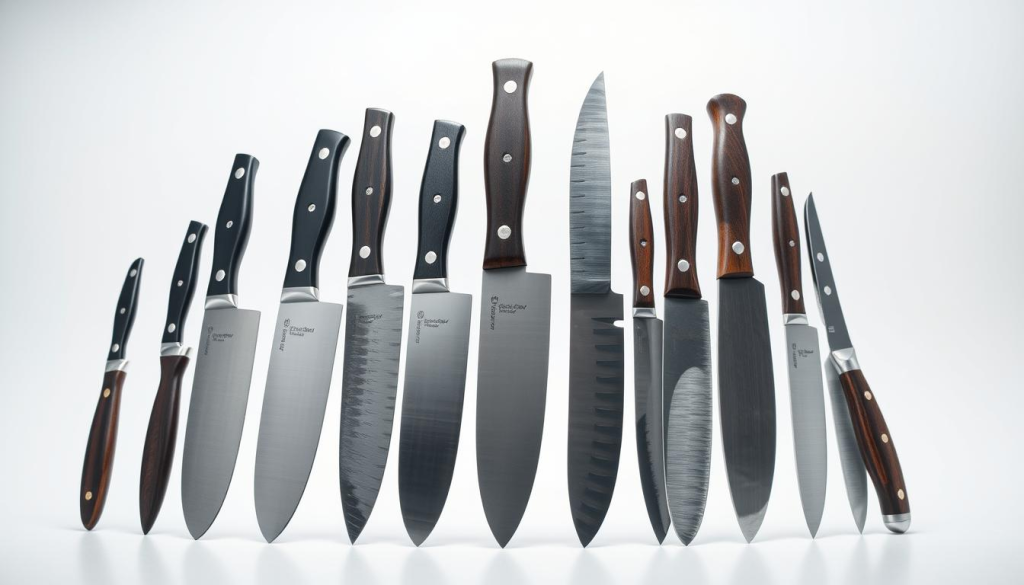
Understanding the essential knives for your kitchen can elevate your cooking experience. Whether you’re just starting out or are a seasoned chef, having the right knives makes a significant difference in your cooking efficiency and enjoyment.
The Essential Knife Set for Beginners
For those new to cooking, a basic knife set should include a chef’s knife, a paring knife, and a serrated utility knife. These knives cover the primary tasks in the kitchen, from chopping and slicing to paring fruits and vegetables.
A chef’s knife, typically 8-10 inches long, is versatile and used for most chopping tasks. A paring knife is perfect for peeling and coring fruit and vegetables, while a serrated utility knife can handle tasks that require a sawing motion, like cutting through bread or tomatoes.
https://www.youtube.com/watch?v=8wgc7rv5WJc
Professional Knives for Culinary Experts
For culinary experts, the knife set expands to include specialized knives that cater to specific cooking techniques and ingredients. These may include a boning knife, a fillet knife, and a cleaver.
A boning knife is used for removing bones from meat, poultry, and fish, while a fillet knife is designed for filleting fish. A cleaver, with its broad, heavy blade, is perfect for chopping through bones and thick meat.
| Knife Type | Primary Use | Benefit |
|---|---|---|
| Chef’s Knife | Chopping, slicing | Versatility in handling various kitchen tasks |
| Paring Knife | Peeling, coring | Precision for detailed work |
| Serrated Utility Knife | Cutting bread, tomatoes | Effective for tasks requiring a sawing motion |
How to Choose the Right Knife Set
Choosing the right knife set can significantly enhance your cooking experience. With numerous options available, it’s essential to consider several factors to find the perfect set that suits your needs.
Considering Your Cooking Style
Your cooking style plays a crucial role in determining the right knife set for you. For instance, if you’re a professional chef, you’ll likely need a more comprehensive set that includes a variety of knife names such as chef’s knives, paring knives, and serrated knives.
On the other hand, a home cook might require a more basic set. Consider the types of dishes you frequently prepare and the specific knives required for those tasks.
Handle Comfort and Storage
The comfort of the knife handle is often overlooked but is vital for efficient and safe cooking. Look for handles that are ergonomically designed and made from materials that provide a secure grip.
Storage is another critical factor. A good names knife set should come with a storage block or case that keeps the knives organized and within reach, yet safely stored away when not in use.
| Feature | Basic Knife Set | Premium Knife Set |
|---|---|---|
| Material | Stainless Steel | High Carbon Steel |
| Handle | Plastic | Ergonomic Design |
| Storage | Simple Block | Customizable Case |
“A good knife is not just a tool, it’s a partner in the kitchen.”
Popular Knife Brands
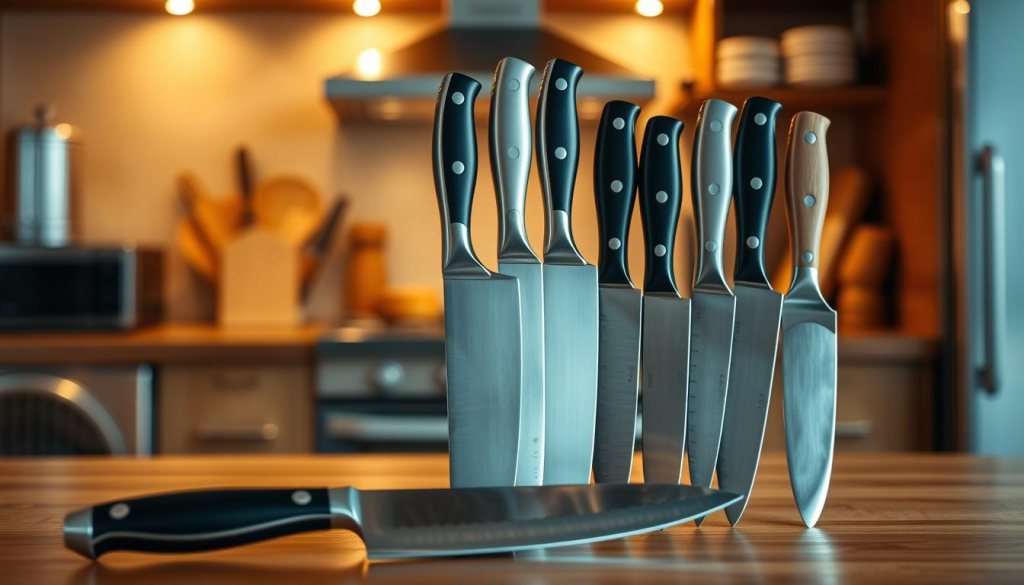
Among the myriad of knife brands available, some stand out for their exceptional quality and performance. When selecting a knife set, understanding the strengths of different brands can help you make an informed decision.
Wüsthoff: A Tradition of Quality
Wüsthoff is a brand that has been synonymous with high-quality knives for many years. Known for their precision and durability, Wüsthoff knives are a favorite among professional chefs. Their knife sets are crafted with attention to detail, ensuring that each knife is not only functional but also a pleasure to use.
The materials used by Wüsthoff are of the highest grade, contributing to the longevity of their knives. Whether you’re chopping, slicing, or mincing, Wüsthoff knives are designed to perform under various conditions.
Shun: Japanese Craftsmanship
Shun is another prestigious brand that has garnered a loyal following worldwide. Renowned for their Japanese craftsmanship, Shun knives are celebrated for their sharpness and aesthetic appeal. Each Shun knife is a testament to the art of traditional Japanese knife-making, combining functionality with beauty.
Shun’s commitment to quality is evident in their meticulous manufacturing process, which involves skilled artisans who carefully craft each knife. The result is a knife set that is not only highly effective but also a joy to behold.
| Brand | Material | Edge Retention | Price Range |
|---|---|---|---|
| Wüsthoff | High Carbon Steel | Excellent | $$ |
| Shun | High Carbon Stainless Steel | Exceptional | $$$ |
Both Wüsthoff and Shun offer exceptional knife sets that cater to different needs and preferences. By understanding the unique qualities of each brand, you can choose the knife set that best suits your cooking style.
The Benefits of Investing in Quality Knives
Investing in high-quality knives can significantly enhance your cooking experience.
High-quality knives are made to last, with materials and craftsmanship that withstand frequent use. This durability means that you won’t need to replace them often, saving you money in the long run.
Durability
The longevity of quality knives is a significant advantage. They maintain their sharpness and edge over time.
Enhanced Cooking Experience
Using high-quality knives can elevate your cooking by making it more efficient and enjoyable. The balance, sharpness, and weight of these knives make chopping, slicing, and dicing easier.
Maintenance Tips for Your Knives
Understanding how to maintain your knives is key to ensuring they remain a valuable tool in your kitchen. Proper knife care involves regular maintenance tasks that can significantly extend the lifespan and performance of your knives.
Sharpening Your Knives
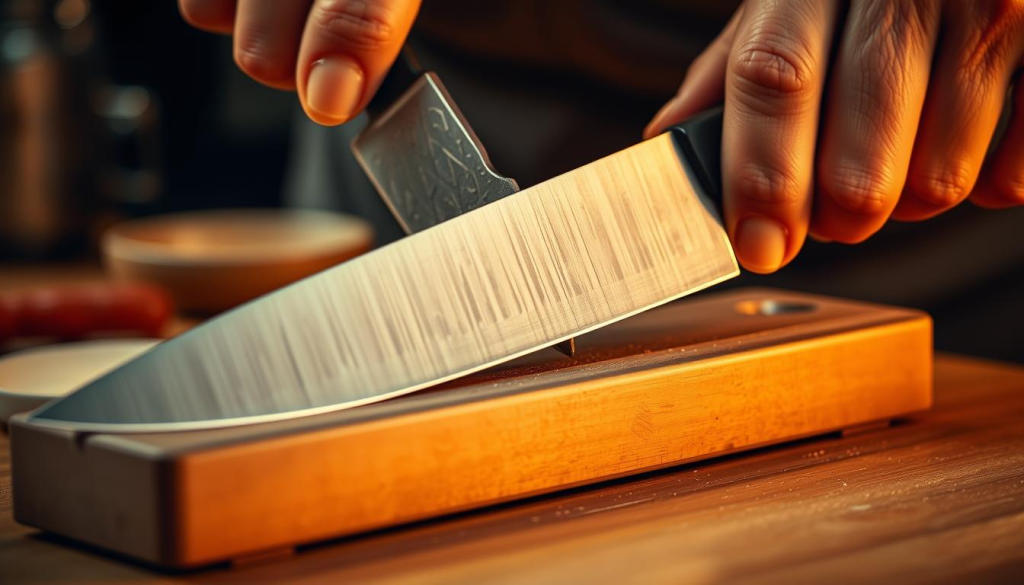
Sharpening is one of the most critical aspects of knife maintenance. A dull knife is not only less effective but also more dangerous, as it requires more force and can lead to accidents. A sharp knife is a safe knife,” as many chefs say. To sharpen your knives, you can use a whetstone, sharpening steel, or electric sharpener. The method you choose depends on your preference and the type of knife you are sharpening.
Proper Storage Techniques
After sharpening and cleaning your knives, proper storage is essential to maintain their condition. There are several ways to store your knives, including in a knife block, on a magnetic strip, or in a drawer with dividers. Each method has its advantages, and the best choice for you will depend on your kitchen setup and personal preference.
For example, a knife block is a popular choice because it keeps knives organized and within easy reach. On the other hand, a magnetic strip can be a space-saving option and adds a touch of modernity to your kitchen. Whatever method you choose, ensure that it protects the blades from damage and keeps them safe from accidental contact.
As Bob Kramer, a renowned knife maker, once said, “The way you care for your knives reflects the way you cook.” By following these maintenance tips, you can ensure your knives remain in excellent condition, enhancing your cooking experience.
The Significance of Knife Names
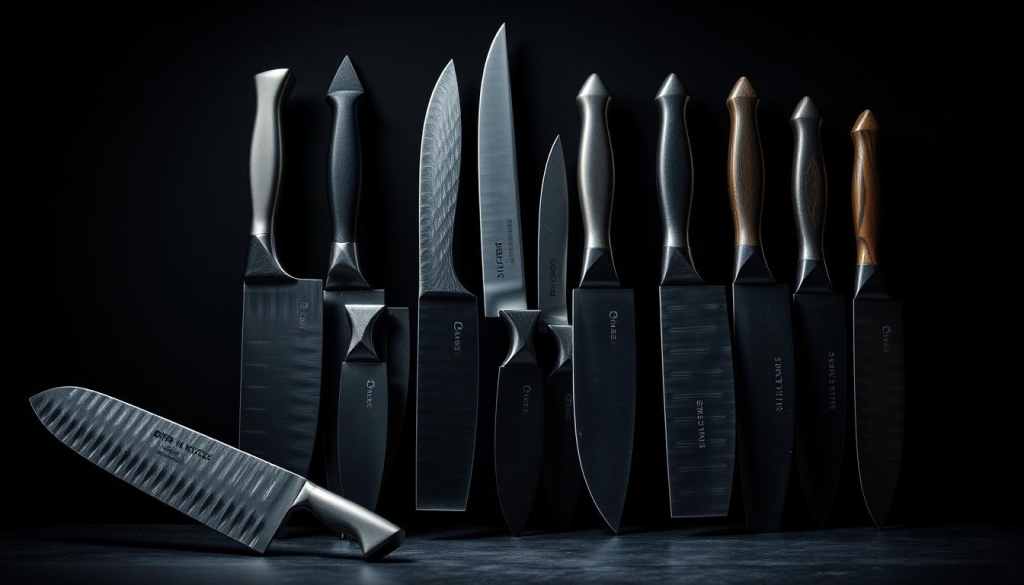
The significance of knife names lies in their ability to convey the rich history and cultural context behind various types of knives. Knife names are not just labels; they carry the weight of tradition, craftsmanship, and functionality.
Understanding the cultural significance of knife names can provide insight into the heritage and values associated with different knives. For instance, the Japanese Santoku knife is named using the Japanese term “Santoku,” which translates to “three virtues” or “three uses,” signifying its ability to perform three primary cutting tasks: slicing, dicing, and mincing. This highlights the knife’s versatility and the cultural importance of multifunctionality in kitchen tools.
Cultural Significance of Knife Names
Knife names often reflect the cultural and historical context in which they were developed. For example, the “Bowie knife” is named after the legendary American frontiersman Jim Bowie, symbolizing strength and resilience. Similarly, the “Damascus knife” references the city of Damascus, known for its historical significance in steel craftsmanship, indicating the knife’s origin and quality.
Functional Names
Many knife names directly relate to their function or the tasks they are designed to perform. The paring knife, for instance, is named for its use in paring fruit and vegetables, while the chef’s knife is a testament to its primary user—the chef. These names not only indicate the knife’s purpose but also help in understanding the specific needs they are designed to meet in the kitchen.
- Knife names often indicate their purpose or function.
- Cultural names reflect the heritage and values associated with the knife.
- Understanding knife names can enhance appreciation for the craftsmanship involved.
Knife Safety Tips
Handling knives safely is crucial in any kitchen. Knife safety is not just about preventing accidents; it’s also about creating a safe cooking environment. By following simple guidelines, you can minimize risks and ensure a pleasant cooking experience.
Safe Handling Practices
Always cut away from your body, and make sure your fingers are curled under and out of the way of the blade. Use a cutting board that is stable and won’t slip. Brands like Wüsthof and Shun offer high-quality cutting boards that can help prevent accidents.
Storage and Knife Safety
Proper storage is essential for maintaining knife safety. Store your knives in a designated block or on a magnetic strip, keeping them out of reach of children. This not only prevents accidents but also helps maintain the quality of your knives.
By incorporating these knife safety tips into your daily cooking routine, you can enjoy a safer and more enjoyable cooking experience.