A good chef knife is the backbone of any kitchen, making cooking tasks easier and more efficient. Whether you’re a professional chef or an avid home cook, having the right knife can make a significant difference in your cooking experience.
The right knife can help you chop, slice, and dice ingredients with precision, reducing preparation time and improving the overall quality of your dishes. With various types of knives available, choosing the best one for your kitchen can be overwhelming.
Key Takeaways
- Understanding the importance of a good chef knife in the kitchen.
- Exploring the different types of chef knives and their uses.
- Learning how to choose the best chef knife for your cooking needs.
- Discovering top-rated chef knives for optimal performance.
- Tips for maintaining and caring for your chef knife.
Understanding the Importance of a Good Chef Knife
The importance of a high-quality chef knife cannot be overstated, as it directly impacts cooking efficiency and safety. A good chef knife is an indispensable tool for every home cook, serving as a versatile instrument for a variety of kitchen tasks.
Why a Chef Knife is Essential for Every Home Cook
A chef knife is essential for home cooks because it simplifies meal preparation, allowing for more efficient chopping, slicing, and mincing of ingredients. According to experts, a sharp chef knife is one of the most critical tools in the kitchen, as it not only enhances cooking performance but also reduces the risk of accidents. “A dull knife is more likely to cause injury than a sharp one,” as the old adage goes, emphasizing the importance of maintaining a sharp edge.
Moreover, a good chef knife provides the precision needed for various culinary tasks, from delicate filleting to chopping through tough vegetables. Its versatility makes it a fundamental component of any kitchen, regardless of the cook’s level of experience.
Key Features of a Quality Chef Knife
So, what makes a chef knife truly exceptional? Several key features define a high-quality chef knife, including its material, sharpness, and ergonomics. High-carbon stainless steel is often preferred for its durability and resistance to corrosion, making it a popular choice among professional chefs and home cooks alike.
- Sharpness: A sharp knife is safer and more efficient, requiring less force to cut through ingredients.
- Balance: The weight and balance of the knife are crucial for comfortable use over extended periods.
- Ergonomics: A well-designed handle that fits comfortably in the hand can significantly reduce fatigue.
When selecting a chef knife, it’s essential to consider these factors to ensure you’re investing in a high-quality chef knife that meets your cooking needs. Brands like Wüsthof and Shun are renowned for their craftsmanship and attention to detail, offering a range of options for different preferences and budgets.
Types of Chef Knives and Their Uses
Understanding the different types of chef knives is crucial for selecting the right tool for your kitchen. Chef knives are not one-size-fits-all; they come in various styles, each designed for specific tasks and cooking techniques.
Traditional vs. Modern Designs
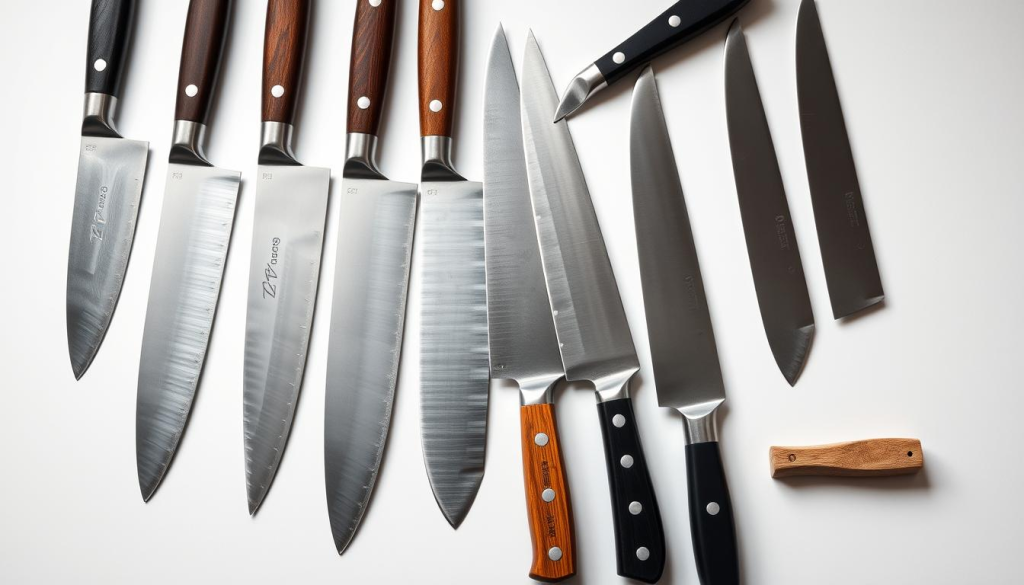
Traditional chef knives, such as those from Japan and Western Europe, have been crafted over centuries to meet the needs of local cuisines. Japanese knives, known for their sharpness and precision, often feature a more angled blade, while Western knives tend to have a more curved edge for rocking motions. Modern designs, on the other hand, may incorporate new materials and ergonomic handle designs for enhanced comfort and performance.
Comparison of Traditional and Modern Chef Knives
| Feature | Traditional | Modern |
|---|---|---|
| Blade Material | High Carbon Steel | Stainless Steel, High Carbon Steel |
| Edge Type | Straight, Angled | Straight, Serrated |
| Handle Material | Wood, Metal | Plastic, Rubber, Wood |
Specialty Chef Knives
Beyond the standard chef knife, there are specialty knives designed for specific tasks. These include fillet knives for delicate fish preparation, cleavers for chopping through bones, and paring knives for intricate work. Each type of specialty knife is designed to make a particular task easier and more efficient.
Choosing the Right Blade Length
The length of a chef knife’s blade is a critical factor in its usability. Common lengths range from 6 to 12 inches, with 8 inches being a popular choice for its versatility. The right blade length depends on the user’s comfort and the type of cooking they do most often. For example, a larger blade may be better for chopping vegetables in bulk, while a smaller blade offers more precision.
When comparing chef knives, consider the balance between blade length, material, and handle comfort. A well-balanced knife feels like an extension of your hand, making cooking tasks more enjoyable and efficient.
Top Chef Knife Recommendations for Home Cooks
Whether you’re a novice or an experienced cook, the right chef knife can elevate your cooking. With so many options available, choosing the perfect one can be overwhelming. This section will guide you through our top recommendations, categorized by budget, to help you make an informed decision.
Budget-Friendly Options
For those on a tighter budget, there are still excellent chef knives available that offer great value for money. One such recommendation is the Wüsthof Classic Ikon 8-Inch Cook’s Knife. It offers a sharp, durable blade and a comfortable handle at an affordable price.
Another budget-friendly option is the Victorinox Fibro Pro 8-Inch Cook’s Knife. Known for its ergonomic design and high-carbon stainless steel blade, it provides excellent performance without breaking the bank.
| Knife Model | Blade Material | Handle Material | Price Range |
|---|---|---|---|
| Wüsthof Classic Ikon | High Carbon Stainless Steel | Polypropylene | $50-$70 |
| Victorinox Fibro Pro | High Carbon Stainless Steel | Polypropylene | $40-$60 |
Mid-Range Selections
For those willing to invest a bit more, mid-range chef knives offer enhanced features and durability. The Shun Classic 8-Inch Cook’s Knife is a standout in this category, featuring a sharp, VG-MAX steel blade and a beautifully crafted handle.
The MAC Professional 8-Inch Cook’s Knife is another excellent mid-range option, known for its edge retention and comfortable, ergonomic design.
“A good knife is like a good friend; it becomes an extension of yourself in the kitchen.” –
Premium Chef Knives
For serious cooks and professionals, premium chef knives represent the pinnacle of craftsmanship and performance. The Wüsthof Classic Ikon 8-Inch Cook’s Knife with PEtec Technology offers unparalleled sharpness and durability.
Another premium option is the Shun DM0706 Classic 8-Inch Cook’s Knife, which boasts a hand-sharpened edge and a luxurious feel.
https://www.youtube.com/watch?v=8wgc7rv5WJc
When choosing a chef knife, it’s essential to consider your budget, cooking style, and personal preferences. Whether you opt for a budget-friendly, mid-range, or premium knife, the right choice will enhance your cooking experience.
Notable Brands to Consider
When it comes to selecting a high-quality chef knife, several brands stand out for their exceptional craftsmanship and performance. The right brand can make all the difference in terms of durability, sharpness, and overall cooking experience. In this section, we’ll explore some of the most notable brands in the industry, providing expert advice on what to look for.
Wüsthof: A Legacy of Quality
Wüsthof is a name synonymous with quality in the world of chef knives. With a history spanning over 200 years, this German brand has established itself as a leader through its commitment to precision and durability. Wüsthof knives are known for their high-carbon stainless steel construction, ensuring they remain sharp and resistant to corrosion.
Shun: The Art of Japanese Knives
Shun is another prestigious brand that has garnered acclaim for its exquisite craftsmanship. Originating from Japan, Shun knives are celebrated for their precision-sharpened edges and beautiful craftsmanship. Each knife is a testament to the art of Japanese knife-making, featuring intricate designs and exceptional performance.
Victorinox: Affordable Performance
For those looking for high-quality without the hefty price tag, Victorinox is a brand worth considering. Known for their Swiss Army knives, Victorinox also produces a range of chef knives that are both affordable and reliable. Their knives are made from high-quality materials and are designed to deliver excellent performance in the kitchen.
In conclusion, when searching for a high-quality chef knife, considering brands like Wüsthof, Shun, and Victorinox can be a great starting point. Each of these brands offers unique qualities that cater to different needs and preferences, providing chef knife expert advice for anyone looking to invest in a new knife.
Materials Used in Chef Knives
From stainless steel to ceramic, the materials used in chef knives vary widely, influencing their performance and maintenance. The choice of material is crucial for determining the knife’s durability, sharpness, and overall usability.
Stainless Steel vs. High Carbon Steel
Stainless steel is renowned for its resistance to corrosion, making it a low-maintenance option. However, it can be challenging to sharpen. High carbon steel, on the other hand, offers superior sharpness and edge retention but requires more maintenance to prevent rust.
Key differences: Stainless steel is more resistant to corrosion, while high carbon steel provides a sharper edge.
The Benefits of Ceramic Knives
Ceramic knives are known for their exceptional sharpness and lightweight feel. They are made from zirconium dioxide, a very hard material that resists corrosion. However, they can be brittle and prone to chipping.
Advantages: Ceramic knives stay sharp longer and are resistant to corrosion.
Handle Materials: Wood vs. Plastic
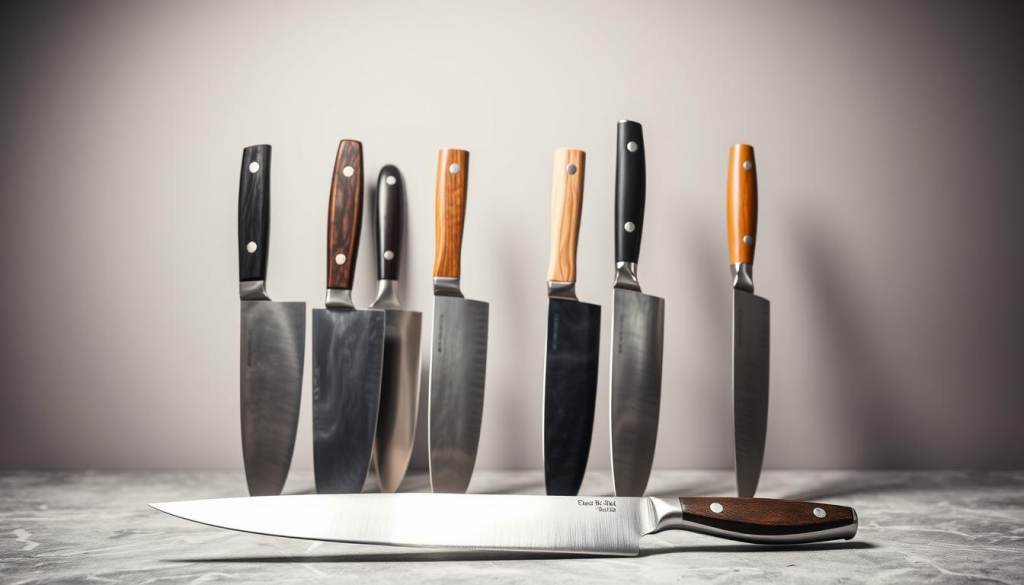
The handle material can significantly affect the comfort and durability of a chef knife. Wood handles offer a traditional feel and aesthetic but require more maintenance. Plastic handles are durable and easy to clean but may not provide the same comfort as wood.
| Material | Durability | Sharpness | Maintenance |
|---|---|---|---|
| Stainless Steel | High | Medium | Low |
| High Carbon Steel | Medium | High | High |
| Ceramic | Medium | High | Medium |
How to Choose the Right Chef Knife for You
Finding your ideal chef knife involves understanding your cooking habits and personal preferences. With so many options available, making the right choice can seem overwhelming, but by breaking down your needs and preferences, you can narrow down your options effectively.
Consider Your Cooking Style
Your cooking style plays a significant role in determining the right chef knife for you. If you frequently chop vegetables, a knife with a broader blade might be more suitable. For those who often slice meat, a longer, thinner blade could be preferable. Consider the types of dishes you prepare most often and the specific tasks involved in cooking them.
Personal Preferences: Weight and Balance
The weight and balance of a chef knife are crucial to its usability. Some cooks prefer a heavier knife for its ability to chop through tougher ingredients with ease, while others like a lighter knife for its agility and precision. The balance of the knife, or how it feels in your hand, is also vital. A well-balanced knife reduces fatigue during extended cooking sessions.
When testing a knife, hold it in your hand and mimic the motions you would use while cooking. Pay attention to how it feels; a good chef knife should feel like an extension of your hand.
Trying Before You Buy
If possible, try out a chef knife before purchasing it. Many retailers offer in-store demonstrations or allow you to handle knives on display. This hands-on experience is invaluable. You can assess the knife’s weight, balance, and how it cuts through different materials. Some stores may even have demo models or allow you to test the knife on various foods.
By considering your cooking style, personal preferences, and testing knives before you buy, you’ll be well on your way to finding the ultimate chef knife that suits your needs. This thoughtful approach is part of our ultimate chef knife buying guide, designed to help you make an informed decision.
Maintaining and Caring for Your Chef Knife
To keep your top-rated kitchen knives in top condition, regular maintenance is key. A well-cared-for chef knife not only performs better but also lasts longer, making it a worthwhile investment for any home cook or professional chef.
Proper Cleaning Techniques
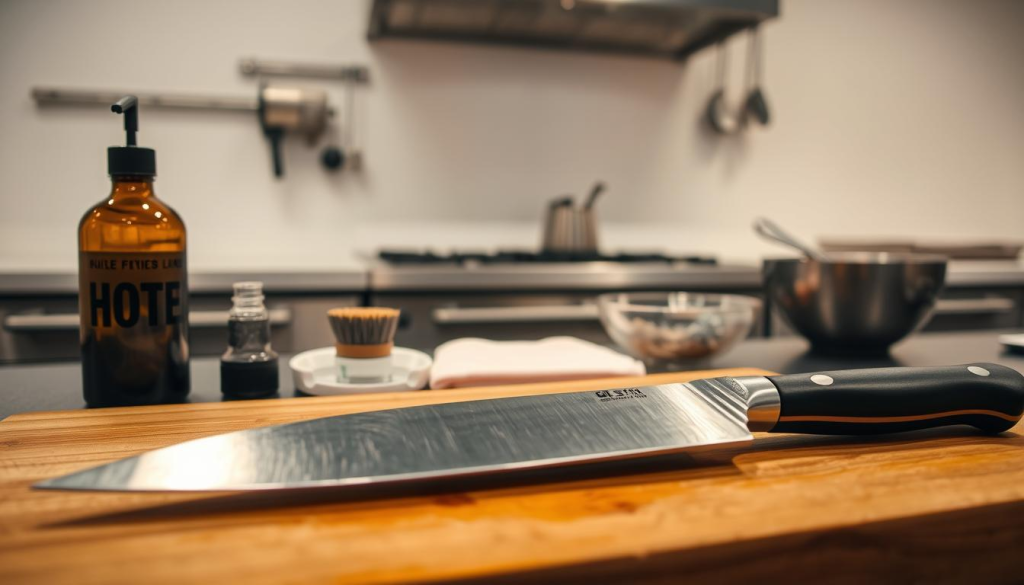
Cleaning your chef knife immediately after use is crucial to prevent the buildup of bacteria and food residue. Use mild soap and warm water to clean the knife, and dry it thoroughly to prevent rust. Avoid using abrasive materials or putting your knife in the dishwasher, as this can damage the blade and handle.
Sharpening Your Knife: Methods and Tools
Sharpening is an essential part of maintaining your professional chef knife guide. There are various methods to sharpen a knife, including using a whetstone, sharpening steel, or electric sharpener. The choice of method depends on personal preference and the type of knife you have. Regular sharpening keeps the blade in optimal condition and ensures precise cutting.
- Whetstone: Provides a high level of control over the sharpening process.
- Sharpening Steel: Ideal for quick touch-ups between sharpening sessions.
- Electric Sharpener: Offers convenience and ease of use.
Storage Solutions to Preserve Blade Integrity
Proper storage is vital to maintaining the integrity of your chef knife. Store your knife in a dry place, away from other utensils that could cause damage. Options include a knife block, magnetic strip, or protective sheath. Each of these storage solutions has its benefits, and the right choice depends on your kitchen setup and personal preference.
By following these maintenance and care tips, you can extend the life of your chef knife and ensure it continues to perform at its best. Regular cleaning, sharpening, and proper storage are the keys to maintaining your top-rated kitchen knives.
Common Mistakes to Avoid When Buying Chef Knives
Many home cooks make critical mistakes when selecting a chef knife, but being informed can help. Understanding these pitfalls is crucial for making a well-informed purchase that meets your cooking needs.
Ignoring the Importance of Fit and Feel
One of the most significant errors is neglecting to consider how the knife feels in your hand. A chef knife that doesn’t fit comfortably can lead to fatigue and decreased performance. When trying out knives, pay attention to the weight, balance, and grip.
Overlooking Warranty and Return Policies
Another mistake is not checking the manufacturer’s warranty and return policies. A good warranty can provide peace of mind, and understanding the return policy can save you from being stuck with a knife that doesn’t work for you.
Believing Price Equals Quality
Assuming that a higher price tag always means a better quality knife is a misconception. While it’s true that high-quality knives can be more expensive, there are also affordable options that offer excellent performance. Research and reviews can help identify value for money.
To further illustrate the factors to consider, here’s a comparison table:
| Feature | Budget-Friendly | Mid-Range | Premium |
|---|---|---|---|
| Material | Stainless Steel | High Carbon Steel | High Carbon Stainless Steel |
| Edge Retention | Good | Very Good | Excellent |
| Price Range | $20-$50 | $50-$100 | $100-$200+ |
By avoiding these common mistakes and doing your research, you can find a chef knife that suits your needs and enhances your cooking experience. Whether you’re a beginner or a seasoned chef, the right knife can make all the difference.
Chef Knife Myths Debunked
Separating fact from fiction is crucial when navigating the complex world of chef knives. Many cooks fall prey to common myths that can significantly impact their cooking experience. Let’s dive into some of these myths and uncover the truth.
A Higher Price Doesn’t Always Mean Better Quality
One of the most pervasive myths is that a higher price tag always indicates a better quality chef knife. While it’s true that premium knives often come with a higher price, this isn’t always the case. The quality of a chef knife is determined by factors such as material, craftsmanship, and edge retention, not just the price.
Key factors to consider:
- Material: High-carbon stainless steel is often preferred for its durability and resistance to corrosion.
- Craftsmanship: A well-crafted knife will have a comfortable handle and a balanced feel.
- Edge retention: A good knife should hold its edge well, requiring less frequent sharpening.
The Myth of “One Size Fits All”
Another common myth is that one chef knife can suit all cooking needs. In reality, different tasks require different types of knives. For instance, a chef’s knife is versatile but may not be ideal for delicate tasks that require a paring knife.
Understanding your cooking style is crucial in selecting the right knife. Whether you’re chopping vegetables, slicing meat, or mincing garlic, having the right tool for the job can make a significant difference.
By debunking these myths, you can make more informed decisions when it comes to choosing the best chef knives for your kitchen. Whether you’re a seasoned chef or a home cook, having the right information is key to enhancing your cooking experience.
Resources for Learning About Chef Knives
For those looking to expand their knowledge of chef knives, there are numerous resources available. Whether you’re a novice or an experienced cook, understanding the intricacies of chef knives can significantly enhance your cooking experience.
Online Tutorials and Videos
The internet is replete with tutorials and videos that offer expert advice on chef knives. Websites like YouTube and cooking forums provide a wealth of information on knife skills, maintenance, and selection. Online tutorials are particularly useful for visual learners, offering step-by-step guidance on techniques such as sharpening and chopping.
Many renowned chefs and culinary experts share their insights through online platforms, making it easier for home cooks to learn from the best. For instance, Chef Eric Gorfain emphasizes the importance of proper knife handling in his tutorials, stating, “The way you hold and maneuver a knife is fundamental to your safety and efficiency in the kitchen.”
“A good knife is the backbone of any kitchen. Learning how to use it properly is essential for any cook.” –
Recommended Books on Knife Skills
For those who prefer learning through written materials, there are several excellent books on knife skills and chef knives. Titles such as “The Knife and Its Sharpening” and “Knife Skills for the Food Enthusiast” offer comprehensive guides on selecting, maintaining, and using chef knives effectively.
- “The Art of Knife Sharpening” by David Boyce
- “Knife Skills for the Modern Kitchen” by Laura Moore
- “The Chef’s Knife Bible” by Richard Simpson
Culinary Schools and Workshops
For a more hands-on approach, culinary schools and workshops provide an excellent opportunity to learn about chef knives in a practical setting. Many culinary institutions offer courses that focus on knife skills, where students can learn from experienced instructors.
| Institution | Course | Duration |
|---|---|---|
| The Culinary Institute | Knife Skills Fundamentals | 2 days |
| Cooking Academy | Advanced Knife Techniques | 3 days |
| Kitchen Mastery | Knife Care and Maintenance | 1 day |
By leveraging these resources, cooks of all levels can improve their understanding and proficiency with chef knives, ultimately enhancing their cooking skills.
Final Thoughts on Selecting Your Perfect Chef Knife
Choosing the right chef knife can elevate your cooking experience, making meal preparation more enjoyable and efficient. As we’ve explored in this ultimate chef knife buying guide, several factors come into play when selecting the ideal knife for your kitchen.
Personal Preference Matters
Your cooking style and personal preferences play a significant role in determining the best chef knife for you. Consider the weight, balance, and feel of the knife in your hand. Brands like Wüsthof and Shun offer a range of options that cater to different needs and preferences.
Investing in Quality
While budget is an important consideration, investing in a quality chef knife can pay dividends in the long run. A well-made knife will last longer, perform better, and require less maintenance. Look for chef knife recommendations that highlight durability and craftsmanship.
Ultimately, the perfect chef knife is one that feels right in your hand and meets your cooking needs. Experiment with different knives, techniques, and recipes to find what works best for you. Enjoy the process of cooking and the journey to discovering your ideal chef knife.