
I have always felt a strong connection to the classic craftsmanship found in German tools. For over three hundred years, one name has served as a pillar of quality. These traditions started in the 17th century within a place called the City of Blades.
Mastering the skill of boker knife dating allows me to see the soul of the object. Every stamp and handle material tells a tale of evolution and high standards. I believe that knowing the exact age of a piece makes it a true piece of history.
To value such a legacy, I look closely at the fine details of the metal. I want to help you understand the subtle changes that occurred over many decades. Together, we will explore the methods used to identify these remarkable treasures and ensure they are authentic.
Key Takeaways
- Explore the deep roots of Solingen, the world-famous “City of Blades.”
- Understand how three centuries of history influence current craftsmanship.
- Learn why identifying the age of a blade is vital for its value.
- Identify the specific stamps and marks used throughout different eras.
- Gain insights into the precision and durability of German manufacturing.
- Discover the techniques I use to verify the authenticity of vintage items.
What is Boker Knife Dating?
Boker knife dating is a nuanced process that hinges on knowledge of the company’s heritage and its impact on the craft of knife-making. To accurately date a Boker knife, one must understand the brand’s history and evolution over time.
The Origins of Boker Knives
The story of Boker begins in Solingen, Germany, a city renowned for its cutlery production and known as the “City of Blades.” The Boker family’s roots in toolmaking date back to the 17th century, establishing a legacy that would span centuries. This rich history is fundamental to understanding the significance of Boker knives among collectors and enthusiasts.
The Boker family’s early involvement in toolmaking laid the groundwork for the company’s future success in producing high-quality knives. Their commitment to craftsmanship and innovation has been a hallmark of Boker knives since their inception.
Why Collect Boker Knives?
Collectors and enthusiasts value Boker knives for their durability, precision, and historical significance. The brand’s long history and commitment to quality have made Boker knives highly prized among collectors. Understanding the reasons behind their popularity is essential for appreciating the art of Boker knife dating.
Boker knives are not only functional pieces but also serve as tangible connections to the past, embodying the craftsmanship and traditions of the cutlery industry.
The Importance of Dating Knives
Dating a Boker knife accurately is crucial for determining its value and authenticity. By understanding the origins of Boker knives and their development over time, collectors can better appreciate the craftsmanship and history behind each piece. The process of dating involves examining various characteristics of the knife, including its design, materials, and markings.
Accurate dating requires a comprehensive knowledge of Boker’s history and production methods, enabling collectors to place their knives within a specific historical context.
Characteristics of Boker Knives
The art of dating Boker knives requires a deep understanding of their various characteristics, including materials and design elements. Boker knives are known for their high-quality materials and innovative designs, which have been refined over the years to produce a wide range of knives, from simple utility knives to complex folding knives and fixed blades.
One of the key factors in identifying and dating a Boker knife is understanding its blade materials. Boker has utilized various materials over the years, including high-carbon steel, stainless steel, and Damascus steel. Each material has its unique characteristics and was chosen for specific models based on the desired performance and aesthetic appeal.
Blade Materials
Boker knives have been crafted with a variety of blade materials, each selected for its durability, corrosion resistance, and ability to hold a sharp edge. High-carbon steel, for instance, is valued for its strength and sharpness, while stainless steel offers resistance to corrosion.
| Material | Characteristics | Typical Use |
|---|---|---|
| High-Carbon Steel | Strong, holds sharp edge well | Utility knives, folding knives |
| Stainless Steel | Corrosion-resistant, durable | Outdoor knives, everyday carry |
| Damascus Steel | Aesthetic pattern, high quality | Collector’s items, high-end knives |
Handle Designs
The handle design of a Boker knife is another critical characteristic that can aid in dating. Boker has employed a range of materials for handles, including wood, bone, antler, and various synthetic materials. The choice of handle material often reflects the era and intended use of the knife.
Unique Features of Boker Products
Boker knives often incorporate unique features that distinguish them from other brands. These can include intricate blade designs, specialized mechanisms for folding knives, and ergonomic handle shapes designed for comfort and functionality.
By examining the characteristics of a Boker knife, including its blade material, handle design, and unique features, collectors can gain valuable insights into its history and authenticity, ultimately aiding in the process of vintage Boker knife dating.
Historical Timeline of Boker Knives
Understanding the historical timeline of Boker knives is crucial for collectors looking to date their knives accurately. Boker’s history spans over three centuries, with the company adapting to changing times and technologies. From its early beginnings as a toolmaking business to its current status as a global knife manufacturer, Boker has evolved significantly.
Early History and Establishment
Boker’s journey began in the early 18th century in Solingen, Germany, a city renowned for its cutlery production. The company was initially involved in the production of swords, daggers, and other edged tools.The early years were marked by a focus on quality and craftsmanship, laying the foundation for Boker’s future success.
In the 19th century, Boker began to shift its focus towards the production of pocket knives and other folding knives. This period was significant for the company as it started to establish its reputation among knife enthusiasts and collectors.
Evolution Through the Decades
The 20th century saw Boker undergo significant changes, including the introduction of new materials and manufacturing techniques.The company adapted to changing consumer needs and technological advancements, expanding its product line to include a wide range of knives for various uses.
| Decade | Significant Developments |
|---|---|
| 1900s | Introduction of new handle materials |
| 1950s | Expansion into the global market |
| 1980s | Innovations in blade steel and heat treatment |
Recent Developments in Boker Production
In recent years, Boker has continued to innovate, incorporating modern materials and production techniques into its knives. The company remains committed to quality and craftsmanship, ensuring that its products meet the high standards expected by collectors and users alike.
To accurately date a Boker knife, collectors must consider these historical developments and changes in production. By understanding the evolution of Boker knives, one can better identify the age and authenticity of a particular knife.
How to Identify Boker Knife Models
Boker knife identification is an art that requires knowledge and attention to detail. To accurately identify a Boker knife model, one must examine the knife carefully, looking for specific markings and characteristics.
“A true collector knows that the devil is in the details,” as the saying goes. For Boker knives, these details include brand markings, model numbers, and series-specific features.
Recognizing Brand Markings
Boker has used various brand markings throughout its history, making it essential to familiarize oneself with these logos and stamps. The most common brand marking is the Boker logo, which has evolved over time. Early Boker knives often featured a logo with a tree, while later models used a more stylized ‘Boker’ script.
By recognizing these brand markings, collectors can begin to narrow down the age and model of their Boker knife. It’s also crucial to inspect the knife for other markings, such as country of origin or material indicators.
Understanding Model Numbers
Boker knives often have model numbers that provide valuable information about the knife. These numbers can indicate the specific model, materials used, and sometimes even the production year. A boker knife serial number lookup can be a valuable resource for collectors trying to identify their knives.
For instance, certain model numbers are associated with specific features or materials. By cross-referencing these numbers with Boker’s catalog or collector resources, one can gain a deeper understanding of their knife’s history and authenticity.
Differentiating Between Series
Boker has produced numerous series over the years, each with its unique characteristics. From the popular Boker Plus series to the traditional Boker Baumstahl, understanding the differences between these series is vital for accurate identification.
Each series often has distinct features, such as handle materials, blade shapes, or engravings. By familiarizing oneself with these characteristics, collectors can differentiate between various Boker knife models and series.
Tools Needed for Knife Dating
Accurate Boker knife dating is facilitated by a combination of specialized tools and thorough research. To determine the age and authenticity of a Boker knife, collectors must be equipped with the right resources.
Essential Tools for Collectors
Collectors should start by gathering essential tools that aid in the examination and dating of Boker knives. These include:
- High-quality magnifying glass or loupe to inspect the knife’s details, such as engravings and markings.
- Reference books and catalogs that provide historical data and model specifications.
- Measuring instruments to verify the dimensions and other physical characteristics of the knife.
Resources for Research
In addition to physical tools, collectors need access to comprehensive resources for research. This includes:
- Online forums and collector communities where enthusiasts share knowledge and experiences.
- Historical archives and museums that may hold records and examples of vintage Boker knives.
- Expert appraisers and collectors who can provide insights based on their experience.
Utilizing Online Databases
Online databases are a crucial resource for modern collectors. They offer:
- Extensive catalogs of Boker knives, including images and detailed descriptions.
- Historical records that can help date a knife based on its design, materials, and markings.
- Community feedback through comments and discussion forums associated with the databases.
By leveraging these tools and resources, collectors can enhance their ability to accurately date their Boker knives and make informed decisions about their collections.
Collecting Tips for Boker Knives
Boker knife collecting is a rewarding hobby that demands a thoughtful approach to sourcing and authentication. As collectors, we need to be strategic in our pursuit of rare and valuable models.
One of the primary challenges in collecting Boker knives is finding authentic models. Authenticating Boker knives is crucial, as counterfeit models can be prevalent in the market. To avoid counterfeit knives, it’s essential to understand the characteristics of genuine Boker products.
Where to Find Boker Knives
Knowing where to look is half the battle when it comes to finding rare Boker knives. Some of the best sources include:
- Specialized knife collector forums and online communities
- Reputable dealers and collectors
- Antique shops and vintage stores
- Estate sales and auctions
When sourcing Boker knives, it’s crucial to research the seller and ensure they are reputable. This can involve checking for reviews, asking for references, and verifying the authenticity of the knives they sell.
Networking with Other Collectors
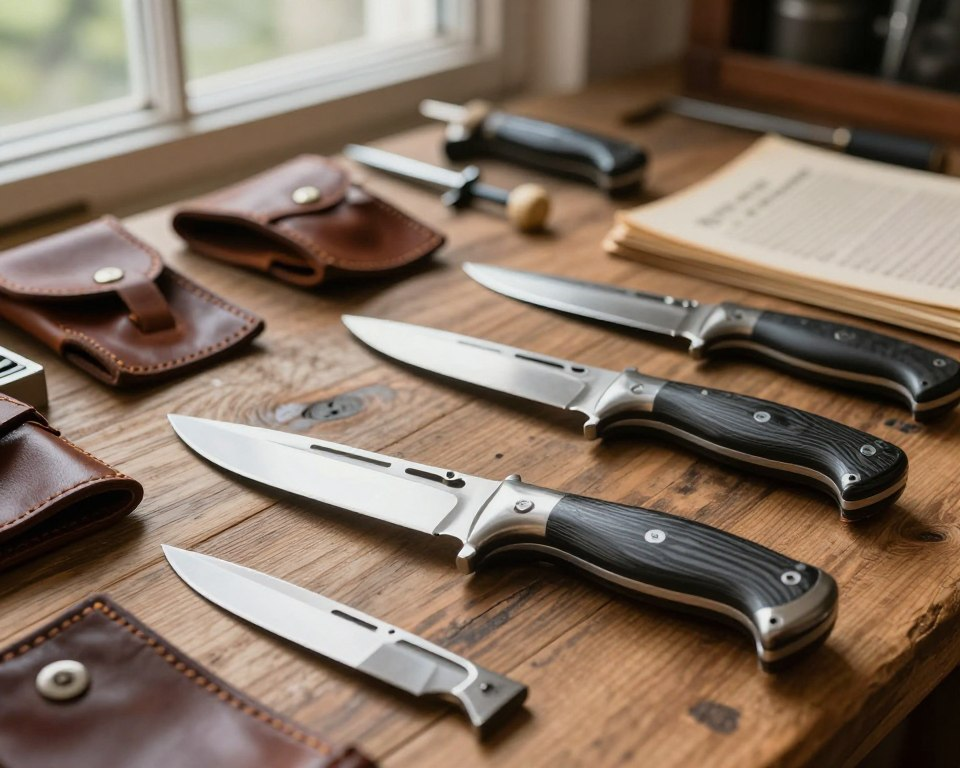
Connecting with other collectors can be incredibly beneficial. Not only can they provide valuable insights and advice, but they can also be a source of rare and hard-to-find models.
Joining collector clubs and attending knife enthusiast events can help you build relationships with other collectors and stay informed about market trends.
Attending Knife Shows and Expos
Knife shows and expos are excellent venues for finding rare Boker knives and learning more about the hobby. These events bring together collectors, dealers, and manufacturers, offering a unique opportunity to network and acquire new pieces for your collection.
When attending these events, be sure to inspect the knives carefully and ask questions about their history and authenticity.
The Role of Condition in Knife Dating
The condition of a Boker knife significantly influences its value and authenticity, making it essential for collectors to understand how to assess it. A well-preserved knife not only retains its functionality but also its historical and monetary value.
When evaluating a Boker knife, collectors must consider several factors that contribute to its overall condition. This includes the state of the blade, the handle, and any other components such as bolsters or pommels.
How Condition Affects Value
The condition of a Boker knife directly impacts its value. Knives that are in excellent condition, with minimal signs of wear, are generally more valuable than those that are worn or damaged.
- Minimal Wear: Knives with little to no signs of use or wear are highly prized by collectors.
- Original Finish: The presence of the original finish on the blade and other parts can significantly increase the knife’s value.
- Integrity of Components: Ensuring that all original components are present and intact is crucial.
Identifying Signs of Wear
To accurately assess the condition of a Boker knife, collectors must be able to identify signs of wear and tear. This includes:
- Edge wear and blade sharpening evidence
- Handle wear, such as cracks or loose fittings
- Corrosion or rust on metal parts
Preserving Your Boker Knife
Preservation is key to maintaining the condition and value of a Boker knife. Here are some tips:
- Proper Storage: Store your Boker knife in a dry environment, away from direct sunlight.
- Regular Maintenance: Clean and lubricate the knife regularly to prevent corrosion.
- Avoid Exposure to Harsh Chemicals: Chemicals can damage the materials used in Boker knives.
By understanding the role of condition in Boker knife dating and taking steps to preserve your knives, you can ensure that your collection remains valuable and enjoyable for years to come.
Rarity and Value in Boker Knives
For collectors, the rarity and value of Boker knives are intertwined with the knife’s history and condition. The world of Boker knife collecting is complex, with various factors influencing the worth of these highly sought-after items.
Factors Influencing Rarity
The rarity of a Boker knife is influenced by several factors, including production numbers, age, and the materials used in its construction. Limited edition models and those made from high-quality, rare materials tend to be more valuable.
Understanding the historical context in which a Boker knife was produced is also crucial. Knives produced during significant periods or for specific events can command a higher value due to their historical significance.
Pricing Guidelines for Collectors
When it comes to pricing Boker knives, collectors must consider several guidelines. The condition of the knife, its rarity, and demand all play a role in determining its value.
- Researching recent sales of similar models can provide a baseline for pricing.
- Consulting with experienced collectors and dealers can offer insights into the current market.
- The provenance of the knife, or its history of ownership, can significantly impact its value.
Investing in Boker Knives
Investing in Boker knives requires a deep understanding of the market and the factors that influence a knife’s value. Collectors should focus on acquiring knives that are in excellent condition and have a clear history.
It’s also essential to stay informed about market trends and the release of new models, as these can impact the value of existing knives.
Common Misconceptions About Boker Knives
As a seasoned collector, I’ve encountered numerous misconceptions about Boker knives that can mislead even the most enthusiastic enthusiasts. Boker knives have a rich history, and understanding the truth behind these misconceptions is crucial for making informed collecting decisions.
Debunking Quality Myths
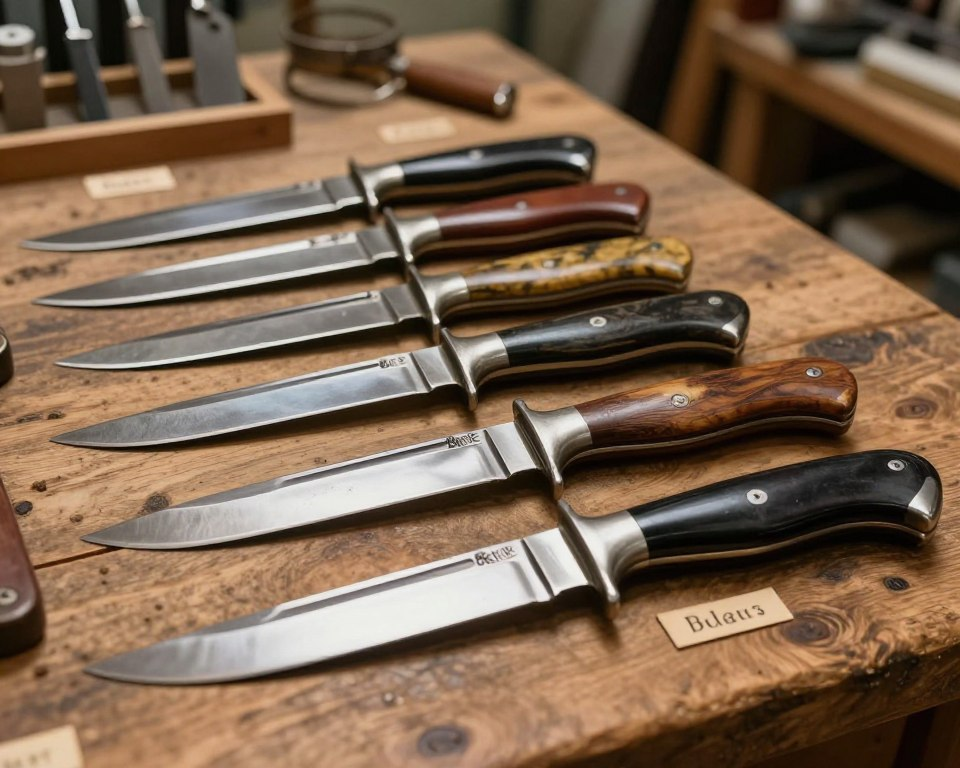
One common myth surrounding Boker knives is that they are all of exceptionally high quality. While Boker has produced many high-quality knives, not all models are created equal. Some collectors believe that every Boker knife is a masterpiece, but in reality, the quality can vary depending on the model and production year. For instance, Boker’s earlier models are often praised for their craftsmanship, whereas some modern productions might not meet the same standards.
Misunderstandings in Collecting
Another misconception is that Boker knives are easy to collect. While it’s true that Boker has produced a wide range of models, finding specific or rare knives can be challenging. Some collectors assume that all Boker knives are readily available, but certain models, especially vintage ones, can be scarce. Understanding the market and networking with other collectors can help in finding these elusive pieces.
The Truth About Reproductions
There’s also a common misconception about reproductions. Some collectors believe that all reproductions are inferior or fake. However, many modern reproductions are made with high-quality materials and craftsmanship, often serving as more affordable alternatives to the original vintage models. It’s essential to understand the differences between originals and reproductions to make informed purchasing decisions.
By being aware of these misconceptions, collectors can navigate the world of Boker knives more effectively, avoiding potential pitfalls and making more informed decisions when it comes to vintage Boker knife dating and understanding how to date a Boker knife.
Personal Experiences and Stories
The world of Boker knife collecting is not just about the knives themselves, but about the people who cherish them. As collectors and experts share their personal stories and experiences, a richer understanding of Boker knives emerges.
Collector Testimonials
Many collectors have shared their personal anecdotes about finding rare Boker knives. For instance, one collector recalled discovering a vintage Boker knife at a garage sale, which turned out to be a highly valuable addition to their collection.
Another collector shared their experience of dating antique Boker knives using a combination of research and expert consultation. This process not only helped them understand the history of their knives but also revealed the stories behind their creation.
Famous Boker Knife Stories
There are numerous stories surrounding famous Boker knives, each with its own unique history. One such story involves a Boker knife used by a notable historical figure, which has become highly sought after by collectors.
These stories highlight the significance of Boker knives beyond their functional use, showcasing their place in history and culture.
Tips from the Experts
Experts in the field of Boker knife collecting often share valuable tips on how to identify and date knives. One expert recommends using a boker knife serial number lookup to verify the authenticity and age of a knife.
Additionally, experts suggest that collectors should be aware of the condition and rarity of their knives, as these factors significantly impact their value.
| Collector Tip | Description | Benefit |
|---|---|---|
| Research | Understand the history and background of Boker knives | Enhanced appreciation and knowledge |
| Serial Number Lookup | Verify the authenticity and age of a Boker knife | Ensures accuracy in dating and valuing |
| Condition Assessment | Evaluate the condition of the knife | Helps in determining the knife’s value |
Future Trends in Boker Knife Collecting
As a seasoned collector, I’m excited to share insights into the future trends shaping Boker knife collecting. The world of Boker knives is constantly evolving, driven by innovations in design and materials, a growing community of collectors, and anticipation for upcoming releases.
The evolution of Boker knives is marked by significant innovations in design and materials. Manufacturers are now incorporating advanced materials and techniques, such as high-carbon stainless steel and titanium, to enhance durability and performance. For instance, Boker has been experimenting with new handle materials, such as micarta and G10, to improve ergonomics and aesthetics.
Innovations in Design and Materials
Boker continues to push the boundaries of knife design, incorporating feedback from collectors and users. According to a renowned collector, “The future of Boker knives lies in their ability to balance tradition with innovation.”
“Boker’s commitment to quality and innovation is what sets them apart in the world of knife collecting.”
The Growing Community of Knife Collectors
The community of Boker knife collectors is growing, with new enthusiasts entering the market. This growth is fueled by online forums, social media, and knife shows, where collectors share their passion and knowledge. Networking with other collectors is crucial for staying informed about authenticating Boker knives and understanding their history.
Upcoming Boker Knife Releases
Collectors are eagerly anticipating upcoming Boker knife releases, which often feature limited-edition designs and collaborations with renowned artists. Staying informed about these releases is key to building a valuable collection. Understanding Boker knife history also plays a significant role in appreciating the value and significance of new releases.
By staying informed about the latest trends and innovations, collectors can make informed decisions and enhance their collections.
Conclusion: The Joy of Boker Knife Dating
Boker knife dating is a rewarding hobby that requires patience, dedication, and a passion for history and craftsmanship. As collectors, we embark on a journey to uncover the rich history behind each knife, understanding its significance and value.
Pursuing the Art
Embracing the collecting journey allows us to appreciate the intricacies of Boker knives. By studying the characteristics, historical timeline, and model identification, we gain a deeper understanding of these exceptional knives.
Continuing the Legacy
As we continue to collect and learn about Boker knives, we contribute to the legacy of this renowned brand. Boker knife age identification is a crucial aspect of this process, enabling us to understand the evolution of the brand and its products.
For those looking to further their knowledge, numerous resources are available, from online databases to collector communities. By leveraging these resources, we can refine our skills in boker knife dating and enhance our appreciation for these remarkable knives.