I often see stunning steel tools with wavy patterns while browsing professional culinary shops. Many home cooks and collectors ask, are damascus knives good for daily kitchen tasks or just for display? These blades carry a legendary reputation that dates back centuries, blending ancient tradition with modern craftsmanship.
People often pay a premium for this unique aesthetic because the swirling designs look like moving water. I want to see if performance matches the higher cost. It is vital to understand if damascus knives quality stands up to heavy use in a busy American home.
Determining the true value requires looking past the surface art to find the truth. I researched how these items hold an edge compared to standard stainless steel options. My goal is to help you decide if these beautiful tools belong in your personal collection.
Key Takeaways
- Beautiful wavy patterns provide a unique and artistic appearance.
- Multi-layered steel construction offers great strength and flexibility.
- Edge retention is often superior to basic budget blades.
- Proper maintenance is required to prevent rust and staining.
- The price reflects both the labor-intensive process and the performance.
- Both professional chefs and hobbyists value their durability.
What is a Damascus Knife?
To appreciate the value of Damascus knives, it’s essential to understand their origins and characteristics. Damascus knives are renowned for their distinctive patterns and exceptional quality, making them highly sought after by collectors and chefs alike.
Definition and Origin of Damascus Steel
Damascus steel is a type of steel known for its distinctive patterned appearance, historically used in the manufacture of high-quality swords and knives. The origin of Damascus steel dates back to ancient times, with its name derived from the city of Damascus, where it was highly prized for its strength and beauty. Historically, Damascus steel was made using a specific type of steel known as Wootz steel, which was imported from India. The process involved folding and hammering the steel multiple times to create the distinctive patterns.
Characteristics of Damascus Knives
Damascus knives are characterized by their unique patterns, which are a result of the pattern welding process used in their manufacture. This process involves folding and welding the steel multiple times, creating layers that result in the distinctive visual patterns. The quality of Damascus knives is not only aesthetic; they are also known for their sharpness, durability, and resistance to corrosion. Thebenefits of Damascus knivesinclude their exceptional performance and the craftsmanship that goes into each piece.
Traditional vs. Modern Damascus
While traditional Damascus steel was made using Wootz steel, modern Damascus knives are typically made through a process known as pattern welding. This involves welding different types of steel together to create the desired pattern. Although the original method of producing Wootz steel is no longer used, modern craftsmen have developed techniques to replicate the distinctive patterns of traditional Damascus steel. The result is a knife that not only has a beautiful appearance but also offershigh quality and performance. Understanding the differences between traditional and modern Damascus knives can help appreciate the craftsmanship andquality of Damascus knivesavailable today.
Why Are Damascus Knives So Popular?
The allure of Damascus knives lies in their unique blend of aesthetics, performance, and cultural significance. These knives are not just tools for cooking; they are also pieces of art that reflect the craftsmanship and history behind their creation.
Aesthetic Appeal
One of the primary reasons Damascus knives are so well-liked is their stunning visual appeal. The distinctive patterns on the blade, resulting from the layering of different steel types, make each knife unique. This aesthetic quality is not just pleasing to the eye; it also reflects the skill and craftsmanship of the knife maker.
Key aesthetic features include:
- Unique patterns created by layering different steels
- Visual appeal that makes each knife a piece of art
- Reflection of the craftsman’s skill and attention to detail
Performance and Durability
Damascus knives are also renowned for their exceptional performance and durability. The combination of hard and soft steels in their construction provides a blade that is both sharp and resilient. This makes them highly effective for a variety of cutting tasks, from precise slicing to chopping through tougher ingredients.
The benefits of their performance include:
- Sharpness that makes cutting easier and more efficient
- Durability that withstands the rigors of frequent use
- Versatility in handling different types of ingredients
Cultural Significance in Culinary Arts
Beyond their functional and aesthetic qualities, Damascus knives hold a significant place in the culinary world due to their historical and cultural importance. They are often seen as a connection to traditional craftsmanship and the rich history of knife making.
Cultural significance is reflected in:
- The historical context of their origin and evolution
- Their association with traditional culinary practices
- The appreciation for craftsmanship they represent
Are Damascus Knives Superior to Other Knives?
As a knife enthusiast, I’ve often wondered if the hype surrounding Damascus knives is justified when compared to other high-quality knives. The debate about whether Damascus knives are superior involves examining several key factors that influence their performance and overall value.
One of the primary considerations is the inherent quality of the blade, which directly affects its functionality and longevity. Let’s dive into the specifics of what makes Damascus knives stand out.
Blade Sharpness and Retention
Damascus knives are renowned for their exceptional sharpness, a trait that can be attributed to the unique pattern-welding process involved in their manufacture. This process allows for the creation of a blade with a very fine edge.
Sharpness is crucial for any knife, as it directly impacts the user’s ability to perform tasks efficiently. Damascus knives typically excel in this area due to their high-carbon content and the precise forging techniques used.
Moreover, the ability of a Damascus knife to retain its sharpness over time is another significant advantage. The layered structure of Damascus steel contributes to its durability and resistance to wear, ensuring that the knife remains effective for a longer period.
Corrosion Resistance
While Damascus knives are praised for their sharpness and aesthetic appeal, their corrosion resistance is another critical aspect to consider. The corrosion resistance of a Damascus knife largely depends on the materials used in its construction.
High-carbon Damascus steel, when properly maintained, can exhibit good resistance to corrosion. However, it’s essential to note that some Damascus knives may require more maintenance than others to prevent rust and corrosion.
Weight and Balance
The weight and balance of a knife are vital for its overall usability and comfort during extended use. Damascus knives, due to their dense construction, often have a substantial weight that contributes to their balanced feel.
A well-balanced knife is easier to maneuver and control, making it ideal for both professional chefs and outdoor enthusiasts. The craftsmanship involved in creating a Damascus knife ensures that the weight is evenly distributed, enhancing its overall performance.
In conclusion, when evaluating whether Damascus knives are superior to other knives, it’s clear that their sharpness, corrosion resistance, and weight and balance are significant factors. By understanding these aspects, individuals can make informed decisions when choosing damascus knives that meet their specific needs.
Different Types of Damascus Knives
Damascus knives are celebrated not only for their beauty but also for their versatility. These knives have become a staple for many enthusiasts, from professional chefs to outdoor adventurers. The diversity in Damascus knives allows users to choose the perfect tool for their specific needs.
The variety of Damascus knives available in the market caters to different tasks and user preferences. Whether you’re looking for a knife for culinary purposes or for outdoor activities, there’s a Damascus knife designed to meet your requirements.
Chef Knives
Chef knives are among the most popular types of Damascus knives. They are designed for heavy-duty use in the kitchen, offering exceptional sharpness and durability. A high-quality Damascus chef knife can become an indispensable tool for any chef.
The characteristics that make Damascus chef knives stand out include:
- Sharpness: Damascus steel holds a sharp edge, making it ideal for precise cutting.
- Durability: The strength of Damascus steel ensures that the knife remains in good condition even with frequent use.
- Aesthetic Appeal: The unique patterns on Damascus knives add an element of elegance to any kitchen.
Paring Knives
Paring knives are another type of Damascus knife that is highly valued for their precision and control. These knives are perfect for tasks that require delicacy, such as peeling fruits and vegetables or trimming meat.
The benefits of using a Damascus paring knife include:
- Precision: The sharp edge allows for intricate cuts.
- Control: The balanced design provides comfort and maneuverability.
- Durability: Like other Damascus knives, paring knives are known for their long-lasting performance.
Hunting and Outdoor Knives
For those who enjoy outdoor activities such as hunting or camping, Damascus knives are a popular choice. These knives are designed to withstand the rigors of outdoor use while maintaining their sharpness and functionality.
Some key features of Damascus hunting and outdoor knives include:
- Strength: Damascus steel is capable of withstanding heavy use.
- Corrosion Resistance: Many Damascus knives are treated to resist corrosion, making them suitable for use in various environments.
- Versatility: Whether you’re skinning game or cutting rope, a Damascus outdoor knife is a reliable companion.
In conclusion, the different types of Damascus knives offer a range of benefits and cater to various needs. From the kitchen to the great outdoors, there’s a Damascus knife that’s right for you.
How Are Damascus Knives Made?
The art of making Damascus knives has been refined over centuries, combining ancient techniques with modern precision. This blend of tradition and innovation results in knives that are not only functional but also pieces of art.
The Forging Process
The forging process is at the heart of creating a Damascus knife. It involves folding and hammering layers of steel to create the distinctive pattern. This process, known as pattern welding, requires great skill and patience.
“The folding process is crucial as it not only creates the unique pattern but also enhances the strength and durability of the blade,” says a renowned knife maker. This technique allows for the creation of intricate designs that are characteristic of Damascus knives.
Material Selection
The quality of a Damascus knife is heavily dependent on the materials used. High-carbon steel is typically chosen for its strength and ability to hold a sharp edge. The selection of materials directly impacts the performance and quality of the final product.
The process involves selecting the right type of steel and then carefully heating and folding it multiple times. This not only purifies the steel but also creates the distinctive pattern.
| Material | Characteristics | Impact on Knife Quality |
|---|---|---|
| High-Carbon Steel | Strong, holds sharp edge well | Enhances durability and performance |
| Low-Carbon Steel | Less strong, more prone to rust | May compromise on durability |
| Stainless Steel | Resistant to corrosion | Offers better resistance to rust |
Techniques Used by Craftsmen
Craftsmen use various techniques to shape and finish Damascus knives. From the initial forging to the final sharpening, each step requires precision and care. The techniques used can significantly affect the quality and performance of the knife.
- Forging: Shaping the blade through heating and hammering.
- Tempering: Heat treatment to achieve the right balance of hardness and flexibility.
- Sharpening: Final edge refinement to ensure the knife is razor-sharp.
The craftsmanship involved in making Damascus knives is a testament to the skill and dedication of knife makers. Each knife is a reflection of the craftsman’s expertise and attention to detail.
Potential Downsides of Damascus Knives
For all their aesthetic and functional appeal, Damascus knives have several disadvantages that should not be overlooked. While they are highly prized for their beauty and performance, there are several factors to consider before deciding to purchase or maintain one.
Maintenance Requirements
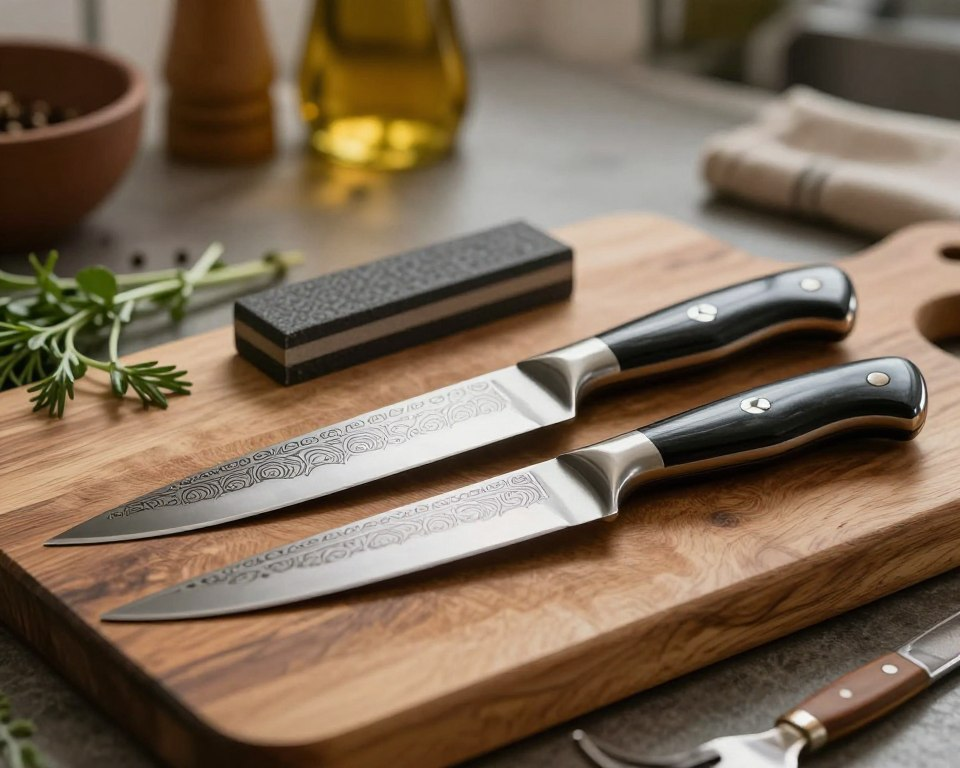
One of the primary downsides of owning a Damascus knife is the level of maintenance it requires. Unlike some other types of knives, Damascus knives need regular care to maintain their appearance and functionality. This includes regular sharpening to keep the blade in optimal condition and proper cleaning to prevent rust and corrosion.
To maintain a Damascus knife, it’s essential to hand wash it and dry it immediately after use. Avoid putting it in the dishwasher, as the high heat and harsh detergents can damage the blade. Regularly oiling the blade is also crucial to prevent rust.
Cost Considerations
Another significant consideration when it comes to Damascus knives is their cost. These knives can be quite expensive, with prices ranging from a few hundred to several thousand dollars, depending on factors such as the craftsmanship, materials used, and the complexity of the pattern.
When choosing a Damascus knife, it’s essential to consider whether the cost aligns with your budget and whether the benefits justify the expense. While a high-quality Damascus knife can be a valuable investment for serious collectors or professionals, it may not be the most practical choice for casual users.
Misconceptions in the Marketplace
There are also several misconceptions about Damascus knives that can affect buyers’ decisions. For instance, some people believe that all Damascus knives are made using traditional methods and high-quality materials. However, the reality is that the term “Damascus” can be applied to a wide range of products, some of which may not live up to the standards associated with traditional Damascus steel.
When evaluating Damascus knives, it’s crucial to look beyond the label and consider factors such as the manufacturer’s reputation, the materials used, and the level of craftsmanship. By doing so, buyers can make more informed decisions and avoid common pitfalls in the marketplace.
In conclusion, while Damascus knives offer many benefits, they also come with significant downsides that should be considered. By understanding the maintenance requirements, cost considerations, and potential misconceptions, buyers can make more informed choices when it comes to choosing damascus knives that meet their needs and expectations.
How to Choose a Quality Damascus Knife
Choosing a quality Damascus knife requires a discerning eye and an understanding of what makes these knives exceptional. With so many options available, it’s essential to know what to look for to ensure you’re getting a genuine and high-performance knife.
Recognizing Authenticity
The first step in choosing a quality Damascus knife is verifying its authenticity. True Damascus knives are made using a labor-intensive process that involves folding and hammering steel to create the distinctive pattern. Look for:
- A visible, consistent pattern that is not just superficial
- Information about the manufacturing process from the seller or manufacturer
- A certificate of authenticity or documentation that verifies the knife’s materials and craftsmanship
Key Features to Consider
Beyond authenticity, several key features can help you evaluate the quality of a Damascus knife. These include:
- Blade material: High-carbon steel is preferred for its durability and edge retention.
- Edge retention: A quality Damascus knife should hold its edge well and be easy to sharpen.
- Balance and weight: The knife should feel balanced in your hand, with a weight that suits your preferences.
- Ergonomics: The handle should be comfortable to hold and designed to reduce fatigue.
Trusted Brands and Manufacturers
Finally, consider the reputation of the brand or manufacturer. Reputable makers will often provide detailed information about their products and stand behind their quality. Some well-regarded brands in the industry include:
- Dalstrong
- Shun
- Misono
Researching and purchasing from trusted sources can significantly reduce the risk of buying a low-quality or counterfeit Damascus knife.
Caring for Your Damascus Knife
Caring for your Damascus knife is crucial to preserving its beauty and functionality. Proper maintenance not only ensures the longevity of the knife but also maintains its performance and durability.
Cleaning Techniques
Cleaning your Damascus knife regularly is vital to prevent the buildup of residue and bacteria. Use mild soap and warm water to clean the knife, and avoid harsh chemicals or abrasive materials that can damage the blade.
Step-by-Step Cleaning Guide:
- Hand wash the knife with mild soap and warm water.
- Dry the knife immediately with a soft cloth to prevent water spots.
- For tougher residue, use a soft-bristled brush to gently scrub the blade.
Sharpening Techniques
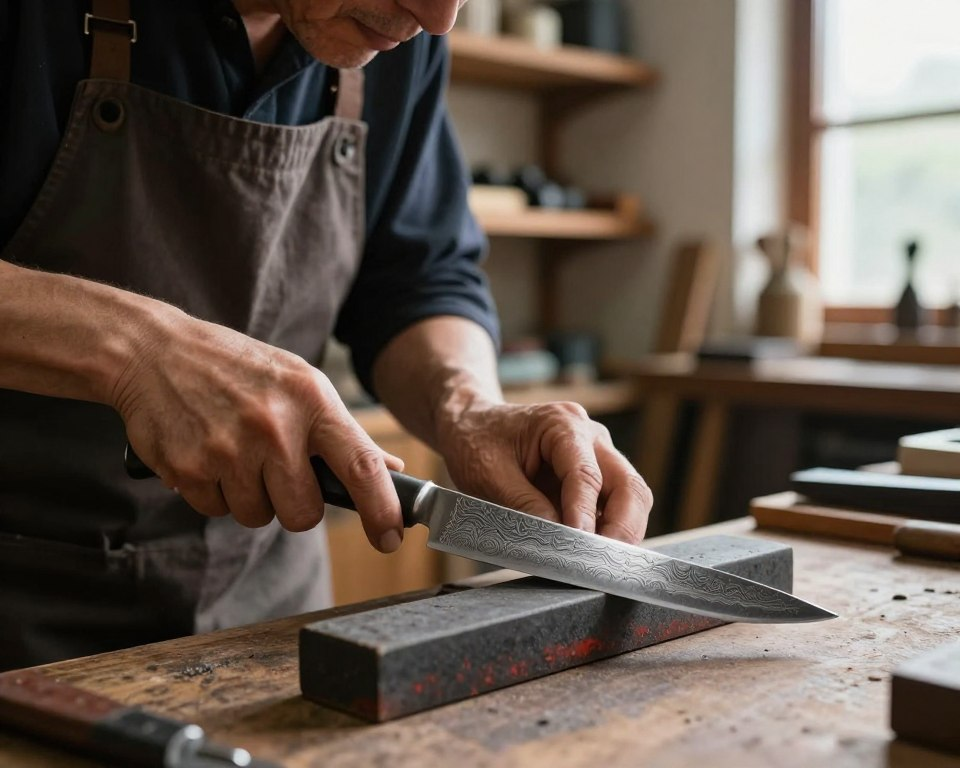
Sharpening is a critical aspect of maintaining your Damascus knife. To keep the blade sharp, use a whetstone or a sharpening steel. The angle of sharpening is crucial; typically, a 20-degree angle is recommended for most Damascus knives.
Tips for Sharpening:
- Start with a coarse grit stone to repair any damage.
- Progress to finer grit stones for polishing the edge.
- Regularly sharpening your knife maintains its sharpness and performance.
Storage Best Practices
Proper storage is essential to protect your Damascus knife from damage and maintain its quality. Store the knife in a dry place, away from other utensils that could cause scratching or dulling.
| Storage Method | Benefits | Precautions |
|---|---|---|
| Knife Block | Keeps the knife organized and within reach. | Ensure the block is clean and dry. |
| Magnetic Strip | Convenient and space-saving. | Avoid storing other metal items that could cause damage. |
| Protective Sheath | Protects the blade from damage and exposure. | Regularly clean and dry the sheath. |
Common Mistakes to Avoid
Avoiding common mistakes is crucial to maintaining your Damascus knife. Some common errors include using the knife for tasks it’s not designed for, such as cutting through bones or using it as a pry bar, and not drying the knife properly after washing.
Common Mistakes:
- Using the knife for inappropriate tasks.
- Not drying the knife properly after washing.
- Storing the knife in a humid environment.
By following these care and maintenance tips, you can ensure that your Damascus knife remains in excellent condition, providing you with years of reliable service and maintaining its performance and durability.
Where to Buy Damascus Knives
For those looking to acquire a Damascus knife, understanding where to buy is crucial. The availability of Damascus knives has increased over the years, with various sales channels emerging to cater to different customer preferences.
Online Retailers
Online retailers have become a popular choice for buying Damascus knives due to their convenience and wide selection. Websites like Amazon, eBay, and specialized knife stores offer a vast array of Damascus knives from various manufacturers. When shopping online, it’s essential to check the seller’s ratings and reviews to ensure authenticity and quality.
Some online retailers also provide detailed product descriptions, customer reviews, and comparison tools, making it easier for buyers to make informed decisions. However, purchasing online means you won’t be able to physically inspect the knife before buying.
Specialty Stores
Specialty kitchen stores and cutlery shops are another excellent source for Damascus knives. These stores often carry high-quality knives from reputable brands and offer the advantage of being able to inspect the knife personally. Knowledgeable staff can also provide valuable insights and recommendations.
Visiting a specialty store allows potential buyers to assess the knife’s quality, feel its balance, and get a better understanding of its craftsmanship. This hands-on experience can be invaluable in making a purchase decision.
Craft Fairs and Artisan Markets
Craft fairs and artisan markets are ideal places to find unique, handmade Damascus knives. These events bring together skilled craftsmen who showcase their work, offering buyers the opportunity to purchase directly from the maker. This direct interaction can provide insight into the craftsmanship and the story behind the knife.
When buying at craft fairs or artisan markets, buyers should be prepared to ask questions about the materials, construction, and maintenance of the knife. It’s also a good chance to assess the seller’s knowledge and the overall quality of their work.
| Purchase Channel | Advantages | Disadvantages |
|---|---|---|
| Online Retailers | Wide selection, convenience, customer reviews | Cannot inspect before purchase |
| Specialty Stores | Personal inspection, knowledgeable staff | Limited selection compared to online |
| Craft Fairs/Artisan Markets | Unique, handmade items, direct from craftsmen | Limited availability, variable quality |
Customer Reviews and Feedback
When it comes to assessing Damascus knives, customer reviews provide invaluable insights into their real-world performance. By examining the experiences of those who have purchased and used these knives, potential buyers can make more informed decisions.
The quality of Damascus knives is often reflected in customer reviews, where users share their experiences regarding the knives’ sharpness, durability, and overall performance. Top-rated Damascus knives are often praised for their exceptional craftsmanship and the unique patterns of the Damascus steel.
Top-Rated Damascus Knives
Several Damascus knives stand out in customer reviews for their outstanding quality. For instance, the Shun DM0706 Classic Damascus Chef’s Knife is frequently praised for its sharpness and balance. Similarly, the Dalstrong Gladiator Series 8-Inch Chef’s Knife is lauded for its durability and aesthetic appeal.
User Experience and Reviews
User experiences with Damascus knives vary, but many customers report high satisfaction with their purchases. The pros of owning a Damascus knife often include its exceptional sharpness, beautiful pattern, and the prestige associated with owning a high-quality, handmade item. However, some users also note cons, such as the need for careful maintenance to prevent rust and the higher cost compared to other types of knives.
Customer reviews also highlight the importance of proper care for Damascus knives. Regular sharpening and careful storage are crucial to maintaining their performance and longevity.
Comparison of Popular Models
When comparing popular Damascus knife models, several factors come into play, including blade material, handle quality, and overall craftsmanship. For example, a comparison between the Shun Classic Damascus and Dalstrong Gladiator Series reveals differences in handle design and edge retention, which can influence a buyer’s decision based on their specific needs.
Ultimately, customer reviews and feedback are essential resources for anyone considering the purchase of a Damascus knife. By understanding the pros and cons of these knives, as well as their quality and performance, buyers can make informed decisions that meet their culinary or outdoor needs.
Conclusion: Are Damascus Knives Good?
After exploring the world of Damascus knives, it’s clear that these blades offer a unique blend of performance, durability, and aesthetic appeal. When considering whether Damascus knives are good, it’s essential to weigh their characteristics against your specific needs.
Assessing the Value
Damascus knives are crafted with high-carbon steel and intricate patterns, making them a valuable addition to any kitchen. Their sharpness, edge retention, and corrosion resistance justify the investment for serious cooks and collectors.
Choosing the Right Damascus Knife
When choosing Damascus knives, consider your cooking style, the type of cuisine you prepare, and your budget. Whether you’re a professional chef or an enthusiast, there’s a Damascus knife that suits your needs.
The Future of Damascus Knives
As culinary arts continue to evolve, Damascus knives remain a staple in modern kitchens. Their unique craftsmanship and performance ensure they will remain a popular choice among cooks and collectors alike.