In any kitchen, a good knife is an essential tool. With various options available, choosing the right one can be overwhelming. Whether you’re a home cook or a professional, understanding the different types of knives is crucial for enhancing your cooking experience.
This guide is designed to help you navigate the world of knives, from the basics to the more specialized varieties. We’ll explore the various knife types, their characteristics, and how to choose the right one for your needs.
Key Takeaways
- Understanding the different types of knives is essential for any kitchen.
- Various knives serve different purposes, from chopping to slicing.
- Choosing the right knife can enhance your cooking experience.
- Different knives have unique characteristics.
- Selecting the right knife depends on your specific cooking needs.
Understanding Chef Knives and Their Importance
In the culinary world, a chef knife is more than just a tool; it’s an extension of the chef’s hand. This perspective underscores the significance of chef knives in cooking, where precision, control, and versatility are paramount.
A chef knife’s importance lies in its ability to perform a variety of tasks, from chopping vegetables to slicing meat, with ease and precision. The best chef knives are designed to make these tasks effortless, featuring high-quality materials and ergonomic design.
What Makes a Chef Knife Essential?
A chef knife is considered essential due to its versatility and the critical role it plays in food preparation. Whether you’re a professional chef or a home cook, a good chef knife is indispensable. It allows for the precise cutting of ingredients, which is fundamental to various cooking techniques.
The characteristics of a good chef knife include its material, edge type, and ergonomics. For instance, chef knife blade types vary, with some featuring a straight edge and others a serrated edge, each suited to different tasks.
The Role of a Chef Knife in Culinary Arts
In culinary arts, a chef knife is not just a tool; it’s a partner in creating culinary masterpieces. It enables chefs to chop, slice, and mince ingredients with precision, which is crucial for the presentation and flavor of dishes.
The role of a chef knife extends beyond mere functionality; it’s also about the comfort and confidence it provides to the chef. A well-balanced and sharp chef knife can make a significant difference in cooking, allowing for smoother preparation and a more enjoyable cooking experience.
Types of Chef Knives: An Overview
Understanding the different types of chef knives is essential for any culinary enthusiast. The variety of chef knives available can be overwhelming, but knowing the characteristics of each type can help in selecting the right tool for the job.
Standard Chef Knife
The Standard Chef Knife is a versatile tool found in many kitchens. It is used for a variety of tasks, from chopping vegetables to slicing meat. Its broad blade and curved edge make it ideal for rocking motions, allowing for efficient chopping.
Santoku Knife
The Santoku Knife, originating from Japan, is known for its straight edge and is used for chopping, slicing, and mincing. Its design allows for a more straightforward, push-pull motion, making it a favorite among those who prefer precision.
Gyuto Knife
The Gyuto Knife is another Japanese knife that is considered all-purpose. Similar to the Western chef’s knife, it has a more curved profile, allowing for a rocking motion. It is ideal for chefs who need a versatile knife for various kitchen tasks.
When exploring the different types of chef knives, it becomes clear that each has its unique advantages. Whether you’re a professional chef or a home cook, understanding these differences is key to enhancing your cooking experience.
- The Standard Chef Knife offers versatility and is a staple in many kitchens.
- The Santoku Knife provides precision with its straight edge, ideal for specific cutting techniques.
- The Gyuto Knife combines the benefits of both, offering a balance between versatility and precision.
By familiarizing yourself with these top chef knife styles, you can make informed decisions about which knives to include in your culinary arsenal.
Standard Chef Knife: Features and Benefits
A standard chef knife is more than just a cutting tool; it’s a chef’s trusted companion in the kitchen. Its versatility and effectiveness make it an indispensable asset for both professional chefs and home cooks.
Blade Size and Shape
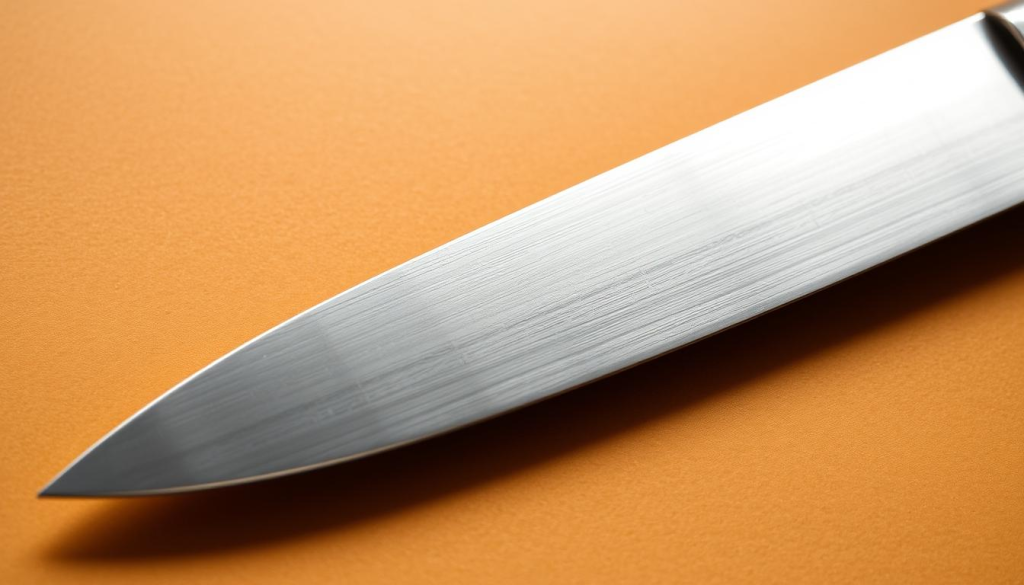
The blade size and shape of a standard chef knife are critical factors that determine its usability. Typically, these knives come in various sizes, with 8 inches being a popular choice for home cooks due to its balance between maneuverability and cutting capability. The curved shape of the blade facilitates a rocking motion, making it efficient for chopping and mincing ingredients.
As noted by culinary experts, “The curve of the blade is what allows for the smooth, continuous motion that is characteristic of efficient chopping.” This design feature is a hallmark of professional chef knife types, making them highly versatile in various culinary tasks.
Common Uses in Cooking
A standard chef knife is used for a multitude of tasks in the kitchen, from chopping vegetables to slicing meat. Its effectiveness in performing these tasks stems from its balanced design and sharp edge. Whether you’re a professional chef or a home cook, this knife is essential for preparing ingredients.
- Chopping vegetables and herbs
- Slicing meat and poultry
- Mincing garlic and ginger
The variety of tasks it can perform makes it a valuable tool, earning it a place among the most recommended professional chef knife types.
Advantages of Versatility
The versatility of a standard chef knife is one of its most significant advantages. It can be used for a wide range of kitchen tasks, making it a valuable addition to any kitchen. The ability to perform multiple functions without needing to switch between different knives streamlines the cooking process, making it more efficient.
According to a renowned chef, “A good chef knife is like an extension of your hand; it’s intuitive and makes cooking a pleasure.” This sentiment underscores the importance of having a high-quality, versatile chef knife.
In conclusion, the standard chef knife is a fundamental tool in any kitchen, known for its versatility and effectiveness. Its curved blade and balanced design make it ideal for a variety of kitchen tasks, from chopping and mincing to slicing and dicing.
Santoku Knife: The Japanese Touch
With its straight edge and flat blade, the Santoku knife is a versatile tool that has gained popularity among chefs and home cooks alike. This Japanese knife is designed for push-cutting and is particularly adept at handling tasks such as chopping vegetables and slicing boneless meat.
Differences from a Traditional Chef Knife
The Santoku knife differs significantly from a traditional chef knife in its design. Unlike the curved edge of a typical chef knife, the Santoku knife features a straight edge, which facilitates a push-cutting motion. This design makes it ideal for chopping and slicing ingredients with precision.
Ideal Ingredients for Santoku Usage
Santoku knives are particularly effective when used with certain ingredients. They excel at chopping vegetables, such as carrots and onions, and are also well-suited for slicing boneless meats and fish. The straight edge allows for smooth, even cuts, making food preparation more efficient.
Benefits of the Granton Edge
Some Santoku knives feature a Granton edge, which includes small indentations along the blade. These indentations help to reduce friction, preventing food from sticking to the knife. This feature is particularly beneficial when slicing or chopping moist or sticky ingredients, as it ensures a clean cut and makes the knife easier to clean.
| Feature | Santoku Knife | Traditional Chef Knife |
|---|---|---|
| Edge Type | Straight Edge | Curved Edge |
| Ideal Use | Chopping Vegetables, Slicing Boneless Meat | Chopping, Slicing, and Mincing Various Foods |
| Cutting Motion | Push-Cutting | Rocking Motion |
Gyuto Knife: The All-Purpose Japanese Knife
The Gyuto knife, often considered the Japanese equivalent of a Western chef’s knife, is renowned for its adaptability.
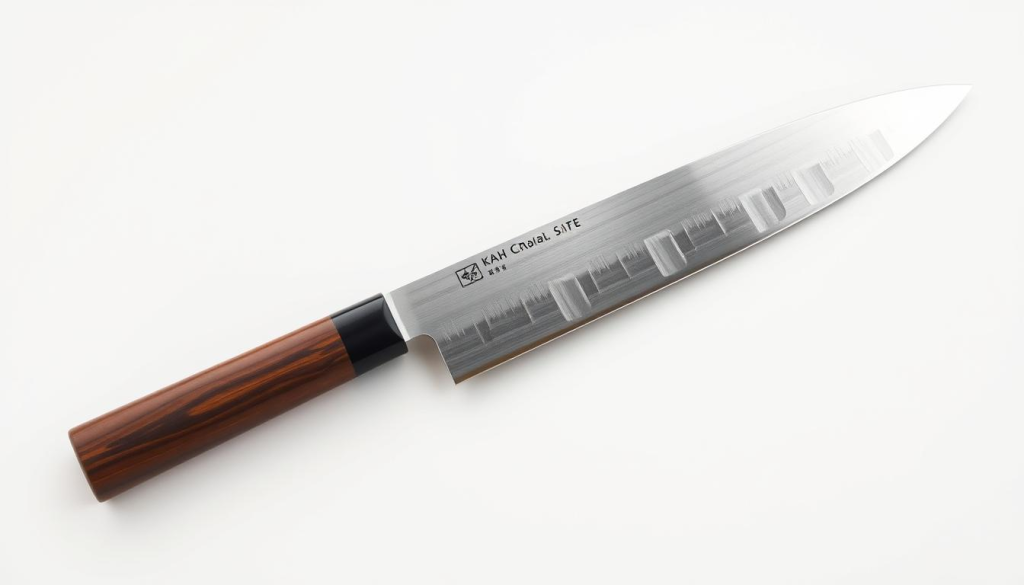
Gyuto knives are Japanese chef knives known for their versatility and are used for a variety of kitchen tasks. They have a curved blade profile, similar to Western chef knives, making them suitable for chopping, slicing, and mincing.
Characteristics of Gyuto Knives
Gyuto knives are characterized by their curved blade profile, which allows for a rocking motion, making them efficient for chopping and mincing. They are typically made with high-carbon steel, known for its sharpness and durability.
The balance and weight distribution of Gyuto knives contribute to their overall performance, making them a favorite among professional chefs.
Best Uses for Gyuto Knives
Gyuto knives are used for a wide range of tasks, from preparing vegetables to slicing meat. Their versatility makes them an essential tool in many kitchens.
- Chopping vegetables
- Slicing meat and fish
- Mincing herbs and garlic
As noted by culinary experts, “A good Gyuto knife is like an extension of the chef’s hand, providing precision and control in various kitchen tasks.”
“The Gyuto knife’s versatility and performance make it a valuable addition to any kitchen, whether for a professional chef or a home cook.”
Comparison to Other Chef Knives
When compared to other types of chef knives, Gyuto knives stand out due to their balance, sharpness, and overall performance.
| Knife Type | Blade Profile | Primary Use |
|---|---|---|
| Gyuto | Curved | Chopping, slicing, mincing |
| Santoku | Straight-edged | Slicing, chopping |
| Western Chef Knife | Curved | Chopping, slicing, mincing |
In conclusion, the Gyuto knife is a versatile and valuable tool in the kitchen, offering a range of benefits for both professional chefs and home cooks.
Specialty Chef Knives to Consider
Beyond the standard chef knife, exploring specialty knives can elevate your cooking experience. Specialty chef knives are designed to perform specific tasks with precision and ease, making them invaluable additions to any kitchen.
Cleaver: The Heavyweight Champion
A cleaver is a broad, heavy knife used for chopping through bones and thick vegetables. Its robust design makes it a versatile tool for various kitchen tasks. Using a cleaver effectively requires technique, but it can significantly reduce preparation time for many dishes.
Boning Knife: Precision for Meat Trimming
The boning knife is characterized by its long, thin blade, making it ideal for precision tasks such as deboning meat. Its flexibility and sharpness allow for precise cuts around bones and joints, making it an essential tool for professional chefs.
Paring Knife: The Small All-rounder
A paring knife is small and versatile, perfect for detailed work like peeling fruits and vegetables or coring. Its compact size and maneuverability make it a favorite among chefs for tasks that require precision.
When considering professional chef knife types, it’s essential to think about the specific tasks you perform most often in your kitchen. Whether it’s the heavy-duty work of a cleaver or the precision of a boning knife, having the right tool can make a significant difference. For those looking for chef knife buying tips, understanding the different types of specialty knives available is a great place to start.
Choosing the Right Chef Knife for You
The right chef knife can elevate your cooking experience, but how do you choose it? With so many options available, selecting the perfect chef knife involves considering several key factors that will impact your cooking performance and comfort.
Factors to Consider
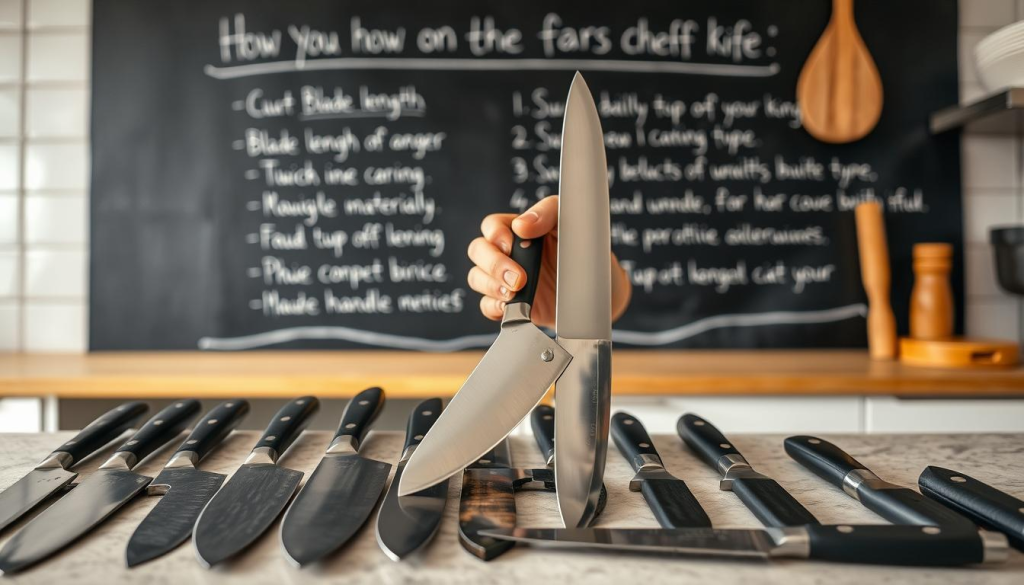
When it comes to choosing a chef knife, size, weight, and grip are crucial elements to consider. The size of the knife should fit comfortably in your hand, allowing for balanced control. A knife that is too large or too small can be cumbersome and may lead to accidents.
The weight of the knife is also important, as it affects the knife’s balance and maneuverability. A heavier knife may provide more power for chopping, but it can also lead to fatigue during extended use. On the other hand, a lighter knife is easier to handle but may lack the necessary force for certain tasks.
The grip or handle of the knife is another vital factor. Materials such as wood, plastic, or metal offer different feels and durability. A comfortable grip that fits well in your hand is essential for precise control and comfort during use.
Budgeting for Quality Chef Knives
Budget plays a significant role in choosing a chef knife. Quality knives can range from affordable to very expensive. Setting a budget helps narrow down your options. It’s essential to balance cost with the quality and features you need.
- Entry-level knives offer good quality at a lower price.
- Mid-range knives provide a balance between quality and cost.
- High-end knives are made from premium materials and often feature advanced craftsmanship.
Brand Recommendations and Reviews
Researching brand recommendations and reviews can provide valuable insights into the performance and durability of a chef knife. Look for brands known for their quality and customer service. Reading reviews from other users can help you understand the strengths and weaknesses of a particular knife.
Some top brands to consider include Wüsthof, Shun, and Zwilling J.A. Henckels, known for their high-quality materials and craftsmanship. Checking reviews on multiple platforms can give you a well-rounded view of a knife’s performance in real-world use.
Maintaining Your Chef Knives
Maintaining your chef knives is crucial for both performance and longevity. Proper care ensures that your knives remain in good condition, continue to perform well, and stay safe to use.
Proper Cleaning Techniques
Cleaning your chef knives properly is the first step in their maintenance. It’s recommended to wash them by hand with mild soap and dry them thoroughly to prevent rust, especially if your knives have carbon steel blades. Avoid putting your chef knives in the dishwasher, as the high heat and harsh detergents can damage the handles and blades.
Handle materials like wood or certain synthetic materials can be particularly susceptible to damage from dishwasher cycles. Hand washing and drying allow you to inspect your knives for any signs of wear or damage.
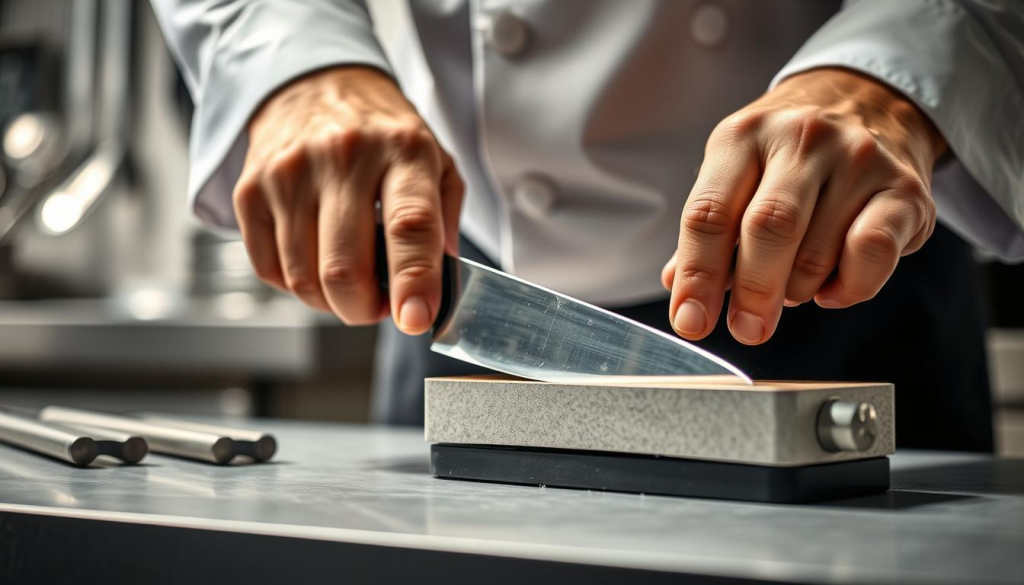
Sharpening Methods and Tools
Sharpening is a critical aspect of maintaining your chef knives. A dull knife is not only less effective but also more dangerous, as it requires more force and can slip more easily. There are various sharpening methods and tools available, including whetstones, sharpening steels, and electric sharpeners.
- Whetstones offer a traditional method for sharpening and can be used to achieve a very sharp edge.
- Sharpening steels are used to hone the edge of your knife between sharpenings.
- Electric sharpeners provide a quick and easy way to sharpen your knives but may remove more metal than necessary.
Storing Your Knives Safely
Storing your chef knives safely is essential for preventing accidents and maintaining the quality of your knives. Options for storing knives include knife blocks, magnetic strips, and drawer organizers. Each has its advantages, and the best choice depends on your kitchen setup and personal preference.
Using a knife block or a magnetic strip can keep your knives organized and within easy reach, while also protecting the blades. For kitchens with limited counter space, a drawer organizer can be a practical solution.
By following these maintenance tips, you can ensure that your chef knives remain in excellent condition, providing you with years of reliable service. This is part of our ultimate chef knife guide, designed to help you make the most of your kitchen tools.
The Importance of Knife Skills in Cooking
Developing good knife skills can significantly enhance your cooking experience. Whether you’re a seasoned chef or a beginner in the kitchen, mastering the art of handling a knife is crucial for efficient meal preparation.
Techniques for Better Precision
To improve your knife skills, it’s essential to focus on proper techniques. This includes maintaining a firm grip on the knife, using the correct cutting motions, and ensuring your fingers are curled under to avoid accidents.
- Practice the pinch grip, holding the blade between your thumb and index finger for control.
- Use a rocking motion for chopping herbs and vegetables.
- Employ a smooth, even motion for slicing ingredients.
Regular practice of these techniques will lead to better precision and confidence in the kitchen.
Knife Skills for Home Cooks vs. Professionals
While the basics of knife skills apply to both home cooks and professionals, the level of complexity and precision required can vary. Professionals often need advanced techniques for intricate preparations, whereas home cooks can benefit from mastering basic cuts and knife handling.
| Skill Level | Techniques | Applications |
|---|---|---|
| Basic | Chopping, slicing, dicing | Everyday meal preparation |
| Advanced | Julienne, chiffonade, tourné | Professional cooking, intricate dishes |
Regardless of your cooking level, improving your knife skills will make a significant difference in your cooking efficiency and safety.
Where to Buy Quality Chef Knives
For culinary enthusiasts, locating a reliable source for quality chef knives is a crucial step in elevating their cooking experience. Whether you’re a seasoned chef or an avid home cook, having the right knife can make a significant difference in your culinary endeavors.
Top Retailers for Chef Knives
Several retailers specialize in offering high-quality chef knives, catering to various needs and preferences. Some of the top retailers include:
- Specialty kitchen stores that offer a wide range of chef knives from renowned brands.
- Online marketplaces that provide customer reviews and competitive pricing.
- Directly from manufacturers’ websites, where you can often find detailed product information.
Online vs. In-store Shopping
The decision to shop online or in-store depends on personal preference and the type of shopping experience you’re looking for. Online shopping offers convenience and the ability to read reviews from other customers. On the other hand, in-store shopping allows you to physically handle the knives, getting a feel for their weight, balance, and sharpness.
Assessing Knife Quality Before Purchase
When buying a chef knife, assessing its quality is paramount. Key factors to consider include the material of the blade, the construction of the knife, and its edge retention. High-carbon stainless steel is often preferred for its durability and resistance to corrosion. Additionally, a well-constructed knife with a comfortable handle can significantly enhance your cooking experience.
By considering these factors and knowing where to look, you can find the best chef knives that suit your needs, enhancing your culinary skills and overall cooking enjoyment.
Trends in Chef Knives and Innovations
Sustainability and performance are driving the latest trends in chef knives, revolutionizing the way chefs cook and interact with their tools. The industry is shifting towards more eco-friendly practices, incorporating materials that reduce environmental impact without compromising on quality.
Eco-Friendly Materials in Knife Manufacturing
The use of eco-friendly materials in chef knife manufacturing is gaining traction. Manufacturers are now opting for sustainable resources such as recycled metals, bioplastics, and sustainably sourced wood for handles. These materials not only reduce the carbon footprint but also offer durability and aesthetic appeal.
Eco-friendly handle materials are becoming increasingly popular, with options like bamboo, recycled plastic, and even mushroom-based composites. These materials provide a comfortable grip and are gentle on the environment.
Design Innovations for Comfort and Performance
Alongside eco-friendly materials, design innovations are enhancing both the comfort and performance of chef knives. Ergonomic handle designs reduce fatigue, while advancements in blade technology improve cutting efficiency.
Some of the top chef knife styles now feature Granton edges, which reduce friction and prevent food from sticking to the blade. Others incorporate unique blade shapes and angles designed for specific cutting tasks, improving precision and ease of use.
- Ergonomic handles for reduced fatigue
- Granton edges for reduced friction
- Specialized blade shapes for precision cutting
As the culinary world continues to evolve, the demand for chef knives that are both sustainable and high-performance will drive further innovation. Chefs and home cooks alike can look forward to a future where their tools are not only effective but also environmentally conscious.
Conclusion: Finding Your Perfect Chef Knife
Now that we’ve explored the various types of chef knives, their characteristics, and uses, it’s time to find the one that suits you best. The ultimate chef knife guide is not just about knowing the different knives; it’s about understanding how they can enhance your cooking experience.
Key Takeaways
From the standard chef knife to the Santoku and Gyuto knives, each type has its unique features and benefits. By considering your cooking style and the tasks you perform most often, you can make an informed decision when selecting a chef knife.
Experimenting with Knives
We encourage you to explore and experiment with different knives, as this is the best way to discover what truly works for you. When looking for the perfect chef knife, remember to consider factors such as size, weight, and grip, and don’t hesitate to seek out chef knife buying tips from experts and reviews.
By following this ultimate chef knife guide, you’ll be well on your way to finding the perfect knife that makes cooking a joy, not a chore.