For any professional chef, a good knife is an indispensable tool. It’s an extension of their hand, a precision instrument that can make or break the cooking experience. With so many options available, choosing the right one can be daunting.
The type of knife, its material, weight, and balance all play a crucial role in determining its effectiveness. Japanese-style and German-style knives are two popular options, each with its unique characteristics. Understanding these differences is key to selecting the best knife for your needs.
Key Takeaways
- Material and construction are crucial for a knife’s durability and performance.
- The weight and balance of a knife affect its usability and comfort.
- Different styles, such as Japanese and German, offer unique benefits.
- A good knife is essential for precision and efficiency in cooking.
- Choosing the right knife depends on personal preference and cooking style.
Understanding the Importance of a Quality Chef Knife
A quality chef knife is the backbone of any professional kitchen, enabling chefs to prepare dishes efficiently and safely. It’s a tool that not only affects the outcome of culinary preparations but also influences the chef’s comfort and productivity during long hours in the kitchen.
Why Chef Knives Matter in Professional Kitchens
In professional kitchens, chef knives are used extensively for various tasks, from chopping vegetables to slicing meat. A top-rated chef knife can make these tasks easier, faster, and more precise, directly impacting the quality of the dishes prepared. Moreover, a good chef knife is designed to reduce fatigue, allowing chefs to work for longer periods without strain.
The importance of a quality chef knife is also reflected in its durability. Unlike lower-quality knives that may need frequent replacement, a well-made professional chef knife set can last for years, providing a consistent performance that chefs can rely on.
Key Features to Look For
When selecting a chef knife for professional use, several key features should be considered. First and foremost is the sharpness of the blade. A sharp knife is not only more effective but also safer, as it requires less force to cut through ingredients, reducing the risk of accidents.
Another crucial feature is the balance of the knife. A well-balanced knife feels comfortable in the hand, reducing fatigue during extended use. The material of the blade is also important, with high carbon stainless steel being a popular choice for its durability, resistance to corrosion, and ease of sharpening.
Lastly, the handle of the knife should provide a comfortable grip, even when wet. Ergonomically designed handles can significantly enhance the overall usability of the knife, making it an essential consideration for professional chefs.
By focusing on these key features and understanding the importance of a quality chef knife, professionals can make informed decisions when selecting chef knives for professional use, ultimately enhancing their performance and the quality of their culinary creations.
Top Brands for Professional Chef Knives
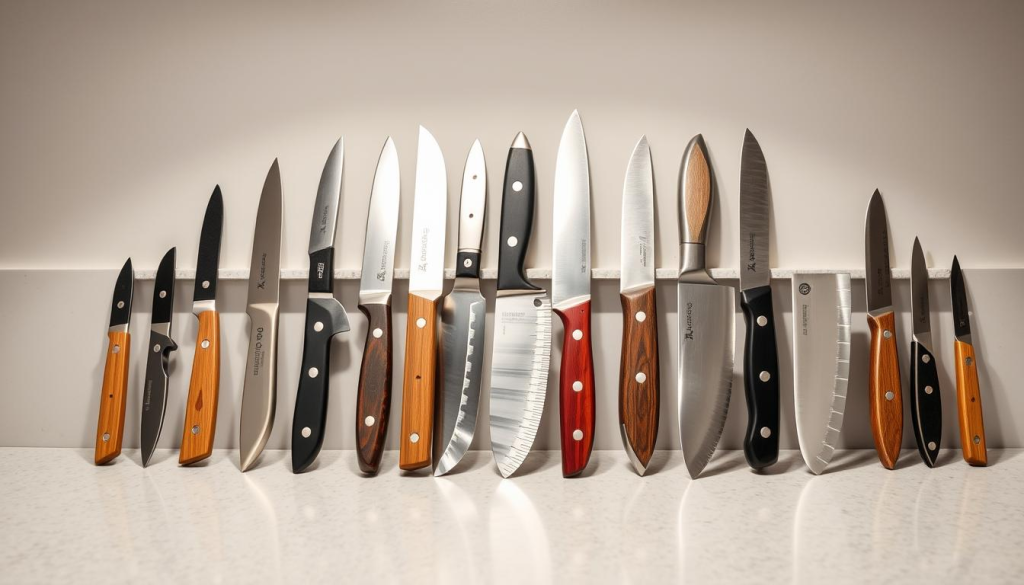
The world of professional chef knives is dominated by a few exceptional brands known for their craftsmanship. These brands have earned the trust of culinary experts worldwide by delivering high-quality, durable, and ergonomic professional chef knives.
Wüsthof: A Legacy of Craftsmanship
Wüsthof is a renowned brand that has been synonymous with quality chef knives for over 200 years. Their knives are known for their precision, durability, and ergonomic design, making them a favorite among professional chefs. Wüsthof offers a range of chef knives for culinary experts, including the Classic Ikon and Grand Prix II collections.
- High-carbon stainless steel blades for durability
- Precision-forged for a balanced feel
- Ergonomic handles for comfort
Shun: Artisan Japanese Knives
Shun is a brand that represents the pinnacle of Japanese knife craftsmanship. Their knives are made using traditional techniques combined with modern technology, resulting in exceptionally sharp and durable blades. Shun knives are highly regarded by chefs for their precision and beauty.
- Hand-sharpened edges for ultimate sharpness
- High-carbon stainless steel for strength
- Beautifully crafted handles made from natural materials
Victorinox: Affordable Quality
Victorinox is a Swiss brand known for its high-quality, affordable knives. Their Fibro Pro series, in particular, is popular among chefs for its ergonomic design and durability. Victorinox knives offer excellent value for money, making them accessible to both professionals and home cooks.
- High-carbon stainless steel for durability
- Ergonomic handles with textured grip
- Affordable pricing without compromising on quality
In conclusion, when looking for professional chef knife brands, Wüsthof, Shun, and Victorinox stand out for their commitment to quality, craftsmanship, and ergonomic design. Whether you’re a seasoned chef or just starting your culinary journey, these brands offer a range of chef knives for culinary experts that can enhance your cooking experience.
Essential Knife Types for Every Chef
Every professional chef knows that having the right knives is crucial for success in the kitchen. The variety of knives available can be overwhelming, but certain types stand out as essentials for any chef’s toolkit.
Chef’s Knife: The Versatile Workhorse
The Chef’s Knife is often considered the most versatile and essential knife in any kitchen. Its broad blade and curved edge make it ideal for chopping, slicing, and mincing ingredients. A good Chef’s Knife can handle a wide range of tasks, from preparing vegetables to slicing meat.
Key Features:
- Blade length typically between 8-12 inches
- Curved edge for smooth rocking motion
- Balanced weight for comfortable use
Paring Knife: Precision and Control
A Paring Knife is a small, agile knife used for precision tasks such as peeling and coring fruit and vegetables, and trimming meat. Its compact size and sharp edge provide the control needed for delicate work.
Key Features:
- Short blade, usually 2-4 inches long
- Sharp, pointed tip for precision
- Ergonomic handle for comfortable grip
“A good knife is like a good friend; it becomes an extension of yourself.”
Santoku Knife: The Japanese Influencer
The Santoku Knife is a Japanese-style knife that has gained popularity worldwide for its versatility and performance. It is designed for chopping, slicing, and mincing, with a straight edge and a flat, broad blade.
Key Features:
- Typically has a blade length of 5-7 inches
- Straight edge for precise cuts
- Lightweight design for reduced fatigue
Understanding the different types of knives and their uses can significantly enhance a chef’s efficiency and effectiveness in the kitchen. Whether you’re a seasoned professional or an aspiring chef, having the right knives is essential for culinary success.
Choosing the Right Blade Material
Selecting the right blade material is essential for any professional chef looking to invest in top-rated chef knives. The material used can significantly affect the knife’s performance, durability, and overall value.
High Carbon Stainless Steel: The Gold Standard
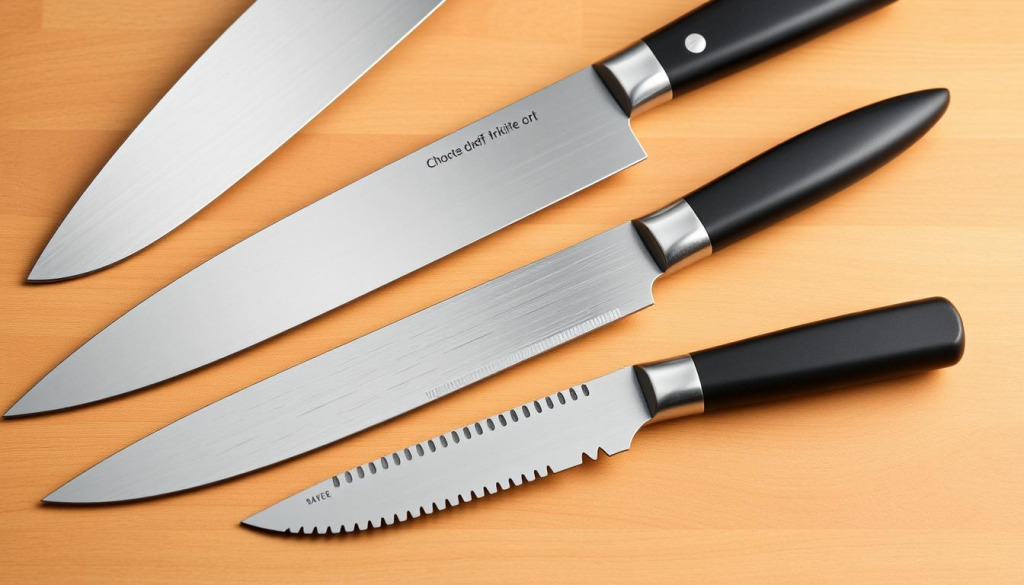
High carbon stainless steel is often considered the gold standard for professional chef knives. This material offers a perfect blend of durability, resistance to corrosion, and ease of sharpening. Knives made from high carbon stainless steel are less likely to rust and can withstand the rigors of a professional kitchen.
- Excellent corrosion resistance
- High durability and strength
- Easy to sharpen and maintain
Ceramic Blades: Pros and Cons
Ceramic blades, on the other hand, offer a unique set of advantages and disadvantages. They are known for their exceptional sharpness and lightweight feel. However, they can be brittle and prone to chipping.
The pros of ceramic blades include:
- Extremely sharp edge retention
- Lightweight, reducing fatigue
- Resistant to corrosion
However, the cons are significant:
- Brittle and prone to chipping
- Difficult to sharpen
- Not suitable for heavy-duty tasks
When choosing between high carbon stainless steel and ceramic blades, professional chefs must consider their specific needs and preferences. For those who prioritize durability and versatility, high carbon stainless steel may be the better choice. For those who value sharpness and lightness, ceramic could be the way to go.
Best Professional Chef Knives in 2023
The best professional chef knives in 2023 are a blend of tradition, innovation, and precision engineering. As culinary techniques continue to evolve, the demand for high-quality, ergonomic professional chef knives has never been higher.
Premium Picks for Serious Chefs
For serious chefs, a premium knife is an investment in their craft. Brands like Wüsthof and Shun are renowned for their exceptional quality and performance. The Wüsthof Classic Ikon 8-Inch Cook’s Knife is a favorite among professionals, offering a perfect balance of sharpness and durability.
Another premium option is the Shun DM0706 Classic Santoku Knife, which boasts a VG-MAX steel blade and a comfortable, ergonomic handle. These knives are designed to provide precision and control, making them indispensable in any professional kitchen.
Budget-Friendly Alternatives
Not all chefs can afford premium knives, but that doesn’t mean they have to compromise on quality. Brands like Victorinox and Mercer Culinary offer excellent budget-friendly alternatives. The Victorinox Fibro Pro 8-Inch Chef’s Knife is a popular choice, known for its sharpness and durability at an affordable price.
The Mercer Culinary Genesis 8-Inch Chef’s Knife is another great option, featuring a high-carbon stainless steel blade and a comfortable, contoured handle. These knives prove that you don’t have to break the bank to get a great chef’s knife.
Best Knife Sets for Culinary Experts
For culinary experts, a knife set can be a valuable addition to their arsenal. The Wüsthof Classic Ikon 7-Piece Knife Set is a top choice, offering a comprehensive range of knives for various tasks. This set includes a chef’s knife, paring knife, and utility knife, among others, all crafted with Wüsthof’s signature precision.
Another excellent option is the Shun Premier 7-Piece Knife Set, which features a range of knives designed for specific cutting techniques. This set is ideal for chefs who demand the best and are willing to invest in their craft.
| Knife Model | Blade Material | Handle Material | Price Range |
|---|---|---|---|
| Wüsthof Classic Ikon 8-Inch | High Carbon Stainless Steel | Polypropylene | $100-$150 |
| Shun DM0706 Classic Santoku | VG-MAX Steel | Pakkawood | $200-$250 |
| Victorinox Fibro Pro 8-Inch | High Carbon Stainless Steel | Polypropylene | $20-$50 |
| Mercer Culinary Genesis 8-Inch | High Carbon Stainless Steel | Contoured Handle | $50-$100 |
Knife Maintenance and Care Tips
Proper care and maintenance of your chef knives can significantly enhance their durability and effectiveness. A well-maintained knife not only performs better but also lasts longer, making it a worthwhile investment for any professional chef.
Proper Cleaning Techniques
Cleaning your chef knives regularly is essential to prevent the buildup of bacteria and other contaminants. It’s recommended to hand wash your knives with mild soap and dry them immediately to prevent rust.
- Wash your knives by hand to avoid damage from the dishwasher’s high heat and harsh detergents.
- Dry your knives thoroughly after washing to prevent water spots and rust.
- Use a soft sponge or cloth to clean the knife to avoid scratching the blade.
Sharpening Your Knife: Tools and Techniques
Sharpening is a critical aspect of knife maintenance. A dull knife is not only less effective but also more dangerous, as it requires more force to cut, increasing the risk of accidents.
There are several tools available for sharpening chef knives, including whetstones, sharpening steels, and electric sharpeners. The choice of tool often depends on personal preference and the level of sharpening required.
| Sharpening Tool | Description | Skill Level |
|---|---|---|
| Whetstone | A flat, rectangular stone used for sharpening | Advanced |
| Sharpening Steel | A long, thin rod used to hone the knife’s edge | Intermediate |
| Electric Sharpener | An automated device that sharpens the knife | Beginner |
Storing Your Knives Safely
Proper storage is crucial to maintaining the quality and longevity of your chef knives. Improper storage can lead to damage, dulling, or even accidents.
“A good knife is like a good friend; it needs care and attention to perform at its best.”
Consider using a knife block, magnetic strip, or protective case to store your knives safely. Avoid storing knives loose in a drawer, as this can cause damage and dulling.
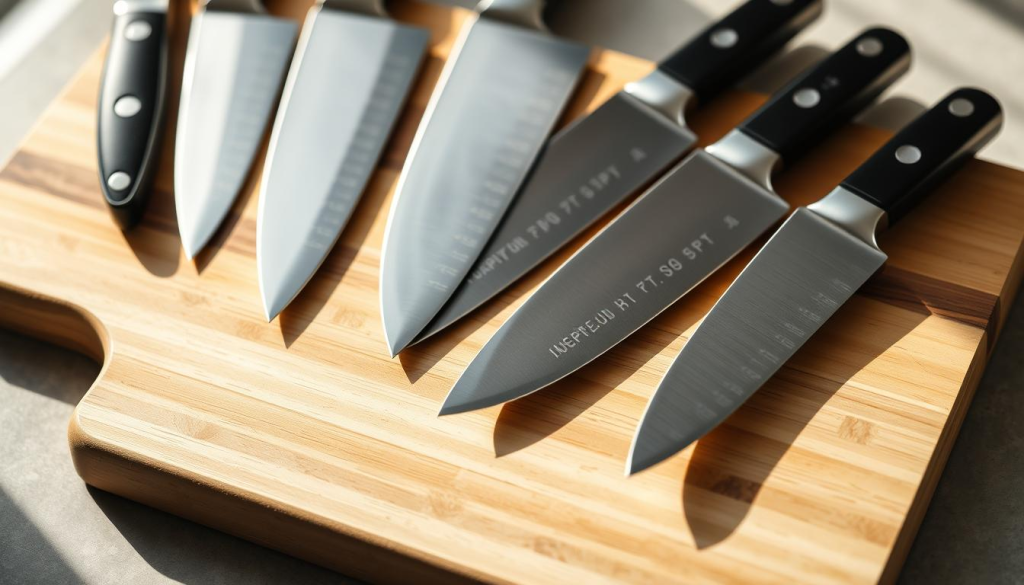
By following these tips on cleaning, sharpening, and storing your chef knives, you can ensure they remain in excellent condition, providing you with years of reliable service.
Enhancing Your Skills with the Right Knife
Mastering culinary skills begins with the right equipment, and a professional chef knife is at the forefront of this equipment. A good knife not only enhances a chef’s performance but also improves their overall technique and efficiency in the kitchen.
How a Good Knife Can Improve Efficiency
A high-quality chef knife allows chefs to perform tasks with greater ease and precision. The balance, sharpness, and ergonomics of a well-crafted knife reduce fatigue and enable chefs to work more efficiently. For instance, a high carbon stainless steel blade retains its sharpness longer, reducing the need for frequent sharpening.
The right knife also improves cutting techniques. With a balanced knife, chefs can make smooth, precise cuts, which is crucial for both presentation and cooking consistency. Here are some benefits of using a high-quality chef knife:
- Improved cutting precision
- Reduced fatigue due to ergonomic design
- Enhanced durability with proper care
Techniques for Cutting Like a Pro
To get the most out of a professional chef knife, mastering various cutting techniques is essential. Techniques such as the claw grip for safety and the pinch grip for control can significantly enhance a chef’s cutting abilities.
| Cutting Technique | Description | Benefit |
|---|---|---|
| Claw Grip | A technique where the fingers are curled under, protecting them from the blade. | Enhanced safety |
| Pinch Grip | A grip where the blade is pinched between the thumb and index finger. | Improved control |
Additionally, practicing different cuts such as julienne, dice, and chiffonade can help chefs become more versatile and efficient in their work. A good knife makes these techniques easier to master.
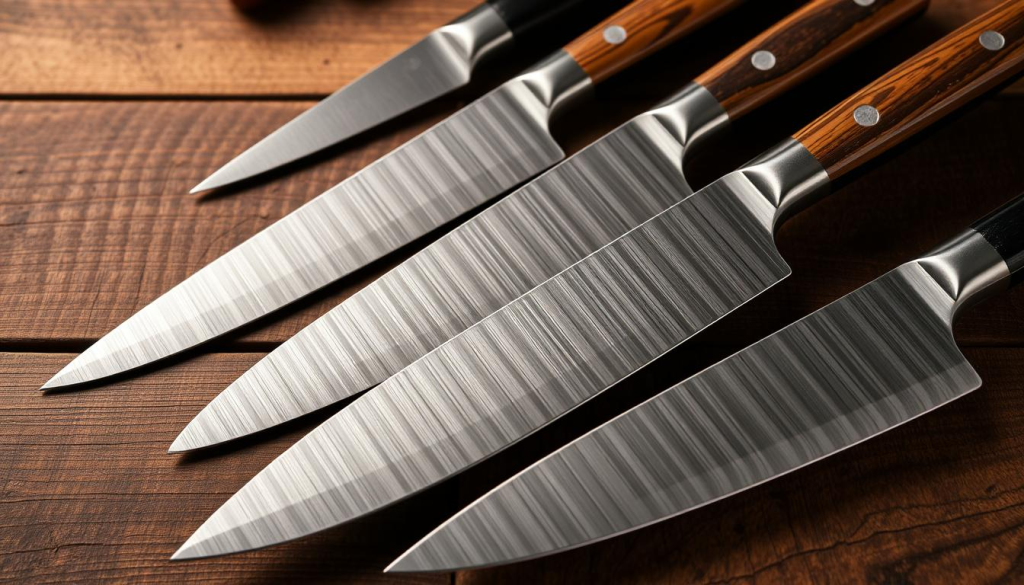
By combining a high-quality chef knife with proper techniques, chefs can significantly enhance their skills and performance in the kitchen.
The Role of Chef Knives in Culinary Arts
The art of cooking is deeply intertwined with the tools of the trade, and among them, the chef knife stands out as a fundamental element. Whether you’re a home cook or a fine dining chef, the right knife can elevate your cooking, making it more efficient and enjoyable.
Tools of the Trade: From Home Cooking to Fine Dining
In both home kitchens and professional restaurants, ergonomic professional chef knives are essential for preparing a variety of dishes. They are designed to reduce fatigue and improve precision, making them a valuable asset for any chef. For culinary experts, having the right chef knives for culinary experts can make a significant difference in the quality of their work.
From chopping vegetables to slicing meat, a good chef knife is indispensable. The choice of knife can affect not only the efficiency of food preparation but also the presentation of the final dish.
Inspiring Creativity with the Right Equipment
Having the right professional chef knife brands can inspire creativity in the kitchen. When chefs have confidence in their tools, they are more likely to experiment with new recipes and techniques. This confidence can lead to innovation and excellence in culinary arts.
Moreover, the variety of knives available allows chefs to choose the perfect tool for each task, enhancing their ability to create diverse and complex dishes. Whether it’s a Santoku knife for chopping or a paring knife for detail work, the right knife can unlock new possibilities in cooking.
In conclusion, chef knives play a vital role in culinary arts, serving as both practical tools and inspirations for creativity. By choosing the right knives, chefs can improve their efficiency, precision, and overall cooking experience.
Common Mistakes When Choosing Chef Knives
The process of selecting a chef knife can be daunting, and many professionals fall into common pitfalls that affect their performance in the kitchen. Choosing the right professional chef knife set is crucial for efficiency, safety, and the overall quality of food preparation.
One of the most significant decisions a chef makes is selecting the right knife. With so many options available, it’s easy to make a mistake. Here, we’ll explore some of the most common errors and how to avoid them.
Avoiding Overly Heavy Knives
One common mistake is choosing a knife that is too heavy. While it might seem that a heavier knife would be more effective, the reality is that it can lead to fatigue and decreased precision over time. A good top rated chef knives review will often highlight the balance between weight and usability.
When selecting a knife, consider the balance and feel in your hand. A well-balanced knife will have the weight evenly distributed between the blade and the handle, making it easier to maneuver and control.
Not Considering Handle Comfort
Another critical mistake is neglecting the comfort of the handle. The handle is where your hand will be, and an uncomfortable or poorly designed handle can lead to strain and discomfort during extended use. When choosing chef knives for professional use, it’s essential to consider the ergonomics of the handle.
A good handle should fit comfortably in your hand, providing a secure grip without causing strain. Materials and design play a significant role in handle comfort, with some materials offering better grip and durability than others.
| Feature | Ideal Characteristic | Common Mistake |
|---|---|---|
| Weight | Balanced, not too heavy | Choosing overly heavy knives |
| Handle Comfort | Ergonomic, comfortable grip | Neglecting handle design |
| Material | High-quality, durable | Opting for low-quality materials |
By avoiding these common mistakes, professionals can select a professional chef knife set that enhances their performance and longevity in the kitchen.
Conclusion: Finding Your Perfect Chef Knife
Selecting the right chef knife is a crucial step in elevating your culinary skills. With the knowledge gained from this article, you’re now equipped to make an informed decision when choosing the best chef knives for professionals.
Key Considerations
When searching for the ideal chef knife, consider factors such as material, weight, and balance. High-carbon stainless steel and ergonomic designs are key features to look for in ergonomic professional chef knives.
Enhancing Your Culinary Journey
Investing in quality chef knives for culinary experts can significantly enhance your cooking experience. Whether you’re a seasoned chef or an aspiring culinary artist, the right knife can inspire creativity and improve efficiency in the kitchen.
As you continue on your culinary journey, remember that the right tools can make all the difference. By choosing the best chef knives for your needs, you’ll be well on your way to creating delicious dishes with precision and confidence.