
For centuries, Japanese culinary tradition has been shaped by a remarkable legacy of craftsmanship, with multi-generational blacksmiths creating exceptional pieces.
The story of Aritsugu spans over 400 years, establishing it as a premier brand in the world of high-quality cutlery. Each knife is meticulously handmade, reflecting the dedication and skill of Japanese craftsmen.
This centuries-old tradition has not only influenced Japanese cuisine but has also gained recognition worldwide for its excellence and precision.
Key Takeaways
- Aritsugu’s legacy spans over 400 years, deeply rooted in Japanese culinary tradition.
- Each Aritsugu knife is handmade by skilled, multi-generational blacksmiths.
- The brand is renowned for its high-quality cutlery, reflecting centuries of craftsmanship.
- Aritsugu knives have significantly influenced Japanese cuisine and gained global recognition.
- The art of knife-making is a testament to the dedication of Japanese craftsmen.
The Origins of Aritsugu Knives
Japanese knife-making, a tradition that spans centuries, is the foundation upon which Aritsugu was built. This ancient craft, influenced by the country’s rich history of swordsmithing, has evolved into a distinct art form that Aritsugu has mastered over the years.
A Historical Overview
The tradition of Japanese knife-making dates back over 800 years, with various regions developing their unique lineage of swordsmiths. This historical context is crucial in understanding the origins of Aritsugu knives. The craft of making knives was heavily influenced by the techniques used in samurai sword production, emphasizing strength, durability, and precision.
“The art of knife-making in Japan is not just about creating a tool, but about crafting a piece of art that reflects the soul of the craftsman.”
Aritsugu’s history is intertwined with this broader narrative of Japanese knife-making. The brand’s early days were marked by a dedication to preserving traditional techniques while innovating to meet the evolving needs of chefs and cooks.
The Founding of Aritsugu
Aritsugu was founded on the principles of quality, craftsmanship, and innovation. The founders, skilled in the art of traditional Japanese knife-making, sought to create knives that were not only functional but also works of art. Over time, Aritsugu has become synonymous with excellence in the culinary world.
| Year | Event | Significance |
|---|---|---|
| Early 1800s | Founding of Aritsugu | Marked the beginning of Aritsugu’s journey in traditional Japanese knife-making. |
| Late 1800s | Adoption of new techniques | Aritsugu began incorporating modern innovations into traditional knife-making. |
| Present Day | Global recognition | Aritsugu knives are now celebrated worldwide for their quality and craftsmanship. |
The evolution of Aritsugu from its founding to its current status as a respected name in the culinary world is a testament to the brand’s commitment to excellence and tradition.
Craftsmanship and Techniques
The craftsmanship behind Aritsugu knives is a rich tapestry of traditional Japanese knife-making and modern advancements. For centuries, Japanese craftsmen have perfected the art of knife-making, blending high-carbon steel with softer iron to create blades that are both durable and sharp.
Traditional Japanese Knife-Making Methods
Traditional Japanese knife-making is an art form that involves meticulous attention to detail and a deep understanding of the materials used. Aritsugu craftsmen employ techniques similar to those used in forging samurai swords, ensuring that each knife is not only functional but also a work of art.
“The way a Japanese craftsman wields his hammer is akin to a conductor leading an orchestra; every strike is precise, deliberate, and beautiful.”
The process involves folding and hammering the steel multiple times to remove impurities and achieve the desired hardness. This labor-intensive process results in knives that are renowned for their sharpness and durability.
| Technique | Description | Benefit |
|---|---|---|
| Forging | Heating and hammering steel to shape the blade | Creates a strong, durable blade |
| Folding | Folding steel to remove impurities | Enhances the blade’s sharpness and purity |
| Tempering | Heat treatment to achieve optimal hardness | Ensures the blade retains its sharpness |
Modern Innovations in Production
While traditional techniques remain at the heart of Aritsugu’s craftsmanship, modern innovations have been incorporated to enhance the production process. Advanced technology is used to precision-tune the knives, ensuring consistency and quality.
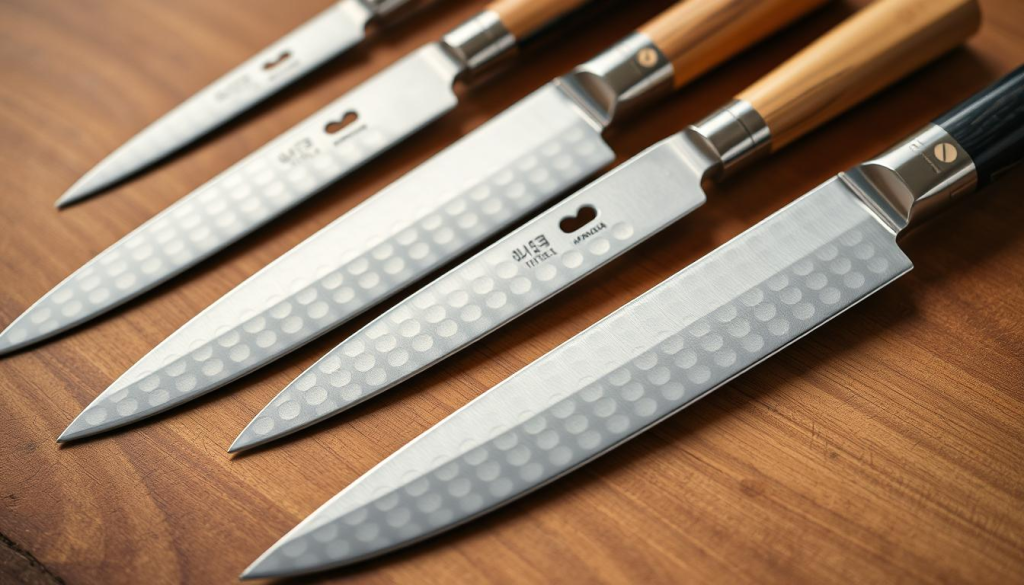
Modern machinery allows for precise control over the sharpening and finishing processes, resulting in knives that are not only beautiful but also highly functional. The combination of traditional craftsmanship and modern technology has enabled Aritsugu to maintain its high standards while catering to the needs of contemporary chefs.
Key Features of Modern Innovations:
- Precision sharpening for consistent edge retention
- Advanced materials for enhanced durability
- Ergonomic design for improved handling
The Legacy of Aritsugu
For centuries, Aritsugu has been at the forefront of Japanese knife-making, leaving an indelible mark on the culinary world. As a renowned iconic knife brand, Aritsugu’s influence extends beyond its historical roots, shaping both Japanese cuisine and global culinary practices.
Influential Craftsmen in Aritsugu History
Aritsugu’s legacy is built on the expertise of its skilled craftsmen, who have passed down their techniques through generations. The brand’s commitment to preserving traditional Japanese knife-making methods has been instrumental in its success. As noted by a heritage bladesmith, “The art of crafting Aritsugu knives is a delicate balance between tradition and innovation.”
The contributions of influential craftsmen have been pivotal in shaping Aritsugu’s identity. Their dedication to excellence has enabled the brand to maintain its high standards, even as it adapts to changing culinary landscapes.
“Aritsugu’s knives are not just tools; they are extensions of the chef’s artistry, embodying the spirit of Japanese cuisine.”
Aritsugu’s Impact on Global Culinary Arts
Aritsugu’s influence on global culinary arts is profound. The brand’s knives have become an essential part of many professional kitchens, valued for their quality and precision. As a result, Aritsugu has played a significant role in shaping culinary practices worldwide.
- Aritsugu’s knives are prized by chefs for their exceptional craftsmanship.
- The brand’s commitment to traditional techniques has influenced modern knife-making.
- Aritsugu’s global presence has contributed to the spread of Japanese culinary culture.
Aritsugu’s legacy is a testament to the enduring power of traditional craftsmanship in a rapidly changing world. As the brand continues to evolve, its impact on global culinary arts is likely to endure.
The Role of Aritsugu in Japanese Cuisine
Japanese cuisine is renowned for its emphasis on detail and precision, qualities that are perfectly encapsulated in Aritsugu knives. These knives are not just tools; they are an extension of the chef’s artistry and a testament to the rich tradition of Japanese knife making.
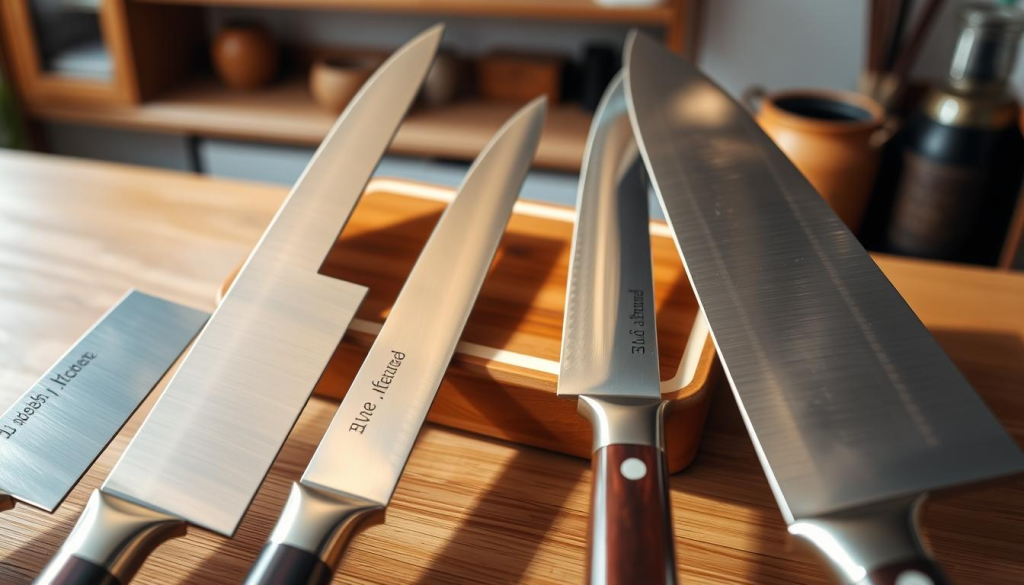
Essential Tools for Chefs
Aritsugu knives are considered essential tools for chefs in Japanese cuisine. Each knife is crafted with precision, reflecting the specific needs of various culinary tasks. From the Santoku knife, ideal for chopping, slicing, and mincing, to the Yanagiba, used for slicing fish, every Aritsugu knife is designed to meet the high standards of Japanese cooking.
The craftsmanship behind Aritsugu knives involves traditional techniques passed down through generations. The brand’s commitment to quality ensures that every knife is not only functional but also a work of art, embodying the spirit of traditional knife making.
The Cultural Significance of Knives
In Japanese culture, knives hold a significant place beyond their utility in the kitchen. They symbolize the chef’s skill and dedication to their craft. Aritsugu knives, in particular, are revered for their beauty and the story they tell of Japan’s culinary heritage.
The cultural significance of Aritsugu knives is also reflected in the rituals and practices surrounding their use. For instance, the act of sharpening a knife is considered a meditative practice, highlighting the importance of mindfulness in Japanese culinary traditions.
In conclusion, Aritsugu knives play a vital role in Japanese cuisine, serving both as indispensable tools for chefs and as cultural artifacts that embody the traditions of Japanese knife making.
Unique Features of Aritsugu Knives
The distinctiveness of Aritsugu knives lies in their superior material quality and aesthetic appeal. This blend of functionality and beauty is a hallmark of Aritsugu’s handcrafted cutlery, making them a preferred choice among culinary professionals and enthusiasts alike.
Material Quality and Durability
Aritsugu knives are crafted from high-carbon steel, known for its strength, durability, and ability to hold a sharp edge. This material choice ensures that the knives remain effective and efficient over time, withstanding the rigors of frequent use in demanding kitchen environments.
The durability of Aritsugu knives is further enhanced by the meticulous knife craftsmanship that goes into each piece. Artisans carefully select and shape the materials, employing traditional techniques that have been refined over generations.
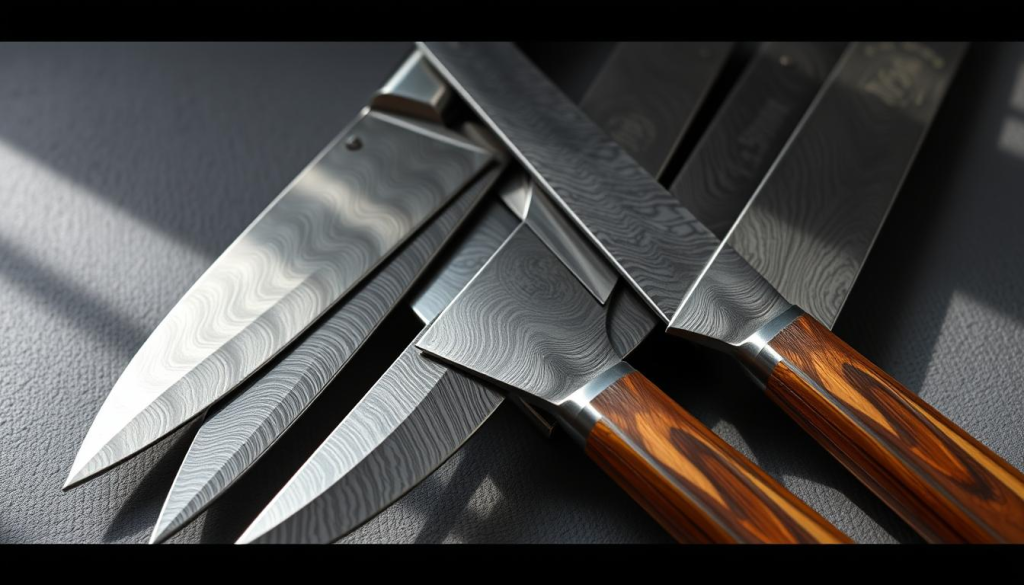
Aesthetic Design Considerations
Beyond their functional excellence, Aritsugu knives are also celebrated for their aesthetic appeal. The handles, often crafted from natural materials such as wood or bamboo, are designed to provide a comfortable grip while adding a touch of elegance to the knife’s overall design.
The intricate designs and patterns that adorn some Aritsugu knives reflect the brand’s commitment to combining form and function. Each knife is not only a tool but also a work of art, embodying the spirit of Japanese craftsmanship.
The Evolution of Knife Styles
The evolution of knife styles in Aritsugu’s collection showcases a rich blend of traditional techniques and modern designs. This blend is a result of centuries of innovation and adaptation to the changing needs of culinary professionals.
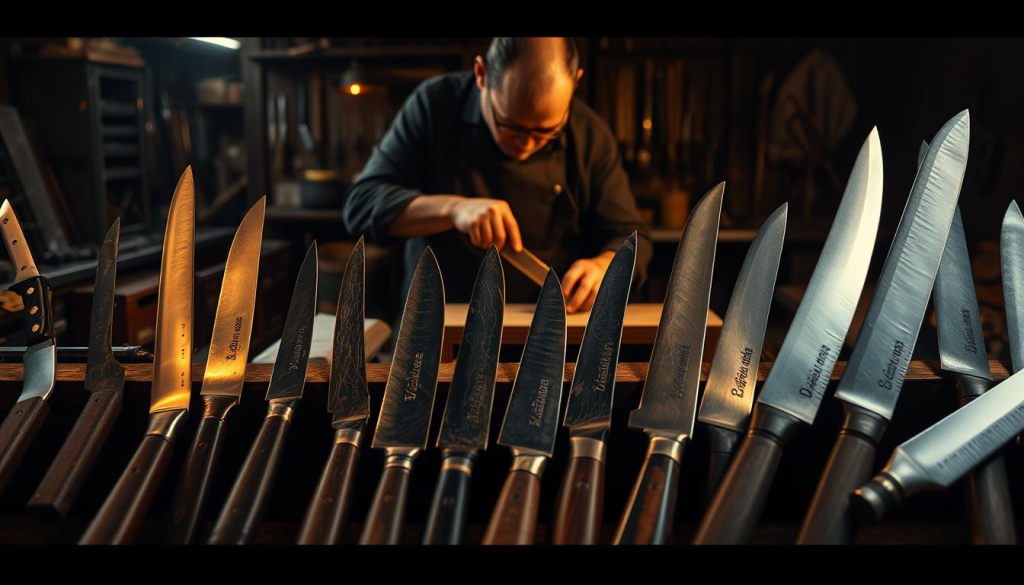
From Traditional to Contemporary Designs
Aritsugu’s history is rooted in traditional Japanese knife-making, a craft that emphasizes precision, durability, and aesthetic appeal. Over time, the company has seamlessly integrated modern designs and materials, catering to a broader range of culinary practices. This transition is evident in the variety of knife styles available, from classic yanagiba and deba knives to more contemporary designs tailored for specific culinary tasks.
The incorporation of modern materials and manufacturing techniques has allowed Aritsugu to expand its product line, making their knives more accessible to chefs worldwide. Despite these advancements, the company remains committed to its traditional roots, ensuring that each knife meets the high standards of quality and craftsmanship associated with Aritsugu.
Specialized Knives in Aritsugu’s Collection
Aritsugu offers a diverse range of specialized knives, each designed for specific tasks and culinary traditions. Some of the notable knives include:
- Yanagiba: Ideal for slicing sashimi and other delicate foods.
- Deba: Used for filleting fish and other precise cutting tasks.
- Santoku: A versatile knife suitable for chopping, slicing, and mincing.
| Knife Type | Primary Use | Characteristics |
|---|---|---|
| Yanagiba | Slicing sashimi | Long, curved blade for smooth cuts |
| Deba | Filleting fish | Thick, sturdy blade for precise cuts |
| Santoku | Chopping, slicing, mincing | Balanced design for versatile use |
The variety in Aritsugu’s knife collection reflects the company’s dedication to meeting the diverse needs of culinary professionals. Whether it’s a traditional knife or a modern design, each piece is crafted with the same attention to detail and commitment to quality.
Recognizing Authentic Aritsugu Knives
In a market flooded with counterfeit products, identifying genuine Aritsugu knives is crucial for both chefs and collectors. Authentic Aritsugu knives are characterized by their quality craftsmanship, and there are several ways to identify genuine products.
Identifying Quality Craftsmanship
Aritsugu knives are renowned for their exceptional craftsmanship. To identify authentic pieces, look for the following characteristics:
- Precision Forging: Aritsugu knives are forged from high-quality steel, ensuring durability and sharpness.
- Attention to Detail: Genuine Aritsugu knives exhibit meticulous attention to detail, from the balance of the knife to the finish of the handle.
- Signature Markings: Authentic Aritsugu knives often bear signature markings or stamps that indicate their origin.
| Characteristic | Authentic Aritsugu | Counterfeit |
|---|---|---|
| Material | High-carbon steel | Low-grade materials |
| Craftsmanship | Precision forging | Rough, uneven |
| Markings | Signature stamps | Often missing or poorly made |
Tips for Avoiding Counterfeits
To avoid counterfeit Aritsugu knives, follow these guidelines:
- Purchase from Authorized Dealers: Buying directly from authorized dealers or the official Aritsugu website ensures authenticity.
- Inspect the Packaging: Genuine Aritsugu knives come with high-quality packaging that includes authentication documents.
- Check for Certification: Look for certification or documentation that verifies the knife’s authenticity.
By being aware of these factors, consumers can make informed purchases and enjoy the superior quality that Aritsugu knives are known for.
The Global Reach of Aritsugu
The global popularity of Aritsugu knives is a testament to the brand’s dedication to producing high-quality Japanese kitchen knives. This reputation has been built over years of commitment to excellence and innovation in the culinary arts.
Aritsugu’s influence now spans across various countries, with a significant presence in the global culinary scene. The brand’s ability to adapt to different culinary traditions while maintaining its core values has been key to its success.
Distribution in the United States
The United States has become a significant market for Aritsugu, with many top chefs and culinary institutions adopting the brand. The distribution channels in the U.S. have been carefully developed to ensure that Aritsugu knives are accessible to both professional chefs and home cooks.
| Region | Distribution Channels | Notable Users |
|---|---|---|
| East Coast | Specialty kitchen stores, Online retailers | Top chefs in New York, Boston |
| West Coast | Culinary schools, High-end kitchen boutiques | Renowned chefs in Los Angeles, San Francisco |
Collaborations with International Chefs
Aritsugu has collaborated with numerous international chefs, further cementing its status in the global culinary arts. These collaborations not only showcase the versatility of Aritsugu knives but also contribute to the evolution of culinary techniques worldwide.
Some notable collaborations include working with chefs from Michelin-starred restaurants and participating in international culinary festivals. These events provide a platform for Aritsugu to demonstrate its commitment to quality and innovation.
As Aritsugu continues to expand its global footprint, it remains committed to its core values of quality, craftsmanship, and innovation. The brand’s influence on international culinary practices is a testament to the power of traditional craftsmanship in a modern context.
Care and Maintenance of Aritsugu Knives
Aritsugu knives, renowned for their craftsmanship, demand specific care to preserve their functionality and aesthetic appeal. Proper maintenance not only extends the life of these handcrafted cutlery pieces but also ensures they continue to perform optimally.
Sharpening Techniques
Sharpening is a critical aspect of knife maintenance. Aritsugu knives, with their high-carbon steel construction, require regular sharpening to maintain their edge. The process involves using a whetstone, which is a traditional method for sharpening Japanese knives.
To sharpen an Aritsugu knife, start by selecting a whetstone with a grit suitable for your knife’s current state. For a dull knife, begin with a coarse grit (about 1000) and progress to finer grits (up to 8000 or more) for polishing the edge. It’s essential to maintain the correct angle, typically around 10-15 degrees for Japanese knives, to achieve a sharp, precise edge.
| Grit Level | Purpose | Recommended Use |
|---|---|---|
| 1000 | Coarse sharpening | Dull knives, repairing damaged edges |
| 4000 | Refining edge | Regular sharpening, maintaining edge |
| 8000 | Polishing | Final polishing for a razor-sharp edge |
Proper Storage Methods
Proper storage is crucial to maintaining the quality of Aritsugu knives. It’s recommended to store them in a dry environment, away from direct sunlight, which can cause the materials to degrade. Using a katoya (knife storage box) or a magnetic strip is advisable, as these methods protect the blades and prevent accidents.
For those who prefer to store their knives in a drawer, using protective sheaths or blade guards can prevent the knives from coming into contact with other utensils or the drawer surfaces, thereby reducing the risk of damage.
By following these care and maintenance guidelines, owners of Aritsugu knives can ensure their handcrafted cutlery remains in excellent condition, continuing to provide exceptional performance and aesthetic pleasure for years to come.
Aritsugu’s Educational Contributions
As a heritage bladesmith, Aritsugu is committed to sharing its expertise through various educational initiatives. The company’s legacy extends beyond crafting exceptional knives to nurturing a community of skilled chefs and knife enthusiasts.
Workshops and Demonstrations
Aritsugu offers hands-on workshops and demonstrations that provide participants with the opportunity to learn from master craftsmen. These sessions cover a range of topics, from fundamental knife skills to advanced techniques in knife making.
- Basic knife handling and safety
- Advanced knife sharpening techniques
- Traditional Japanese knife-making methods
By engaging directly with Aritsugu’s experts, attendees gain a deeper understanding of knife craftsmanship and its significance in culinary arts.
“The art of knife making is not just about creating a tool; it’s about crafting a piece of history that will be used for generations to come.”
Online Resources for Knife Enthusiasts
In addition to in-person events, Aritsugu provides a wealth of online resources, including video tutorials, blogs, and guides on knife care and maintenance. These resources are designed to support both novice and experienced cooks in their culinary journeys.
| Resource Type | Description | Benefit |
|---|---|---|
| Video Tutorials | Step-by-step guides on knife skills and maintenance | Enhances practical knowledge |
| Blogs | Articles on the history and cultural significance of knives | Deepens understanding of knife culture |
| Guides | Comprehensive manuals on knife care and sharpening | Extends the life of knives |
Aritsugu’s commitment to education is a testament to its role as a leader in the world of heritage bladesmithing. Through its diverse educational offerings, Aritsugu continues to inspire and educate the next generation of chefs and knife enthusiasts.
Customer Reviews and Testimonials
Customer testimonials provide valuable insights into the real-world performance of Aritsugu knives. As an iconic knife brand, Aritsugu’s products are used by both professional chefs and home cooks, offering a diverse range of feedback.
Insights from Professional Chefs
Professional chefs praise Aritsugu knives for their exceptional sharpness and durability. “Aritsugu knives have become an essential part of my kitchen,” says Chef Thompson. “Their balance and edge retention are unmatched.”
The feedback from professionals highlights the knives’ performance in high-pressure environments. “I’ve used Aritsugu knives for years, and they continue to impress me with their consistency and quality,” notes Chef Lee.
Feedback from Home Cooks
Home cooks also appreciate the quality and ease of use of Aritsugu knives. “As a home cook, I was surprised by how much Aritsugu knives improved my cooking experience,” says Sarah, a home cook. “They are easy to handle and maintain.”
Many home cooks have noted the significant difference Aritsugu knives make in their cooking. The precision and sharpness of Aritsugu knives have elevated my cooking to a new level,” comments John, another satisfied customer.
| User Group | Key Feedback | Notable Features |
|---|---|---|
| Professional Chefs | Exceptional sharpness, durability | Balance, edge retention |
| Home Cooks | Ease of use, quality | Precision, sharpness |
The overall customer feedback on Aritsugu knives underscores their reputation as a leading brand in the culinary world. By considering the experiences of both professional chefs and home cooks, it’s clear that Aritsugu knives meet a high standard of quality and performance.
Future of Aritsugu Knives
Aritsugu continues to evolve, blending its centuries-old knife tradition with modern innovations to stay relevant in the culinary world. As the brand looks to the future, it remains committed to its heritage while embracing new trends and sustainable practices.
Emerging Trends
The knife-making industry is witnessing a shift towards innovative designs and materials. Aritsugu is at the forefront of this change, incorporating modern trends into its production processes. From ergonomic handle designs to advanced steel alloys, the brand is pushing the boundaries of traditional knife-making.
Sustainable Practices
Aritsugu is also focusing on sustainability in its production practices. The brand is exploring eco-friendly materials, reducing waste, and implementing environmentally responsible manufacturing processes. By combining its centuries-old knife tradition with modern innovations and sustainable practices, Aritsugu is ensuring a legacy that will continue for generations to come.