
For over 400 years, Aritsugu has been a renowned brand in the world of Japanese knives, known for its high-quality and functionality. The history of Japanese knives is closely tied to the history of Japanese swords, reflecting a deep cultural heritage.
The kanji markings on Aritsugu knives are not just aesthetically pleasing but also carry significant meaning related to the knife’s origin and craftsmanship. Understanding these markings can provide insights into the art and tradition behind these exceptional blades.
Key Takeaways
- Overview of Aritsugu’s history and significance in Japanese knife culture
- Understanding the significance of kanji markings on Aritsugu knives
- Insights into the craftsmanship and quality of Aritsugu knives
- Guidance on interpreting kanji markings for enthusiasts
- The cultural and historical context of Japanese knives
Understanding Aritsugu Knives and Their Heritage
With a legacy dating back to 1560, Aritsugu has established itself as a premier brand in the world of Japanese knives. The brand’s history is intricately linked with the history of Japanese swords, reflecting a deep-rooted tradition of craftsmanship and excellence.
A Brief History of Aritsugu
Aritsugu was founded in Kyoto, a city renowned for its cultural and historical significance in Japan. The brand’s early beginnings were marked by its involvement in crafting swords for the samurai class, a tradition that laid the foundation for its future endeavors in knife-making.
The transition from sword-making to knife production was a natural progression, given the similarities in techniques and the materials used. Aritsugu’s knives quickly gained recognition for their quality, durability, and sharpness, attributes that were honed from centuries of sword-making expertise.
Craftsmanship Behind Aritsugu Knives
The craftsmanship that goes into making Aritsugu knives is characterized by the use of high-carbon steel and a fire-forging process. This traditional method involves heating the steel to high temperatures, followed by hammering and shaping to create a blade that is both strong and sharp.
Key Features of Aritsugu Knives:
- Made from high-carbon steel for durability and sharpness
- Crafted using traditional fire-forging techniques
- Reflects centuries of Japanese sword-making heritage
A comparison of Aritsugu knives with other brands highlights the unique value proposition offered by Aritsugu’s traditional craftsmanship combined with modern functionality.
| Feature | Aritsugu Knives | Other Brands |
|---|---|---|
| Material | High-carbon steel | Varies (stainless steel, alloy) |
| Crafting Method | Fire-forged | Machine-made or stamped |
| Heritage | Rooted in traditional Japanese sword-making | Varies |
The table above illustrates the distinct characteristics of Aritsugu knives, emphasizing their heritage and craftsmanship. This legacy is a significant factor in the brand’s reputation for producing high-quality knives that are cherished by chefs and knife enthusiasts alike.
The Significance of Kanji in Japanese Knives
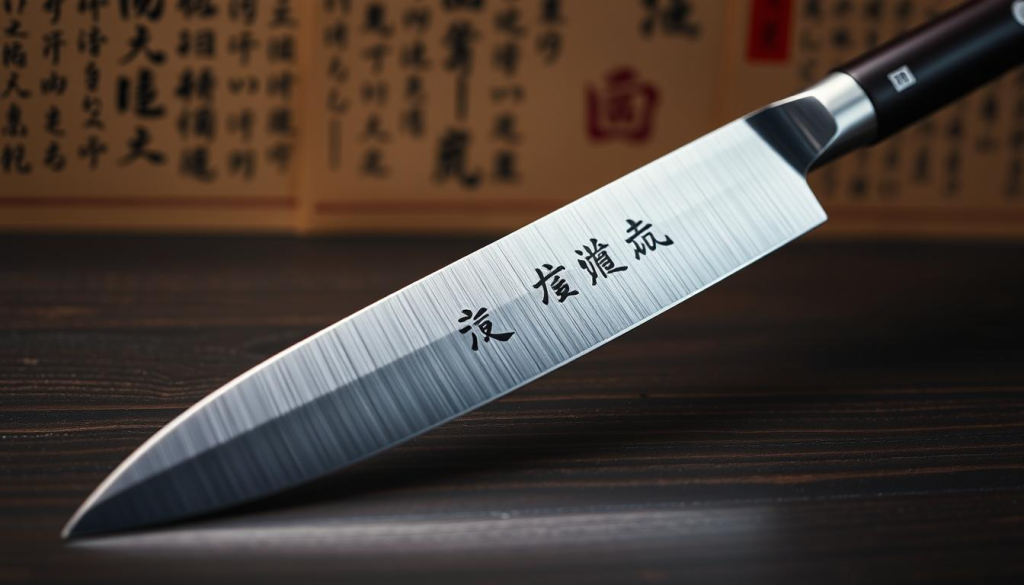
The significance of kanji in Japanese knives cannot be overstated, as these logographic characters convey meaning and significance that are deeply rooted in Japanese culture. Kanji characters are used to signify various aspects of a knife, including its origin, quality, and brand identity. In the context of Aritsugu knives, kanji markings are an integral part of the brand’s heritage and are used to convey the knife’s craftsmanship and authenticity.
What is Kanji?
Kanji is a form of Japanese writing that originated from China. It is used to convey complex meanings and concepts through logographic characters, each representing a word or idea. In Japanese culture, kanji is considered an art form and is highly valued for its aesthetic and symbolic significance.
The use of kanji in Japanese knives is a tradition that dates back centuries, with each character or symbol carrying specific meanings related to the knife’s characteristics, such as its material, craftsmanship, or intended use.
The Role of Kanji in Branding
In the context of Aritsugu knives, kanji plays a crucial role in branding by signifying the knife’s authenticity, quality, and heritage. The kanji markings on an Aritsugu knife are not merely decorative; they are a testament to the brand’s commitment to traditional craftsmanship and cultural heritage.
The specific kanji characters used by Aritsugu are carefully selected to convey the brand’s values and the knife’s unique characteristics, making each knife a representation of Japanese artistry and precision.
Common Kanji Markings Found on Aritsugu Knives
Delving into the world of Aritsugu knives reveals a rich tapestry of kanji markings that provide insight into the artistry and precision behind these blades. These markings are not merely decorative; they are significant indicators of the knife’s authenticity, quality, and heritage.
Kanji for “Aritsugu”
The kanji for “Aritsugu” is , a symbol that signifies the brand’s identity and heritage. This kanji is often prominently displayed on Aritsugu knives, serving as a mark of authenticity and a testament to the brand’s commitment to traditional craftsmanship.
Other Notable Kanji Symbols
In addition to the Aritsugu kanji, other notable symbols may be found on these knives, indicating various aspects such as:
- The type of steel used, highlighting the material’s quality and characteristics.
- The craftsmanship involved, signifying the skill and precision of the craftsmen.
- The origin of the knife, providing insight into its heritage and the traditions behind its creation.
Some common kanji symbols found on Aritsugu knives include those for “steel,” “craftsman,” and “origin.” These symbols, when understood together, provide a comprehensive view of the knife’s value and significance.
For instance, a knife marked with the kanji for “high carbon steel” indicates a blade known for its durability and sharpness. Similarly, a symbol signifying a skilled craftsman underscores the human element and expertise that goes into creating each knife.
How to Interpret Aritsugu Kanji Markings
The kanji markings on Aritsugu knives hold the key to understanding their history and craftsmanship. These characters are not just decorative; they convey important information about the knife’s origin, quality, and authenticity. Interpreting these markings can enhance your appreciation for the artistry and tradition behind Aritsugu knives.
Decoding the Symbols
Kanji symbols on Aritsugu knives often represent the brand name, the craftsman’s name, or significant messages related to the knife’s quality or purpose. For instance, the kanji for “Aritsugu” is a common marking that signifies the knife’s brand. Understanding the meaning of these symbols requires a basic knowledge of kanji and its cultural context.
Common Kanji Symbols:
- Aritsugu: Represents the brand name.
- Seisaku: Means “made by” or “crafted by,” often followed by the craftsman’s name.
- Kokoro: Translates to “spirit” or “heart,” indicating a knife made with dedication and passion.
Understanding the Numbers
Numbers found on Aritsugu knives can indicate the series, production date, or model number. These numbers are crucial for collectors and enthusiasts who want to identify the knife’s rarity or age.
| Number Type | Description | Example |
|---|---|---|
| Series Number | Indicates the knife series or collection. | 300 |
| Production Date | Signifies the year or date of manufacture. | 2023 |
| Model Number | Unique identifier for a specific knife model. | 012 |
By understanding the kanji markings and numbers on Aritsugu knives, collectors and users can gain a deeper appreciation for these traditional Japanese knives. Whether you’re a seasoned chef or a knife enthusiast, deciphering these markings can enhance your connection to the craftsmanship and heritage behind each knife.
Care and Maintenance of Aritsugu Knives
For Aritsugu knife owners, regular maintenance is key to enjoying their knife’s optimal performance over time. Proper care involves understanding the materials and craftsmanship that make these knives exceptional.
Knife Care Essentials
To maintain your Aritsugu knife, it’s essential to clean it after each use. Hand washing with mild soap and drying immediately will prevent rust and maintain the blade’s sharpness. Avoid using a dishwasher, as the high heat and harsh detergents can damage the knife.
Sharpening is another critical aspect of knife care. Aritsugu knives are made from high-carbon steel, which can be sharpened using a whetstone. It’s recommended to sharpen your knife regularly to maintain its edge. For those new to sharpening, starting with a coarse grit (about 1000) and progressing to finer grits (up to 6000 or 8000) will help achieve a razor-sharp edge.
- Use a whetstone with a coarse grit to repair or reshape the edge.
- Progress to finer grits for polishing and sharpening.
- Sharpen regularly to maintain the knife’s performance.
Keeping the Kanji Markings Intact
The kanji markings on your Aritsugu knife are not just aesthetically pleasing; they are also a mark of authenticity and craftsmanship. To keep these markings intact, avoid using abrasive cleaners or scrubbers that can wear away the engravings.
Gentle cleaning and drying are crucial. If you need to remove stubborn stains, a soft sponge or cloth with mild soap should be sufficient. For tougher stains, a mixture of baking soda and water can be used as a gentle scrub.
| Care Activity | Recommended Method | Avoid |
|---|---|---|
| Cleaning | Mild soap and hand washing | Harsh detergents and dishwasher |
| Sharpening | Whetstone (coarse to fine grit) | Electric sharpeners and steel sharpeners |
| Drying | Immediate drying with a soft cloth | Leaving the knife wet or damp |
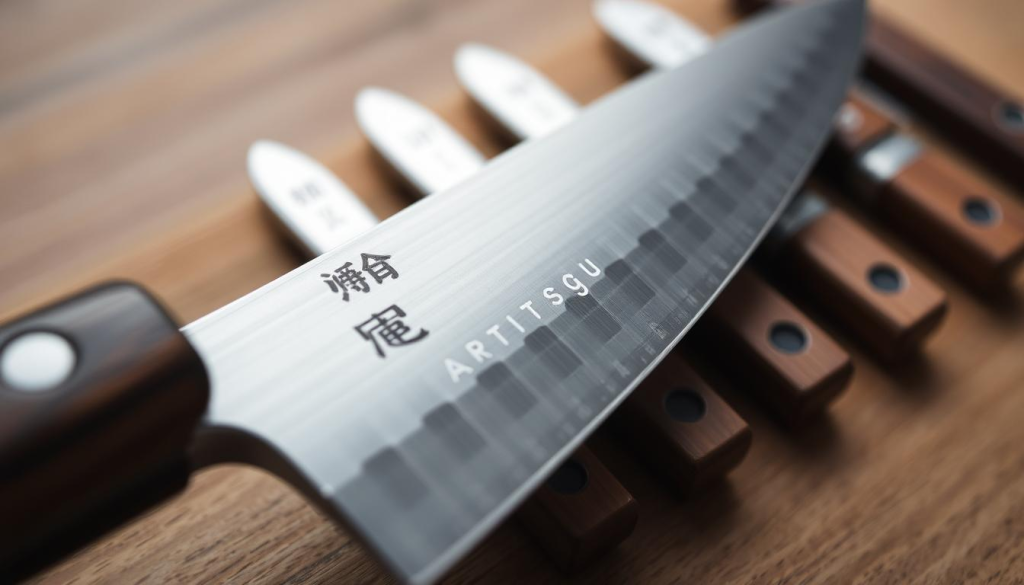
By following these care and maintenance tips, you can ensure that your Aritsugu knife remains in excellent condition, both in terms of performance and appearance. Regular care not only preserves the knife’s functionality but also its beauty and the integrity of its kanji markings.
Choosing the Right Aritsugu Knife for You
Aritsugu offers a diverse range of knives, making it essential to understand the different types and their uses to choose the right one for your needs. Whether you’re a professional chef or a home cook, the right Aritsugu knife can elevate your cooking experience.
Types of Aritsugu Knives Available
Aritsugu’s product range includes various knives designed for specific tasks. Some of the most popular types include:
- Sashimi Knives: Designed for slicing raw fish, these knives are known for their sharpness and precision.
- Santoku Knives: A versatile knife used for chopping, slicing, and mincing vegetables, meat, and fish.
- Gyuto Knives: A Japanese-style chef’s knife, ideal for a variety of kitchen tasks.
- Deba Knives: Used primarily for filleting fish and cutting through meat, these knives are sturdy and reliable.
Factors to Consider When Buying
When selecting an Aritsugu knife, several factors should be considered to ensure you find the perfect fit for your culinary needs.
- Material and Construction: Look for high-quality materials that ensure durability and performance.
- Edge Type: Decide between a straight edge or a serrated edge based on your cutting needs.
- Handle Comfort: A comfortable handle is crucial for prolonged use and control.
- Balance: The knife should feel balanced in your hand, with the weight evenly distributed between the blade and the handle.
By considering these factors and understanding the different types of Aritsugu knives available, you can make an informed decision when purchasing your next traditional Japanese knife. For those interested in purchasing, you can find an aritsugu knife for sale at reputable retailers, and it’s always a good idea to read an aritsugu knife review to get insights from other users.
Aritsugu Knife Usage Tips for Home Chefs
Aritsugu knives are renowned for their craftsmanship, but proper usage is key to unlocking their full potential. For home chefs, mastering the techniques for handling and using these traditional Japanese knives can significantly enhance their cooking experience.
Best Practices for Knife Handling
To get the most out of your Aritsugu knife, it’s crucial to adopt best practices for handling. Proper grip is fundamental; hold the knife with a firm, but not overly tight, grip. The blade should be held securely, with the index finger and thumb on either side of the blade for control. This grip allows for precise movements and reduces the risk of accidents.
Knife maintenance is another critical aspect. Regular sharpening and honing are necessary to maintain the knife’s edge. Aritsugu knives, known for their high-carbon steel, require regular care to prevent rust. Always dry the knife after washing and apply a thin layer of oil to protect the blade.
Techniques for Enhanced Performance
Understanding the correct cutting techniques is vital for optimal performance. For chopping, use a gentle, rocking motion, allowing the weight of the knife to do the work. When slicing, maintain a smooth, even motion, keeping the knife in contact with the cutting board to ensure stability.
- For precise cuts, focus on the angle of the blade and maintain consistency.
- Practice different cutting techniques to become more comfortable with your Aritsugu knife.
- Always cut away from your body to prevent accidents.
By following these tips and practicing regularly, home chefs can enhance their skills and enjoy the full benefits of their Aritsugu knives. Whether you’re preparing delicate slices or chopping ingredients, the right technique will make a significant difference in your culinary outcomes.
Where to Buy Authentic Aritsugu Knives
For those seeking high-quality Aritsugu knives, identifying trustworthy sellers is crucial. With the rise of online shopping, it’s become easier to find Aritsugu knives for sale, but ensuring their authenticity is paramount.
Reputable Online Retailers
Several online retailers specialize in selling authentic Aritsugu knives. These platforms not only provide a wide range of Aritsugu products but also guarantee their authenticity. Some of the top online retailers include:
- Specialty kitchen stores with a strong online presence
- Online marketplaces that focus on Japanese knives
- The official Aritsugu website, if available, or authorized distributors
When shopping online, it’s essential to check for reviews, product descriptions, and any certifications that verify the knife’s authenticity. Buying from reputable online retailers minimizes the risk of purchasing counterfeit products.
Local Stores Specializing in Japanese Knives
For those who prefer a more traditional shopping experience, local stores specializing in Japanese knives are an excellent option. These stores often have knowledgeable staff who can provide detailed information about the knives, including their history and craftsmanship.
Visiting a local store allows potential buyers to handle the knives personally, feel their balance, and assess their quality firsthand. This hands-on experience is invaluable in making an informed purchase decision.
“The best way to ensure you’re buying an authentic Aritsugu knife is to purchase from authorized dealers or reputable retailers who can provide certification or detailed product information.”
Whether you choose to shop online or in-store, buying an authentic Aritsugu knife requires diligence. By focusing on reputable sources, you can ensure that your purchase is both genuine and of high quality.
Exploring Aritsugu’s Global Reputation
Aritsugu has established itself as a prestigious brand among culinary professionals worldwide. Its commitment to quality and craftsmanship has earned it a respected position in the global culinary scene.
Culinary Circle Recognition
Aritsugu knives have garnered positive reviews in various aritsugu knife reviews, highlighting their exceptional performance and durability. The brand’s dedication to producing high-quality, traditional Japanese knives has resonated with chefs and home cooks alike.
Presence in Global Chef Communities
Aritsugu’s influence extends into chef communities worldwide, where its knives are prized for their aritsugu knife craftsmanship. Chefs appreciate the precision and quality that Aritsugu knives bring to their work, making them a staple in many professional kitchens.
The global recognition of Aritsugu underscores its significance in the world of culinary arts. As a brand, it continues to inspire chefs and knife enthusiasts with its traditional Japanese knives, showcasing the art of Japanese knife craftsmanship.