
Aritsugu knives are renowned for their exceptional craftsmanship and precision cutting ability. To maintain their performance and longevity, proper care is essential.
These high-quality blades require regular maintenance to prevent rust and maintain their sharpness. By following simple care and maintenance tips, you can ensure your Aritsugu knife remains in optimal condition.
Key Takeaways
- Regular cleaning is crucial for maintaining your Aritsugu knife.
- Proper storage prevents damage and rust.
- Sharpening techniques can enhance performance.
- Handling with care prevents accidents and damage.
- Regular inspection helps identify potential issues early.
Understanding Aritsugu Knives and Their Craftsmanship
Understanding the intricacies of Aritsugu knives requires a look into their rich history and the craftsmanship that defines them. Aritsugu knives have become synonymous with quality and precision in the culinary world.
The History of Aritsugu Knives
Aritsugu knives have a storied past that dates back to the early 19th century in Japan. The brand’s history is deeply intertwined with the traditions of Japanese sword-making, which emphasizes precision, durability, and the art of cutting.
The techniques used in crafting Aritsugu knives have been refined over generations, with a focus on creating blades that are not only functional but also works of art. This legacy is evident in the meticulous attention to detail and the high-quality materials used in their construction.
Unique Features of Aritsugu Knives
Aritsugu knives are distinguished by several unique features that set them apart from other brands. Some of the key characteristics include:
- High-Carbon Steel: Aritsugu knives are made from high-carbon steel, known for its ability to hold a sharp edge and resist corrosion.
- Hand-Sharpening: Each knife is hand-sharpened to ensure a precise cutting edge, reflecting the artisan’s skill and dedication.
- Ergonomic Design: The handles are designed to fit comfortably in the hand, reducing fatigue during extended use.
These features, combined with the brand’s commitment to traditional craftsmanship, make Aritsugu knives a preferred choice among chefs and culinary enthusiasts alike. The simple yet sophisticated beauty of Aritsugu knives is not just aesthetically pleasing but also a testament to their exceptional quality and performance.
Essential Tools for Knife Maintenance
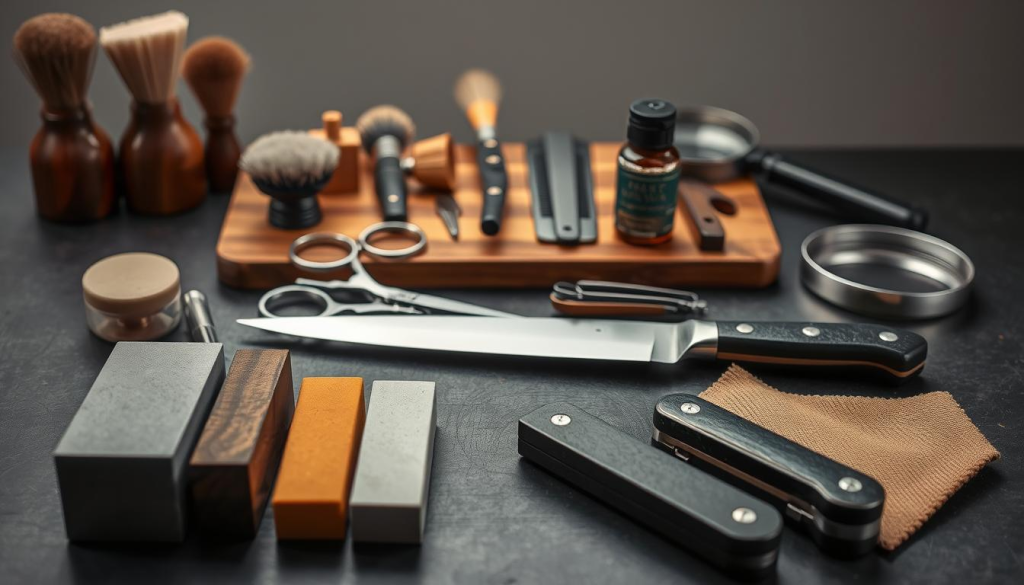
Proper maintenance of your Aritsugu knife starts with having the right equipment. To keep your knife in top condition, you’ll need to invest in a few essential tools that make cleaning and sharpening easier and more effective.
Recommended Cleaning Supplies
Cleaning your Aritsugu knife regularly is crucial for its longevity. Recommended cleaning supplies include:
- A soft, damp cloth or sponge
- Mild soap or a specialized knife cleaning solution
- A soft-bristled brush for removing debris from intricate designs
It’s essential to avoid using abrasive materials that can damage the blade or handle. A gentle cleaning approach will help maintain the integrity of your knife.
Sharpening Tools to Consider
Sharpening is a critical aspect of knife maintenance. For Aritsugu knives, consider using:
- A high-quality whetstone for precise sharpening
- A honing rod to maintain the knife’s edge between sharpening sessions
- A sharpening steel for realigning the blade’s microscopic teeth
When choosing sharpening tools, look for products that are compatible with your Aritsugu knife’s blade material. Using the right sharpening tools will help you achieve a razor-sharp edge and extend the life of your knife.
How to Properly Clean Your Aritsugu Knife
To keep your Aritsugu knife in top condition, it’s essential to understand the proper cleaning techniques. Cleaning your knife regularly not only maintains its performance but also extends its lifespan. Aritsugu knives, known for their high-carbon steel and precise craftsmanship, require careful handling to prevent damage and corrosion.
Step-by-Step Cleaning Process
Cleaning your Aritsugu knife is a straightforward process that involves a few simple steps. First, wipe the knife clean with a damp cloth to remove any debris or residue. Then, use a mild soap and a soft sponge to gently clean the blade, avoiding any abrasive materials that could scratch the surface.
According to experts, it’s crucial to avoid using harsh chemicals or putting your knife in the dishwasher, as these can damage the blade and handle. Instead, gently wash the knife with a damp soapy cloth or sponge and dry it thoroughly after each use.
Importance of Drying Your Knife
Drying your Aritsugu knife is just as important as cleaning it. High-carbon steel knives can rust if not dried properly, which can lead to corrosion and damage. After washing, use a dry cloth to wipe down the blade, paying extra attention to the edge and any crevices where moisture might accumulate.
To further protect your knife, consider applying a small amount of oil to the blade after drying. This will help to prevent rust and maintain the knife’s condition over time.
Sharpening Techniques for Aritsugu Knives
To keep your Aritsugu knife in top condition, understanding the right sharpening techniques is essential. Sharpening is not just about maintaining the knife’s edge but also about ensuring safety and efficiency in the kitchen.
Choosing the Right Sharpening Method
There are several methods to sharpen an Aritsugu knife, including using a whetstone, honing rod, or electric sharpener. Choosing the right method depends on personal preference, the knife’s material, and its condition. For instance, a whetstone is highly recommended for Aritsugu knives as it allows for precise control over the sharpening angle and process.
Using a honing rod is another effective method for maintaining the knife’s sharpness between sharpenings. It realigns the edge rather than removing metal, making it a quick and easy maintenance task. Gentle strokes and alternating sides are key when using a honing rod.
How to Use a Whetstone
Using a whetstone requires some practice but yields excellent results. First, soak the whetstone in water for about 10-15 minutes to ensure it’s properly saturated. Then, place the whetstone on a stable surface. Hold the knife at the desired angle, typically around 10-15 degrees for Aritsugu knives, and draw it across the stone in a smooth, consistent motion.
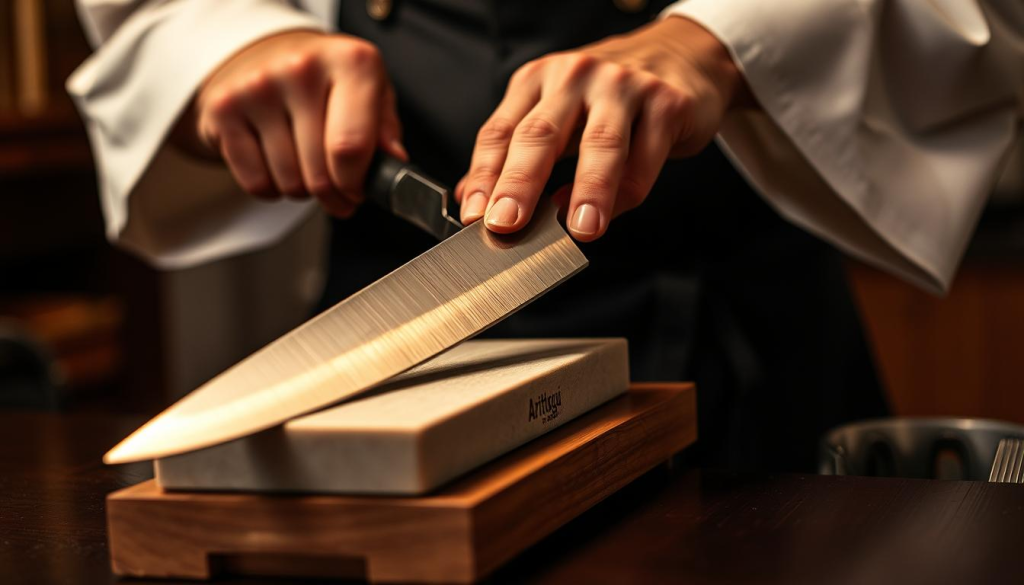
Repeat this process on both sides of the blade until you achieve the desired sharpness. It’s crucial to maintain a consistent angle throughout the sharpening process to ensure an even edge.
Regular sharpening not only keeps your Aritsugu knife performing optimally but also prolongs its lifespan. By incorporating these sharpening techniques into your knife care routine, you’ll be able to enjoy the full benefits of your Aritsugu knife for years to come.
Storing Your Aritsugu Knife Safely
Storing your Aritsugu knife correctly is essential for preserving its edge and ensuring safety in the kitchen. Proper storage not only protects the knife from damage but also prevents accidents that can occur when sharp objects are left unsecured.
Best Storage Solutions
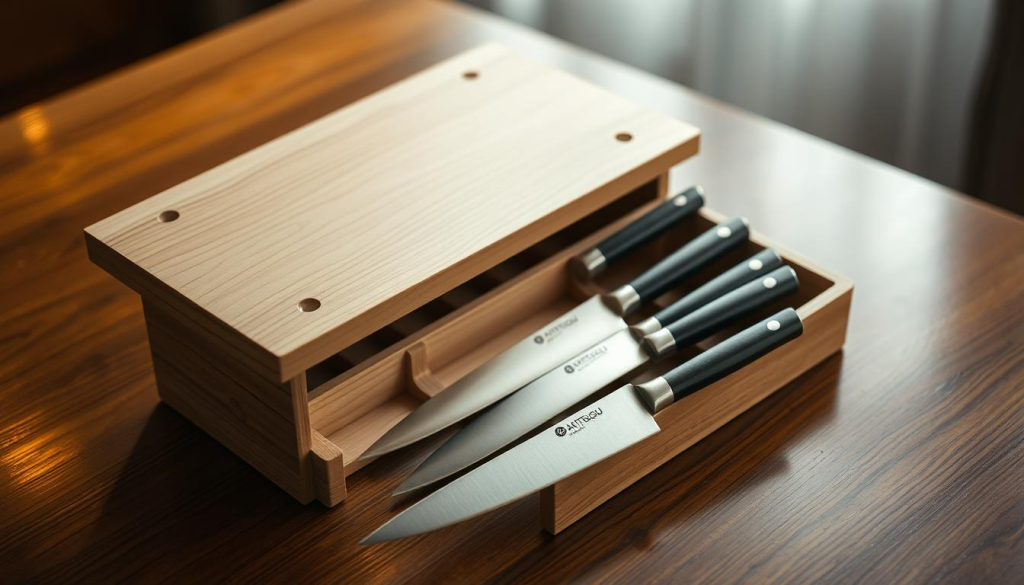
There are several effective ways to store your Aritsugu knife, each with its own advantages. The most recommended methods include using a knife block, a magnetic strip, or a protective blade guard when storing in a drawer.
- Knife Block: A wooden or plastic block with slots for knives is a traditional and safe storage method. It keeps the blade secure and prevents it from coming into contact with other utensils.
- Magnetic Strip: Attaching a magnetic strip to a wall or the side of a cabinet provides a convenient and space-saving way to store knives. Ensure the strip is sturdy enough to hold the weight of your Aritsugu knife.
- Blade Guards: When storing your knife in a drawer, using a blade guard protects both the knife and other utensils from damage. Blade guards can be made of plastic or cardboard and fit over the blade.
| Storage Method | Advantages | Disadvantages |
|---|---|---|
| Knife Block | Protects the blade, keeps it organized | Takes up counter space |
| Magnetic Strip | Space-saving, easy access | May not be suitable for all kitchen layouts |
| Blade Guards in Drawer | Protects the blade and other utensils | Requires careful handling to avoid accidents |
Avoiding Common Storage Mistakes
While storing your Aritsugu knife, it’s equally important to avoid common mistakes that can lead to damage or accidents. These include storing the knife loosely in a drawer without protection, leaving it exposed on a countertop, or storing it in a humid environment that can cause rust.
By choosing the right storage method and avoiding common pitfalls, you can significantly extend the life of your Aritsugu knife and maintain its performance. Regularly cleaning and drying your knife before storage also plays a crucial role in its maintenance.
Understanding Knife Blades and Steels
To truly appreciate the value of an Aritsugu knife, it’s essential to understand the different types of blade materials and steels used in their manufacture. Aritsugu knives are celebrated for their high-quality blades, which are crafted to provide exceptional performance and durability.
Different Blade Types Used by Aritsugu
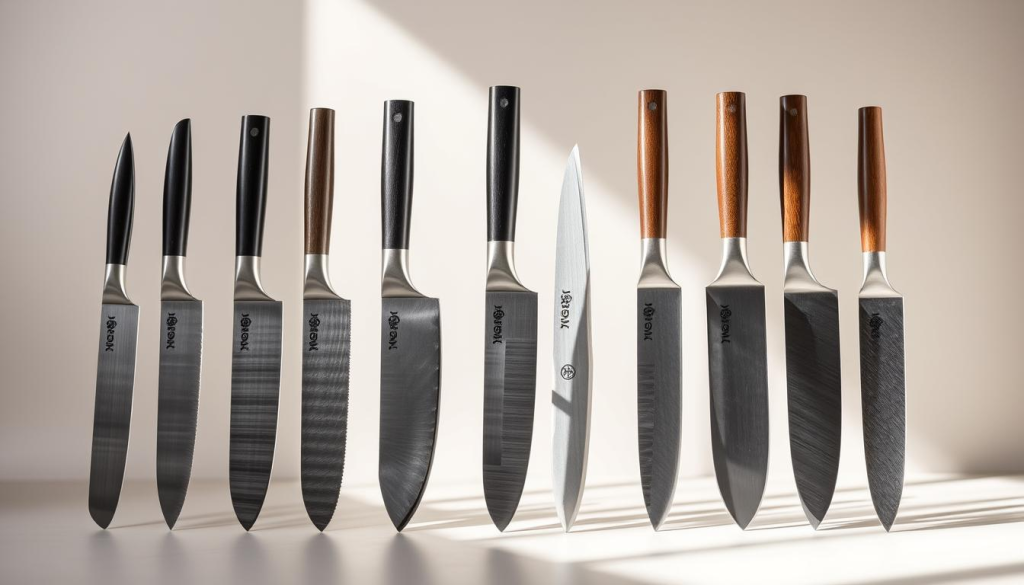
Aritsugu offers knives with various blade types, each designed to cater to different culinary needs. The most common materials used include:
- Stainless Steel: Known for its resistance to corrosion and ease of maintenance, stainless steel blades are ideal for chefs who prioritize hygiene.
- High Carbon Steel: This material is prized for its ability to hold a sharp edge and is often preferred by professional chefs who require precision.
- Damascus Steel: Featuring a distinctive pattern, Damascus steel blades are not only aesthetically pleasing but also offer a balance between hardness and flexibility.
Each of these materials has its unique advantages, and understanding their characteristics can help you choose the right knife for your needs.
The Importance of Steel Quality
The quality of the steel used in an Aritsugu knife significantly impacts its performance and longevity. High-quality steel ensures that the knife remains sharp, resists wear, and maintains its structural integrity over time.
Hardness is a critical factor in steel quality, as it determines the knife’s ability to hold its edge. Aritsugu knives are crafted with steel that is hardened to the optimal level, ensuring they remain sharp and effective.
Moreover, the quality of the steel affects the knife’s resistance to corrosion and its overall durability. By using high-grade steel, Aritsugu knives are able to withstand the rigors of frequent use in demanding kitchen environments.
Recognizing Signs of Wear and Tear
The longevity of your Aritsugu knife depends on your ability to recognize and address signs of wear early on. Regular use can lead to various forms of wear and tear, affecting the knife’s performance and overall lifespan.
Common Issues to Look Out For
Several common issues can indicate wear and tear on your Aritsugu knife. These include:
- Dulling of the Blade: A decrease in the knife’s cutting efficiency is a clear sign that the blade has become dull.
- Chipping or Cracking: Visible chips or cracks on the blade edge are serious signs of wear that require immediate attention.
- Rust or Corrosion: Although Aritsugu knives are made from high-quality materials, they can still be susceptible to rust if not properly maintained.
As noted by a renowned chef, “Proper care is not just about maintaining the knife’s appearance but ensuring its functionality and longevity.”
“A well-maintained knife is a chef’s best friend,” says Chef John Doe. “Regular maintenance not only extends the life of the knife but also enhances its performance.”
When to Seek Professional Help
While many signs of wear can be addressed through routine maintenance, there are instances where professional help is necessary. For example, if your knife has suffered significant damage, such as a large chip or crack, it’s advisable to consult a professional.
| Signs of Wear | DIY Solution | Professional Help |
|---|---|---|
| Dullness | Sharpening with a whetstone | Professional sharpening services |
| Minor Chipping | Using a sharpening stone to repair | Repair services for extensive damage |
| Rust Spots | Cleaning and drying thoroughly | Professional restoration for severe rust |
By being proactive and addressing signs of wear early, you can significantly extend the life of your Aritsugu knife and ensure it continues to perform at its best.
Enhancing Your Knife’s Lifespan
To maximize the lifespan of your Aritsugu knife, it’s crucial to implement a consistent maintenance routine. A well-maintained knife not only performs better but also remains a valuable tool in your kitchen for years to come.
Routine Maintenance Tips
Regular maintenance is vital for keeping your Aritsugu knife in top condition. Here are some essential tips:
- Clean your knife regularly: After each use, clean your knife with mild soap and dry it thoroughly to prevent rust.
- Hone your knife regularly: Honing realigns the blade’s edge, maintaining its sharpness and preventing it from becoming dull.
- Store your knife properly: Use a knife block or a magnetic strip to store your knife, keeping it away from other utensils that could cause damage.
According to experts, regular honing is one of the most effective ways to maintain your knife’s edge. Aritsugu knife maintenance routine should include honing at least once a week, depending on usage.
| Maintenance Task | Frequency | Benefit |
|---|---|---|
| Cleaning | After each use | Prevents rust and maintains hygiene |
| Honing | Weekly | Maintains sharpness and edge alignment |
| Sharpening | Monthly | Restores sharpness and edge |
The Impact of Usage Habits
Your usage habits significantly impact the lifespan of your Aritsugu knife. Being mindful of how you use your knife can make a substantial difference.
For instance, using your knife on hard surfaces like glass or stone can damage the blade. Similarly, cutting through bones or frozen foods can cause unnecessary stress on the knife.
By adopting good usage habits and following a regular maintenance routine, you can significantly enhance your knife’s lifespan. This not only ensures your knife remains a reliable tool but also preserves its quality over time.
Seasonal Care for Aritsugu Knives
To ensure your Aritsugu knife remains a reliable companion in the kitchen, it’s crucial to adapt your care routine to the seasons. Different times of the year bring unique challenges that can affect the performance and longevity of your knife.
Preparing for Summer Cooking
Summer cooking often involves more frequent use of knives due to the increased preparation of fresh vegetables, fruits, and other ingredients for barbecues and outdoor gatherings. To prepare your Aritsugu knife for the summer:
- Sharpen your knife more frequently to handle the increased demand.
- Clean your knife immediately after use to prevent the buildup of residue from acidic foods like tomatoes and citrus.
- Store your knife in a dry place to prevent rust, especially if you’re living in a humid climate.
Winter Care Strategies
During the winter, the dry air can cause your knife’s metal to become more susceptible to rust, while the cold temperatures can make the blade more brittle. To care for your Aritsugu knife in the winter:
- Dry your knife thoroughly after cleaning and apply a thin layer of oil to protect it from rust.
- Avoid exposing your knife to extreme cold, such as leaving it near a cold window or outside.
- Consider using a knife block or magnetic strip that allows for good airflow around the blade to prevent moisture buildup.
By adapting your care routine to the changing seasons, you can ensure your Aritsugu knife remains in excellent condition, ready to handle whatever cooking tasks come your way.
Utilizing a Professional Knife Service
Professional knife services offer a reliable solution for Aritsugu knife owners looking to keep their blades in optimal condition. These services specialize in various maintenance tasks, including sharpening, cleaning, and repairing knives.
Benefits of Professional Maintenance
One of the primary benefits of using a professional knife service is the level of expertise they bring to knife maintenance. Professionals have the training and experience to handle high-quality knives like Aritsugu, ensuring that they are treated with the appropriate care. Professional sharpening, for instance, can restore a knife’s edge to its original sharpness, enhancing its performance.
Additionally, professional services can identify potential issues before they become major problems. Regular maintenance by a professional can extend the lifespan of an Aritsugu knife, making it a worthwhile investment for serious users.
Finding Reputable Services
When looking for a professional knife service, it’s essential to find a reputable provider. Here are some tips to help you in your search:
- Check online reviews and testimonials to gauge the service’s reputation.
- Ask for recommendations from other professionals or knife enthusiasts.
- Verify the service’s experience with high-carbon or specialty knives like Aritsugu.
Some professional knife services also offer additional benefits such as convenient mailing services or on-site sharpening. These conveniences can make maintaining your Aritsugu knife even easier.
To give you a better understanding of what to expect, here’s a comparison of typical services offered by professional knife sharpening companies:
| Service | Description | Typical Cost |
|---|---|---|
| Standard Sharpening | Basic sharpening service to restore the knife’s edge. | $10-$20 |
| Premium Sharpening | Advanced sharpening with specialized techniques for high-quality knives. | $20-$50 |
| Repair Service | Repairing damaged or worn-out knives, including handle repair. | $30-$100 |
By utilizing a professional knife service, Aritsugu knife owners can ensure their blades remain in excellent condition, ready for any culinary task.
Frequently Asked Questions About Aritsugu Knife Care
Many users have questions about how to properly care for their Aritsugu knives. Proper maintenance is crucial for extending the life of your knife and ensuring it continues to perform optimally. In this section, we will address some of the most frequently asked questions about Aritsugu knife care, debunk common myths, and provide expert tips from chefs.
Common Myths Debunked
There are several myths surrounding knife care that can lead to improper maintenance. Let’s debunk some of these myths:
- Myth: You should store your knife in the dishwasher. Reality: Dishwashers can damage the blade and handle, so it’s best to wash your knife by hand.
- Myth: Any steel will do for sharpening. Reality: Aritsugu knives require specific sharpening stones to maintain their edge.
Expert Tips from Chefs
Professional chefs often have valuable insights into knife care. Here are some tips from the experts:
“The key to maintaining your Aritsugu knife is regular honing and proper storage. I always hone my knife before use to ensure it’s at its best.” – Chef John Doe
Some key takeaways from chefs include:
- Regularly hone your knife to maintain its edge.
- Store your knife in a dry place, away from other utensils that could cause damage.
- Clean your knife immediately after use to prevent residue from hardening on the blade.
To further illustrate the importance of proper care, let’s look at a comparison of knife maintenance practices:
| Practice | Effect on Knife | Recommended Frequency |
|---|---|---|
| Hand washing | Prevents damage to blade and handle | After every use |
| Regular honing | Maintains sharpness | Before every use |
| Proper storage | Prevents dulling and damage | After every use |
By following these guidelines and tips from experts, you can ensure your Aritsugu knife remains in excellent condition, serving you well for many years to come.
Conclusion: The Importance of Consistent Care
Consistent care is crucial for maintaining the performance and longevity of Aritsugu knives. By following the tips and techniques outlined in this article, you can ensure that your knife remains in optimal condition.
Benefits of Long-Term Maintenance
Regular maintenance not only preserves the quality of your Aritsugu knife but also enhances its lifespan. Proper care prevents rust, maintains sharpness, and ensures that the knife continues to perform at its best. This attention to detail is what sets professional chefs apart and elevates the cooking experience.
Caring for Your Investment
An Aritsugu knife is a significant investment in your culinary journey. By dedicating time to its care, you are not only maintaining a tool but also preserving a piece of craftsmanship. The effort you put into maintaining your knife will be reflected in its performance and longevity, making it a trusted companion in the kitchen.