Shun knives are renowned for their exceptional sharpness and durability, making them a favorite among chefs and cooking enthusiasts. The question of whether these high-quality knives are magnetic often arises, sparking curiosity about their composition.
The magnetism of a knife is largely determined by its material composition. Shun knives are made from high-carbon stainless steel, a material known for its strength and resistance to corrosion. Understanding the properties of this material is key to answering whether Shun knives are magnetic.
Key Takeaways
- Shun knives are made from high-carbon stainless steel.
- The magnetism of a knife depends on its material composition.
- High-carbon stainless steel can exhibit magnetic properties.
- The manufacturing process can affect a knife’s magnetism.
- Not all Shun knives are magnetic, but many are.
Introduction to Shun Knives
Crafted in the city of Seki, Japan, Shun knives embody over 800 years of blade-forging expertise, making them highly sought after by chefs and culinary enthusiasts alike. Shun knives are renowned for their exceptional quality, precision, and aesthetic appeal.
Brief History of Shun Knives
Shun knives have their roots in the traditional sword-making techniques of Japan. The city of Seki has been a hub for sword and knife production for centuries, and Shun continues this legacy by producing high-quality knives that blend traditional craftsmanship with modern technology.
The history of Shun knives is a testament to the brand’s commitment to excellence and its dedication to preserving traditional Japanese craftsmanship.
Craftsmanship and Materials Used
Shun knives are made from high-quality materials, including VG-10 and SG2 steel, known for their durability and sharpness. The use of Damascus cladding not only adds to the aesthetic appeal but also enhances the knife’s performance.
- VG-10 Steel: Known for its high carbon content, VG-10 steel provides excellent sharpness and corrosion resistance.
- SG2 Steel: This high-performance steel is valued for its hardness and ability to retain sharpness.
- Damascus Cladding: Adds a layer of aesthetic appeal and contributes to the knife’s overall durability.
The craftsmanship that goes into each Shun knife is meticulous, with attention to detail that ensures every knife meets the brand’s high standards.
Popular Models of Shun Knives
Shun offers a range of knife models, each designed to meet specific culinary needs. Some of the most popular models include:
- Shun Classic: Known for its precision and balance, the Classic series is a favorite among professional chefs.
- Shun DM0706: This model features a unique blend of functionality and style, making it suitable for both professional and home kitchens.
- Shun Premier: The Premier series is celebrated for its exceptional sharpness and durability, catering to the demands of serious culinary enthusiasts.
Whether you’re a professional chef or a home cook, Shun knives offer a range of options to suit your needs, ensuring that you can achieve the best results in the kitchen.
Understanding Magnetism in Kitchen Tools
The magnetic properties of kitchen tools, particularly knives, are influenced by the type of materials used in their construction. Magnetism in kitchen knives is a phenomenon that can affect how knives interact with other metal objects and even how they are stored.
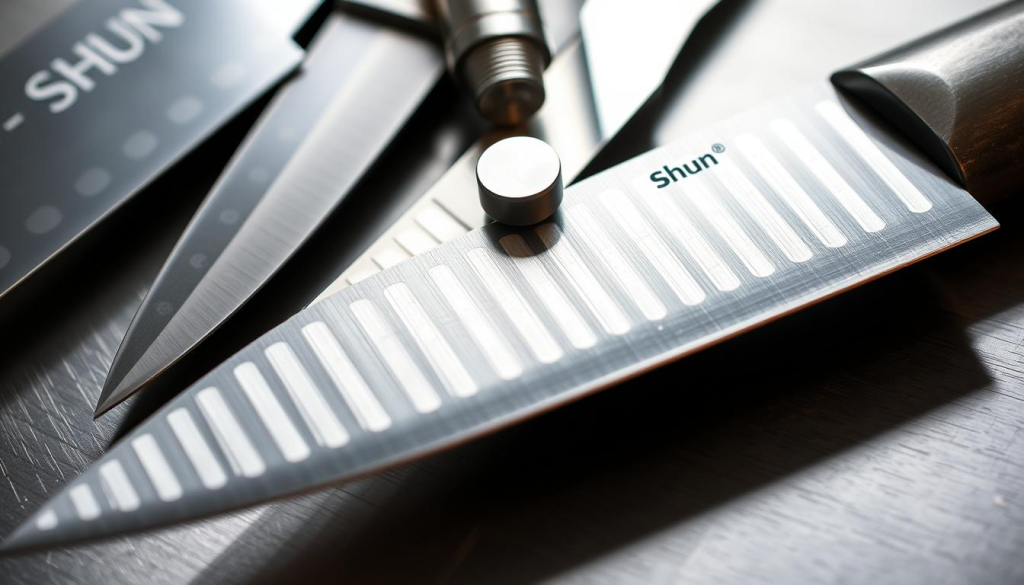
To understand whether a knife is magnetic, we need to explore what it means for a knife to be magnetic and the common materials that exhibit magnetism.
What Does It Mean for a Knife to Be Magnetic?
A knife is considered magnetic if it is attracted to a magnet. This attraction typically indicates that the knife is made from a ferromagnetic material, such as certain types of steel. High-carbon steel, a common material in high-quality knives, can exhibit strong magnetic properties.
Common Materials That Exhibit Magnetism
Several materials used in knife construction can exhibit magnetism. These include:
- Ferromagnetic steels, which contain iron and are capable of being magnetized.
- Some stainless steel alloys, which, despite being resistant to corrosion, can still exhibit magnetic properties depending on their composition.
Understanding these materials is crucial in determining the magnetic properties of Shun knives, known for their high-quality steel and craftsmanship.
Are Shun Knives Made with Magnetic Materials?
Understanding the materials used in Shun knives can reveal whether they possess magnetic properties. Shun knives are crafted with high-quality materials to ensure durability and performance.
Overview of Steel Types Used in Shun Knives
Shun knives feature cores made from high-carbon steel, such as VG-10 and SG2. These materials are chosen for their ability to hold a sharp edge and resist corrosion.
VG-10 Steel: This high-carbon stainless steel is known for its sharpness and durability. It contains a mix of elements that provide strength and resistance to rust.
SG2 Steel: Also known as “Super Steel,” SG2 is a high-carbon steel that offers excellent edge retention and is used in many high-performance knives.
| Steel Type | Carbon Content | Magnetic Properties |
|---|---|---|
| VG-10 | High Carbon | Can be magnetic |
| SG2 | High Carbon | Can be magnetic |
The Role of Lamination in Knife Construction
Lamination in knife construction involves layering different materials to achieve a balance between hardness and flexibility. Shun knives often feature a laminated construction, with the core being the high-carbon steel (like VG-10 or SG2) and the outer layers providing additional strength and corrosion resistance.
The lamination process not only enhances the performance of the knife but also affects its magnetic properties. Depending on the materials used for lamination, the overall magnetism of the knife can vary.
By understanding the materials and construction techniques used in Shun knives, we can better determine their magnetic properties. The use of high-carbon steel cores and lamination contributes to both the performance and the potential magnetism of these knives.
The Magnetic Properties of Stainless Steel
The magnetic properties of stainless steel, a material commonly used in Shun knives, depend on its composition. Stainless steel is an alloy that contains a mix of metals, primarily iron, chromium, and sometimes nickel. The presence and proportion of these elements influence whether the stainless steel is magnetic or not.
How Stainless Steel is Made
Stainless steel is manufactured through a process that involves melting and combining various metals. The primary components are iron, chromium, and sometimes nickel. The mixture is then melted in an electric arc furnace and subsequently treated to remove impurities.
The resulting alloy is then shaped into the desired form, such as sheets or bars, which can be further processed into knife blades.
Why Some Stainless Steels are Not Magnetic
The magnetism of stainless steel is largely determined by its crystal structure and the elements it contains. Some stainless steels, particularly those with high nickel content, have an austenitic structure that is generally non-magnetic.
On the other hand, stainless steels with a ferritic or martensitic structure tend to be magnetic due to their iron content.
| Type of Stainless Steel | Magnetic Properties | Common Elements |
|---|---|---|
| Austenitic | Non-Magnetic | High Nickel, Chromium |
| Ferritic | Magnetic | High Iron, Chromium |
| Martensitic | Magnetic | High Iron, Chromium, Carbon |
Testing Shun Knives for Magnetism
Understanding whether your Shun knife is magnetic is easy with a simple at-home test. This hands-on approach allows you to directly observe the magnetic properties of your knife.
Simple At-Home Tests to Try
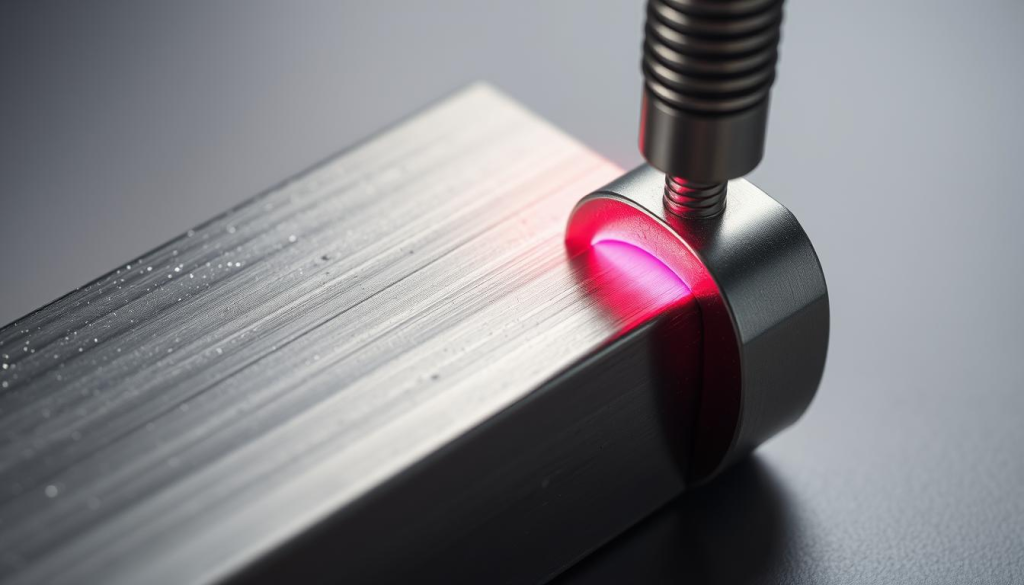
To test if your Shun knife is magnetic, you will need a magnet. Any household magnet will suffice, such as those found on your fridge or in your toolbox. Hold the magnet close to the blade of your Shun knife. If the knife is magnetic, you will notice the magnet being attracted to it.
Steps to Follow:
- Choose a magnet: Select a magnet that is strong enough to test the magnetism of your knife.
- Position the magnet: Carefully bring the magnet close to the blade, avoiding any accidental contact that might scratch the knife.
- Observe the reaction: Watch for any attraction between the magnet and the knife. If the magnet sticks to the knife or is drawn towards it, your Shun knife is magnetic.
Observing the Reaction with Magnets
The reaction between your Shun knife and the magnet can provide valuable insights into its magnetic properties. If your knife is attracted to the magnet, it indicates that the material is ferromagnetic, meaning it is capable of being magnetized.
What to Look For:
- Strong attraction: A strong attraction indicates that the knife is made from a ferromagnetic material.
- No attraction: If there is no attraction, it suggests that the knife is not significantly magnetic, possibly due to its stainless steel composition.
To further illustrate the process, consider the following table that summarizes the possible outcomes of your test:
| Test Outcome | Interpretation |
|---|---|
| Magnet is attracted to the knife | The Shun knife is magnetic, likely due to its material composition. |
| No attraction observed | The Shun knife is not significantly magnetic, possibly indicating a non-ferromagnetic material. |
By following these simple steps, you can determine if your Shun knife is magnetic. This knowledge can be useful for understanding the properties of your knife and how to care for it properly.
The Impact of Magnetism on Knife Performance
The magnetism of Shun knives can have various implications for their overall performance and usability. While the primary function of a knife is to cut, magnetism can influence how the knife interacts with other kitchen tools and accessories.
Does Magnetism Affect Cutting Ability?
It’s essential to understand that magnetism itself does not directly affect a knife’s cutting ability. The sharpness and material of the blade are the primary factors that determine its cutting performance. However, magnetism can play a role in how the knife is stored and maintained.
Magnetic knives can be stored on magnetic strips, which can be convenient for keeping countertops clear. On the other hand, some argue that non-magnetic knives are less likely to be affected by magnetic forces that could potentially alter their alignment or balance.
Pros and Cons of Magnetic vs. Non-Magnetic Knives
When considering Shun knives or any high-quality knives, understanding the pros and cons of magnetic versus non-magnetic properties is crucial.
- Pros of Magnetic Knives: Convenient storage on magnetic strips, easy to keep track of the knives.
- Cons of Magnetic Knives: Potential for magnetic interference with other kitchen tools or the knife’s balance.
- Pros of Non-Magnetic Knives: Less risk of magnetic interference, potentially better for certain cooking techniques.
- Cons of Non-Magnetic Knives: May require alternative storage solutions, such as wooden blocks or drawer inserts.
In conclusion, while magnetism does not directly impact the cutting ability of Shun knives, it can influence their storage and interaction with other kitchen tools. Understanding these factors can help users make informed decisions about their knife care and usage.
Storage Solutions for Shun Knives
Choosing the right storage for your Shun knives is essential for maintaining their sharpness and durability. Proper storage not only protects the blades but also ensures they remain in good condition for a long time.
Magnetic Knife Strips vs. Traditional Blocks
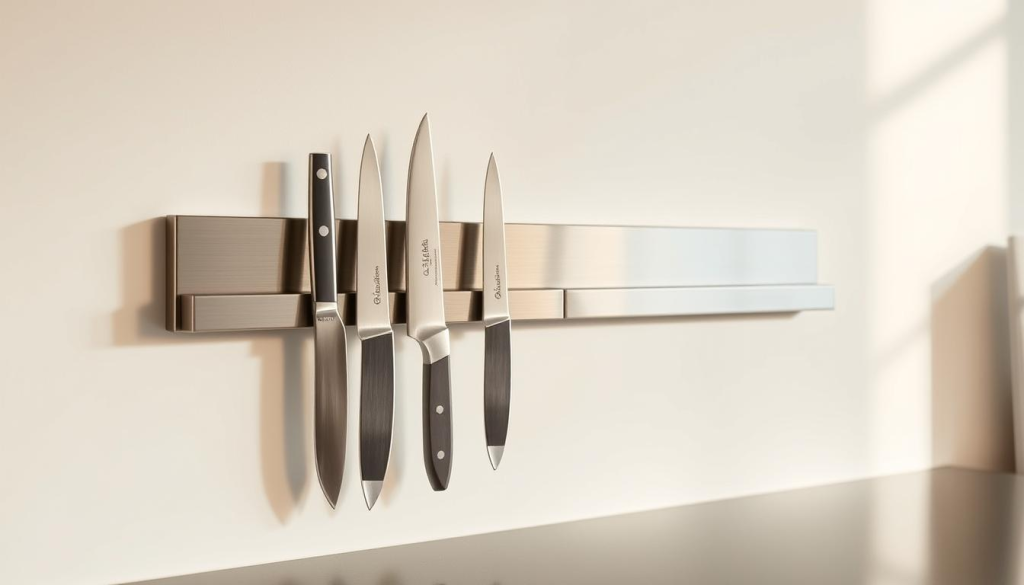
When it comes to storing Shun knives, two popular options are magnetic knife strips and traditional knife blocks. Magnetic knife strips offer a modern and sleek way to store your knives, keeping them within easy reach while also saving counter space. They are particularly useful for those who prefer to have their knives visible and readily accessible.
On the other hand, traditional knife blocks provide a more conventional storage method, often made from wood or other materials. They can be an excellent choice for protecting the blades and can be placed on countertops or inside drawers.
Best Practices for Maintaining Your Shun Knives
To keep your Shun knives in optimal condition, it’s crucial to follow best practices for their maintenance. Here are some tips:
- Clean your knives regularly with mild soap and dry them thoroughly to prevent rust.
- Store your knives in a dry place, away from moisture that could cause damage.
- Avoid storing your knives in a way that causes them to come into contact with other metals or hard surfaces, which could lead to dulling or damage.
- Consider using a knife guard or sheath for additional protection when storing your Shun knives.
By following these guidelines and choosing the right storage solution, you can ensure your Shun knives remain in excellent condition, providing you with years of reliable service.
Customer Insights and Experiences
Customer reviews and feedback provide valuable insights into the performance and characteristics of Shun knives, including their magnetic properties. Understanding how other users perceive the magnetism of their Shun knives can help potential buyers make informed decisions.
Reviews from Shun Knife Users
Many users of Shun knives have shared their observations about the magnetic properties of these knives. Some have reported that their Shun knives are slightly magnetic, while others have noted no magnetism at all. The variation in user experiences can be attributed to the different models of Shun knives and the specific materials used in their construction.
Example User Reviews:
- “I’ve used my Shun knife for years, and I’ve noticed it’s slightly magnetic, which doesn’t affect its performance.”
- “My Shun knife isn’t magnetic at all, and I’m happy with its cutting ability.”
| Shun Knife Model | User Reported Magnetism |
|---|---|
| Shun Classic | Slightly Magnetic |
| Shun DM0706 | Not Magnetic |
| Shun K Classic | Slightly Magnetic |
Common Questions About Magnetic Properties
Users often ask whether Shun knives are magnetic and if this affects their performance. The answer to the first question is that it depends on the specific model and materials. As for performance, the magnetism of a Shun knife does not directly impact its cutting ability.
Common Questions:
- Are Shun knives magnetic?
- Does magnetism affect the cutting performance of Shun knives?
Buying Tips for Shun Knives
The world of Shun knives can be overwhelming; here’s how to make an informed purchase. When looking to buy a Shun knife, it’s essential to consider a few key factors to ensure you’re getting a high-quality, authentic product.
Where to Purchase Authentic Shun Knives
To avoid counterfeit products, it’s crucial to purchase Shun knives from authorized dealers. You can find a list of authorized retailers on the official Shun website. Some reputable sources include specialty kitchen stores, high-end department stores, and online marketplaces like Amazon.
Buying directly from the official Shun website is also a safe option, as it guarantees authenticity. Be wary of extremely low prices or ‘too-good-to-be-true’ deals, as they may indicate a counterfeit product.
Factors to Consider When Choosing a Shun Knife
When selecting a Shun knife, several factors come into play. First, consider the type of knife you need. Shun offers a variety of knives, including chef’s knives, paring knives, and serrated utility knives.
- Think about the material and construction. Shun knives are known for their high-carbon stainless steel blades and ergonomic handles.
- Consider the maintenance requirements. Shun knives are relatively easy to care for, but they do require regular sharpening and proper storage.
- Look for a knife that feels balanced in your hand. The weight and ergonomics of the handle can significantly impact your cutting experience.
For shun knife care instructions, it’s recommended to hand wash your knives and dry them immediately to prevent rust. Regular sharpening will also keep your Shun knife in top condition. For more detailed shun knife maintenance tips, refer to the manufacturer’s guidelines or consult with a professional.
Conclusion: The Final Verdict on Shun Knives and Magnetism
The question of whether Shun knives are magnetic has been thoroughly explored, revealing that their magnetic properties depend on the materials used in their construction. Specifically, the type of steel employed plays a crucial role in determining if a Shun knife is magnetic.
Key Findings
The magnetism of Shun knives is directly related to their material composition. The manufacturing process, including the use of certain steel types and lamination techniques, influences their magnetic behavior. As a result, some Shun knives may exhibit magnetic properties, while others may not.
Implications for Knife Selection
Understanding the magnetic properties of Shun knives can inform your decision when choosing a knife that meets your needs. Whether you prefer a magnetic or non-magnetic knife, knowing what to expect from your Shun knife can enhance your overall experience. The magnetic properties of Shun knives, or lack thereof, do not necessarily impact their cutting performance.
When selecting a Shun knife, consider factors such as the type of steel used, the knife’s intended use, and your personal preferences regarding magnetism. By doing so, you can make an informed decision and enjoy the exceptional quality and craftsmanship that Shun knives are known for.