The authenticity of Shun knives is a topic of interest among culinary enthusiasts. Understanding the origins of these high-quality kitchen tools requires a look into the company’s history and manufacturing processes.
Shun Cutlery, introduced to the North American market in 2002, has its roots tracing back to 1908 when Saijiro Endo established the company in Seki City, Japan, a city renowned for its blade-making tradition.
The rich history and Japanese heritage of Shun knives contribute to their exceptional quality and performance.
Key Takeaways
- Shun Cutlery was introduced to North America in 2002.
- The company was founded in 1908 by Saijiro Endo in Seki City, Japan.
- Seki City has a blade-making tradition spanning over 800 years.
- Shun knives are known for their high-quality and performance.
- The brand’s heritage is deeply rooted in Japanese tradition.
The Origins of Shun Knives
Shun knives embody the legacy of Japanese knife-making, a craft that has been honed over centuries by the Kai Group. The story of Shun is deeply intertwined with the history of its parent company, which was initially known as Kai Cutlery.
A Brief History of the Brand
The Kai Group’s journey began with a commitment to producing high-quality cutlery. Over the years, the company evolved significantly, with a pivotal moment being the establishment of Shun as a brand that brings Japanese cutlery to the global market. Koji Endo, a direct descendant of the company’s founder, played a crucial role in this expansion.
The vision for Shun was to combine traditional Japanese craftsmanship with modern technology, creating knives that are both beautiful and functional. This vision has guided the brand’s development, making Shun knives highly regarded among chefs and cooking enthusiasts.
The Art of Japanese Knife Making
Japanese knife making is an art form that emphasizes precision, quality, and craftsmanship. Shun knives are a testament to this tradition, featuring Damascus steel and intricate designs that reflect the skill of Japanese craftsmen.
The process of making a Shun knife involves several stages, from forging to sharpening. Each step is performed with meticulous attention to detail, ensuring that every knife meets the high standards set by the Kai Group.
| Stage | Description | Skill Level |
|---|---|---|
| Forging | The process of shaping the steel into the desired form. | High |
| Sharpening | Refining the edge to achieve optimal sharpness. | Expert |
| Assembly | Combining the blade with the handle and other components. | Precision |
The result is a knife that not only performs exceptionally but also represents the pinnacle of Japanese craftsmanship. Shun knives have become synonymous with quality and excellence in the world of cutlery.
Where Are Shun Knives Manufactured?
The production of Shun knives is deeply rooted in Japan, where traditional craftsmanship meets modern technology. This blend of old and new ensures that each Shun knife is not only a testament to Japanese heritage but also a product of cutting-edge manufacturing practices.
Production Facilities in Japan
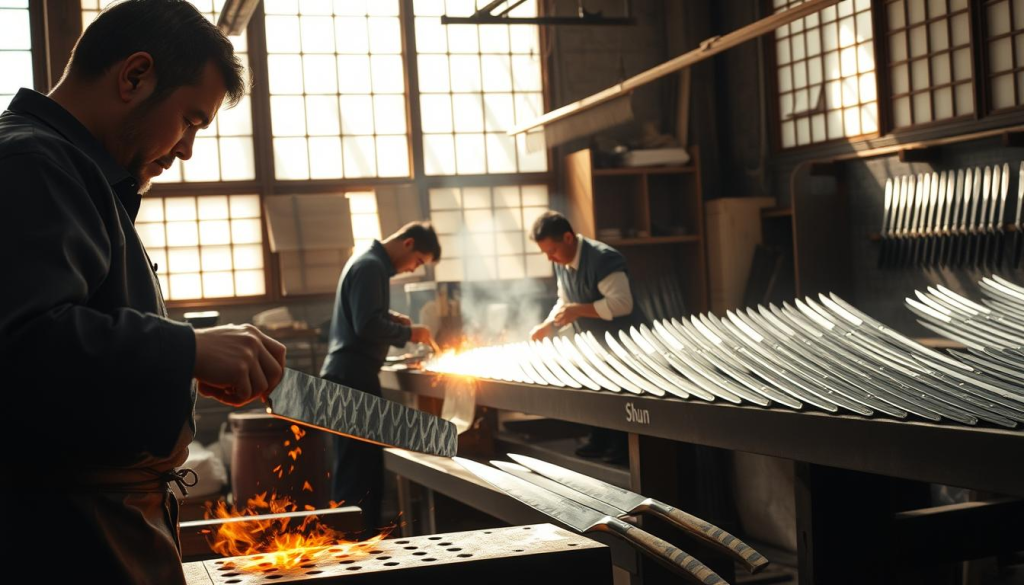
Shun knives are crafted in Japan’s state-of-the-art production facilities, where skilled artisans and modern machinery work in tandem. The manufacturing process involves at least 100 handcrafted steps, ensuring that every detail, from the sharpening of the blade to the finishing of the handle, meets Shun’s high standards.
The use of premium materials and advanced technology allows Shun to maintain its reputation for producing high-quality knives. The production facilities are equipped with the latest equipment, enabling precise control over every aspect of the manufacturing process.
Quality Control Practices
Shun’s commitment to quality is evident in its rigorous quality control practices. Each knife undergoes a series of inspections to ensure it meets the brand’s stringent criteria. From the initial forging of the blade to the final assembly, every step is meticulously monitored to guarantee excellence.
The quality control process involves checking for precision, sharpness, and durability, among other factors. This attention to detail ensures that Shun knives not only perform exceptionally but also stand the test of time.
By combining traditional Japanese craftsmanship with modern manufacturing techniques and stringent quality control, Shun produces knives that are highly regarded by chefs and cooking enthusiasts worldwide.
Why Japan for Knife Production?
With a heritage spanning over 800 years, Japan’s cutlery production tradition is unmatched, attracting brands like Shun. The country’s long history of producing high-quality blades has created a unique environment that fosters exceptional craftsmanship.
https://www.youtube.com/watch?v=_a-c76YDifE&pp=ygUPI2N1dGxlcnljb3VudHJ5
The Heritage of Japanese Cutlery
Japan is renowned for its expertise in cutlery production, with regions like Seki City boasting a blade-making tradition that dates back centuries. This rich heritage has contributed significantly to the development of Japanese knives, known for their sharpness, durability, and aesthetic appeal. The art of Japanese knife making is characterized by meticulous attention to detail and a deep understanding of the materials used.
The historical significance of Japanese cutlery is not just about the techniques used but also about the cultural importance of knives in Japanese cuisine. Knives are considered essential tools in every Japanese kitchen, and their production is guided by a commitment to quality and excellence.
The Impact of Japanese Craftsmanship
The craftsmanship involved in making Japanese cutlery is renowned worldwide, and Shun leverages this expertise to produce knives that are both functional and aesthetically pleasing. Japanese craftsmen undergo rigorous training to master the skills required to produce high-quality knives. This expertise is reflected in every aspect of Shun’s knife production, from the selection of materials to the final product.
The impact of Japanese craftsmanship on Shun knives is evident in their precision, balance, and overall performance. The combination of traditional techniques with modern technology enables Shun to produce knives that meet the high standards of professional chefs and home cooks alike.
By manufacturing their knives in Japan, Shun benefits from the country’s rich cutlery production heritage, ensuring that every knife meets the brand’s high standards of quality and performance.
Shun’s Knife Lines and Their Features
With a commitment to excellence, Shun has developed multiple knife lines that embody the spirit of Japanese craftsmanship. These knife lines are designed to cater to a wide range of culinary needs, from the precision required in fine dining to the durability needed for everyday cooking.
Shun knives are made in Japan, a country renowned for its rich tradition of knife making. The brand’s dedication to maintaining these traditions while innovating is evident in their diverse product lines.
Classic Shun Knife Series
The Classic Shun knife series is a testament to the brand’s heritage, combining traditional Japanese techniques with modern functionality. Knives in this series are known for their precision-forged blades and ergonomic handles, making them a favorite among both professional chefs and home cooks.
One of the defining features of the Classic series is its VG-MAX steel core, known for its exceptional sharpness and durability. The series also includes a range of knives that cater to various kitchen tasks, from slicing and dicing to mincing.
Premier Shun Knives: What Sets Them Apart
The Premier Shun knife series represents the pinnacle of the brand’s craftsmanship, featuring knives that are not only functional but also visually stunning. The Damascus pattern on these knives is a hallmark of their premium quality, achieved through a meticulous process of layering steel.
Premier Shun knives are designed to offer the ultimate cooking experience, with features such as enhanced edge retention and balanced weight distribution. The series is a testament to Shun’s commitment to excellence and its reputation for producing some of the world’s finest knives.
“Shun knives are a blend of art and functionality, reflecting the brand’s deep roots in Japanese culture and its passion for innovation.”
Both the Classic and Premier series are crafted with the utmost care, ensuring that each knife meets Shun’s high standards. Whether you’re a professional chef or a culinary enthusiast, Shun’s knife lines offer something for everyone, embodying the brand’s legacy and its country of origin, Japan.
Materials Used in Shun Knives
At the heart of Shun knives lies a commitment to using superior materials that enhance both the performance and aesthetic appeal of the blades. The selection of materials is a critical aspect of Shun’s manufacturing process, reflecting the brand’s dedication to quality and craftsmanship.
The Importance of Damascus Steel
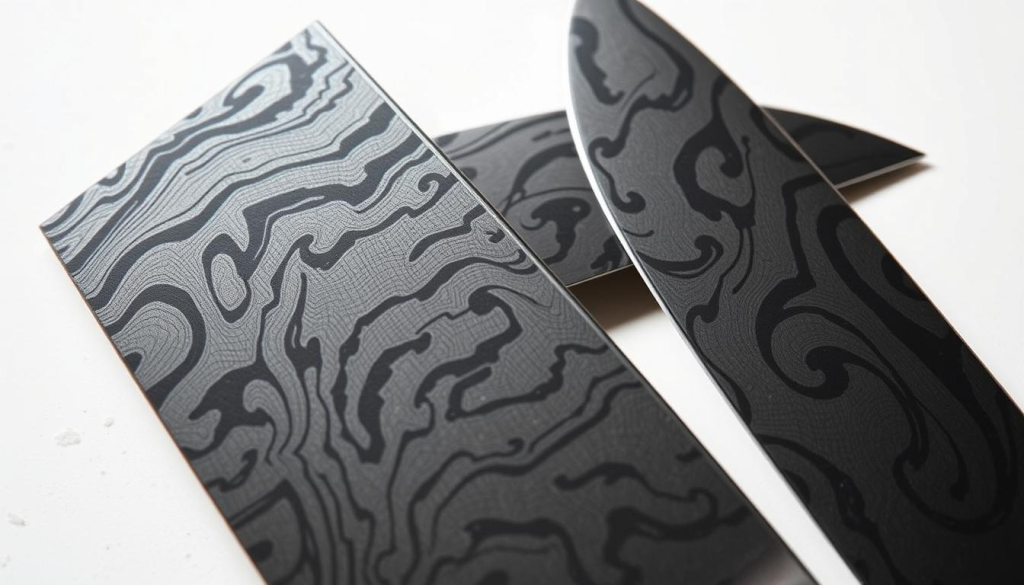
One of the hallmark materials used in Shun knives is Damascus steel, known for its strength, durability, and distinctive patterns. Damascus steel is a type of steel that is forged by layering different types of steel to create a strong, sharp blade. The process involves folding and hammering the steel multiple times, resulting in a blade with a unique pattern and exceptional cutting ability.
Benefits of Damascus Steel:
- Enhanced strength and durability
- Unique aesthetic patterns
- Exceptional sharpness and cutting performance
The use of Damascus steel in Shun knives not only contributes to their exceptional performance but also adds to their visual appeal, making each knife a work of art.
Handle Materials and Ergonomics
The handles of Shun knives are designed with ergonomics in mind, ensuring that they are comfortable to hold and use. The materials used for the handles are chosen for their durability and aesthetic appeal, complementing the beauty of the Damascus steel blades.
| Handle Material | Characteristics | Benefits |
|---|---|---|
| Pakkawood | Durable, rich texture | Comfortable grip, aesthetically pleasing |
| Stainless Steel | Strong, resistant to corrosion | Durable, easy to maintain |
| Ebony | Hardwood, smooth finish | Ergonomic, luxurious feel |
The combination of high-quality blade materials and ergonomic handle design underscores Shun’s commitment to producing knives that are both functional and beautiful, embodying the spirit of Japanese craftsmanship.
Comparing Shun Knives to Other Brands
Comparing Shun knives to other brands reveals distinct differences in quality, design, and functionality. Shun knives, known for their precision and craftsmanship, are often compared to both Japanese and Western brands.
Japanese vs. Western Knives
Japanese knives, like those produced by Shun, are renowned for their sharpness and attention to detail. They typically feature a more angled edge, which allows for precise cutting. In contrast, Western knives have a more curved edge, making them suitable for a variety of cutting tasks.
Japanese knives are often preferred by chefs who value precision, while Western knives are appreciated for their versatility.
| Feature | Japanese Knives | Western Knives |
|---|---|---|
| Edge Angle | More angled for precision | Curved for versatility |
| Material | High-carbon steel for sharpness | Stainless steel for durability |
| Craftsmanship | High attention to detail | Varied, depending on brand |
Price Point and Value for Money
Shun knives are considered premium products, with prices reflecting their high-quality materials and craftsmanship. While they may be more expensive than some other brands, the value lies in their durability and performance.
The price of Shun knives varies depending on the series and features, but they are generally considered a good investment for serious cooks.
When evaluating the manufacturing location of Shun knives, it’s clear that Japan’s reputation for quality craftsmanship plays a significant role in their production. Shun knives are made in Japan, ensuring adherence to traditional knife-making techniques and high standards of quality.
Customer Reviews and Experiences
Customer feedback on Shun knives reveals a consistent appreciation for their exceptional cutting performance and ease of maintenance. Users often share their experiences, highlighting the knives’ sharpness, durability, and overall value.

Feedback on Performance
Many customers praise Shun knives for their outstanding performance. Sharpness is frequently cited as a key advantage, with users noting that the knives remain sharp even after extensive use. The precision and ease of cutting with Shun knives are often highlighted as significant benefits, making tasks like chopping, slicing, and dicing more efficient.
“I’ve been using my Shun knives for years, and they still cut like new. The sharpness is unmatched!”
The craftsmanship of Shun knives, rooted in Japanese tradition, contributes to their exceptional performance. The attention to detail and the use of high-quality materials ensure that each knife meets the high standards expected by professional chefs and home cooks alike.
Longevity and Maintenance
In addition to their performance, Shun knives are also appreciated for their longevity and ease of maintenance. Proper care can significantly extend the life of the knife, and users often comment on how well their Shun knives withstand regular use. The durability of the knives, combined with the ease of sharpening and maintaining them, makes them a practical choice for many.
To keep Shun knives in optimal condition, regular cleaning and proper storage are recommended. Many users find that with a little maintenance, their Shun knives continue to perform exceptionally well over time.
Shun knives, made in Japan, embody the country’s rich heritage of cutlery craftsmanship. This origin is a significant factor in their quality and performance, as reflected in customer reviews and experiences.
How to Identify Genuine Shun Knives
With the rise of counterfeit products in the market, identifying authentic Shun knives has become increasingly important for consumers. As a brand known for its high-quality Japanese knives, Shun’s popularity has led to a surge in counterfeit products that can compromise on quality and performance.
To ensure you’re purchasing a genuine Shun knife, it’s essential to know what to look for. Genuine Shun knives are not only a testament to Japanese craftsmanship but also an investment in your kitchen’s quality and efficiency.
Markings and Authenticity Checks
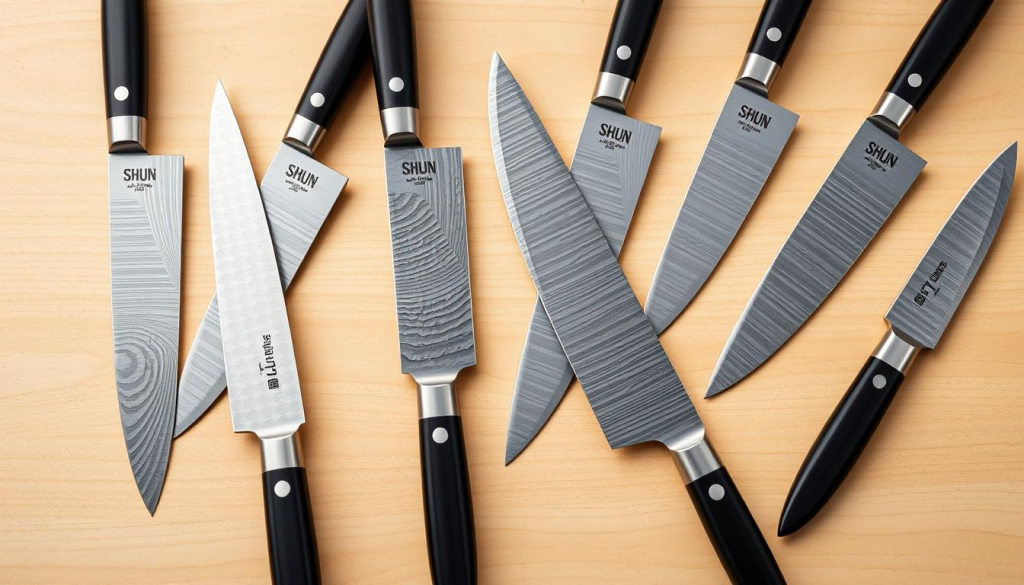
One of the primary ways to verify the authenticity of a Shun knife is by checking for specific markings. Genuine Shun knives typically bear the Shun logo, which is a clear indicator of their authenticity. Additionally, look for other authenticity indicators such as a unique serial number or a certificate of authenticity that comes with the product.
Inspect the packaging: Genuine Shun knives are packaged with care, often coming in a beautifully crafted box that includes the knife, a storage case, and instructional materials. The packaging should reflect the brand’s attention to detail and quality.
Check the logo and branding: The Shun logo should be clearly visible on the knife, often on the blade or the handle. The branding should be precise and of high quality, reflecting the brand’s Japanese heritage.
Where to Buy Shun Knives
Another crucial step in ensuring you’re buying a genuine Shun knife is to purchase from authorized dealers. The official Shun website is a reliable source, as it lists all authorized retailers. Buying from these sources guarantees that your Shun knife is authentic and covered by the manufacturer’s warranty.
Authorized retailers: Shun has a network of authorized retailers who are vetted to sell genuine products. Purchasing from these retailers not only ensures authenticity but also provides a level of customer service and support.
- Check the official Shun website for a list of authorized retailers.
- Be wary of extremely low prices, as they can be indicative of counterfeit products.
- Ensure that the retailer provides a warranty and clear return policies.
By being diligent and informed, you can enjoy the superior quality and performance that genuine Shun knives are known for, while avoiding the pitfalls of counterfeit products.
Caring for Your Shun Knives
The art of maintaining Shun knives involves more than just cleaning; it’s about preserving the precision and craftsmanship that goes into each blade. Proper care and maintenance are essential to extending the life and performance of these exceptional Japanese knives.
Proper Cleaning Techniques
Cleaning your Shun knives regularly is vital to prevent the buildup of residue and bacteria. It’s recommended to hand wash your knives with mild soap and dry them immediately to prevent water spots.
- Wash your Shun knives by hand using warm, soapy water.
- Avoid using abrasive cleaners or scouring pads that can damage the blade.
- Dry your knives thoroughly after washing to prevent rust.
Tips for Maintaining Sharpness
Maintaining the sharpness of your Shun knives is crucial for optimal performance. Regular sharpening and proper storage can help keep your knives in top condition.
- Use a sharpening stone or whetstone to maintain the edge of your Shun knives.
- Store your knives in a dry place, away from other utensils that could cause damage.
- Consider using a knife block or magnetic strip to keep your knives organized and protected.
To further illustrate the importance of proper care, let’s examine a comparison of the lifespan of well-maintained Shun knives versus those that are not properly cared for.
| Care Level | Lifespan | Performance |
|---|---|---|
| Proper Care | 10+ years | Optimal |
| Neglect | 2-5 years | Diminished |
By following these simple care and maintenance tips, you can enjoy your Shun knives for years to come, ensuring they remain a valuable part of your culinary experience.
Conclusion: Are Shun Knives Truly Made in Japan?
Shun knives have long been revered for their exceptional quality and craftsmanship, raising the question: are Shun knives made in Japan? The answer lies in understanding the brand’s heritage and production practices.
Authenticity and Quality
Shun knives are indeed manufactured in Japan, a country renowned for its rich heritage in knife making and commitment to excellence. The production country plays a significant role in the quality and authenticity of Shun knives, reflecting the country’s tradition of precision and craftsmanship.
The value of Japanese quality in cooking is undeniable, with Shun knives representing the pinnacle of this tradition. Whether for professional chefs or home cooks, Shun knives offer a culinary experience that is hard to match, thanks to their precision, durability, and aesthetic appeal. When considering the production country of Shun knives, it’s clear that Japan’s influence is a key factor in their exceptional quality.
Crafting a Culinary Experience
For those seeking high-quality knives, the question of whether Shun knives are made in Japan is crucial. The answer is a resounding yes, and this authenticity is reflected in every aspect of their products, from the materials used to the craftsmanship that goes into each knife.