When it comes to high-quality knives, Shun is a brand that stands out for its exceptional sharpness and precision. The angle at which a knife is sharpened plays a crucial role in its performance. According to the official Shun website, their knives are sharpened to a 16° angle on each side of the blade, making them ideal for precise cutting tasks.
Understanding the angle of a knife is essential for chefs and cooking enthusiasts alike, as it affects the knife’s overall performance and durability. The question remains, are Shun knives sharpened to 15 or 20 degrees? The answer lies in the precise craftsmanship that Shun is known for.
Key Takeaways
- The angle of a knife affects its sharpness and performance.
- Shun knives are sharpened to a 16° angle on each side.
- Understanding knife angles is crucial for optimal performance.
- The precise angle of Shun knives contributes to their exceptional quality.
- A 16° angle is neither 15 nor 20 degrees, but rather a unique sharpening angle.
Understanding Shun Knife Angles
Understanding the edge angle of Shun knives is essential for appreciating their cutting ability. The edge angle is a critical factor that influences both the sharpness and the durability of a knife.
What is a Knife Edge Angle?
The knife edge angle refers to the angle between the two sides of the knife’s edge. It is a crucial aspect of a knife’s design, as it directly affects how the knife performs during use. A sharper angle typically results in a sharper knife, making it more effective for cutting tasks. However, a very sharp angle can also make the knife more prone to chipping or damage.
Key Considerations for Knife Edge Angles:
- The sharper the angle, the sharper the knife, but it may be more susceptible to damage.
- A more obtuse angle can enhance durability but may compromise on sharpness.
- The material of the knife also plays a role in how the edge angle affects its performance.
Importance of the Edge Angle in Performance
The edge angle of a Shun knife significantly impacts its cutting performance. According to the Shun website, their knives are designed to be used in a smooth, slicing motion, which is optimized by the precise edge angle. The best angle for Shun knives balances sharpness and durability, allowing for effective cutting while minimizing the risk of damage.
When considering the Shun knife sharpening angle, it’s essential to understand that maintaining the correct angle is crucial for preserving the knife’s performance. Sharpening a Shun knife at the correct angle ensures that it remains sharp and continues to perform optimally.
| Edge Angle | Sharpness | Durability |
|---|---|---|
| 15 Degrees | Very Sharp | More Prone to Chipping |
| 20 Degrees | Sharp | More Durable |
As noted by culinary experts, “The angle at which a knife is sharpened can dramatically affect its performance and longevity.” Maintaining the optimal edge angle is key to getting the most out of a Shun knife.
“A well-sharpened knife is not just about the angle; it’s about understanding the knife’s purpose and the tasks it will be used for.”
Shun Knives: The Basics
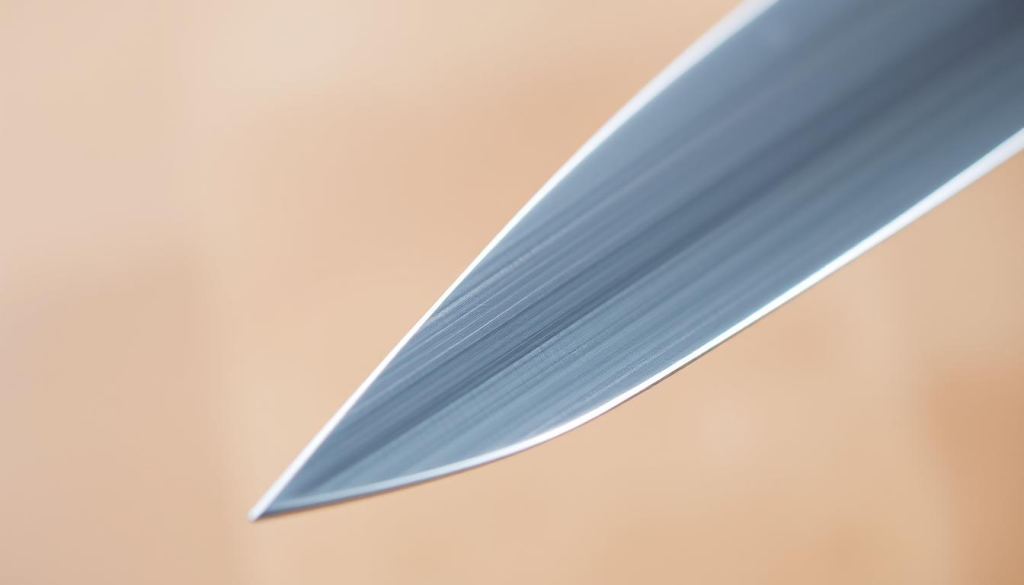
Shun knives are celebrated for their precision, durability, and craftsmanship. They are a preferred choice among professional chefs and culinary enthusiasts. The brand’s commitment to quality is evident in every detail of their cutlery.
When considering a Shun knife, understanding the basics is crucial. This includes knowing the materials used and the craftsmanship that goes into each piece.
Overview of Shun Cutlery
Shun cutlery is known for its high-quality materials and craftsmanship. Their knives are made from advanced steel alloys, designed to provide a lifetime of service. The use of premium materials ensures that Shun knives remain sharp and durable over time.
Key Features of Shun Knives
Shun knives boast several key features that contribute to their exceptional performance. These include:
- Precision Forging: Shun knives are forged from high-carbon steel, ensuring strength and durability.
- Hand-Sharpening: Each knife is hand-sharpened to a precise edge, ready for use out of the box.
- Ergonomic Design: The handles are designed for comfort, reducing fatigue during extended use.
- Aesthetic Appeal: Shun knives are not only functional but also visually appealing, with beautifully crafted handles.
Choosing the right Shun knife involves considering the shun knife blade angle and how it suits your needs. Whether you’re a professional or a home cook, understanding these basics can help you make an informed decision.
The Science Behind Edge Angles
The edge angle of a Shun knife plays a pivotal role in its cutting ability, precision, and overall durability. A more acute edge angle results in a sharper knife, capable of making precise cuts with minimal effort. However, this sharpness comes at the cost of durability, as a very acute angle can make the edge more prone to chipping or damage.
How Edge Angle Affects Cutting Ability
The cutting ability of a Shun knife is directly influenced by its edge angle. A sharper edge angle allows for cleaner cuts and requires less force, making it ideal for delicate tasks such as slicing vegetables or filleting fish. On the other hand, a slightly more obtuse angle enhances durability, making it suitable for tasks that require more force, like chopping through bones or hard vegetables.
- A sharper edge angle (around 15 degrees) is beneficial for precision cutting tasks.
- A more durable edge angle (around 20 degrees) is better suited for heavy-duty cutting tasks.
The Role of Edge Angle in Precision
Precision is a hallmark of Shun knives, and the edge angle is crucial in achieving this precision. A well-defined edge angle ensures that the knife cuts through material with minimal deviation, allowing for accurate and consistent results. The bevel angle of a Shun knife, which is related to the edge angle, is carefully crafted to provide the optimal balance between sharpness and stability.
Key factors influenced by the edge angle include:
- The sharpness of the knife, with more acute angles being sharper.
- The durability of the edge, with more obtuse angles being more resistant to damage.
- The precision of cuts, with a well-maintained edge angle ensuring consistent results.
Are Shun Knives 15 or 20 Degrees?
Shun, a renowned brand in the world of cutlery, has its knives sharpened to a specific angle that contributes to their exceptional performance. The precise angle at which Shun knives are sharpened is a critical factor in their cutting ability and overall durability.
Official Shun Knife Specifications
According to the Shun website, their knives are sharpened to a 16° angle on each side of the blade. This specification is crucial in understanding the performance characteristics of Shun knives. The 16° angle per side translates to a total edge angle of 32°, which is relatively sharp and conducive to precise cutting.
Key Specifications:
| Specification | Detail |
|---|---|
| Angle per side | 16° |
| Total Edge Angle | 32° |
Comparing the Two Angles
To understand the significance of the 16° angle, it’s helpful to compare it with the commonly referenced 15° and 20° angles. A 15° angle per side results in a sharper edge, ideal for precision cutting and delicate tasks. On the other hand, a 20° angle per side offers greater durability and resistance to wear, making it suitable for heavier tasks and tougher ingredients.
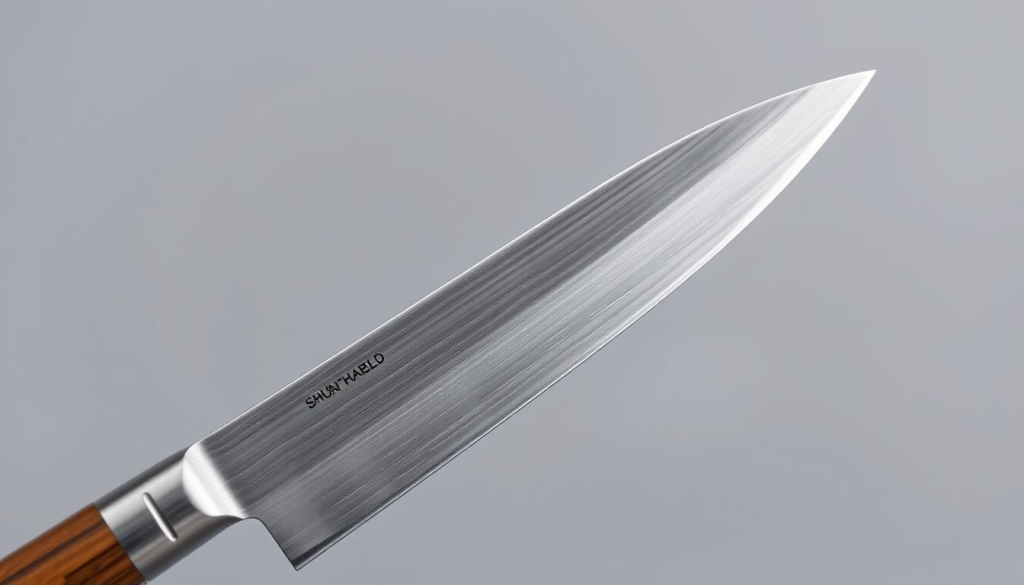
A comparison of these angles can be summarized as follows:
| Angle per Side | Total Edge Angle | Characteristics |
|---|---|---|
| 15° | 30° | Sharper, more precise, ideal for delicate tasks |
| 16° (Shun) | 32° | Balanced sharpness and durability |
| 20° | 40° | More durable, resistant to wear, suitable for heavy tasks |
As noted by culinary experts, “The angle at which a knife is sharpened significantly affects its performance and longevity.” The 16° angle adopted by Shun strikes a balance between sharpness and durability, making their knives versatile for various culinary tasks.
“A well-sharpened knife is not just about the angle; it’s about the quality of the edge it produces.”
In conclusion, Shun knives are sharpened to a 16° angle per side, offering a balance between the sharpness of a 15° angle and the durability of a 20° angle. This specification is a key factor in their performance and appeal to both professional chefs and home cooks.
Benefits of a 15-Degree Angle
A 15-degree angle is often cited as the sweet spot for achieving a razor-sharp edge on knives. This angle is particularly beneficial for tasks that require precision and delicacy.
How It Enhances Sharpness
A knife sharpened to a 15-degree angle will have a significantly sharper edge compared to one sharpened to a wider angle. This is because a more acute angle results in a finer, more precise edge that can easily slice through materials.
Key benefits of a 15-degree angle include:
- Increased sharpness for precision tasks
- Improved cutting performance on delicate materials
- Enhanced overall cutting experience
For instance, when preparing sushi or slicing vegetables, a 15-degree angle can make a noticeable difference in the ease and precision of the cut.
Ideal Uses for 15-Degree Knives
Knives with a 15-degree angle are ideal for tasks that require finesse and precision. Some of the ideal uses include:
| Task | Benefit of 15-Degree Angle |
|---|---|
| Slicing delicate fish | Precision cutting without tearing the flesh |
| Preparing sushi | Sharp edge for clean cuts through ingredients |
| Chopping herbs | Ease of cutting through herbs without bruising |
When deciding on the best angle for your Shun knife, considering the tasks you perform most often is crucial. For those who frequently engage in precision cutting, a 15-degree angle may be the most beneficial.
Advantages of a 20-Degree Angle
When it comes to Shun knives, a 20-degree angle is often preferred for its ability to withstand rigorous use. This angle is particularly beneficial for those who require a durable knife that can handle a variety of kitchen tasks.
Increased Durability and Resistance
A 20-degree angle results in a more durable knife edge that is less prone to chipping. This is because the slightly wider angle provides more material at the edge, making it more resistant to wear and tear. For users who frequently chop through hard or frozen foods, a 20-degree angle can be particularly advantageous.
Key benefits of a 20-degree angle include:
- Increased edge durability
- Improved resistance to chipping
- Better performance on harder foods
Suitable Tasks for 20-Degree Knives
Knives with a 20-degree angle are versatile and can be used for a variety of tasks, from chopping vegetables to slicing meat. They are particularly well-suited for tasks that require both precision and durability.
| Task | 20-Degree Angle Performance |
|---|---|
| Chopping Vegetables | Excellent |
| Slicing Meat | Very Good |
| Cutting Frozen Foods | Good |
In conclusion, a 20-degree angle on Shun knives offers a compelling balance between sharpness and durability. By understanding the advantages and suitable tasks for this angle, users can make informed decisions about their knife choice.
Choosing the Right Angle for Your Needs
When it comes to selecting the perfect Shun knife, the edge angle is a crucial factor to consider. The choice between a 15° and 20° angle depends on personal preferences and needs.
Personal Preferences in Knife Use
Personal preferences play a significant role in deciding the ideal edge angle for your Shun knife. If you prioritize sharpness and precision, a 15° angle might be more suitable. On the other hand, if durability and resistance to wear are your main concerns, a 20° angle could be the better choice.
Sharpness vs. Durability: It’s essential to weigh the importance of sharpness against durability. A sharper knife may require more frequent sharpening, while a more durable edge may retain its sharpness longer but might not be as sharp initially.
How to Decide Between 15 and 20 Degrees
Deciding between a 15° and 20° angle involves considering your cooking habits and the tasks you perform most often. To make an informed decision, consider the following factors:
| Criteria | 15° Angle | 20° Angle |
|---|---|---|
| Sharpness | Excellent for precise cutting | Good for general cutting tasks |
| Durability | More prone to wear and tear | More resistant to damage |
| Ideal Use | Suitable for delicate tasks like filleting fish | Better for heavy-duty tasks like chopping |
By evaluating these factors, you can determine which edge angle aligns best with your needs. Additionally, consider your skill level and comfort with knife maintenance, as this can also influence your decision.
In conclusion, choosing the right angle for your Shun knife involves a thoughtful assessment of your personal preferences, cooking habits, and the type of tasks you perform. By considering these factors, you can select a knife that meets your specific needs and enhances your overall cooking experience.
Maintaining Your Shun Knife’s Edge
Regular sharpening and maintenance are vital to extending the life of your Shun knife. A well-maintained edge not only ensures precise cutting but also enhances the overall performance of the knife.
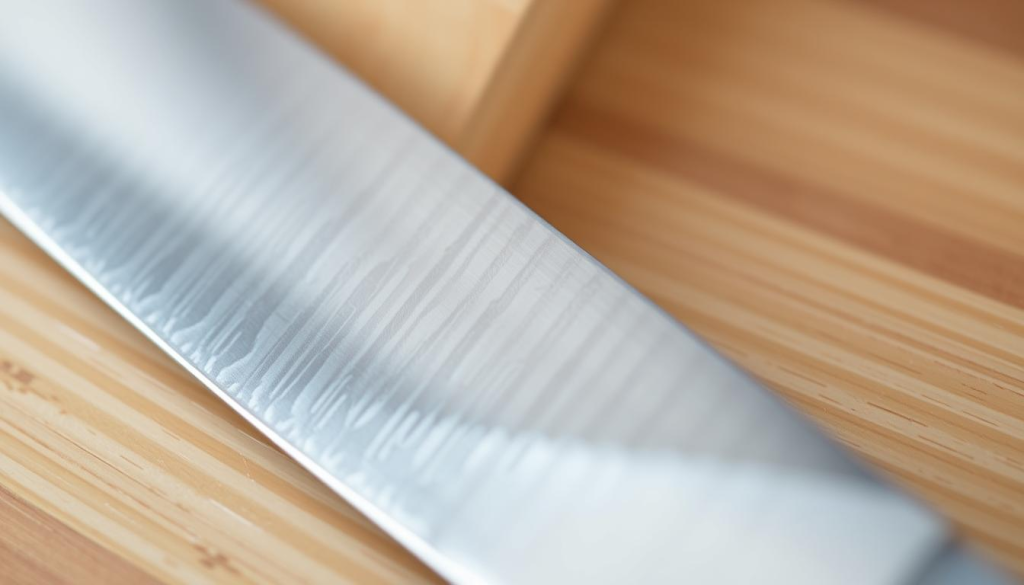
Sharpening Techniques for Different Angles
The sharpening technique for your Shun knife largely depends on the bevel angle. For instance, a 15-degree angle requires a more delicate sharpening process compared to a 20-degree angle. The key to sharpening lies in understanding the knife’s bevel angle and using the appropriate technique,” says a renowned knife sharpener.
For a 15-degree angle, use a sharpening stone with a fine grit to maintain the edge’s sharpness. On the other hand, a 20-degree angle can be sharpened using a slightly coarser grit, providing more durability.
Best Tools for Maintaining Edge Sharpness
To maintain the edge sharpness of your Shun knife, it’s essential to use the right tools. Some of the best tools include:
- Whetstones: Ideal for sharpening and honing the edge.
- Sharpening Steels: Useful for realigning the edge and maintaining sharpness.
- Diamond Stones: Effective for sharpening and polishing the edge.
Choosing the right tool depends on your personal preference and the specific needs of your Shun knife. For example, if you have a 15-degree angle knife, a whetstone with a fine grit is recommended.
As Chef John Doe once said, “A good knife is only as good as its maintenance. Regular sharpening and proper care make all the difference.”
Conclusion: Making the Right Choice
When it comes to selecting the perfect Shun knife, understanding the edge angle is crucial. The debate surrounding whether Shun knives are 15 or 20 degrees has been clarified by examining the specifications and benefits of each angle.
Key Differences Between 15° and 20° Angles
The 15° angle provides a sharper edge, ideal for precise cutting tasks, while the 20° angle offers increased durability and resistance to wear. Knowing the differences between these two angles is essential in making an informed decision when choosing a Shun knife.
Tips for Selecting Your Ideal Shun Knife
To make the right choice, consider your personal preferences and the tasks you will be performing most often. If you prioritize sharpness and precision, a 15° angle may be the best choice. For tasks that require more durability, a 20° angle is suitable. Proper maintenance, including regular sharpening to the correct shun knife sharpening degree, will ensure your Shun knife remains in optimal condition.
By understanding the nuances of Shun knife angles, you can confidently select the perfect knife to suit your needs, answering the question of whether Shun knives are 15 or 20 degrees, and making the most of your culinary experience.