
I often think about how to stay safe while walking alone. Many people wonder if carrying a sharp tool is a smart choice to keep one protected. While having an edge might seem like a boost, it comes with heavy baggage.
In my research, I found that blades offer some leverage over being unarmed. However, these tools also present major risks and limitations that you must understand. Effective self defense strategies require more than just a piece of steel.
I believe we must weigh the pros and cons carefully before deciding. This guide explores the reality of using such items in dangerous situations. We will look at why some experts suggest them and why others stay away.
Key Takeaways
- Sharp tools can provide leverage when facing a physical threat.
- Carrying these items involves serious legal and safety risks.
- Proper training matters more than the tool alone.
- Awareness remains the foundation of all protection plans.
- Understanding local laws is essential before carrying any weapon.
- Effective methods often prioritize de-escalation over physical conflict.
Understanding Self-Defense Tools: The Role of Knives
When it comes to personal safety, the importance of self-defense cannot be overstated. As individuals look for ways to protect themselves, various self-defense tools come into consideration.
Overview of Self-Defense Tools
Self-defense tools are devices or weapons used to protect oneself from harm. These can range from non-lethal options like pepper spray and stun guns to more lethal choices such as firearms and knives.
The choice of self-defense tool often depends on personal preference, legal restrictions, and the individual’s ability to effectively use the tool.
Why Choose a Knife?
Knives are a popular choice for self-defense due to their accessibility and ease of use. Unlike firearms, which require specific training and licensure, knives are widely available and can be carried discreetly.
Key advantages of knives for self-defense include:
- Ease of access and carry
- Versatility in various situations
- No need for special licensure or training
Legal Considerations in Using Knives for Self-Defense
While knives can be effective self-defense tools, their use is subject to legal scrutiny. Laws regarding the carry and use of knives vary significantly by jurisdiction.
It’s crucial for individuals to understand the legal implications of carrying and using a knife for self-defense. This includes knowing local laws on knife carry, use of force, and the potential legal consequences of using a knife in a self-defense situation.
Understanding these legal considerations is key to using a knife effectively and responsibly for self-defense.
Pros of Using Knives for Self-Defense
As a self-defense tool, knives offer a unique combination of accessibility, versatility, and deterrence. These advantages make them a popular choice for individuals seeking an effective means of protecting themselves.
Accessibility and Ease of Use
Knives are widely available and can be easily carried, making them a convenient self-defense option. Their familiarity and ease of use also contribute to their appeal, as many people are already comfortable handling knives in various contexts.
Key benefits of knife accessibility include:
- Ease of procurement
- Simple to carry
- Familiarity with handling
Versatility of Knives
Knives are highly versatile tools that serve many purposes aside from self-defense, such as utility and everyday tasks. This versatility means that carrying a knife can be justified for various reasons, making it a practical self-defense tool to carry.
Lethality and Deterrence Factor
The presence of a knife can be a significant deterrent to potential attackers, as it implies a willingness to defend oneself. In a self-defense situation, a knife can be an effective tool due to its potential lethality.
A comparison of various self-defense tools highlights the unique benefits of knives:
| Self-Defense Tool | Accessibility | Lethality | Deterrence Factor |
|---|---|---|---|
| Knives | High | High | High |
| Pepper Spray | High | Low | Medium |
| Firearms | Low | Very High | Very High |
In conclusion, the pros of using knives for self-defense are multifaceted, including their accessibility, versatility, and deterrence factor. Understanding these advantages is crucial for individuals considering knives as part of their self-defense strategy.
Cons of Using Knives for Self-Defense
While knives can be a viable option for self-defense, they also come with significant drawbacks. As I explore the cons of using knives for self-defense, it becomes clear that these tools are not without their risks and challenges.
Risk of Escalation
One of the primary concerns with using knives for self-defense is the risk of escalation. Introducing a knife into a confrontation can lead to a more violent outcome, potentially resulting in severe injury or death. The presence of a knife can provoke an attacker, leading to a more aggressive response.
I recall a study that highlighted the dangers of using knives in self-defense situations. The data suggested that having quick access to a knife could facilitate rage-fueled assaults, and during a struggle, the knife may be turned against its owner. This risk underscores the need for caution and careful consideration when deciding to carry a knife for self-defense.
Legal Ramifications
Another significant con is the legal ramifications of using a knife for self-defense. The laws surrounding knife carry and use vary significantly across different jurisdictions in the United States. Understanding these laws is crucial to avoid legal repercussions.
| State | Knife Carry Laws | Self-Defense Laws |
|---|---|---|
| California | Restricted carry of certain knife types | Permits self-defense with reasonable force |
| Texas | Generally allows carry, with some restrictions | Permits self-defense with reasonable force |
| New York | Strict laws against carrying certain knives | Permits self-defense, but with strict scrutiny |
Skills and Training Requirements
Using a knife effectively for self-defense requires specialized skills and training. Without proper training, an individual may be more likely to be disarmed or use the knife ineffectively. Investing in self-defense training is essential for those who choose to carry a knife.
I emphasize the importance of self-defense tactics and training programs that teach individuals how to handle knives safely and effectively. The importance of self-defense cannot be overstated, and proper training can significantly reduce the risks associated with carrying a knife.
Types of Knives Suitable for Self-Defense
In the context of self-defense, understanding the different types of knives available is essential. The right knife can be a valuable tool in a threatening situation, but it’s crucial to choose one that suits your needs and abilities.
Fixed-Blade Knives
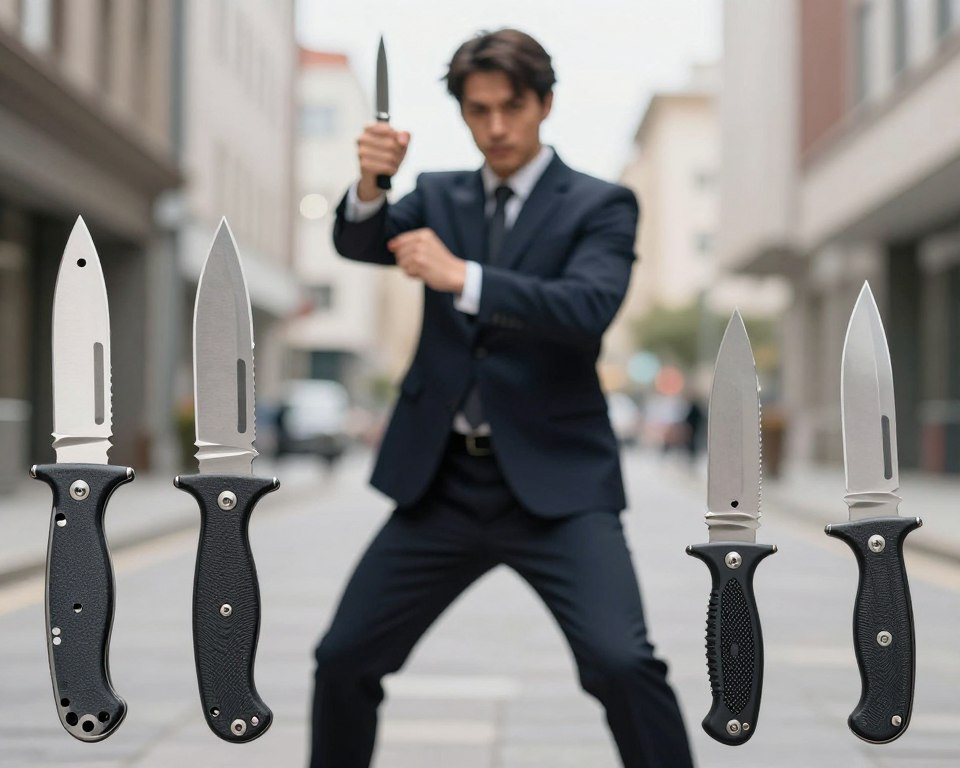
Fixed-blade knives are known for their strength and reliability. They are often considered more robust than folding knives because they don’t have moving parts that can fail. A fixed-blade knife can be a good choice for self-defense due to its simplicity and effectiveness.
One of the main advantages of fixed-blade knives is their ease of use. They are typically ready to use without the need to deploy a blade, making them a straightforward option in high-stress situations.
Folding Knives
Folding knives, also known as pocket knives, offer convenience and ease of carry. They are popular for self-defense because they can be easily concealed and carried daily. The key to effectively using a folding knife for self-defense is to practice deploying it quickly and safely.
Folding knives come in various designs, with some featuring automatic deployment mechanisms. These can be particularly useful in self-defense situations where speed is crucial.
Tactical Knives
Tactical knives are designed with self-defense and survival in mind. They often feature robust construction, ergonomic design, and additional features such as glass breakers or belt cutters. Tactical knives are engineered to be effective in a variety of situations, making them a versatile option for self-defense.
When choosing a tactical knife, it’s essential to consider factors such as blade material, handle design, and overall ergonomics to ensure it meets your self-defense needs.
Comparing Knives to Other Self-Defense Options
Choosing the right self-defense tool is a personal decision that involves weighing the pros and cons of various options, including knives. When considering self-defense strategies, it’s essential to evaluate the effectiveness, accessibility, and legal implications of different tools.
Firearms vs. Knives
One of the primary comparisons made is between knives and firearms. Firearms are often considered more lethal and can be more effective at a distance. However, they also come with significant legal responsibilities and require specific training. On the other hand, knives are more accessible and don’t require the same level of legal scrutiny, but they demand close proximity to the attacker, which can be a significant disadvantage.
When deciding between a firearm and a knife, one must consider their ability to handle the weapon effectively. For instance, a person comfortable with firearms might prefer them for their range advantage. In contrast, someone more skilled with a knife might find it a more suitable option.
Non-Lethal Alternatives
Non-lethal alternatives like pepper spray and stun guns offer another layer of self-defense. These tools can incapacitate an attacker without causing permanent harm, making them appealing to those who wish to avoid lethal force. However, their effectiveness can be variable, depending on factors like the attacker’s size, clothing, and determination.
For example, pepper spray can be highly effective in deterring an attacker, but it can also be affected by wind direction and the attacker’s tolerance. Stun guns, on the other hand, require direct contact, which can be a limitation in certain situations.
- Pepper spray is easy to carry and use.
- Stun guns provide a non-lethal way to incapacitate an attacker.
- Both options have their limitations and require proper training.
The Role of Personal Preferences
Ultimately, the choice of self-defense tool comes down to personal preference, skill level, and the individual’s specific circumstances. It’s crucial to consider what one is comfortable carrying and using effectively.
“The best self-defense tool is the one that you are willing and able to use effectively in a high-stress situation.” This quote underscores the importance of choosing a self-defense tool that aligns with one’s abilities and preferences.
By considering these factors and understanding the pros and cons of each option, individuals can make informed decisions about their self-defense strategies.
Training and Skills Needed for Training Effective Use
The art of self-defense with a knife involves not just physical prowess but also mental preparedness and awareness of one’s surroundings. To effectively use a knife for self-defense, one must acquire specific skills and training.
Choosing the Right Training Program
Selecting a training program that focuses on knife fighting techniques and self-defense tactics is crucial. Such programs should be led by experienced instructors who can teach not only the technical aspects of knife defense but also the legal and ethical considerations.
When choosing a training program, consider the following:
- Experience of the instructors
- Curriculum coverage of legal and ethical issues
- Emphasis on situational awareness and decision-making
- Practical training exercises
Importance of Situational Awareness
Situational awareness is the ability to identify, process, and comprehend the critical elements of information about what is happening around you. It’s a crucial aspect of self-defense as it allows individuals to anticipate and react to potential threats before they escalate.
Developing situational awareness involves:
- Observing your surroundings
- Identifying potential threats or escape routes
- Understanding the behavior of people around you
Physical Conditioning and Knife Techniques
Physical conditioning is vital for effective self-defense. It enhances endurance, strength, and agility, all of which are necessary for executing knife fighting techniques effectively.
A well-rounded training program should include:
| Technique | Description | Benefit |
|---|---|---|
| Disarming Techniques | Methods to safely disarm an opponent | Reduces the risk of being attacked with your own knife |
| Defensive Stances | Stances that protect vital organs and prepare for counterattack | Enhances defensive capabilities |
| Counterattack Maneuvers | Techniques to counter an opponent’s attack effectively | Increases the chances of a successful defense |
In conclusion, effective use of a knife for self-defense requires comprehensive training that includes choosing the right program, developing situational awareness, and enhancing physical conditioning along with learning specific knife techniques.
Real-Life Scenarios: When Knives are Effective
The role of knives in self-defense is multifaceted, involving considerations of legality, effectiveness, and personal skill. In various situations, knives have proven to be a viable option for self-defense, as evidenced by numerous real-life scenarios and historical cases.
Individual Situations Where Knives are Helpful
In personal self-defense, knives can be particularly useful due to their accessibility and ease of use. For instance, a knife can be carried discreetly and used effectively in close-quarters situations. As noted by a self-defense expert,
“A knife can be an equalizer in a physical confrontation, providing a significant advantage when used properly.”
Moreover, knives do not require the same level of training as firearms, making them a more accessible option for many individuals. However, it’s crucial to understand that using a knife for self-defense requires some level of training and awareness of legal implications.
Historical Cases Involving Knives
Historically, knives have been used in various self-defense situations, often as a last resort. There are documented cases where individuals have successfully defended themselves against attackers using knives. For example, a notable self-defense case involved a person who used a knife to deter an assailant, highlighting the potential effectiveness of knives in such situations.
These historical cases provide valuable insights into the use of knives for self-defense, demonstrating both the potential benefits and risks involved.
Lessons Learned from Self-Defense Incidents
Analyzing self-defense incidents involving knives reveals several key lessons. Firstly, situational awareness is crucial in preventing confrontations from escalating. Secondly, proper training in knife defense techniques can significantly enhance one’s ability to respond effectively. As emphasized by a self-defense instructor, “Training is key to using any self-defense tool effectively, including knives.”
Furthermore, understanding the legal implications of using a knife for self-defense is vital to avoid potential legal repercussions. By learning from past incidents, individuals can better prepare themselves for potential self-defense situations.
In conclusion, knives can be an effective tool for self-defense when used appropriately and within the bounds of the law. By understanding the role of knives in self-defense and learning from real-life scenarios, individuals can make informed decisions about their self-defense strategies.
Storing and Carrying Knives Safely
When it comes to self-defense, understanding how to store and carry knives safely is crucial. As a responsible knife owner, it’s essential to be aware of the best practices for safe storage, legal restrictions on carrying knives, and everyday carry tips to maximize the effectiveness of a knife for self-defense.
Best Practices for Safe Storage
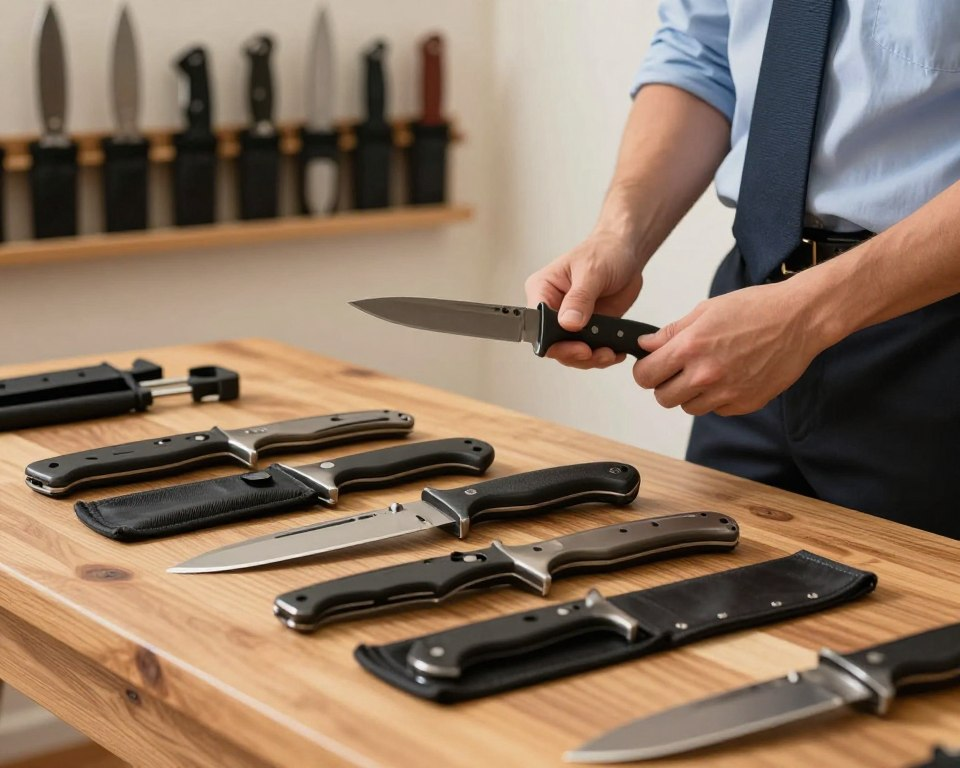
Safe storage is critical to prevent accidents and unauthorized access. Here are some best practices:
- Store knives in a secure, locked container or cabinet.
- Use a knife block or magnetic strip to keep knives organized and out of reach of children.
- Consider using a safe or a locking drawer for additional security.
Proper storage not only prevents accidents but also helps maintain the condition of your self-defense weapons.
| Storage Method | Security Level | Accessibility |
|---|---|---|
| Locked Container | High | Low |
| Knife Block | Medium | High |
| Magnetic Strip | Medium | High |
Legal Restrictions on Carrying Knives
Understanding the legal restrictions on carrying knives is vital to avoid legal issues. Laws vary significantly by state and locality, so it’s crucial to familiarize yourself with local regulations regarding:
- Types of knives that are allowed or prohibited.
- Carry methods (open carry vs. concealed carry).
- Places where carrying knives is restricted (e.g., schools, government buildings).
For instance, some states have specific laws against carrying certain types of knives, such as switchblades or gravity knives. Always check local laws to ensure compliance.
Everyday Carry (EDC) Tips
For those who choose to carry a knife for self-defense, here are some EDC tips:
- Choose a knife that is comfortable and legal to carry in your area.
- Practice carrying the knife in different clothing and situations to ensure you’re prepared.
- Consider a knife with a secure locking mechanism to prevent accidents.
By following these guidelines, you can responsibly carry a knife for self-defense and be better prepared for potential threats.
Conclusion: Are Knives a Sound Choice for Self-Defense?
As we consider the effectiveness of knives for self-defense, it’s clear that they can be a viable option when used responsibly and with proper training. The importance of self-defense cannot be overstated, and individuals must weigh their choices carefully.
Effectiveness and Responsibility
Knives can be useful in certain situations, but they also come with significant risks and limitations. I believe that understanding these factors is crucial in determining whether knives are good for self-defense.
Balancing the Decision
To make an informed decision, one must balance the pros and cons of using a knife for self-defense. This includes considering the legal implications, the need for proper training, and the potential consequences of using a knife in a self-defense situation.
Recommendations for Use
For those who choose to carry a knife for self-defense, I recommend seeking out proper training and being aware of the laws regarding knife carry in their area. The importance of self-defense training cannot be overstated, as it can significantly impact the effectiveness and safety of using a knife.