I frequently spot sleek blades hanging on magnetic strips in modern homes. Many celebrity chefs treat these culinary tools like valuable pieces of fine artwork. I have seen many friends display expensive sets with great pride during dinner parties.
High-end cutlery often sparks intense debates among cooking enthusiasts. I want to understand if these famous items truly outshine standard gear found in most kitchen knives sets. Exploring this topic reveals deep passion within the culinary world.
Professional craftsmanship offers incredible sharpness for delicate tasks. However, these specific tools require careful handling which might surprise some people. Maintenance is key for longevity because thin steel can chip easily if used incorrectly.
My goal is to weigh performance and durability. We shall see if japanese knives represent the best choice for your personal space. I will examine every major benefit and drawback to help you decide.
Key Takeaways
- Exceptional sharpness allows for high precision during food prep.
- Harder steel construction ensures longer edge retention over time.
- Lightweight and balanced designs reduce hand fatigue for users.
- Unique aesthetic appeal makes them a centerpiece in any kitchen.
- Thin edges are more brittle and prone to chipping on hard surfaces.
- Specific sharpening techniques are required to maintain peak performance.
A Brief History of Japanese Knives
With roots in ancient swordsmithing traditions, Japanese knives have evolved into precision culinary tools. The art of crafting these knives is deeply rooted in Japan’s history and culture.
The history of traditional Japanese knives is closely tied to the country’s swordsmithing heritage. Techniques developed centuries ago for forging samurai swords were later adapted for knife making, resulting in the high-quality cutlery Japan is known for today.
Traditional Japanese Knife-Making Techniques
Traditional Japanese knife-making involves meticulous craftsmanship passed down through generations. Artisans employ techniques such as hand-forging and careful tempering to create blades that are both durable and sharp.
- Hand-forging allows for precise control over the blade’s shape and edge.
- Tempering techniques ensure the blade achieves the perfect balance between hardness and flexibility.
- The use of high-carbon steel is common, contributing to the knives’ renowned sharpness and durability.
Influence of Samurai Culture on Knives
The influence of samurai culture on Japanese knives is profound. The techniques used in crafting samurai swords were adapted for knife production, imparting a legacy of quality and precision to Japanese cutlery.
Samurai swords were known for their exceptional sharpness and strength, qualities that Japanese knife makers sought to replicate in their work. This heritage is evident in the attention to detail and craftsmanship seen in modern Japanese knives.
Evolution of Japanese Culinary Tools
Over time, Japanese knives have evolved to meet the changing needs of chefs and home cooks. From the versatile Santoku knife to the specialized Yanagiba for slicing fish, various types of knives have been developed.
The evolution of these culinary tools reflects the dynamic nature of Japanese cuisine and the importance of knives in cooking. Today, Japanese knives are celebrated worldwide for their quality and performance.
The Craftsmanship Behind Japanese Knives
The craftsmanship behind Japanese knives is a blend of traditional methods and modern precision, resulting in truly exceptional cutting tools. This unique blend is what sets Japanese knives apart from others in the culinary world.
Hand-Forging vs. Mass Production
Japanese knives are often hand-forged, a process that involves shaping and sharpening the blade by hand. This technique allows for a level of precision and customization that is difficult to achieve with mass production methods.
As expert craftsmen forge your Japanese knife through more than 10 precise steps, the result is a high-quality knife that is both functional and a work of art. The hand-forging process ensures that each knife is unique and tailored to specific needs.
Superior Materials Used in Production
The materials used in Japanese knife production are of the highest quality. High-carbon steel is commonly used for the blades due to its ability to hold a sharp edge and resist corrosion.
The handles are often made from traditional materials such as wood or bamboo, which provide a comfortable grip and aesthetic appeal. The choice of materials reflects the emphasis on quality and durability in Japanese knife making.
Attention to Detail in Design
The design of Japanese knives is characterized by attention to detail and a focus on functionality. The shape, size, and weight of the knife are all carefully considered to ensure that it feels balanced in the hand and performs well in various cutting tasks.
This meticulous approach to design results in knives that are not only beautiful but also highly effective in the kitchen. Whether you’re a professional chef or an enthusiastic home cook, a Japanese knife can elevate your cooking experience.
Different Types of Japanese Knives
Unlike their Western counterparts, Japanese knives come in a multitude of shapes and sizes, each with its unique characteristics and uses. This diversity is a testament to the rich culinary culture of Japan, where different knives are designed to perform specific tasks with precision and ease.
Santoku Knives: Versatility in the Kitchen
The Santoku knife is often considered a versatile all-purpose knife, similar to the Western chef’s knife. Its name, which translates to “three virtues,” refers to its ability to handle three primary cutting tasks: slicing, dicing, and mincing. Santoku knives are typically lighter and have a straighter edge than their Western counterparts, making them ideal for precise cuts and delicate work.
One of the key benefits of a Santoku knife is its balanced design, which allows for smooth, even cuts. This balance, combined with the knife’s sharpness, makes it a favorite among both professional chefs and home cooks.
Yanagiba Knives: Perfect for Slicing Fish
For those who enjoy preparing sashimi and sushi, the Yanagiba knife is an indispensable tool. This long, slender knife is designed specifically for slicing fish into thin, uniform pieces. Its length and shape allow for smooth, continuous cuts, minimizing the pressure needed and thus preserving the delicate texture of the fish.
Yanagiba knives are typically used by professional sushi chefs, but their unique design and functionality have also made them popular among enthusiasts. The key to using a Yanagiba effectively lies in its sharpness and the gentle, gliding motion used to slice the fish.
Deba Knives: Ideal for Butchering
The Deba knife is a heavy-duty knife used primarily for butchering fish and other meats. Its thick, sturdy blade is designed to withstand the rigors of cutting through bones and cartilage, making it an essential tool for tasks that require both strength and precision.
Deba knives come in various sizes, with larger versions being used for bigger fish and smaller ones for more delicate work. Their robust construction and versatility have made them a staple in many professional kitchens.
Performance and Sharpness of Japanese Knives
The exceptional performance of Japanese knives is a testament to the country’s rich culinary history and dedication to craftsmanship. Japanese knives deliver exceptional sharpness through high-grade steel, making them a favorite among professional chefs and home cooks alike.
The geometry of the blade plays a crucial role in the performance of Japanese knives. A well-designed blade geometry enables precise cuts and reduces the effort required for chopping, slicing, and dicing ingredients.
Importance of Blade Geometry
The blade geometry of Japanese knives is characterized by a straight or slightly curved edge, which allows for smooth, even cuts. The angle of the blade is also critical, as it affects the knife’s sharpness and durability. Typically, Japanese knives have a more acute angle than Western knives, resulting in a sharper cutting edge.
Long-Lasting Sharpness: How to Maintain It
Maintaining the sharpness of Japanese knives requires regular care and attention. To keep your knife in optimal condition, it’s essential to sharpen it regularly using a whetstone or sharpening steel. Additionally, storing the knife properly and avoiding cutting on hard surfaces can help preserve its sharpness.
Proper maintenance not only extends the life of the knife but also ensures that it continues to perform at its best. By following simple care and maintenance tips, you can enjoy the benefits of your high-quality Japanese knife for years to come.
Cutting Techniques Unique to Japanese Knives
Japanese knives are designed to work in harmony with specific cutting techniques that are deeply rooted in Japanese cuisine. Techniques such as the “push cut” and “pull cut” are commonly used with Japanese knives, allowing for precise control and smooth cutting motions.
Mastering these cutting techniques can enhance your overall cooking experience and help you get the most out of your Japanese knife. Whether you’re a professional chef or an enthusiastic home cook, understanding the unique characteristics of Japanese knives and how to use them effectively can elevate your culinary skills.
Comparisons with Western Knives
In the realm of kitchen cutlery, understanding the differences between Japanese and Western knives is crucial for making an informed decision. As a culinary tool, knives are essential, and the differences between Japanese and Western designs can significantly impact cooking experiences.
Japanese knives have gained popularity worldwide for their precision and sharpness, while Western knives are often praised for their durability and versatility. The fundamental differences between these two types of knives lie in their design, materials, and functionality.
Differences in Design and Function
One of the primary differences between Japanese and Western knives is their blade geometry. Japanese knives tend to have a straighter edge, which is ideal for precise cuts and is often preferred by chefs who value accuracy. In contrast, Western knives typically have a more curved edge, allowing for a rocking motion that is beneficial for chopping and mincing.
The handle design also varies significantly between Japanese and Western knives. Japanese knives often feature a simpler, more minimalist handle design, whereas Western knives may have more ergonomic handles with additional features for comfort and grip.
Blade Materials: Hardness vs. Flexibility
The materials used in the construction of Japanese and Western knives differ, particularly in terms of blade hardness and flexibility. Japanese knives are often made from harder steel, which retains sharpness longer but can be more brittle. Western knives, on the other hand, are typically made from more flexible materials that can withstand heavy use but may require more frequent sharpening.
- Japanese Knives: Harder steel, sharper edge, more prone to chipping.
- Western Knives: Softer steel, more flexible, less sharpness retention.
Weight and Balance Considerations
The weight and balance of a knife can significantly affect its usability. Japanese knives are often lighter and more balanced, allowing for precise control and maneuverability. Western knives, being generally heavier, provide more momentum for chopping and slicing through tougher ingredients.
When choosing between Japanese and Western knives, it’s essential to consider your cooking style and preferences. Whether you prioritize precision, durability, or comfort, understanding these differences will help you select the right tool for your culinary needs.
Price Points: Are They Worth It?
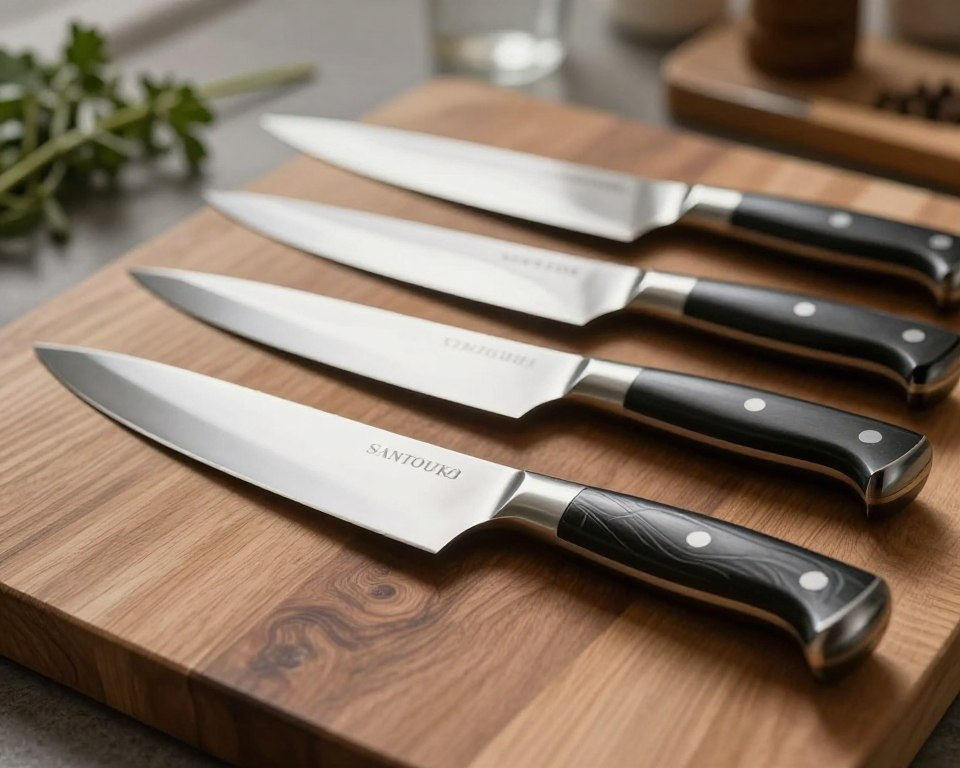
The cost of Japanese knives can vary significantly, with premium options ranging from $200 to over $1,000. Several factors contribute to this wide price range.
Factors Influencing Japanese Knife Prices
Several key factors influence the price of Japanese knives.
–Materials: The type and quality of materials used, such as high-carbon steel or Damascus steel, can significantly impact the price.
–Craftsmanship: Hand-forged knives require more labor and skill, increasing their cost.
–Brand Reputation: Renowned brands with a history of producing high-quality knives command a higher price due to their reputation and the trust they’ve built among chefs.
These factors combined can result in a wide range of prices for Japanese knives.
Comparing Cost to Quality
When evaluating whether a Japanese knife is worth its price, it’s crucial to compare its cost to its quality. High-quality Japanese knives are made with superior materials and craftsmanship, which not only enhances their performance but also their durability.
While a more expensive knife may seem like a significant upfront investment, its longevity and performance can make it a more cost-effective option in the long run.
Entry-Level vs. High-End Options
For those new to Japanese knives, entry-level options are available, typically priced between $50 and $200. These knives offer a good introduction to the world of Japanese cutlery without the significant investment required for high-end models.
On the other hand, high-end Japanese knives, often handcrafted and made with the finest materials, can cost $500 or more.
Some key differences between entry-level and high-end knives include:
- Material quality and durability
- Craftsmanship and attention to detail
- Brand reputation and warranty
By understanding these differences, buyers can make an informed decision that suits their budget and cooking needs.
Japanese Knives and Professional Chefs
Japanese knives have become an indispensable tool for many professional chefs, renowned for their exceptional quality and performance. The precision, durability, and versatility of these knives make them a preferred choice in many professional kitchens.
Popularity Among Culinary Experts
The popularity of Japanese knives among culinary experts can be attributed to their superior craftsmanship and the attention to detail in their design. Many professionals call Japanese knives the best tools for precise cutting tasks, which is a testament to their quality.
These knives are designed to meet the high standards of professional chefs, offering a range of types suited to different culinary tasks. From Santoku knives for chopping vegetables to Yanagiba knives for slicing fish, the variety available caters to the diverse needs of chefs.
Endorsements by Top Chefs
Top chefs around the world endorse Japanese knives for their performance and quality. Their endorsements are backed by the knives’ ability to deliver precise cuts and maintain sharpness over time.
Many culinary experts appreciate the balance and feel of Japanese knives, which allow for smooth, controlled movements. This is particularly important in high-pressure kitchen environments where efficiency and precision are crucial.
How Japanese Knives Enhance Cooking Skills
Using Japanese knives can significantly enhance a chef’s cooking skills. The sharpness and precision of these knives enable chefs to make clean cuts, which is essential for presenting dishes attractively and ensuring even cooking.
Moreover, the variety of Japanese knives available allows chefs to choose the right tool for each task, thereby improving their technique and efficiency in the kitchen. By incorporating Japanese knives into their workflow, chefs can elevate their cooking to new heights.
Home Cook’s Perspective on Japanese Knives
As a home cook, I’ve discovered that Japanese knives can significantly enhance the cooking experience. The precision and quality they offer can elevate even the simplest dishes.
Benefits for Enthusiastic Home Chefs
Japanese knives are not just for professional chefs; they offer numerous benefits for enthusiastic home cooks as well. Their sharpness and balance make them a joy to use, allowing for more precise cuts and less fatigue during extended cooking sessions.
According to Maricel Gentile, a professional chef, “Japanese knives tend to be lighter and more agile, which makes them ideal for my style of cooking.” This sentiment is echoed by many home cooks who appreciate the ergonomic design and lightweight construction of Japanese knives.
Accessibility and Usability for Beginners
While Japanese knives are often associated with advanced cooking techniques, they are also accessible to beginners. Many entry-level Japanese knives are designed with the home cook in mind, offering a balance between quality and affordability.
For those new to Japanese knives, it’s essential to understand that they may require a slightly different handling technique compared to Western knives. However, with a bit of practice, home cooks can quickly adapt and appreciate the benefits these knives provide.
Common Misconceptions About Japanese Knives
One common misconception about Japanese knives is that they are too fragile or high-maintenance for everyday use. In reality, while some Japanese knives are indeed delicate, many are designed to be durable and easy to maintain.
Another misconception is that Japanese knives are only suitable for specific tasks, such as slicing fish. However, many types of Japanese knives, like the Santoku, are versatile and can be used for a variety of kitchen tasks.
“I’ve found that my Japanese knife has become an indispensable tool in my kitchen, allowing me to prepare a wide range of dishes with ease and precision.”
Maintenance Tips for Japanese Knives
The art of maintaining Japanese knives involves a few simple yet crucial steps. Proper maintenance not only ensures the longevity of your high quality knives but also preserves their cutting performance and overall quality.
Regular maintenance includes sharpening, cleaning, and proper storage. Each of these steps plays a vital role in keeping your knives in optimal condition.
Proper Sharpening Techniques
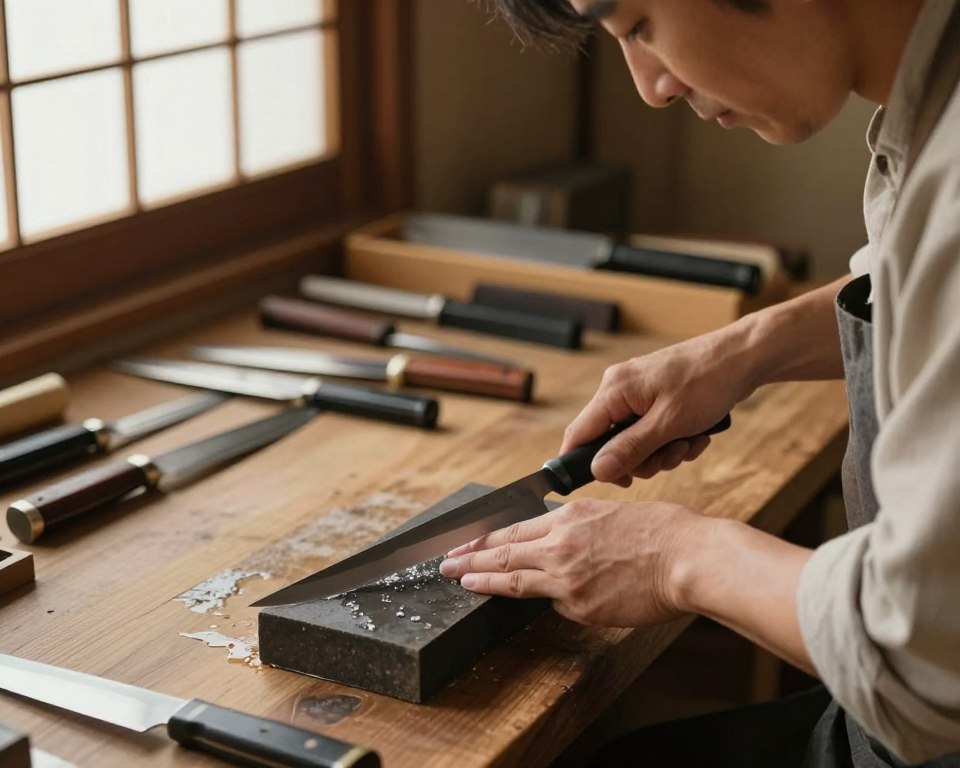
Sharpening is a critical aspect of maintaining your Japanese knives. Using the right sharpening tools, such as whetstones, is essential for achieving the desired sharpness. Here are some steps to follow:
- Choose the right grit whetstone for your knife’s current sharpness level.
- Maintain the correct angle, typically around 10-15 degrees for Japanese knives.
- Sharpen the knife in a consistent and smooth motion.
For those new to sharpening, it’s advisable to practice on a less expensive knife or seek guidance from a professional.
Cleaning and Storage Best Practices
Cleaning your Japanese knives immediately after use is crucial to prevent rust and maintain their appearance. Here are some best practices:
- Hand wash your knives with mild soap and dry them immediately.
- Store your knives in a dry place, away from other utensils that might cause damage.
- Consider using a knife block or magnetic strip for storage.
Proper storage not only protects the knives but also prevents accidents.
Avoiding Common Mistakes
Many users unintentionally shorten the lifespan of their Japanese knives by making a few common mistakes. These include:
- Using a dishwasher, which can cause damage and rust.
- Storing knives in a drawer without proper protection.
- Not sharpening regularly, leading to a dull blade.
By avoiding these mistakes, you can significantly extend the life of your cutlery and maintain its performance.
In conclusion, maintaining your Japanese knives requires attention to detail and adherence to best practices. By following these guidelines, you can enjoy your high quality knives for years to come.
Where to Buy Authentic Japanese Knives
The quest for authentic Japanese knives requires knowledge of reputable sources. With the rise of online shopping and global marketplaces, it has become both easier and more challenging to find genuine products.
When searching for authentic Japanese knives, it’s essential to consider factors such as the type of steel used, the craftsmanship, and the reputation of the seller. Guides that help in choosing the best Japanese knives often highlight these aspects, ensuring that buyers make informed decisions.
Reliable Retailers and Brands
Several retailers specialize in selling authentic Japanese knives. Some of the most reputable brands include:
- Sakai Takayuki: Known for their high-quality, handcrafted knives.
- Shun: Offers a range of Japanese knives that are both functional and aesthetically pleasing.
- Global: Famous for their sharp, durable knives with ergonomic handles.
| Brand | Known For | Price Range |
|---|---|---|
| Sakai Takayuki | High-quality, handcrafted knives | $100-$500 |
| Shun | Functional and aesthetically pleasing knives | $100-$300 |
| Global | Sharp, durable knives with ergonomic handles | $50-$200 |
Online Shopping Tips
When buying Japanese knives online, it’s crucial to:
- Check the seller’s reviews and ratings.
- Verify the authenticity of the product.
- Look for detailed product descriptions, including materials and dimensions.
Be cautious of extremely low prices, as they may indicate counterfeit products.
Second-Hand Market Considerations
The second-hand market can be a good source for finding authentic Japanese knives at lower prices. However, it’s vital to inspect the knife carefully for any signs of wear or damage.
When purchasing a used Japanese knife, consider the following:
- The condition of the blade and handle.
- Any maintenance or sharpening that may be required.
- The seller’s reputation and return policies.
Personalizing Your Japanese Knife Experience
The art of personalizing Japanese knives is a nuanced process that combines functionality with personal style. As someone who appreciates high quality knives, I find that customization can significantly enhance the cooking experience.
One of the primary ways to personalize a Japanese knife is through customization options for the blade. This can include altering the blade’s shape or edge geometry to suit specific cutting tasks or preferences. Some manufacturers offer bespoke services that allow customers to work closely with craftsmen to design a knife that meets their exact needs.
Customization Options for Your Blade
Customization can range from selecting the type of steel used in the blade to choosing the grind and edge type. For instance, a knife maker might offer various steel alloys, each with its own characteristics in terms of hardness and corrosion resistance. The grind of the knife, whether it’s a straight edge or a more complex bevel, can also be customized to suit the user’s cutting style.
Selecting the Right Handle Material
Japanese handles traditionally feature various shapes and materials, each chosen for its unique characteristics and aesthetic appeal. When selecting a handle material, one must consider factors such as durability, comfort, and the overall feel of the knife in the hand. Common materials include woods like magnolia or ebony, and synthetic materials that mimic the look and feel of wood but offer greater durability.
| Handle Material | Durability | Aesthetic Appeal |
|---|---|---|
| Wood (e.g., Magnolia) | Moderate | High |
| Synthetic Materials | High | Variable |
| Metal | High | Modern |
Engraving and Personal Touches
For many, the true personalization of a Japanese knife comes from adding engravings or other personal touches. This could be a simple inscription on the blade or handle, or more intricate designs that reflect the user’s personality or cooking style. Engraving not only adds an aesthetic element but can also make the knife a unique piece of cutlery that stands out.
In conclusion, personalizing a Japanese knife involves a thoughtful consideration of various elements, from the blade’s characteristics to the handle material and any additional engravings. By understanding the options available and working with skilled craftsmen in knife making, one can create a truly unique and functional tool.
Conclusion: Are Japanese Knives the Best for You?
As we have explored the world of Japanese knives, it’s clear that these culinary tools offer a unique blend of tradition, craftsmanship, and performance. From their rich history to the superior materials used in their production, Japanese knives have earned a reputation for excellence in the kitchen.
The Pros and Cons of Japanese Knives
When considering whether Japanese knives are the best, it’s essential to weigh their pros and cons. On one hand, their exceptional sharpness, durability, and versatility make them a favorite among professional chefs and home cooks alike. On the other hand, their higher price point and specific maintenance requirements may deter some from making the investment.
Making an Informed Decision
To determine if Japanese knives are the best for you, consider your cooking habits, the types of dishes you prepare, and your personal preferences. If you value precision, quality, and the art of cooking, Japanese knives may be an excellent choice. When selecting a Japanese knife, think about the type of knife you need, such as a Santoku or Yanagiba, and consider factors like handle material and blade geometry.
Final Considerations
Ultimately, whether Japanese knives are the best kitchen knives for you depends on your individual needs and preferences. By understanding the benefits and drawbacks of these exceptional tools, you can make an informed decision that enhances your cooking experience. As you explore the world of kitchen knives, remember that the right tool can elevate your culinary skills and bring joy to your cooking journey.