Achieving the perfect grind angle is crucial for optimal performance of your Shun knives. The grind angle significantly impacts the knife’s sharpness and overall user experience.
A sharp knife is not just a matter of convenience; it’s a safety necessity. A well-maintained Shun knife ensures precise cuts and reduces the risk of accidents. In this article, we will explore the importance of maintaining the ideal grind angle for your Shun knives and provide insights into achieving and maintaining optimal sharpness.
Key Takeaways
- Understanding the importance of the grind angle for Shun knife performance.
- The impact of the grind angle on knife sharpness and user experience.
- Tips for achieving the perfect grind angle.
- Best practices for maintaining Shun knife sharpness.
- The role of proper maintenance in extending the life of your Shun knives.
Understanding Shun Knives
To truly appreciate the value of Shun knives, it’s essential to understand their unique characteristics. Shun knives have been a benchmark for quality in the culinary world, known for their precision, durability, and exceptional performance.
What Makes Shun Knives Unique?
Shun knives are crafted with meticulous attention to detail, combining traditional Japanese techniques with modern technology. Their unique VG-MAX steel alloy, for instance, provides a hardness that ensures a sharp edge, while their ergonomic design offers comfort and balance during use.
The craftsmanship involved in creating Shun knives is unparalleled, with each knife undergoing a rigorous multi-step sharpening process to achieve a razor-sharp edge. This dedication to quality results in knives that not only perform exceptionally but also last longer.
Materials Used in Shun Knives
The materials used in Shun knives are a critical factor in their performance. The primary steel used is VG10, known for its high carbon content and ability to hold a sharp edge. Some models also feature SG2 steel, which offers additional strength and corrosion resistance.
The handles are typically made from Pakkawood, a durable and aesthetically pleasing material that provides a comfortable grip. The combination of these high-quality materials contributes to the overall excellence of Shun knives.
The Importance of Grind Angle
The grind angle of a Shun knife is crucial for its cutting performance. A well-crafted grind angle ensures that the knife slices through ingredients smoothly and efficiently, making it an essential aspect of shun knife maintenance and shun knife care.
Understanding the grind angle and how to maintain it is vital for anyone using Shun knives. Proper care and maintenance not only enhance the knife’s performance but also prolong its lifespan.
Choosing the Right Grind Angle for Shun Knives
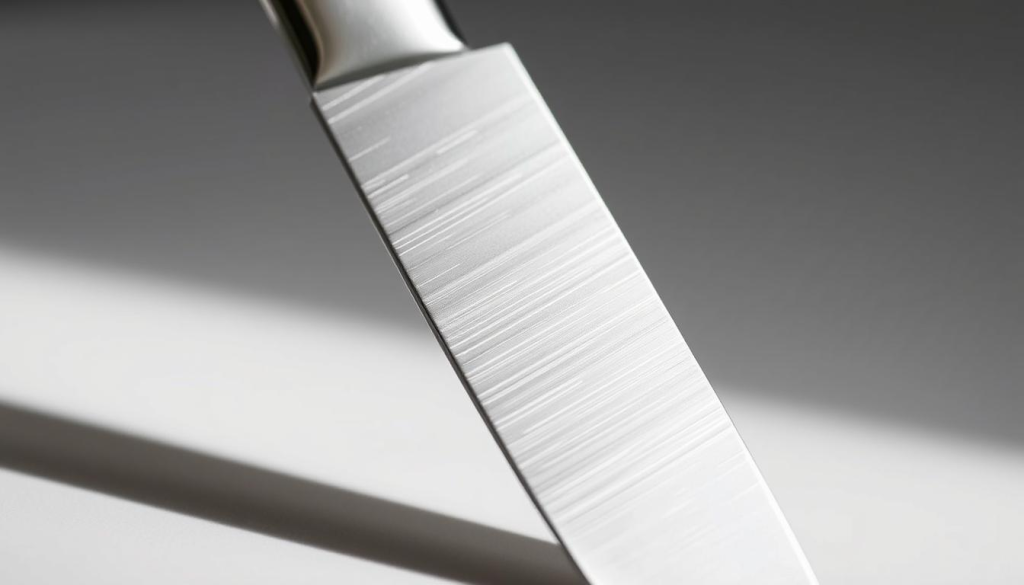
To maximize the potential of your Shun knife, understanding the appropriate grind angle is essential. The grind angle, or the angle at which the knife is sharpened, plays a critical role in its performance and durability.
Common Grind Angles for Kitchen Knives
Different knives are sharpened to various angles depending on their intended use. For instance:
- Japanese knives, like Shun, are typically sharpened to a more acute angle, around 16°, for precision cutting.
- Western-style knives are often sharpened to a wider angle, usually between 20° to 22°, for durability.
The specific grind angle affects the knife’s sharpness and its resistance to wear. A more acute angle results in a sharper edge but may require more frequent sharpening.
Factors Affecting Grind Angle Choice
Several factors influence the choice of grind angle for your Shun knife:
- Intended Use: Knives used for delicate tasks may benefit from a more acute angle, while those used for heavy-duty tasks may require a wider angle.
- Material: The hardness of the knife material can affect the optimal grind angle. Harder materials can maintain a sharper angle longer.
- Personal Preference: Some users prefer a sharper edge, while others may prioritize durability.
Understanding these factors and how they relate to your Shun knife can help you choose the most appropriate grind angle for your needs.
How to Measure the Grind Angle
For Shun knife owners, measuring the grind angle is a fundamental skill that enhances the knife’s edge retention. The grind angle significantly influences how well a knife cuts and how long it stays sharp.
Tools You’ll Need
To accurately measure the grind angle of your Shun knife, you’ll need a few specialized tools. The most recommended tool is an angle cube, which provides a precise measurement of the angle. Additionally, a protractor or a digital angle gauge can be useful.
Step-by-Step Measuring Process
Measuring the grind angle involves a straightforward process that requires attention to detail. Here’s a step-by-step guide:
- Place the Shun knife on a flat surface, ensuring it’s stable.
- Position the angle cube or protractor against the blade, aligning it with the edge.
- Carefully read the angle measurement from the tool.
- Record the measurement for future reference, especially when sharpening or maintaining the knife.
By following these steps, you can ensure that your Shun knife is properly maintained, enhancing its blade maintenance and overall performance.
Techniques for Adjusting the Grind Angle
Achieving the perfect grind angle is essential for unlocking the full potential of your Shun knife. The grind angle significantly affects the knife’s performance, durability, and overall cutting experience.
Using a Professional Sharpening System
A professional sharpening system is a highly effective tool for adjusting the grind angle of your Shun knife. These systems are designed to provide precise control over the sharpening process, ensuring a consistent and accurate grind angle.
Benefits of Professional Sharpening Systems:
- Precision: Allows for precise control over the grind angle.
- Consistency: Ensures a consistent sharpening result.
- Ease of Use: Simplifies the sharpening process, making it accessible to users of all skill levels.
Manual Sharpening Techniques
For those who prefer a more traditional approach, manual sharpening techniques offer a viable alternative. Using a whetstone or sharpening stone, you can manually adjust the grind angle of your Shun knife.
Key Considerations for Manual Sharpening:
- Skill Level: Requires a certain level of skill and practice to achieve the desired results.
- Control: Offers direct control over the sharpening process.
- Flexibility: Allows for adjustments to be made on the fly.
Regardless of the method chosen, achieving the correct grind angle is crucial for optimal performance. By utilizing either a professional sharpening system or manual sharpening techniques, you can ensure your Shun knife remains in top condition.
Maintaining Your Shun Knife Grind Angle
Ensuring your Shun knife’s grind angle is properly maintained will enhance its cutting performance and safety. A well-maintained grind angle is crucial for achieving precise cuts and preventing accidents in the kitchen.
Regular Maintenance Tips
To keep your Shun knife in optimal condition, regular maintenance is key. Here are some tips:
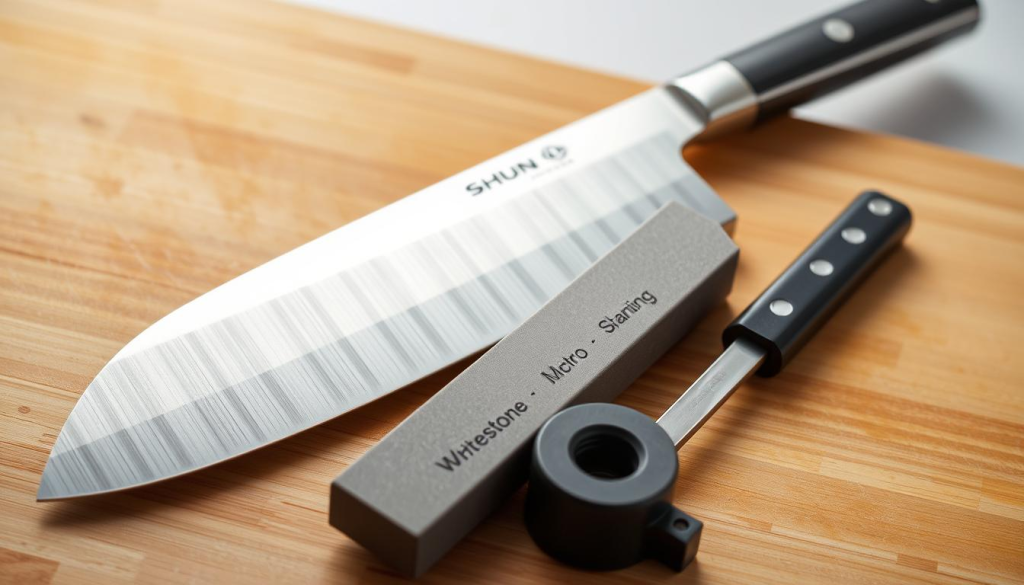
- Regular Honing: Use a honing rod to maintain the knife’s edge alignment. This should be done frequently, ideally before or after each use.
- Sharpening: Depending on usage, sharpen your Shun knife periodically. The frequency can vary based on how often you use the knife.
- Cleaning: Hand wash your Shun knife and dry it immediately to prevent rust or damage.
- Storage: Store your knife in a dry place, preferably in a knife block or on a magnetic strip to maintain its edge.
Recognizing When to Re-sharpen
Knowing when your Shun knife needs re-sharpening is vital for maintaining its performance. Here are some signs to look out for:
- Difficulty in Cutting: If you find that your knife is struggling to cut through ingredients with ease, it may be a sign that the edge has dulled.
- Visible Nicks or Dull Spots: Inspect your knife for any visible damage or dull spots along the edge.
- Increased Pressure Required: If you need to apply more pressure than usual to make a cut, it’s likely time to re-sharpen.
By following these maintenance tips and being aware of when to re-sharpen, you can ensure your Shun knife remains in excellent condition, providing you with years of reliable service.
The Benefits of the Correct Grind Angle
The grind angle of a Shun knife plays a pivotal role in determining its cutting efficiency and safety. A correct Shun knife blade angle ensures that the knife performs optimally, making it a crucial aspect of knife maintenance.
Maintaining the correct grind angle is not just about performance; it’s also about the overall experience of using the knife. A well-ground Shun knife glides through ingredients with ease, reducing the effort required for cutting and chopping.
Improved Cutting Performance
A Shun knife with the correct grind angle will have improved sharpness, allowing for smoother cuts and more precise control. This is particularly important in culinary applications where the texture and presentation of ingredients are crucial.
The correct blade angle also ensures that the knife remains effective over time, requiring less frequent sharpening and maintaining its cutting performance. This consistency is key to professional chefs and home cooks alike.
Enhanced Safety While Using Knives
Using a knife with the correct grind angle significantly enhances safety in the kitchen. A knife that is too dull or has an improper angle can lead to accidents, as it requires more force to cut, increasing the risk of slipping and injury.
A Shun knife with a proper blade angle cuts smoothly and predictably, reducing the risk of accidents. This predictability allows cooks to focus on their technique rather than worrying about the knife’s performance.
By maintaining the correct grind angle, users can ensure their Shun knives remain safe and effective tools in the kitchen.
Common Mistakes in Grind Angle Adjustment
To achieve the perfect Shun knife grind angle, it’s essential to steer clear of frequent missteps. Adjusting the grind angle requires precision and an understanding of the common pitfalls that can affect the performance and longevity of your knife.
Avoiding Too Steep of an Angle
One of the most common mistakes in grind angle adjustment is setting too steep of an angle. A steep angle can lead to a knife edge that is more prone to chipping and breaking, particularly when used on hard or dense materials. For instance, using a Shun knife on a hard surface like bone or a frozen food item can cause significant damage to the edge.
Consequences of a Steep Angle:
- Reduced edge retention
- Increased risk of chipping
- Potential for edge breakage
To avoid this, it’s crucial to understand the optimal grind angle for your specific Shun knife model and the tasks you intend to perform with it.
Misunderstanding Knife Use
Another critical mistake is misunderstanding the proper use of your Shun knife. Using your knife for tasks it’s not designed for can lead to unnecessary wear and tear, affecting the grind angle and overall performance. For example, using a Shun knife to cut through hard or inappropriate materials can damage the blade.
“The way you use your knife is just as important as the knife itself. Misusing your knife can lead to a suboptimal grind angle, affecting its performance and longevity.”
A table summarizing the common mistakes and their consequences is provided below:
| Mistake | Consequence |
|---|---|
| Too steep of an angle | Reduced edge retention, increased risk of chipping |
| Misunderstanding knife use | Unnecessary wear and tear, damage to the blade |
By being aware of these common mistakes and taking steps to avoid them, you can maintain the optimal grind angle of your Shun knife, ensuring it remains a reliable tool in your kitchen.
Shun Knife Grind Angle and Food Preparation
A well-maintained Shun knife grind angle enhances the overall quality of food preparation. The precision and care invested in maintaining the optimal grind angle directly influence the performance of the knife, impacting both the texture and flavor of the food being prepared.
The grind angle of a knife is not just a matter of sharpness; it’s about how the knife interacts with the food. A proper shun knife sharpening technique ensures that the knife glides through ingredients smoothly, preserving their integrity and ensuring consistent results.
The Role of Grind Angle in Food Texture
The texture of food is significantly affected by the grind angle of the knife used to prepare it. A knife with a grind angle that is too steep may tear or crush delicate foods, while an angle that is too shallow may not cut efficiently, leading to uneven textures.
| Grind Angle | Effect on Food Texture |
|---|---|
| Too Steep | Tears or crushes delicate foods |
| Too Shallow | Fails to cut efficiently, leading to uneven textures |
| Optimal | Cuts smoothly, preserving food texture |
How Proper Angles Affect Flavor
The flavor of food can also be influenced by the grind angle of the knife. When a knife cuts cleanly, it helps to preserve the cellular structure of the ingredients, which can affect the release of flavors during cooking. A well-maintained Shun knife ensures that flavors are not lost due to tearing or crushing.
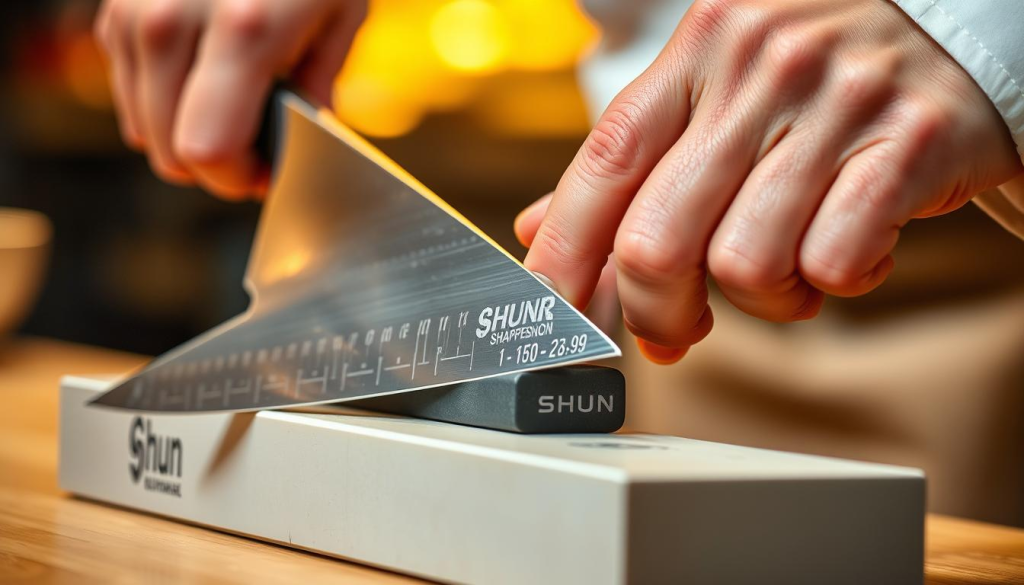
In conclusion, the shun knife grind angle plays a crucial role in food preparation, affecting both the texture and flavor of food. By maintaining the optimal grind angle through proper shun knife sharpening techniques, chefs and home cooks can enhance their culinary experiences.
Expert Tips for Achieving the Perfect Angle
Professional chefs and knife experts agree that the grind angle of a Shun knife is crucial for its effectiveness. A well-maintained grind angle not only enhances the knife’s cutting performance but also contributes to its longevity.
Insights from Professional Chefs
Many professional chefs emphasize the importance of maintaining the correct grind angle for optimal performance. According to Chef Masaharu Morimoto, “A sharp knife with the correct grind angle is essential for precision cutting, which is vital in high-pressure kitchen environments.”
- Regularly inspect your knife’s edge for signs of wear.
- Use a sharpening stone that is appropriate for your Shun knife’s material.
- Maintain a consistent angle during sharpening to avoid uneven wear.
Recommendations from Knife Experts
Knife experts recommend a systematic approach to maintaining your Shun knife’s grind angle. Regular maintenance is key to preventing the need for major adjustments down the line.
- Clean your knife after each use to prevent residue buildup.
- Store your knife properly to protect its edge.
- Sharpen your knife regularly, using the correct angle guide.
By following these expert tips, you can achieve and maintain the perfect grind angle for your Shun knife, ensuring it remains a reliable tool in your kitchen.
Troubleshooting Grind Angle Issues
Identifying and correcting grind angle issues is essential for optimal knife performance. A wrong grind angle can lead to a dull knife, making it difficult to cut through ingredients efficiently.
Identifying Signs of Wrong Grind Angle
A wrong grind angle can manifest in several ways, including:
- Dulling of the blade
- Increased effort required to cut
- Visible signs of wear or chipping on the edge
According to knife experts, “A properly sharpened knife should be able to cut through a piece of paper smoothly without any tearing.”
“The angle of the blade is critical; it’s what determines the knife’s sharpness and durability.”
Solutions to Common Problems
To address grind angle issues, consider the following solutions:
| Problem | Solution |
|---|---|
| Dull blade | Re-sharpen the knife to the correct shun knife blade angle |
| Chipping or wear | Inspect the knife for damage and adjust the grind angle accordingly |
Maintaining the correct shun knife sharpness requires regular maintenance and attention to the grind angle. By identifying and correcting issues promptly, you can ensure your Shun knife remains in optimal condition.
Conclusion: Perfecting Your Technique
Mastering the perfect Shun knife grind angle is a skill that requires practice, patience, and dedication to maintenance. By understanding the importance of the grind angle and how to achieve it, you can significantly improve your cutting performance and extend the life of your Shun knife.
Maintaining Edge Retention
To maintain optimal shun knife edge retention, regular sharpening and proper storage are essential. This not only ensures your knife remains effective but also enhances safety in the kitchen.
Best Practices for Blade Maintenance
Effective shun knife blade maintenance involves regular cleaning, drying, and storage in a protective environment. By following these best practices, you can preserve the quality and performance of your Shun knife.
Continuing to practice and refine your skills will lead to proficiency in maintaining the perfect grind angle, ultimately enhancing your overall cooking experience.